
Europe rewards curious travelers, but many cities enforce narrow rules that feel unexpected to newcomers. These measures were created to protect old stone, keep traffic safe, and reduce noise or litter in crowded cores. Because they are local, they may not appear in airline emails or hotel check-ins, and signs can be easy to miss. Fines are often issued on the spot, so a small mistake can become expensive fast. Checking municipal visitor pages and park notices before a day trip can prevent awkward stops and ruined itineraries. Even when behavior seems normal at home, local officers may treat it as a rule break.
1. Feeding Pigeons Near St Mark’s Square In Venice
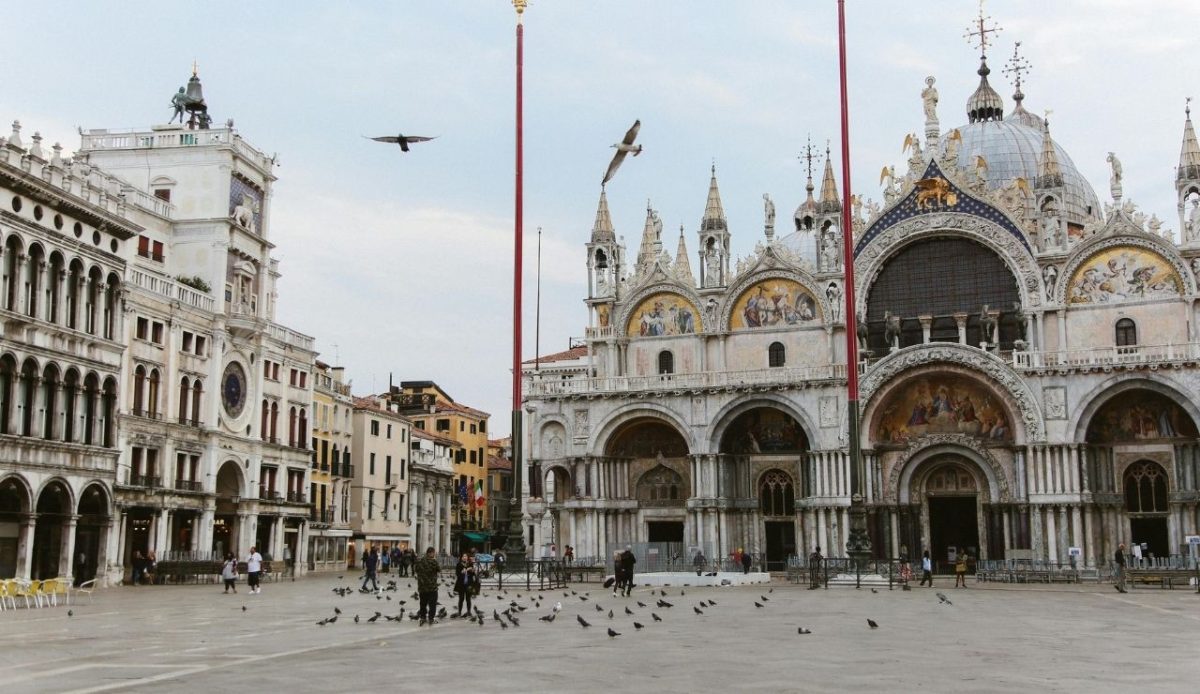
Venice bans feeding pigeons in areas around St Mark’s Square, even if the birds crowd your feet. The rule exists because droppings and scratching harm marble and require constant cleaning on fragile facades. Tourists get caught because the act looks friendly, and older travel memories include vendors selling seeds. Patrols watch the plaza during peak hours, and a fine can be issued quickly without a long debate. Some visitors are stopped after tossing crumbs from a pastry, not only after deliberate feeding. If you want photos, keep food sealed and step away from anyone offering feed. It is treated as a monument for protection.
2. Street Cannabis Smoking In Central Amsterdam Zones
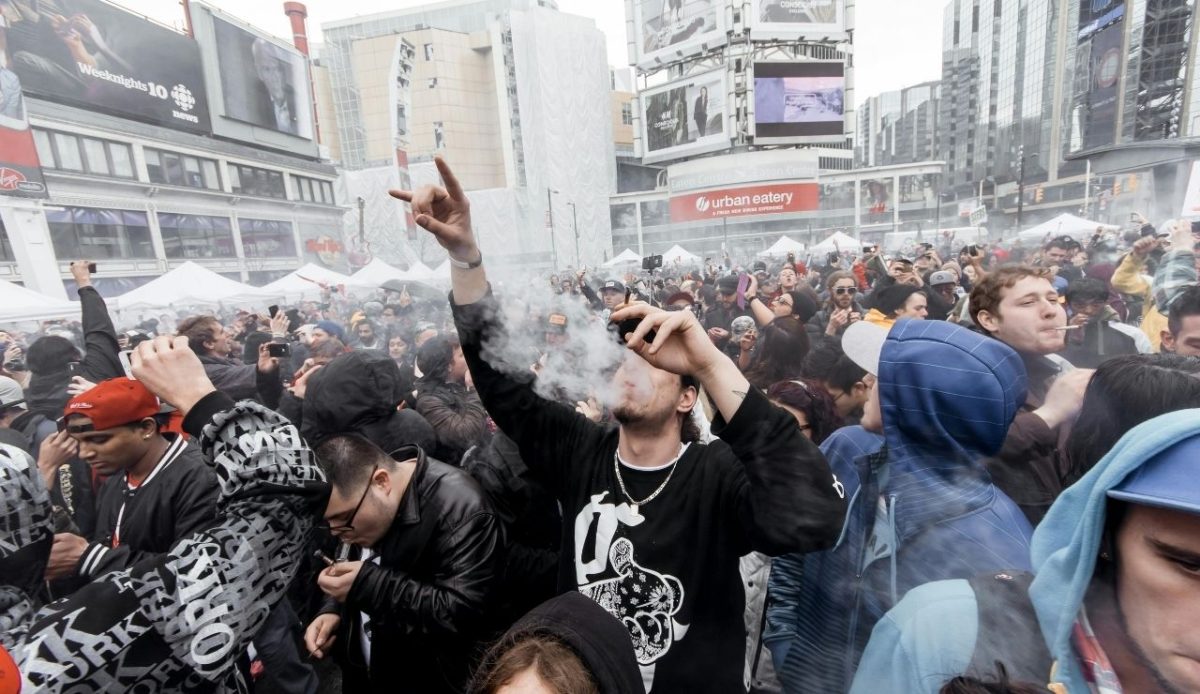
Amsterdam’s coffee shops may sell cannabis under local tolerance rules, yet street smoking is banned in parts of the city center, such as the Red Light District. Visitors assume outdoor use is fine because the product is legal to buy, but the restriction targets crowds, secondhand smoke, and residents who live above busy lanes. Police can warn first, though a fixed fine may be issued if smoking continues. To avoid trouble, use private spaces where allowed, follow posted zone signs, and remember that purchase rules and public use rules are different. Enforcement is most visible on weekend nights when foot traffic becomes tightly packed.
3. Wrong Footwear On Cinque Terre Hiking Trails
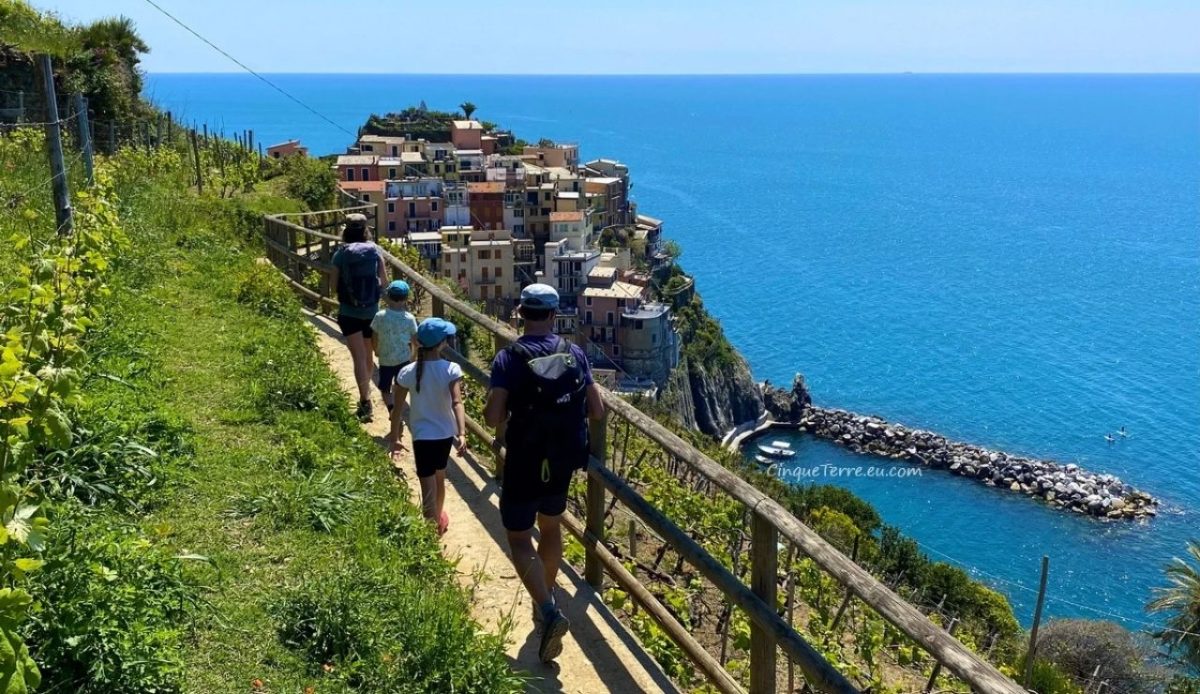
In Cinque Terre National Park, proper footwear is required on designated hiking trails, and fines can follow for flip flops or smooth soles. The paths include steep steps, loose rock, and sudden drops, so rescues become risky and slow when hikers slip. Rangers may check shoes near trailheads during busy months, which surprises travelers who expected a simple coastal stroll between villages. Carry closed shoes with grip, even if you plan short segments, and confirm trail status after rain because closures and checks are increased. The rule is framed as safety management, and warnings are not always given when conditions look hazardous.
4. Entering Or Bathing In Rome’s Historic Fountains
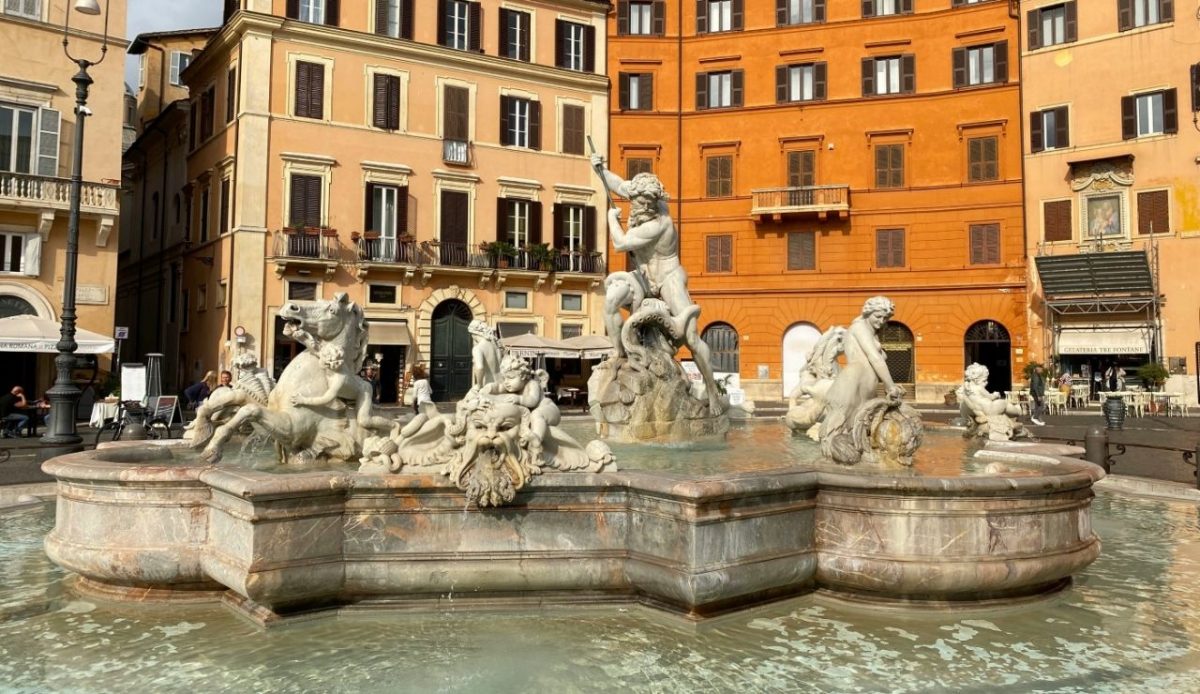
Rome can fine visitors who enter or bathe in historic fountains, including Trevi, even for a quick photo. Water features were built as monuments, and oils from skin, plus climbing on stone, can cause damage that must be repaired. During peak season, officers are stationed nearby, and penalties may be issued immediately when feet touch the water. Nighttime visits do not guarantee leniency, since cameras are used and reports can be acted on later. Enjoy the view from the edge and keep celebrations away from the basin. Tossing a coin is still permitted at some fountains, yet wading or sitting on the rim crosses the line.
5. Sitting On The Spanish Steps In Rome
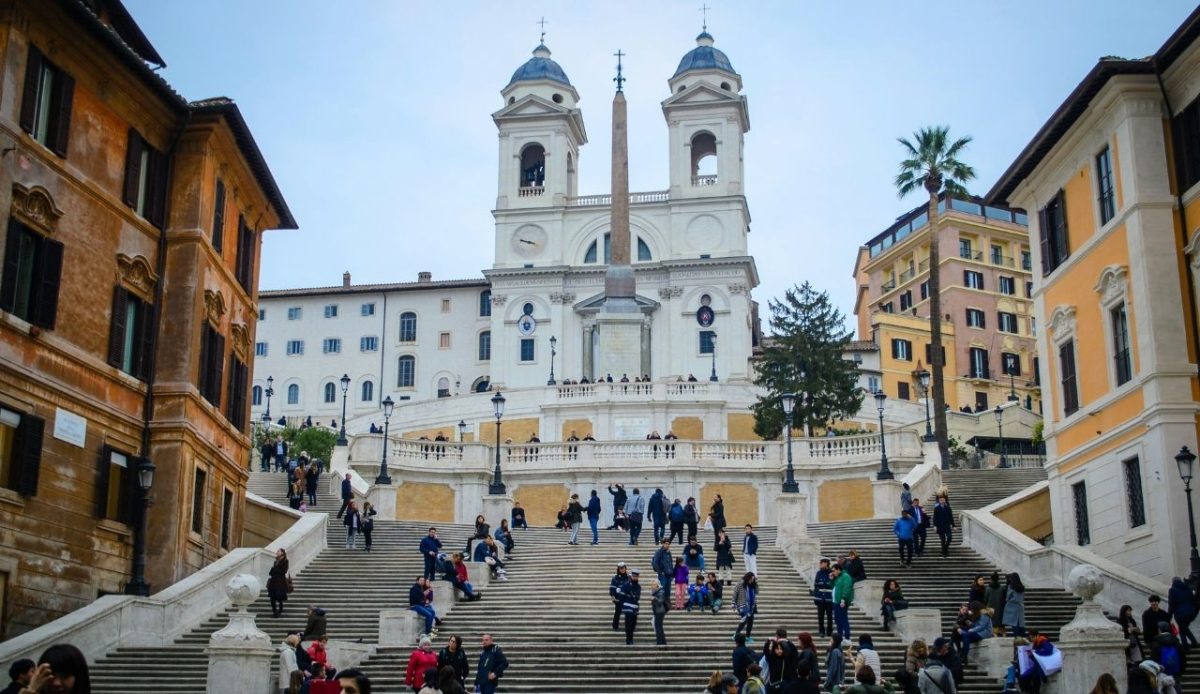
At the Spanish Steps, sitting, picnicking, or lingering on the stairway can lead to a fine under rules meant to protect the landmark and keep movement clear. Many tourists pause there because nearby streets are crowded and shade is limited, but wear on the stone has been a long-standing concern. Staff may ask people to stand and move along, and enforcement has been reported during daytime and evening hours. Use nearby benches or cafés for breaks, and treat the steps as a passageway rather than a seating area. Eating gelato or drinking from open containers while seated is often what draws attention first, so keep snacks elsewhere.
6. Eating On Certain Florence Streets At Set Times

Florence has used targeted ordinances that restrict eating on certain central streets during set hours to reduce litter and keep narrow lanes passable. Visitors grab a sandwich near the Duomo or Uffizi and assume it is normal street food, yet enforcement focuses on hotspots where crowds compress. Fines have been issued when people sit on doorsteps or lean against shopfronts while eating. Look for posted notices on specific streets, and step into a piazza or indoor spot if you are unsure about the boundary. The goal is not to ban takeout, but to prevent mess near monuments where bins overflow, and cleaners struggle to keep up.
7. Portofino Summer Rules On Bare Feet And Beachwear
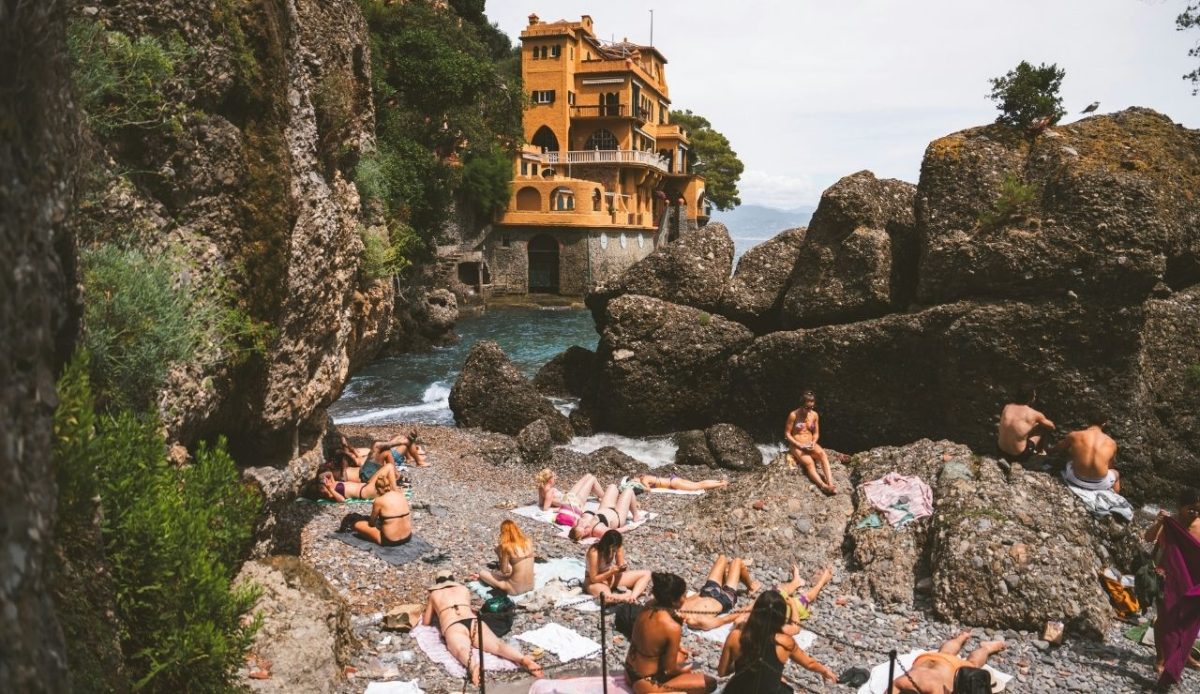
Portofino has announced seasonal rules that can penalize walking barefoot, wearing swimwear away from the waterfront, or drinking alcohol on the street in certain areas. Day trippers arrive from boats in beach clothes and assume the village works like a resort strip, yet the rules aim to protect public decorum and reduce rowdy behavior. Fines are tied to summer crowding and are meant to steer people toward beaches and licensed terraces. Pack a cover-up and sandals, and finish drinks inside permitted venues before wandering through the narrow lanes. It is seasonal, so check current notices before arrival.
8. Stopping On Germany’s Autobahn Without A True Emergency
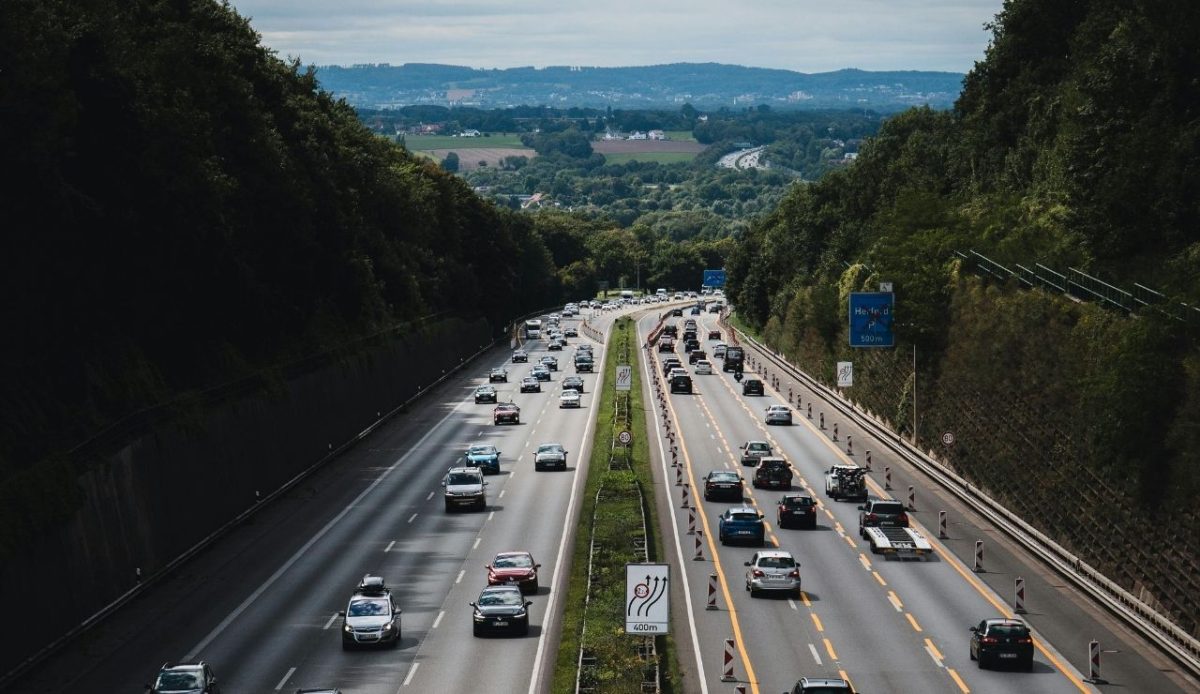
On Germany’s Autobahn, stopping on the shoulder is generally forbidden unless a real emergency exists, and running out of fuel can be treated as an avoidable stop. Visitors may pull over to check maps or rest, but high speeds leave little room for a parked car to be seen in time. If a stop was not forced by a sudden breakdown, a fine and penalty points can follow. Plan fuel well, use rest areas for breaks, and set navigation before entering long stretches so the urge to pause does not turn into a costly violation. When a breakdown happens, warning triangles and safety procedures are expected, which is another detail tourists often miss.
9. Segway Restrictions In Prague’s Historic Center

Prague restricts Segways in much of its historic core, so guided riders can be turned away from key streets around Old Town. The rule was introduced after complaints about pedestrian safety on crowded sidewalks and in narrow lanes. Tourists are caught off guard because rentals may still be advertised, and routes can change depending on signage and local enforcement zones. If you want a wheeled tour, choose bicycles where permitted or a walking guide instead, and confirm the approved route before you pay. In some cases, operators were fined, and riders were redirected, which can disrupt a tight sightseeing schedule.
10. Public Drinking Fines In Parts Of Barcelona

Barcelona can fine public drinking when it creates nuisance, noise, or disorder, especially in busy nightlife areas and around beaches. Travelers often copy what they see in crowds and assume an open beer is acceptable everywhere, yet enforcement increases when bottles pile up or walkways are blocked. The rule is tied to civic conduct codes, so officers may act even if no one seems upset. Stick to terraces, keep alcohol sealed while walking, and follow local guidance during festivals when extra controls may be put in place. Drinks may be confiscated, and fines can be steep compared with the cost of a bar seat.
11. Mallorca And Ibiza Resort Zone Alcohol Limits

In parts of Mallorca and Ibiza, responsible tourism rules restrict public drinking and limit late-night alcohol sales in certain resort zones. Visitors are surprised because the limits are not island-wide and may apply only to specific municipalities or streets where disorder has been common. Retail shops can be barred from selling alcohol overnight, and some hotel drink promotions are restricted. Check your hotel’s area rules, buy supplies earlier in the evening if needed, and remember that a short taxi ride can move you into a different regulation zone. Patrols focus on late hours, and fines are used to back up the limits.
