
Switzerland offers hiking that feels organized without losing wild character. Marked routes link valleys to high ridges, and trains and cable cars make remote trailheads reachable in a morning. Weather, snowfields, and steep grades still require planning, yet signage and map standards reduce guesswork. Many paths share space with grazing cattle, quiet hamlets, and mountain huts that serve simple meals. The destinations below span German, French, Italian, and Romansh regions, giving glacier views, lake reflections, vineyard tracks, and limestone cliffs in trips that fit a day or a multi-stage walk.
1. Stoos Ridge Trail
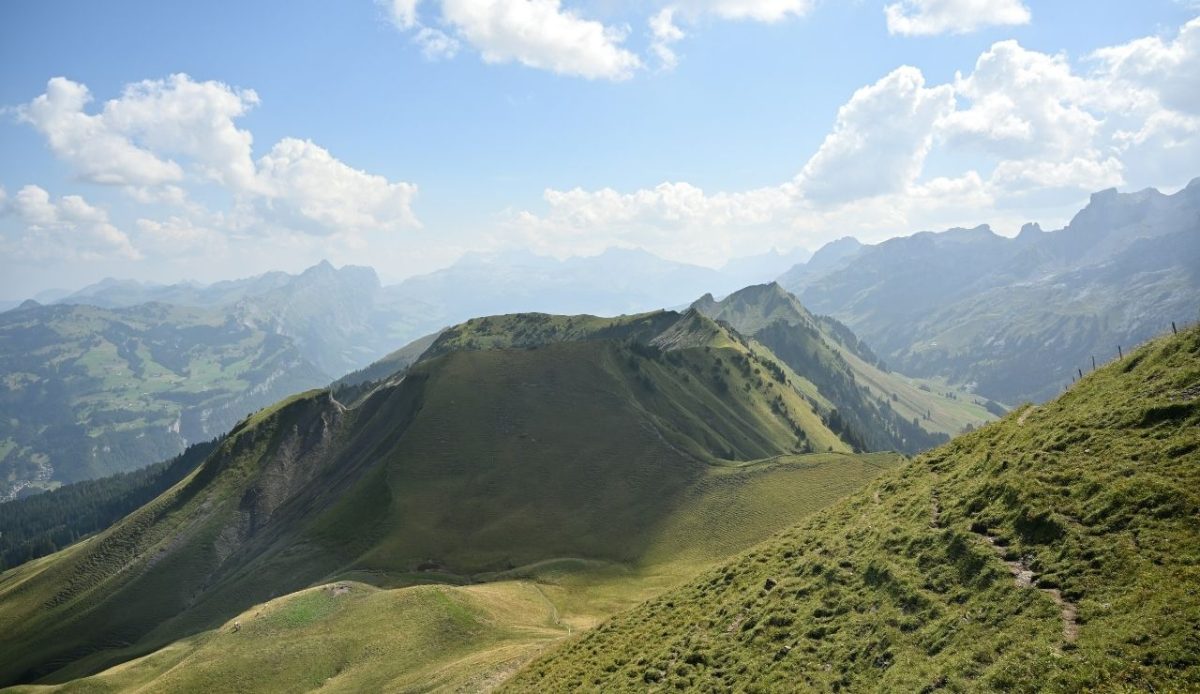
From Klingenstock to Fronalpstock, the Stoos ridge walk rides a narrow crest above Lake Lucerne with long sightlines on both sides. Switchbacks lead to the high line, then the path stays exposed yet stable, with railings where the slope drops sharply. Early summer can leave snow patches near shaded corners, so trekking poles and grippy soles reduce slips. Cloud cover can form fast, so downloading an offline map helps even with excellent markers. A funicular reaches Stoos village, and cable cars shorten the day, leaving time at Fronalpstock to watch paragliders and boats far below. Clear mornings usually give the widest mountain sweep.
2. Eiger Trail
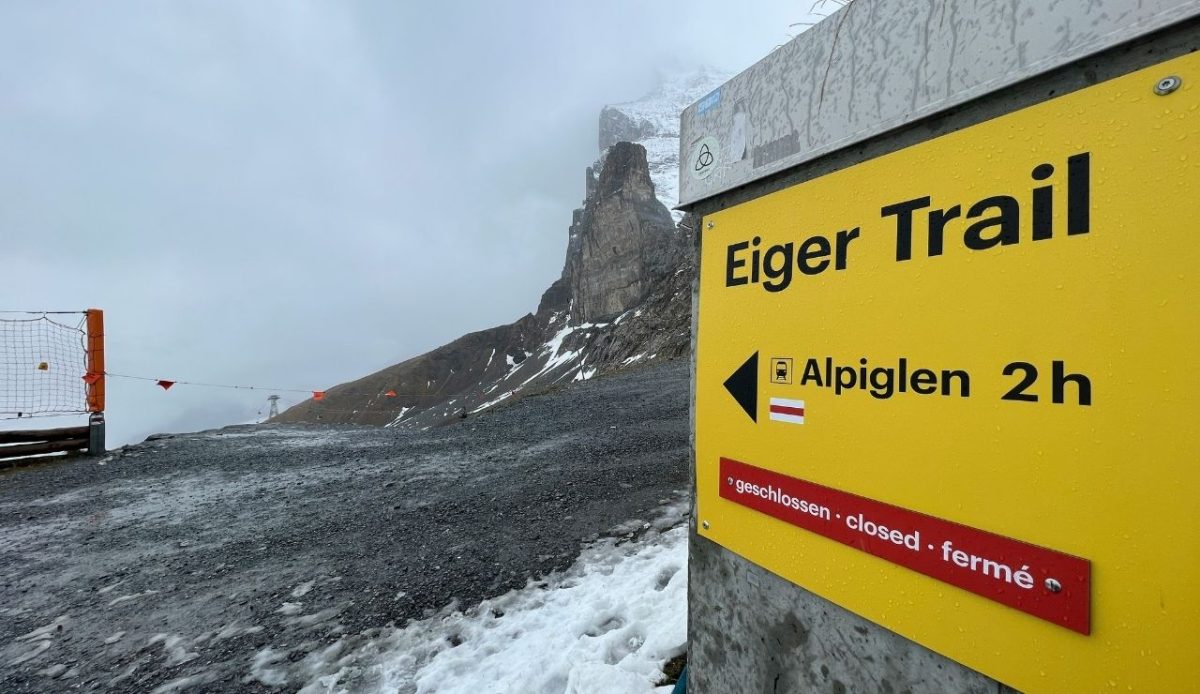
The Eiger Trail runs between Eigergletscher and Alpiglen, placing hikers directly under the famous north face. Glacial runoff, moraine gravel, and alpine grass change underfoot, while the wall overhead shows why weather shifts here can be abrupt. Rockfall zones are signed, and the safest habit is to keep moving through them without stopping for photos. Interpretive panels explain geology and landmark climbs, adding context beyond the view. Because trains stop at both ends, the route can be timed to daylight and afternoon storms, and it pairs well with a quick visit to Kleine Scheidegg. Start early for clearer skies.
3. Five Lakes Trail, Zermatt
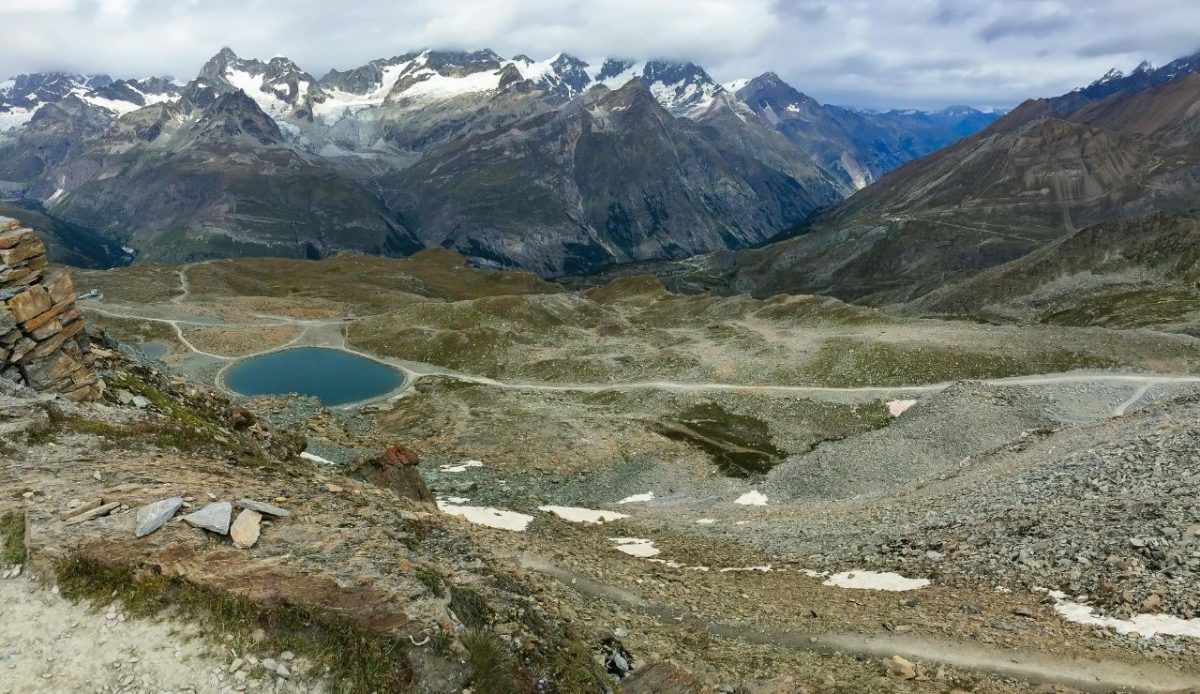
Zermatt’s Five Lakes Trail links small mountain lakes above Sunnegga that often mirror the Matterhorn when winds stay low. The walk mixes steady climbs with long traverses across open slopes, so pacing feels smooth even for newer hikers. Each stop has a different angle and color, from dark reflective pools to shallow green water warmed by the sun. Swimming is common at Leisee in summer, while Stellisee is favored at dawn for reflections. Carry layers because breezes pick up near ridgelines, and watch for afternoon haze that can soften the mountain outline. Funicular and gondola access keep the start simple.
4. Creux Du Van
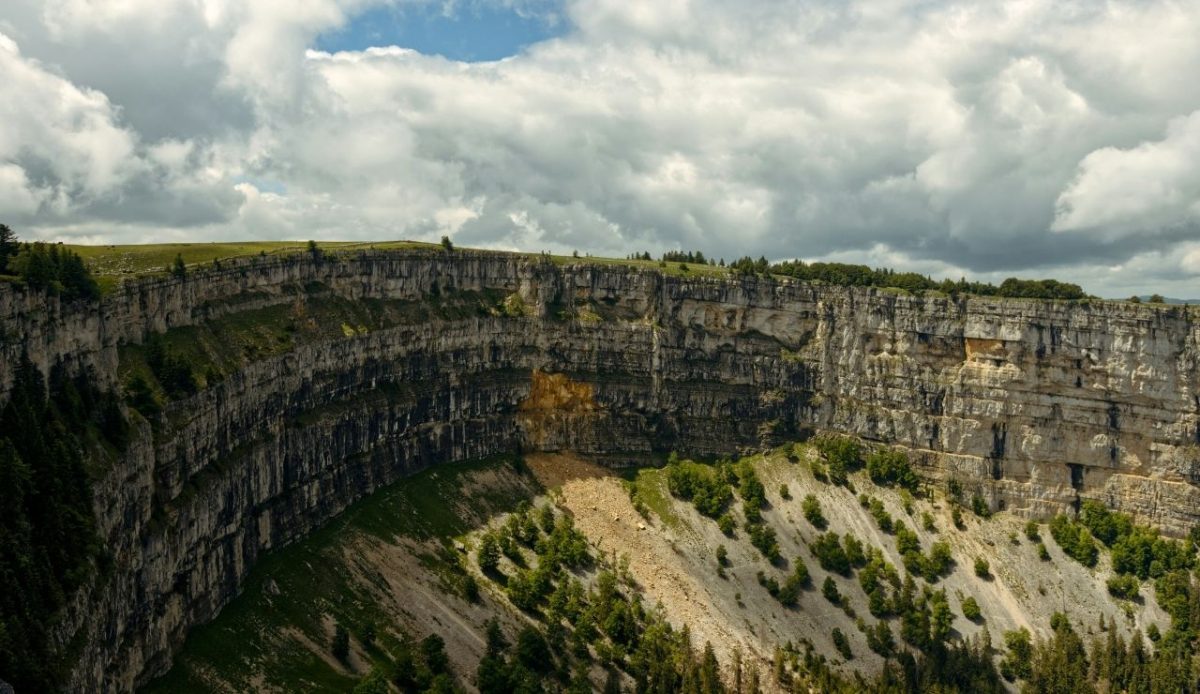
Creux du Van in the Jura is a vast limestone amphitheater reached by forest paths that open onto a cliff-edged rim. The contrast between shaded firs and bright rock feels dramatic, even on a moderate outing. Layered walls drop hundreds of feet into the basin, and sound carries in surprising ways on calm days. Routes from Noiraigue climb steadily, while alternatives from nearby villages can spread crowds across different approaches. Wind at the rim can be sharp in any season, so a hat and light gloves help, and careful footing is needed near the edge. Ibex may appear, so keep a distance at all times.
5. Via Engiadina
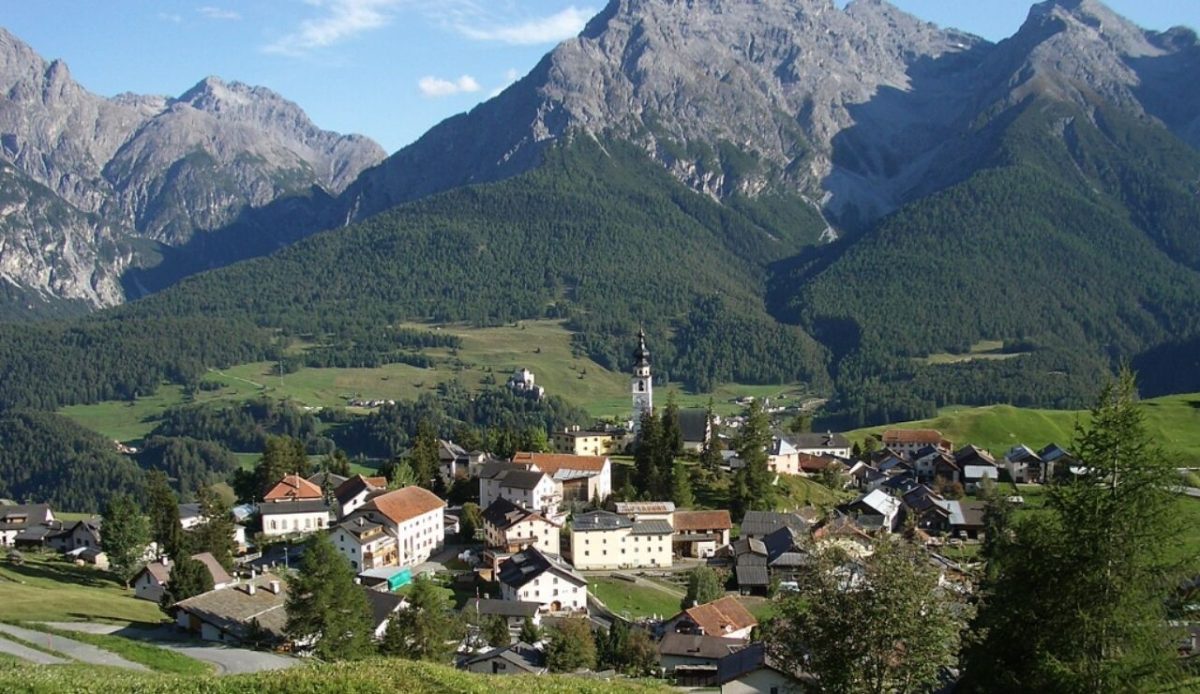
Via Engiadina is a multi-stage route along the Engadine that connects villages, larch woods, and sunny terraces above the Inn River. Instead of chasing one summit, it rewards consistent walking and attention to settlement patterns, fountains, and pasture edges. Grades remain manageable, but distance accumulates, so many hikers choose a single stage between rail-served towns like Sils, Zuoz, or Scuol. Dry air can mask dehydration at altitude, making regular water breaks important. In autumn, golden larches and crisp light sharpen the scenery, and local bakeries offer practical refuel stops. Quiet mornings feel best.
6. Aletsch Glacier Viewpoint Trails
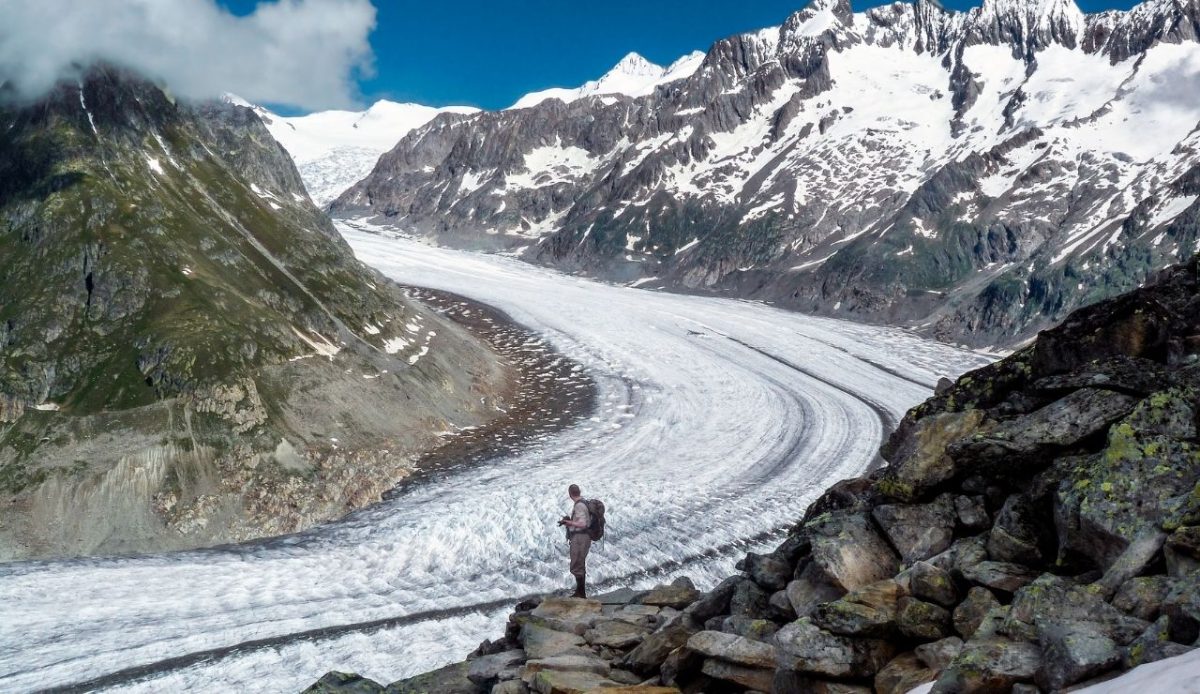
In the Aletsch Arena, ridge walks from viewpoints like Eggishorn or Bettmerhorn look down on the Great Aletsch Glacier and its slow ice flow. Even short hikes feel serious because the glacier scale dominates, with crevasses and blue shadows visible from above. Cable cars lift hikers high, then marked paths cross rocky knolls and alpine turf where weather can flip from sun to sleet. Interpretive displays and nearby museums explain how the glacier has changed, turning the view into a lesson as well as a photo. Stay on paths to protect fragile plants, and pack sunscreen since reflection from ice can burn quickly.
7. Verzasca Valley Sentiero
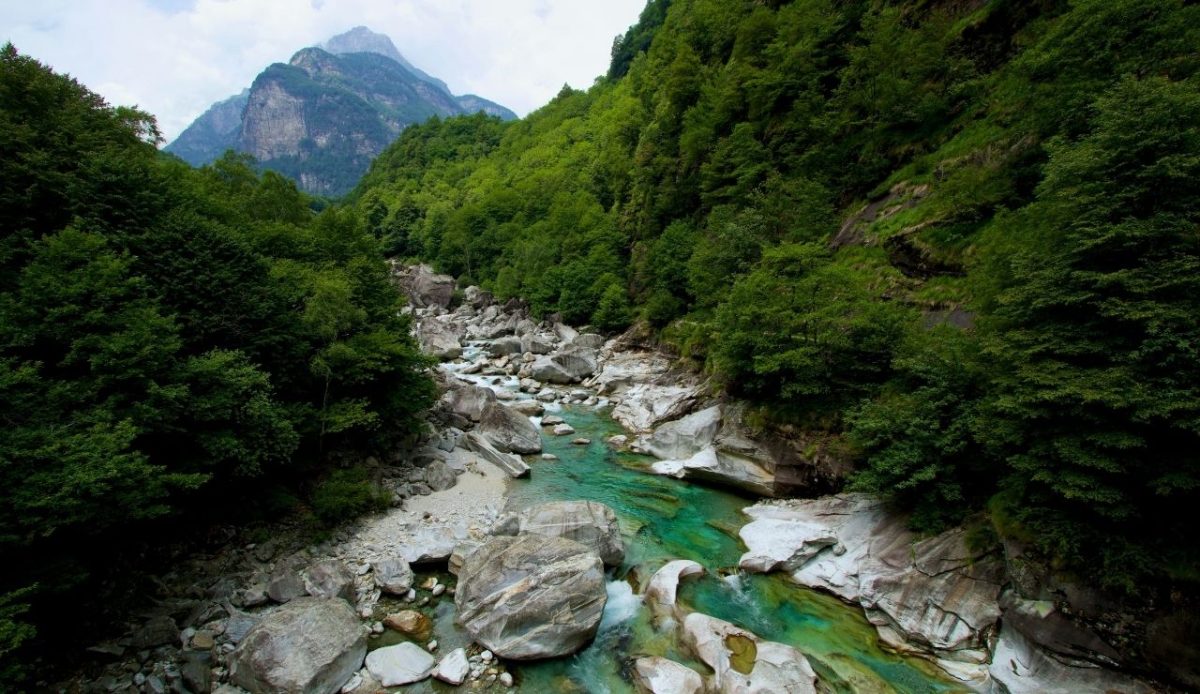
The Verzasca Valley in Ticino offers a riverside hike beside a clear green torrent that passes stone bridges, chestnut groves, and small hamlets. Easy stretches near Lavertezzo work for families, while longer segments toward Sonogno add elevation and quieter corners. Smooth boulders and pools invite breaks, but rock can turn slick after rain, so shoes with a strong grip matter. Bus links make it possible to walk one direction without backtracking, and shaded sections help on hot days. Italian language culture, simple trattorias, and warm evening air make the valley feel far from the high alpine mood.
8. Swiss National Park Cluozza Route
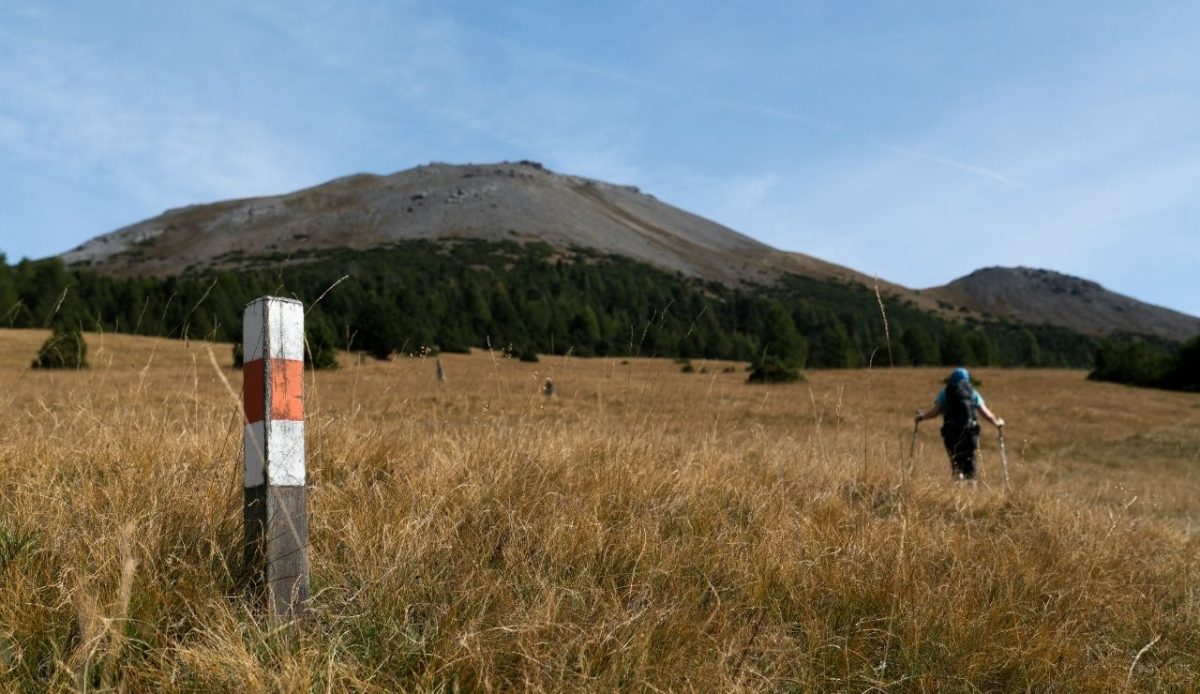
Inside the Swiss National Park, the hike from Il Fuorn to Chamanna Cluozza crosses protected land where stepping off the trail is not allowed. That rule supports wildlife and keeps slopes intact, so the experience feels intentionally preserved. The path rolls through pine forest, then traverses open hillsides before dropping toward the Spöl valley and the hut. Marmots, red deer, and birds of prey are often seen, especially in quieter hours. Carry a rain shell because storms form quickly in the Engadine, and note that dogs are restricted, which affects trip planning for some visitors. Bed spaces should be booked ahead.
9. Oeschinensee Loop
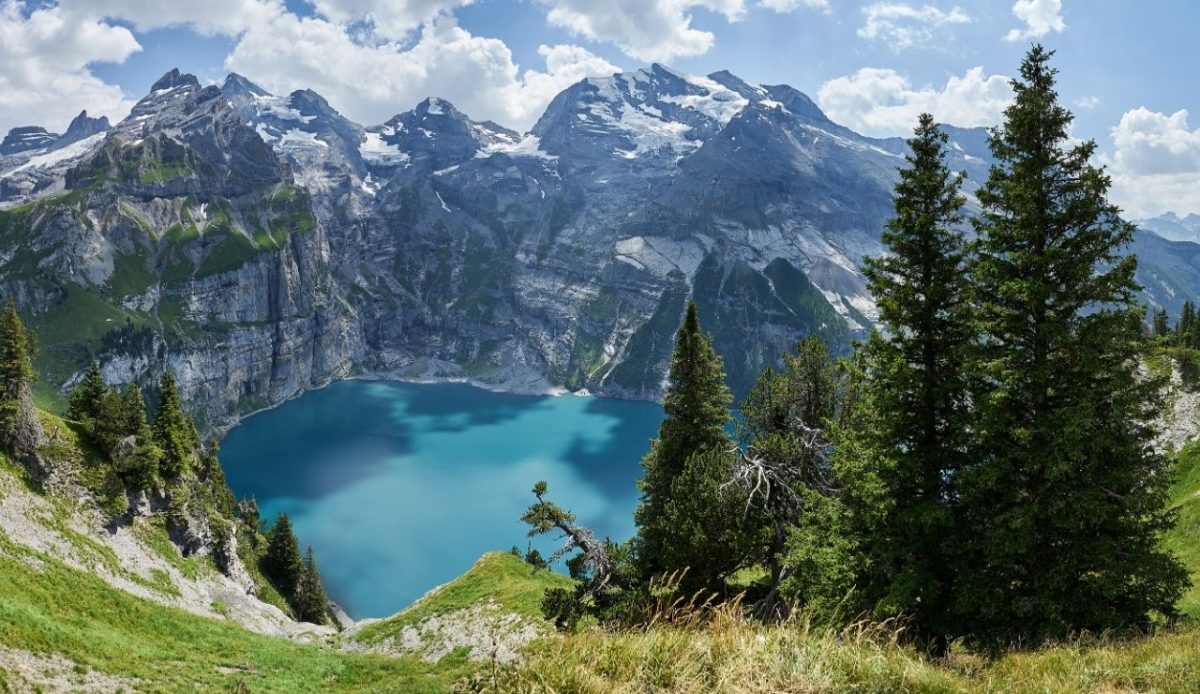
Above Kandersteg, trails to Oeschinensee reach a deep blue lake backed by steep walls and hanging valleys. Options range from a direct climb to a gentler approach that uses the gondola, then follows a wide track suitable for many fitness levels. A higher loop adds perspective from rocky ledges and brings views toward Blüemlisalp glaciers and avalanche paths. Morning light often keeps the water color at its clearest, while afternoons can bring wind ripples. Because this area is popular, starting early helps with quieter shore access, and staying alert near cliff edges is important on upper viewpoints.
10. Lauterbrunnen To Mürren
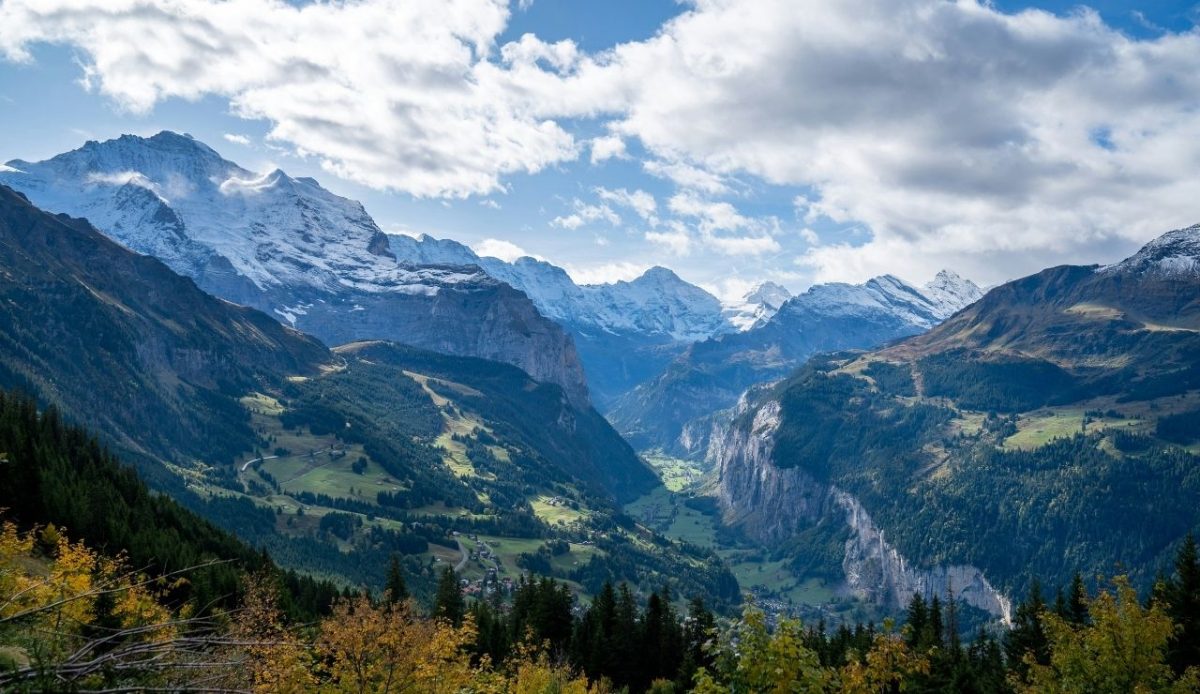
The route from Lauterbrunnen to Mürren gains height past waterfalls, farm terraces, and balcony viewpoints over the narrow valley floor. Many hikers start with the Grütschalp cable car to reduce the climb, then follow a level track above the cliffs with constant views of the Jungfrau group. Meadows, barns, and grazing cows keep the walk grounded in working farm ground rather than only scenery. Waterfalls like Staubbach remain audible for much of the way, adding a steady soundtrack. Ending in Mürren allows a rail or cable return, and a short side walk to Allmendhubel can add open ridge scenery if the weather stays stable.
11. Lavaux Vineyard Terraces
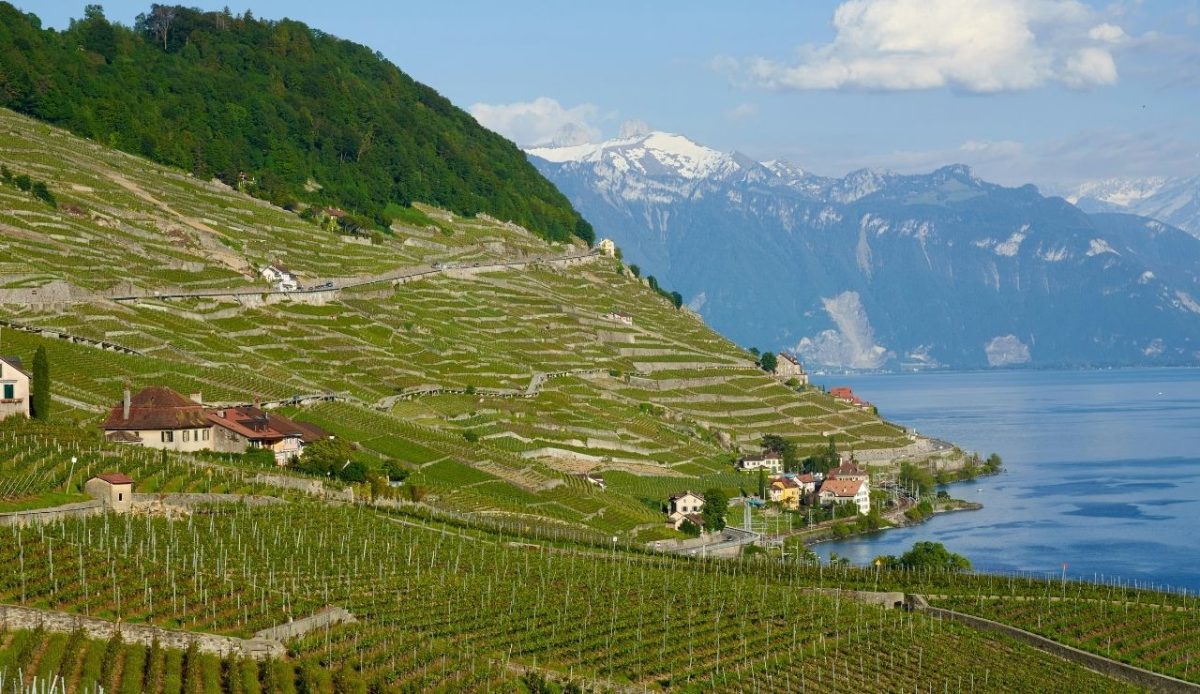
Along Lake Geneva, the Lavaux vineyard terraces offer a lower elevation hike through stone walls, cellar doors, and narrow lanes between rows of vines. The route works well when alpine forecasts look unstable, yet it still offers broad lake views toward the Savoy Alps. Season changes the experience, since harvest activity, tasting hours, and shade patterns affect comfort and access. Waymarked paths connect villages such as Chexbres, Rivaz, and St Saphorin, with frequent train stops for flexible planning. Carry water in summer because the sun reflects off the lake, and respect private plots by staying on signed public footpaths.
