
These U.S. hikes are repeatedly linked to serious injuries and frequent rescues because the terrain punishes small mistakes. Many are short in miles but steep, exposed, or remote, so a sprain becomes a carry-out and bad weather turns a route into a trap. High visitor volume also drives callouts when people start late, skip water, or chase photos near edges. Use permits, start times, heat rules, and turnaround limits as safety tools, not suggestions. Conditions change by season, so check local alerts and carry basics even on ‘easy’ days. The list focuses on routes where responders are called again and again.
1. Half Dome Cables, Yosemite National Park
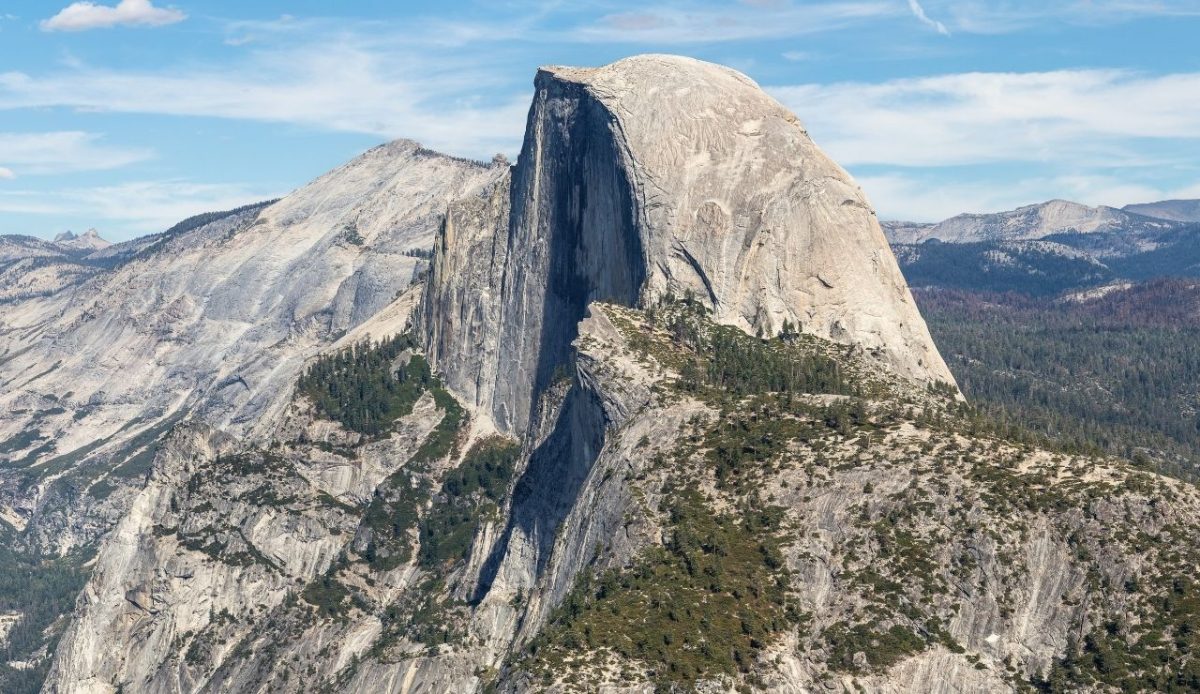
Half Dome’s cable route ends on steep granite where rain, ice, or smooth dust can erase traction. Crowds create stop-and-go movement, and a single slip can injure people below. Rescues often involve falls, heat exhaustion on the long approach, and hikers who freeze on the exposed pitch and cannot move in either direction. Because the descent uses the same cables, delays stack up late in the day, raising dehydration risk. Early starts, gloves, and a strict turnaround time reduce night operations. Thunder can force teams to wait, so a headlamp, extra water, and a light jacket matter.
2. Yosemite Falls Trail, Yosemite National Park
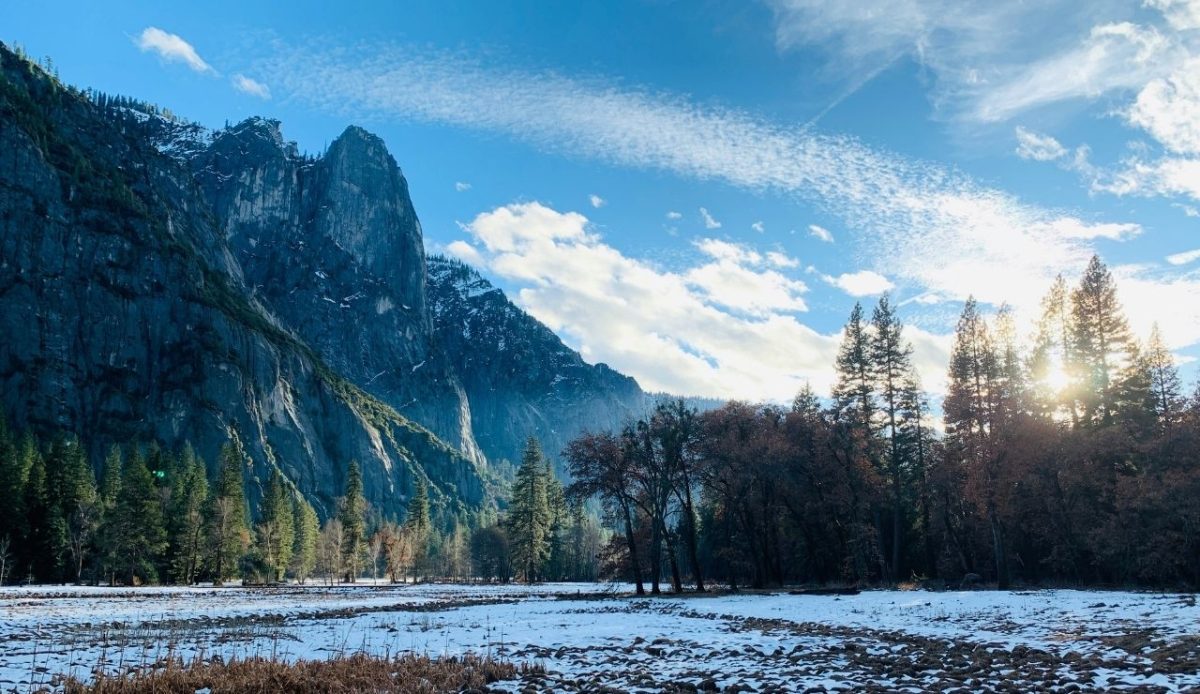
Yosemite Falls Trail gains elevation fast with long stretches of sun and little water, so cramps and heat illness are frequent triggers for rescue calls. Loose gravel near overlooks can send hikers sliding toward steep drops, and rockfall injuries also occur. Many visitors underestimate the return climb down to the valley, then run out of fluids and slow to a dangerous pace. After dark, navigation errors increase when phone batteries fail. Sturdy shoes, extra water, and a conservative turnaround point cut the odds of a carry-out. Starting at dawn helps, since afternoon heat and fatigue arrive together on the descent.
3. Mist Trail, Yosemite National Park
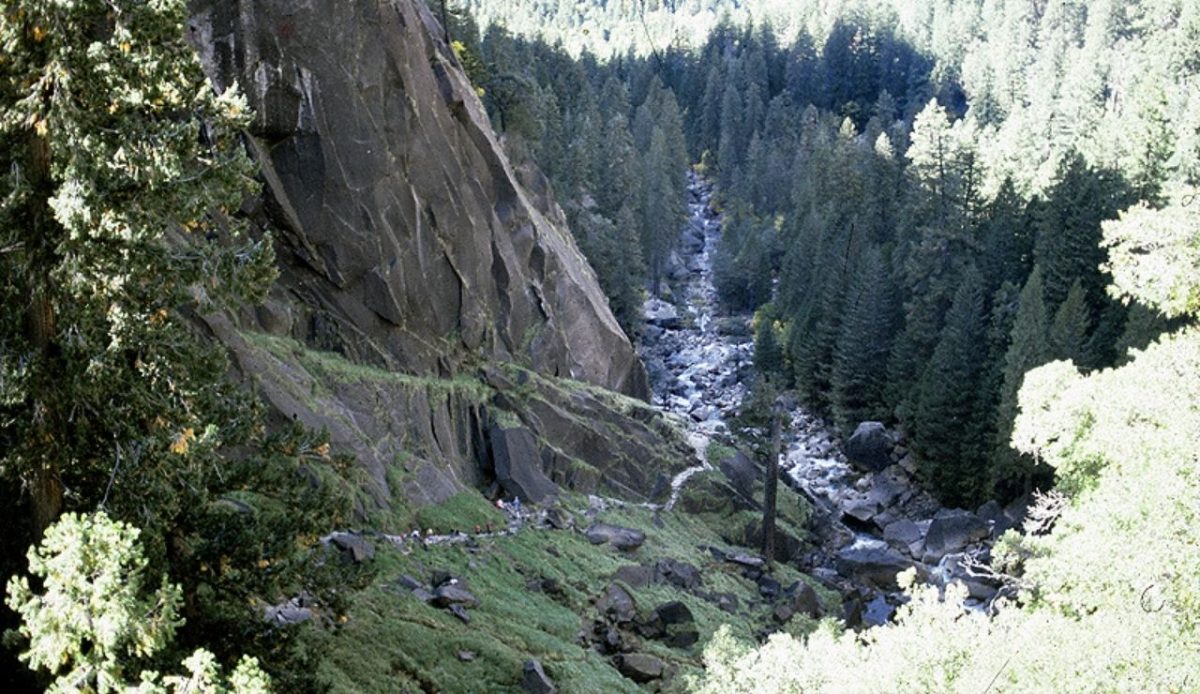
The Mist Trail funnels heavy foot traffic onto wet steps beside fast water, and slick granite can turn a minor stumble into a hard fall. Sprains on the stairs are common, and rescues increase when people climb onto closed rocks for photos near the spray. In high runoff, footing changes from one step to the next, while noise makes it harder to hear warnings. On hot days, the humid corridor pushes dehydration sooner than many expect. Traction-focused footwear, patience in crowds, and choosing the alternate route can prevent repeat incidents. Parents should keep children close, and rain forecasts should be treated as a stop sign.
4. South Kaibab and Bright Angel, Grand Canyon National Park
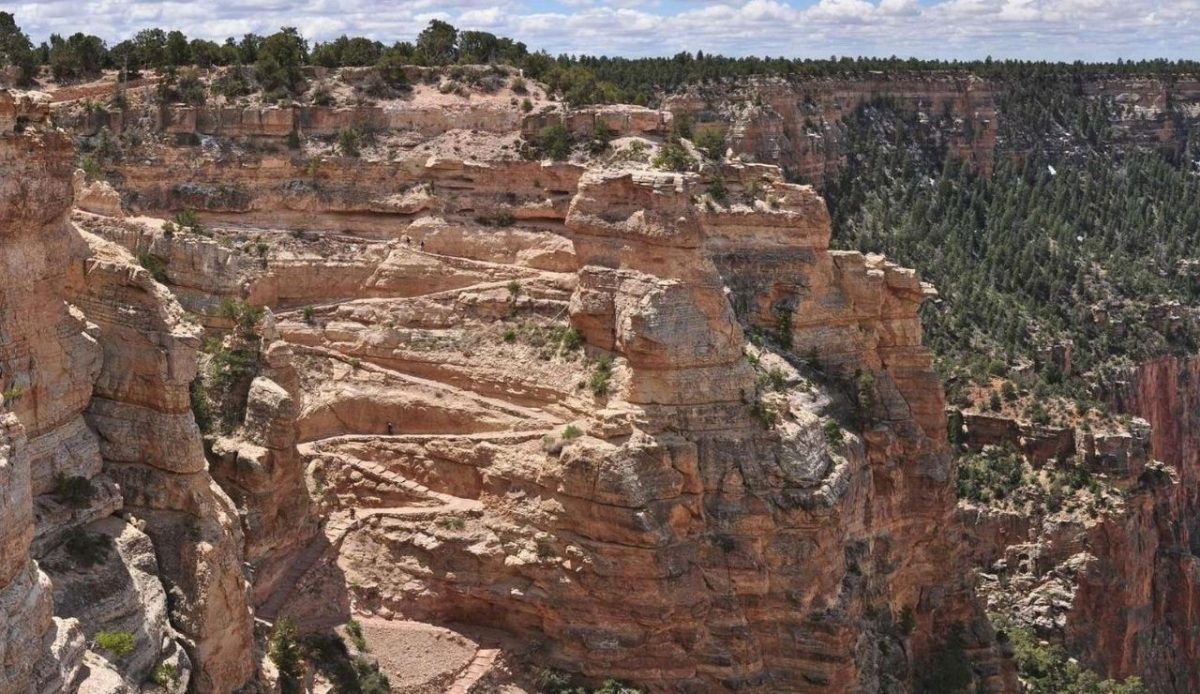
South Kaibab and Bright Angel draw huge numbers, and rescues spike when hikers chase the river and forget the climb back. Heat builds as elevation drops, shade is limited, and water status can change by season, so planning cannot rely on luck. Dehydration and low sodium can confuse, making self-evacuation unrealistic. Carry-outs are slow on narrow turns, and helicopters are not always possible in wind or canyon turbulence. Pre-dawn starts, salty snacks, and a firm turnaround at the first signs of heat stress keep many calls from starting. The return often takes far longer than the descent, even for fit hikers.
5. Mount Whitney Main Trail, Inyo National Forest
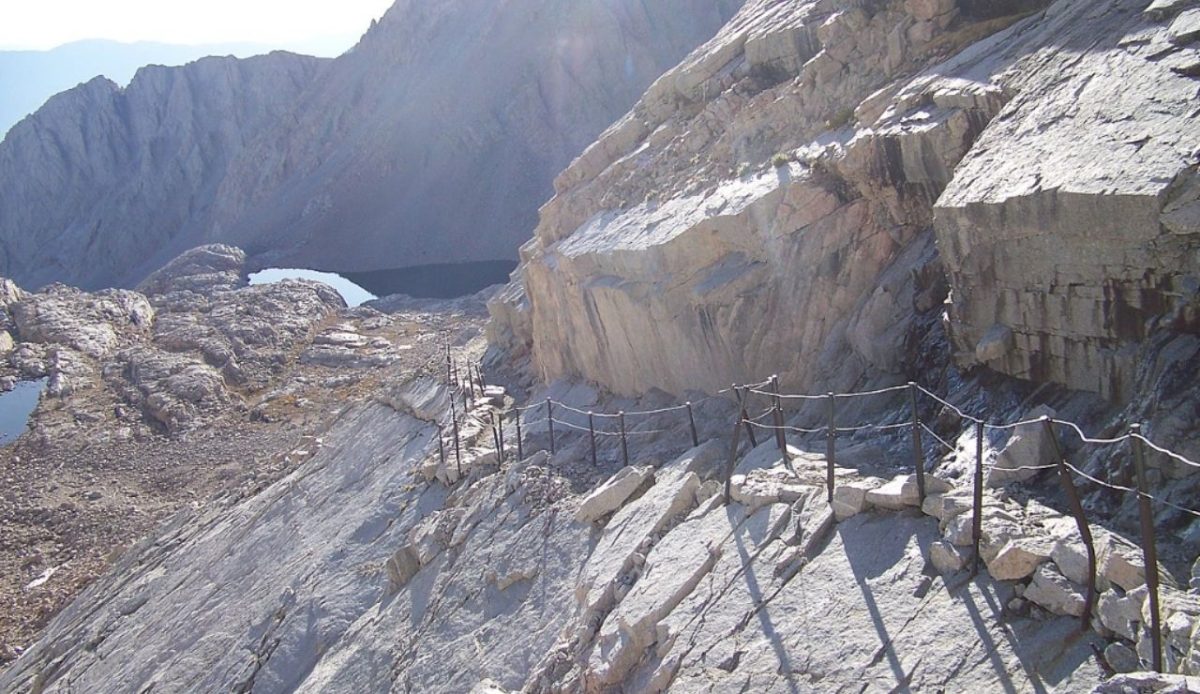
Mount Whitney’s main trail is non-technical, yet altitude, cold wind, and long time above treeline make emergencies common. Headaches can progress into severe altitude illness, and afternoon storms can bring hail and lightning across open slopes. Exhaustion often hits on the way down, when focus drops, and knees fail on the switchbacks. Teams are called for hikers who start late, misjudge pace, or carry too little insulation for summit conditions. A daypack with layers, extra calories, and a realistic turnaround reduces the need for an evacuation over many miles. A small filter and backup light help when plans fall apart after sunset.
6. Longs Peak Keyhole Route, Rocky Mountain National Park
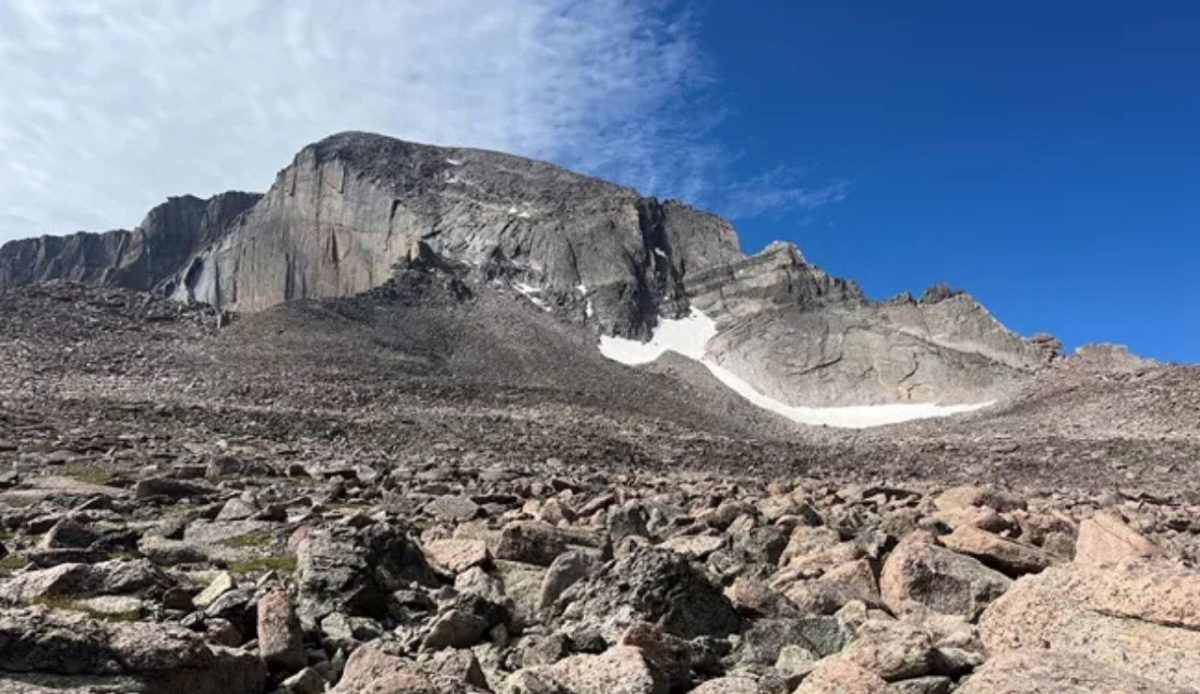
Longs Peak via the Keyhole starts like a hike, then becomes exposed scrambling where a slip can be fatal. Above the Boulder Field, storms build quickly, and there is little shelter, so late starts create rescue demand. Route-finding errors in the Trough, Narrows, or Homestretch can place hikers on loose rock and send debris onto people below. Even in summer, ice or graupel can appear and remove traction in minutes. Many incidents end with an unplanned bivy while teams wait for safer weather to move. A helmet, gloves, and a hard cutoff at the Keyhole often matter more than peak ambition. Cloud cover should be treated as a warning, not a view.
7. Kalalau Trail, Nā Pali Coast State Wilderness Park
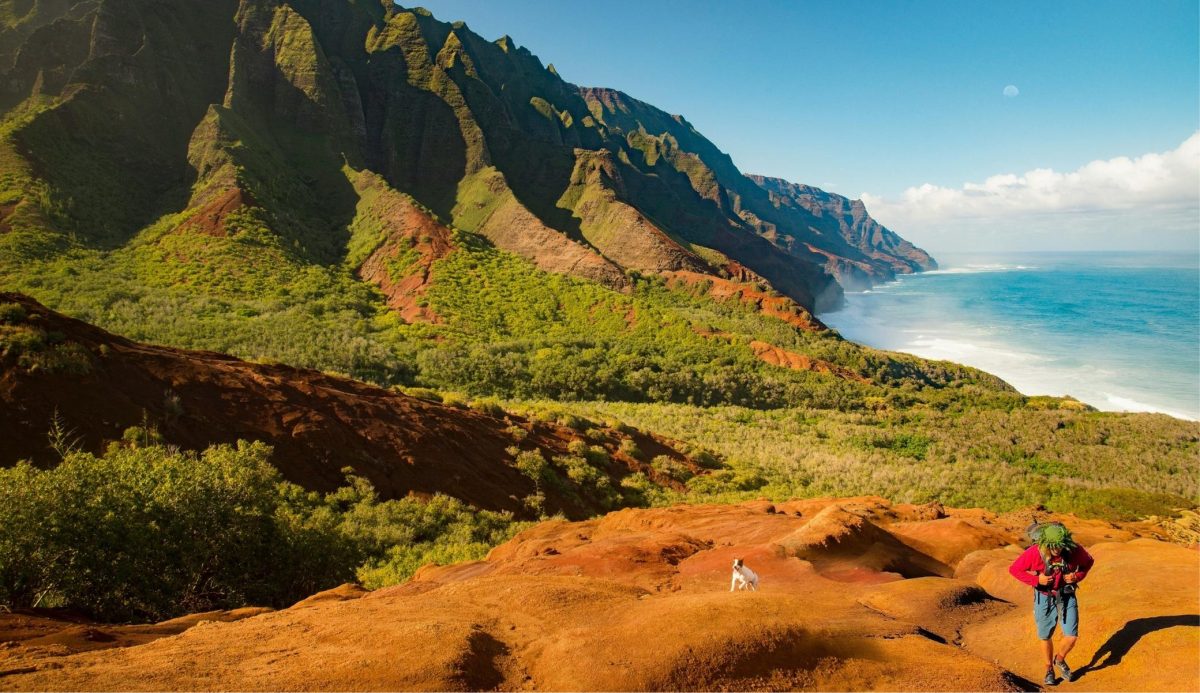
Kalalau Trail on Kauai’s Nā Pali Coast pairs cliff exposure with mud, stream crossings, and long gaps from roads, so rescues are frequent. After heavy rain, narrow tread turns slick, and flash floods can trap hikers on the wrong side of a creek. Injuries range from broken ankles on roots to falls near drop-offs, and response options depend on surf, wind, and visibility. Phone service is unreliable, which delays calls and raisesthe risk for the injured. Permits limit camping, but day hikers still push past safe conditions, turning small errors into major operations. Start and track tide and rainfall forecasts before committing past Hanakāpīʻai.
8. Cactus To Clouds, San Jacinto Mountains
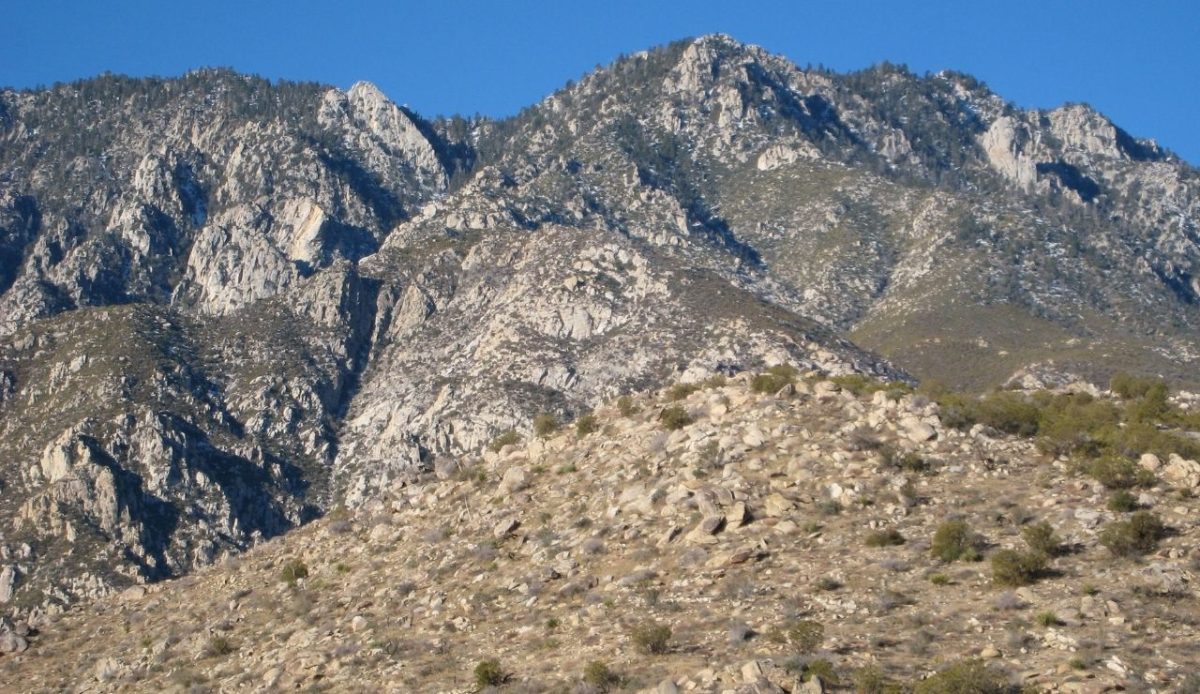
Cactus to Clouds begins in Palm Springs heat and climbs to alpine air on San Jacinto, creating a brutal temperature swing in one effort. The Skyline segment is steep with scarce water and few bailout choices once committed. Rescues often involve overheating, confusion, and collapse before hikers reach the tram station. Even if the upper mountain feels cool, dehydration from the lower climb can trigger cramps and poor decisions later. Carry more water than you think, start before sunrise, and stop if your pace drops sharply, because descent into the desert can be worse. Avoid high summer days entirely unless local guidance says conditions are safe.
9. Camelback Mountain, Phoenix
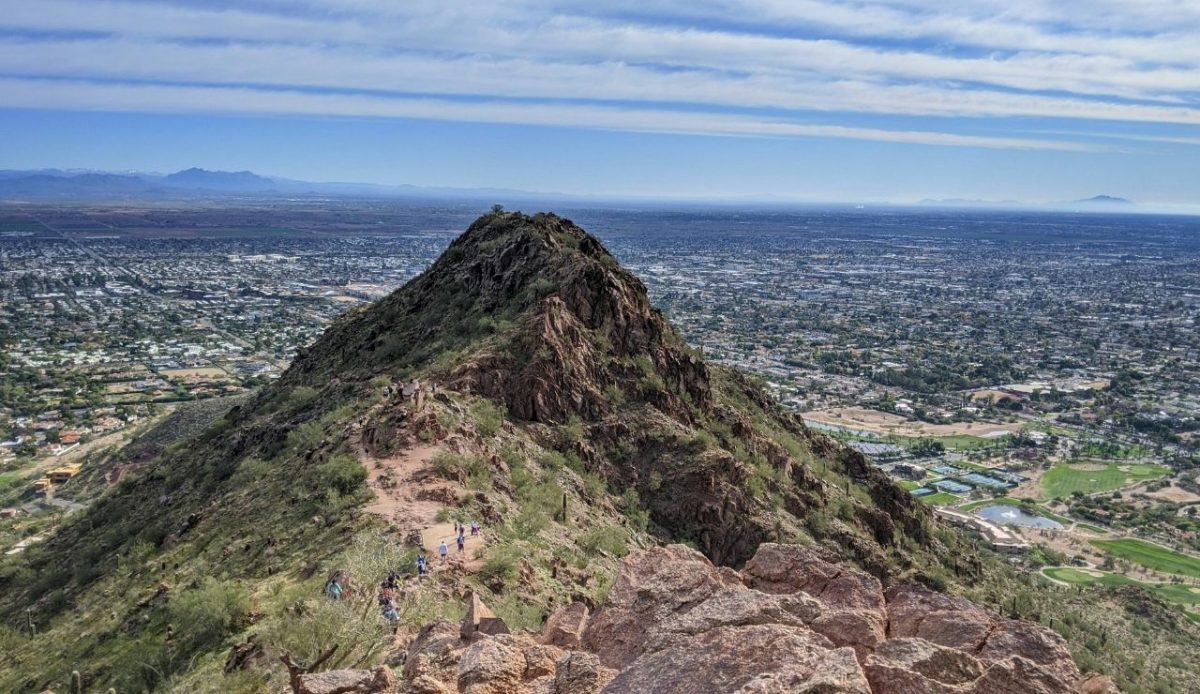
Camelback Mountain’s Echo Canyon and Cholla routes look short, yet steep rock steps and reflected heat drive frequent medical rescues. Visitors arrive without enough water, then develop dizziness, cramps, or fainting on exposed slopes. Falls happen when hands are needed on smooth boulders, especially during warm months when sweat reduces grip. Because the peak is inside the city, calls come fast, but responders still haul patients down narrow sections in harsh sun. Follow closure rules, start at first light, and bring a headlamp for the common scenario of finishing later than planned. Many incidents begin as a casual sunset plan.
10. Precipice Trail, Acadia National Park
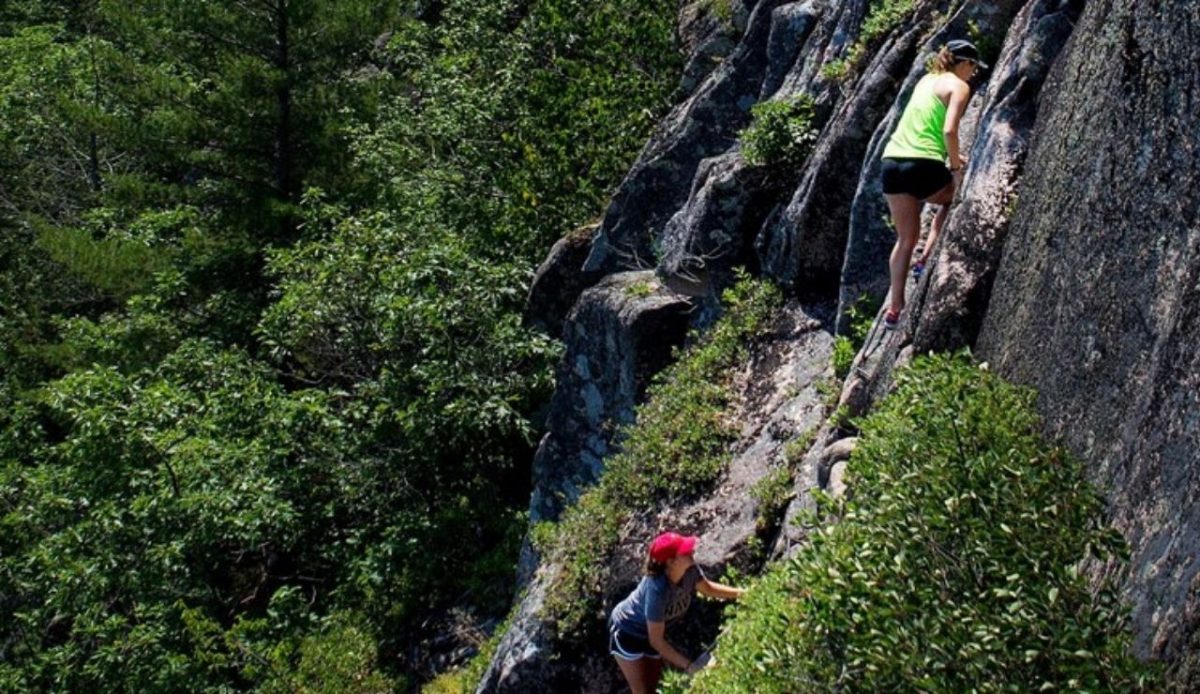
Acadia’s Precipice Trail uses iron rungs and ladders on a cliff face, so a short hike can still demand a technical rescue. Wet rock and strong wind can shift balance, while fear can lock hikers in place above exposure. Responders are called to assist stuck visitors, treat falls, and manage medical events where evacuation must happen on steep terrain. Crowding creates bottlenecks, and passing can be unsafe when packs scrape rock. Choose a clear day, keep three points of contact, and turn around before panic sets in, since reversing can be harder than continuing. Seasonal closures reduce risk, but busy reopenings produce avoidable callouts.
11. Knife Edge, Baxter State Park
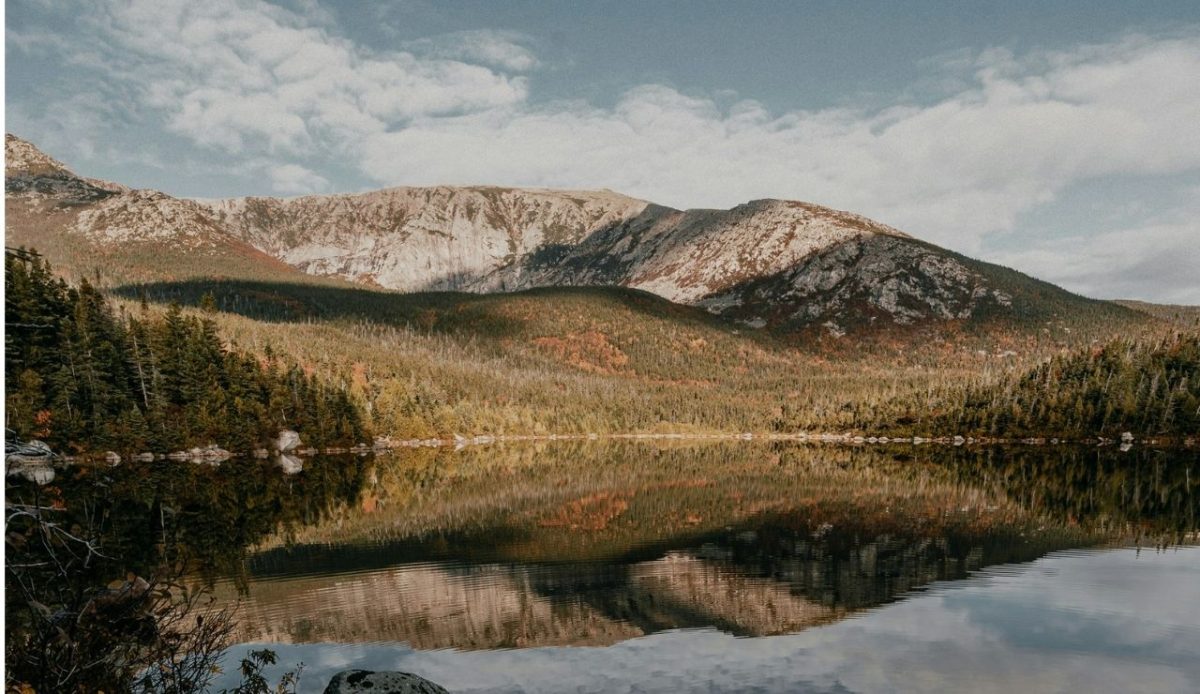
Katahdin’s Knife Edge is a narrow ridge with constant exposure where gusts and fog can turn easy steps into high-risk moves. Scrambling requires steady balance, and a stumble can have severe consequences because drop-offs are immediate. Rescues often start when hikers are late, then meet cold rain or cloud that removes traction and visibility. Exit points are limited, so a twisted ankle or sudden fear can trap a party between peaks. Park cutoffs exist for a reason, and warm layers, gloves, and a calm willingness to turn back keep many teams from being deployed. Even in July, wind chill can mimic fall temperatures on the ridge.
12. Mount Si, Snoqualmie Region
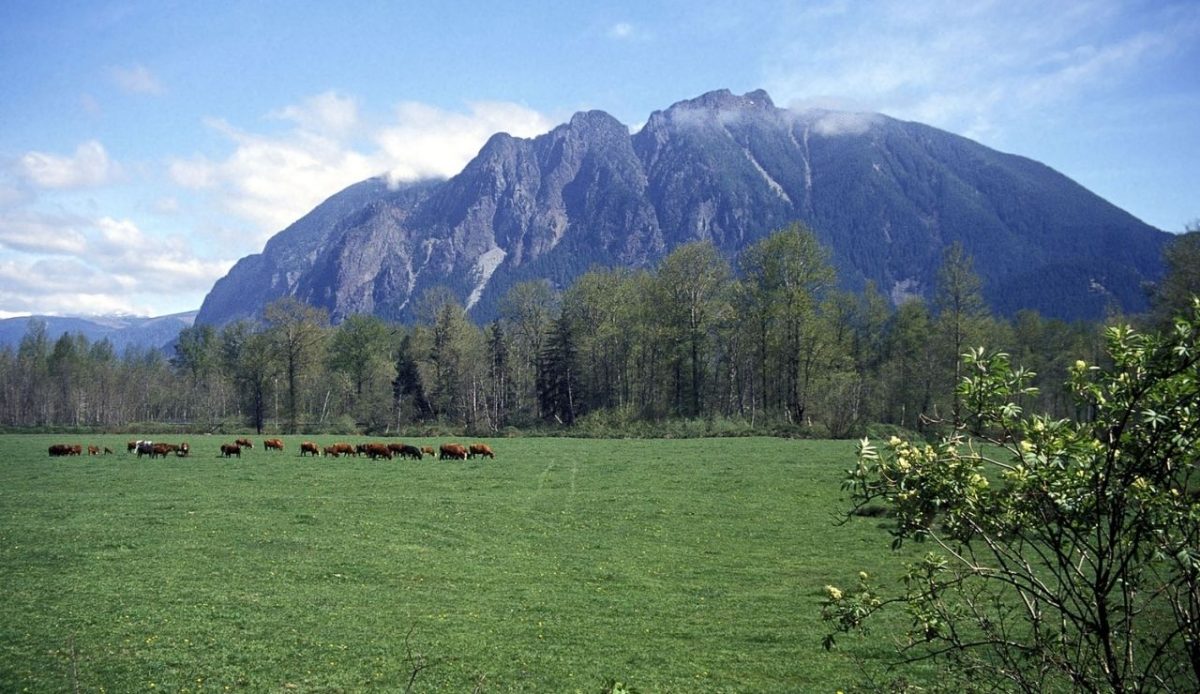
Mount Si is close to Seattle and heavily traveled, which keeps rescue teams busy with injuries, hypothermia, and hikers stranded after dark. The climb is steep enough that exhaustion arrives early, and slick roots in rain can cause knee twists and hard falls. Many people reach the haystack viewpoint, then struggle on descent when traction and focus fade. In shoulder seasons, snow and ice appear near the top, yet some arrive without spikes or extra layers. Carry a light, dry jacket, and offline maps, because short daylight and low batteries are common parts of local callouts. It is often treated as training, which can invite overconfidence.
