
Sleeping on a plane is usually decided by small choices made before the cabin lights go down. Flight attendants learn what works because their schedules demand rest in cramped seats, dry air, and constant noise. They focus on limiting sensory input, keeping muscles supported, and reducing the reasons to stand up once settled. Timing matters too, since the body responds better when rest is aligned with the destination’s night. The tips below stick to actions that can be done in any cabin, using simple items and smart planning instead of pricey extras. Each idea is framed in the way crew members describe it when they travel as passengers.
1. Pick a Window Seat for Fewer Interruptions
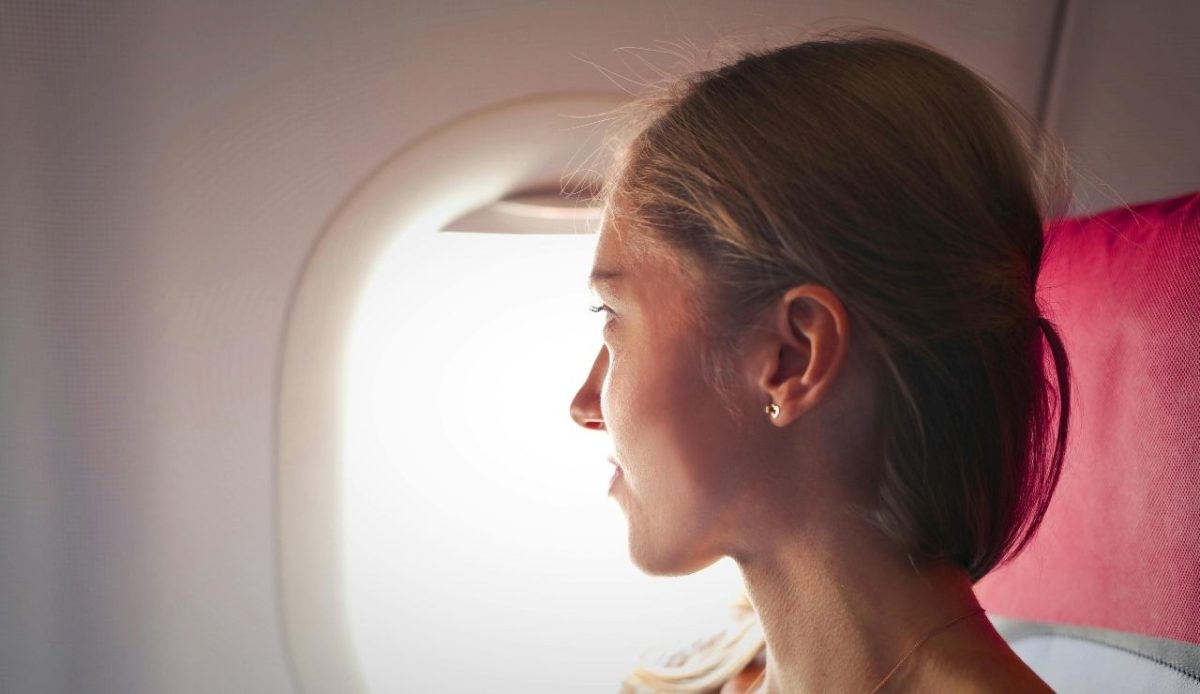
Aim for a window seat when possible, since it reduces contact with aisle traffic and lets you manage the shade. Less bumping from carts and neighbors means fewer micro-wakeups, and your elbow space is less likely to be invaded. The wall can support a pillow or a folded jacket, keeping the head from drifting. Lower the shade before you try to sleep so that ramp lights, sunrise glare, and flashing wing reflections are blocked. Even when turbulence is expected, that stable lean point makes dozing more likely. Plan bathroom trips around service so you can stay planted once the cabin settles afterward.
2. Block Light Like It’s Your Job
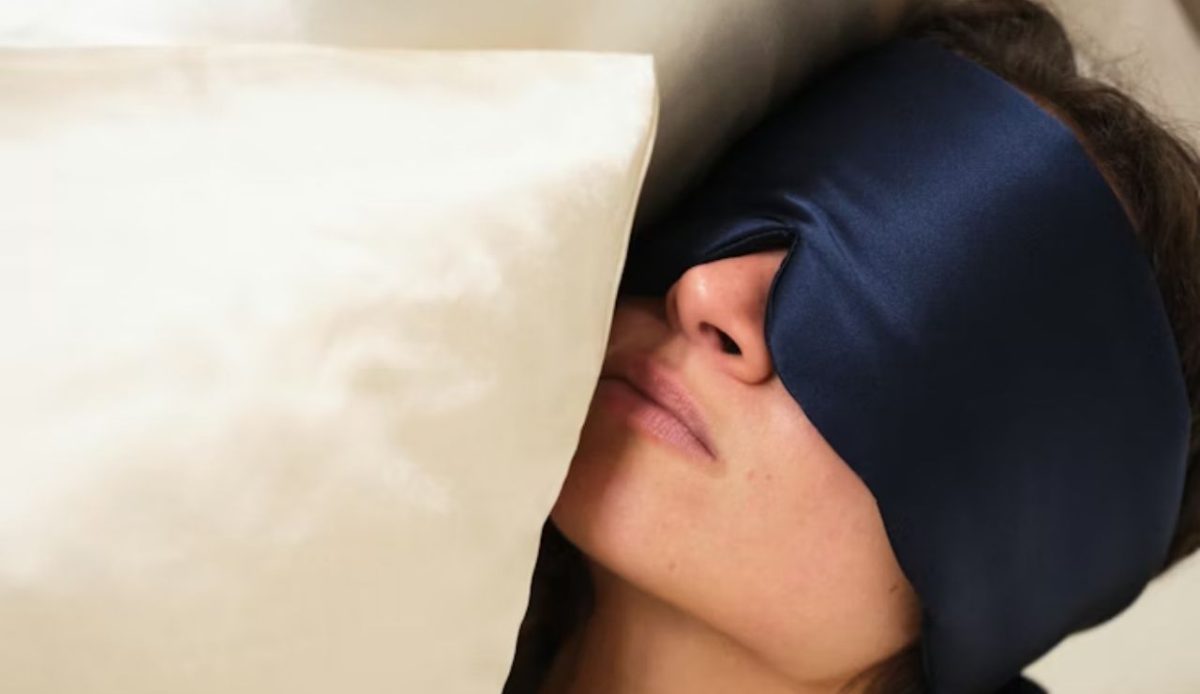
Treat light as the main enemy of onboard sleep. Use an eye mask that seals around the nose so reading lamps, seatback screens, and galley glow are blocked. If you forgot one, a hoodie pulled low can help, though pressure should be avoided around the eyes. Switch your phone to airplane mode, silence notifications, and dim the display before it is stored. If audio is used, choose a steady track that does not spike. When the overhead panel is shared, the mask keeps you independent of what others do, even during mid-flight checks. Lowering the window shade early also stops dawn light from undoing your progress.
3. Bring Your Own Quiet
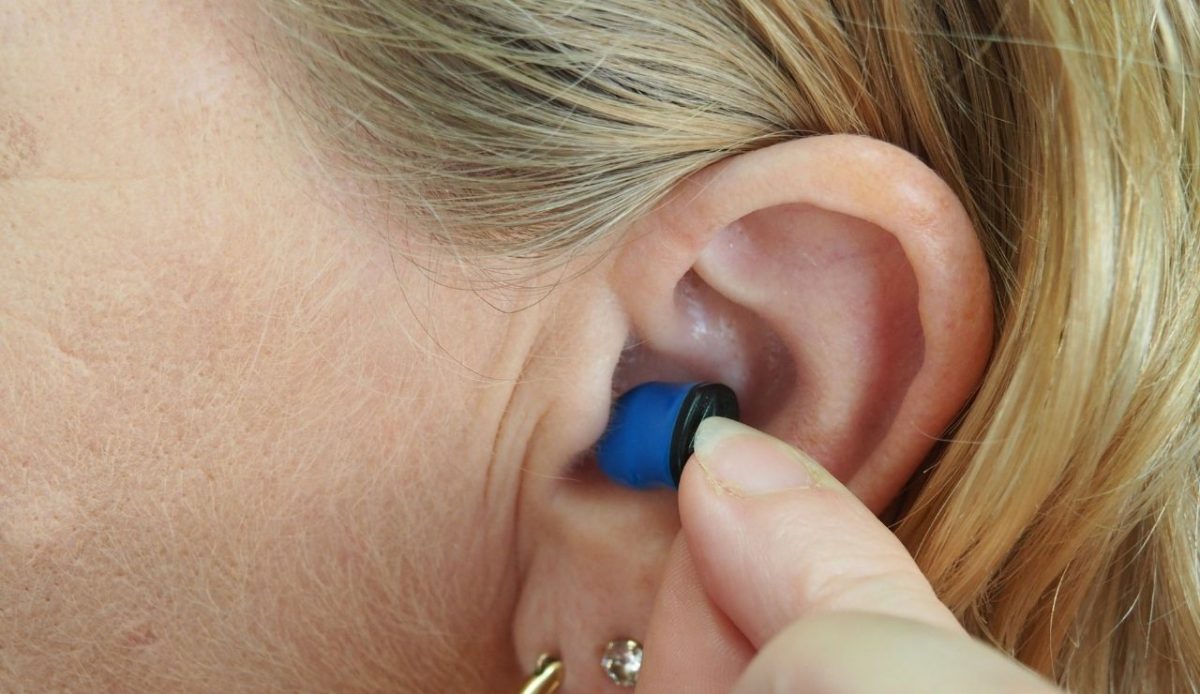
Noise is constant in the cabin, so bring your own barrier rather than hoping the row stays quiet. Foam earplugs work well for engine hum, while noise-canceling headphones help with nearby conversation. Announcements cannot be eliminated, but overall volume can be reduced enough for deeper rest. If you wear headphones, keep one ear free only when you must, because uneven sound often leads to repeated waking. A simple backup pair matters if one option is lost or the battery dies. Download content before boarding so you are not forced to brighten a screen on weak Wi-Fi. Insert earplugs correctly by rolling and sealing them, or they will slip out.
4. Build Support With Simple Items

Neck support matters more than a fancy seat. A pillow that keeps the chin from dropping helps prevent the sudden jerk that wakes many travelers. If you do not carry one, a folded jacket can be wedged under the jawline for temporary support. Add a small roll at the lower back so the spine is not forced into a slouch for hours. When space allows, resting feet on a bag reduces leg pull and makes the whole posture feel steadier. Keep the seatbelt visible over a blanket so you are not tapped during turbulence checks. Recline only after service when permitted, then lock in armrest height to avoid shoulder strain.
5. Skip Alcohol When Rest Matters

Alcohol is often offered as a sleep shortcut, yet it tends to break sleep into lighter fragments at altitude. Dry cabin air already pulls moisture from the body, and dehydration can lead to headaches and throat dryness that wake you. It is also linked with louder snoring, which can disturb you and your roommates. If rest is the priority, switch to water early and pace it through the flight. A warm non-caffeinated drink can feel soothing without the rebound effects. Many crew members avoid “last call” drinks because the buzz fades right as the body tries to stay asleep. If you do drink, keep it to one and add extra water.
6. Keep Food Light Near Sleep
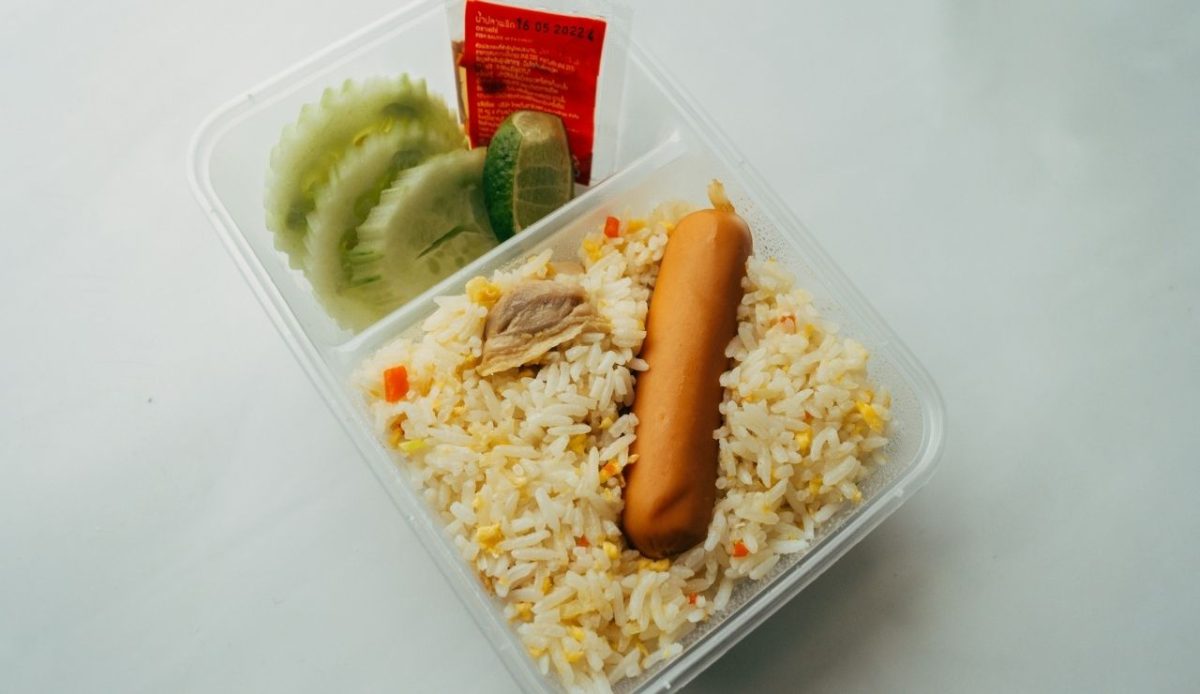
Heavy meals close to sleep can cause reflux, bloating, and thirst, which are common reasons passengers keep waking. Flight attendants often eat the main service, then skip the salty snacks that circulate later. If hunger returns, choose a small, bland option rather than spicy or greasy food. Bring something simple, like crackers or a banana so you are not dependent on whatever is available. A lighter stomach makes it easier to stay still for longer stretches. Finishing food at least an hour before you try to sleep gives digestion a head start in the seated position. If nausea hits, peppermint tea can help without stimulation.
7. Hydrate Early, Then Taper

Hydration supports sleep, but chugging water right before dozing can force repeated bathroom trips. Crew members typically sip steadily from boarding onward, then slow intake during the hour they want to rest. Choose plain water most of the time, since very sweet drinks can leave the mouth sticky and thirsty. A small lip balm helps, too, because cracked lips can keep you awake. If you wake up parched, take a few sips and resettle instead of drinking a full cup. Plan one last restroom visit right after service so you are not climbing over knees once the cabin is quiet. Alcohol and strong coffee act as diuretics and undo the plan.
