
Travel experiences are shaped not only by scenery and logistics but also by everyday treatment in public spaces. Reports from travelers, court cases, academic research, and international media show that discrimination affects housing, transport, policing, and basic services in some Asian towns and cities. These accounts reflect repeated patterns rather than isolated disputes, often linked to skin tone, ethnicity, or nationality. The following analysis summarizes documented concerns raised by travelers and researchers, focusing on how racial bias appears in specific locations through service access, social behavior, and institutional practices.
1. Kyoto, Japan
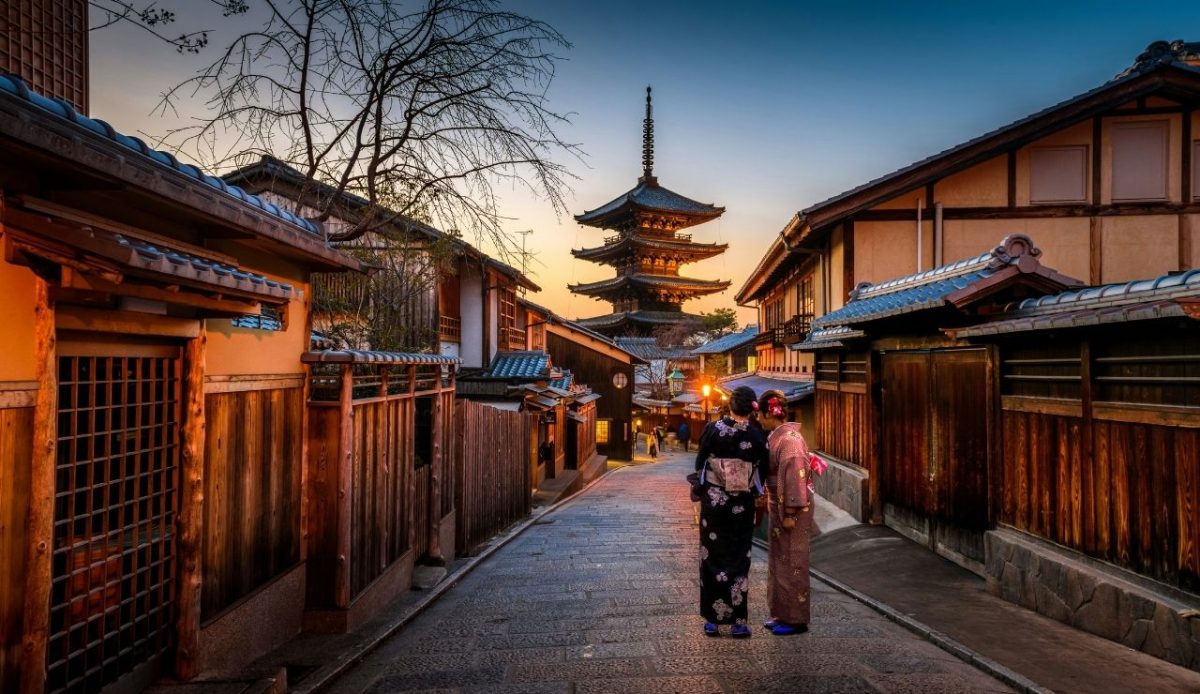
Kyoto is often described as outwardly polite, yet many travelers of color report consistent exclusion that operates quietly. Accounts describe repeated police questioning based on appearance, particularly involving Black, Southeast Asian, and Korean-descended visitors. In 2024, foreign residents filed a lawsuit alleging racial profiling during routine stops. Tourists also report refusal of entry to bars and colder service compared with Japanese or white Western patrons. Human rights organizations have long criticized Japan’s limited legal protections against racial discrimination, allowing such practices to continue with minimal accountability.
2. Bangkok, Thailand
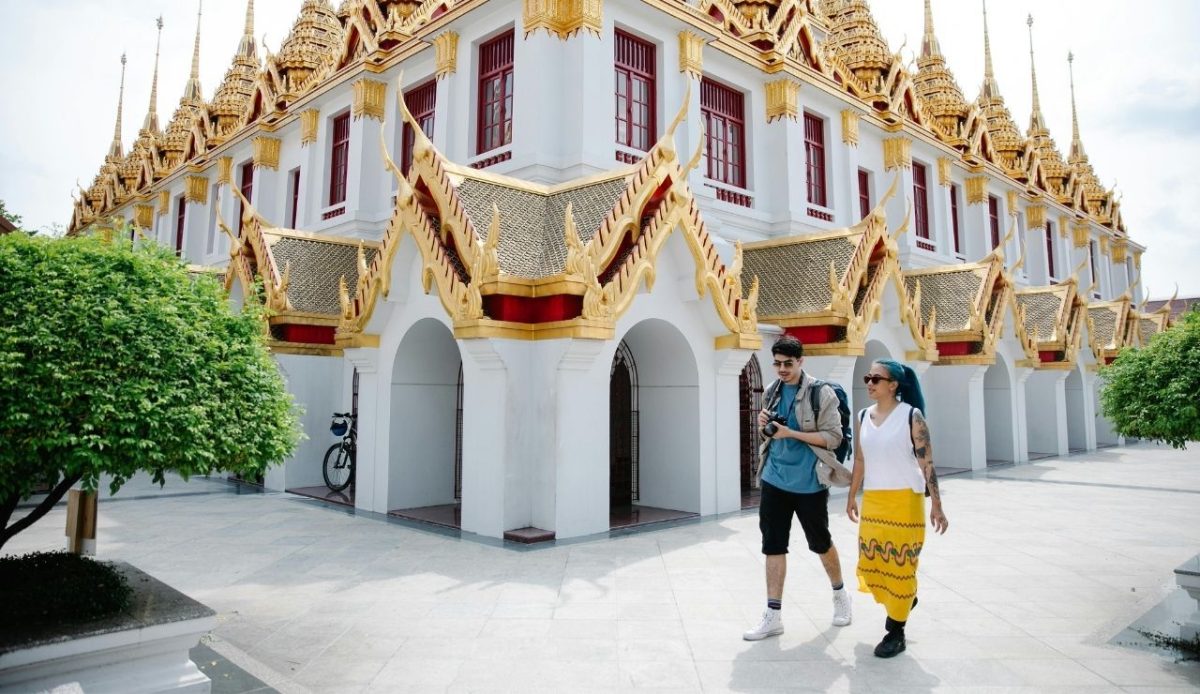
Bangkok’s discrimination is closely tied to colorism, where lighter skin is socially rewarded while darker skin faces bias. Travelers describe visible differences in service quality, with white tourists receiving warmth and attention while darker visitors are ignored or rushed. Studies note that many locals do not label these actions as racist, viewing them as normal preferences. Skin whitening products, media portrayals, and workplace norms reinforce these attitudes. As a result, discrimination appears in shops, nightlife venues, and hiring practices, affecting both foreign visitors and darker-skinned Thai citizens.
3. Phuket, Thailand
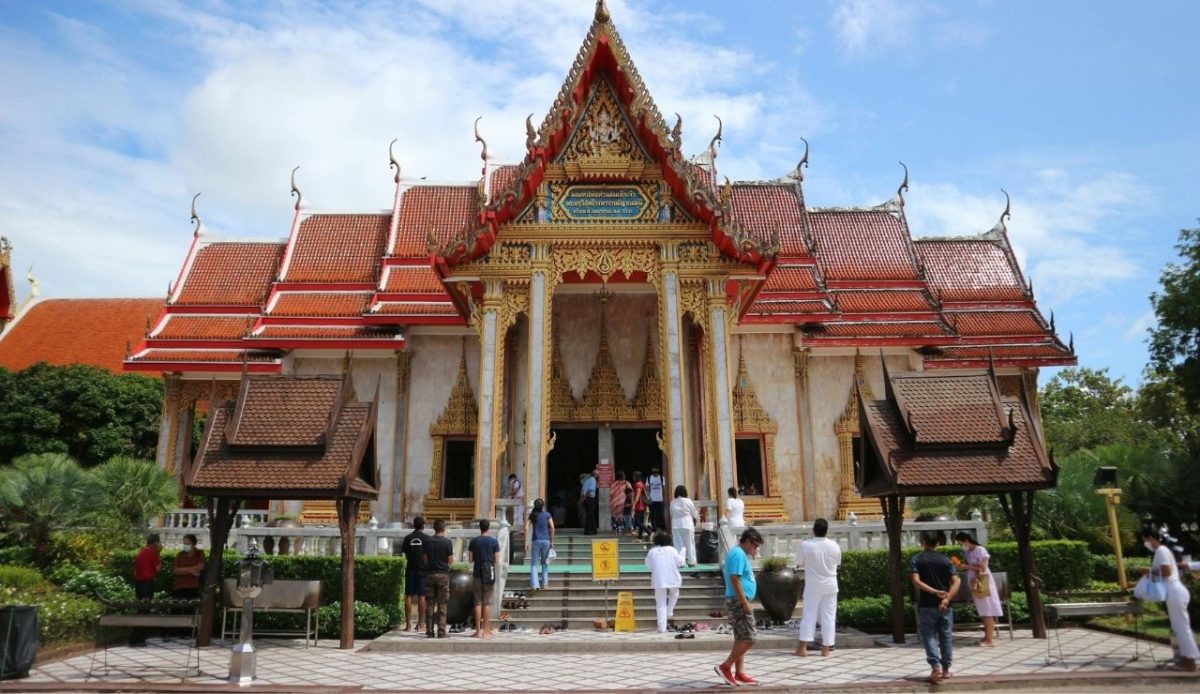
Phuket has drawn repeated complaints from Indian travelers who describe open hostility from shop staff, tour operators, and police. Reviews and testimonies report rude comments, refusal of service, and exaggerated enforcement of minor rules against Indian visitors. Police stops involving rental scooters are frequently cited, with fines issued under questionable circumstances. In contrast, white tourists are described as receiving flexible treatment and courtesy. These patterns have discouraged some travelers from visiting busy areas, citing stress and repeated confrontations rather than isolated misunderstandings.
4. Seoul, South Korea
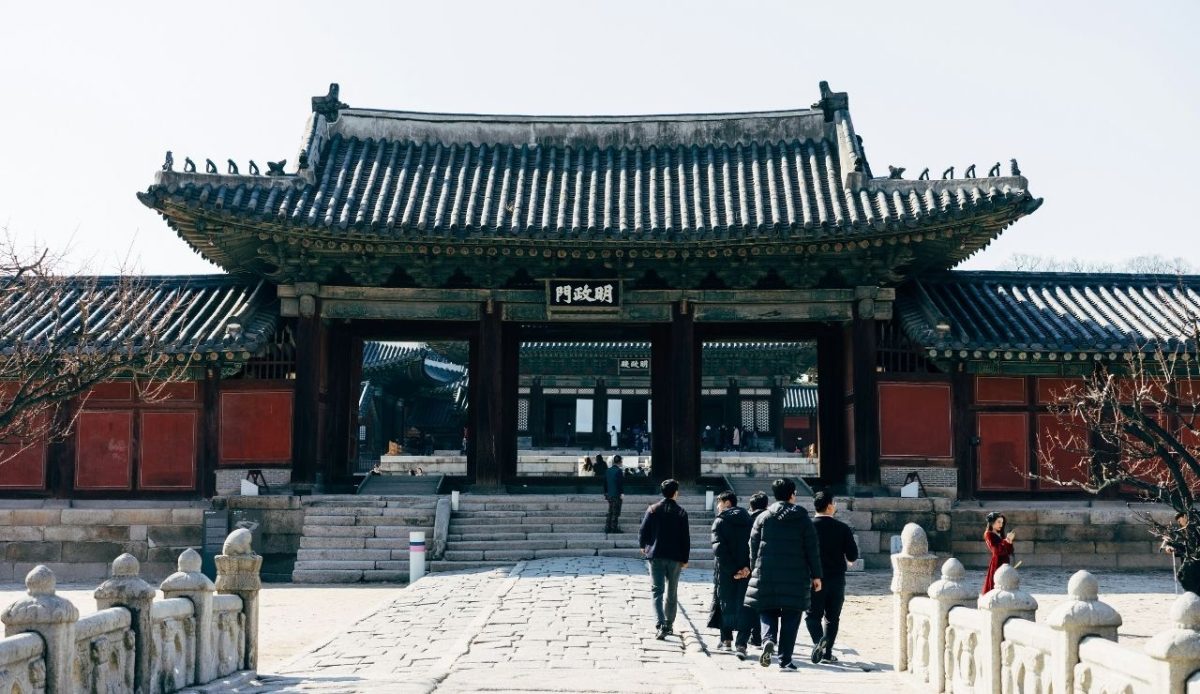
In Seoul, discrimination toward non-Koreans is often direct and publicly visible. Nightclubs and bars have been documented denying entry to foreigners outright or enforcing rules selectively. Taxi refusals based on appearance are commonly reported, particularly affecting darker-skinned passengers. Restaurant owners sometimes decline service to solo foreign diners while accommodating Korean customers. Indian and African travelers describe intense staring and social distance that contribute to feelings of alienation. These practices persist despite government tourism campaigns promoting the city as globally welcoming.
5. Shanghai, China
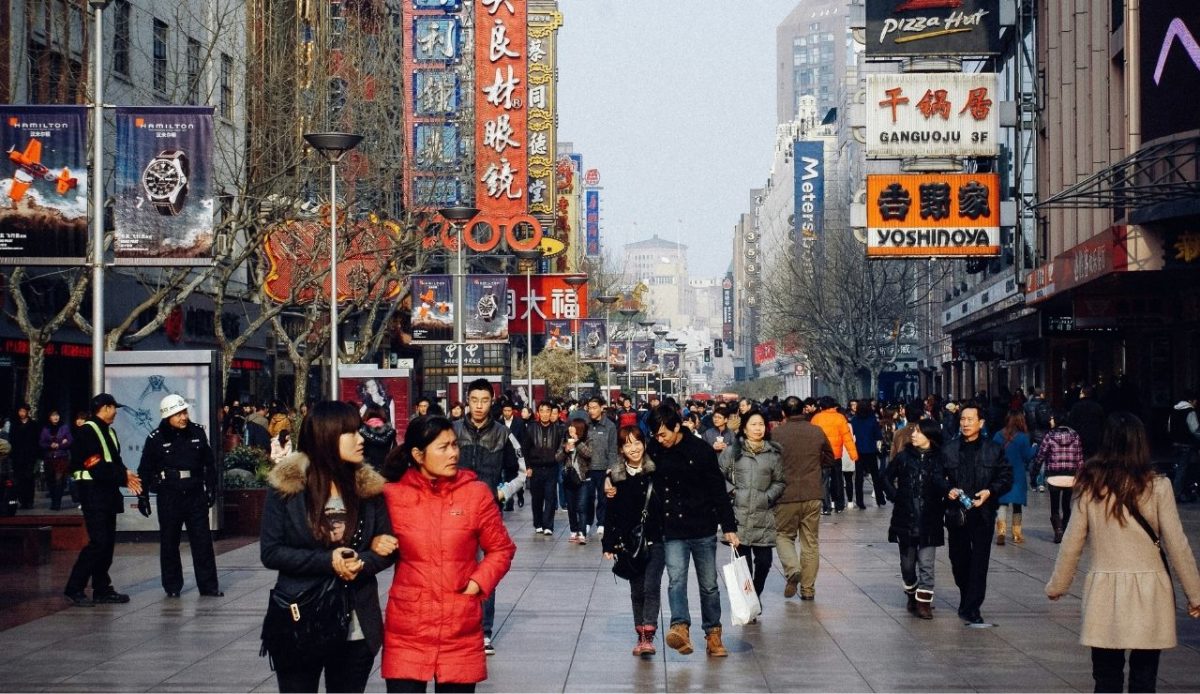
Shanghai’s international image contrasts with reports of rising anti-Black sentiment, particularly since the COVID-19 period. African and Black travelers have described housing refusals, neighborhood exclusion, and suspicion in public spaces. Academic research links these attitudes to media narratives and public anxiety about migration. While some residents show openness, others rely on stereotypes that portray Black foreigners as dangerous or unhealthy. The result is uneven treatment that varies by district, age group, and setting, making experiences unpredictable for visitors.
6. Moscow and Bryansk, Russia
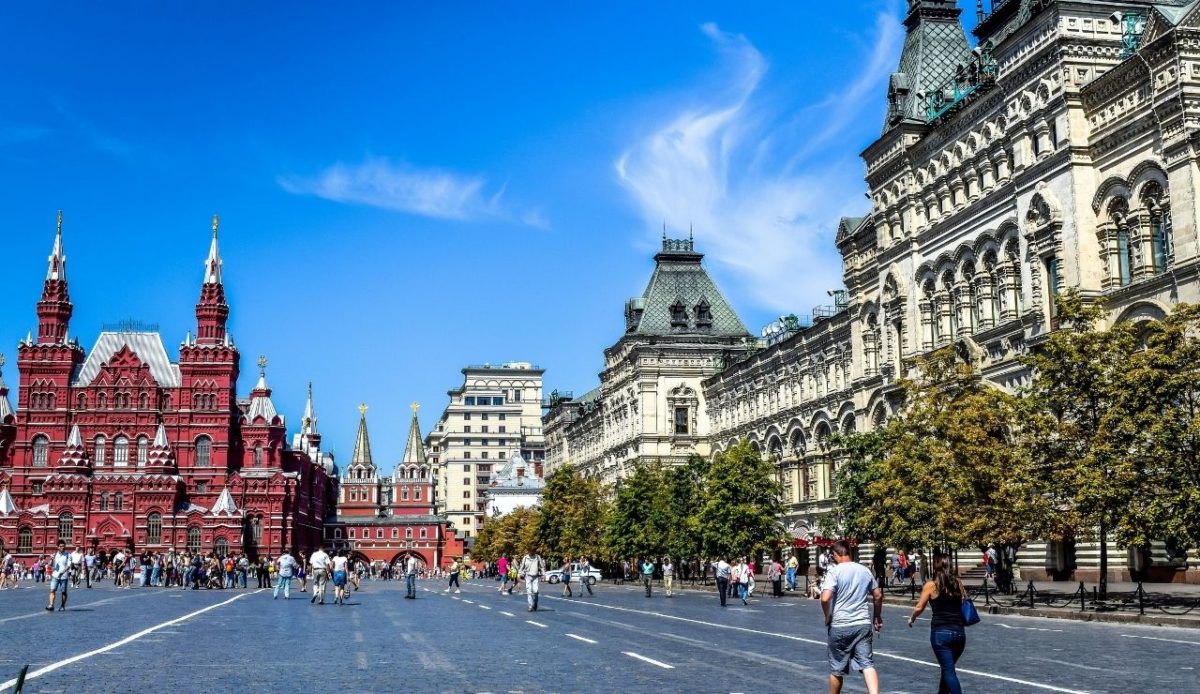
In Moscow and nearby Bryansk, African students and travelers report systemic discrimination across housing, policing, and daily services. Rental listings have openly excluded non-Slavic tenants, forcing face-to-face meetings to prove acceptability. Cafes and shops have denied service based on race, often justified by vague security concerns. Police profiling is widely reported, including repeated document checks and prolonged questioning at airports. These actions are described as routine rather than exceptional, creating a climate where Black residents feel constantly scrutinized.
7. Hong Kong
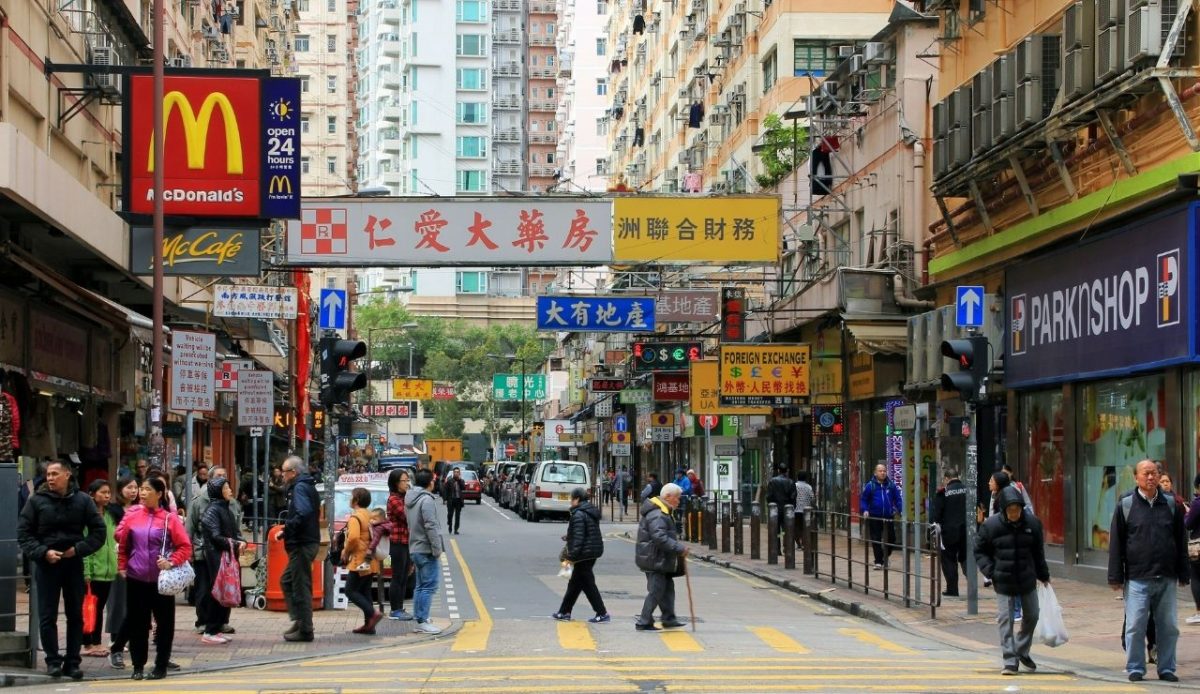
Hong Kong shows some of the most documented racial disparities in Asia, especially affecting South and Southeast Asian minorities. Travelers report taxi refusals based on skin tone, verbal abuse, and denial of access to services. Housing discrimination is common, with landlords rejecting tenants after in-person meetings despite earlier approval. Police stops disproportionately affect non-ethnic Chinese residents, according to multiple reports and NGO surveys. These patterns reflect long-standing stereotypes that associate darker skin with criminality, producing daily barriers that extend beyond tourism into work and education.
8. Ho Chi Minh City, Vietnam
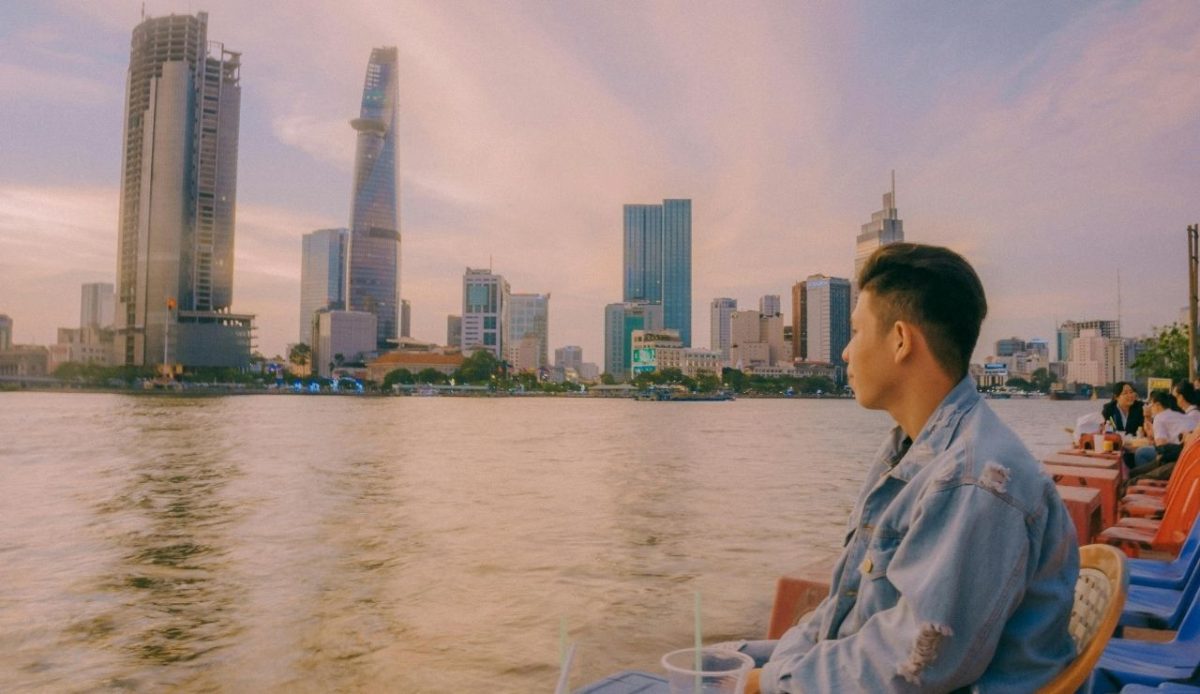
Visitors to Ho Chi Minh City frequently report overt discrimination against dark-skinned travelers in shops, cafes, hotels, and convenience stores. Staff behavior often changes sharply based on appearance, with warmth shown to white tourists and discomfort or avoidance directed at others. Some travelers describe being ignored entirely or spoken to with visible irritation. Incidents on flights and public transport, including passengers moving seats to avoid proximity, are also reported. Online forums show these complaints repeating across years, suggesting a persistent pattern rather than isolated cases.
9. Hoi An, Vietnam
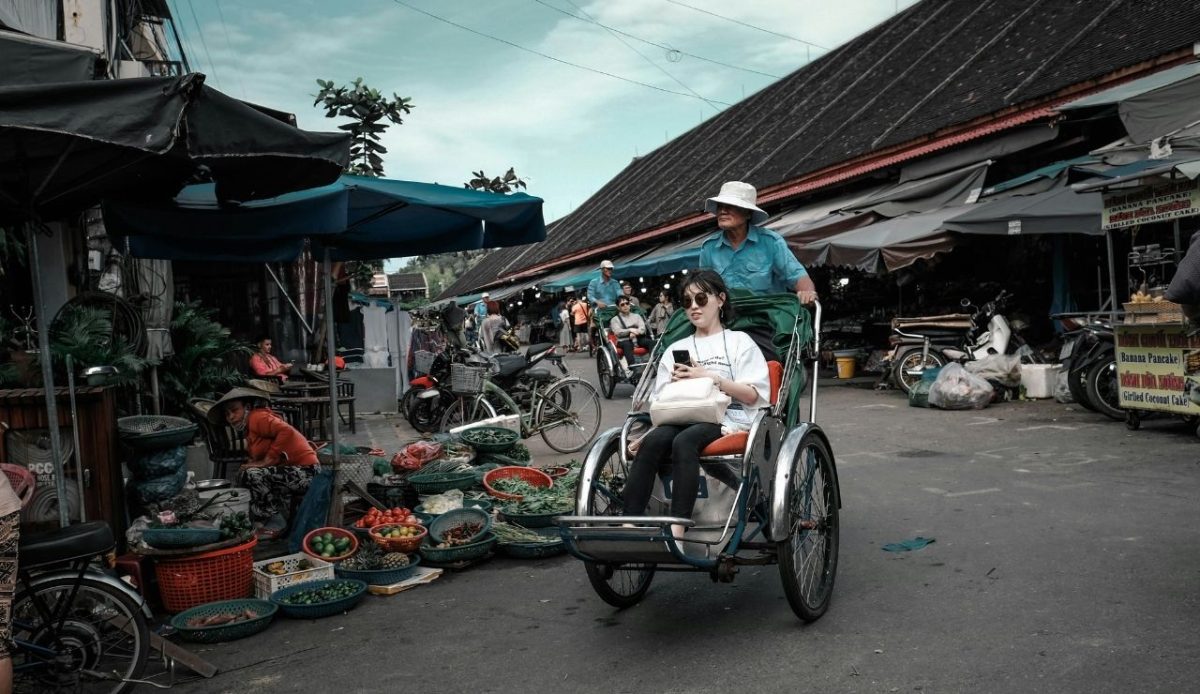
Hoi An reflects similar discrimination patterns despite its reputation as a relaxed heritage town. Dark-skinned travelers report being denied entry to shops or given false explanations for the refusal of service. Accounts include discrimination against other Asians with darker complexions, not only Western visitors. These encounters are often described as humiliating rather than aggressive, relying on quiet exclusion and dismissal. Some travelers note staff abruptly changing tone once a customer approaches the counter. The contrast between the town’s tourism image and these experiences makes the behavior especially jarring for visitors.
10. Bali, Indonesia
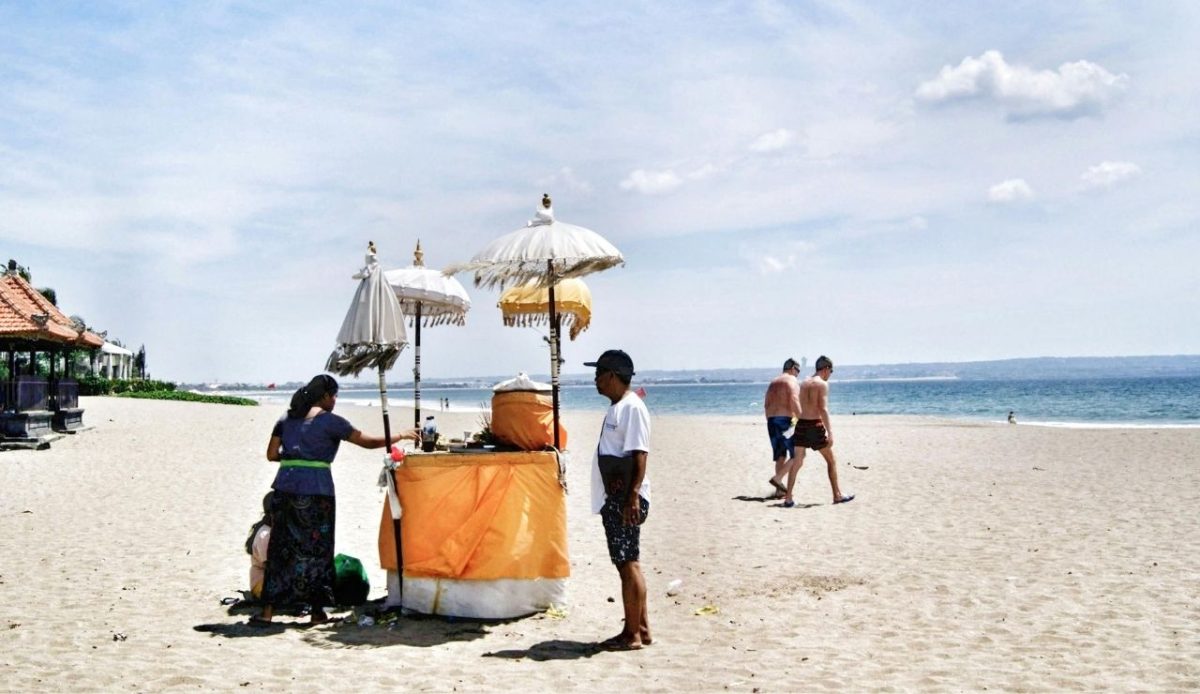
Bali’s reputation for hospitality contrasts with repeated reports of unequal treatment based on race and appearance. Black travelers describe being denied amenities or access that white guests receive without question. Jewelry stores, beach clubs, and hotels are frequently cited for selective enforcement of rules. Some visitors report being photographed without consent by other tourists, adding to feelings of objectification. Even entry policies at popular venues appear inconsistently applied. While direct insults are less common, repeated differences in treatment create a clear hierarchy affecting visitors and locals alike.
11. Hanoi, Vietnam
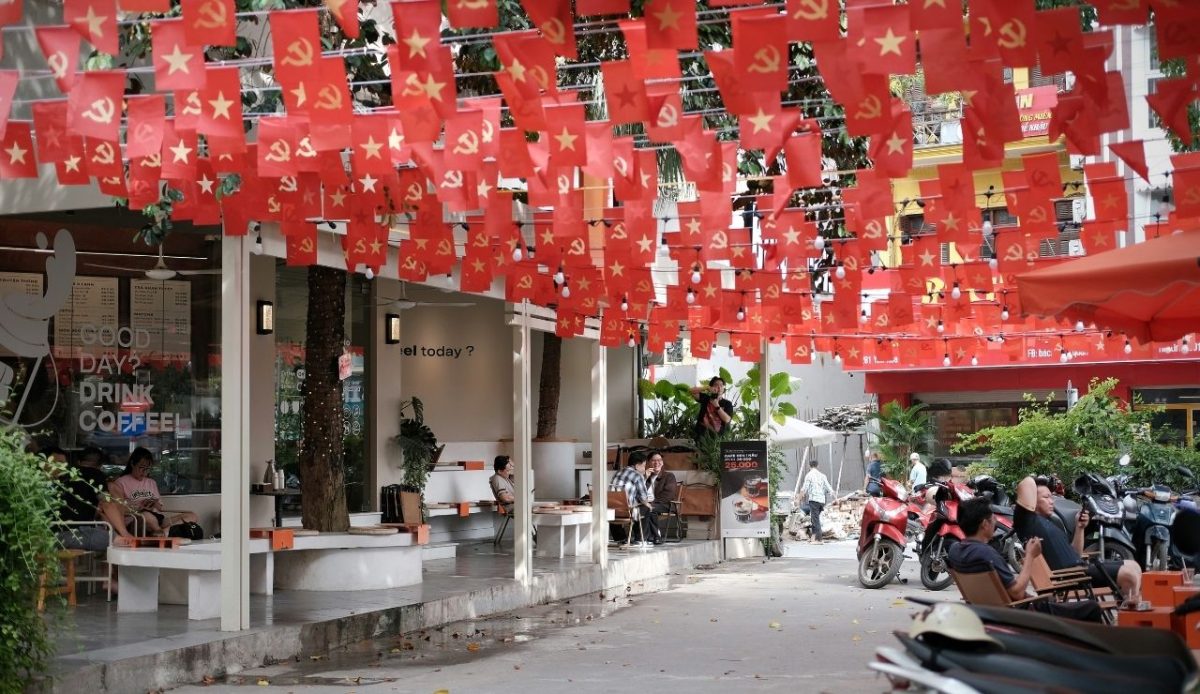
Hanoi is often described as calmer than southern Vietnamese cities, yet Black travelers continue to report frequent experiences of casual racism. Prolonged staring, unsolicited remarks about skin color, and assumptions influenced by Western media stereotypes are commonly mentioned. Restaurants, hotels, and transport usually remain accessible, but daily interactions can feel uncomfortable and isolating. Travelers describe curiosity that shifts into disrespect, especially in markets and public spaces. Although activist groups and younger residents challenge these attitudes, underlying bias still appears regularly and shapes visitor experiences.
12. Dubai, United Arab Emirates
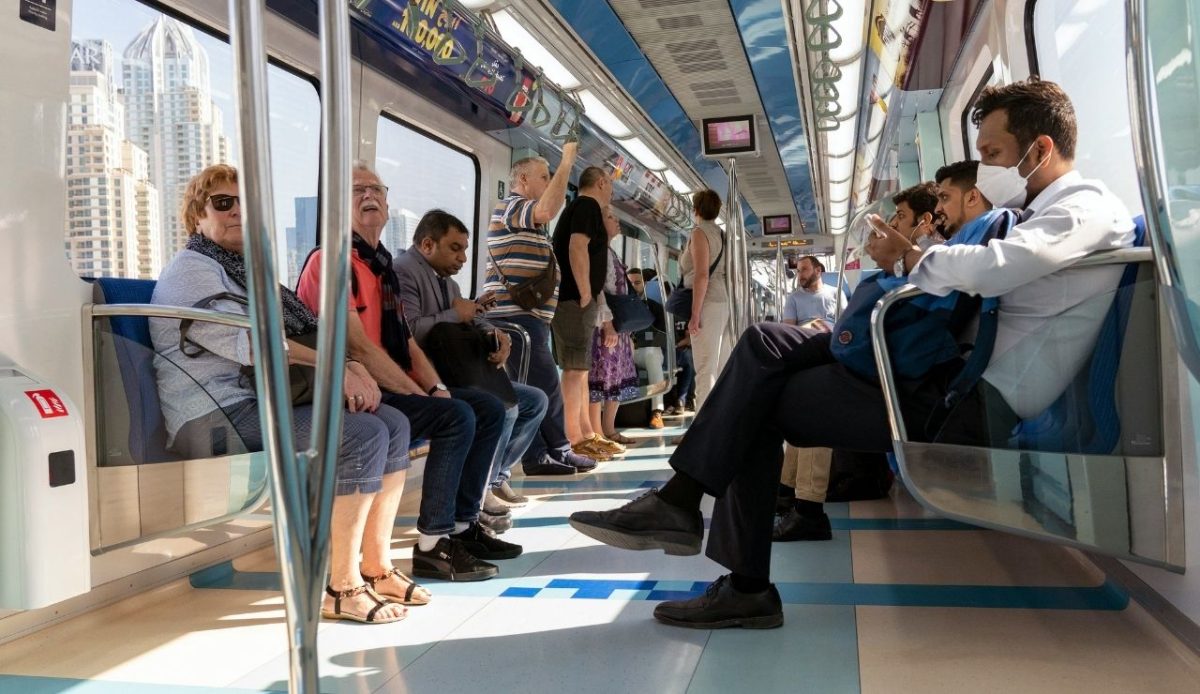
Dubai promotes itself as international and inclusive, yet discrimination is well-documented within hospitality and labor systems. Nationality-based pricing, selective entry, and hiring preferences are frequently reported, disproportionately affecting African and South Asian workers. Migrant employees describe unequal treatment, withheld wages, and fear of retaliation when raising complaints. Visitors also encounter subtle barriers tied to passport origin in hotels and venues. Despite formal anti-discrimination laws, uneven enforcement allows private businesses to operate differently, creating a gap between official messaging and daily reality.
13. Singapore
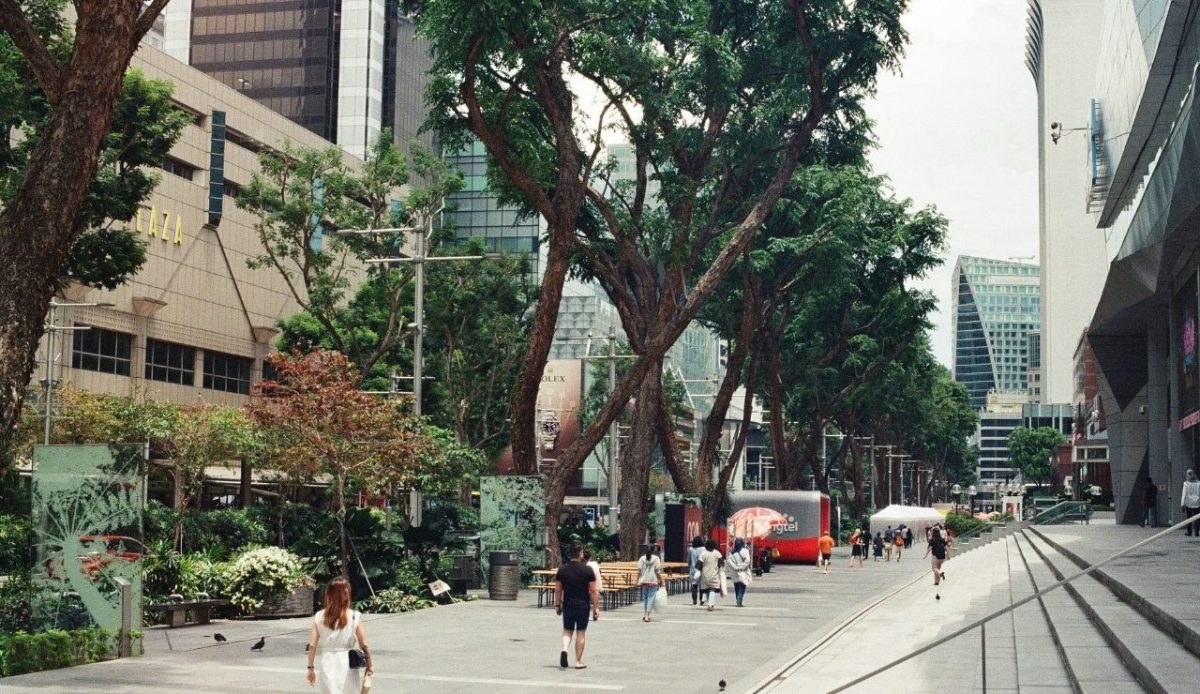
Singapore’s multicultural reputation contrasts with repeated reports of racial profiling and housing discrimination. Black travelers describe extended questioning and scrutiny at border control, while other passengers move through without issue. Housing bias is widely reported, with rental listings excluding certain ethnic groups, especially Indians, using explicit or coded language. Landlords often justify refusals through cultural stereotypes rather than financial concerns. While public spaces are regulated, discrimination persists in private dealings, shaping daily life for residents and strongly influencing first impressions for visitors.
