
European street fashion often comes from local habits, weather, and social signals rather than runway rules. In some cities, everyday outfits spark debate because they ignore balance, comfort, or coordination on purpose. Chunky shoes with formal coats, loud prints in quiet settings, and extreme layering show up on commutes and errands. These choices can signal belonging, rebellion, or humor. For visitors, the same looks may read as impractical or overdone, which is why the cities below are known for style that turns heads and starts arguments. Street photos and local commentary keep the reputations alive year after year.
1. Berlin, Germany
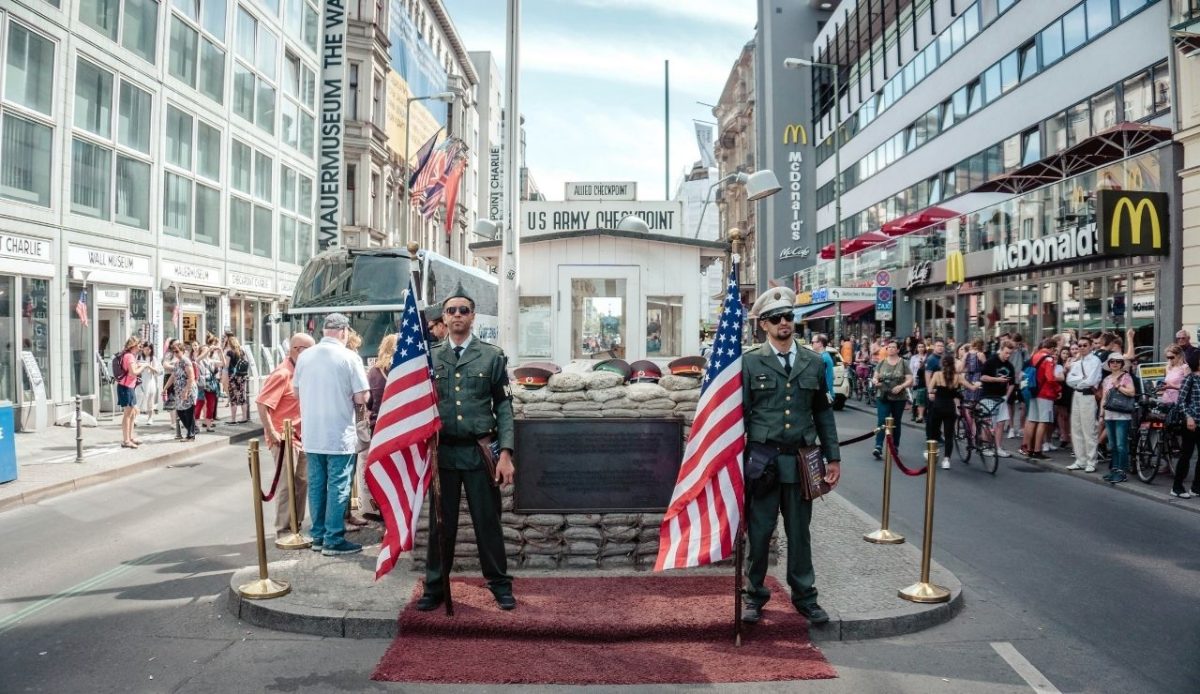
Berlin rewards experimentation, so outfits often look intentionally unfinished. Oversized coats, combat boots, and heavy black layers appear across seasons, then get interrupted by neon accents or thrifted prints. Practical items, like utility vests or rain shells, are worn as identity markers instead of simple gear. Many people ignore color matching and proportion on purpose, which can leave outsiders unsure whether the look is protest, irony, or pure comfort. In areas such as Kreuzberg and Friedrichshain, club culture influences daytime clothes, so night-ready pieces show up at cafés and markets without warning.
2. London, England
London street style thrives on contradiction. A tailored trench can pair with track pants, while vintage tees show up under sharp blazers and statement scarves. Subculture cues still matter, so punk hardware, grime-era sportswear, and high-street trends can appear on the same block. Unpredictable weather pushes people into layered outfits that prioritize warmth over harmony. To visitors, the result may feel chaotic, yet the city treats clashing choices as a normal way to stand out. Footwear often drives the whole look, from towering platforms to oversized trainers, and bold bags or hats can overpower the rest on a crowded Tube commute.
3. Copenhagen, Denmark
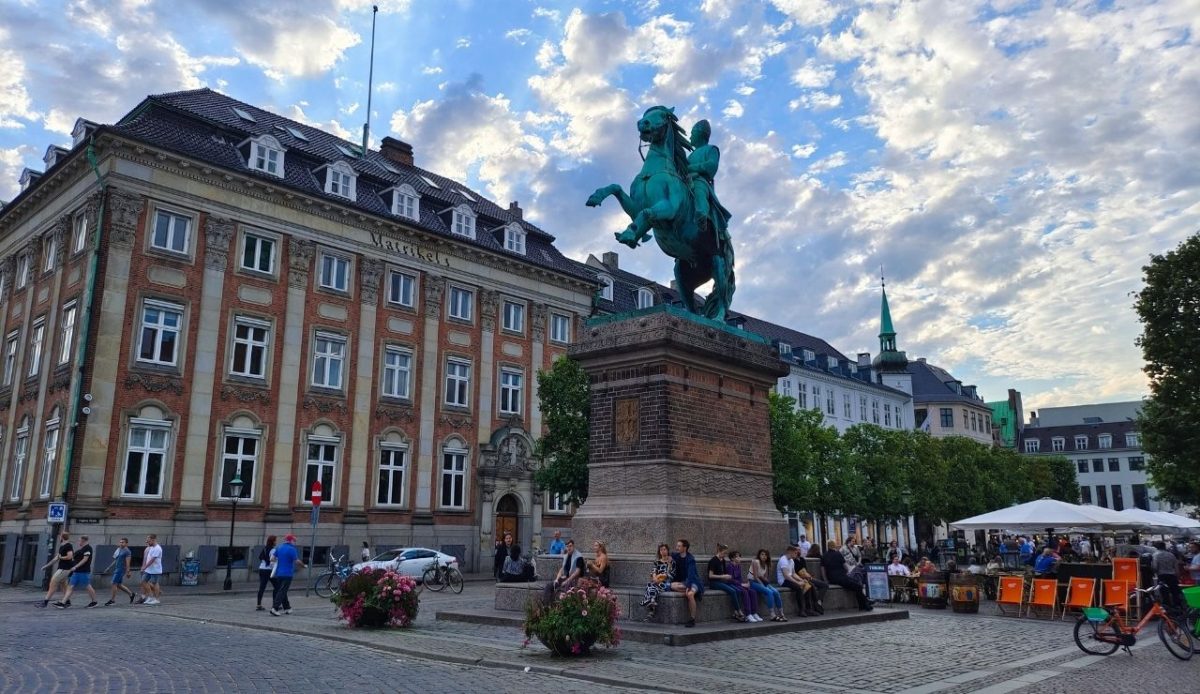
Copenhagen favors comfort presented as a statement, which can read odd to outsiders. Boxy coats, wide-leg trousers, and padded scarves create silhouettes that blur the body’s shape. Muted tones dominate, yet a single loud accessory, like bright socks or a sculptural bag, may disrupt the calm. Sneakers appear with dressy outerwear, and practical rain gear is styled for cafés as much as for streets. The look is deliberate, even when proportions seem off. Cycling culture also affects choices, so layers are easy to move in, but they stack up quickly and can appear bulky in photos taken outside metro stations and waterfront paths.
4. Amsterdam, Netherlands
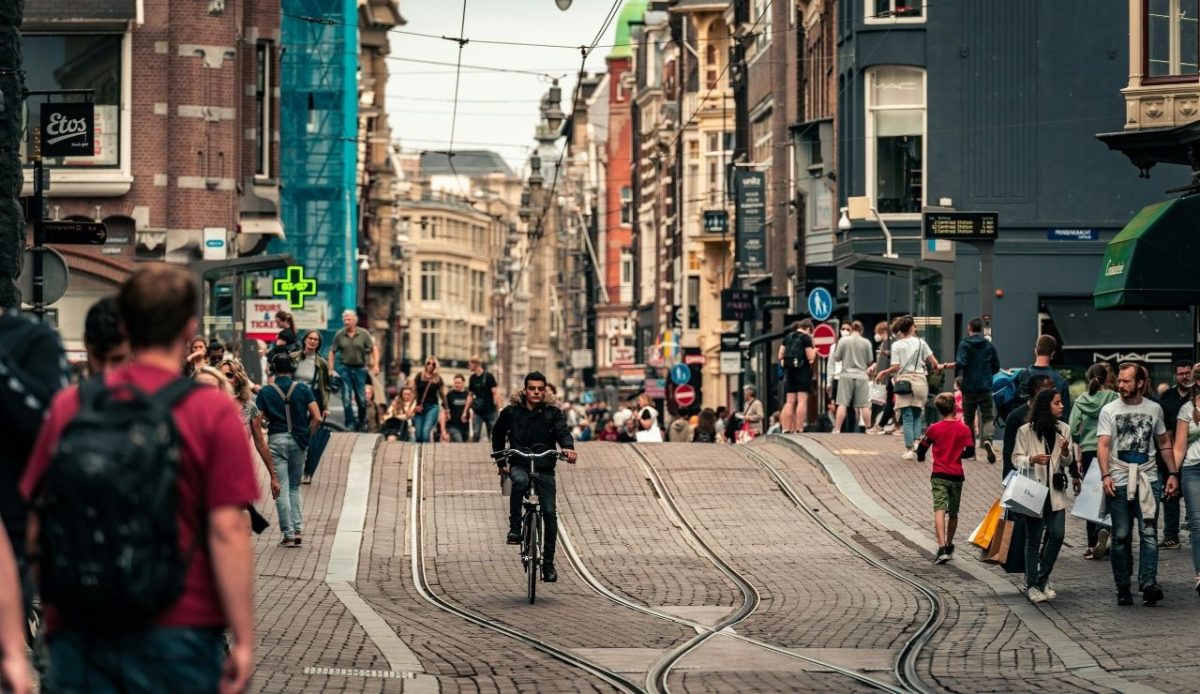
Amsterdam clothing often reflects movement first, style second, and that tension creates polarizing looks. People dress for bikes and sudden rain, then add bold pieces that feel unrelated, such as bright outerwear or patterned trousers. Structured jackets appear over casual tops, with practical shoes that clash with the rest of the outfit’s mood. Tourists sometimes assume the choices were rushed, but locals treat the uneven combinations as normal for a day that shifts between errands, work, and canalside hangouts. Secondhand shops and street markets add odd finds that get worn together with little concern for a matching palette.
5. Naples, Italy
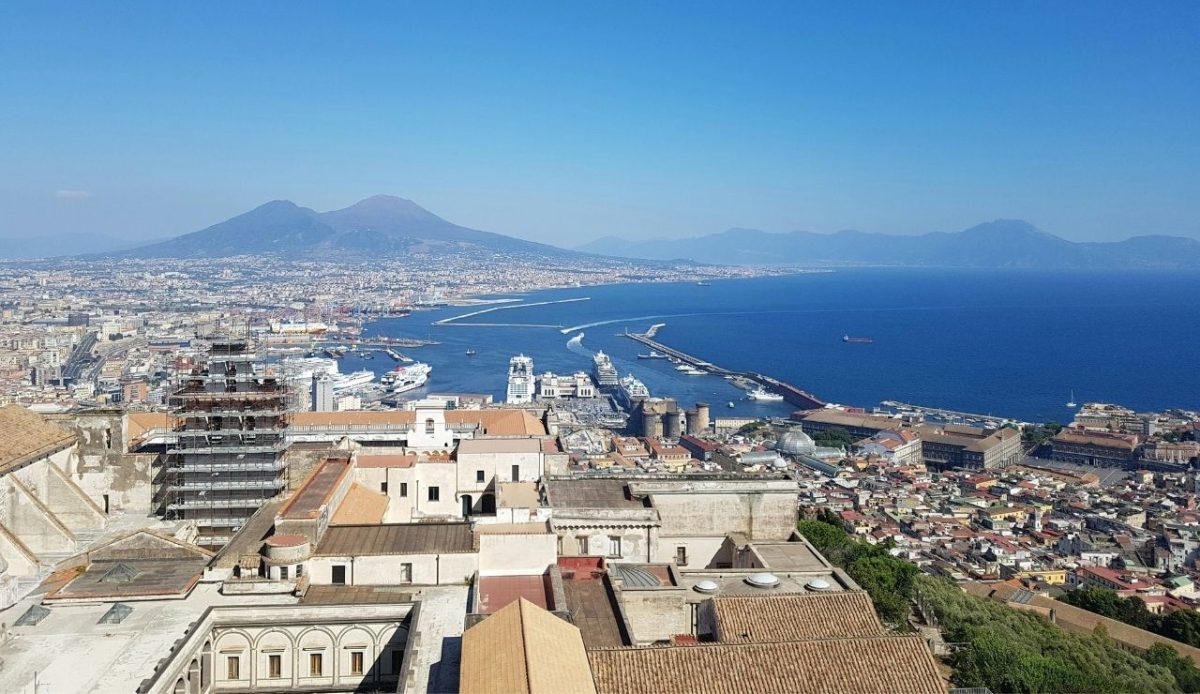
Naples takes classic Italian dressing and pushes it to the edge. Slim suits, glossy loafers, and sharp shirts show up with bright ties, loud pocket squares, or heavy jewelry worn at once. Patterns can compete instead of supporting each other, and seasonal restraint is often ignored for the sake of presence. To visitors, the effect may feel excessive or dated, yet locals see it as confidence and respectability. Even casual outfits can look staged, as if every errand deserves a full performance. In streets and piazzas, tailored pieces stay common, and scooter riders keep flair, wearing fitted jackets that seem impractical for speed and heat.
6. Milan, Italy
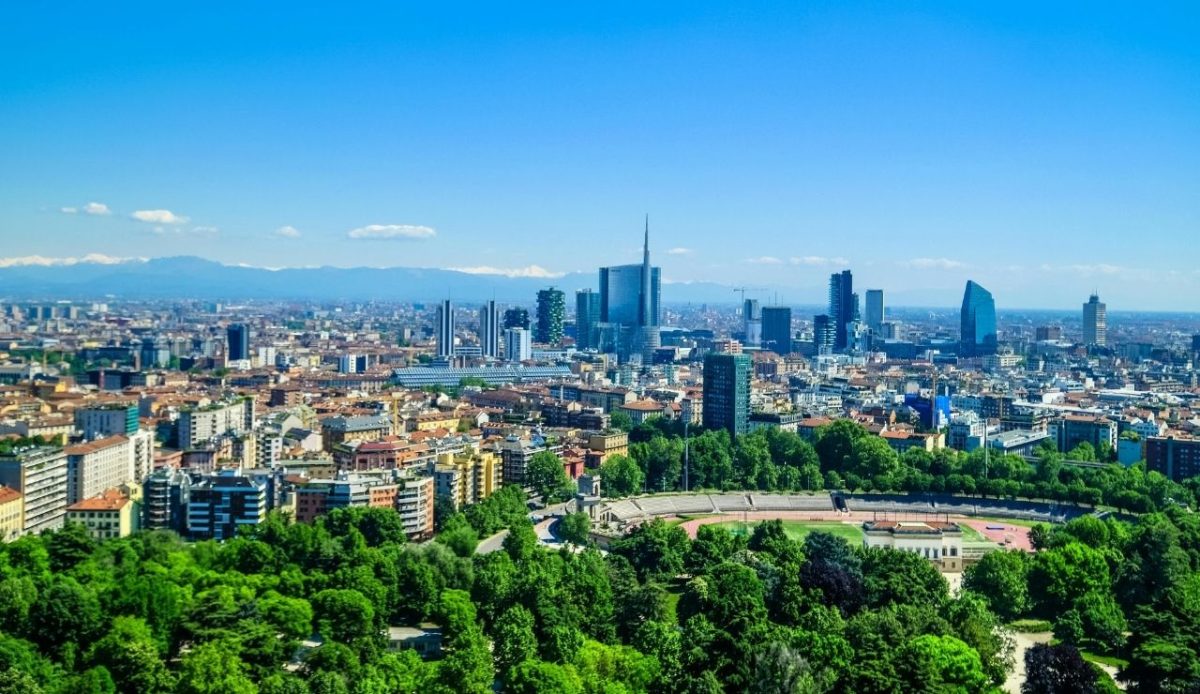
Milan absorbs runway ideas fast, and the street can look like a test lab for trends. Sharp tailoring appears beside experimental shoes, oversized bags, and sunglasses worn indoors. Logo-heavy pieces sometimes dominate outfits, even when the fit looks strained, or the weather makes no sense. Many people dress for the possibility of being photographed, which encourages risk over comfort. For visitors, the city can feel stylish yet forced, with outfits that seem built for attention rather than daily ease. During big events, that energy spreads into cafés and transit lines, so dramatic coats and sharp heels appear at lunchtime, not just at shows.
7. Paris, France
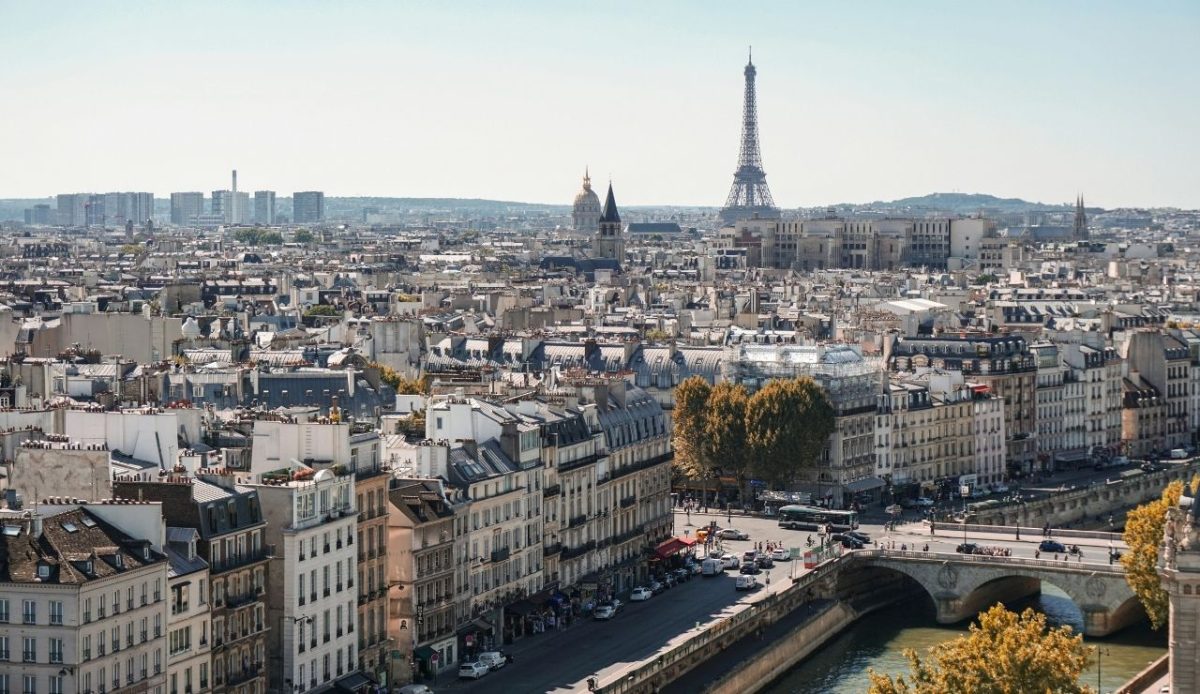
Paris is linked to restraint, yet modern street style often breaks that expectation. Neutral outfits get interrupted by exaggerated shoulders, wide trousers, or unusual fabrics that draw the eye. Designer pieces appear in casual settings, creating tension between effort and ease. Some looks rely on confidence rather than coordination, with deliberate imbalance in proportions or accessories. Tourists who expect simple classics are often surprised by the city’s willingness to look odd on purpose while still claiming elegance. Outside the center, thrift finds, and sneakers show up with formal coats, complicating the stereotype.
8. Barcelona, Spain
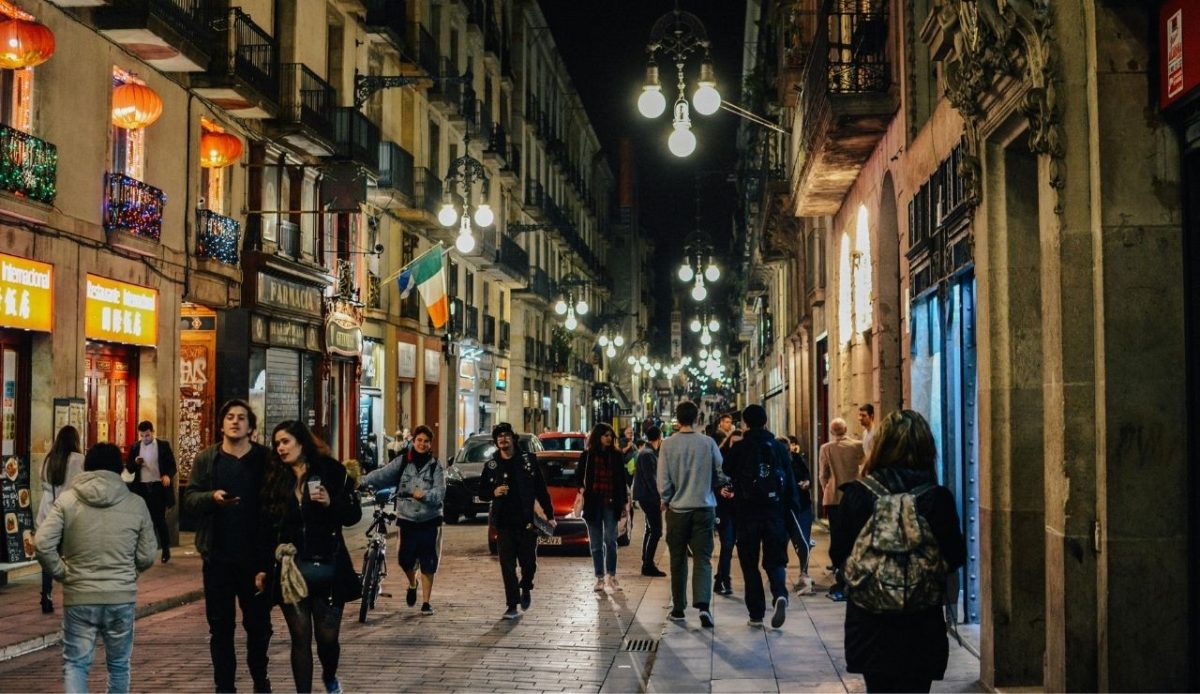
Barcelona style often favors comfort and personality over coordination, which can read questionable to visitors. Athletic wear appears with artsy layers, and bright prints show up in settings that feel too ordinary for such volume. Warm weather encourages loose fits, yet heavy accessories can remain, creating an imbalance. Beach influence stretches into the city, so casual pieces appear far from the waterfront. The result is playful and expressive, but it can look mismatched for workdays, museums, or evening dining. Nightlife spills into daytime, so sequins or statement sunglasses may appear during afternoon errands.
9. Stockholm, Sweden
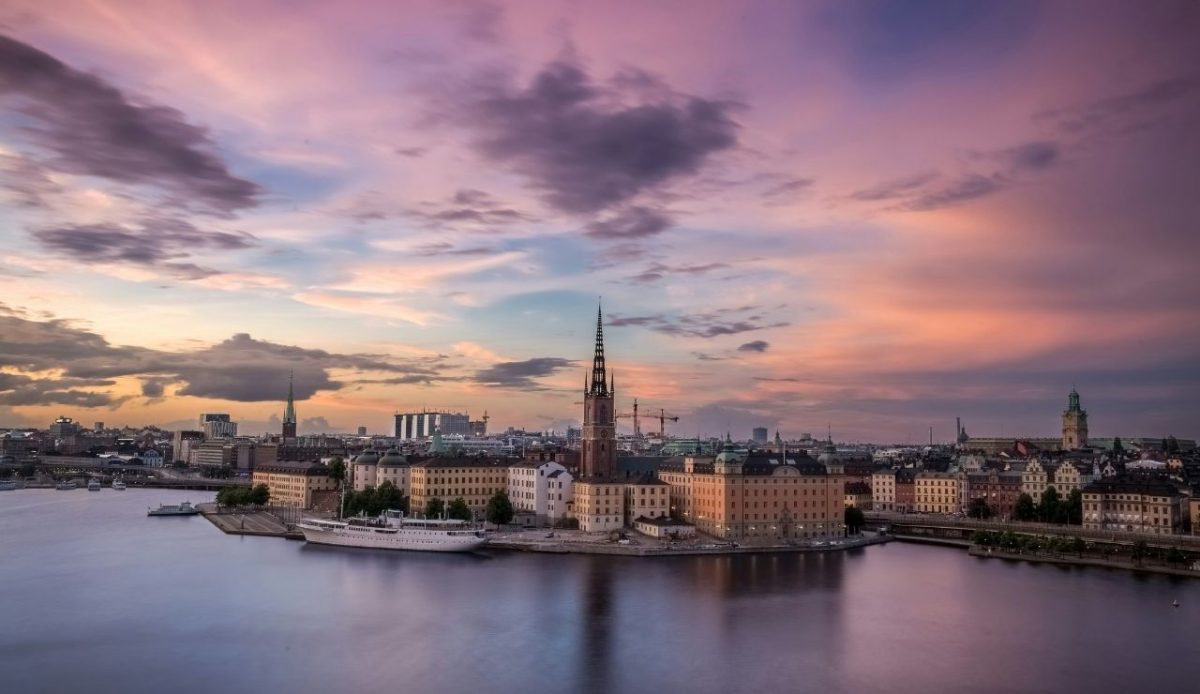
Stockholm pushes minimalism to an extreme that some outsiders find cold or severe. Monochrome outfits rely on structure and fabric rather than color, so the silhouette does all the work. Oversized coats, straight trousers, and chunky boots create a controlled, heavy look in winter. Small details, like sharp collars or unusual seams, replace flashy accessories. Visitors may read the restraint as dull, but locals treat it as precision, even when the shapes look exaggerated and rigid. In neighborhoods such as Södermalm, the same palette repeats with new cuts each season, so differences are subtle and easy to miss unless you look closely.
10. Budapest, Hungary
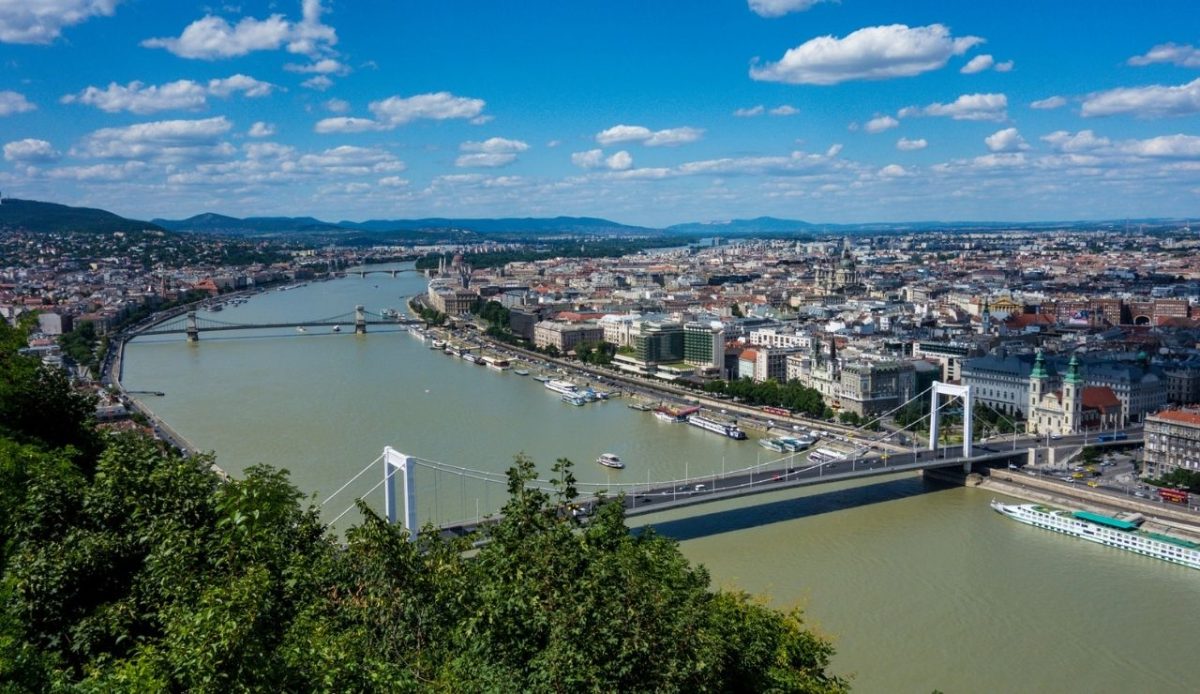
Budapest street fashion shows sharp contrasts, and that inconsistency becomes part of its reputation. Younger residents experiment with loud graphics, oversized jackets, and retro sportswear that can clash with formal buildings and older dress habits. Layering often looks improvised, with heavy outerwear over thin fabrics or summer sneakers in colder weeks. Because there is no single shared look, outfits can feel unfinished to visitors. Still, the city’s style reflects personal trial and budget realities rather than a push toward polish. Secondhand finds and ruin bars encourage bold pieces that reappear the next morning.
11. Belgrade, Serbia
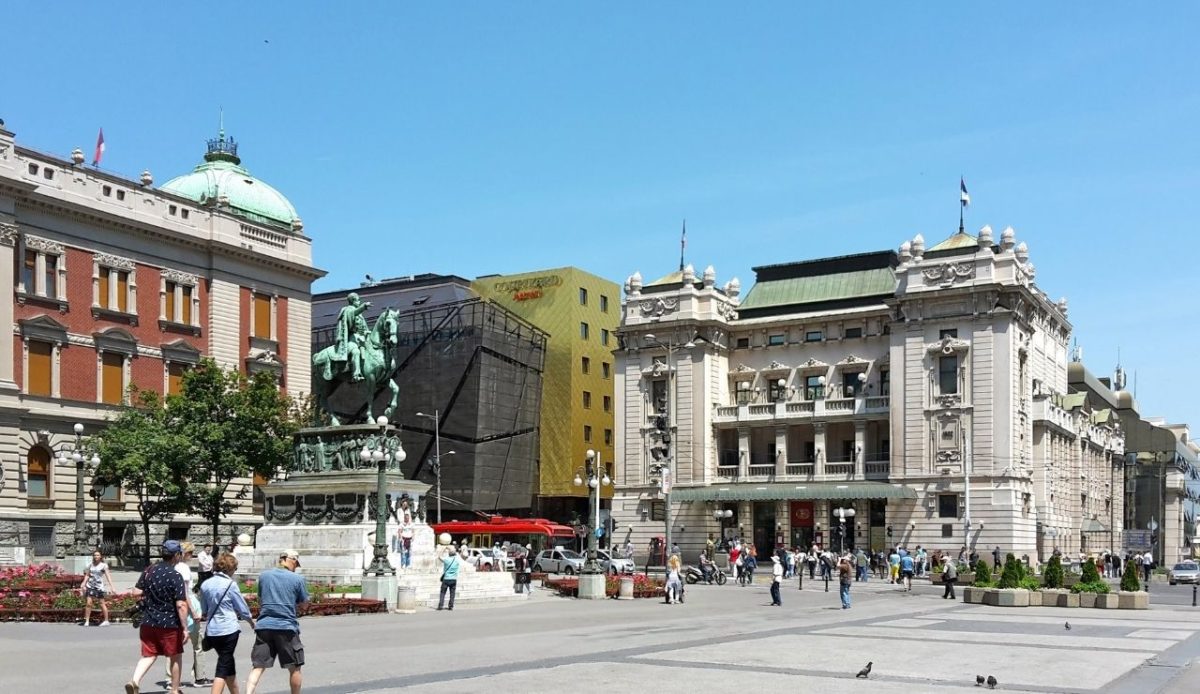
Belgrade favors visibility and status signaling, so outfits can look intense for ordinary hours. Tight fits, bold logos, glossy fabrics, and heavy accessories are worn together without much restraint. Nightlife influence carries into daytime, which means club-ready clothing appears at cafés, offices, and shopping streets. Color choices push limits, and grooming often looks as planned as the clothing. Visitors may see the style as excessive, yet locals read it as confidence and social awareness in a competitive scene. Even in winter, statement coats and designer trainers stay prominent, prioritizing impact over warmth.
