
For thrill-seekers, adventures at great heights offer adrenaline-pumping experiences, unforgettable views, and a sense of accomplishment. But for those who fear heights, these activities can be more stressful than fun. From soaring suspension bridges to towering cliffs and sky-high zip lines, the world offers plenty of adventures that test your courage. While some travelers embrace the rush, others might prefer staying grounded. This list highlights ten experiences best avoided if you’re afraid of heights, helping first-time adventurers plan safe, enjoyable trips without risking anxiety while still soaking in beautiful surroundings.
1. Bungee Jumping
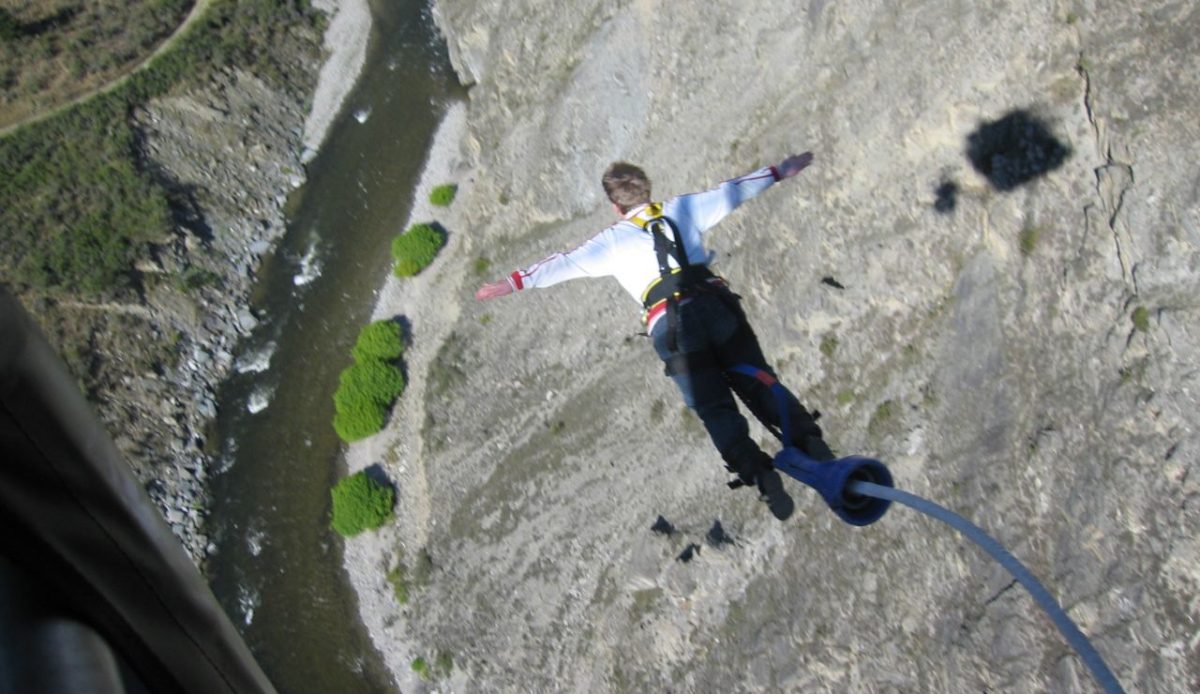
Bungee jumping is the ultimate test of courage, sending you plummeting from high bridges, towers, or cranes with only a cord keeping you tethered. While it promises a thrilling adrenaline rush and incredible aerial views, it’s not for those uneasy with heights. Even with safety measures, standing on the edge, looking down hundreds of feet, and knowing you’ll be in freefall can trigger intense anxiety or panic. If heights make you uncomfortable, bungee jumping will likely be a stressful experience rather than fun. Consider lower-altitude adventure sports or controlled indoor climbing for a safer thrill.
2. Skydiving
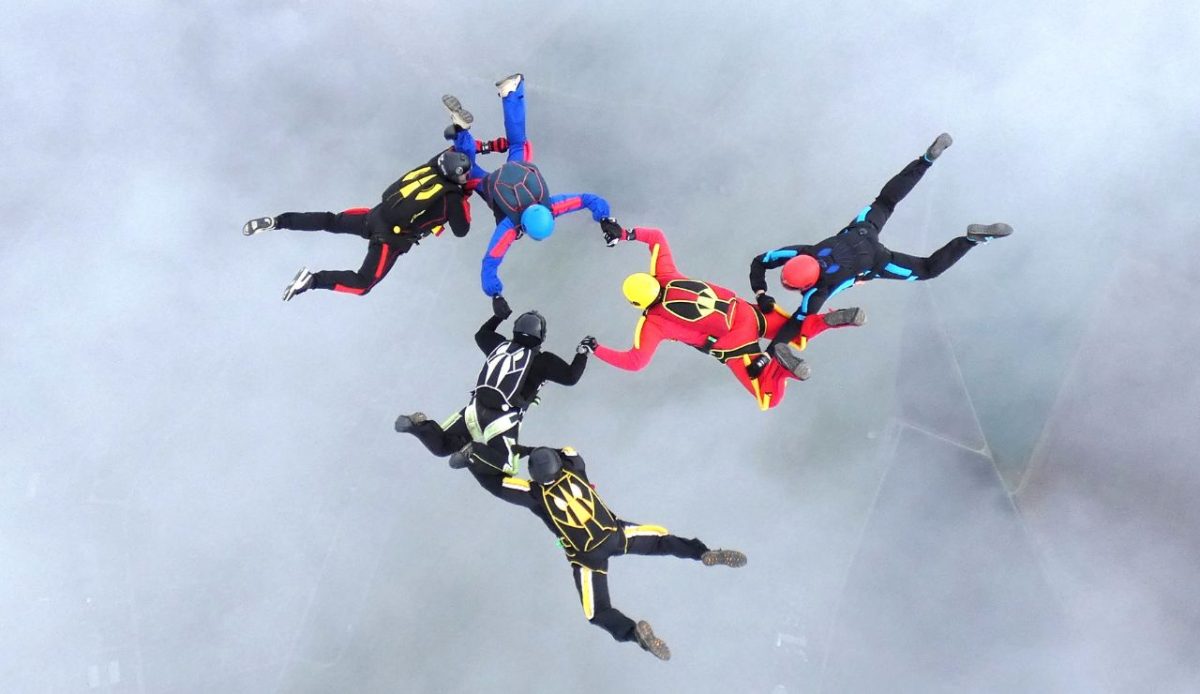
Skydiving offers the unparalleled experience of free-falling thousands of feet above the ground before deploying a parachute, but it’s an extreme activity for anyone afraid of heights. The anticipation of jumping out of an airplane can trigger dizziness, nausea, or panic attacks, and the sheer scale of altitude is intimidating. While safety equipment and expert instructors make it safe, the psychological challenge is immense. If heights make you uneasy, skydiving is likely to be overwhelming rather than enjoyable. Opting for indoor skydiving tunnels can provide a controlled and lower-stress alternative for beginners.
3. Rock Climbing
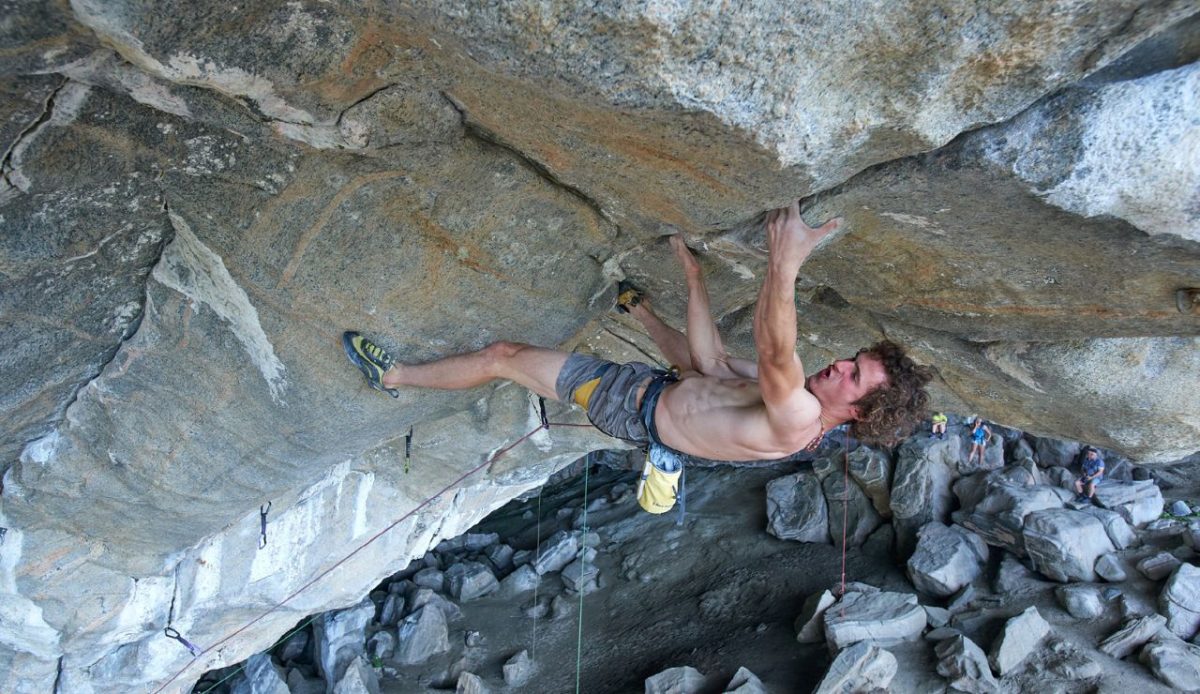
Rock climbing, whether on natural cliffs or indoor walls, involves scaling vertical surfaces that can feel intimidating if you fear heights. Outdoor climbs often provide breathtaking views but require exposure to ledges, drops, and open air that can cause vertigo or anxiety. Even with ropes and safety gear, being suspended high above the ground is challenging for height-sensitive individuals. Indoor climbing walls offer a controlled experience, but extreme outdoor climbing should be skipped if you’re uncomfortable with elevation. Bouldering close to the ground still provides thrill without fear.
4. Zip Lining
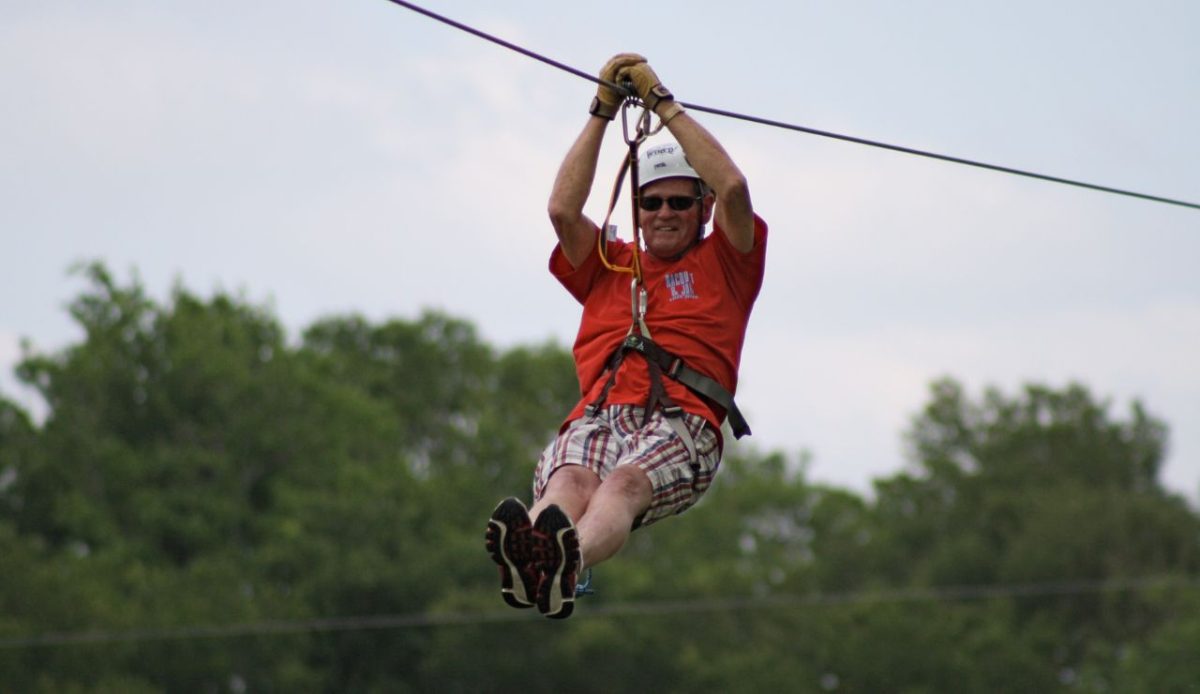
Zip-lining across forests, canyons, or rivers is a popular adventure that combines speed with height. While it’s exciting for many travelers, soaring hundreds of feet above the ground can trigger vertigo or fear-induced stress for those uneasy with heights. Even though harnesses and safety systems keep riders secure, the sensation of gliding through the air can be terrifying for some. Height-sensitive individuals may experience panic rather than thrill. If you want to enjoy outdoor adventures without stress, consider ground-level activities like nature trails or river kayaking, which provide scenic beauty without exposure to extreme heights.
5. Suspension Bridges
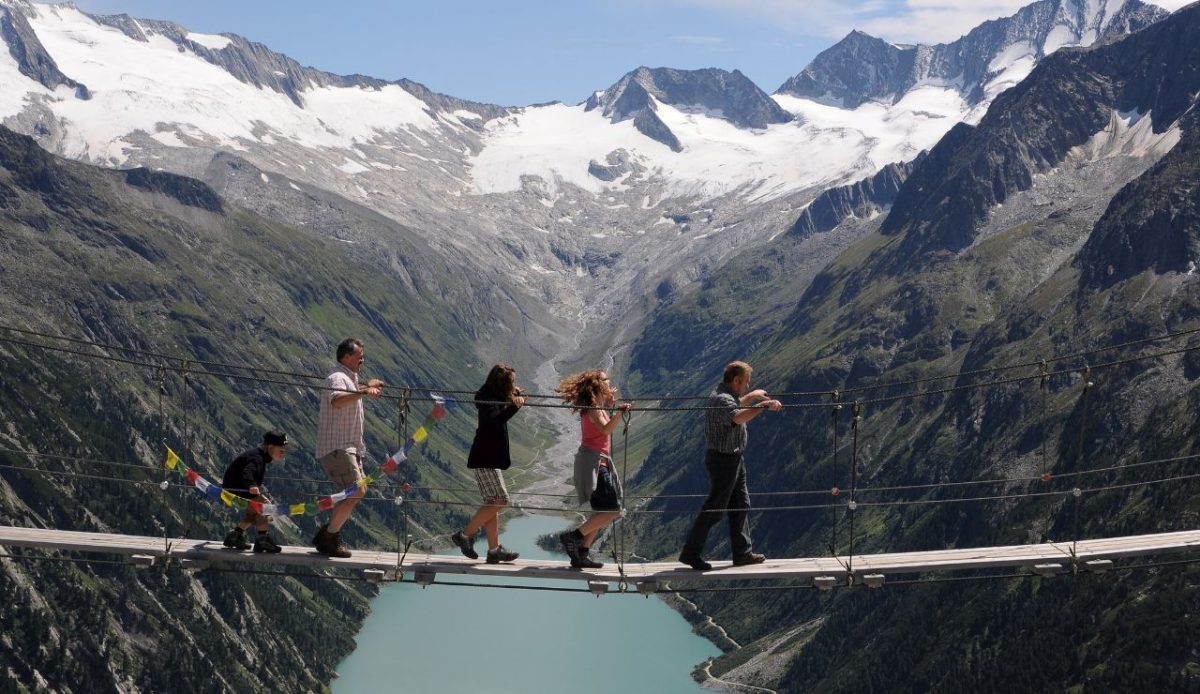
Walking across suspension bridges is iconic in many destinations, offering panoramic views and exhilarating exposure to height. However, standing hundreds of feet above the ground on a narrow, swaying bridge can be overwhelming. Height-related anxiety may prevent you from fully enjoying the scenery, making it stressful rather than thrilling. Even though structures are safe, the perception of vulnerability can be intense for fear-of-heights travelers. If uncomfortable with elevated walkways, it’s better to admire landscapes from trails or viewpoints at ground level to enjoy vistas without anxiety.
6. Skywalks & Glass Floors
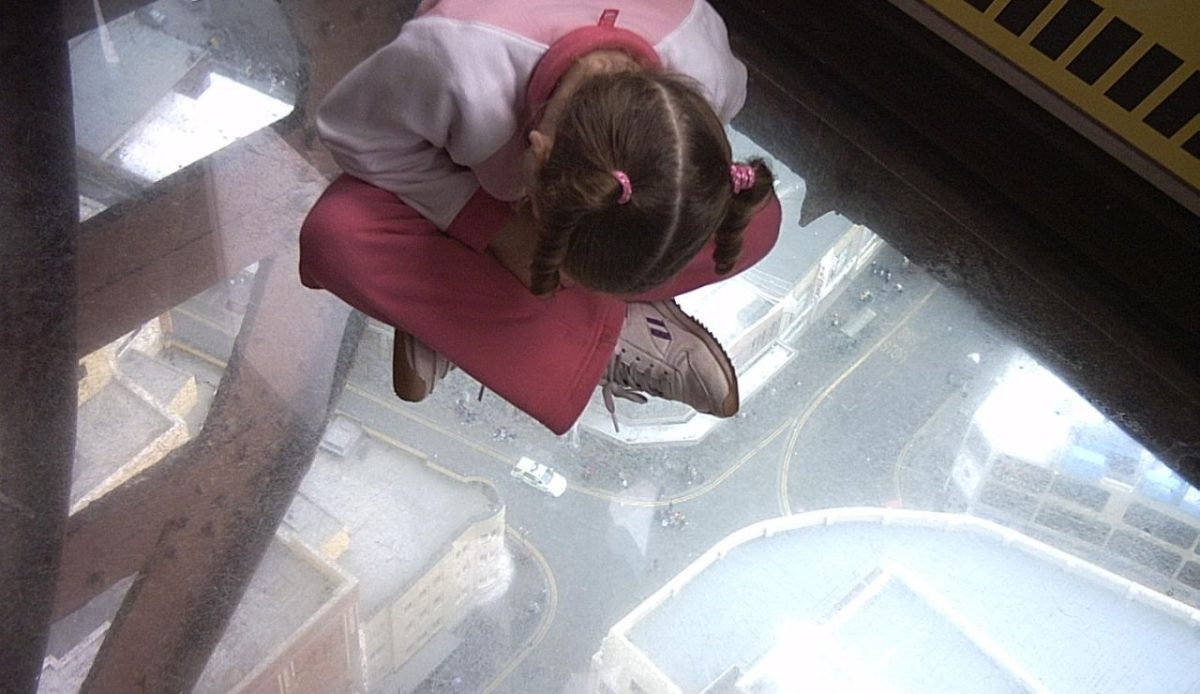
Skywalks and glass-floored observation decks in skyscrapers or canyons offer breathtaking aerial views, but they can be unnerving for anyone afraid of heights. Standing on transparent flooring hundreds or thousands of feet above the ground can create panic, vertigo, or dizziness. Even with secure construction, the visual drop can feel intimidating and make it difficult to enjoy the scenery. For those sensitive to heights, it’s better to visit standard observation areas or elevated terraces with solid floors. These alternatives allow safe enjoyment of cityscapes or landscapes without triggering height-related discomfort or fear.
7. Paragliding
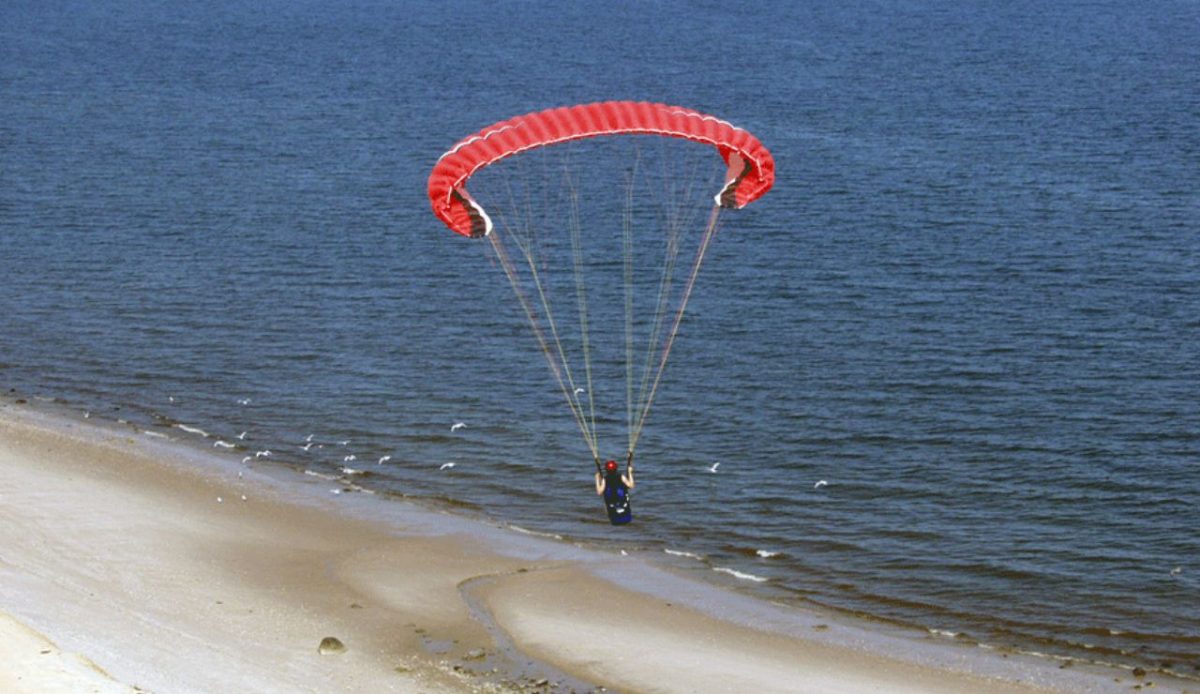
Paragliding lets travelers soar like a bird over mountains, valleys, and beaches, offering incredible aerial perspectives. But for anyone uneasy with heights, launching from cliffs and floating at high altitudes can be nerve-wracking. Even with instructors managing safety, the exposure to open air and steep drops can trigger panic or vertigo. The sensation of being suspended far above ground is thrilling for some, yet stressful for those sensitive to elevation. Beginners who fear heights should avoid this activity and consider lower-altitude airborne experiences like tethered hot-air balloon rides.
8. Mountain Hiking with Steep Drops
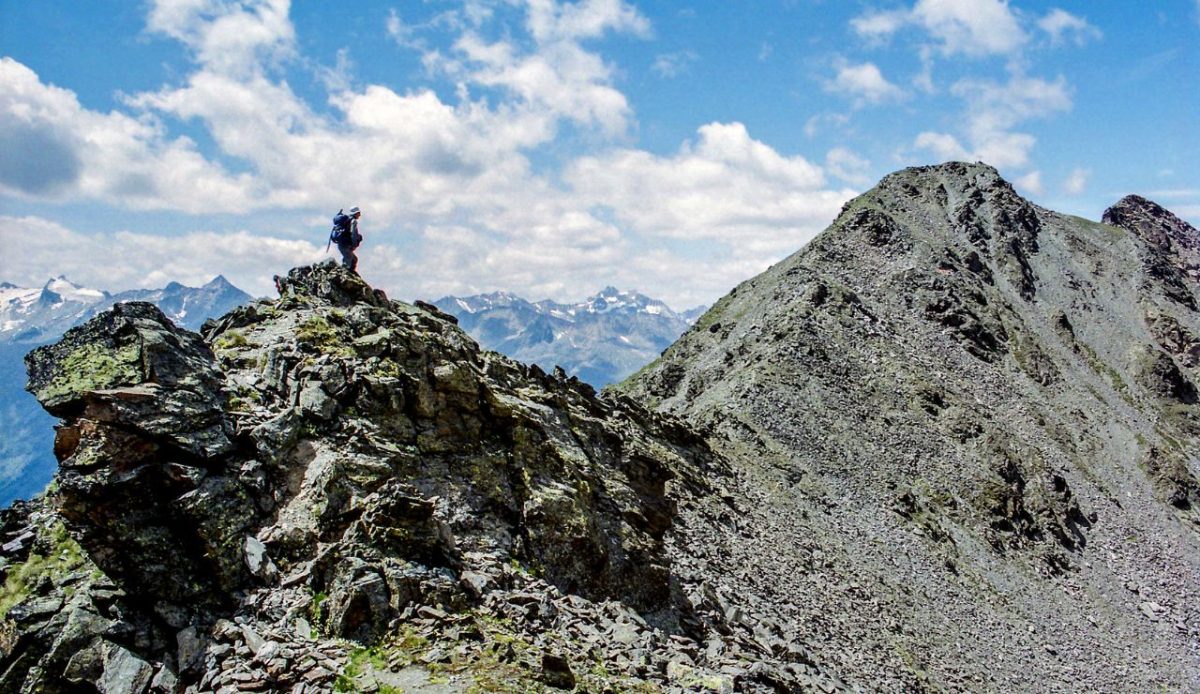
Hiking in mountainous terrain can be rewarding, but trails with cliffs or narrow ridges are daunting for anyone with a fear of heights. Even with handrails or paths, seeing sharp drops below can trigger anxiety or dizziness. While the views are spectacular, the mental strain may outweigh enjoyment for sensitive travelers. Choosing trails with gentler inclines, wider paths, and less exposure allows hikers to experience nature safely without confronting extreme elevation. Height-sensitive adventurers can still enjoy mountain scenery and fresh air while staying grounded and reducing stress on the journey.
9. Hot-Air Ballooning
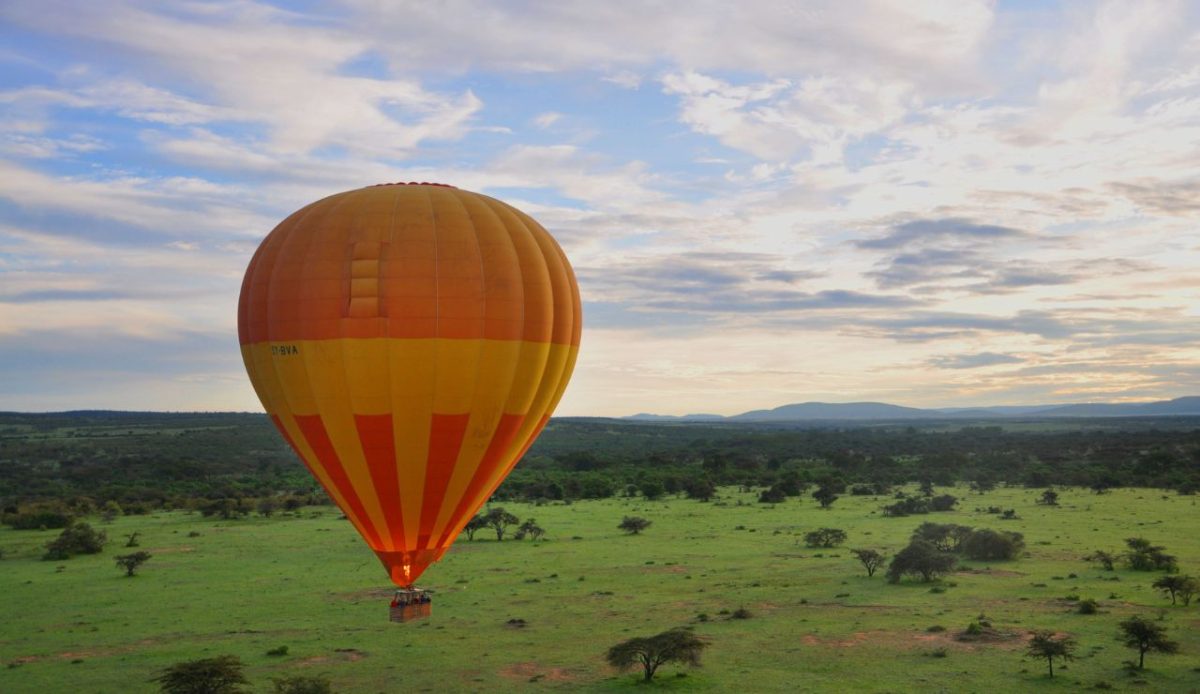
Hot-air ballooning offers panoramic views, peaceful floating, and sunrise adventures, but it requires rising hundreds or thousands of feet into the sky. While slower and more stable than skydiving, the altitude can still provoke fear for anyone uneasy with heights. Observing the ground receding over landscapes may cause vertigo or anxiety. For height-sensitive travelers, hot-air ballooning is often more stressful than enjoyable. Alternative low-level experiences, such as river cruises, jeep safaris, or ground-based viewpoints, allow scenic perspectives without extreme height or floating sensations.
10. Cliff Diving
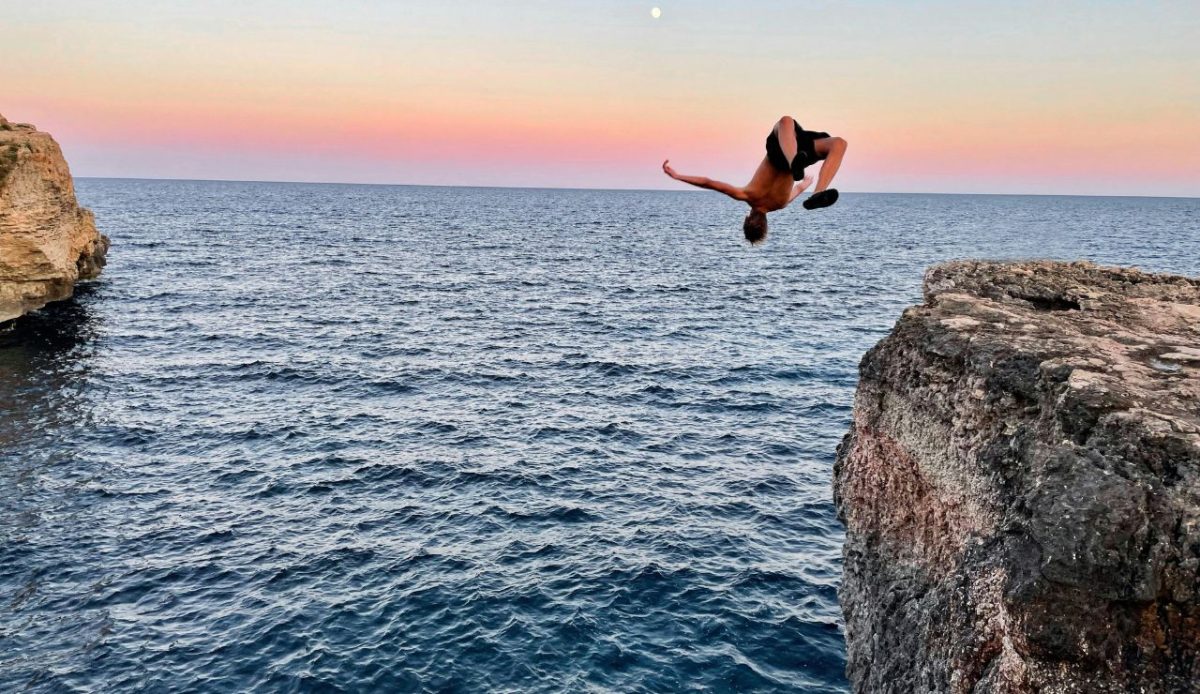
Cliff diving involves leaping from tall cliffs into water, combining thrill, adrenaline, and height exposure. While exhilarating for some, the sheer drop can be terrifying for anyone afraid of heights. Even experienced divers feel the challenge of looking down hundreds of feet before jumping. Height-related fear can cause hesitation, panic, or dizziness, making it unsafe for beginners with vertigo. If uneasy at heights, it’s better to enjoy swimming, kayaking, or water adventures closer to ground level. This allows aquatic fun without confronting vertical fear or risking anxiety-induced mistakes.
