
Caribbean trips can feel easy because flights are short and resorts handle logistics, but crime patterns differ sharply by island and even by neighborhood. The places below are often in government advisories and recent reporting for violent incidents, robbery, or scams that can affect visitor zones. This is not a ranking of people or culture. It is a practical snapshot of where tourists should plan tighter routines, pick lodging carefully, and follow local guidance. Check the latest alert level before booking, and treat nightlife, short-term rentals, and isolated beaches as higher-risk settings than daytime sightseeing.
1. Haiti

Haiti remains the Caribbean’s clearest no-go for most leisure travel because kidnappings, armed gang violence, and civil unrest have disrupted basic security and emergency response. The U.S. State Department lists Haiti at Level 4 and notes very limited ability to help citizens during an emergency. If a trip is unavoidable, use professional security support, avoid road travel, and confirm evacuation and medical options before arrival. Cruise lines have rerouted stops as conditions changed, and travelers should not assume a private resort stop guarantees safe transit beyond the controlled perimeter.
2. Jamaica
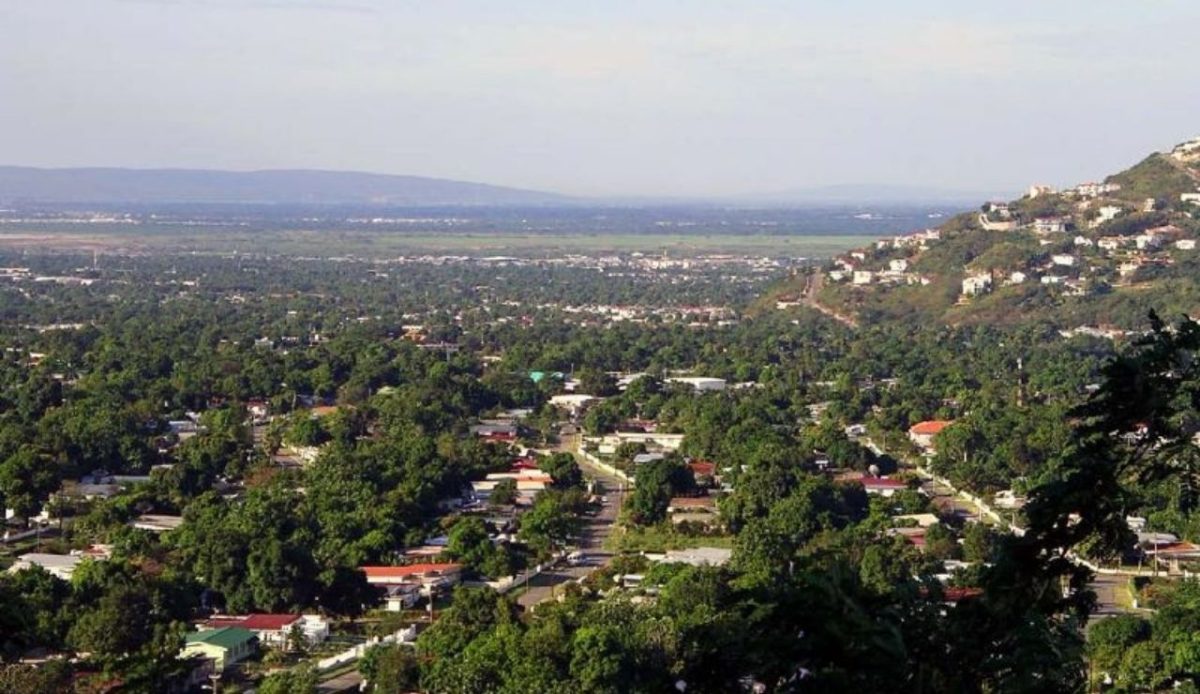
Jamaica is a top beach destination, yet the U.S. State Department moved it to Level 3 in November 2025, citing violent crime and frequent reports of armed robberies and sexual assaults, including incidents reported by tourists at resorts. Visitor zones can be safer than some communities, but opportunistic theft and nightlife targeting still happen. Stick to reputable transport, limit cash and jewelry, and avoid unlit streets after dark. The advisory also warns that responses to serious incidents may be slow and cases may not reach final prosecution, so prevention matters more than recovery. Plan excursions early.
3. Trinidad And Tobago
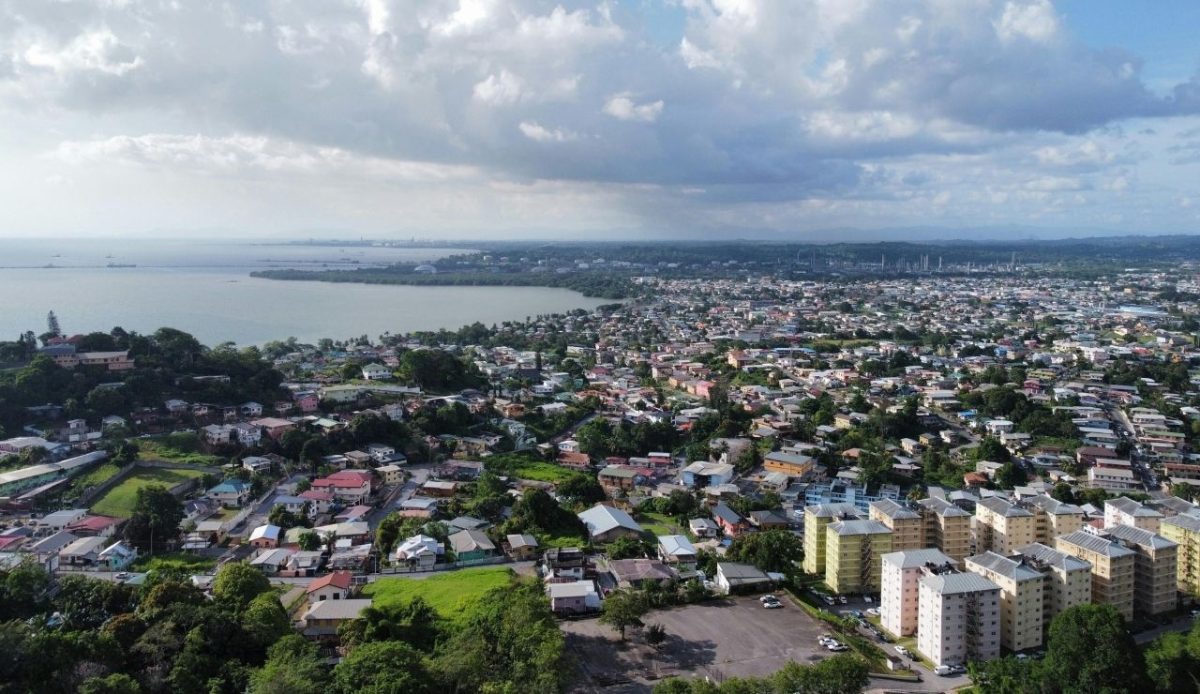
Trinidad and Tobago is listed at Level 3 by the U.S. State Department due to serious risks from crime, with warnings that violent offenses, including robbery, assault, sexual assault, home invasion, and kidnapping, occur and that a large share is gang-related. Crime risk is not uniform across the islands, but travelers should treat late-night movement and unfamiliar neighborhoods as higher risk. Use trusted taxis, choose lodging with solid security, and keep plans flexible if local conditions shift. The advisory notes recent security measures after a State of Emergency that ended in April 2025, a reminder that conditions can change quickly.
4. The Bahamas
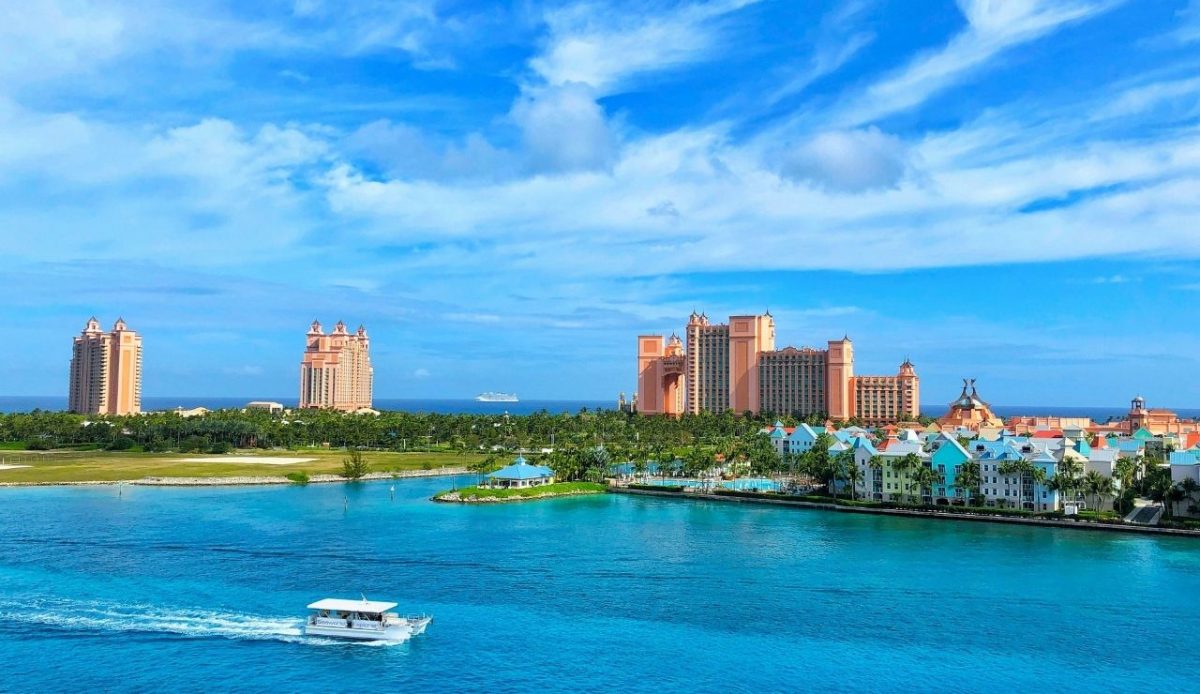
The Bahamas holds a Level 2 advisory, but the State Department warns that violent crime, such as armed robbery, burglary, and sexual assault, can occur anywhere, including on New Providence and Grand Bahama. Most visitors never face harm, yet vacation rentals and poorly lit residential streets can create openings for break-ins and street crime. Stay in well-reviewed areas, do not resist robbery, and use licensed operators for water activities and transport. The advisory also highlights strict consequences for traveling with firearms or ammo, even by mistake, so check bags carefully before departure.
5. Turks And Caicos
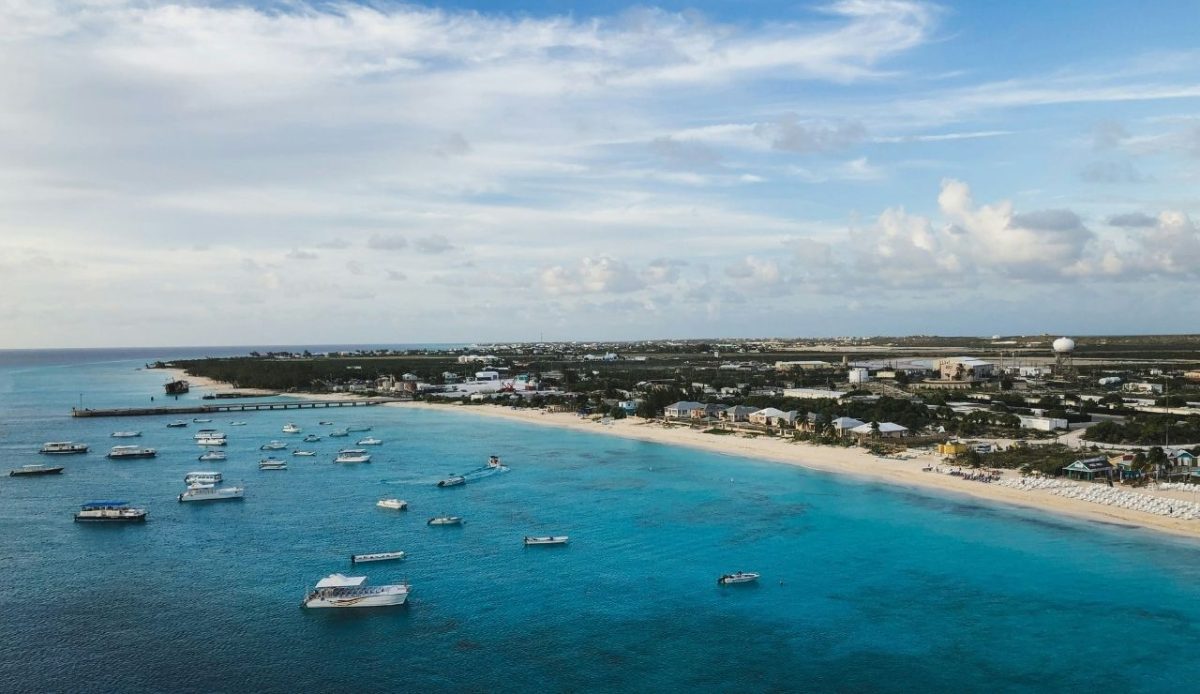
Turks and Caicos is Level 2, and the State Department says most crime occurs on Providenciales while noting that local police may have limited investigatory resources. That combination can leave visitors exposed to theft, rental car break-ins, and occasional violent incidents near nightlife or private villas. Choose accommodations with staffed security, avoid deserted areas at night, and keep items out of sight in vehicles and on beaches. The advisory also stresses strict firearm and ammunition laws, and U.S. consular support comes through the Embassy in Nassau, so prevention and documentation are key.
6. Dominican Republic
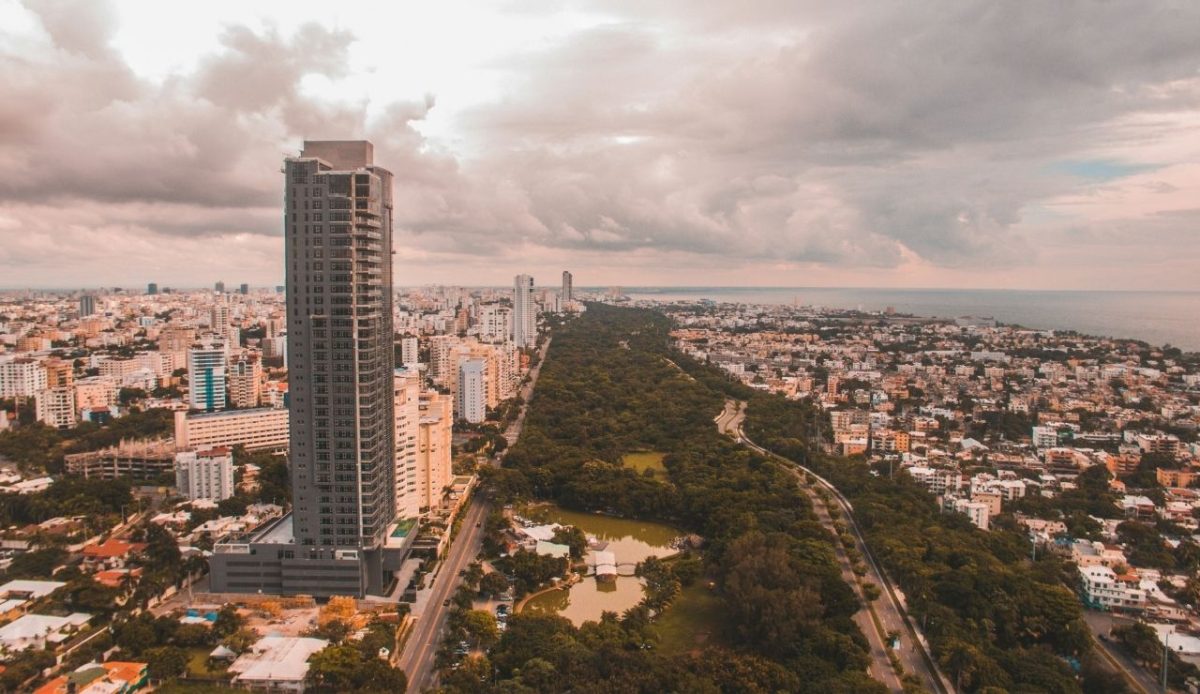
The Dominican Republic is Level 2 due to crime, with the State Department warning that violent crime remains a concern even with extra police presence in tourist corridors. Tourist scams, ATM theft, and robbery can occur around nightlife areas and during short transfers between airports, resorts, and cities. Use hotel-arranged rides, avoid flashing phones and watches, and be cautious about meeting new contacts from apps in secluded locations. Withdraw cash only in secure indoor locations, keep a photo of your passport separate from the original, and ask your hotel which neighborhoods to avoid after dark.
7. Puerto Rico
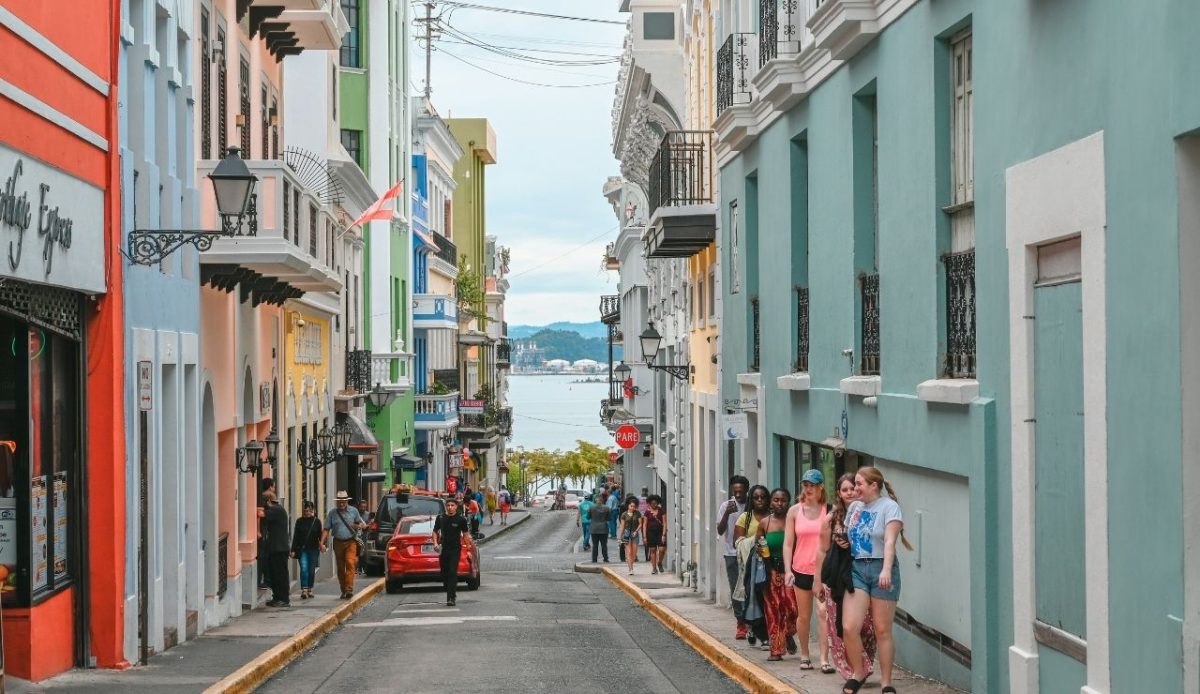
Puerto Rico is a U.S. territory, so it does not carry a State Department advisory, yet visitor safety can vary sharply by block in San Juan and other cities. Recent incidents reported in local and national news have included tourists caught in gunfire near nightlife areas such as La Perla in Old San Juan. Stay on well-traveled routes, skip risky photo stops in known trouble spots, and rely on guided tours for late hours or unfamiliar neighborhoods. For beach days, keep cars empty and lock bags in the trunk before you arrive, and use app-based rides or official taxis rather than informal offers.
