
Boomtowns capture the imagination with rapid growth, economic opportunity, and thriving job markets. Yet, rapid expansion often brings challenges: crowded streets, housing shortages, and overburdened infrastructure. Travelers visiting these towns notice traffic congestion, bustling downtowns, and limited public spaces. For residents, daily life can feel frenetic, balancing opportunity with strain. These boomtowns illustrate how success can come at a cost, showing both the excitement of rapid development and the harsh realities of communities stretched thin by growth, popularity, and high demand.
1. Austin, Texas
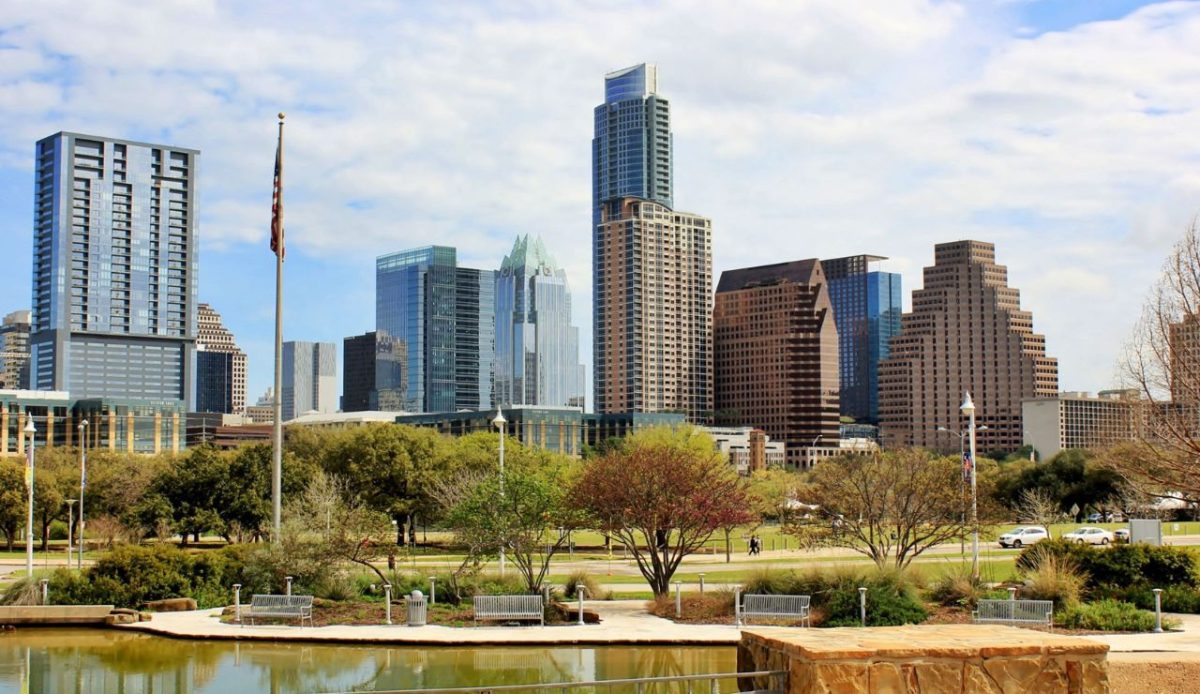
Austin has transformed from a quiet state capital into a tech and cultural hub, drawing thousands each year. Its lively music scene, booming job market, and vibrant neighborhoods attract both tourists and new residents. Yet traffic congestion, rising rent, and crowded entertainment districts reveal the challenges of rapid growth. Visitors notice packed restaurants, busy trails, and limited parking. While the city retains its quirky charm and outdoor attractions, the pace of expansion has begun to test infrastructure and public services. Austin highlights the double-edged nature of a city’s explosive popularity.
2. Nashville, Tennessee
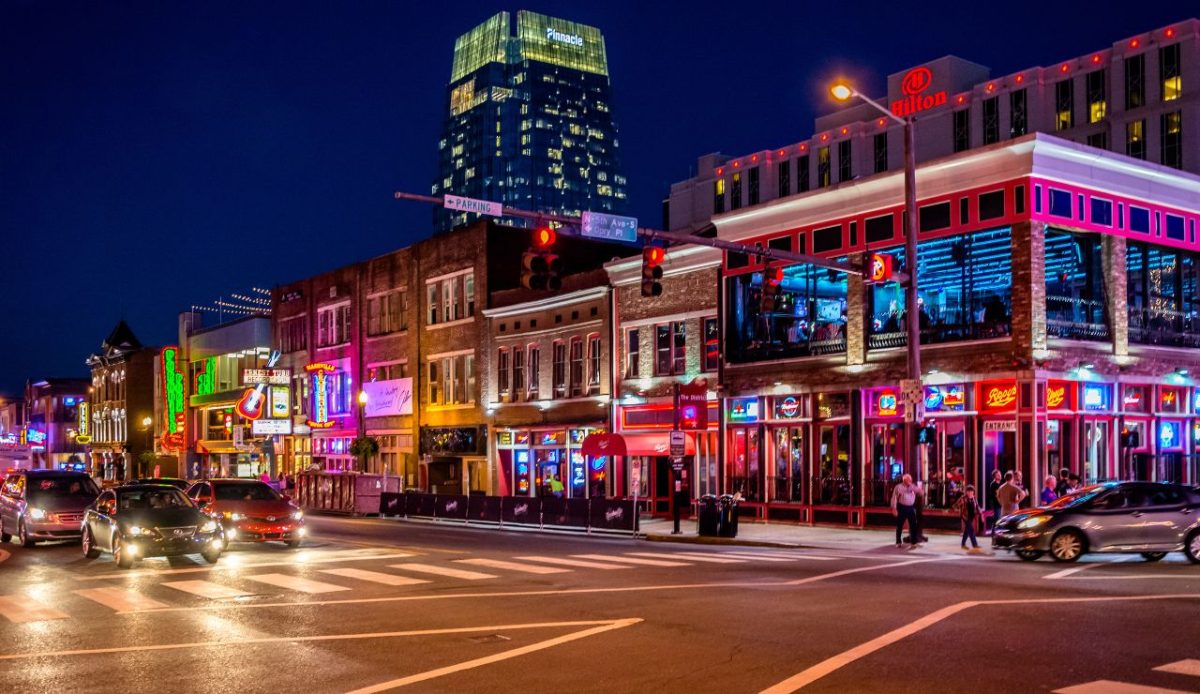
Known as Music City, Nashville’s economic and cultural boom has created crowded streets and busy nightlife districts. Tourism, a growing tech sector, and the entertainment industries draw new residents and visitors alike. Concerts, restaurants, and bars are often at full capacity, making reservations essential. Traffic snarls and housing shortages further illustrate the pressures of rapid growth. Yet, the city continues to charm with its music heritage, southern cuisine, and historic sites. Nashville shows how success can strain both residents and visitors, making planning and patience part of the experience.
3. Boulder, Colorado
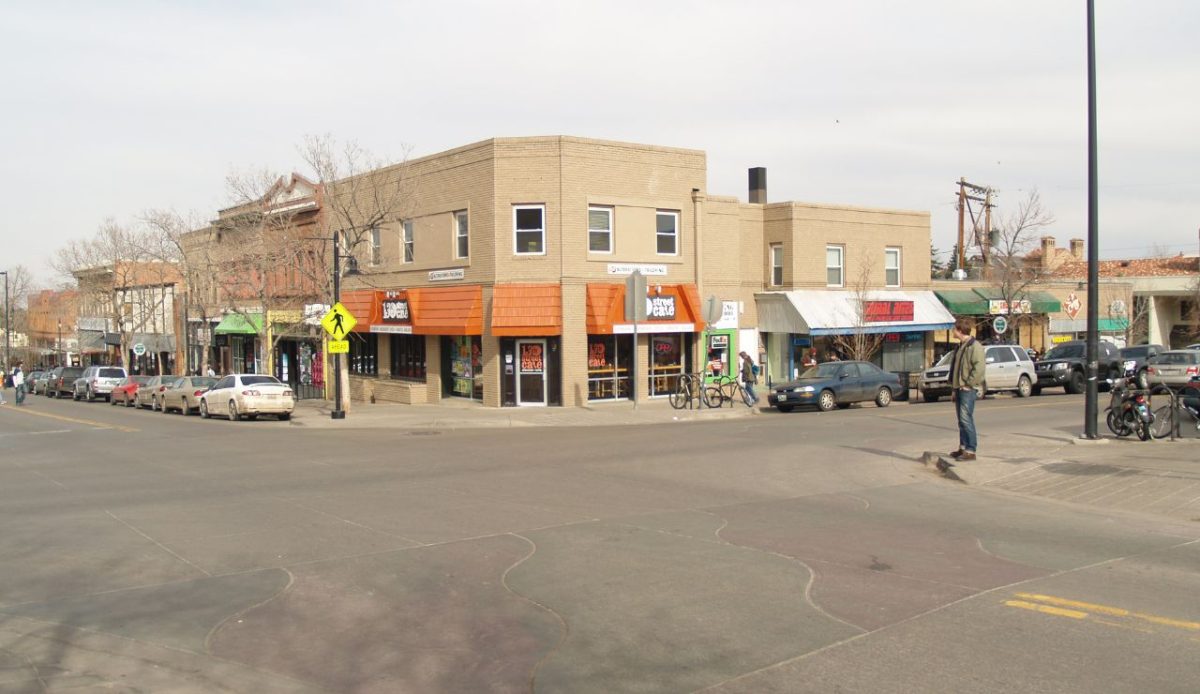
Boulder’s appeal comes from its outdoor lifestyle, tech startups, and picturesque mountain backdrop. Hiking trails, downtown streets, and restaurants fill quickly, especially on weekends and holidays. The city faces housing affordability issues and heavy traffic, highlighting the challenges of attracting residents faster than infrastructure can adapt. Visitors notice crowded outdoor spaces and busy local events. Despite these pressures, Boulder maintains a focus on sustainability, recreation, and cultural experiences. The city demonstrates that even a scenic, active community can feel stretched when popularity surges.
4. Boise, Idaho
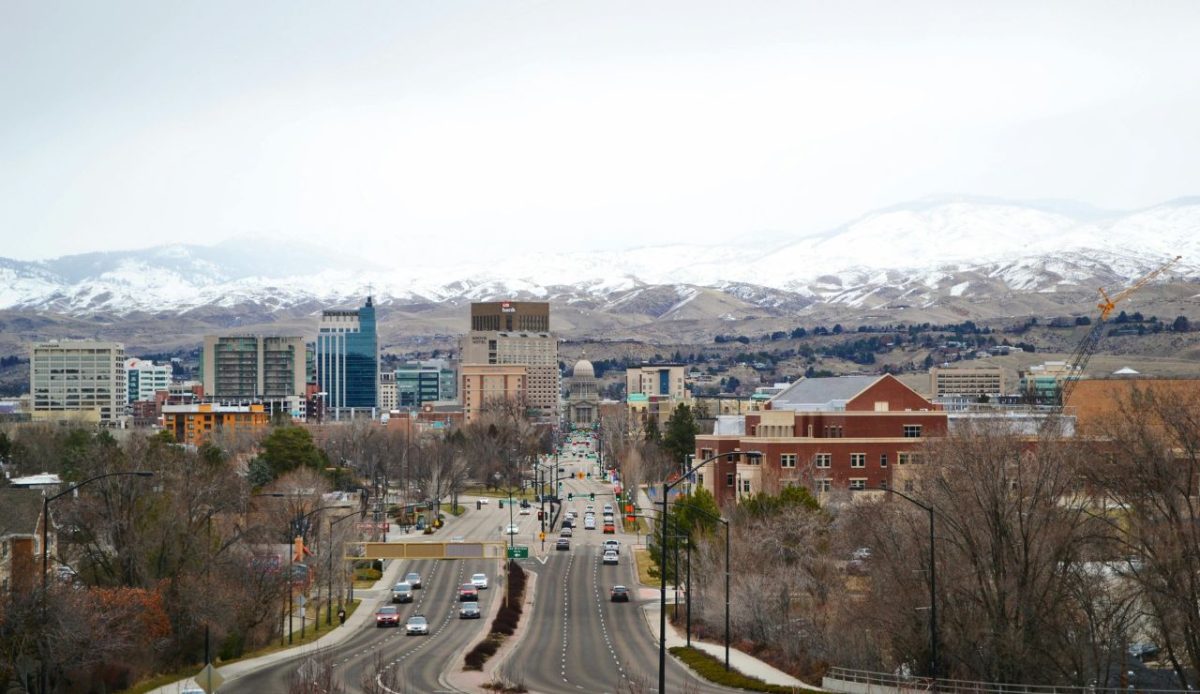
Boise’s rapid growth has transformed it from a quiet city into a bustling boomtown. Job opportunities, outdoor recreation, and affordable living initially attracted newcomers. Now, traffic congestion, crowded neighborhoods, and limited housing availability show the strain of expansion. Downtown streets bustle with new restaurants, shops, and entertainment venues, often at capacity. While residents enjoy proximity to rivers, parks, and trails, the city’s charm is tempered by the visible effects of rapid migration. Boise exemplifies the balancing act between opportunity, community appeal, and infrastructure pressure.
5. Seattle, Washington
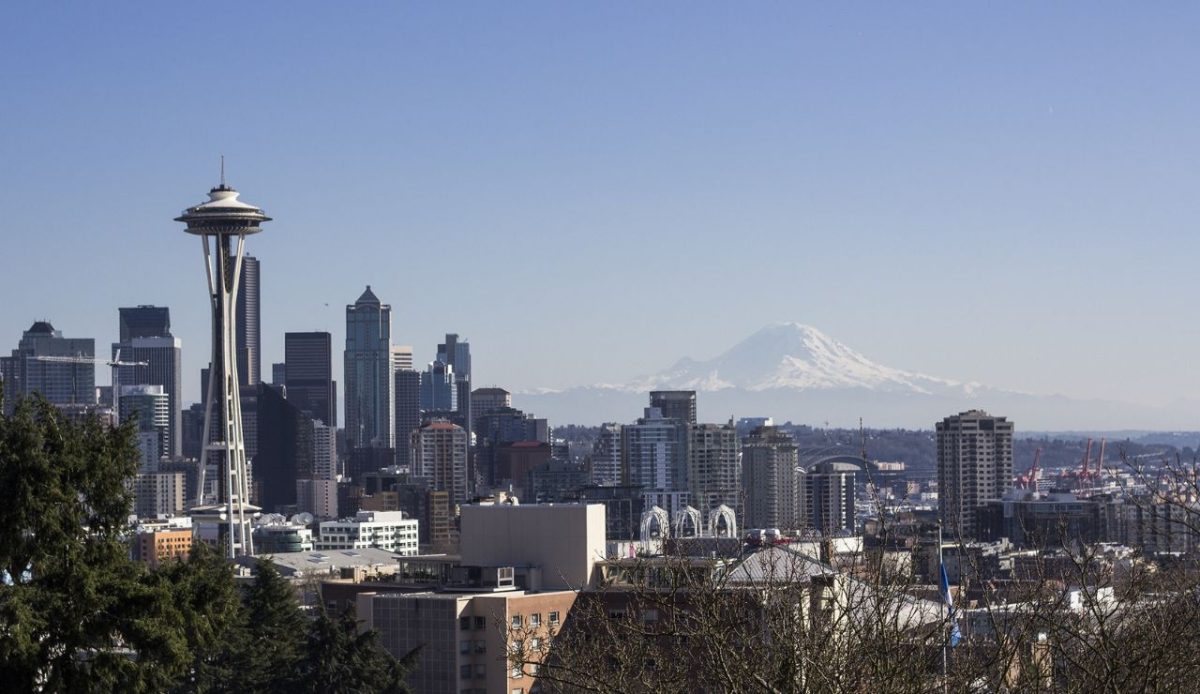
Seattle’s tech-driven boom has brought both wealth and crowding. Headquarters of major companies attract employees from around the globe, creating dense neighborhoods, heavy traffic, and sky-high housing costs. Popular markets, waterfronts, and entertainment districts frequently reach full capacity. Visitors notice congestion and the high cost of services, yet the city still offers iconic views, cultural attractions, and thriving culinary scenes. Seattle illustrates how economic opportunity and natural beauty can coexist with overpopulation pressures, making planning essential for residents and tourists alike.
6. Charleston, South Carolina
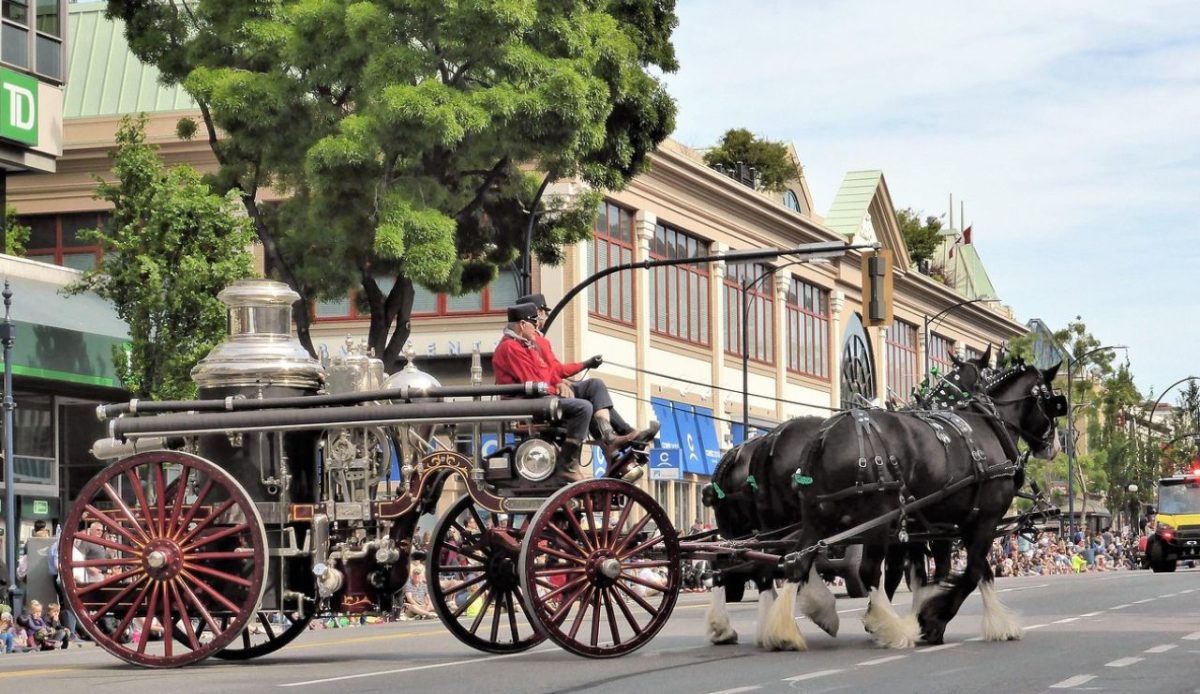
Charleston’s historic charm and coastal appeal have driven growth, attracting tourists and new residents. Popular streets, beaches, and historic districts often feel crowded, especially in peak travel seasons. The influx of residents has increased housing prices, strained parking, and created busy traffic patterns. Visitors experience long waits at restaurants and bustling cultural sites. Despite the crowds, Charleston maintains its southern charm, architecture, and culinary excellence. The city showcases how small historic towns can face boomtown challenges when popularity surges beyond manageable limits.
7. Miami, Florida
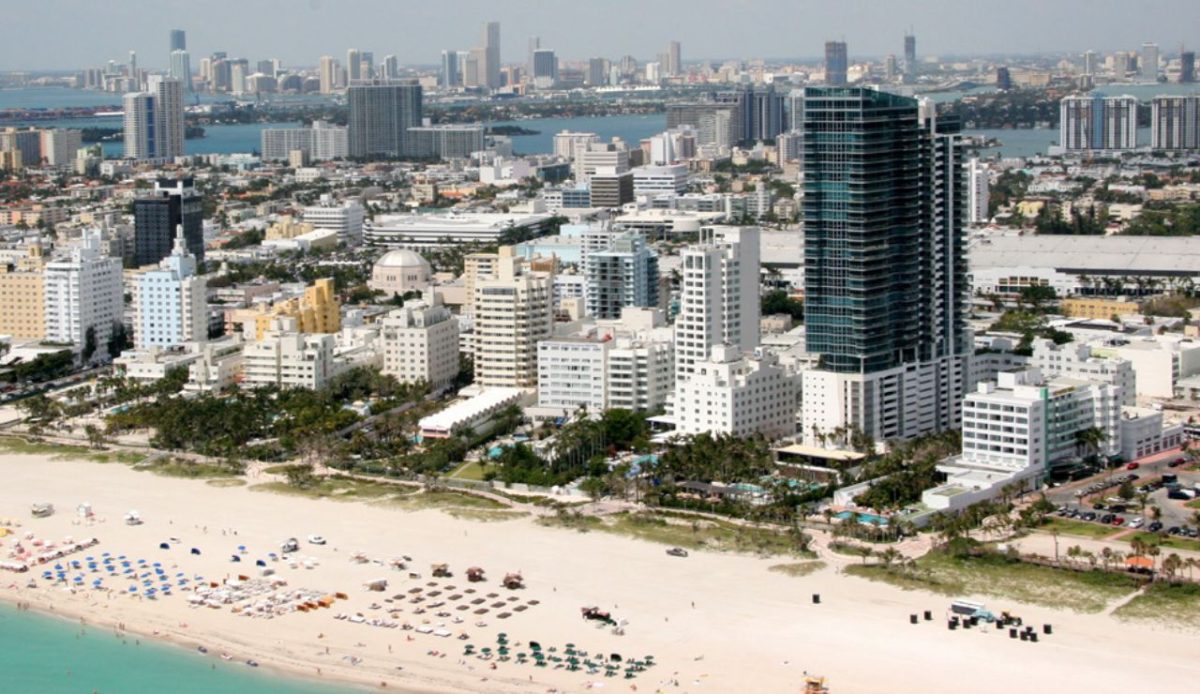
Miami’s growth in tourism, real estate, and business has created densely packed streets, crowded beaches, and bustling nightlife. Rapid population increases amplify congestion, parking difficulties, and service strain. Tourists often encounter full hotels, busy boardwalks, and long waits at popular attractions. Yet Miami’s vibrant culture, beaches, and nightlife keep it a magnet for visitors and new residents alike. The city exemplifies how boomtown conditions, growth, wealth, and activity can create both excitement and friction in daily life, challenging infrastructure and community management.
8. Denver, Colorado
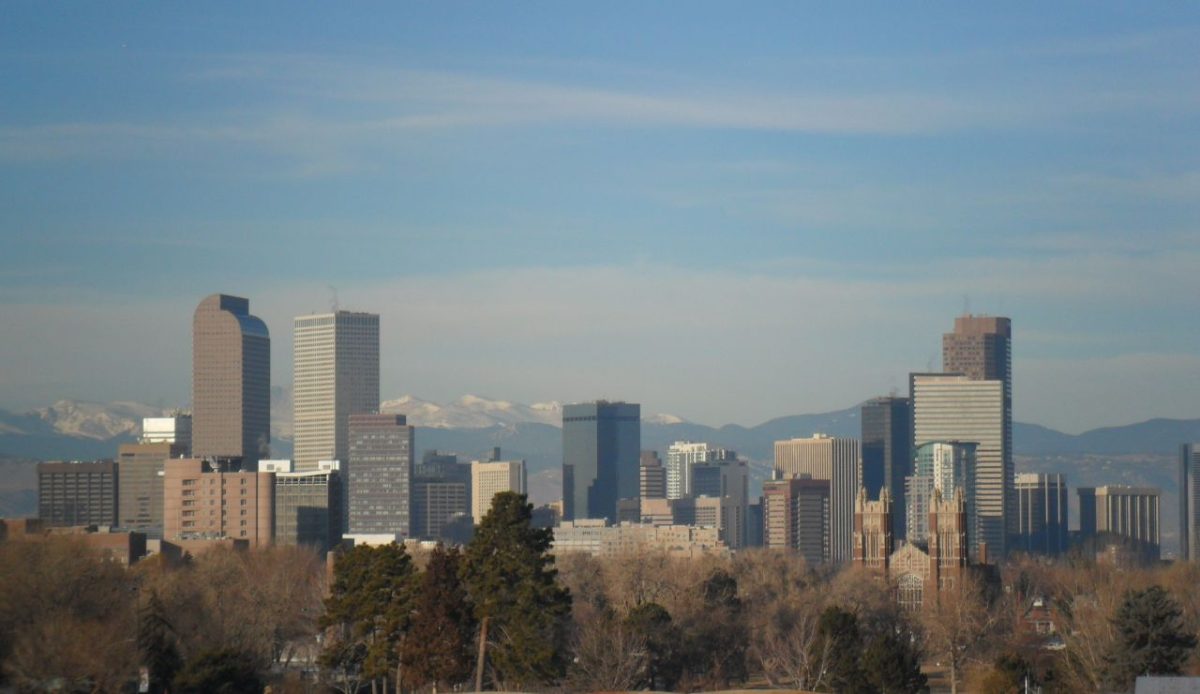
Denver combines outdoor adventure with a booming economy, drawing residents seeking work and lifestyle benefits. Hiking trails, downtown streets, and cultural venues fill quickly, particularly during weekends and events. Housing prices have climbed alongside population growth, and traffic congestion is increasingly noticeable. Visitors may find parking scarce and restaurants busy. Despite these pressures, Denver continues to attract newcomers with its blend of urban culture and proximity to nature. The city demonstrates how rapid growth can strain amenities while preserving the attractions that fuel its popularity.
9. Portland, Oregon
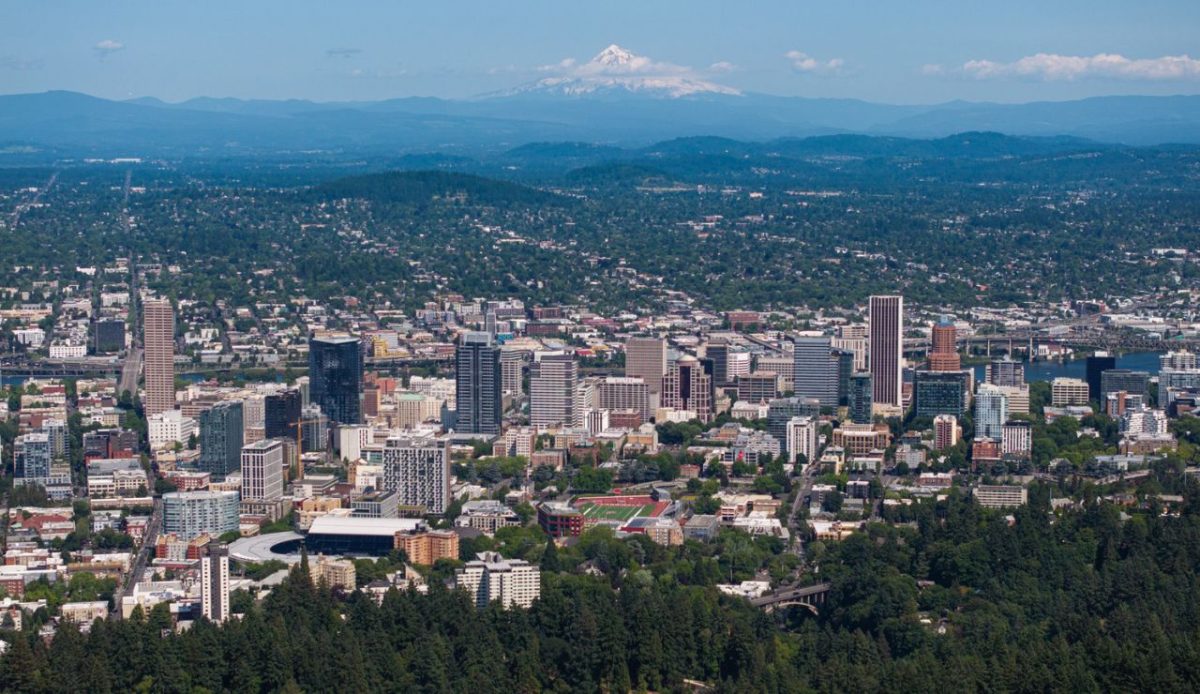
Portland’s creative scene and natural surroundings have fueled population growth, leading to crowded neighborhoods, traffic congestion, and busy downtown districts. Food scenes, breweries, and cultural events often operate at full capacity. Rising housing costs and limited infrastructure amplify the sense of overcrowding. Visitors may notice busy streets and difficulty finding accommodations during peak periods. Yet Portland retains its cultural edge, sustainability focus, and scenic beauty. The city shows how a boomtown’s popularity intensifies demand for limited resources and urban space, shaping daily life for residents and tourists alike.
10. Austin, Texas
Austin deserves a second mention for its extraordinary growth. The city’s tech boom, cultural events, and music scene attract vast numbers of newcomers each year. Even once-quiet neighborhoods now feel crowded, with traffic and housing shortages reaching critical levels. Visitors quickly notice packed venues, busy streets, and long waits at restaurants. Despite infrastructure challenges, Austin continues to offer unique experiences, outdoor activities, and vibrant entertainment options. Its example reinforces the pressures rapid growth places on cities, demonstrating how boomtown energy can be both exciting and overwhelming.
