
Overwater bungalows are commonly linked to destinations known for high prices and restricted access. That view no longer reflects all available options. Several islands still offer genuine overwater stays at rates that remain practical for longer trips or planned escapes. These places rely on small resorts, local ownership, and straightforward design rather than large luxury brands. The focus stays on direct water access, quiet surroundings, and functional comfort. The islands below meet the core requirement of true overwater accommodation without the pricing seen in top-tier resort destinations.
1. Gili Gede, Indonesia
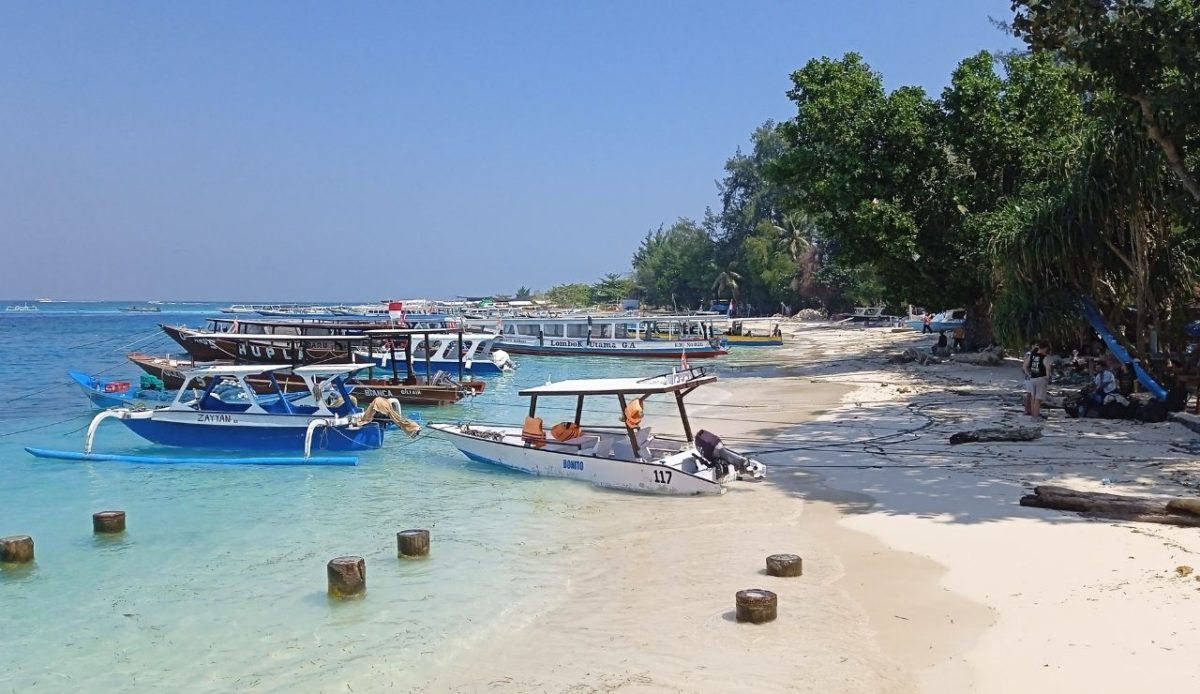
Gili Gede lies off Lombok’s southwest coast and supports a limited number of overwater bungalows built above quiet lagoon water. The island remains lightly developed, which keeps land pressure low and nightly rates more reasonable than major Indonesian resort zones. Small, eco-focused resorts offer wooden bungalows with direct ladder access to the sea and wide decks perfect for swimming and kayaking. Power, dining, and services follow a simple model, which reduces operating costs passed on to guests. Calm conditions suit travelers who value water access, quiet surroundings, and a local atmosphere without packaged entertainment or dense crowds.
2. Maratua Island, Indonesia
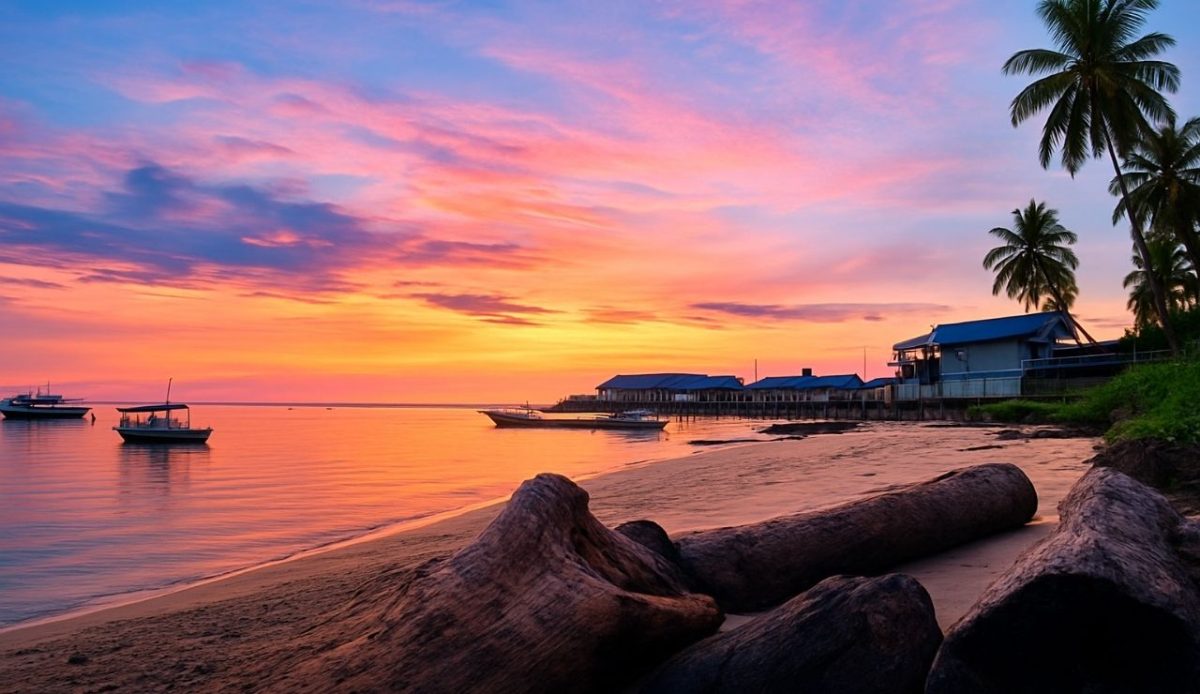
Maratua Island sits in East Kalimantan within a marine area known for coral and clear water. Overwater bungalows here are often attached to dive-focused lodges rather than luxury resorts. This structure keeps prices lower while still offering direct lagoon entry and private decks. Most stays include snorkeling access directly below the rooms, reducing the need for paid excursions. The island’s distance from major cities limits mass tourism but supports steady demand from divers. Simple construction, limited room inventory, and a focus on marine activity help maintain affordability without sacrificing the core overwater experience.
3. Lang Tengah Island, Malaysia
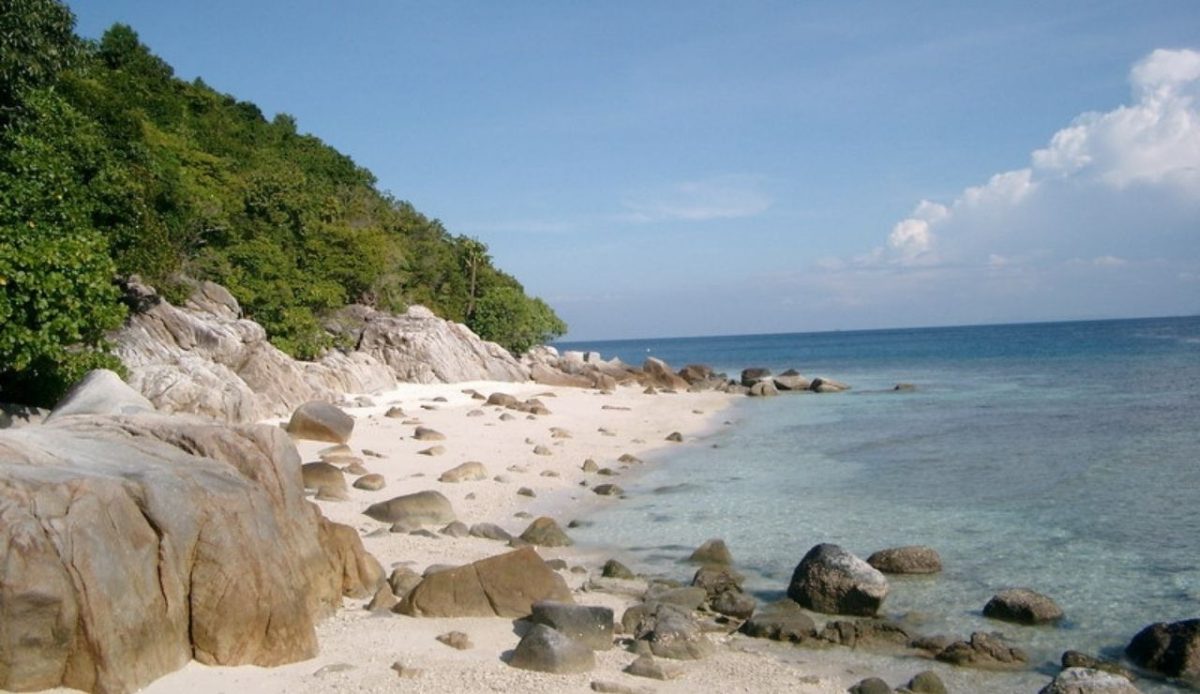
Lang Tengah Island rests between the Perhentian Islands and Redang, offering overwater chalets above shallow reef areas. Resorts here operate on a seasonal schedule tied to monsoon conditions, which helps manage costs and staffing. Overwater units feature basic layouts, shaded decks, and short ladder access into clear water. The island’s protected marine setting supports snorkeling without long boat trips. Because Lang Tengah lacks nightlife and shopping infrastructure, expenses remain lower for both operators and guests. This balance allows travelers to book true overwater stays at prices below better-known Malaysian island resorts.
4. Siargao (Sugba Lagoon Area), Philippines
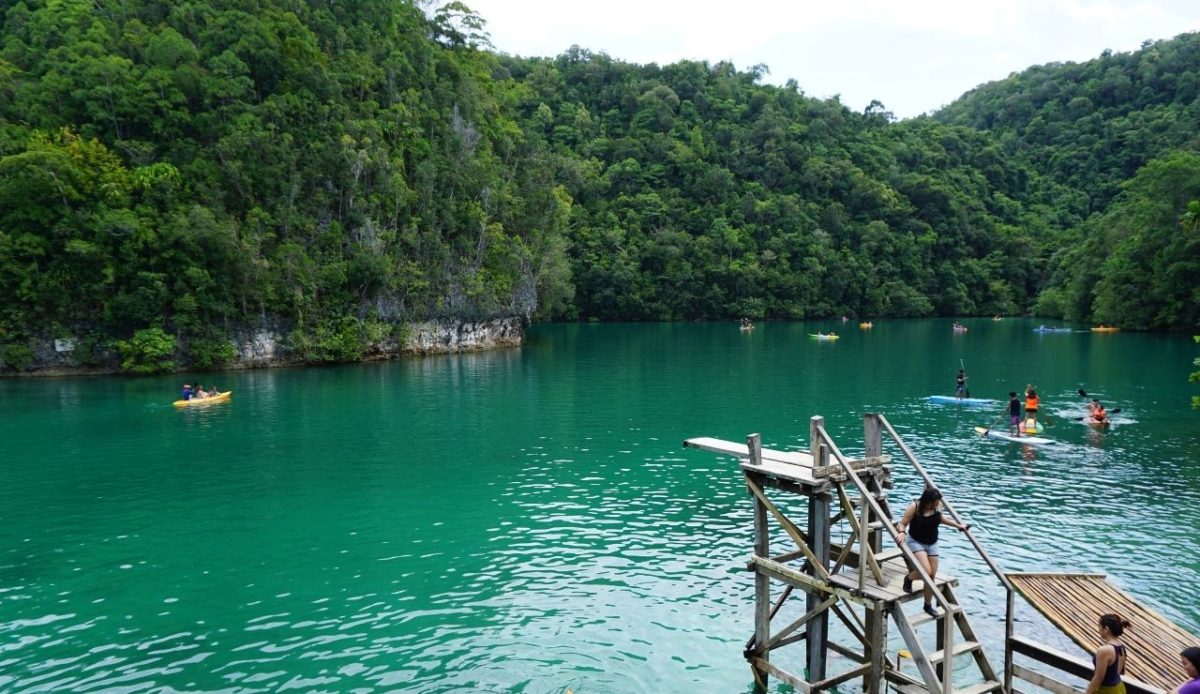
The Sugba Lagoon area near Siargao includes floating and overwater-style bungalows positioned above calm inland water connected to the sea. While not open ocean, these structures still provide direct water access and private decks at a lower price point. Local operators manage small clusters of rooms using wood and light materials suited to the setting. Rates remain accessible due to community ownership and limited upscale services. Guests often combine lagoon stays with island exploration, spreading costs across experiences rather than paying a premium for one feature.
5. Bocas del Toro, Panama
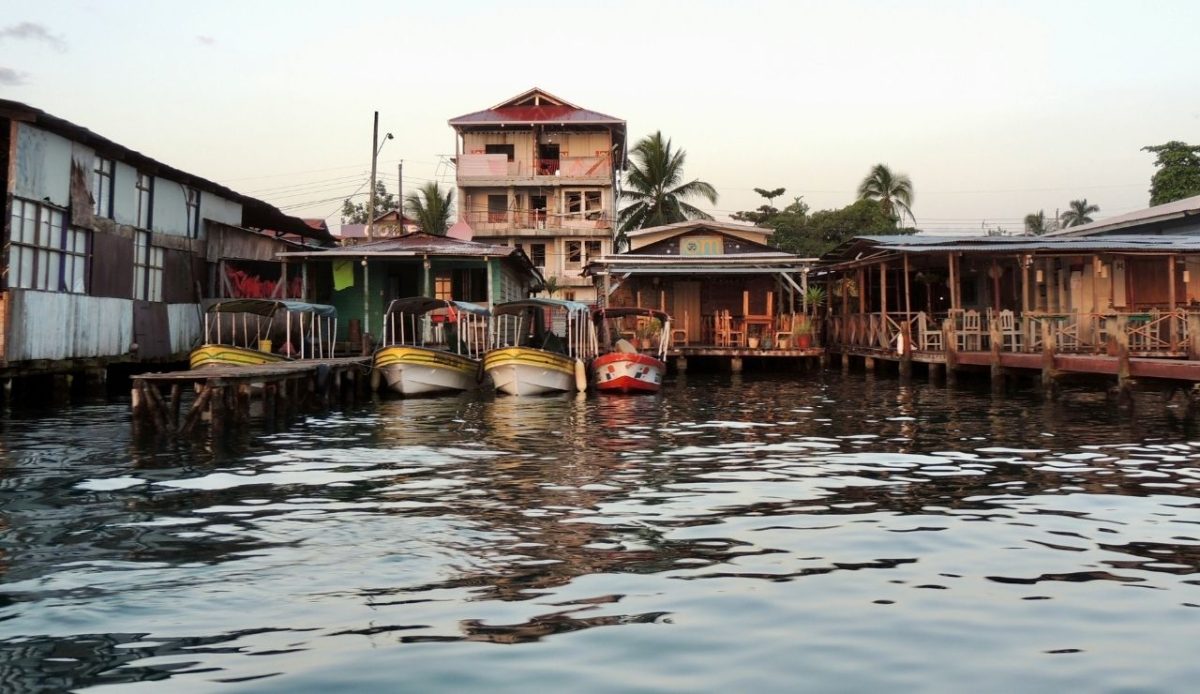
Bocas del Toro supports some of the most accessible overwater bungalows in the Americas. Small eco-lodges build wooden rooms above shallow Caribbean water, often using solar power and rainwater systems. This approach lowers operating expenses and nightly rates. Guests gain direct swimming and snorkeling access without the added cost of private islands or exclusive transport. The region’s established ferry network also keeps arrival costs manageable. Overwater rooms here appeal to travelers who want the experience without luxury pricing, large-scale development, or resort-style isolation.
6. Caye Caulker, Belize
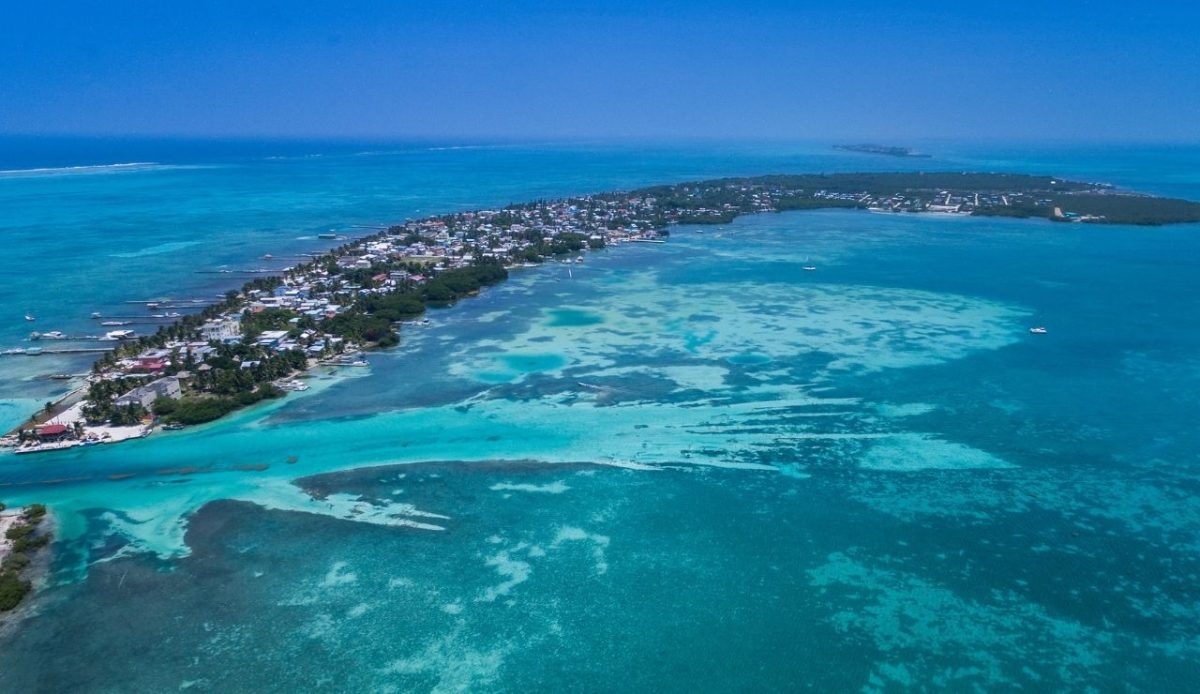
Caye Caulker remains one of the few Caribbean islands where overwater bungalows appear outside ultra-luxury pricing. Small resorts and private cayes nearby operate wooden cabanas built above shallow reef water, often with simple decks and ladder access. These stays focus on calm surroundings rather than high-end design, which helps control rates. Proximity to Belize City keeps transport costs lower than on remote islands. Guests can snorkel directly from their rooms or reach reef sites with short boat trips. The island’s relaxed pace and limited development support overwater stays that remain attainable for longer visits.
7. Roatan, Honduras
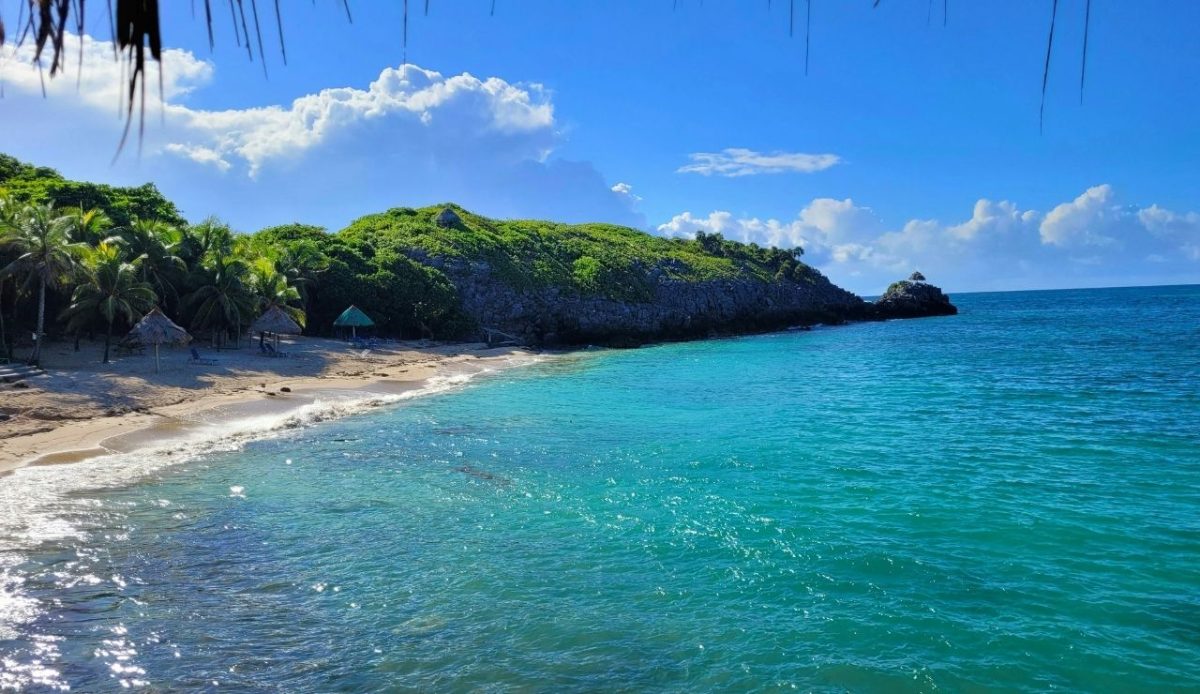
Roatan offers overwater bungalows mainly through boutique resorts positioned along protected sections of the reef. These structures extend above clear Caribbean water and provide direct access for swimming and snorkeling. Pricing stays moderate because resorts operate on a smaller scale and rely on regional tourism rather than global luxury branding. Flights from the U.S. remain frequent and affordable, reducing total trip cost. Overwater units here appeal to travelers seeking reef access and privacy without the pricing associated with private-island destinations farther south in the Pacific.
8. Koh Rong Samloem, Cambodia
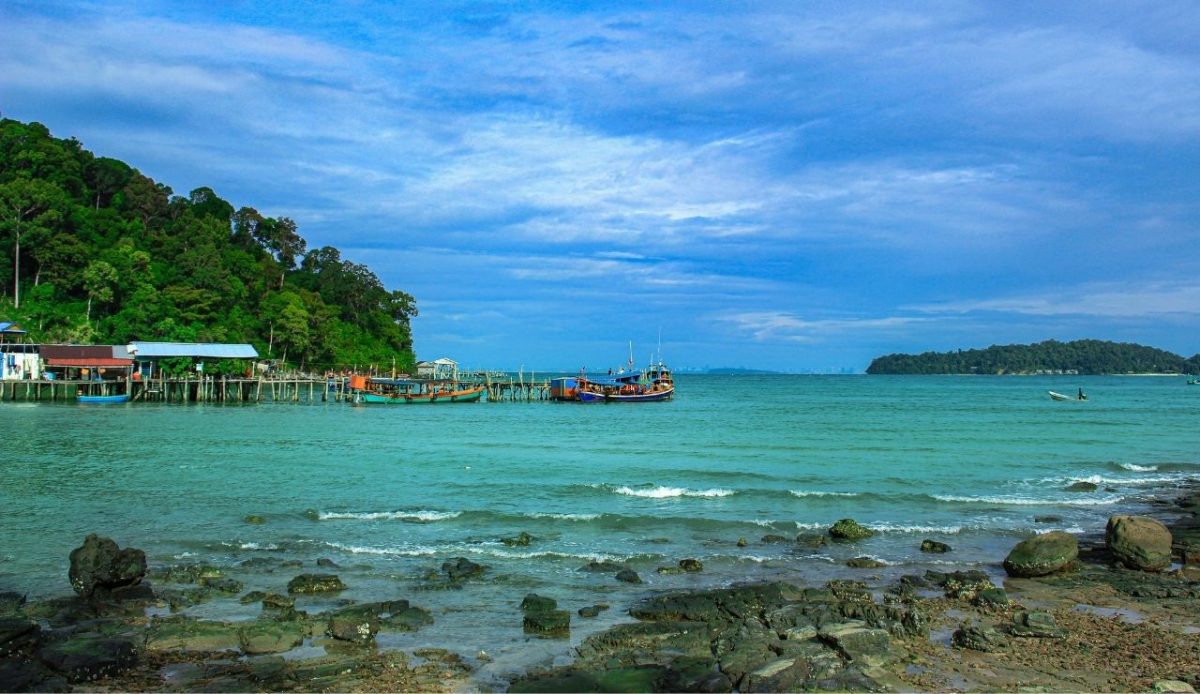
Koh Rong Samloem supports overwater bungalows built by small beachfront lodges above shallow coastal water. Construction favors wood and open-air design, which lowers development expense and nightly rates. Electricity and services follow limited schedules, reflecting the island’s low-impact approach. Guests often book these bungalows for direct sea access, quiet evenings, and basic comfort rather than resort amenities. Boat transfers from the mainland are short and inexpensive, further supporting affordability. This island suits travelers who prioritize location over extras and accept simpler conditions.
9. Kadavu Island, Fiji
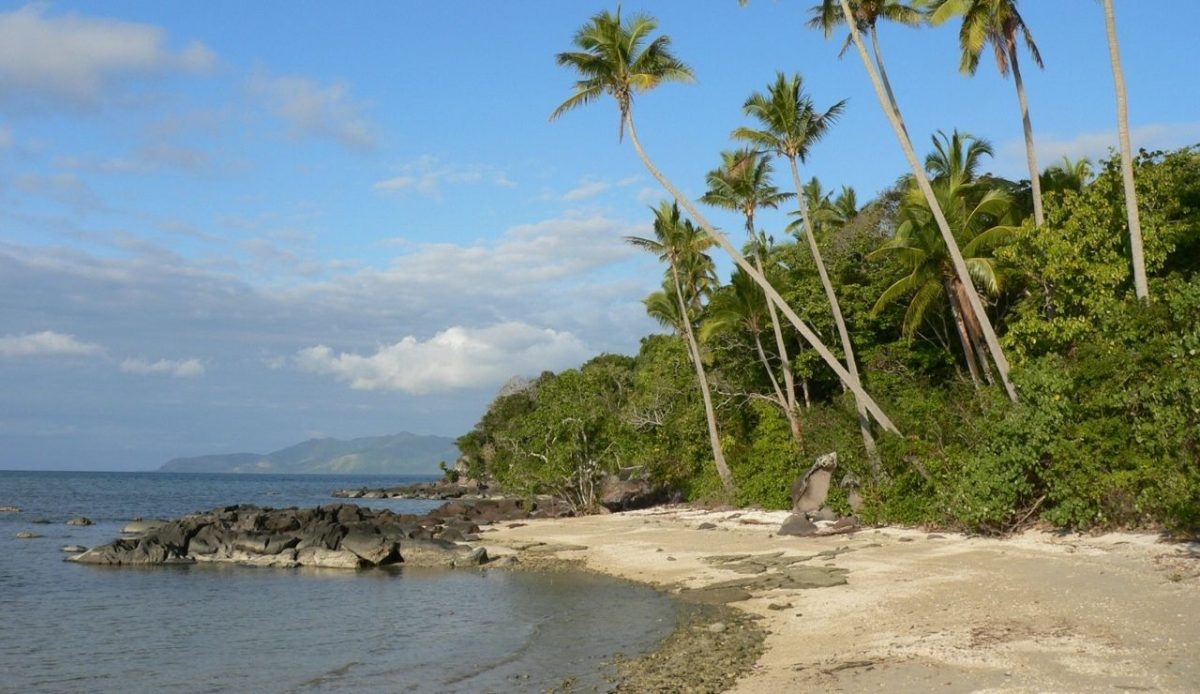
Kadavu Island remains far less developed than Fiji’s main resort islands, which helps keep overwater accommodation within reach. Small resorts offer overwater bures positioned above calm reef channels rather than expansive lagoons. These bures focus on function, with private decks, swimming access, and reef views. Limited road access and small villages reduce commercial pressure, keeping operating costs lower. Most visitors arrive for diving and marine activity, which allows resorts to bundle experiences rather than raise room rates. Kadavu fits travelers seeking Fiji’s water culture without premium resort pricing.
10. Zanzibar (Michamvi Coast), Tanzania
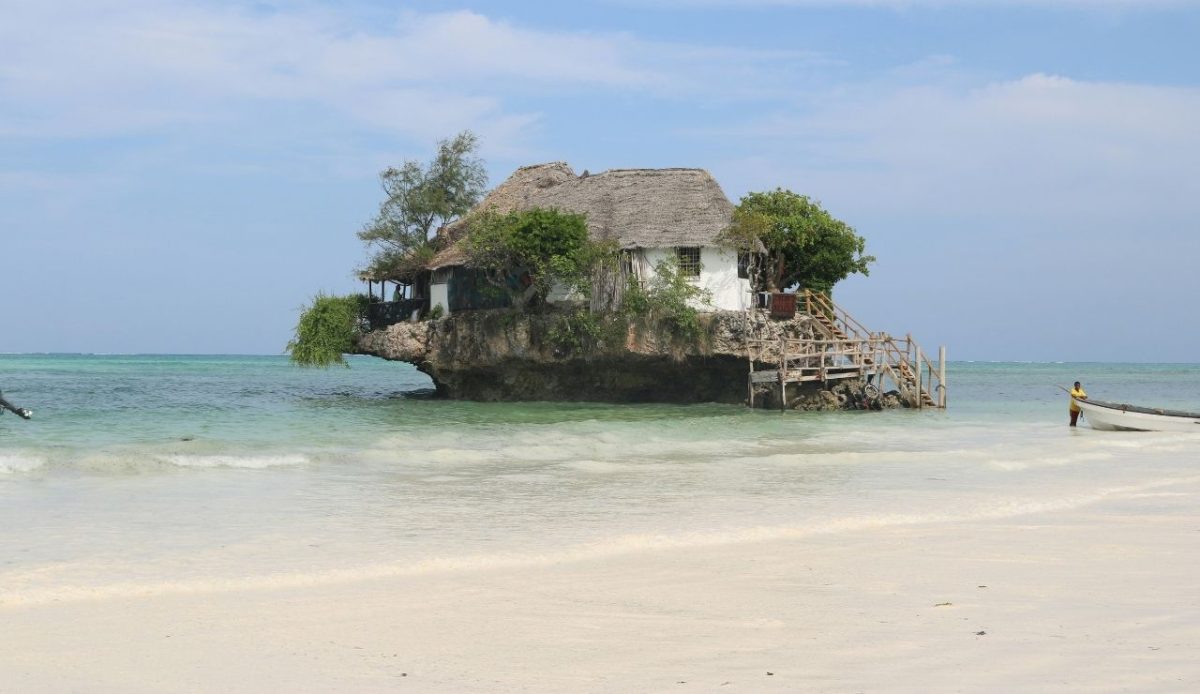
The Michamvi Coast on Zanzibar includes a small number of overwater and pier-based bungalows extending above tidal lagoon water. These properties rely on local materials and modest room counts, which keep prices below Indian Ocean luxury benchmarks. Tidal movement creates changing water levels, offering swimming access during high tide and lagoon views throughout the day. Zanzibar’s established tourism network supports affordable flights and services, lowering overall trip cost. Overwater stays here provide a distinctive setting without the exclusivity pricing seen on private atolls.
11. Upolu Lagoon Area, Samoa
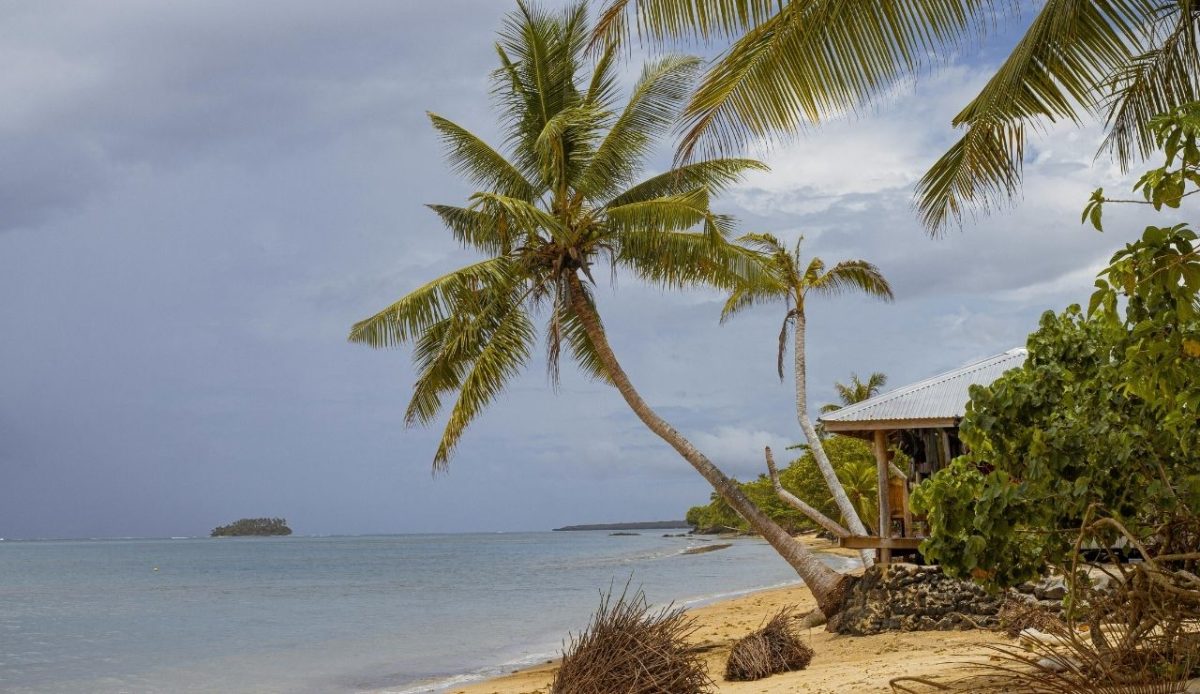
Upolu supports some of the South Pacific’s most accessible overwater accommodations through traditional overwater fales positioned above calm lagoon water. These structures use local materials and open layouts, which reduce construction and maintenance costs. Resorts operate on a small scale, often with only a handful of overwater units, keeping demand balanced and pricing stable. Guests receive direct water access, wide decks, and strong privacy without extensive resort infrastructure. Samoa’s steady tourism flow and community-based ownership help maintain rates that remain lower than similar experiences in Tahiti or the Maldives.
