
Armenia offers visitors a direct connection to history, daily routines, and long-standing traditions without heavy staging. Travel here often involves short distances, local interaction, and places that remain in active use rather than preserved behind barriers. Religious sites, neighborhoods, natural areas, and cultural practices appear as part of everyday life. The experiences below focus on understanding how Armenians live, remember their past, and use their surroundings today. Together, they give first-time visitors a balanced view of the country through observation, movement, and participation rather than fast sightseeing.
1. Visit Ancient Monasteries
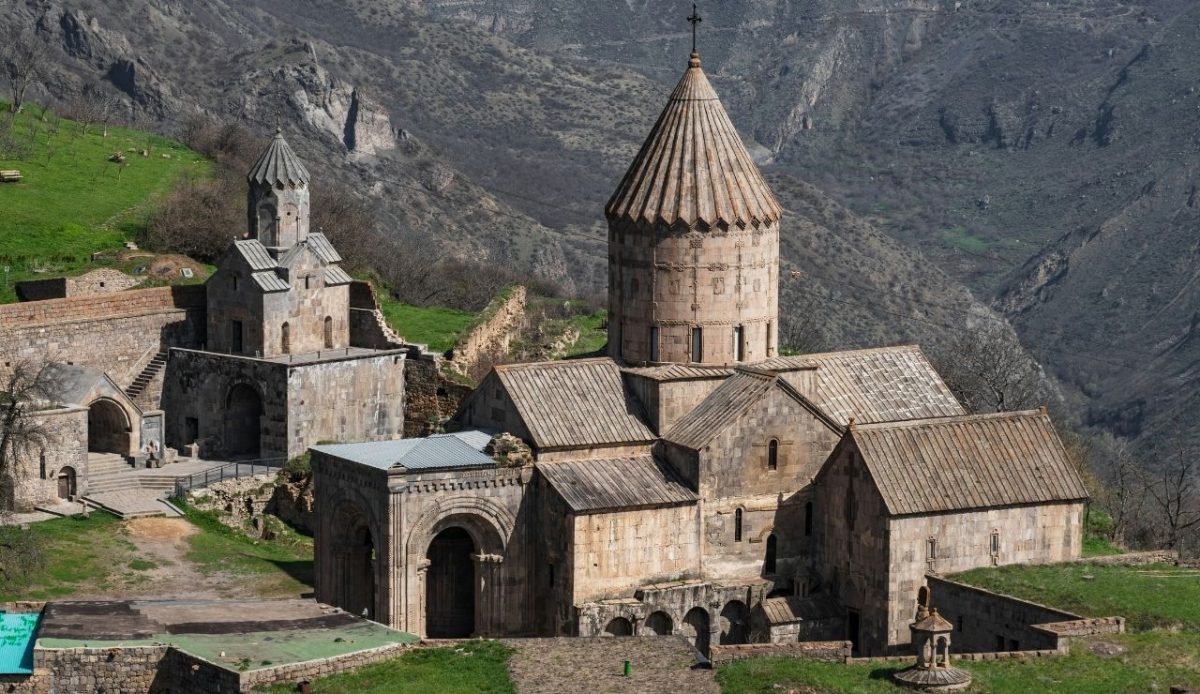
Armenia’s monasteries reflect early Christian history and remain active religious centers today. Sites such as Geghard and Haghpat stand in remote areas reached by narrow roads, which keep visitor numbers moderate. Stone carvings, prayer halls, and surrounding cemeteries show how faith shaped daily life over centuries. Many monasteries still host services, so respectful behavior matters. Visiting during morning hours allows quieter movement and better light for viewing details. These places provide historical depth while remaining part of present community routines rather than isolated heritage stops.
2. Walk Around Republic Square
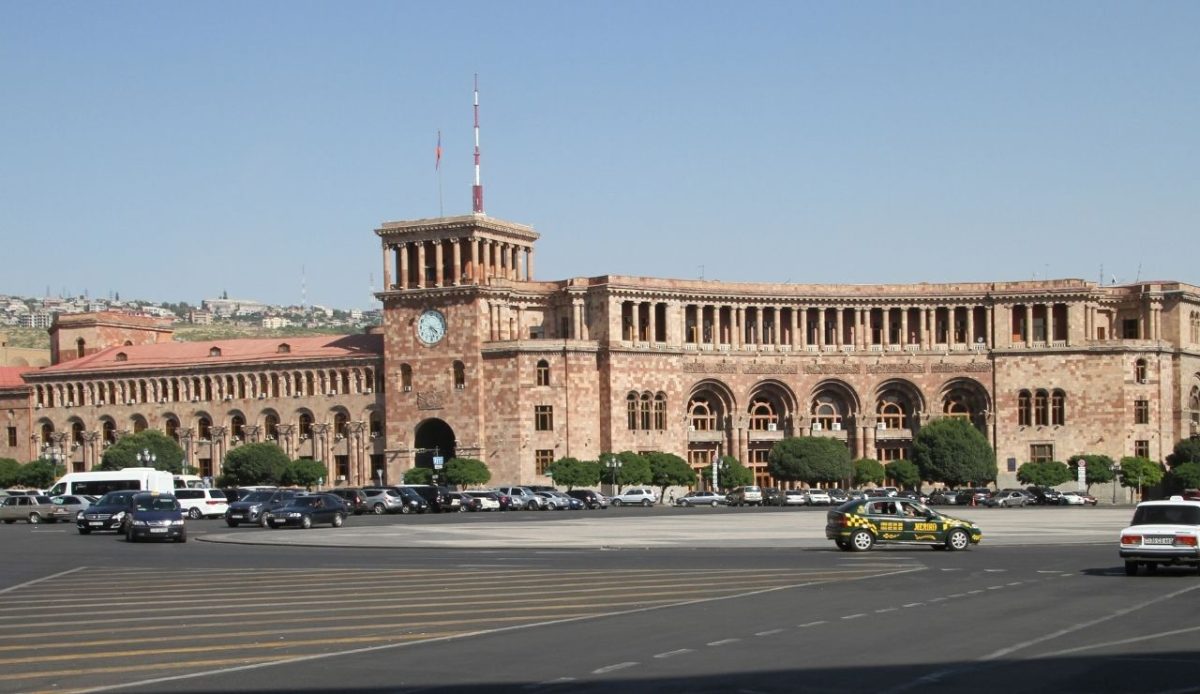
Republic Square works as Yerevan’s main public space and reflects how the city organizes civic life. Government offices, museums, hotels, and open walkways surround the square, creating constant movement rather than fixed crowds. People cross the area to reach work, meet friends, or rest briefly on benches. During evenings, fountains operate, and families gather without barriers or ticketed access. The layout allows easy walking in all directions, helping visitors understandthe city scale and traffic flow. Spending time here shows how public space supports daily routines instead of serving only as a visual landmark.
3. See Mount Ararat Views
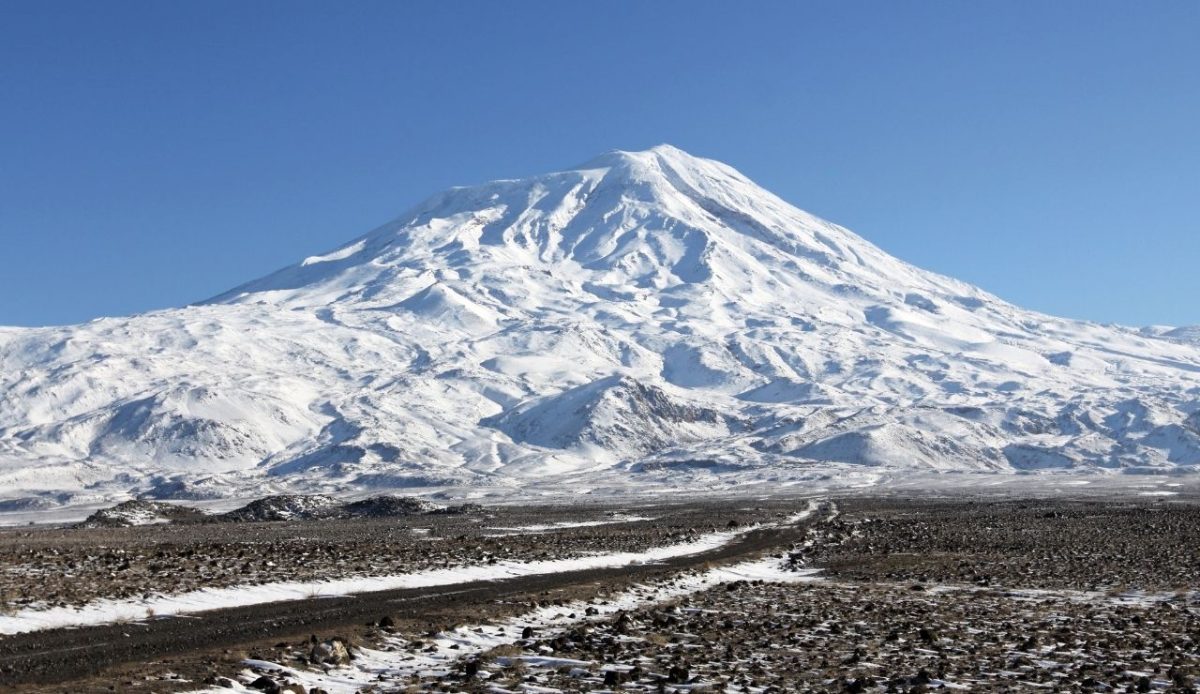
Mount Ararat holds symbolic importance in Armenian history and identity despite standing beyond the modern border. Clear views appear from several locations, with Khor Virap being the most accessible. The mountain’s scale becomes clearer when observed over time rather than through quick stops. Locals often visit quietly, treating the view as part of reflection rather than sightseeing. Weather conditions change rapidly, and clouds may limit visibility later in the day. Arriving early improves clarity and reduces congestion. Observing Ararat helps visitors understand national memory tied to geography rather than political boundaries.
4. Explore Khndzoresk Caves
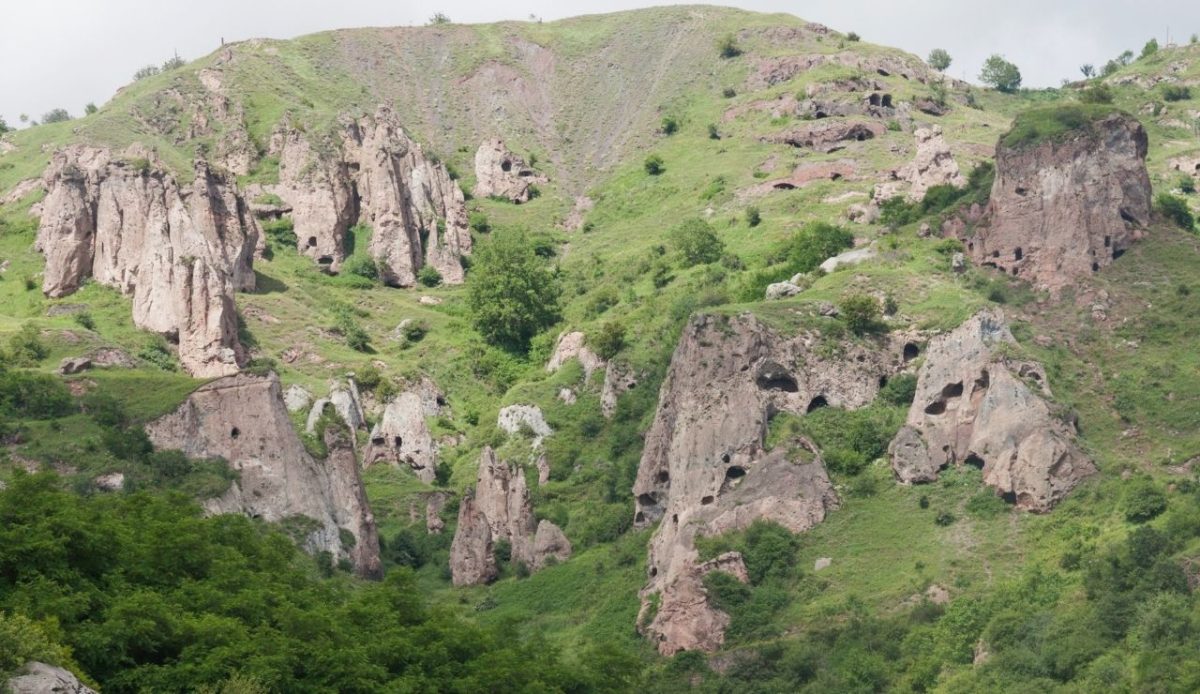
Khndzoresk presents a preserved example of cave-based living that continued into recent history. Dwellings carved into rock faces show how families adapted to the terrain for shelter, storage, and protection. Paths connect the caves, and a suspension bridge links the settlement to nearby areas. Walking requires a steady footing due to uneven ground, but routes remain accessible without technical gear. Informational signs describe household layouts and social structure. The quiet setting allows visitors to imagine long-term habitation patterns instead of viewing the site as a distant archaeological exhibit.
5. Ride the Tatev Cable Car
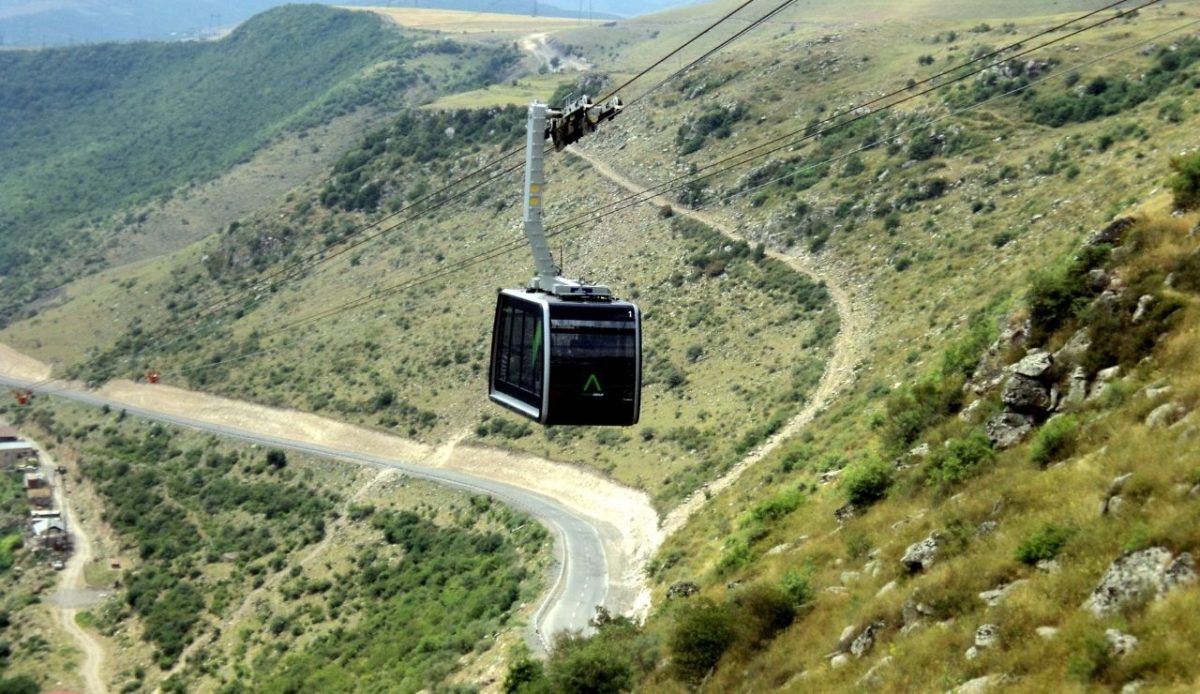
The Wings of Tatev cable car connects the village of Halidzor with Tatev Monastery across a deep gorge in southern Armenia. The ride lasts about twelve minutes and covers terrain that once required long mountain drives. Cabins move at a steady pace, giving passengers time to observe cliffs, forests, and the Vorotan River below. The system was built to support local access as well as visitors. Upon arrival, short walking paths lead directly to the monastery complex, allowing visitors to combine transport and site access without additional vehicles.
6. Relax at Lake Sevan
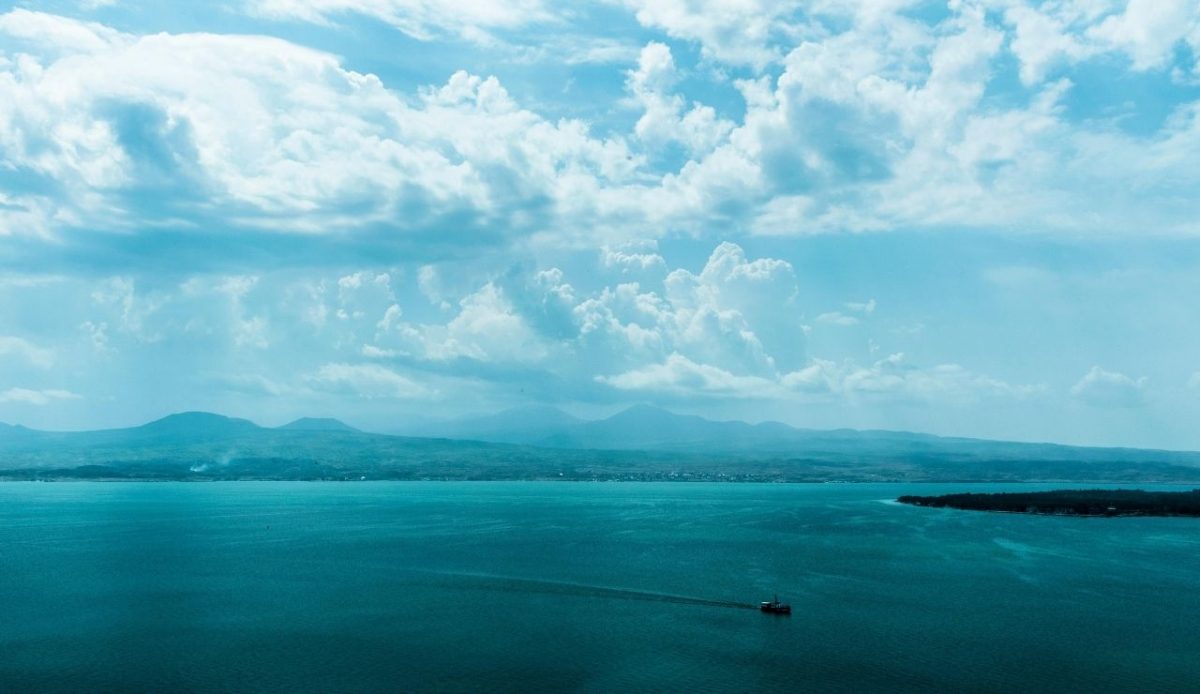
Lake Sevan plays a central role in Armenia as both a natural resource and a public leisure area. Located at a high elevation, it offers cooler conditions during the summer months. Local families use the shoreline for picnics, fishing, and short breaks from the city. Seasonal cafés operate near popular access points, while quieter stretches remain open and undeveloped. Monasteries on nearby hills provide short walks with wide views of the water. Swimming is possible in warmer periods, though temperatures stay cool. The lake shows how shared natural spaces support everyday recreation.
7. Visit the Genocide Memorial
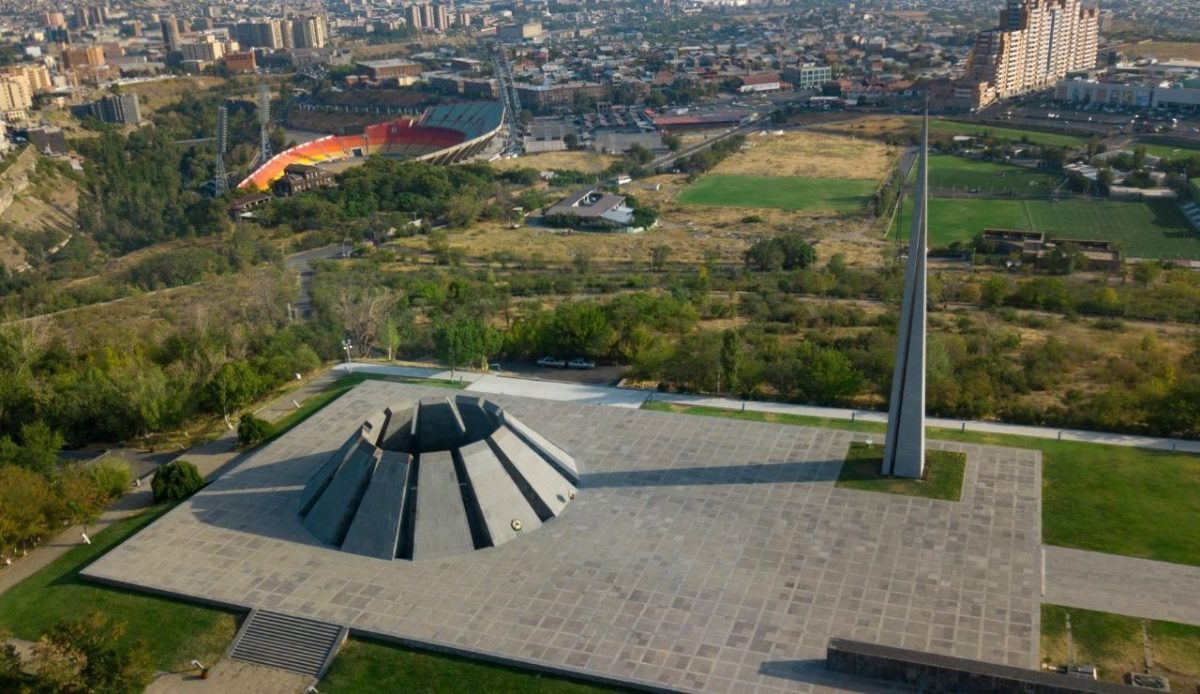
The Armenian Genocide Memorial in Yerevan functions as a national place of remembrance rather than a tourist site. Visitors enter a broad open area leading to a tall spire and a circular stone structure surrounding an eternal flame. Movement through the space remains quiet and respectful. Many visitors pause briefly or leave flowers as part of personal reflection. The adjacent museum presents documents, photographs, and historical records that explain events and long-term impact. Visiting the memorial provides essential context for understanding Armenian history and why collective memory remains visible in public life.
8. Walk Through Old Kond
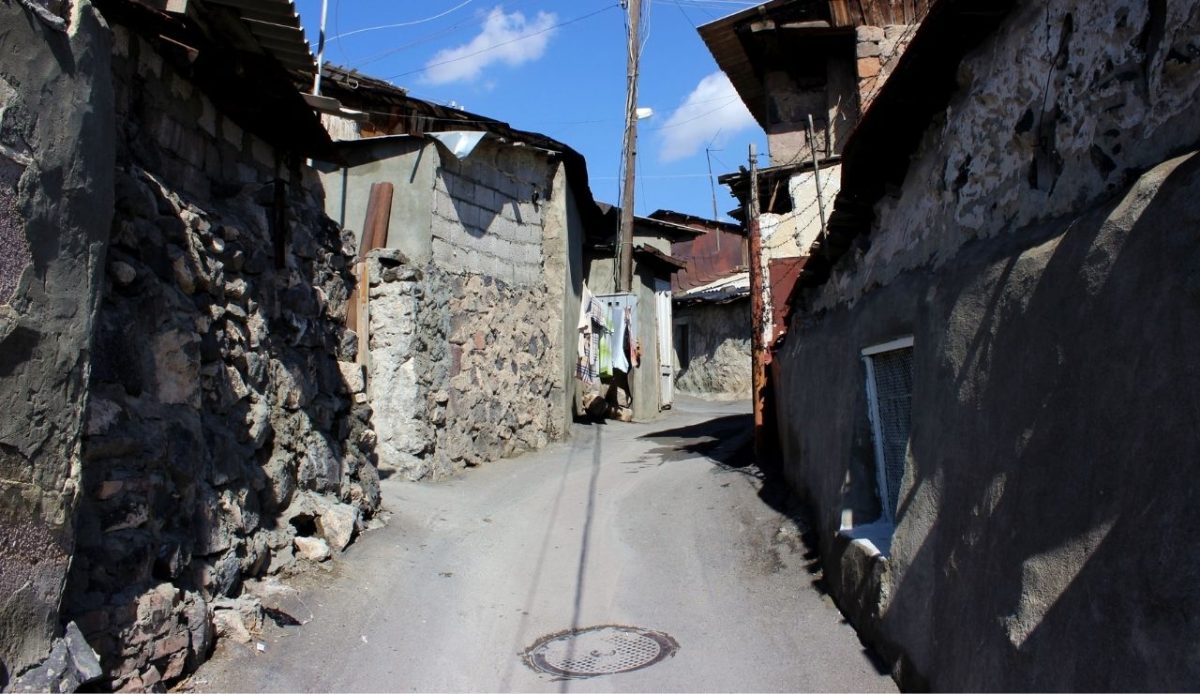
Old Kond is one of Yerevan’s earliest residential neighborhoods and was developed without modern planning systems. Narrow streets, stone houses, and irregular layouts reflect decades of gradual construction. Residents continue daily routines here, including small repairs, conversations, and household tasks. Walking through Kond reveals contrasts between older housing patterns and nearby modern districts. The area lacks formal signage, so movement depends on observation rather than routes. Respectful behavior matters, as this remains a living community. Kond offers insight into how long-standing neighborhoods adjust to urban change while staying socially active.
9. Eat at Local Markets
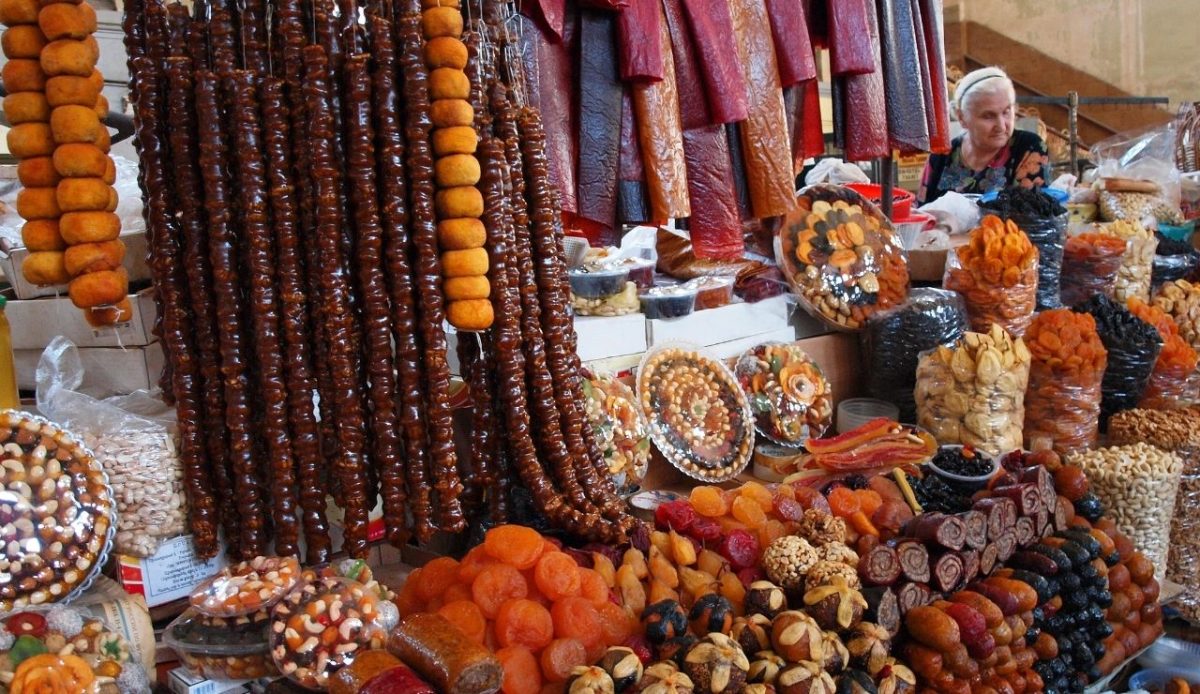
Local markets in Armenia offer a clear view of daily food habits and buying patterns. Vendors sell seasonal fruits, vegetables, herbs, cheeses, dried goods, and freshly baked bread. Prices reflect local demand rather than visitor targeting. Shoppers often buy small quantities, returning frequently instead of storing food long-term. Short conversations occur during purchases, even across language barriers. Eating prepared items on site gives insight into everyday meals that rarely appear on restaurant menus. Markets also show how regional agriculture connects directly to household cooking routines.
10. Hike in Dilijan Park
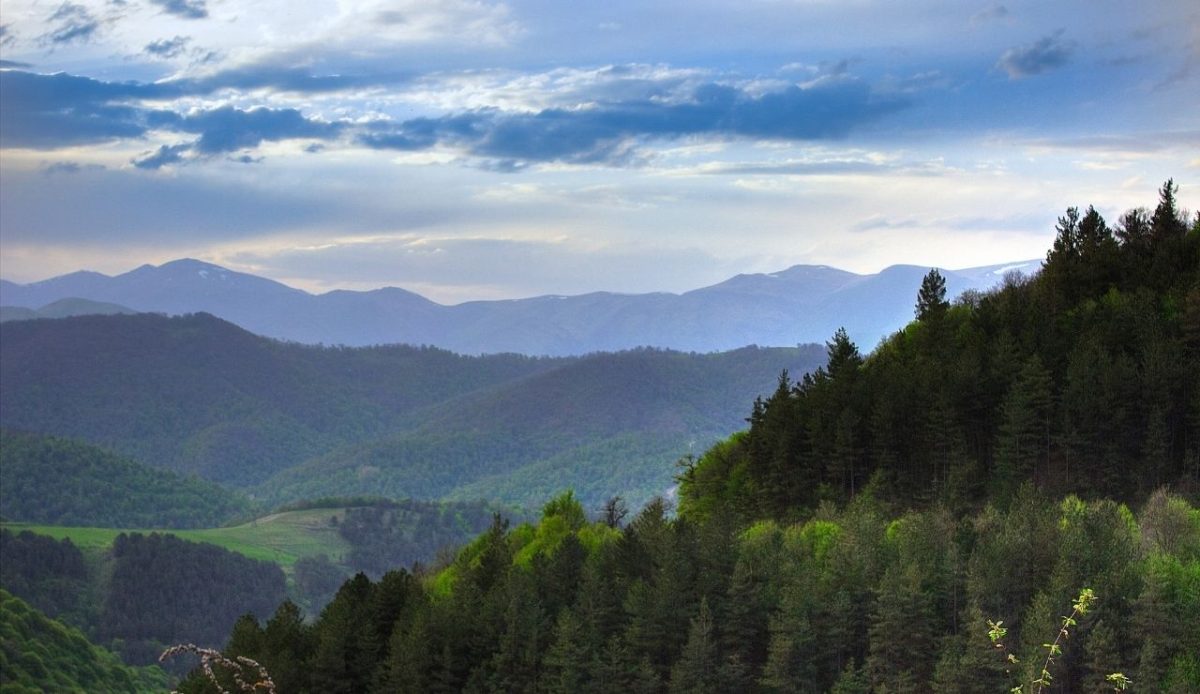
Dilijan National Park includes forested hills, walking trails, and villages that remain active year-round. Routes range from short paths near monasteries to longer trails connecting viewpoints and streams. Locals use the park for walking, gathering plants, and moving between nearby settlements. Signage appears on main trails, though visitors should plan for longer walks. Seasonal changes affect conditions, especially in shaded areas. Hiking here offers a slow way to observe how protected land supports daily use while maintaining ecological balance.
