
Winter travel often forces a choice between warm weather and manageable visitor numbers. Many sun destinations attract heavy crowds as travelers escape colder climates. Some cities avoid this pattern by maintaining comfortable winter temperatures without seasonal pressure. These locations rely less on peak tourism and continue operating on normal schedules throughout the year. Transport remains reliable, attractions stay accessible, and daily movement feels balanced. Travelers gain easier access to lodging and dining while avoiding congestion and still enjoying winter sun without sacrificing convenience.
1. Las Palmas, Gran Canaria, Spain
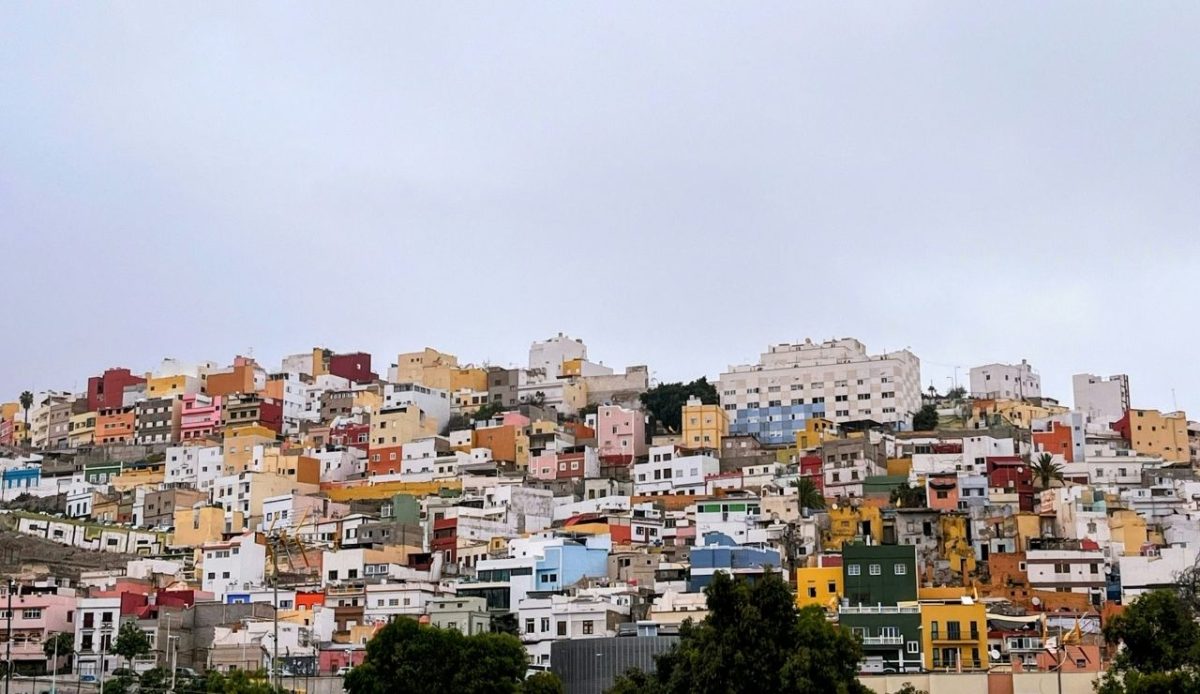
Las Palmas stays active throughout the year, yet winter brings lighter visitor volume without disrupting daily routines. Daytime temperatures often remain in the low 70s, allowing walking, beach access, and outdoor dining without discomfort. Cruise arrivals decline after the holiday period, easing congestion near the port and waterfront areas. Residential neighborhoods continue normal activity, creating a balanced street environment. Public buses operate on full schedules, and restaurants rarely require reservations. Air connections from mainland Europe remain frequent, keeping access simple and affordable during the winter season.
2. Funchal, Madeira, Portugal
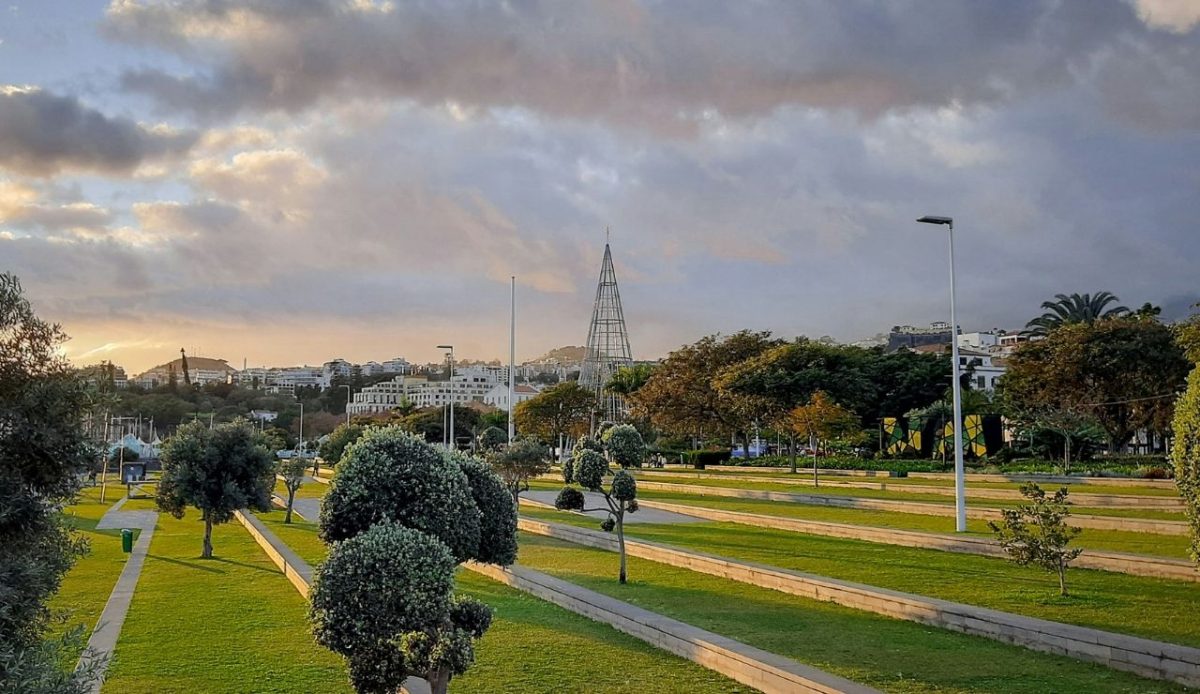
Funchal experiences mild winters with steady sunshine and average daytime temperatures near the upper 60s. Hiking activity slows after autumn, reducing traffic along levada trails and hillside routes. Hotel occupancy drops outside holiday weeks, improving availability near the harbor and historic center. Markets, cafes, and ferry services continue regular operations, though movement feels calmer and more predictable. Whale watching tours operate year-round with smaller groups. Museums and cultural sites remain open without entry delays, allowing visits without crowd pressure or strict time limits.
3. Seville, Spain
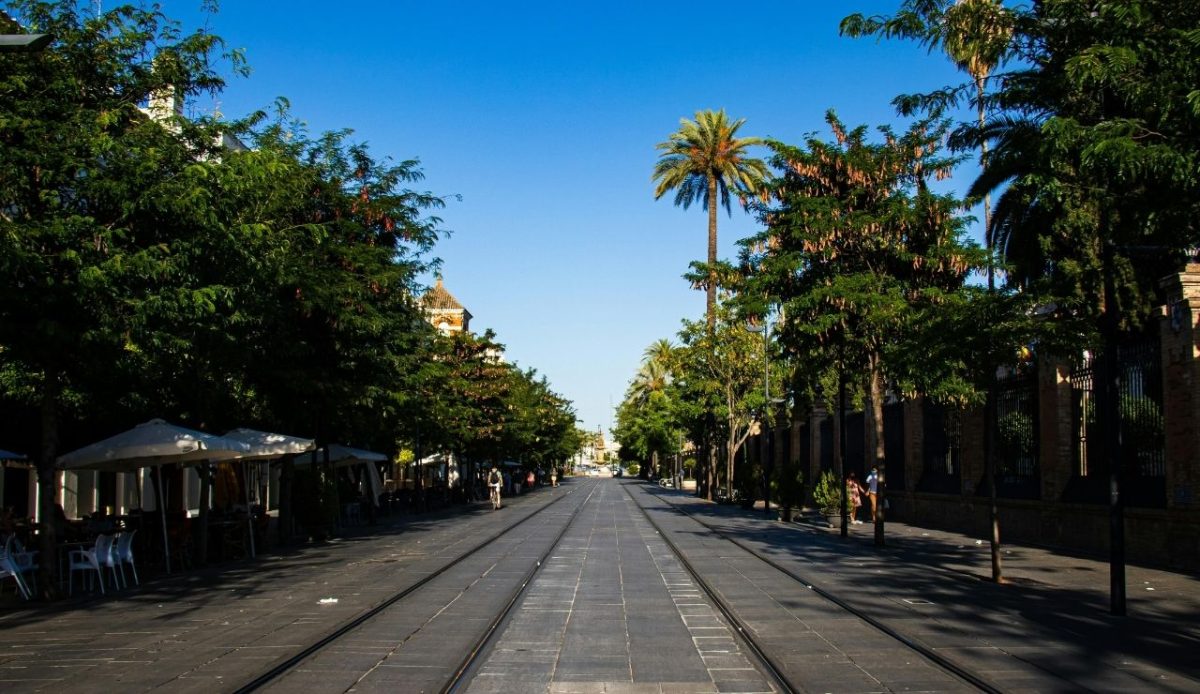
Seville offers comfortable winter warmth without relying on coastal tourism. Daytime temperatures often reach the mid 60s, making long walks through historic districts practical and relaxed. Summer heat limits visitor numbers for much of the year, leaving winter as the easiest season to explore. Major landmarks allow smoother entry without timed queues or crowd control barriers. Local events slow down during winter, reducing hotel demand and street congestion. Restaurants mainly serve residents, improving service flow. Public transport remains efficient, and taxis are readily available across the city.
4. Marrakech, Morocco
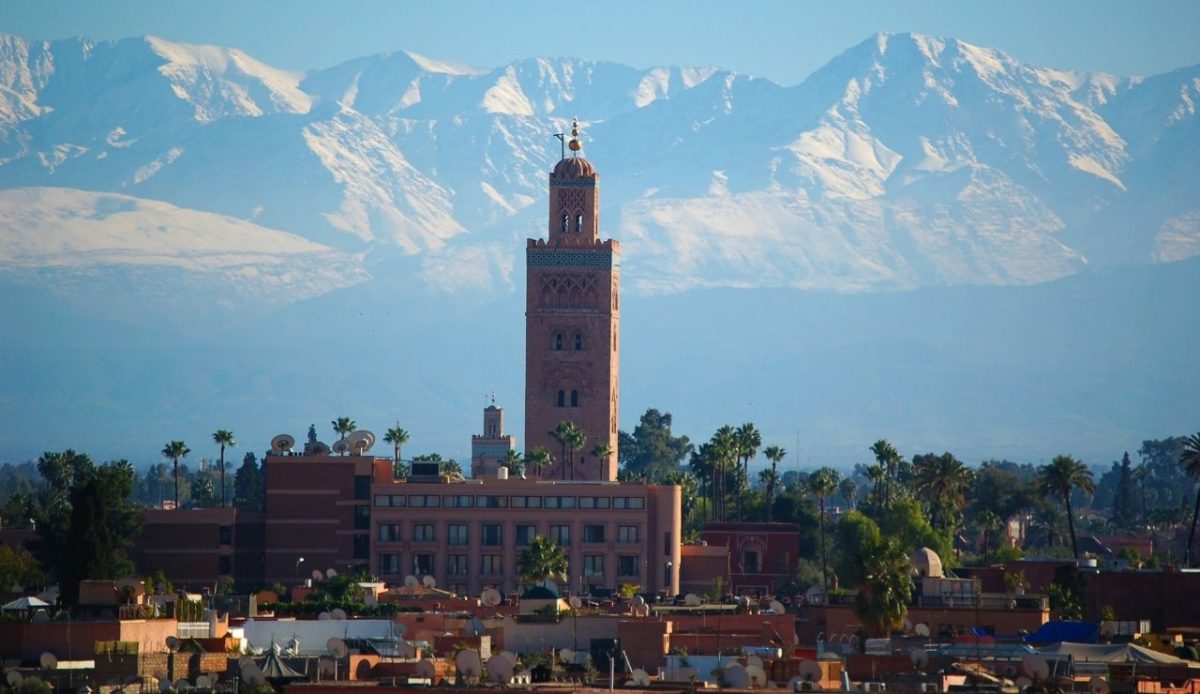
Marrakech delivers sunny winter days with average highs around the low 70s, creating comfortable conditions for outdoor movement. Cooler weather improves navigation through the medina and surrounding markets, where summer heat often limits activity. Tour group numbers drop after early January, easing congestion along main routes. Riads frequently adjust rates during winter, allowing quieter stays inside the old city. Day trips toward the Atlas Mountains continue with lighter booking demand. Shops, transport, and dining operate on normal schedules, supporting steady city function throughout winter.
5. Valletta, Malta
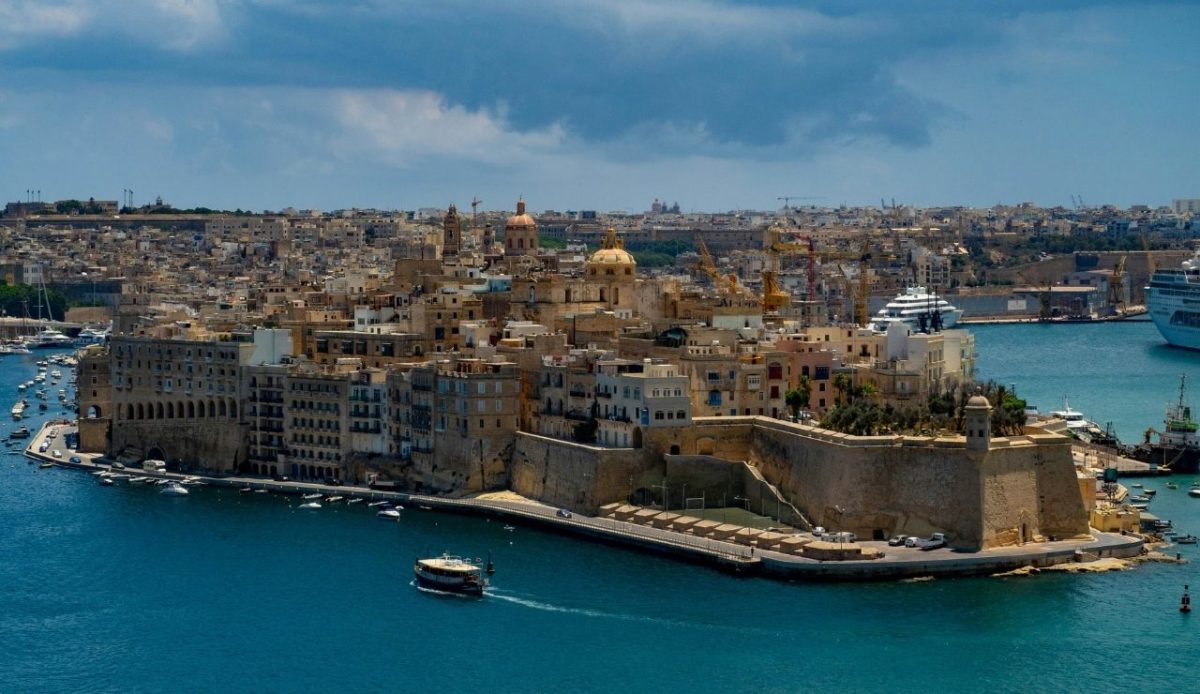
Valletta maintains mild winter temperatures near the mid 60s with frequent sunshine, supporting comfortable daily movement. Cruise traffic slows outside peak sailing months, opening pedestrian streets and harbor areas. Museums, churches, and historic fortifications operate on standard schedules without entry restrictions or long queues. Ferry routes continue connecting nearby towns, allowing efficient movement across the harbor. Restaurants focus more on residents during winter, keeping wait times short. Accommodation availability improves seasonally, even within the walled city, while everyday urban activity continues normally.
6. Limassol, Cyprus
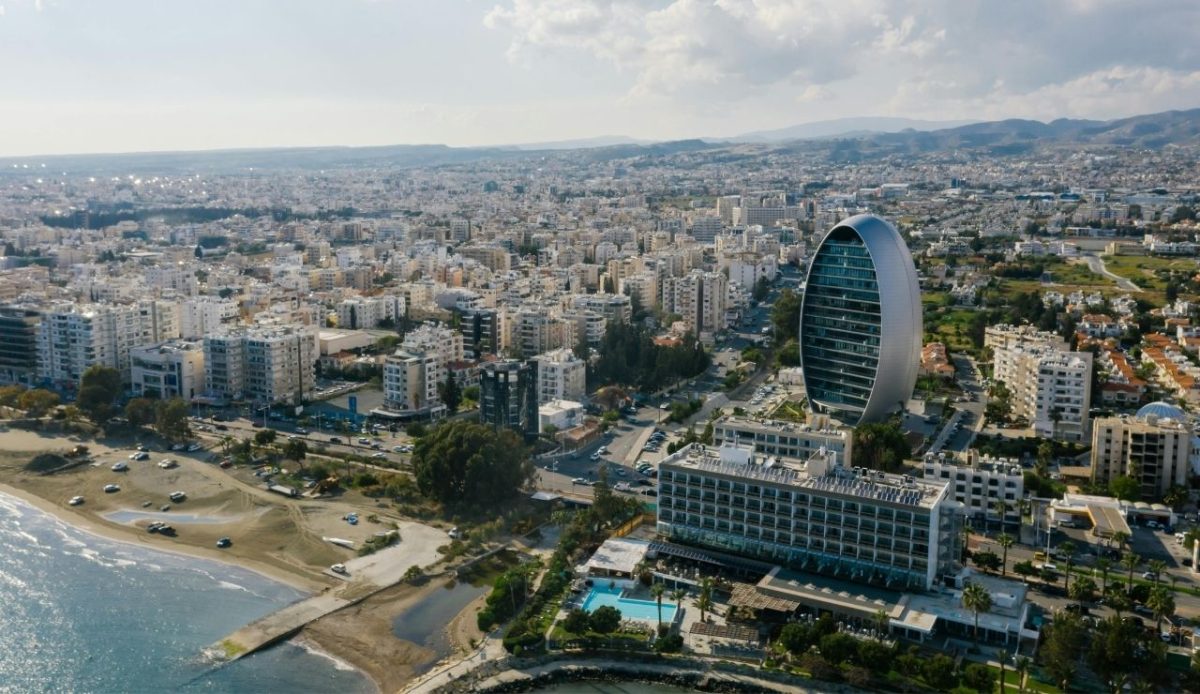
Limassol experiences mild winter weather, with daytime temperatures often reaching the upper 60s, allowing outdoor activity without strain. Coastal promenades remain suitable for walking and cycling without seasonal crowd pressure. International arrivals decline after December, easing demand around hotels and marina restaurants. Nearby archaeological sites become easier to visit without tour bus congestion. Cafes follow local routines, creating a slower service pace that suits longer visits. Public transport and taxi availability remain reliable due to steady resident demand, keeping daily movement predictable.
7. Antalya, Turkey
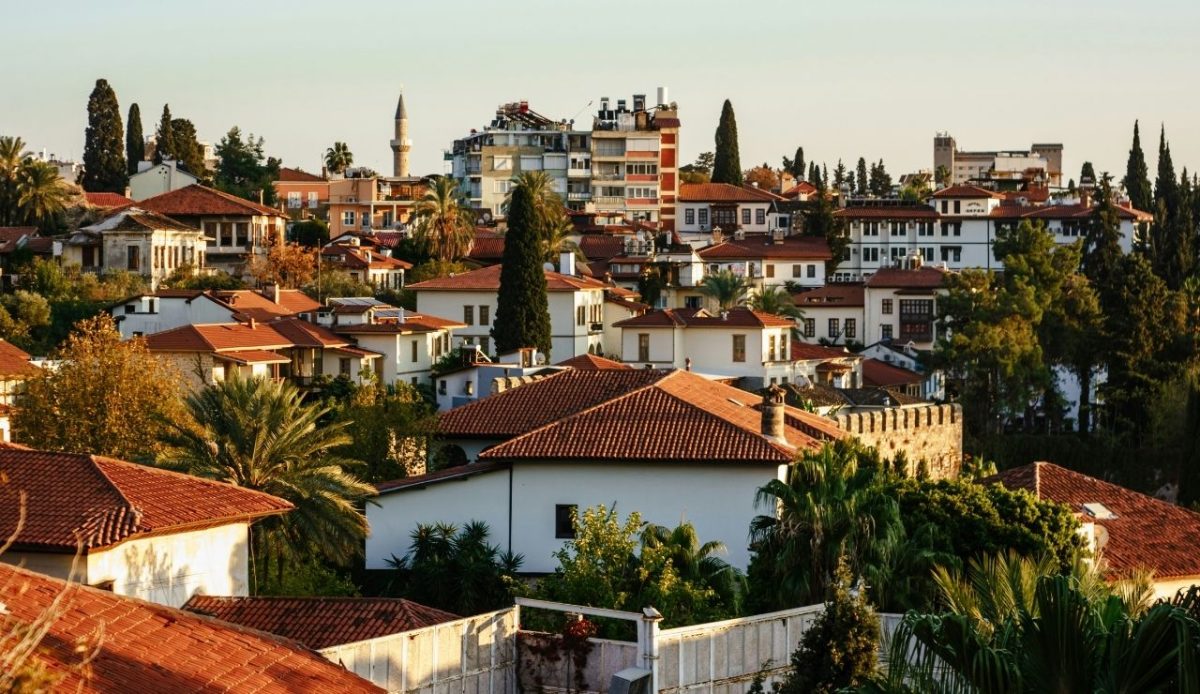
Antalya remains comfortable during winter, with clear skies and daytime temperatures often near the mid 60s. Large resorts operate below capacity, reducing crowd density along the coast and nearby beaches. Historic districts such as Kaleiçi allow easier movement without tour saturation or congestion. Local markets mainly serve residents, improving navigation and price consistency. Regional transport services continue on full schedules through winter. Hotel rates decrease outside peak periods, improving access to central areas. Antalya combines usable weather with reduced congestion while keeping essential visitor services available.
8. Muscat, Oman
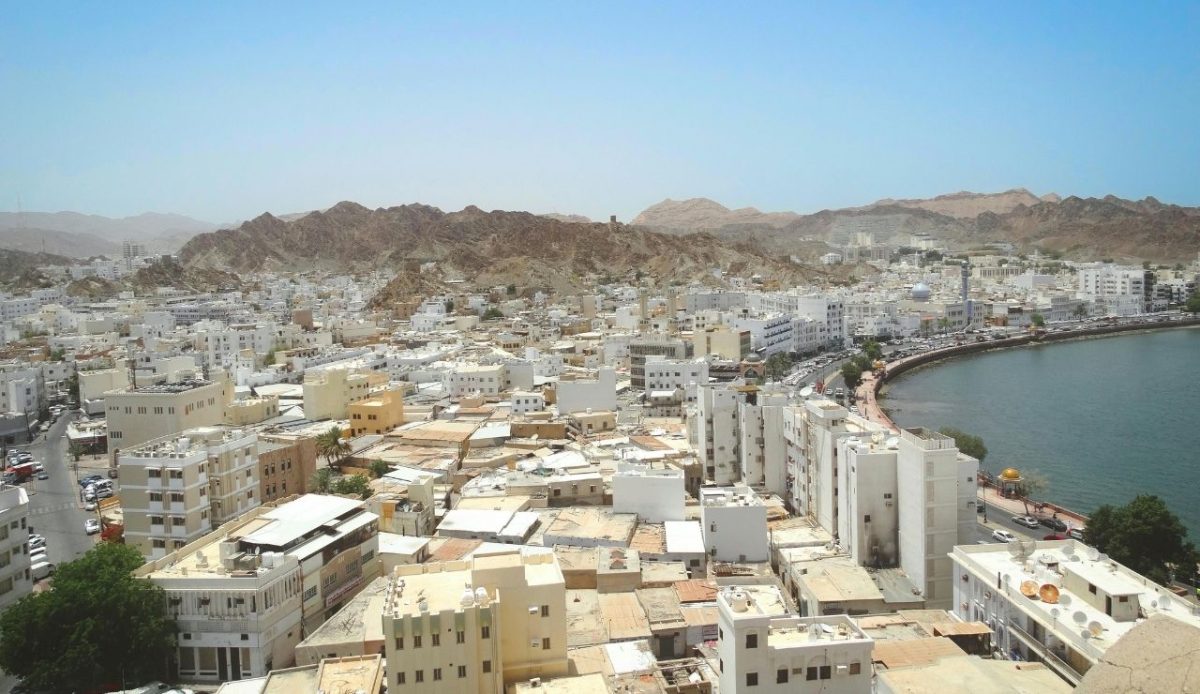
Muscat provides stable winter warmth, with daytime temperatures often ranging through the low to mid 70s, supporting comfortable outdoor movement. Waterfronts, mosques, and local markets remain pleasant to visit without heat pressure. Visitor numbers stay controlled due to limited mass tourism development across the city. Road networks remain uncongested, allowing efficient travel between districts. Cultural sites operate on regular hours, and guided visits run with smaller groups. Beaches stay open and calm throughout the season, supporting relaxed use without crowd buildup during the winter months.
9. Aqaba, Jordan
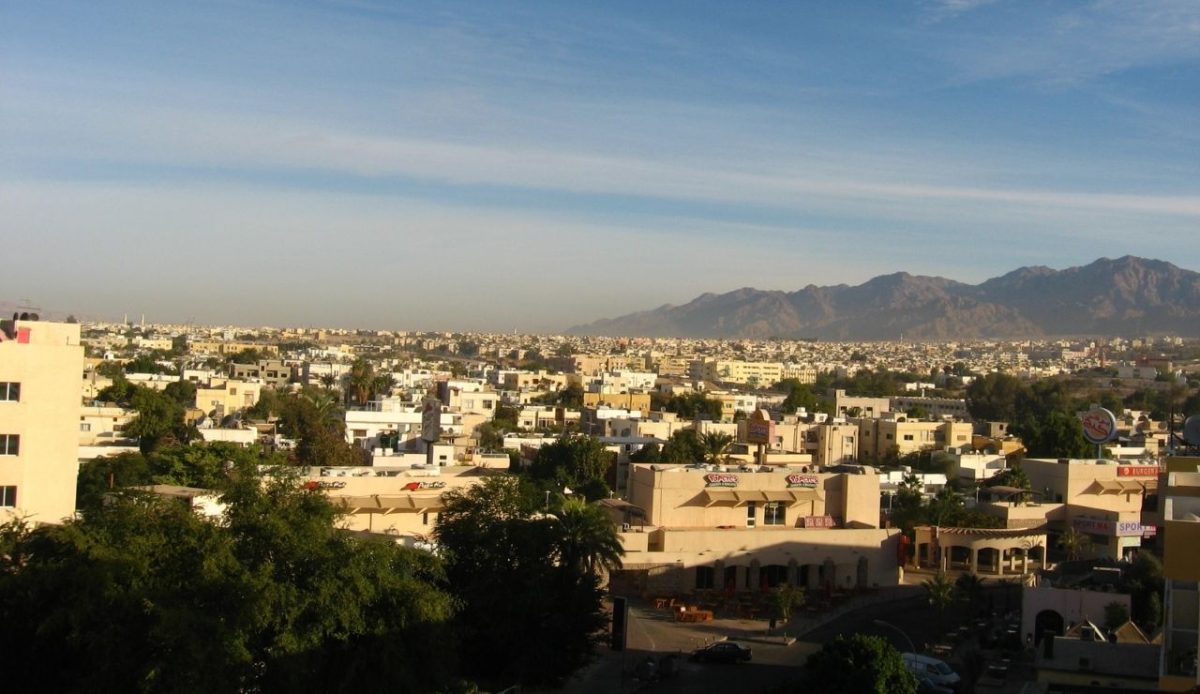
Aqaba maintains warm winter temperatures, often reaching the low 70s under clear skies, allowing comfortable movement throughout the city. Tourism activity declines after peak holiday travel, reducing congestion along the Red Sea waterfront. Dive operators continue working year-round with smaller group sizes. Streets remain easy to navigate due to limited seasonal traffic. Hotels adjust pricing outside major travel windows, improving availability for longer stays. Border crossings and regional transport operate reliably, helping visitors move efficiently while experiencing consistent weather during the winter months.
10. Hurghada, Egypt
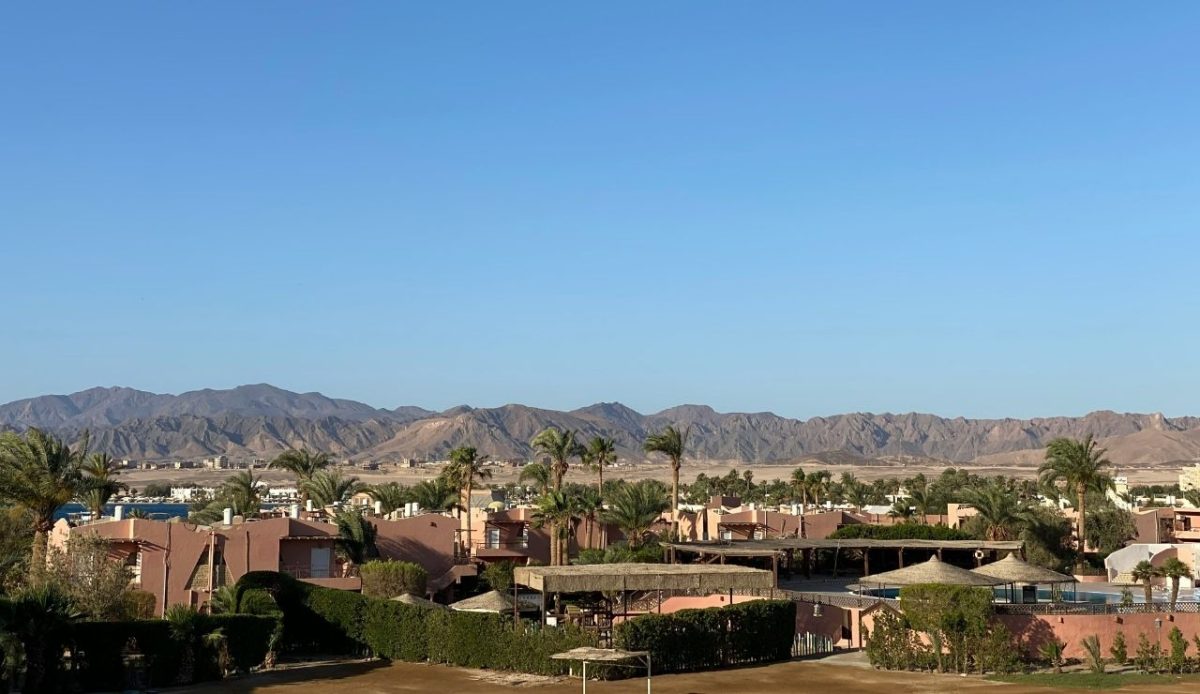
Hurghada offers reliable winter warmth, with daytime temperatures commonly staying in the low 70s, supporting comfortable use of outdoor areas. Resorts remain open while operating below peak capacity, which reduces crowd density across beach zones. International visitor numbers decline during winter, opening easier access to hotel facilities and shoreline areas. Marine activities continue with flexible scheduling and improved availability. Road movement remains efficient due to reduced traffic. Dining and local services focus on longer stays, allowing smoother use of infrastructure without peak season congestion.
11. San Diego, California, USA
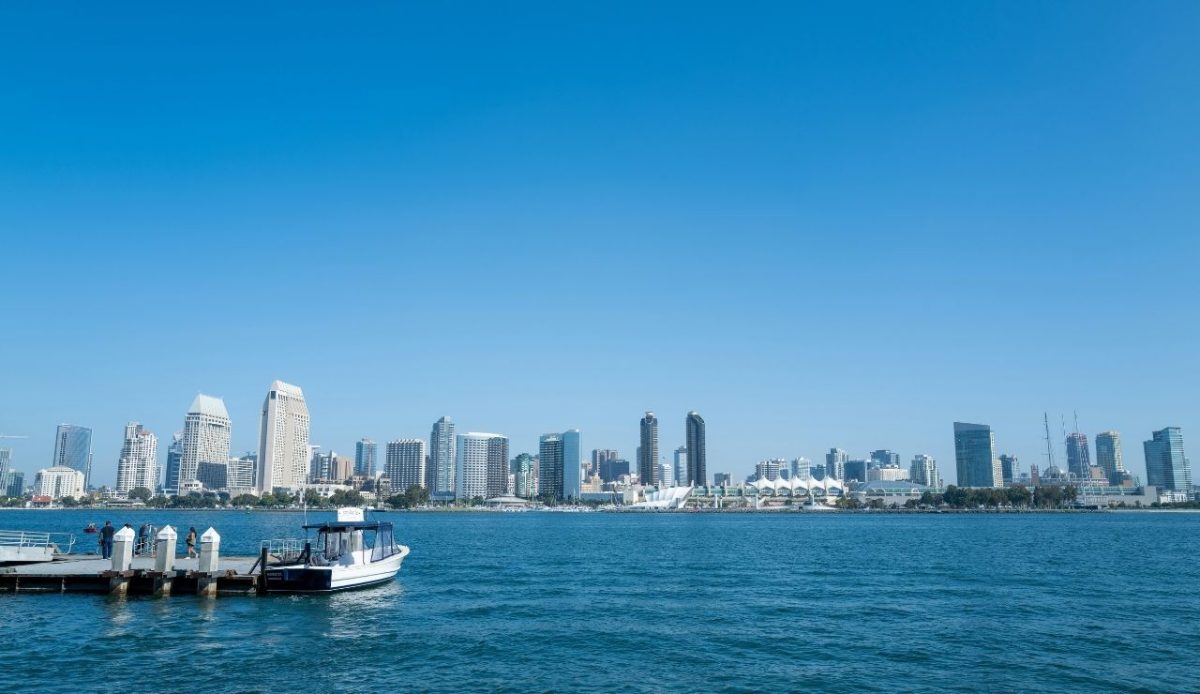
San Diego delivers mild winter conditions, with daytime temperatures generally staying in the mid to upper 60s, which supports outdoor movement. Beaches remain open, while winter reduces pressure on coastal parking and public spaces. Major attractions operate on normal schedules without peak season queues. Residents maintain everyday routines, keeping services predictable. Outdoor dining remains comfortable, and waterfront paths allow uninterrupted walking throughout the day. Hotel demand softens outside holiday weeks, improving availability while maintaining full city services during winter travel periods.
12. Palm Springs, California, USA
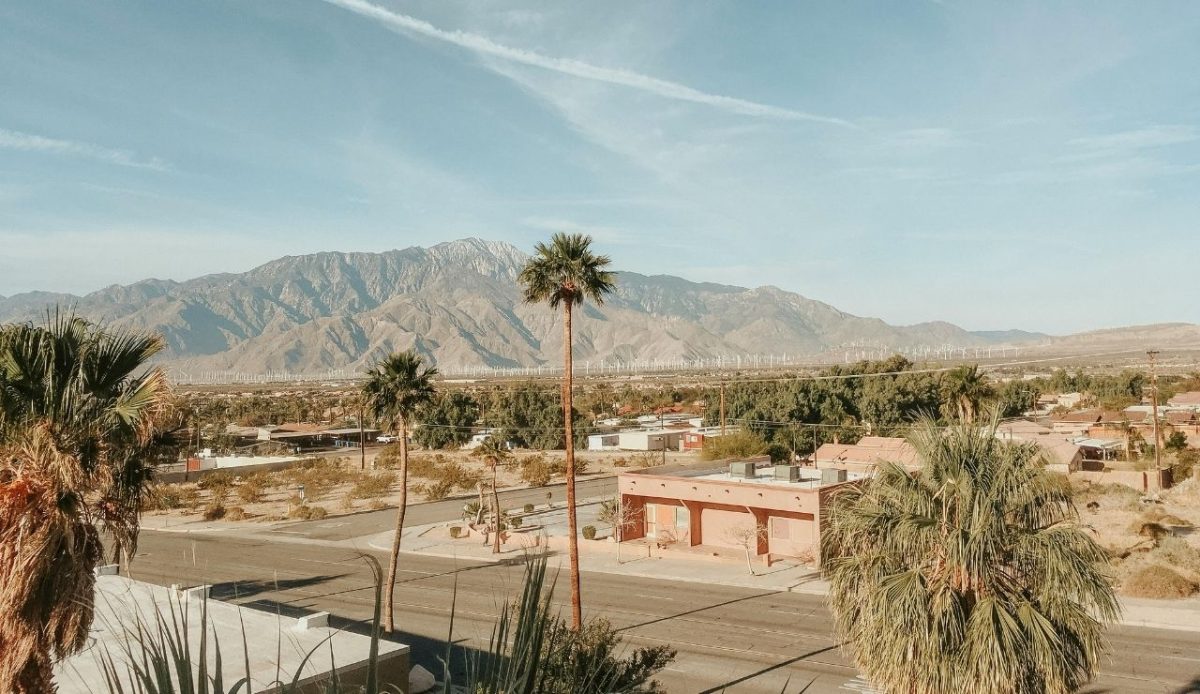
Palm Springs experiences warm winter conditions, with daytime temperatures often reaching the low 70s, allowing outdoor activity throughout the day. Extreme summer heat shifts tourism demand away, leaving winter comparatively calm. Golf courses, hiking trails, and downtown streets operate without capacity strain. Traffic remains manageable, even near resort zones and shopping areas. Accommodation availability improves outside major event periods. Dining and retail services support longer stays rather than quick turnover, helping visitors move comfortably through the city during winter months without congestion.
13. Mérida, Mexico
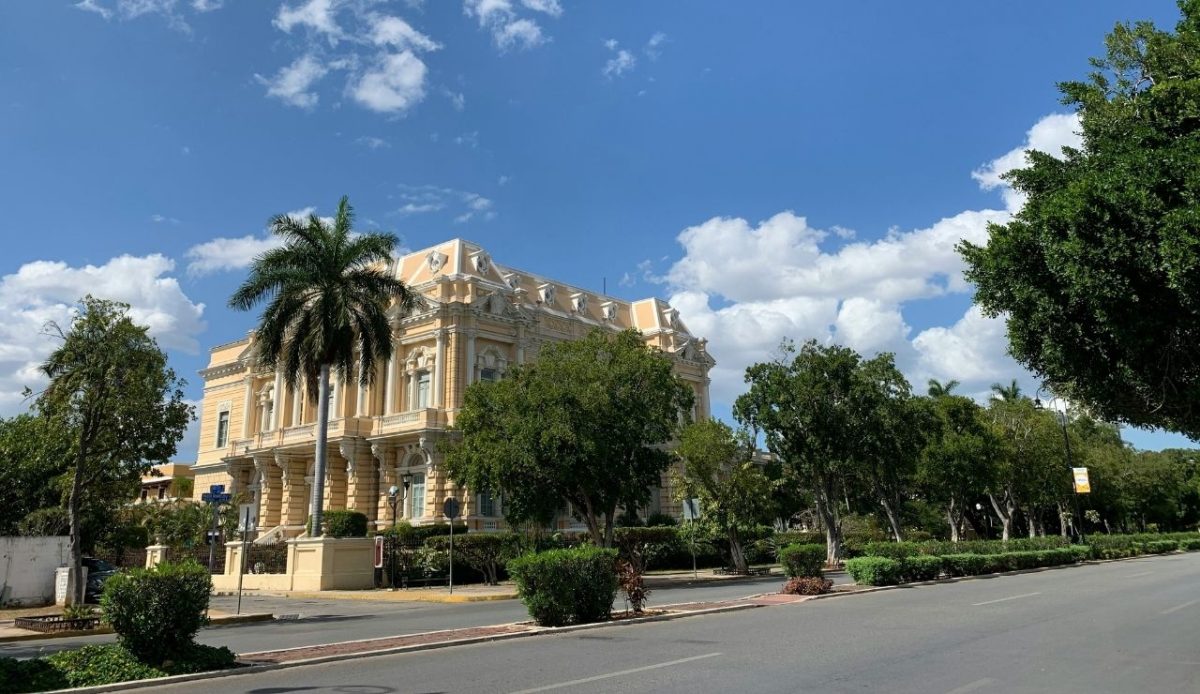
Mérida records warm winter days, with average highs near the low 80s, while avoiding coastal tourism surges. The city attracts fewer seasonal visitors than nearby resort destinations, keeping movement steady. Historic streets and public plazas remain active without crowd pressure. Museums and cultural sites allow easy access without planning or timed entry. Walking routes and local transport remain efficient across districts. Hotel pricing adjusts after early winter holidays, improving availability and supporting normal city routines throughout the winter season for longer stays and relaxed visits.
14. Cartagena, Colombia
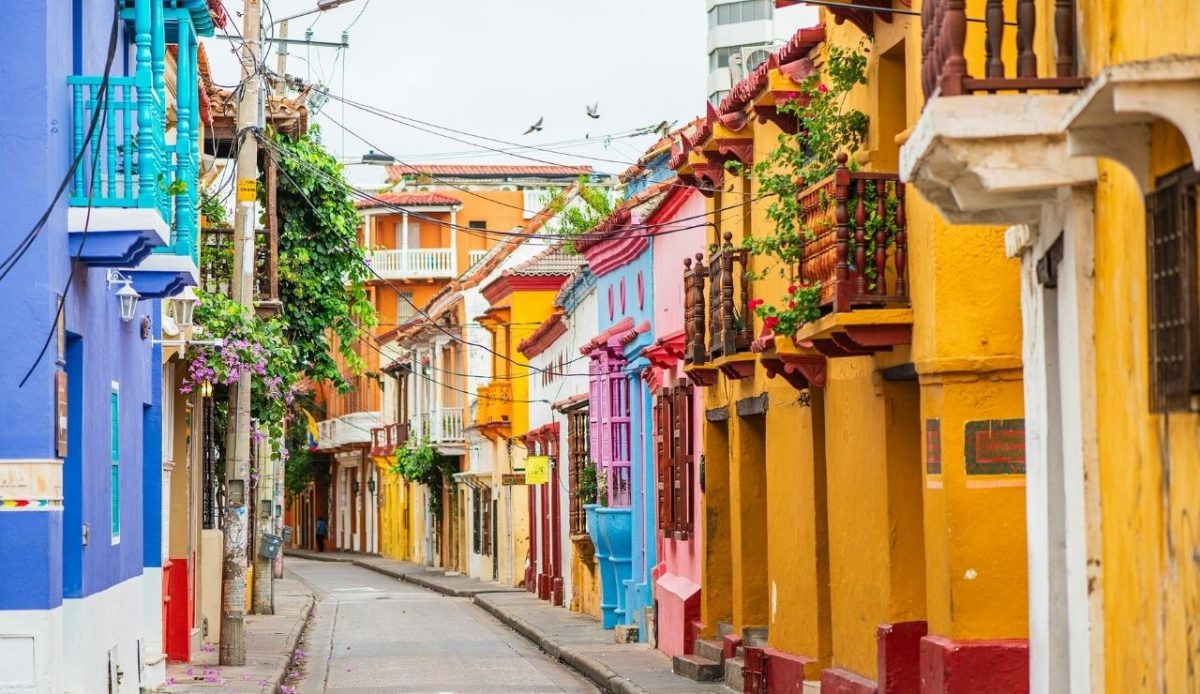
Cartagena maintains warm winter conditions, with daytime temperatures often staying in the low 80s during the dry season. Cruise arrivals decline after peak travel weeks, easing congestion inside the walled city and nearby streets. Public spaces remain active yet manageable, especially during morning and midday hours. Beach access improves as group travel slows across the coast. Restaurants and local services shift focus toward residents and longer stays. Hotel occupancy stabilizes across neighborhoods, allowing smoother movement and consistent access throughout the winter travel period for visitors.
15. Perth, Australia
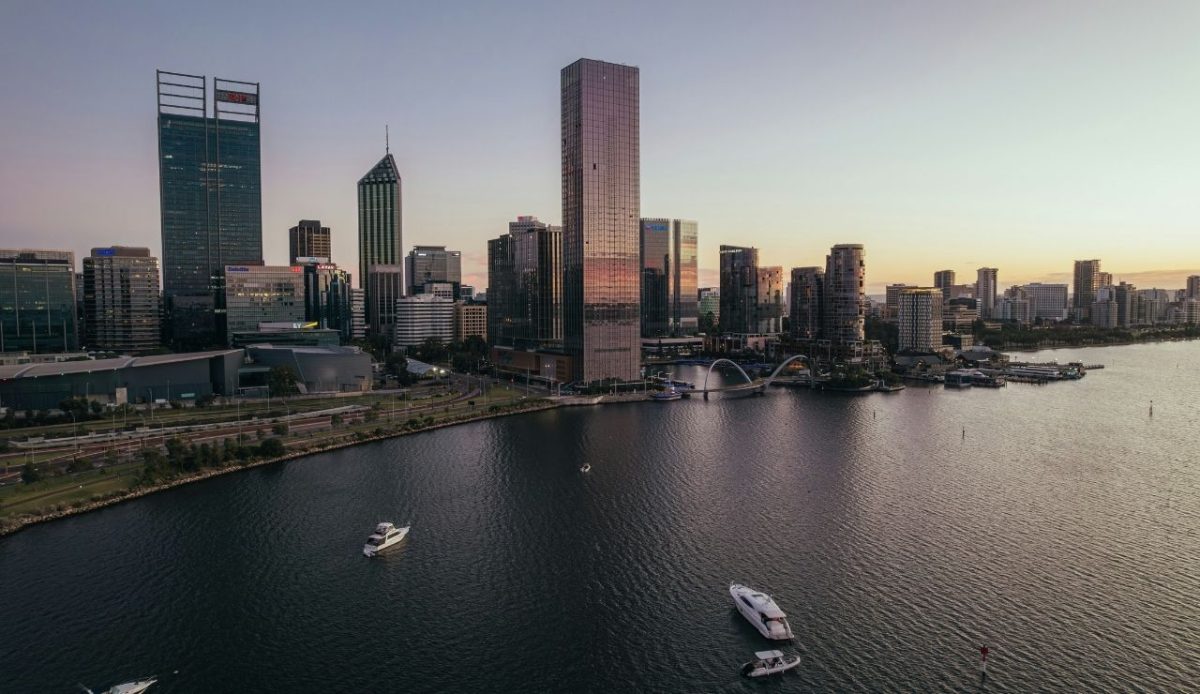
Perth enters summer during the northern winter, with daytime temperatures often reaching the mid to upper 70s, creating reliable warm weather. International visitor numbers remain moderate due to distance, which limits congestion across the metro area. Coastal parks and urban beaches stay spacious throughout the day. Public transport operates efficiently without seasonal overload. Dining and lodging availability remain consistent across districts. Events spread activity across the city, allowing comfortable movement and access while supporting everyday routines during the winter travel season.
