
Greece is widely known as a summer destination, yet winter offers conditions that many travelers find easier and more practical. Cooler weather, lower visitor numbers, and stable routines change how places function and how time feels. Cities operate for residents rather than tourists, transport systems stay manageable, and cultural spaces remain accessible without pressure. Winter travel shifts focus away from crowd navigation and toward observation, learning, and steady movement. The reasons below explain why visiting Greece in winter often feels more controlled than traveling during peak summer months.
1. Famous Historic Places Are Quiet All Day
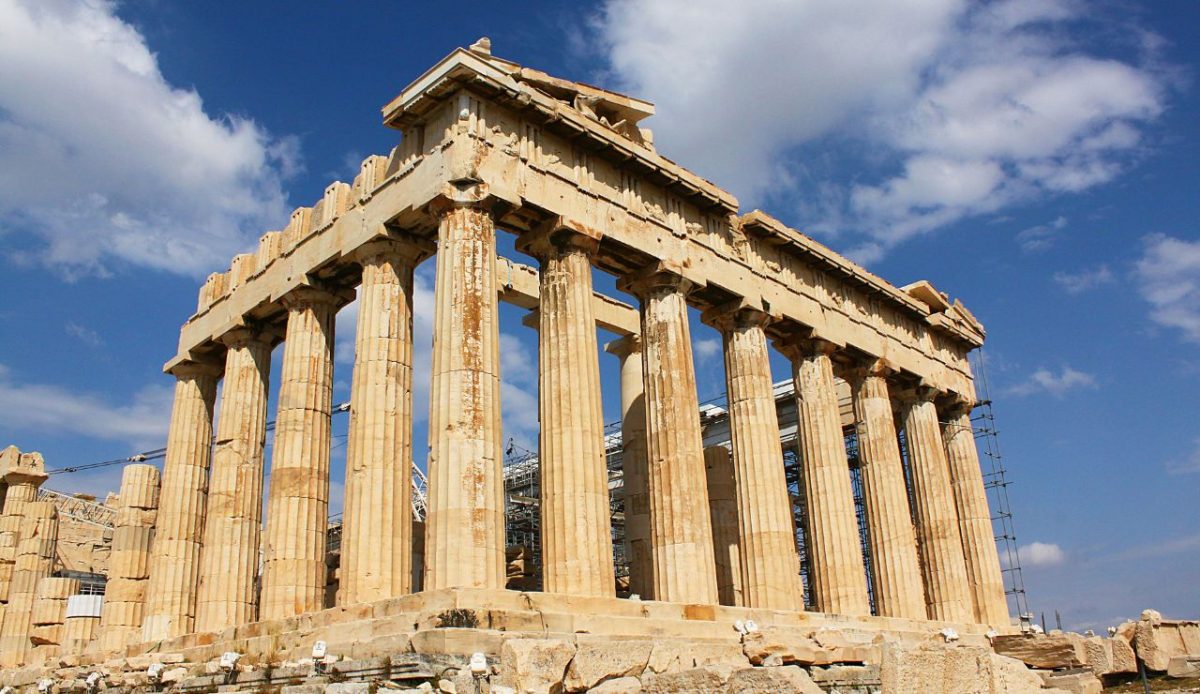
Winter reduces crowd pressure at Greece’s most visited historic locations. Sites such as the Acropolis, Delphi, and ancient theaters operate without the constant rotation of tour groups or cruise arrivals. Visitors move freely through paths, pause to read information, and observe details without obstruction. Entry checks proceed more efficiently, and staff manage access calmly. This environment allows attention to structure, layout, and historical context rather than crowd movement. Guides work with smaller groups, improving clarity and interaction. Winter visits turn major sites into focused learning spaces instead of congested photo stops controlled by volume.
2. Flights and Hotels Cost Much Less

Off-season travel brings lower prices across flights and accommodation throughout Greece. Airlines reduce fares due to decreased demand, especially on international routes. Hotels adjust rates to maintain occupancy, including centrally located properties that remain expensive during summer. Travelers gain access to better rooms and longer stays without added cost pressure. These savings allow visits to multiple regions instead of limiting travel to one base. Reduced financial pressure improves planning choices and limits compromises caused by peak season pricing, giving travelers more control over timing and location choices.
3. Cool Weather Makes Long Days Outside Easy
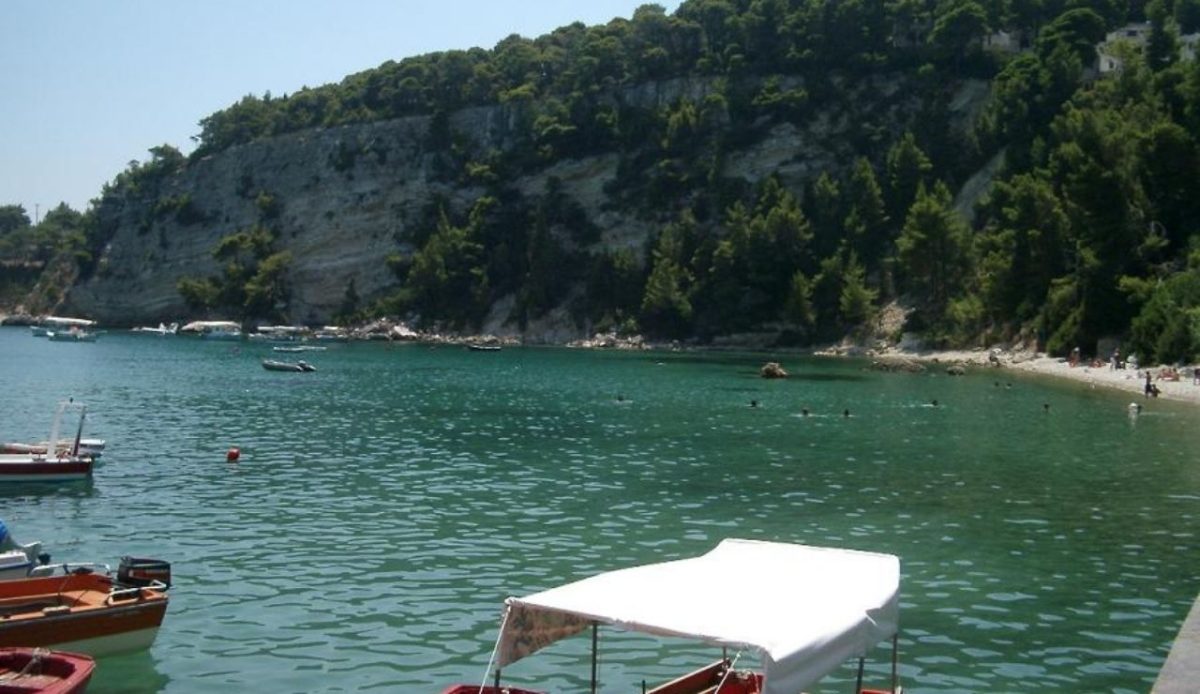
Winter temperatures in Greece support extended outdoor activity without physical strain. Walking tours, archaeological paths, and city exploration remain comfortable throughout the day. Visitors avoid heat fatigue, dehydration, and forced indoor breaks common during summer. Clothing supports steady movement rather than sun avoidance. Cooler air improves focus during long site visits and urban walks. Physical pacing stays consistent instead of rushed. This climate suits travelers who prefer structured schedules that involve distance and detail. Winter conditions allow outdoor plans to continue without weather limiting attention.
4. Daily Life Follows Local Routines
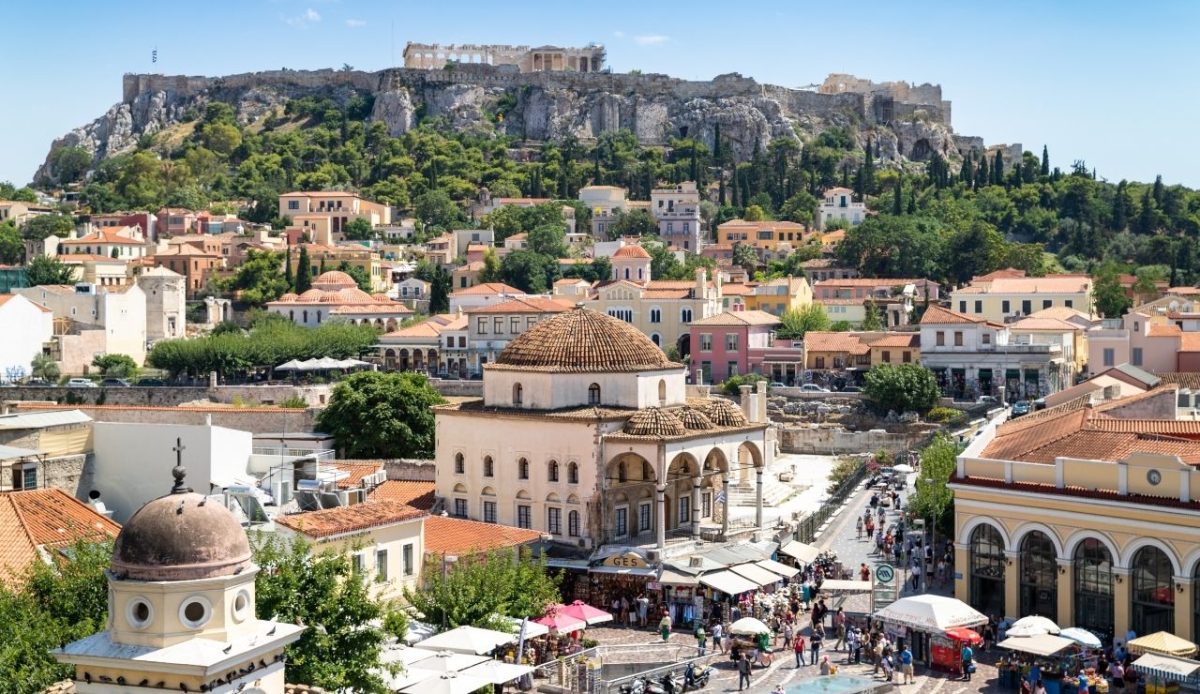
Winter places visitors inside Greece’s normal daily rhythm rather than tourist-driven patterns. Cafés serve residents instead of rotating tour groups. Shops open according to local demand, not seasonal volume. Public spaces reflect everyday use tied to work, school, and evening routines. Interactions feel practical rather than transactional. Visitors observe how neighborhoods function without adjustment for visitors. This setting supports understanding of timing, habits, and social structure. Winter removes layers added for tourism and presents communities as they operate across ordinary weeks rather than peak visitor cycles.
5. Island Streets and Coastal Walks Stay
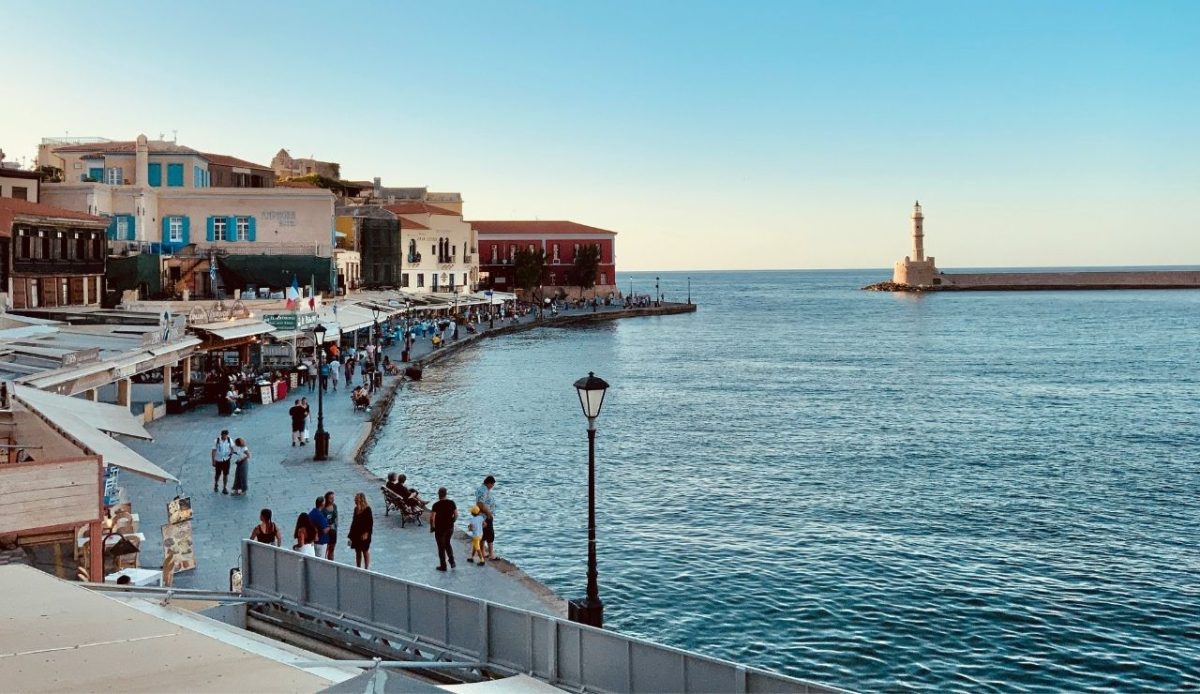
Winter reduces congestion on Greek islands while maintaining access in larger destinations. Streets remain open for walking without bottlenecks created by seasonal volume. Coastal paths allow steady movement without frequent stops. Beaches remain accessible for walking and observation even when swimming pauses. Archaeological areas allow unbroken routes rather than staggered entry. Transport runs on reduced schedules but remains predictable. This balance supports exploration without isolation. Visitors cover ground comfortably and revisit locations without pressure, even during midday hours. Movement stays steady across coastal paths.
6. Winter Brings Local Holidays and Traditions
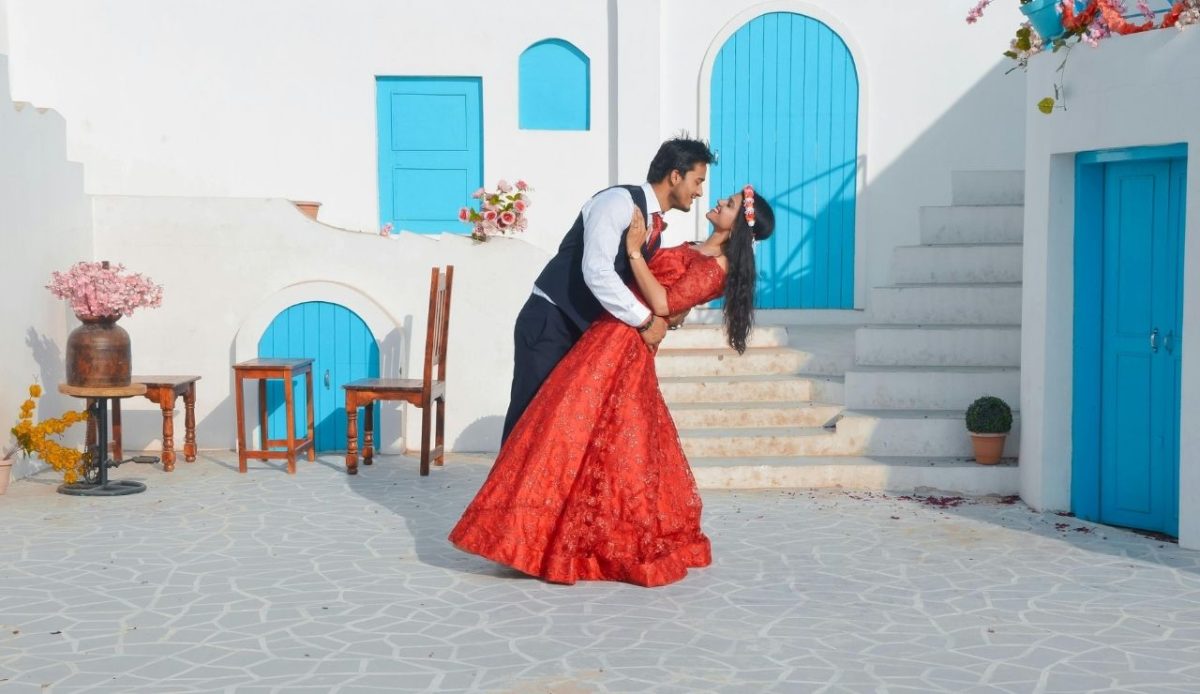
Winter travel aligns with Greece’s calendar of religious and community events. Christmas, New Year, and Epiphany bring ceremonies and gatherings attended mainly by residents. Town squares host processions, churches follow full schedules, and bakeries prepare seasonal items unavailable during summer. These events reflect regional identity rather than visitor demand. Attendance feels natural rather than staged. Travelers observe traditions in real settings without crowd barriers or controlled access. Winter allows cultural observation guided by local timing instead of fixed programs, offering context that rarely appears during high season.
7. Migratory Birds Arrive in Winter
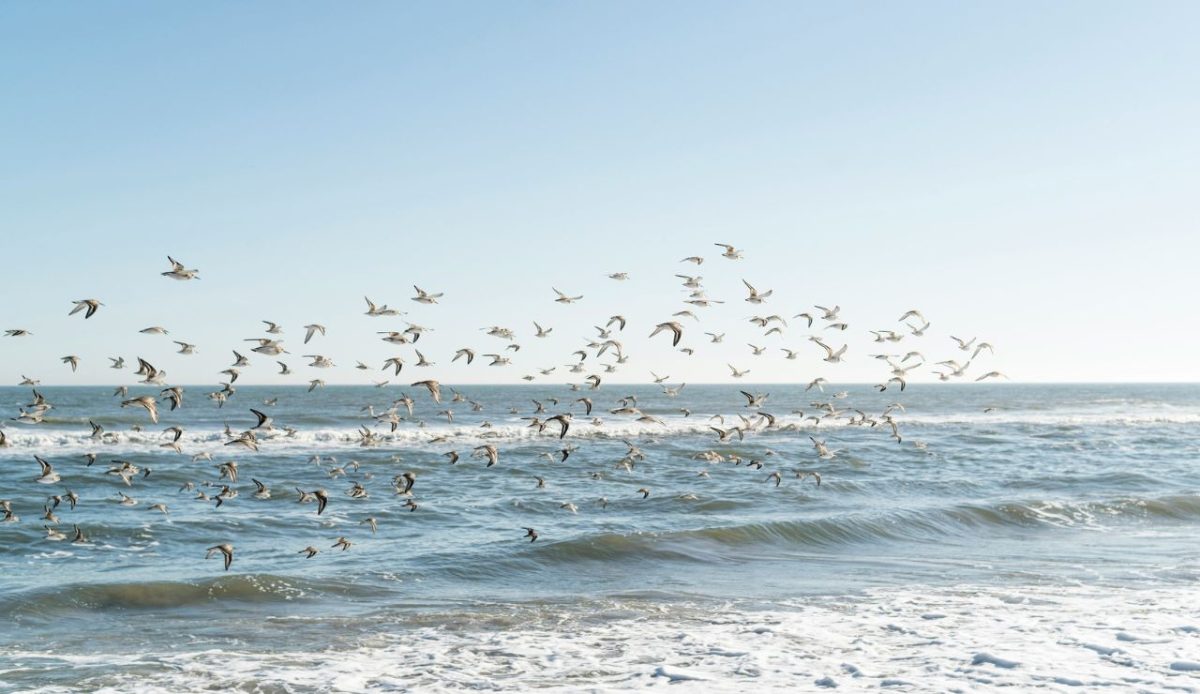
Greece’s wetlands and lakes support large migratory bird populations during the winter months. Species arrive from northern regions and remain until spring. Locations such as Lake Kerkini and Prespa Lake provide observation areas and guided monitoring programs. Lower visitor numbers reduce noise and disturbance, improving viewing conditions. Photographers and nature-focused travelers gain access without competition for space. Conservation groups operate winter activities that explain habitat use and movement patterns. This seasonal change creates a focused experience unavailable in summer, when heat and activity reduce visibility.
8. Trains, Ferries, and Roads Are Less Busy
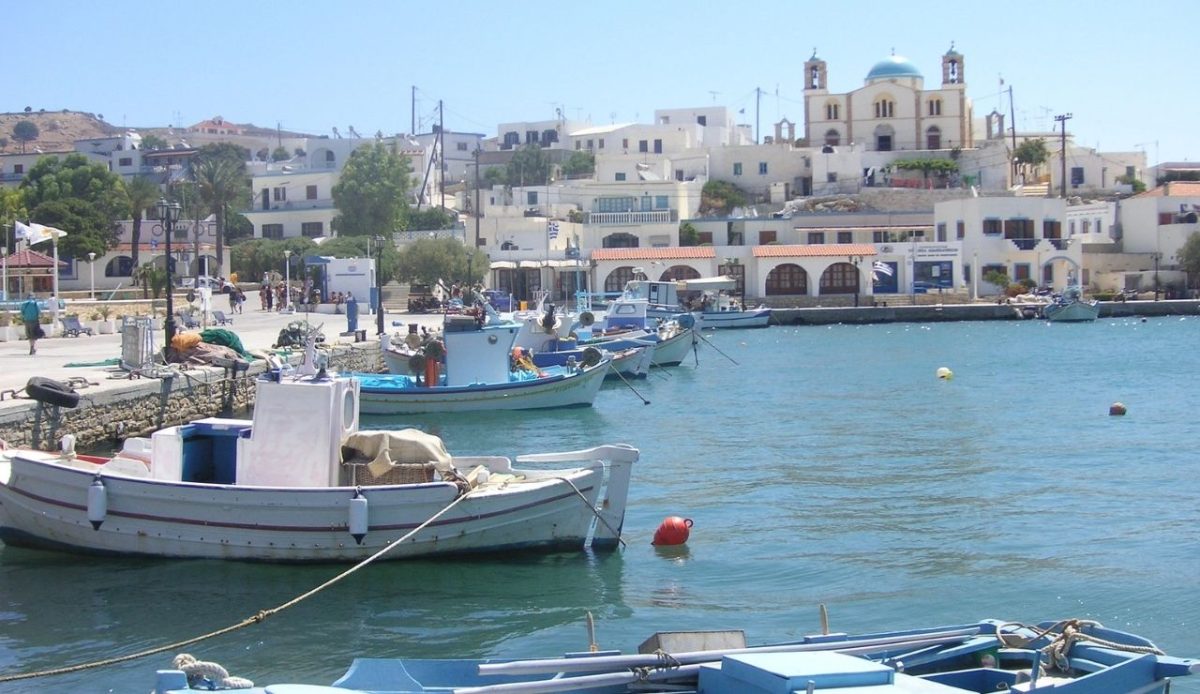
Winter lowers pressure on Greece’s transport systems across regions. Roads carry less traffic, improving travel time reliability. Ferry boarding occurs without long queues or last-minute changes caused by demand surges. Rail services operate on standard schedules with available seating. Car rentals remain accessible without restrictions. Movement between locations becomes predictable rather than reactive. Travelers adjust plans without congestion delays. This stability improves daily planning and reduces fatigue linked to coordination. Winter transport supports steady progress, and fewer interruptions across routes are strained during summer.
9. Winter Sunlight Makes Photos Look Better
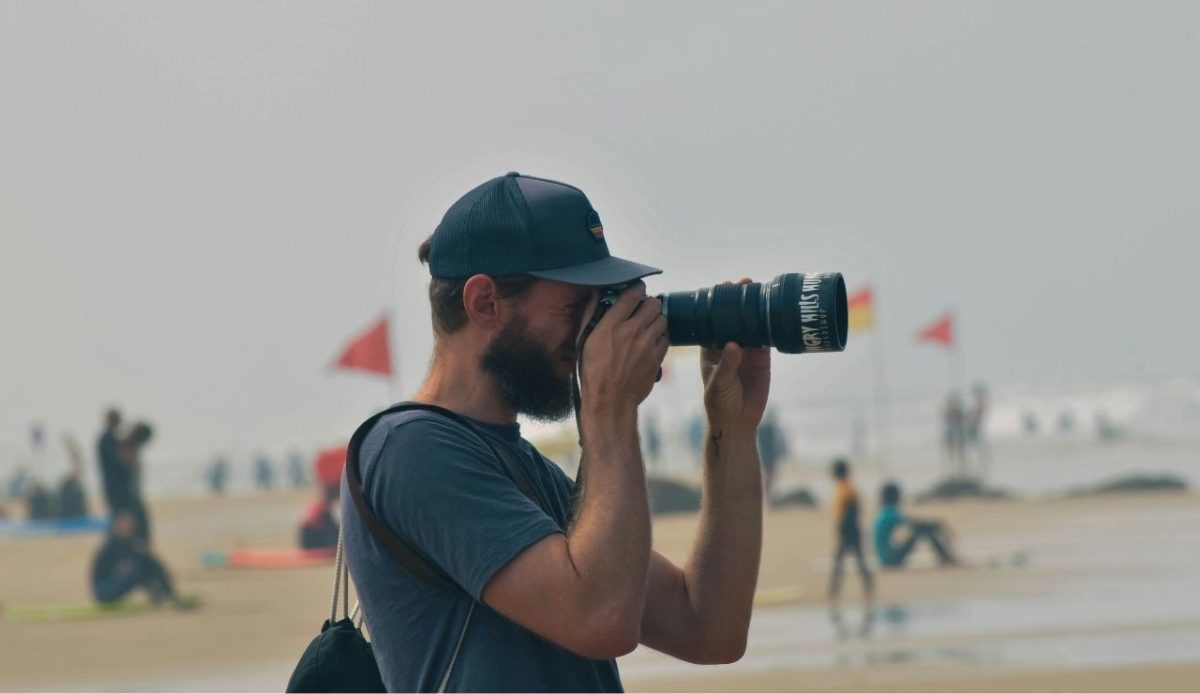
Winter light changes how Greece appears across cities, villages, and natural areas. Lower sun angles reduce glare and soften contrast throughout the day. Shadows remain defined without harsh brightness. Cloud cover adds texture without blocking visibility. Stone surfaces show detail without the reflection issues common in summer. Streets remain visually clear due to lower foot traffic. Photographers frame scenes without waiting for gaps. The season supports consistent shooting rather than brief ideal windows. Winter conditions allow careful composition across extended hours instead of racing against extreme light shifts.
10. Winter Food Shows Real Greek Cooking
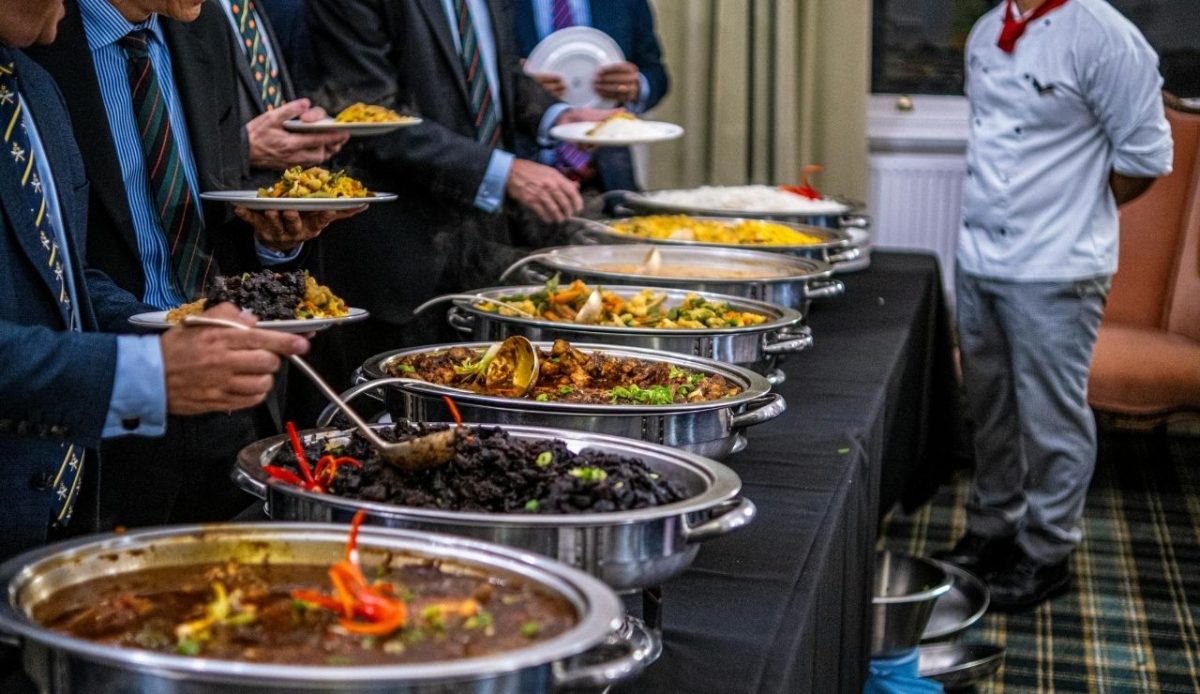
Winter menus reflect everyday Greek cooking rather than visitor-focused offerings. Restaurants serve slow-cooked dishes, legumes, vegetables, and regional specialties tied to colder weather. Kitchens follow daily routines instead of shortened seasonal menus. Portions reflect local habits, and staff explain dishes without rush. Markets support ingredients linked to winter harvest cycles. Food becomes part of the daily structure rather than an attraction design. Travelers experience consistent preparation and flavor standards that often disappear once summer demand shifts focus toward speed and volume.
11. Mountain Hotels and Hot Springs Feel Comfortable
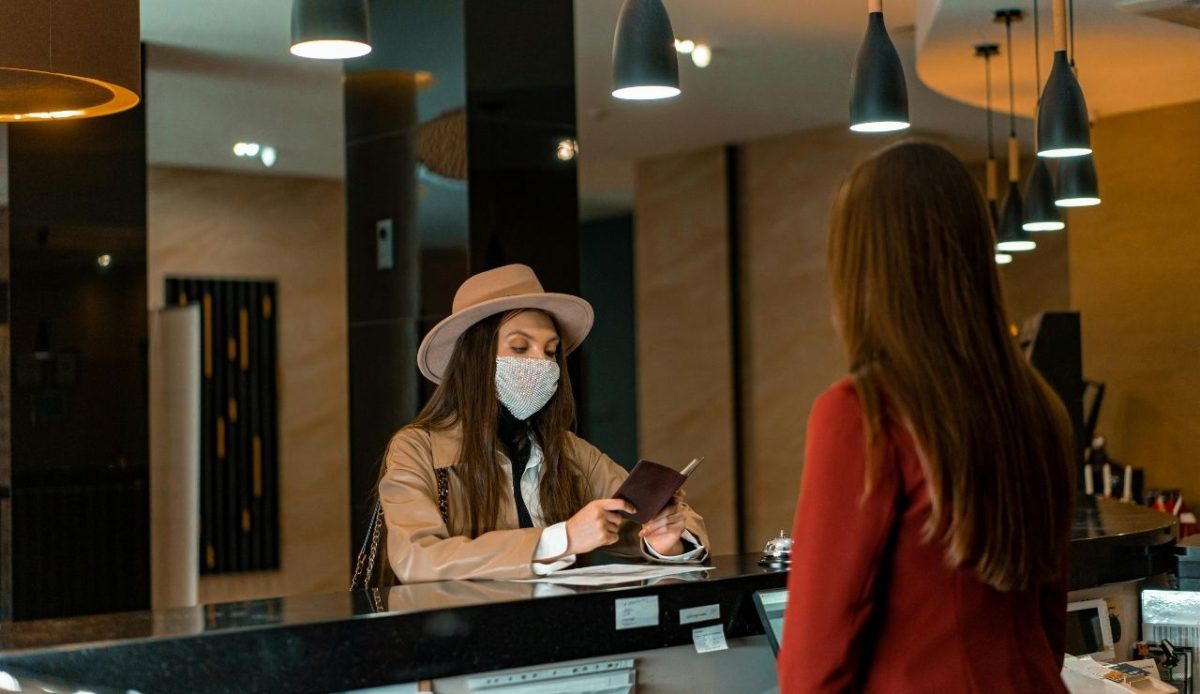
Winter supports a different lodging experience in Greece’s interior regions. Mountain hotels operate with systems designed for cold-weather comfort. Rooms focus on insulation, quiet, and rest rather than turnover speed. Thermal springs remain open with scheduled access instead of summer crowd surges. These locations serve travelers seeking recovery after long days rather than brief daytime stops. Staff attention improves due to balanced occupancy. Cold weather supports longer stays and indoor comfort, especially after extended travel days. Accommodation becomes part of the travel experience rather than a functional overnight stop.
