
Some of the world’s most stunning destinations are also among the most dangerous, drawing travelers who crave dramatic landscapes and unforgettable thrills. Yet behind the beauty lie risks that many visitors underestimate, from aggressive weather to unstable terrain and unpredictable natural forces. These hazardous spots require extra caution, thoughtful planning, and a willingness to respect nature’s power. While they offer incredible views and rare experiences, they also demand responsible behavior to stay safe. Understanding these dangers beforehand helps ensure your adventure remains memorable for all the right reasons.
1. Mount Everest Base Camp
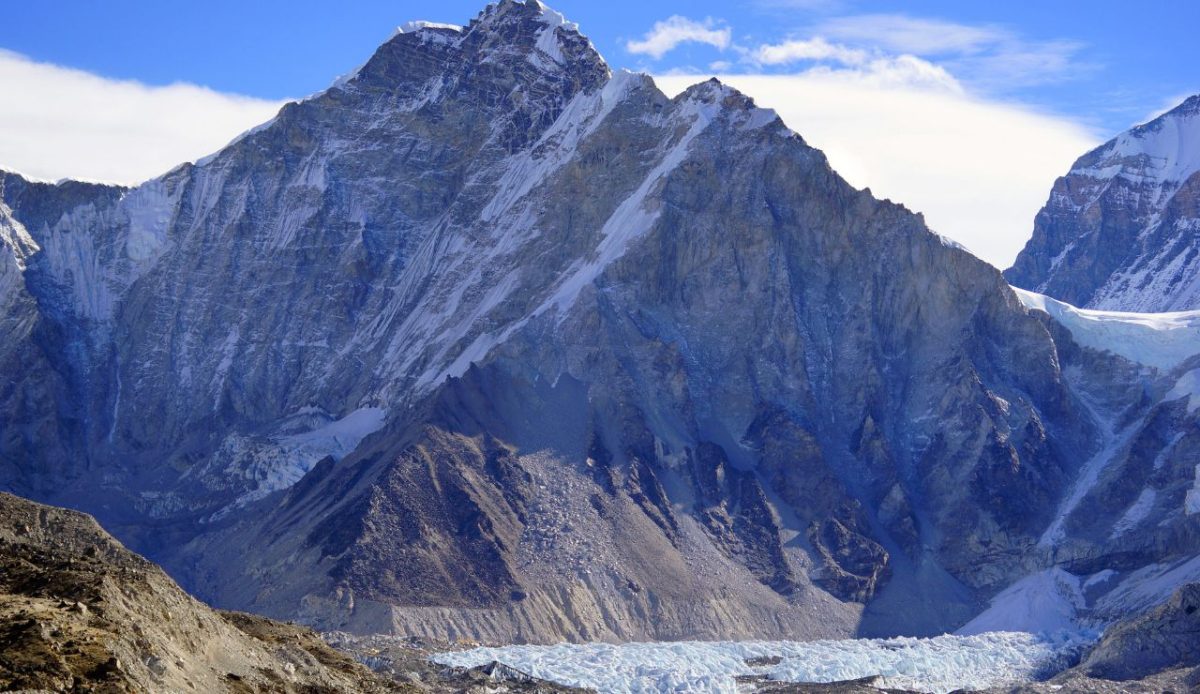
Reaching Everest Base Camp is far less extreme than attempting the summit, but the trek still carries serious risks many travelers overlook. Altitude sickness is common, and weather conditions can shift dramatically with little warning, bringing freezing winds or sudden storms. Trails include icy paths, steep climbs, and narrow bridges that challenge even experienced hikers. Limited rescue access adds to the danger. Still, the breathtaking scenery continues to attract adventure-seekers. Proper acclimatization, guided support, and realistic expectations help keep this iconic journey safer and more enjoyable.
2. Death Valley National Park
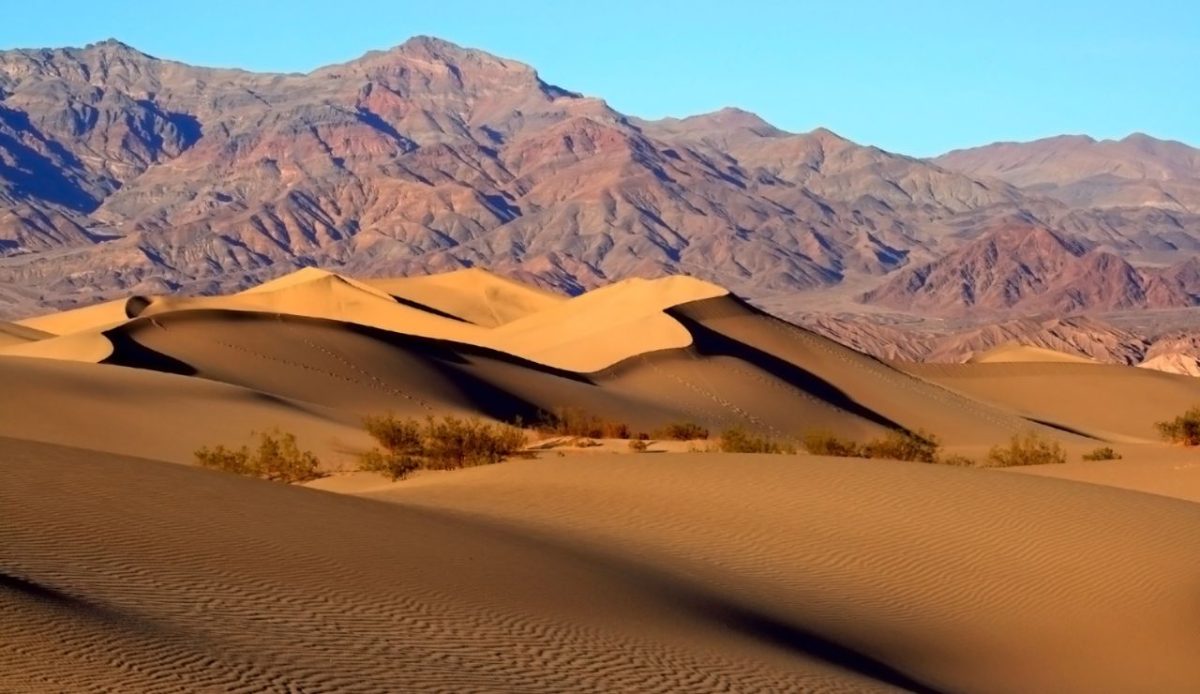
Death Valley is famous for being one of the hottest places on Earth, and its extreme temperatures can quickly become life-threatening. Even short walks can lead to dehydration or heat exhaustion, especially during summer when the mercury can soar past 120°F. The landscape is vast and remote, with limited cell service, minimal shade, and long distances between help points. Many travelers underestimate how fast conditions worsen. Despite the dangers, its salt flats, dunes, and dramatic canyons remain irresistible. Visiting safely requires plenty of water, early starts, and close attention to heat advisories.
3. Kilauea Volcano, Hawaii
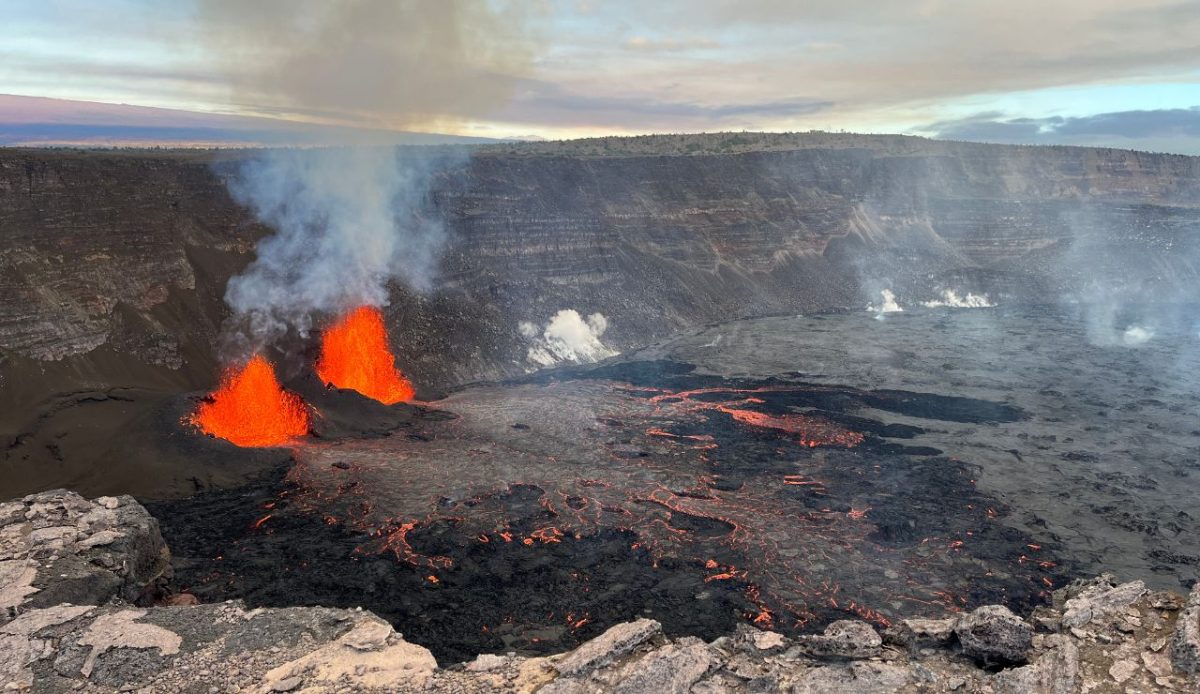
Kilauea is one of the world’s most active volcanoes, offering mesmerizing views of glowing lava, sulfur plumes, and rugged volcanic fields. Yet the hazards are real and unpredictable. Toxic gases can drift unexpectedly, while unstable lava shelves may collapse without warning. Even hardened lava remains sharp and treacherous to walk on, increasing the risk of cuts or falls. Sudden eruptions or shifts in flow paths have trapped hikers before. Visitors must rely on official alerts, stay within viewing zones, and avoid venturing onto unsafe ground. With the right precautions, the experience becomes both thrilling and responsible.
4. The Cliffs of Moher, Ireland
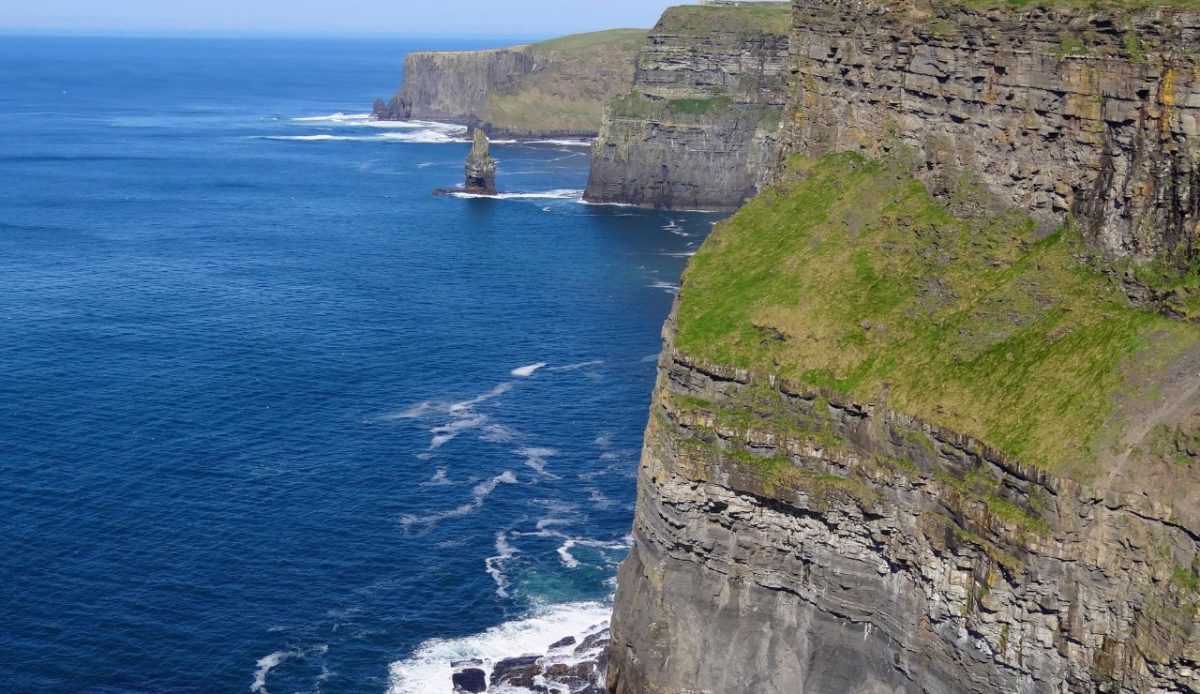
The Cliffs of Moher are among Ireland’s most dramatic natural wonders, rising hundreds of feet above the Atlantic. Yet their beauty masks significant dangers. Strong coastal winds can appear suddenly and push visitors off balance, while rain makes trails slick and muddy. Some travelers step too close to the edge for photos, ignoring unstable sections that can crumble. Fog also reduces visibility, increasing the risk of missteps. Despite these hazards, the cliffs remain a beloved destination. Sticking to designated paths and respecting weather conditions helps ensure a safe, breathtaking visit without unnecessary risk.
5. The Danakil Depression, Ethiopia
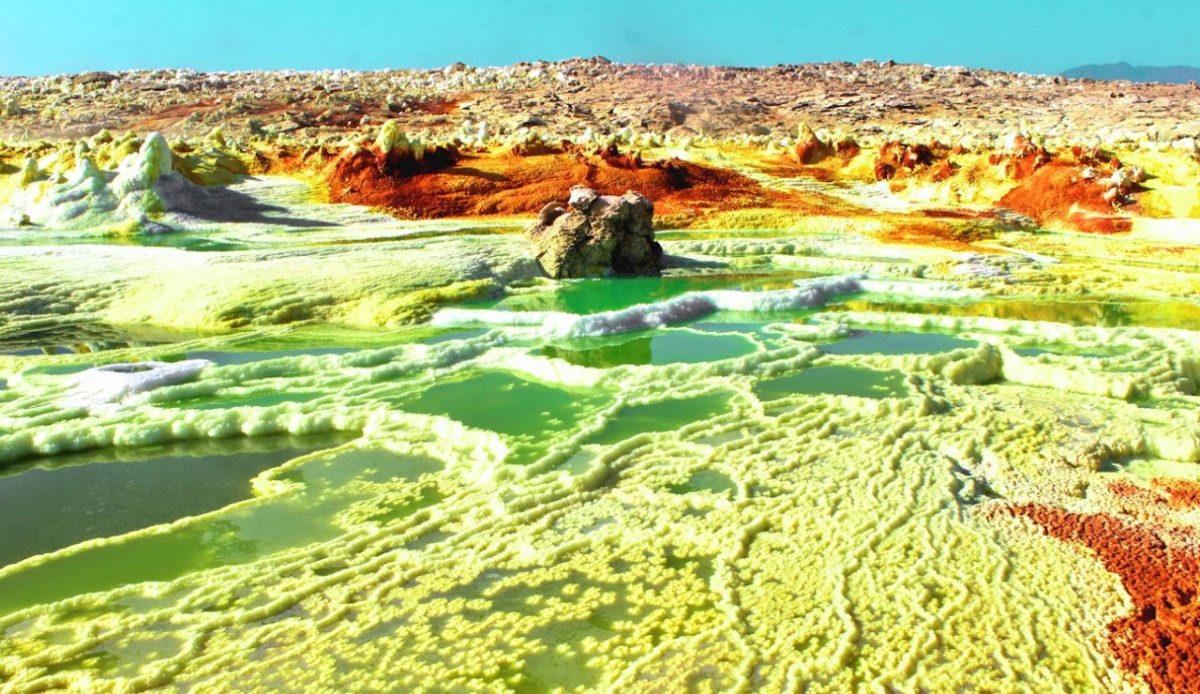
The Danakil Depression is one of Earth’s hottest and most inhospitable places, known for neon-colored pools, salt flats, and volcanic formations. Temperatures often soar past 120°F, making heat exhaustion a constant threat. Toxic gases rise from active vents, while thin salt crusts can collapse and expose acidic pools below. The region is extremely remote, requiring guided travel, sturdy vehicles, and plenty of supplies. Despite the harsh conditions, its surreal landscapes attract adventurous visitors. With expert support and careful planning, exploring this extreme environment becomes possible, though still undeniably dangerous.
6. Trolltunga, Norway
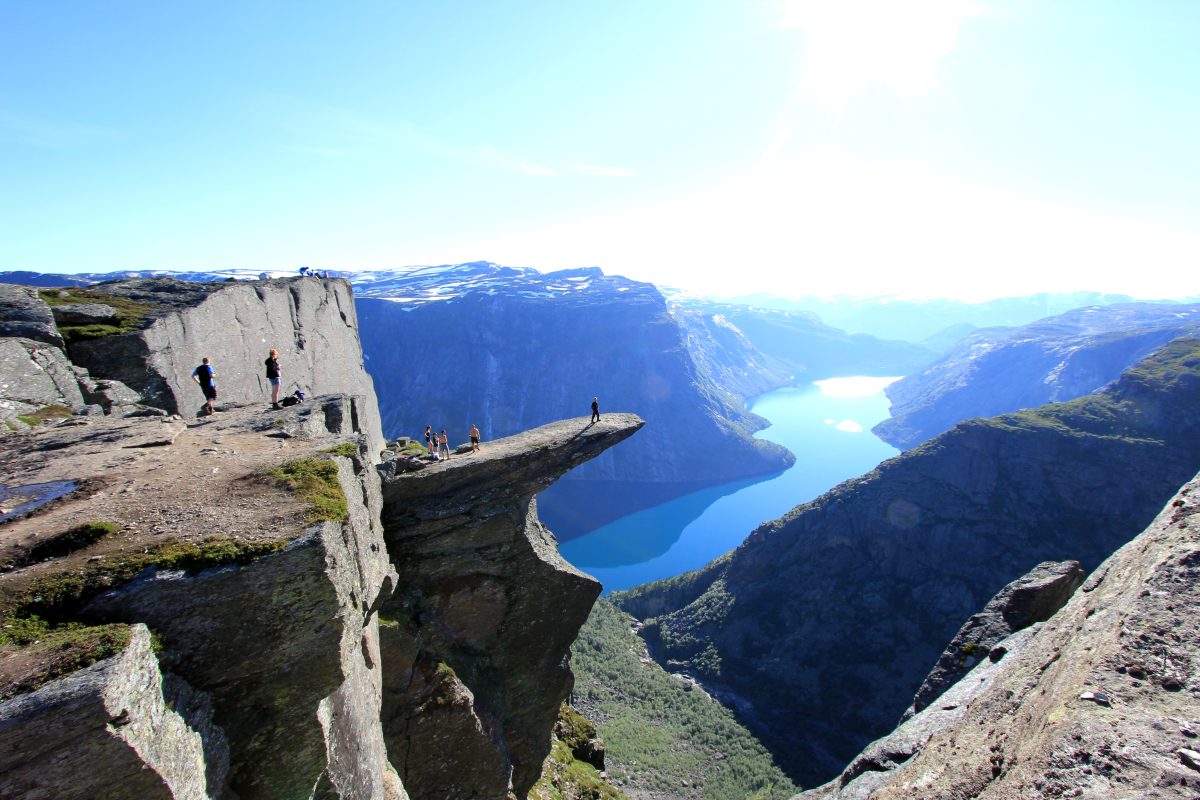
Trolltunga’s dramatic cliff ledge offers one of Norway’s most iconic photo spots, but reaching it demands a strenuous, all-day hike through rugged mountain terrain. Weather changes rapidly, bringing fog, cold rain, or sudden storms that make trails slippery and navigation difficult. Many hikers underestimate the distance and elevation gain, leading to exhaustion or late descents. Rescue operations are common for unprepared visitors. The ledge itself sits high above the valley with no safety barriers. Proper gear, early starts, and respect for mountain conditions are essential to enjoy this stunning yet demanding adventure safely.
7. The Skeleton Coast, Namibia

The Skeleton Coast is haunting yet captivating, famous for rusted shipwrecks, thick fogs, and vast stretches where the desert meets the Atlantic. Strong currents and harsh winds make the coastline dangerous, while fog reduces visibility and easily disorients travelers. The area is remote with almost no services, and water sources are scarce, turning small mistakes into serious risks. Wildlife encounters add more unpredictability. Even so, the stark landscapes draw photographers and explorers. Traveling with skilled guides, proper supplies, and a clear understanding of conditions is essential for safe exploration in this unforgiving region.
8. Half Dome, Yosemite National Park
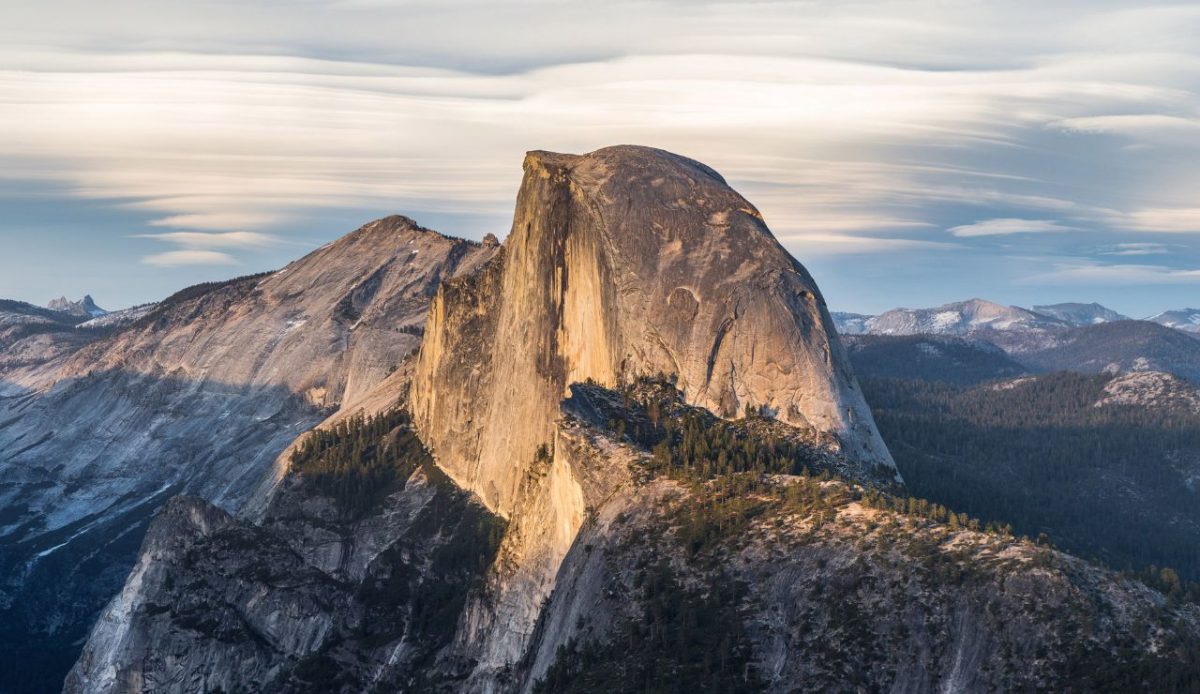
Half Dome’s cable route attracts many hikers, but the climb carries real danger, especially in wet or stormy weather. The granite surface becomes slick, and the steep ascent challenges those unused to high-altitude exertion. Thunderstorms can bring lightning, while crowded sections increase the risk of slips or falls. The long approach hike adds fatigue, making the final climb even tougher. Permits, sturdy footwear, hydration, and strict attention to weather alerts are essential for a safe journey. With proper preparation, the reward is unforgettable Yosemite views and a strong sense of accomplishment.
9. Angel’s Landing, Zion National Park
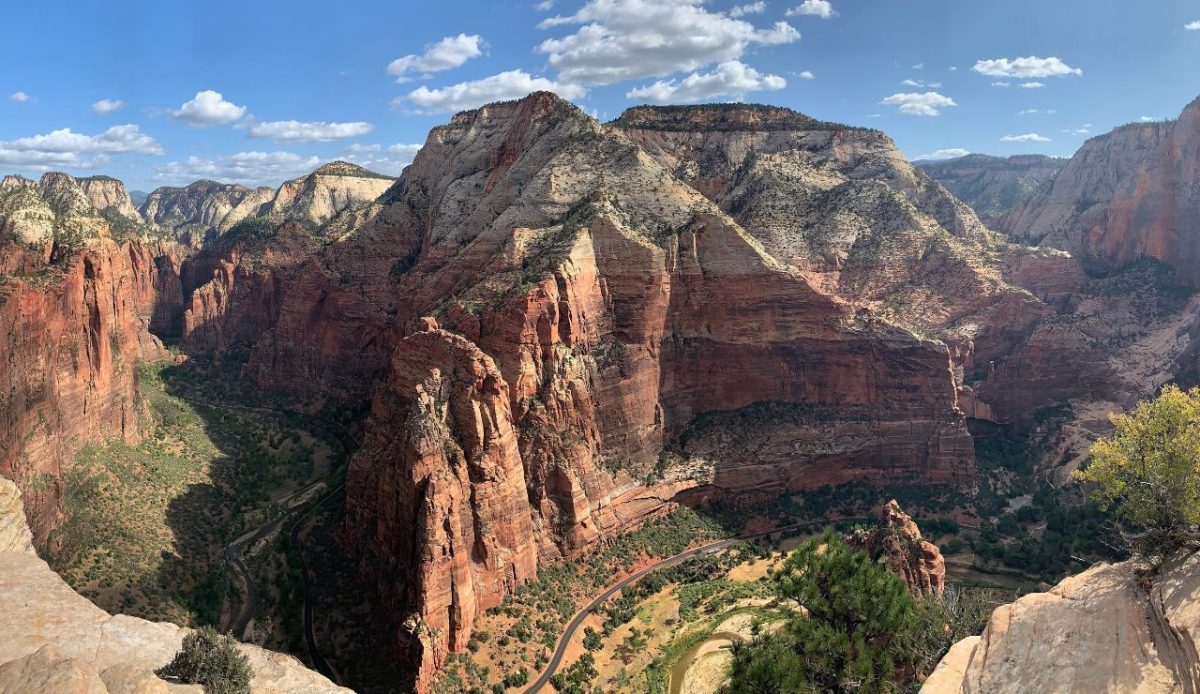
Angel’s Landing is famous for its thrilling ridgeline climb, but its narrow pathways and steep drop-offs make it one of America’s most dangerous hikes. Chains provide support, yet the exposed cliffs require steady nerves and careful steps. Crowds often build along the route, forcing hikers to wait or squeeze past others on narrow ledges. Loose gravel, strong winds, and sudden weather shifts increase hazards further. Despite these risks, the viewpoint at the top is spectacular. Proper planning, patience, and confidence with heights are essential for completing this challenging, high-adrenaline trail safely.
10. Devil’s Pool, Victoria Falls
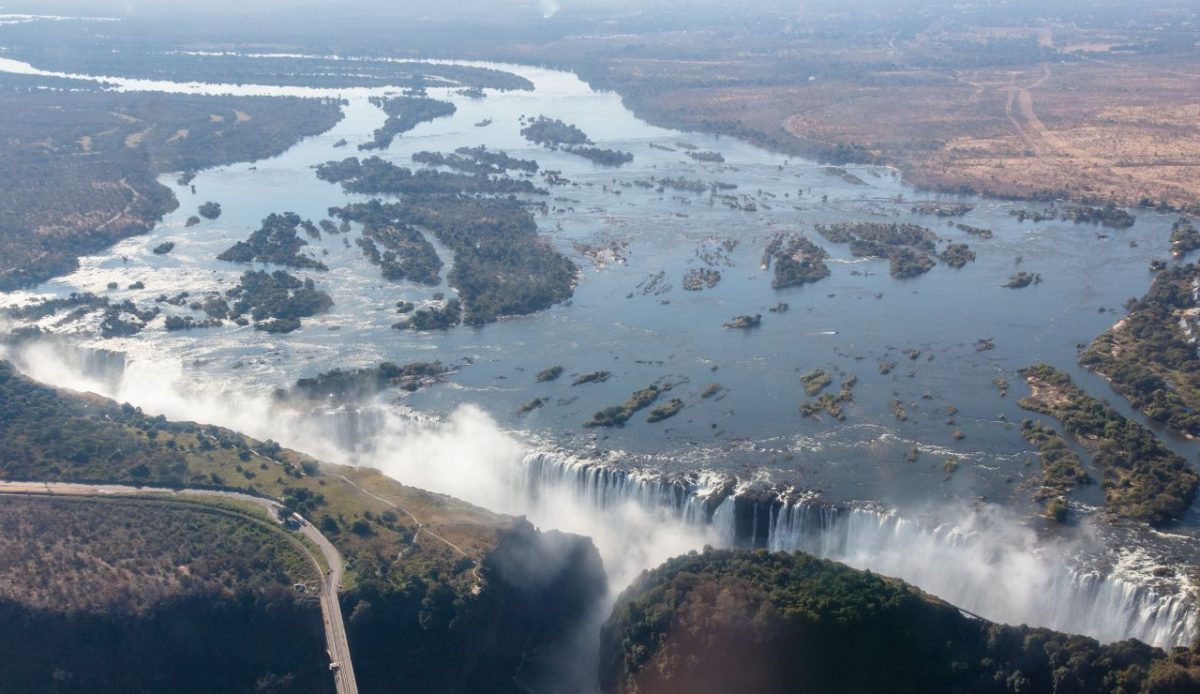
Devil’s Pool offers travelers the chance to sit at the very edge of one of the world’s largest waterfalls, but the experience is inherently risky. Water levels and currents shift quickly, making certain days unsafe even with guides. The rocks are slippery, and a misstep near the drop could be fatal. Access is limited to specific seasons when the flow is lower, but the danger never disappears entirely. Despite this, the view overlooking Victoria Falls is unforgettable and continues to draw thrill-seekers. Following safety instructions and trusting guides is crucial for enjoying this extreme natural attraction safely.
