
Las Vegas constantly replaces older properties with bigger and brighter resorts, and many landmark hotels have disappeared in the process. These vanished addresses once drew celebrities, high rollers, and loyal guests who returned for familiar showrooms and gaming floors. Their closing dates often marked turning points as the Strip moved toward larger projects and higher room counts. Looking back at them explains how casino culture shifted from compact properties to full entertainment complexes. Each of these eight hotels helped define an era before giving way to a very different vision of Las Vegas.
1. Stardust Hotel and Casino
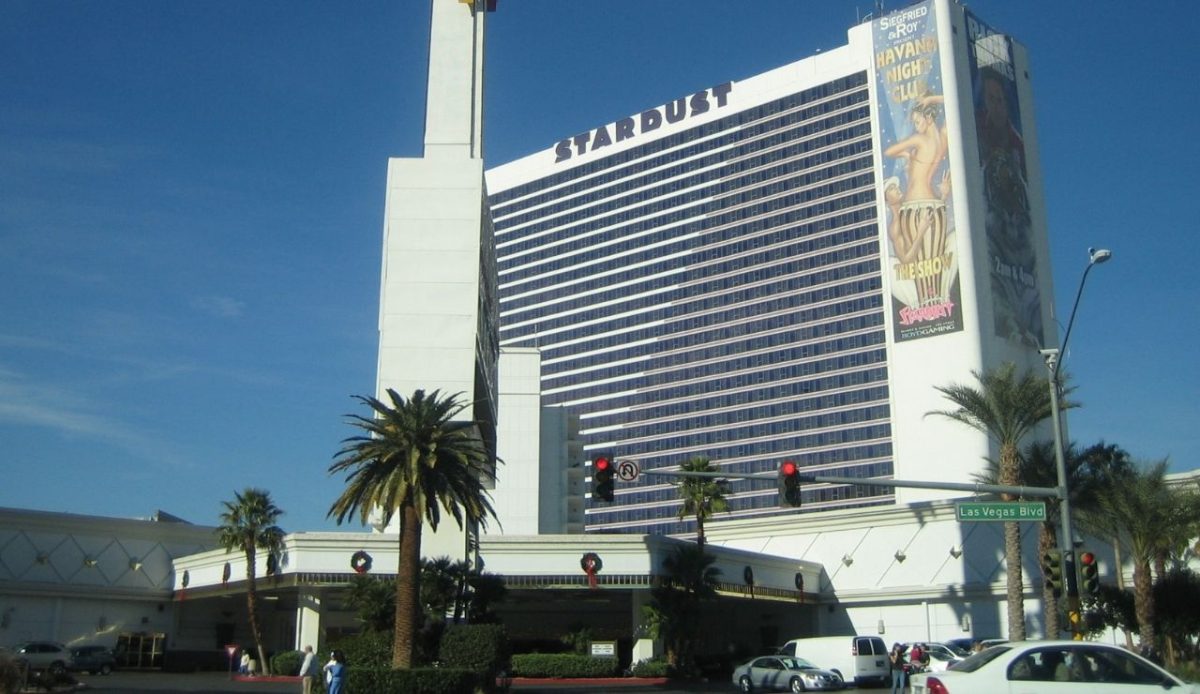
The Stardust became one of the Strip’s most recognizable resorts, known for its huge roadside sign and strong focus on gambling. For decades, it attracted guests who liked straightforward casino floors, long-running shows, and a familiar atmosphere. As new megaresorts arrived with bigger entertainment budgets and modern rooms, the property struggled to compete. Owners eventually decided the land was worth more than another renovation. The Stardust closed in 2006 and was later imploded, ending a long chapter of classic casino history on a busy stretch of Las Vegas Boulevard for gamblers.
2. Riviera Hotel and Casino
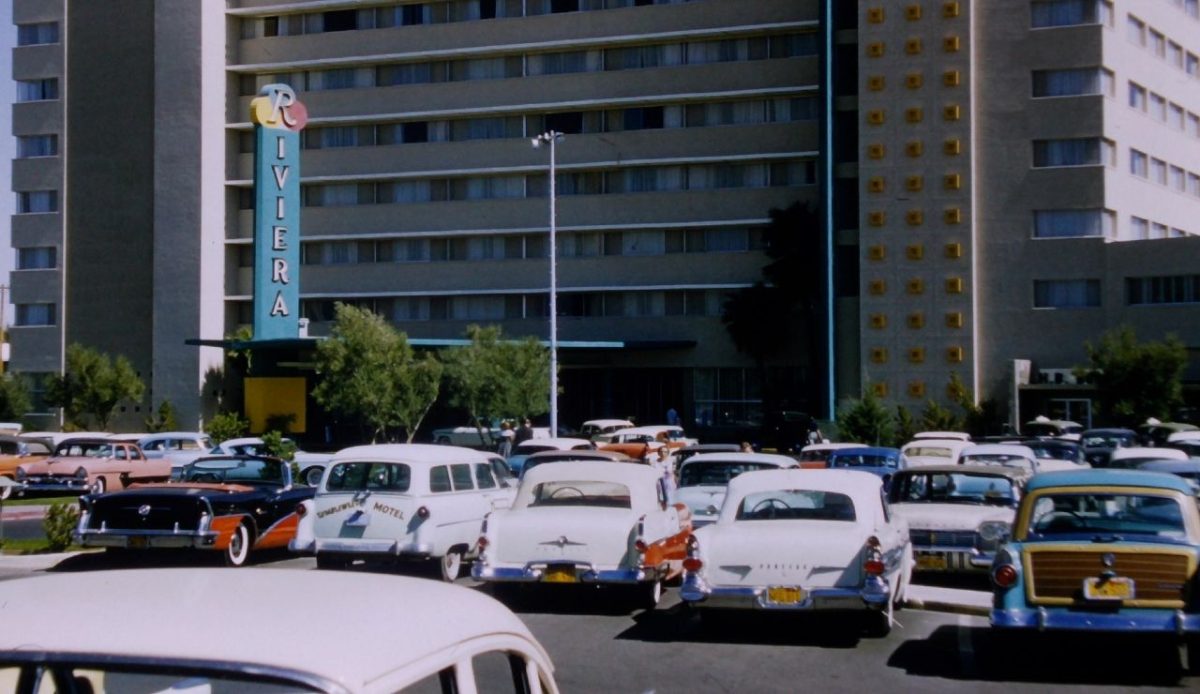
The Riviera opened in 1955 and quickly gained attention for bold entertainment and sleek midcentury style. Its showrooms hosted major performers, helping shape the character of the northern Strip. Over time, visitor traffic shifted south toward newer resorts clustered around major intersections, leaving the Riviera less central. Attempts to update rooms and branding could not reverse that long trend. The hotel finally closed in 2015 and was demolished soon after to support convention expansion, removing one of the last large reminders of early high-rise resort development on the Las Vegas Strip.
3. Sands Hotel and Casino
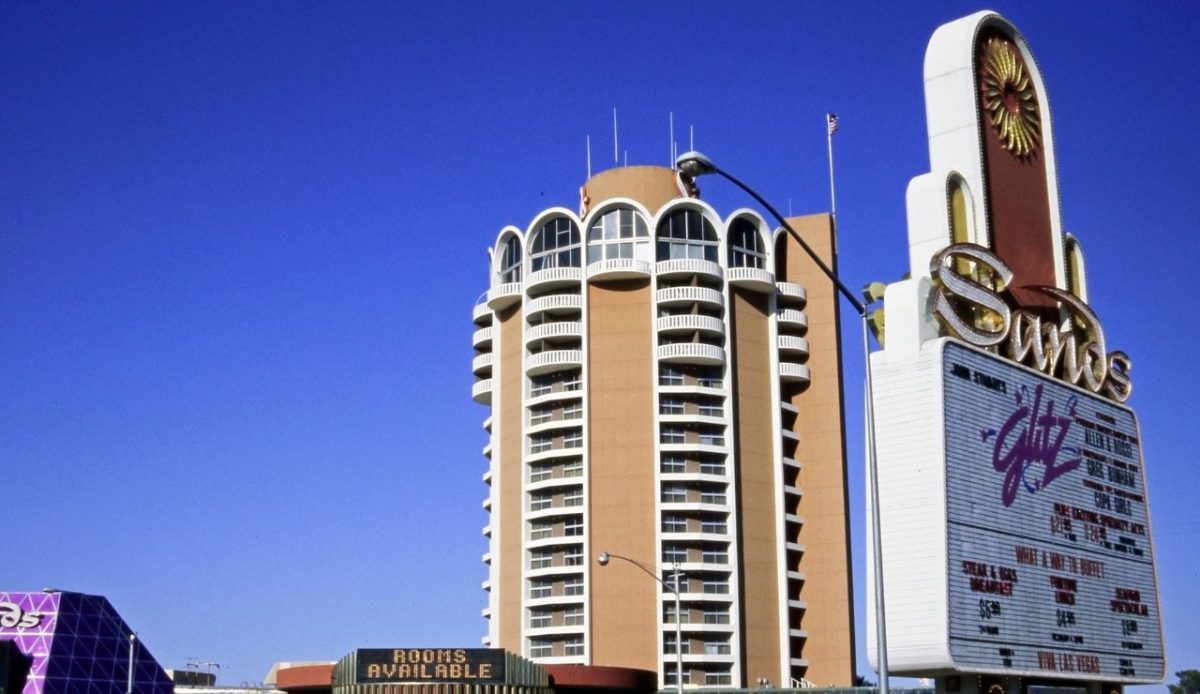
The Sands became closely associated with classic Las Vegas glamour during the 1950s and 1960s. Stars performed in its Copa Room, drawing guests who wanted refined nightlife instead of simple gambling halls. As time passed, the Sands faced competition from resorts with larger casinos, extensive dining options, and broader entertainment. Its physical footprint limited expansion and modern redesign. The Sands closed in 1996 and was imploded to clear the site for the Venetian. That change illustrated how intimate luxury properties gave way to themed megaresorts that targeted far larger volumes of visitors.
4. Dunes Hotel and Casino
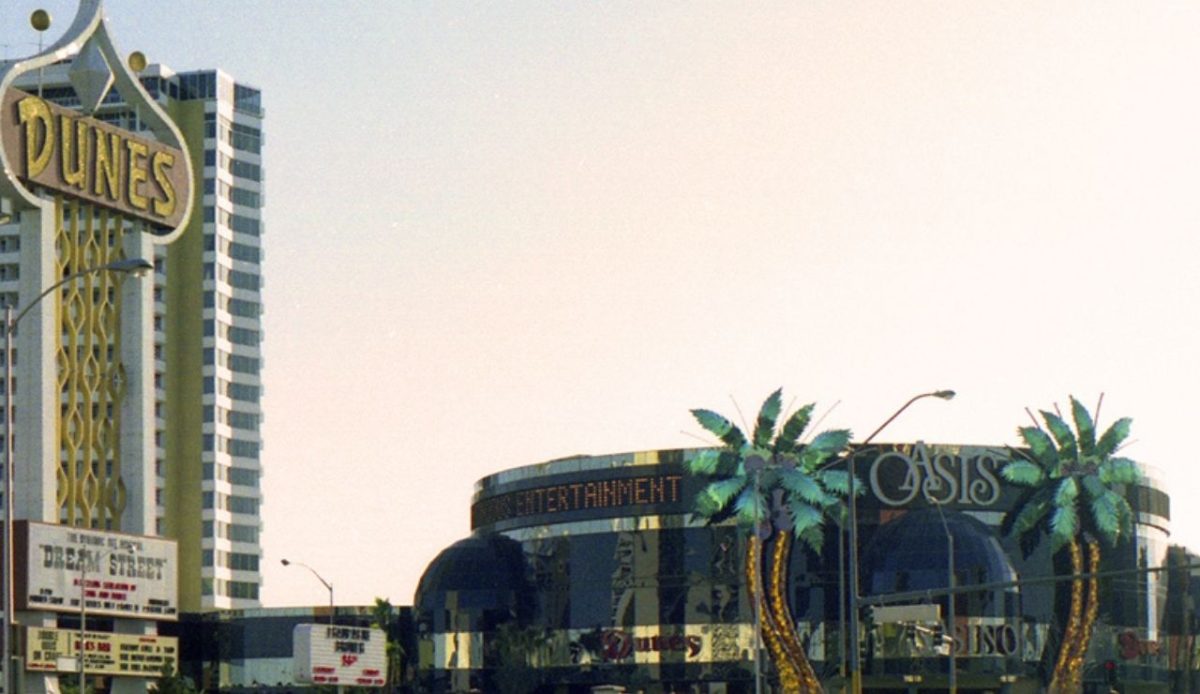
The Dunes rose to prominence with its dramatic sign, exotic styling, and reputation for high-end play. It attracted wealthy guests and promoted ambitious floor shows that helped build its image. By the late twentieth century, its casino and hotel towers looked dated compared with newer neighbors offering modern layouts and large amenity packages. Ongoing financial problems followed, and the resort eventually closed in 1993. Its televised implosion cleared space for the Bellagio, signaling a decisive shift toward ultra-polished resorts centered on dining, water features, and carefully staged visual experiences for visitors.
5. Desert Inn
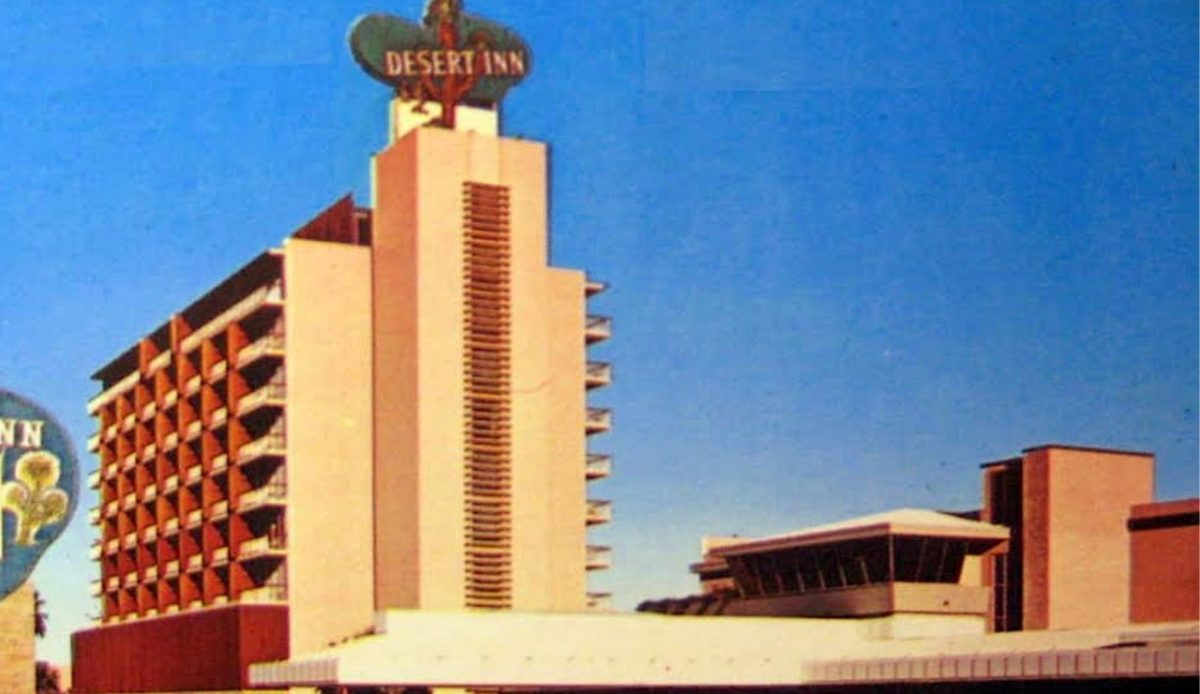
The Desert Inn opened in 1950 and developed a reputation for quiet refinement, golf courses, and attentive service. It attracted entertainers, executives, and returning guests who preferred privacy to spectacle. For many years, the property symbolized a more personal version of Strip luxury. As newer resorts emphasized huge casinos, shopping promenades, and themed architecture, the Desert Inn began to feel undersized. Redevelopment pressure steadily increased. The hotel closed in 2000 and was later demolished so the site could be reused for the Wynn and Encore, two much larger modern luxury resorts.
6. New Frontier Hotel and Casino
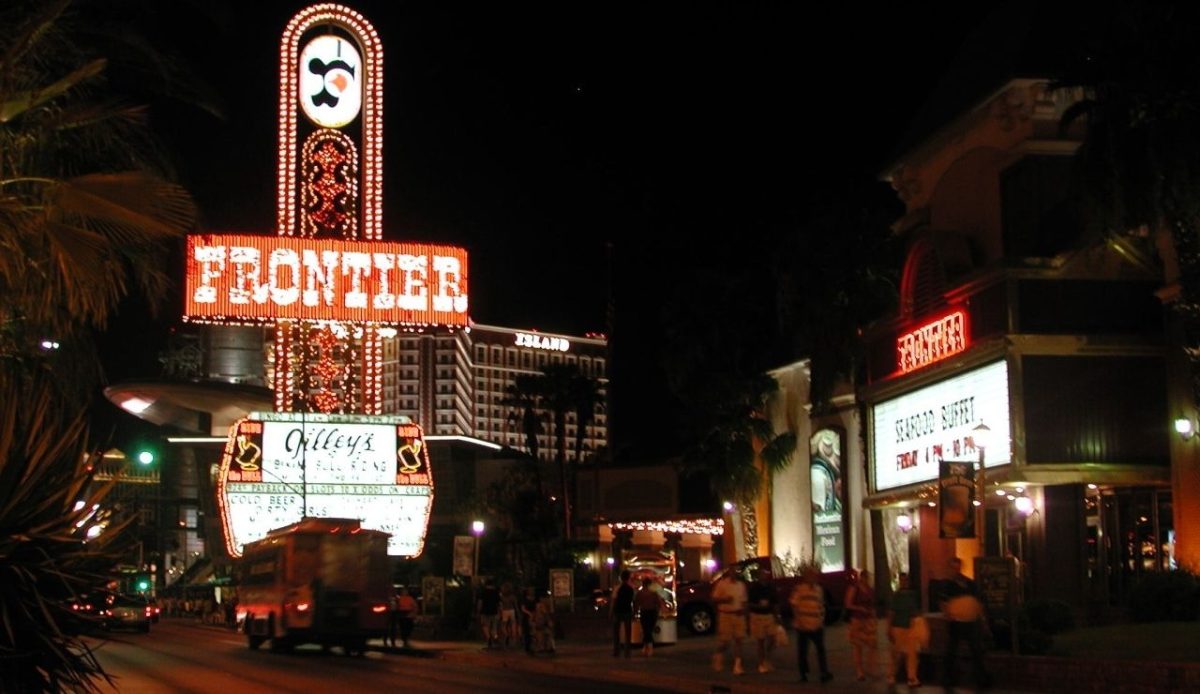
The New Frontier traced its history to the earliest days of the Strip and operated under several different names. It hosted notable performers and witnessed major changes in how visitors experienced Las Vegas. Even with periodic renovations, its basic structure limited serious expansion. Competing resorts nearby offered larger convention areas, broader dining choices, and more striking design. As land values increased, rebuilding became more attractive than another refresh. The New Frontier closed in 2007 and was demolished that same year, leaving a blank parcel that highlighted rising expectations for Strip real estate.
7. Aladdin Hotel and Casino
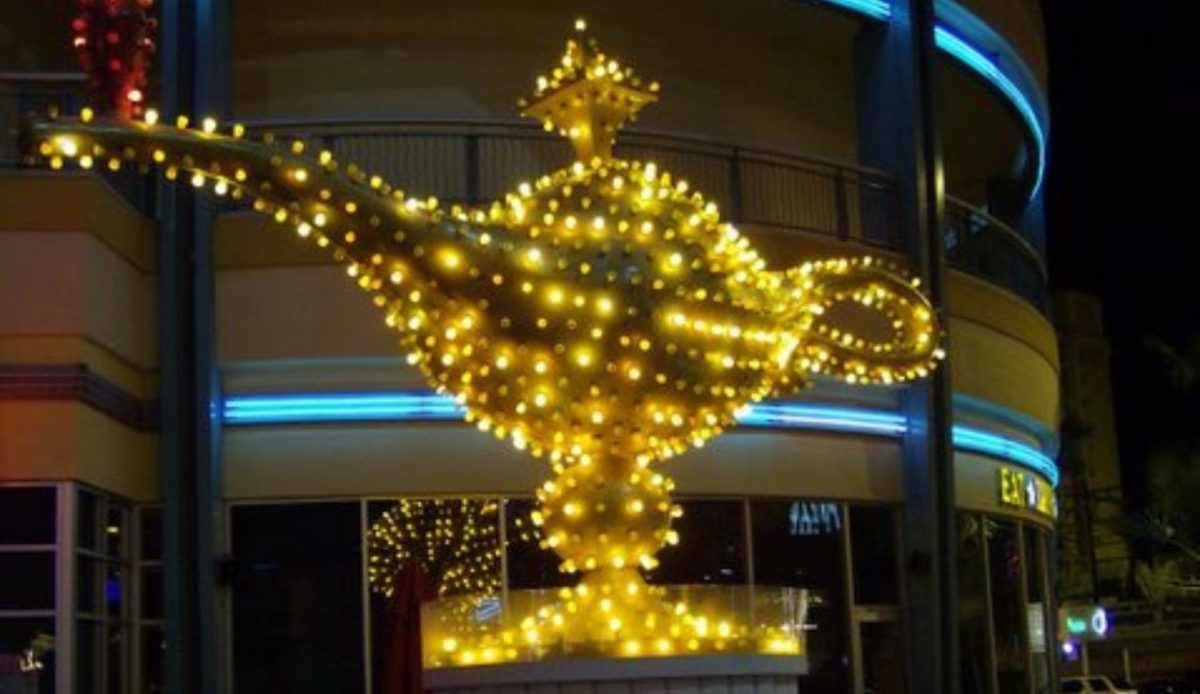
The Aladdin stood out for its themed decor and ambitious entertainment plans, aiming to provide guests with a fantasy setting along the Strip. Despite that strong visual identity, the hotel faced frequent ownership changes and long-running financial issues. Renovations produced short-lived improvements but never secured lasting stability. Visitor expectations shifted toward integrated resorts with stronger retail, dining, and performance lineups. The Aladdin closed in 1998, later reopened under different management, and ultimately shut down before the site became Planet Hollywood. Its disappearance marked the end of the original Aladdin’s themed presence.
8. Boardwalk Hotel and Casino
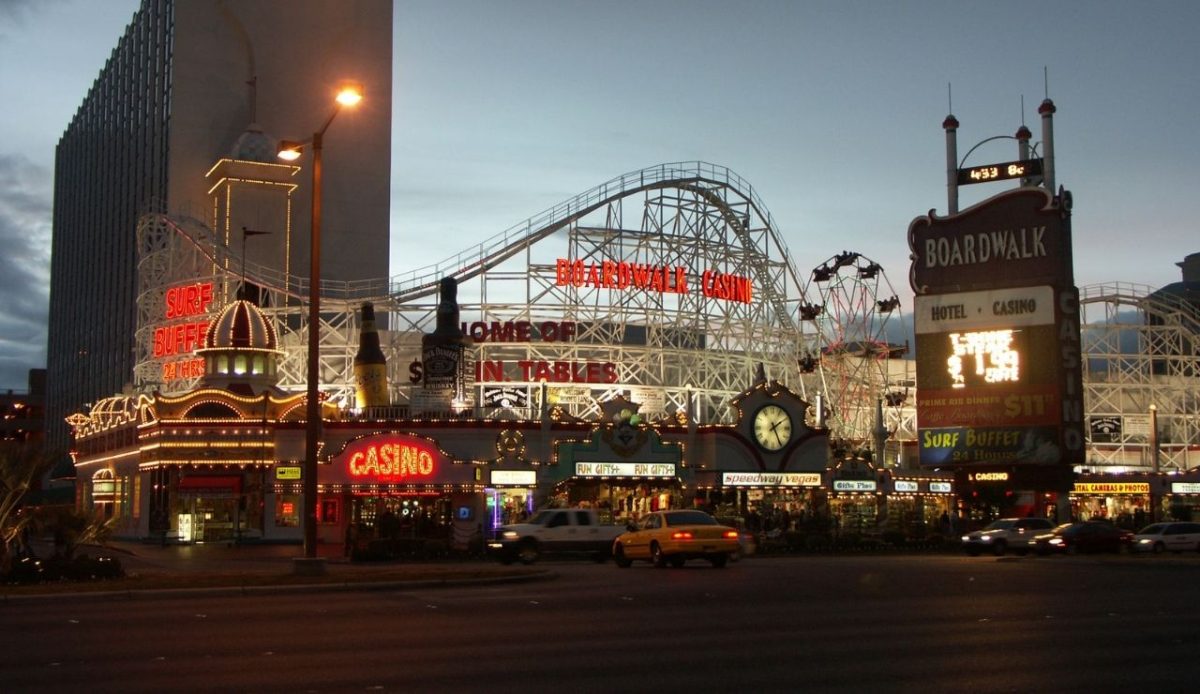
The Boardwalk occupied a prime section of the Strip near future large-scale developments and appealed to guests seeking lower prices and a casual atmosphere. Its carnival-style facade and manageable size contrasted sharply with neighboring luxury towers. While many visitors appreciated that approachable feel, the property generated less revenue per square foot than high-end projects planned nearby. Rising land values encouraged redevelopment. The Boardwalk closed in 2006 and was later demolished to make room for new construction, erasing a smaller, quirky chapter of Strip history beneath the expanding zone of megaresorts.
