
North America contains places that hold quiet but important stories about early communities, geology, and cultural movements. Many travelers pass them by because they lie far from major routes or receive less attention than large national parks. Each site reflects work carried out by ancient groups, natural forces that altered terrain, or art that still appears on stone in open landscapes. Visitors who reach these locations observe details without pressure from crowds. The settings help explain trade, belief systems, and early life forms that influenced this part of the world over long periods of time.
1. Monumental Earthworks of Poverty Point, Louisiana, USA
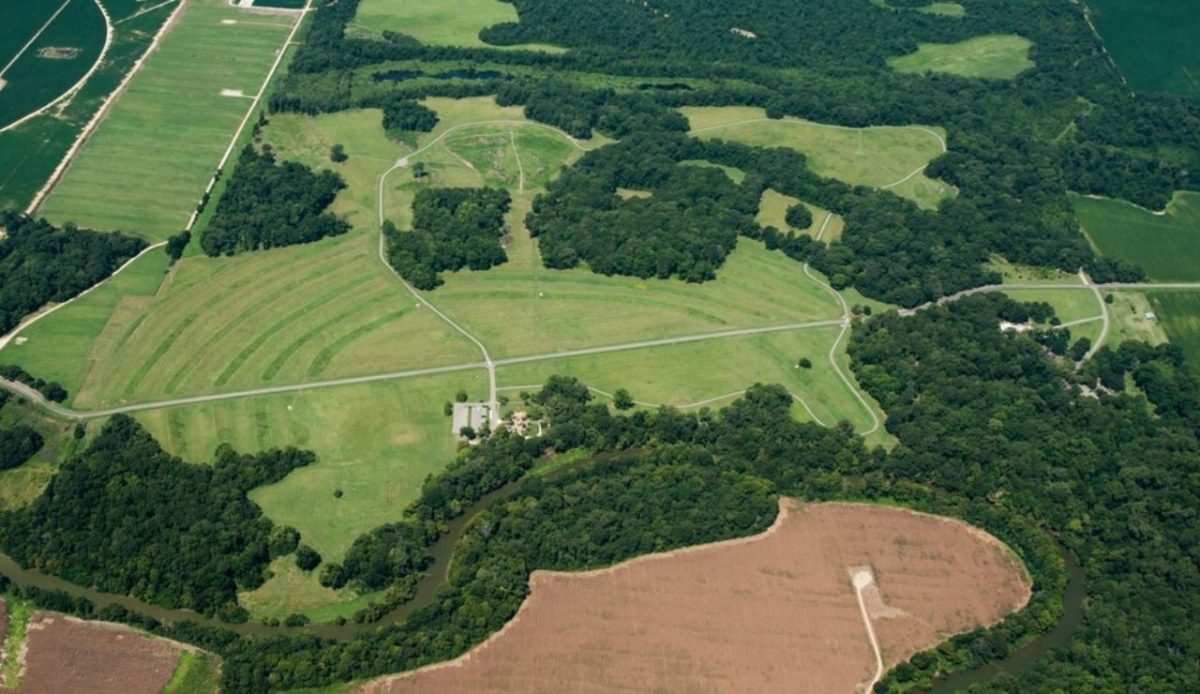
This complex reveals how an organized community built long ridges and large mounds using soil carried by hand thousands of years ago. Curving earthworks outline areas believed to support gatherings and regional trade across distant lands. Visitors following raised paths observe patterns in the ground that reflect planning methods not usually linked with groups lacking metal tools. Items from faraway regions were recovered here, pointing to strong exchange networks. The calm atmosphere allows travelers to focus on the form of the ridges and understand how this community managed large projects with modest resources.
2. Cahokia Mounds State Historic Site, Illinois, USA
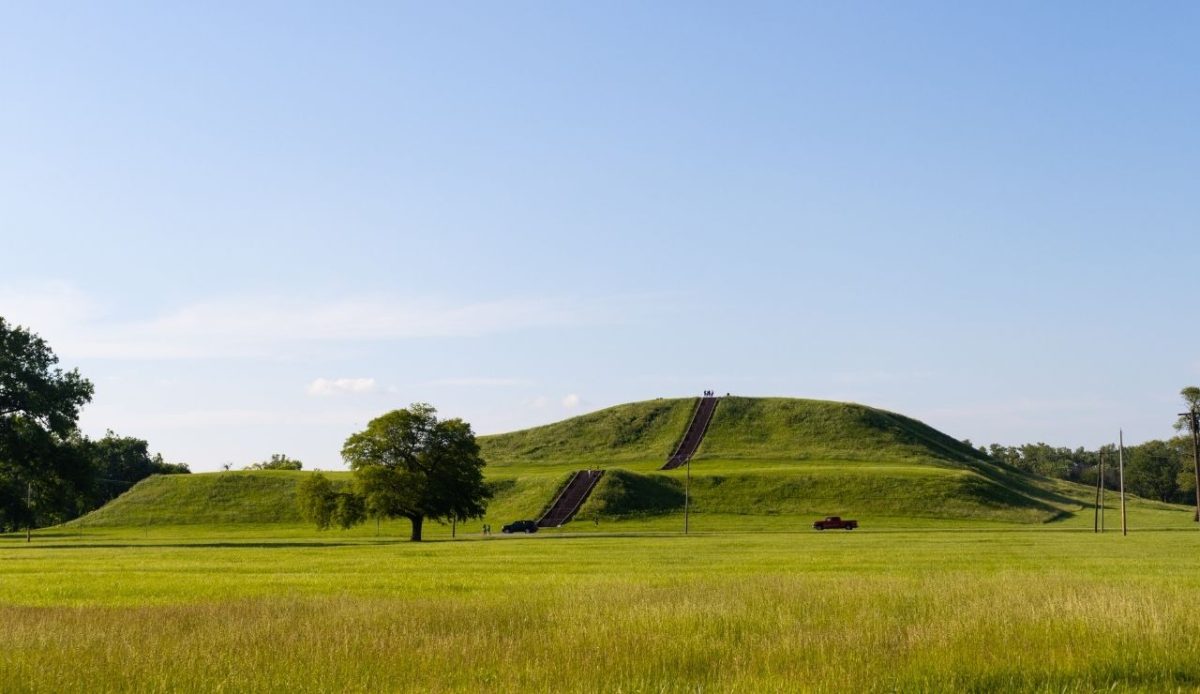
Cahokia presents what remains of a major pre-contact city that once supported large populations. The central mound rises above fields where homes, plazas, and work areas stretch across a wide area. Evidence of farming, craftwork, and distant trade signals broad regional influence. Walkways guide travelers between spaces once used for daily routines, while museum exhibits explain how discovered materials connect to food, ceremony, and community life. Cahokia challenges common views about early settlements, showing how planning, agriculture, and shared labor supported a city that grew long before European arrival.
3. San Antonio Missions, Texas, USA
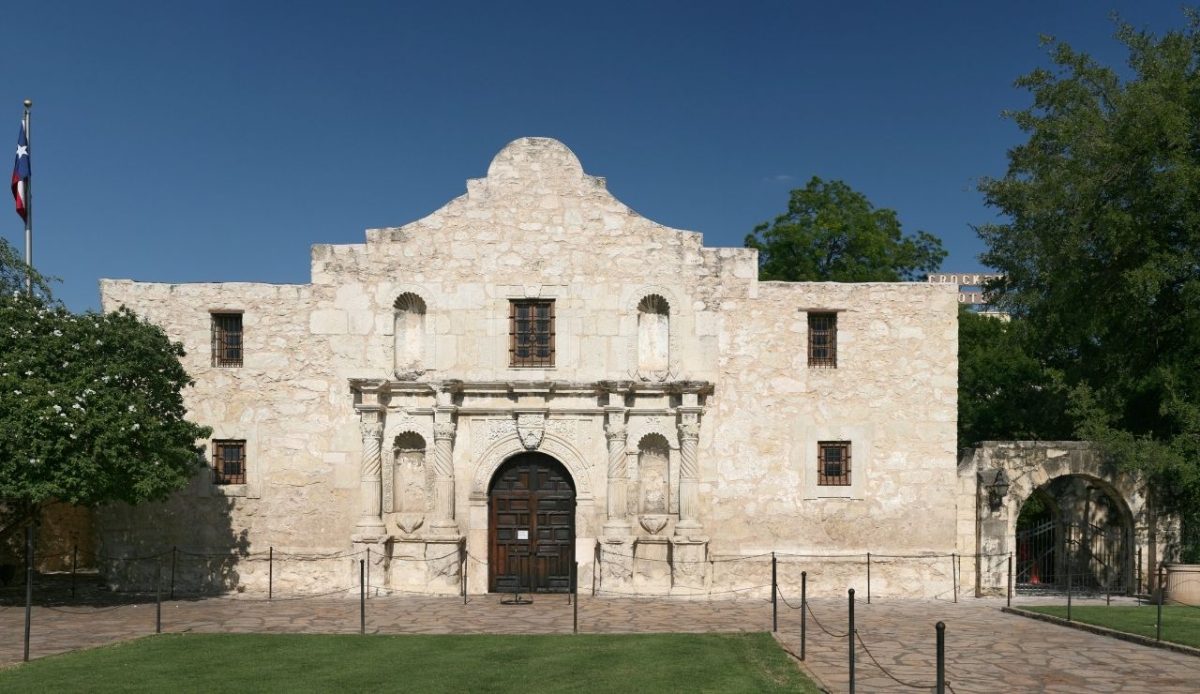
Placed along the San Antonio River, these missions supported local groups and Spanish settlers during a period marked by cultural contact and shifting regional control. Each complex includes a church, living quarters, and work areas that reveal how communities organized labor, worship, and daily routines. Travelers following the trail between the missions see arches, stone carvings, and courtyards that highlight differences in design and purpose. Active parish life at some locations adds present-day context, showing how these structures continue to serve surrounding neighborhoods while preserving their early architectural character.
4. Gros Morne National Park, Newfoundland and Labrador, Canada
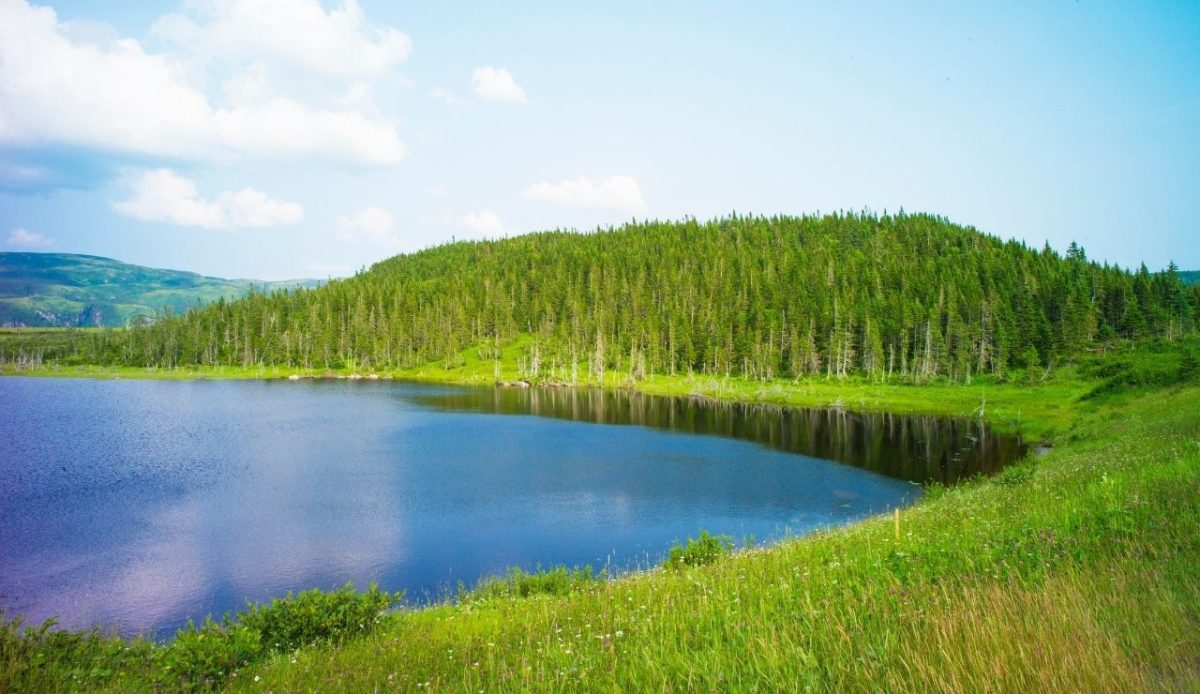
The park displays coastal cliffs, deep fjords, and exposed rock forced upward by strong geologic pressure in the distant past. Trails cross the Tablelands, where orange rock creates a rugged landscape with limited vegetation due to mineral content. Boat trips into freshwater fjords reveal steep rock faces rising from calm water, with scenes shifting as sunlight changes through the seasons. Travelers who move between coastal paths and high viewpoints observe large variations in terrain. The park’s remote position supports a quiet experience, helping visitors examine landforms and understand how heat and pressure altered rock layers.
5. Joggins Fossil Cliffs, Nova Scotia, Canada
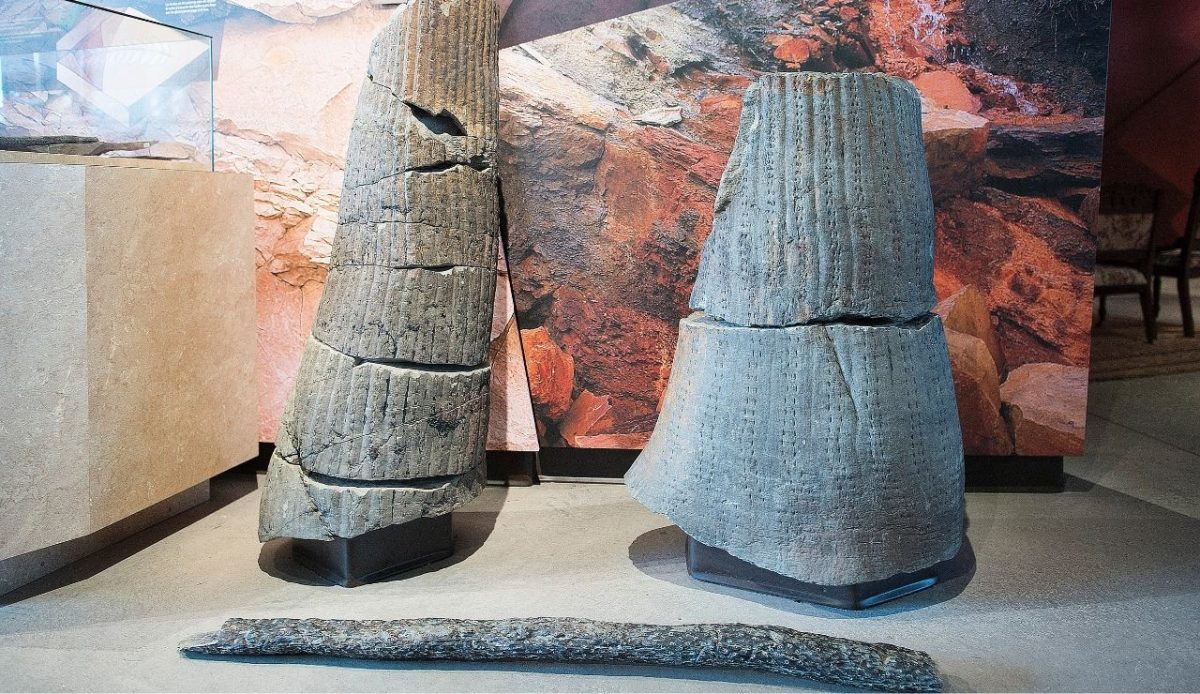
These cliffs extend along the Bay of Fundy, where powerful tides uncover layers containing impressions of plants, roots, and early creatures from the Carboniferous period. Guided walks explain how fallen trees, river channels, and shifting shores produced stacked layers now visible in the cliff face. Fossils appear directly in the rock where erosion reveals new surfaces, allowing travelers close views of early life traces. Because the cliffs change through natural processes, visitors may notice features uncovered only recently. The site serves as an outdoor archive that links scientific research with the surrounding terrain.
6. Miguasha National Park, Quebec, Canada
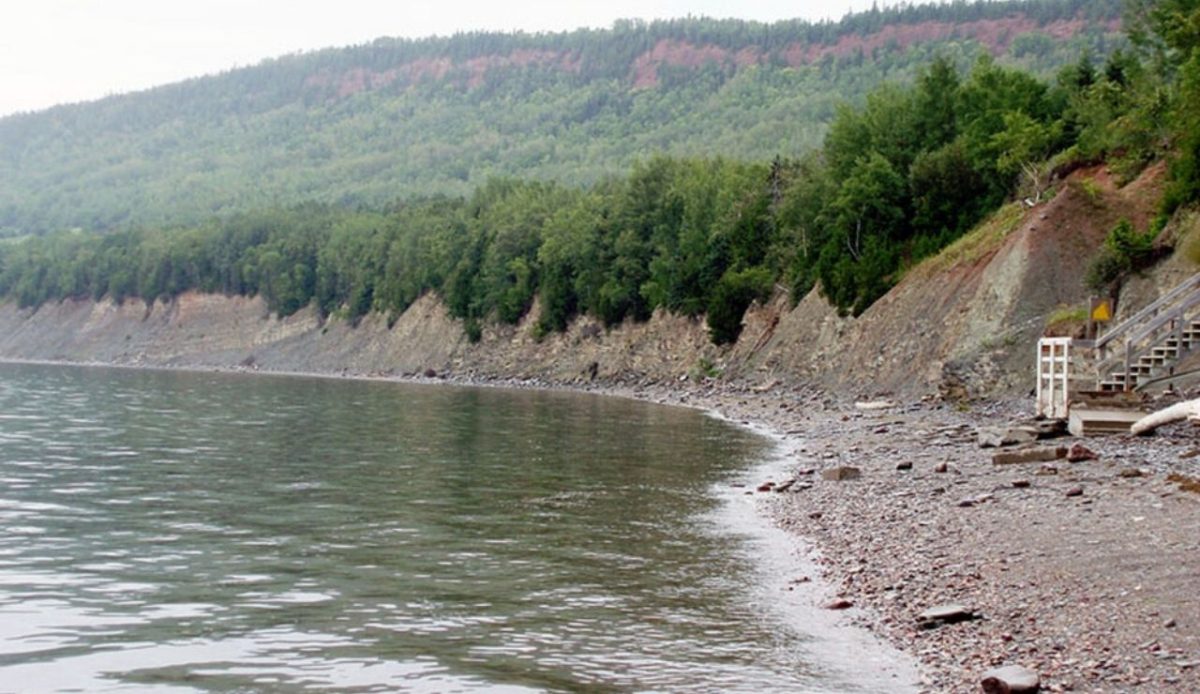
Miguasha lies along a quiet shoreline where cliffs contain layers from the Devonian period. A boardwalk leads visitors beside rock faces holding well-preserved fish fossils, including species marking early steps toward limb development. The museum nearby displays specimens gathered during careful study, helping travelers understand how ancient seas influenced the region. The cliffs weather gradually, uncovering new material as wind and water remove thin layers. The peaceful setting allows people to compare features in the rock with those in the exhibits, reinforcing how discoveries in the field support ongoing scientific work.
7. Writing on Stone Áísínai’pi, Alberta, Canada
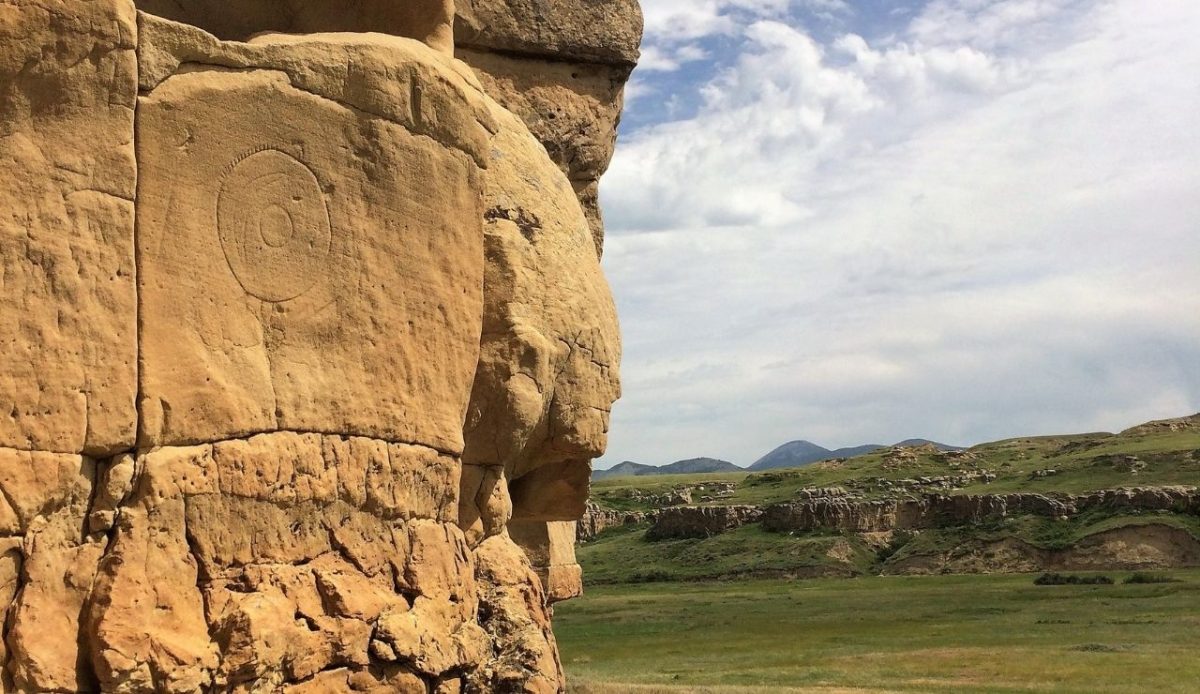
This cultural landscape stretches across a dry valley lined with eroded formations and wide grassland. Rock art created by Blackfoot peoples remains on sandstone walls, showing scenes linked to stories, movement, and spiritual traditions. Guided walks help travelers understand why the valley held meaning and how the rock surfaces provided suitable places for carving and painting. Tall formations and an open horizon create a setting that supports careful viewing of the markings. Because the area remains quiet, visitors focus on individual details and gain a clearer sense of how people engaged with this land.
8. Papahānaumokuākea, Northwestern Hawaiian Islands, USA
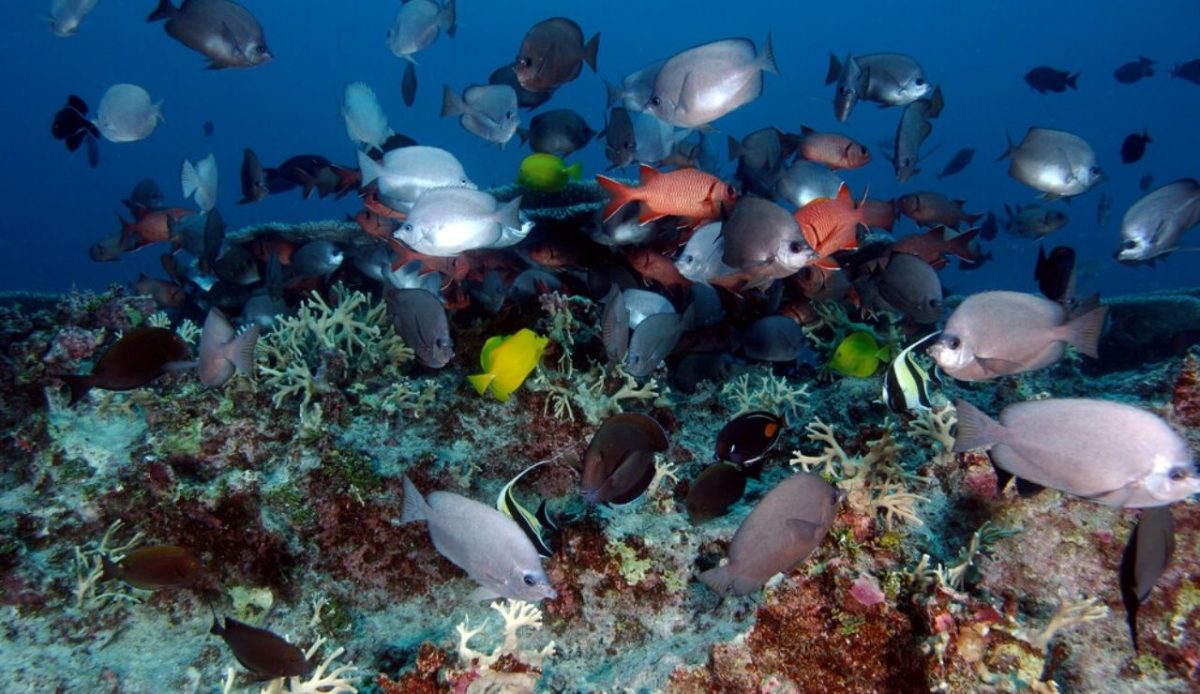
This protected area covers distant atolls and reefs with rare species and deep cultural ties for Native Hawaiians. Access is limited, so most travelers learn about the site through centers on the main islands or through updates from research teams working offshore. Old volcanic islands, worn down over time, leave coral structures supporting birds, fish, and monk seals. Cultural traditions tied to navigation, sea routes, and ceremonial practice remain central to its meaning. The remote location offers protection for wildlife while maintaining its role in cultural history and long-standing maritime knowledge.
9. Colonial City of Santo Domingo, Dominican Republic
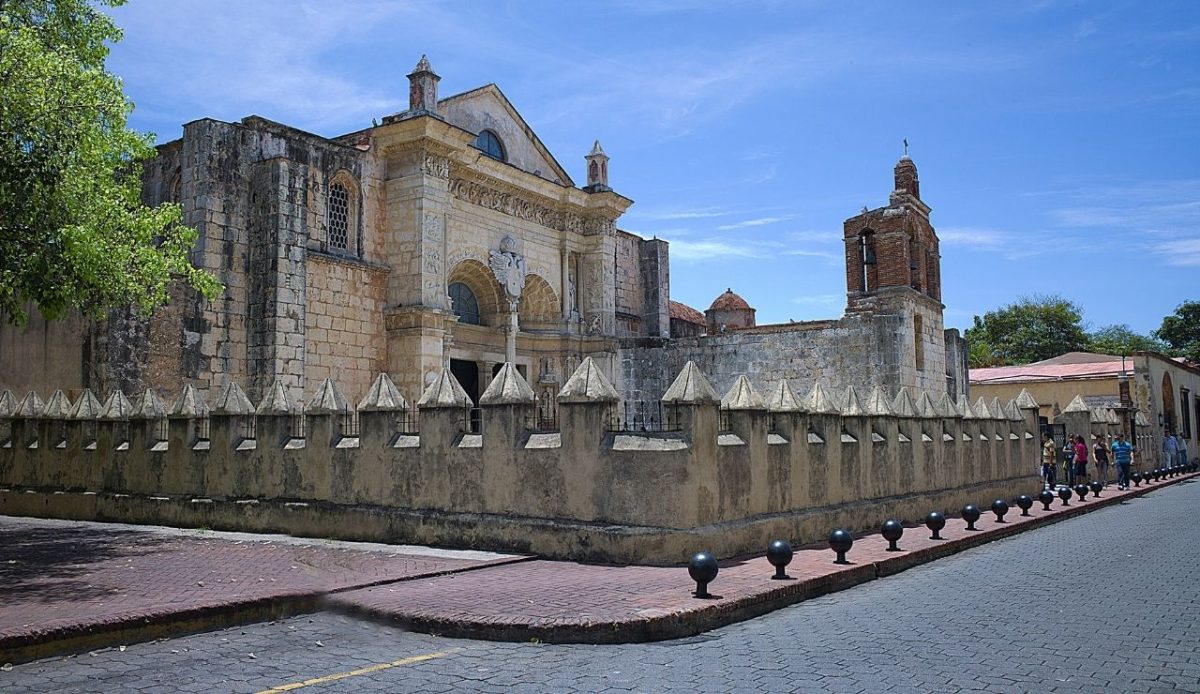
The historic district contains early stone buildings, narrow lanes, and plazas linked to the start of European settlement in the Americas. Structures such as the cathedral and monastery ruins show building methods adapted to the climate and available materials. Travelers walking the grid layout encounter courtyards, arches, and museums that explain changes across five centuries. Restored areas appear beside older surfaces, helping visitors understand how the city changed through periods of expansion and decline. The compact scale allows comfortable movement between major landmarks and side streets that retain long-standing character.
