
Some US airports earn steady praise from travelers who highlight clean terminals, quick lines, and views that make arrivals memorable. Pilots, however, see details that passengers rarely notice, including runway length, terrain, wind behavior, and procedures that influence each phase of flight. These factors shape how crews prepare for approaches and departures, especially at older airfields or those surrounded by mountains or tight urban layouts. While travelers often rank these airports among their favorites, pilots approach them with caution because one shift in conditions can change how the aircraft responds. That contrast explains why popularity often differs so sharply between the cabin and the cockpit.
1. San Diego International Airport, California
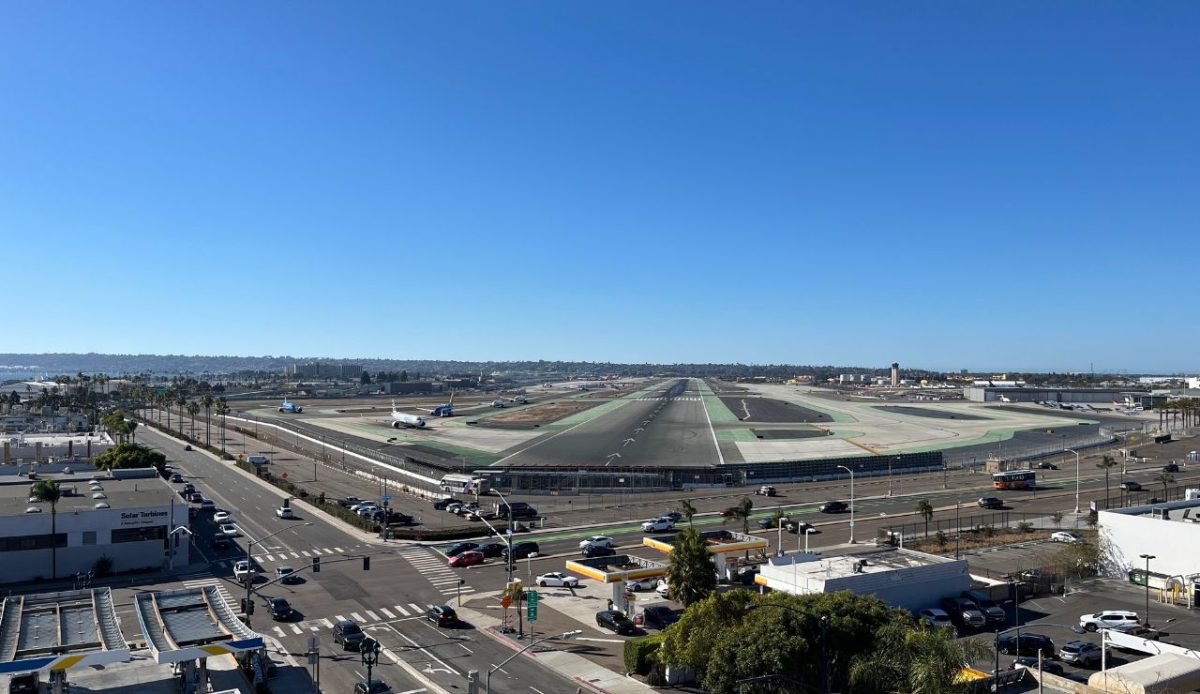
Travelers enjoy San Diego because it feels close to everything. People move from the gate to downtown in minutes, and window seat passengers often mention the colorful approach over the bay. The compact layout appeals to those who prefer simple navigation through the terminal, and frequent flyers note how little time they spend waiting for baggage. Pilots see limited room for adjustments during arrival because buildings stand close to the final path and coastal winds shift quickly. With only one runway supporting all traffic, a change in surface conditions can influence braking distance. That blend of convenience and narrow margins keeps pilots attentive throughout each phase of flight.
2. Aspen-Pitkin County Airport, Colorado
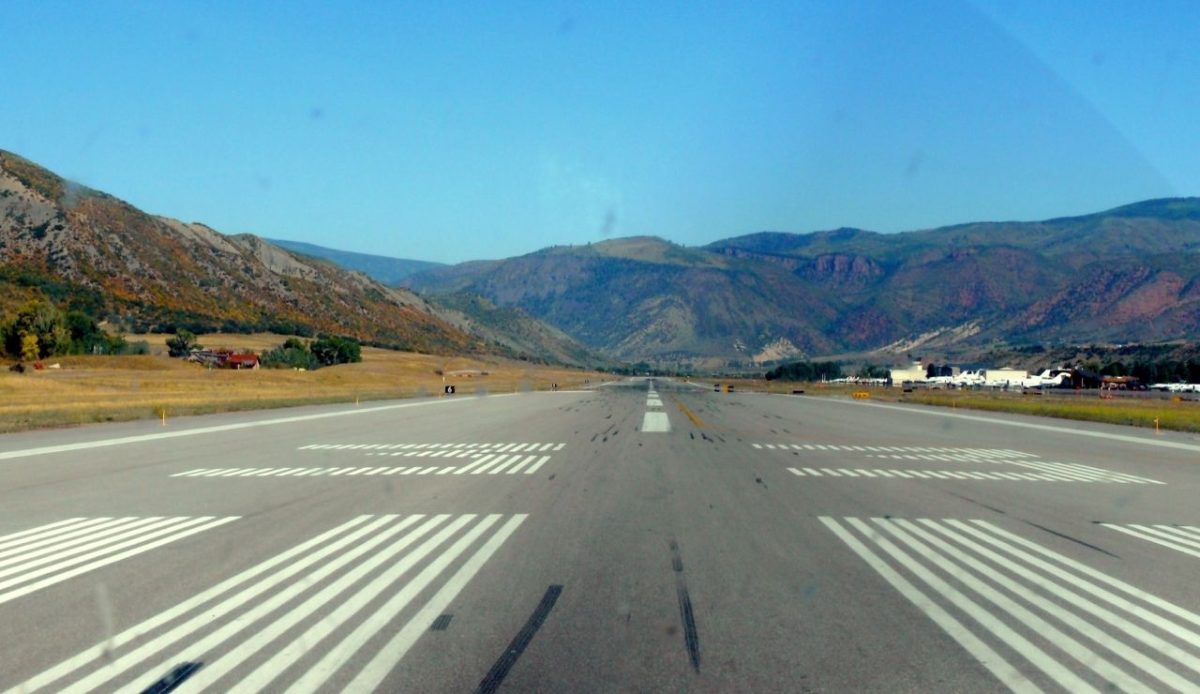
Visitors enjoy the quiet feel of Aspen’s terminal and the short ride to ski areas, which makes the airport part of the trip for many winter travelers. People often note how striking the valley looks as the aircraft descends, and the compact layout adds to the sense of calm on arrival. Pilots work with a far more demanding environment shaped by steep terrain and limited approach options. Altitude reduces engine strength, affecting climb rates during departure, and fast weather shifts can change visibility within minutes. These conditions require crews to review each phase of the flight carefully before committing to the route.
3. John Wayne Airport, California
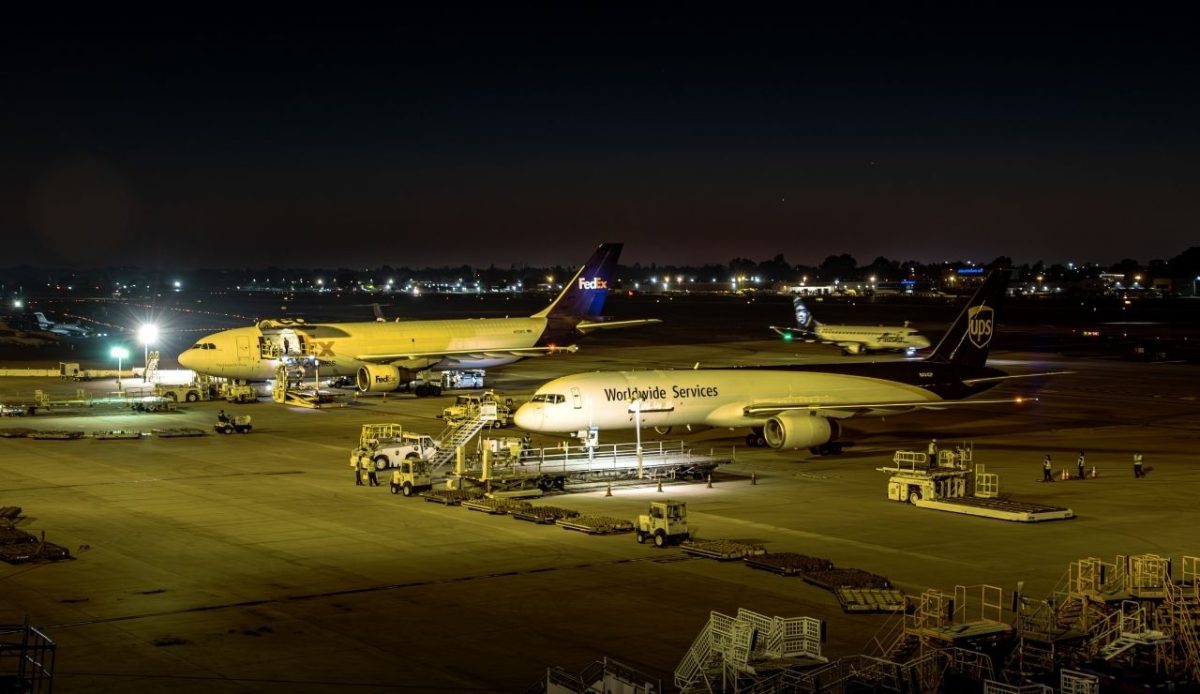
Travelers mention how easy it feels to move through John Wayne compared with larger Southern California airports. Parking areas remain close to the entrance, security lines shift quickly, and the short distance to coastal towns appeals to families and business travelers. Passengers often note how calm the terminal feels during busy months. Pilots, however, focus on the departure procedure that requires a power change shortly after liftoff to meet local noise rules. This affects how they manage pitch and thrust at a point when aircraft handling must remain steady. The runway length adds another factor, leaving crews with limited room to adjust if conditions change during the takeoff roll.
4. LaGuardia Airport, New York
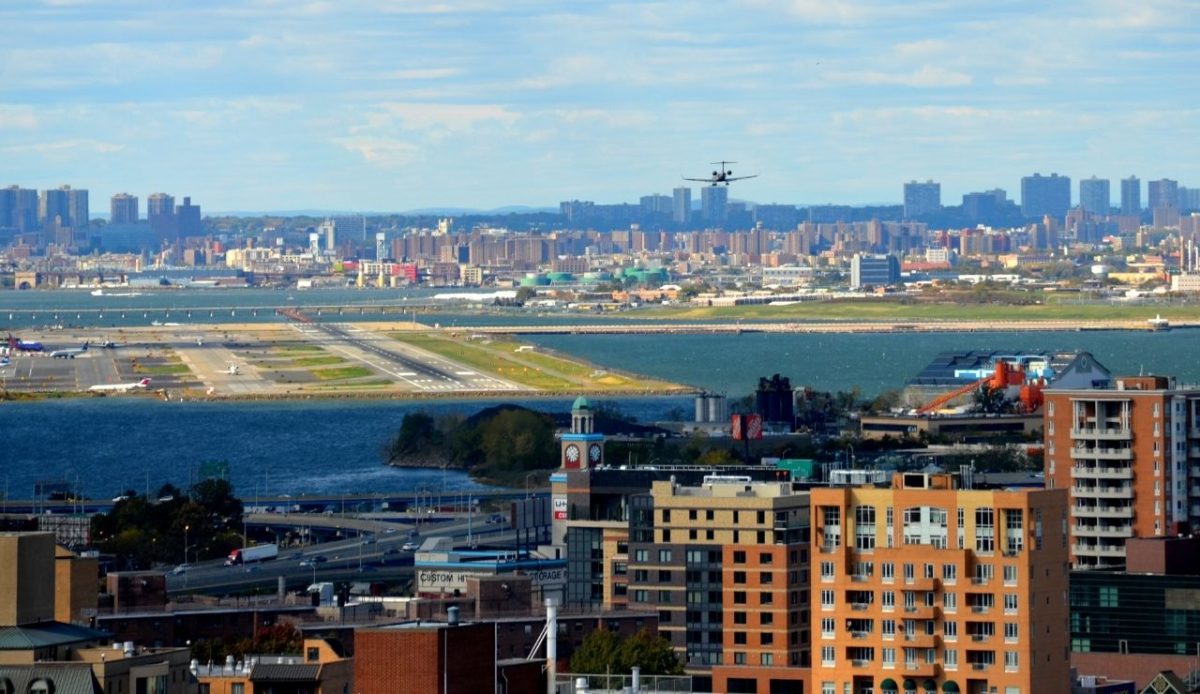
LaGuardia’s modern terminal upgrades improved the passenger experience significantly. Travelers post about the open spaces, improved lighting, and easier movement between concourses. Many now list it as their preferred airport for domestic trips because the rebuilt spaces feel smoother and less rushed than in earlier years. Pilots continue to face the same tight airfield footprint, where short runways sit near bays and neighborhoods that limit maneuvering space. Heavy traffic compresses spacing between arrivals, and winter conditions create surfaces that require careful speed control.
5. Juneau International Airport, Alaska
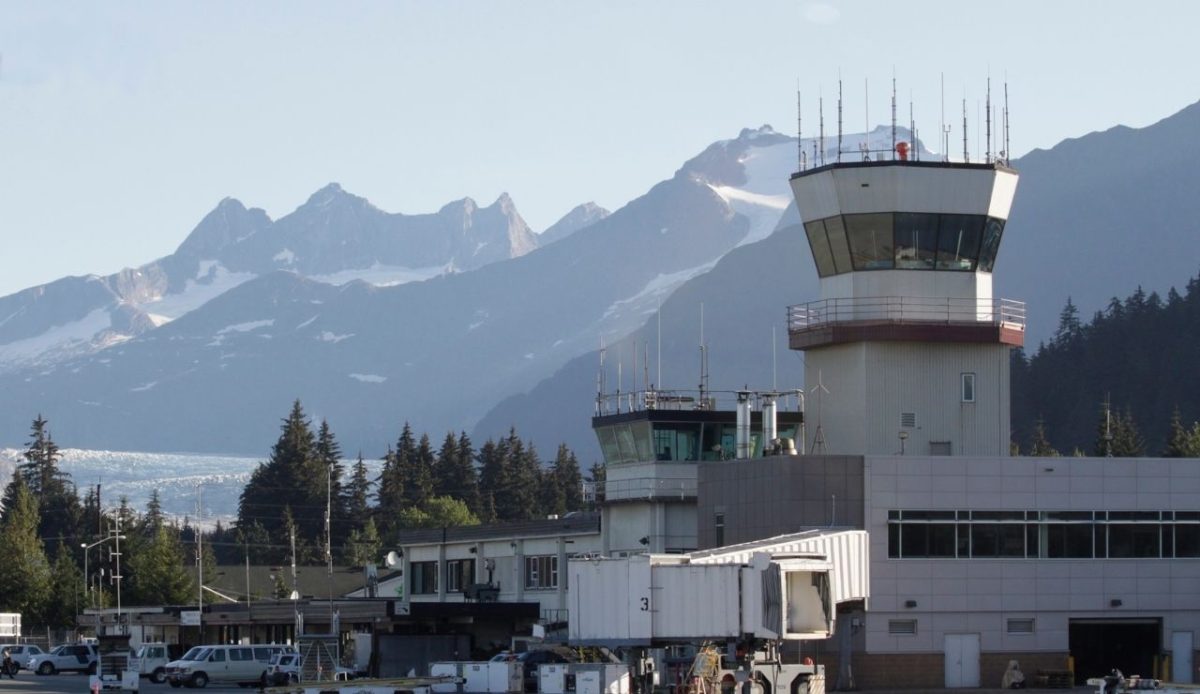
Passengers often share videos of the dramatic approach through the mountains, calling it one of the most scenic entries into Alaska. The size of the terminal makes navigation simple, and travelers frequently highlight how friendly the staff is during busy cruise seasons. Pilots view Juneau differently because the valley limits maneuvering space and channels wind in ways that influence aircraft stability. Weather patterns change within minutes, converting a clear path into a low-visibility arrival. The proximity of high terrain requires strict attention to every altitude and heading change.
6. Chicago Midway International Airport, Illinois
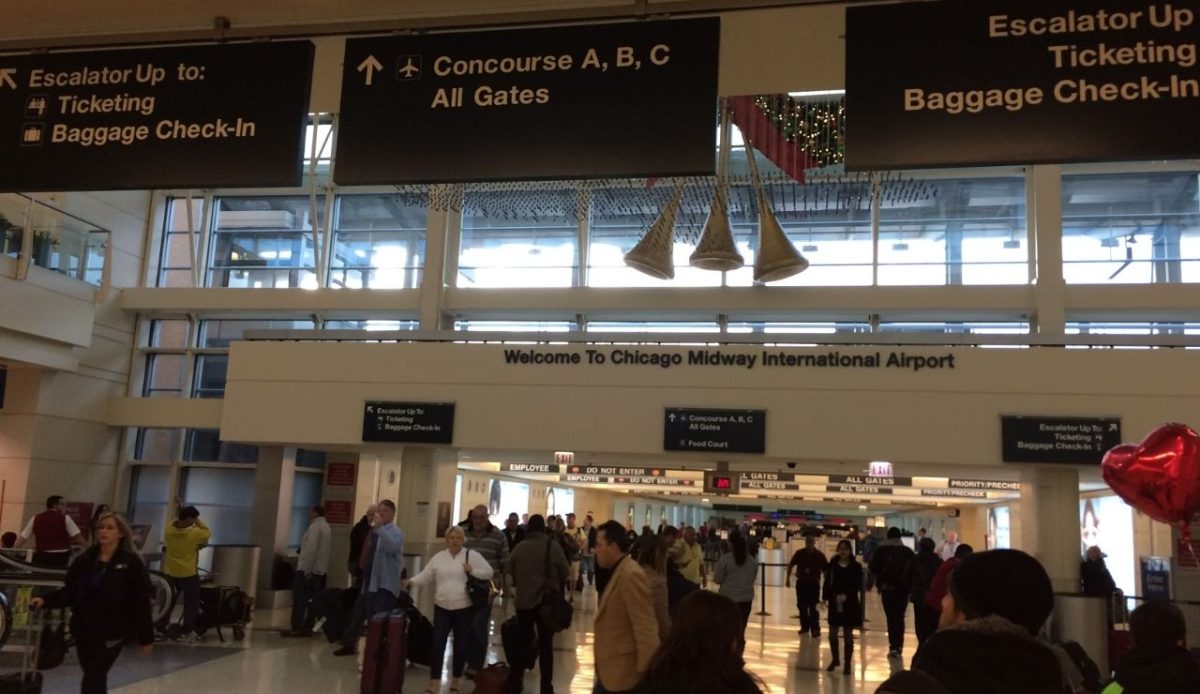
Midway appeals to travelers who want shorter walks, quicker boarding, and easier access from nearby neighborhoods. Many mention how parking and transit feel simpler than at the larger airport across the city. People appreciate the compact design and the direct routes into the terminal. Pilots must consider how the runways sit close to surrounding homes and businesses, leaving little room beyond the pavement. Snow, rain, or tailwinds influence how much distance remains for a safe stop, and the shorter layout limits flexibility during go-arounds. Traffic often arrives in steady waves, so crews plan each turn and speed change with little margin for variation, especially during winter.
7. Nantucket Memorial Airport, Massachusetts

Island visitors enjoy Nantucket’s calm layout, quick baggage claim, and the easy transition from terminal to local roads. Many describe the airport as a pleasant start to a summer stay because movement through the building remains simple even during busy hours. Pilots face more unpredictable elements, especially when ocean winds shift direction along the runway. Fog forms quickly on the island, changing a clear approach into one that needs a missed-approach plan. Crosswinds influence how aircraft settle during the final moments of landing. These factors shape pilot preparation, even though travelers remember the airport mainly for its quiet pace.
8. Jackson Hole Airport, Wyoming
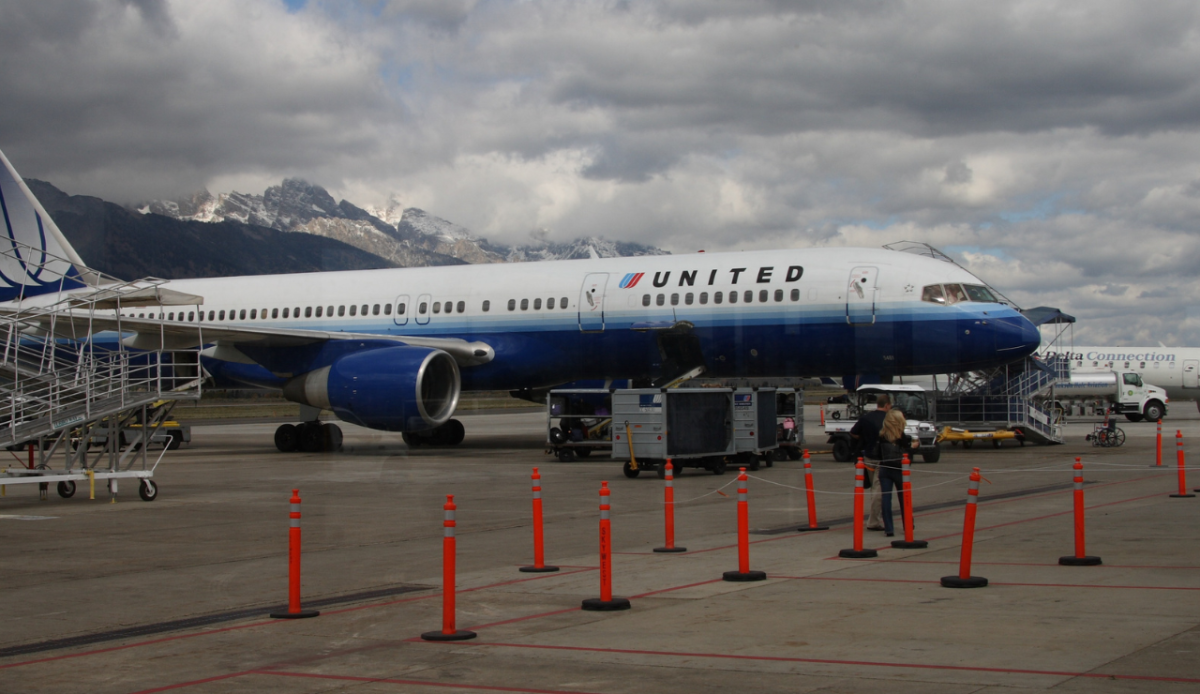
Travelers praise Jackson Hole for its warm interior design and mountain views that begin the moment they step off the aircraft. Many choose it specifically for its proximity to national parks and the stress-free movement from gate to ground transport. Pilots see an airfield shaped by altitude and terrain. Wind flows through the valley in ways that cause rapid shifts along the final path, and turbulence near the mountains influences how aircraft respond at lower speeds. Cold temperatures affect performance calculations during winter, while summer heat reduces lift at higher elevations. These combined factors make each approach a detailed exercise in planning.
9. Hollywood Burbank Airport, California
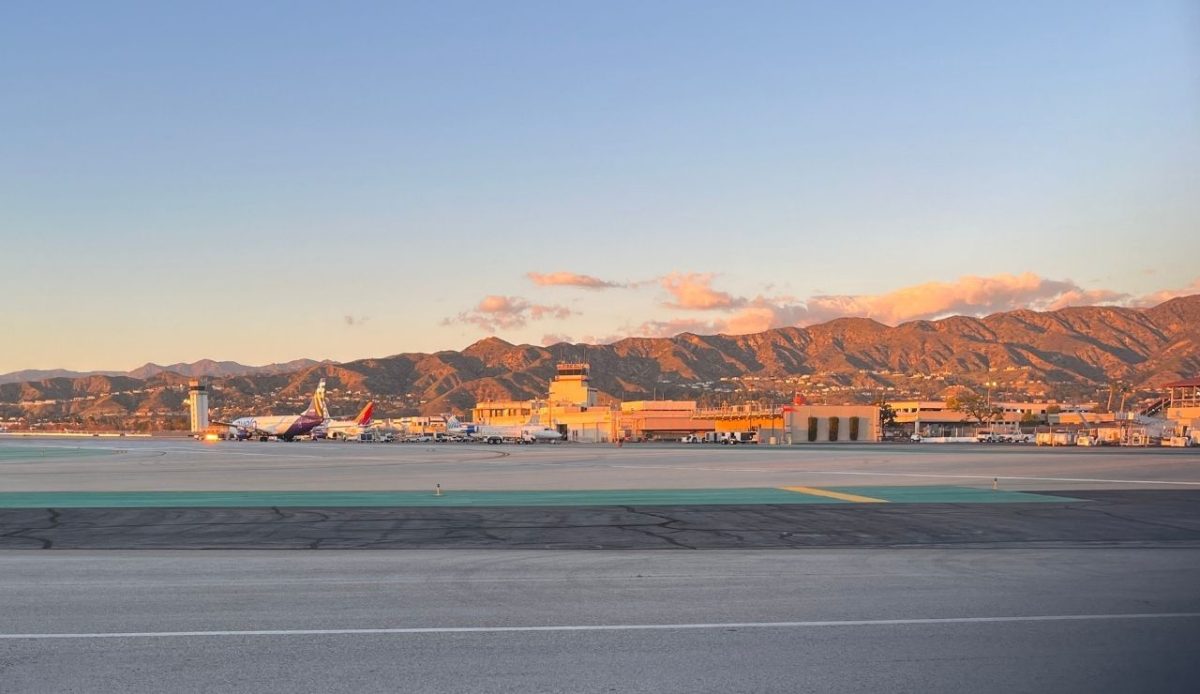
Travelers choose Burbank for short lines, simple boarding, and quick access to nearby neighborhoods, often noting how it avoids the congestion found at larger Southern California airports. The compact layout keeps movement steady from curb to gate, which helps maintain a calmer atmosphere during peak travel. Pilots focus on the short runways and tight surroundings that leave little room beyond the pavement. Changing wind patterns in the valley affect approach angles, and wet conditions reduce braking distance. Airlines brief crews on the specific techniques needed at Burbank, ensuring each arrival and departure follows a plan suited to the airport’s limited margins.
