
Tokyo and Osaka are vibrant, modern, and endlessly fascinating, but even experienced travelers can make mistakes that turn exciting trips into stressful ones. From overpacking to ignoring local etiquette, these errors waste time, money, and energy. Understanding common pitfalls helps you enjoy smoother transportation, authentic experiences, and memorable moments in both iconic and hidden spots. Whether exploring neon-lit streets, historic temples, bustling markets, or local food gems, avoiding these 13 mistakes ensures your visit to Tokyo and Osaka is enjoyable, efficient, and culturally respectful.
1. Overpacking and Lugging Heavy Bags
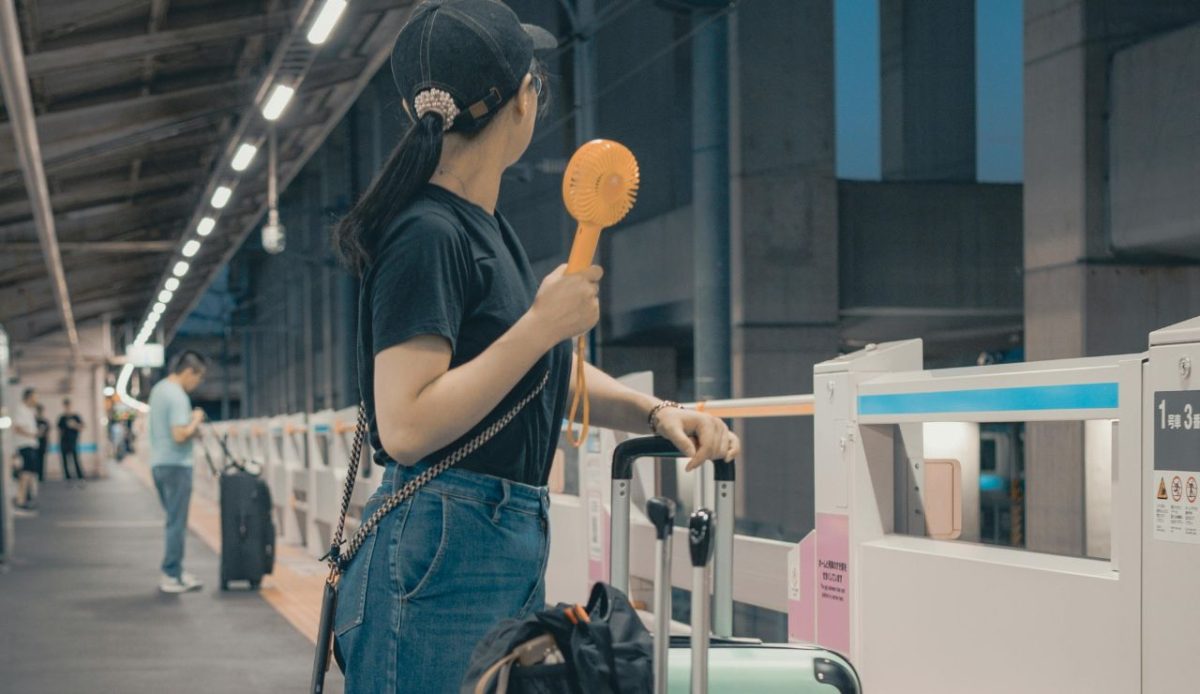
Many travelers overestimate what they need, bringing heavy suitcases that are difficult to manage in crowded trains or narrow sidewalks. Elevators are often scarce, and long subway rides become exhausting when carrying bulky luggage. Heavy bags also limit flexibility when hopping between hotels, attractions, or restaurants. Using luggage forwarding services or storing items in coin lockers can make travel more comfortable. Packing light and bringing only essentials allows you to move freely, enjoy sightseeing, and fully experience Tokyo and Osaka without the fatigue and stress caused by overpacked luggage.
2. Ignoring Public Transit Etiquette
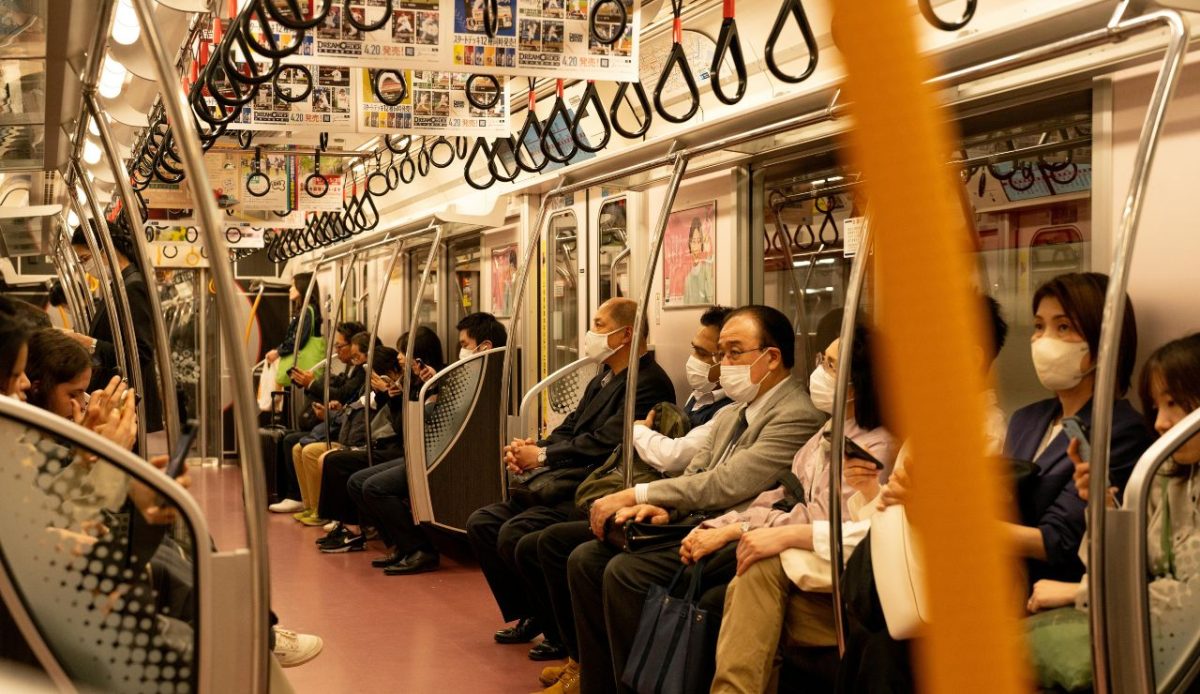
Japanese subway rules may seem strict, but respecting them makes your travel easier and more pleasant. Talking loudly, eating, or using phones in trains is frowned upon. Standing in doorways or ignoring seating etiquette can cause frustration among locals. Following rules like keeping voices low, giving priority seats to those in need, and avoiding eating while moving ensures smooth commutes. Observing these customs prevents awkward situations, helps you blend in, and allows you to experience public transit efficiently. Small gestures of courtesy make a big difference in crowded trains and busy stations.
3. Skipping IC Cards
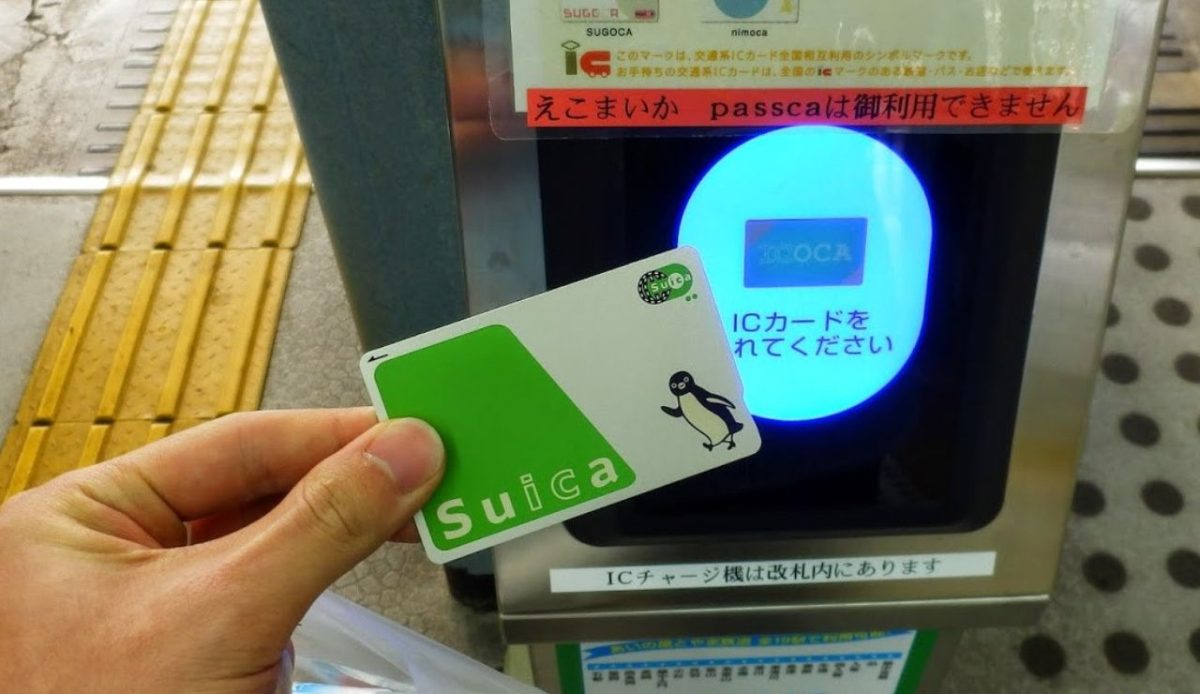
Many visitors try to buy single tickets for each journey, wasting time at machines and navigating language barriers. IC cards like Suica in Tokyo or ICOCA in Osaka streamline travel, letting you tap in and out of trains, buses, and even some convenience stores. They save time, reduce confusion, and often provide small fare discounts. Using an IC card prevents delays, allows for smoother connections, and eliminates frustration during peak hours. For a seamless experience across transit and everyday purchases, loading a card at the start of your trip is essential for both efficiency and convenience while exploring Japanese cities.
4. Buying a JR Pass Without Planning
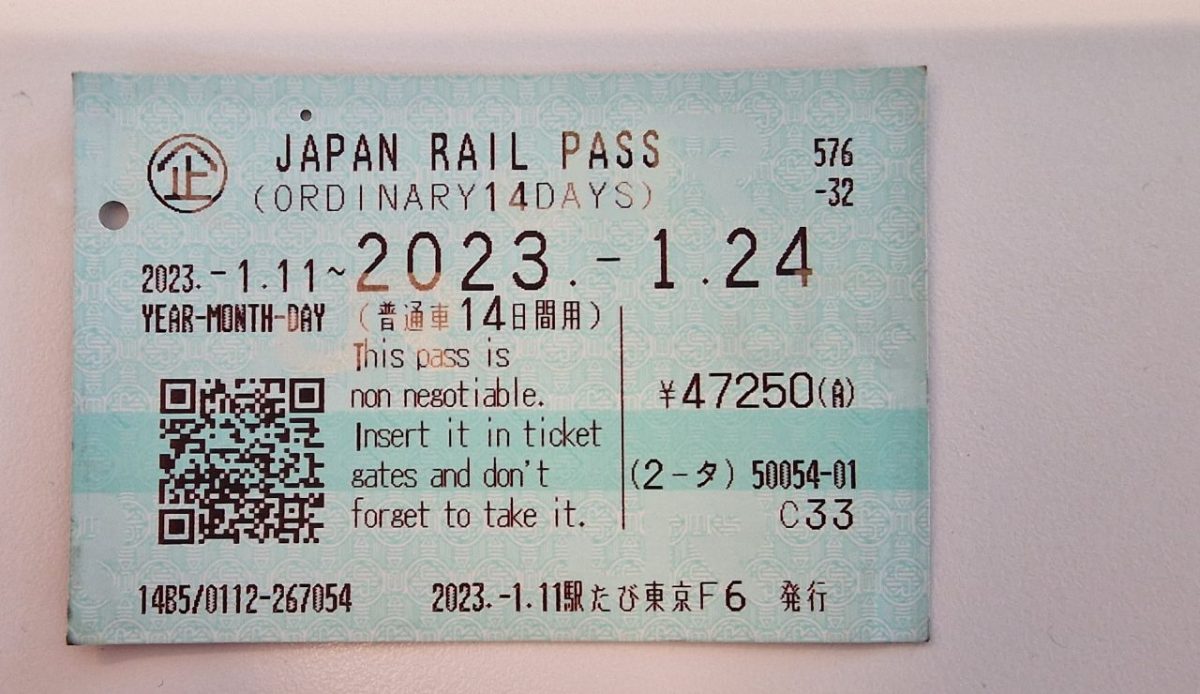
The Japan Rail Pass is convenient, but many travelers buy it without considering their itinerary. If your trip only includes short-distance travel within Tokyo or Osaka, the pass may cost more than individual tickets. Misusing it can waste money and limit flexibility. Research your route, calculate ticket costs, and compare with regional or city passes. The wrong pass choice can make transportation expensive and cumbersome. Smart planning ensures you gain maximum value, allowing comfortable travel without unnecessary expense while visiting multiple cities, exploring day trips, or navigating shinkansen lines efficiently.
5. Assuming Credit Cards Work Everywhere
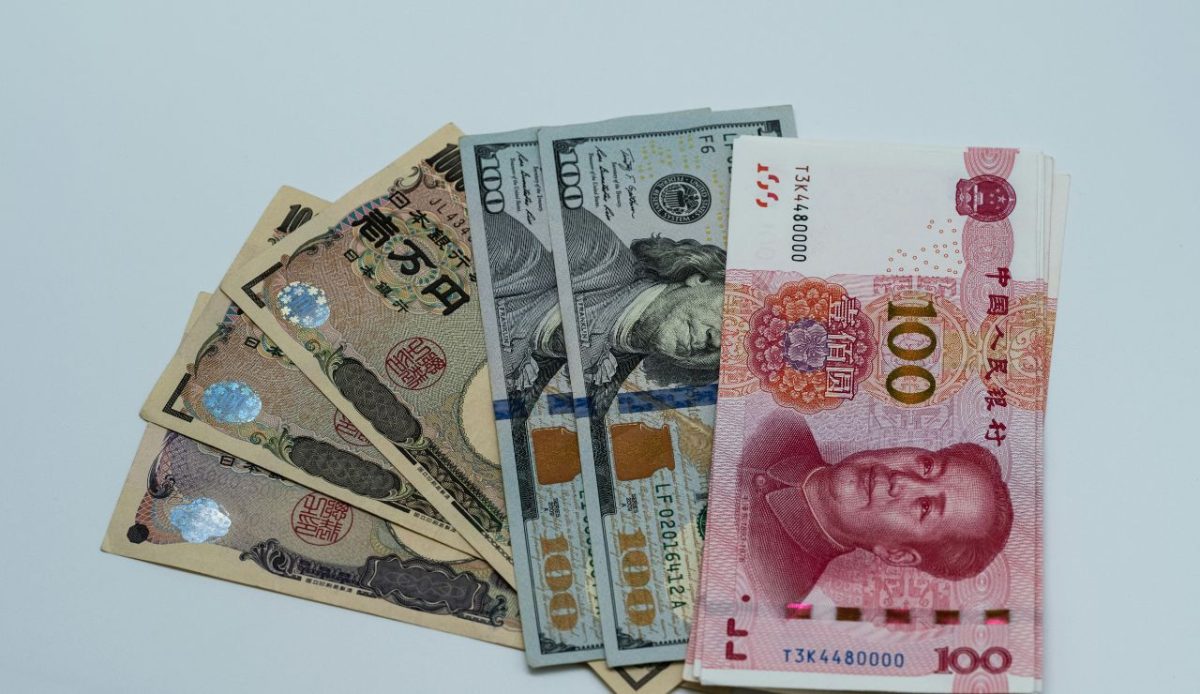
Though many establishments accept cards, smaller shops, street vendors, temples, and rural taxis often require cash. Relying solely on credit or contactless payments can leave travelers stranded. Japanese yen in small bills and coins ensures you can make purchases anywhere, from vending machines to local eateries. Budgeting cash also makes tipping unnecessary, as tipping is uncommon and sometimes confusing. Carrying enough money for daily needs and emergencies avoids inconvenience and allows for smooth exploration of Tokyo and Osaka. Cash ensures access to authentic local experiences that cards might not cover.
6. Eating While Walking or On Trains
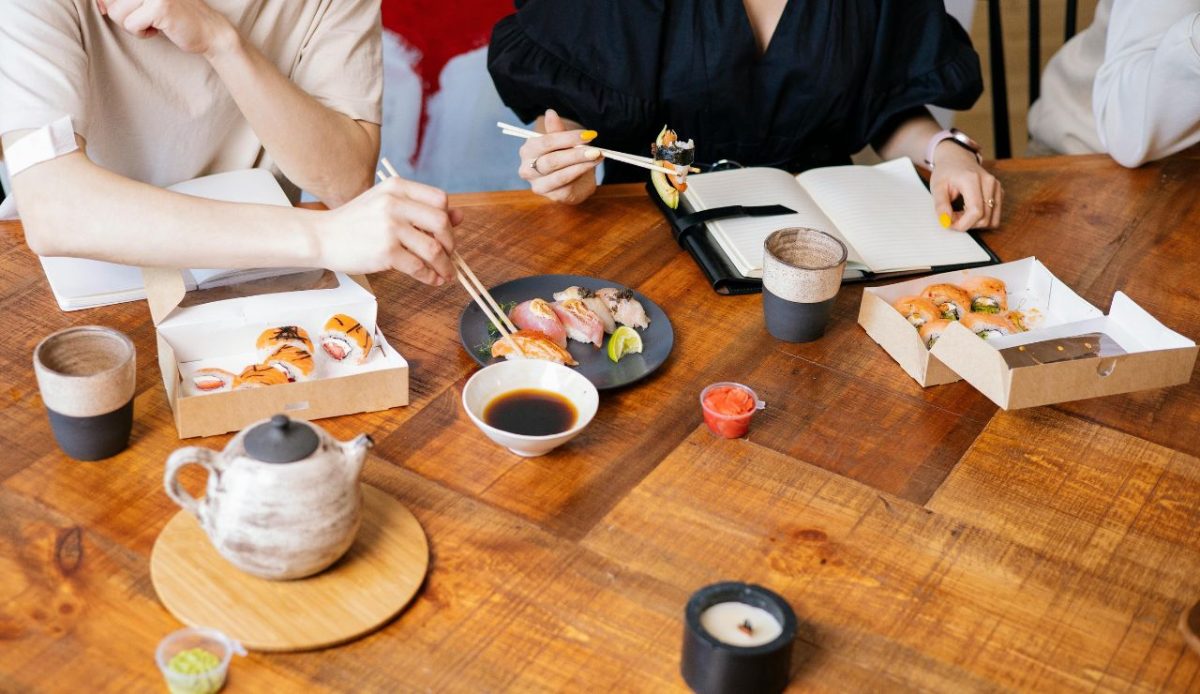
Eating on crowded streets or trains is considered impolite. Many visitors mistakenly carry snacks through sidewalks, subway stations, or temple areas, drawing disapproving looks. Public eating is acceptable in parks or designated areas but discouraged in transit. Following local customs keeps public spaces clean and respects social norms. Pausing on benches or in cafés to enjoy food is preferred. Understanding these small cultural expectations enhances your experience and prevents awkward interactions, allowing you to enjoy meals, street food, and beverages without unintentionally offending locals or breaking etiquette rules.
7. Not Reserving Popular Restaurants or Attractions
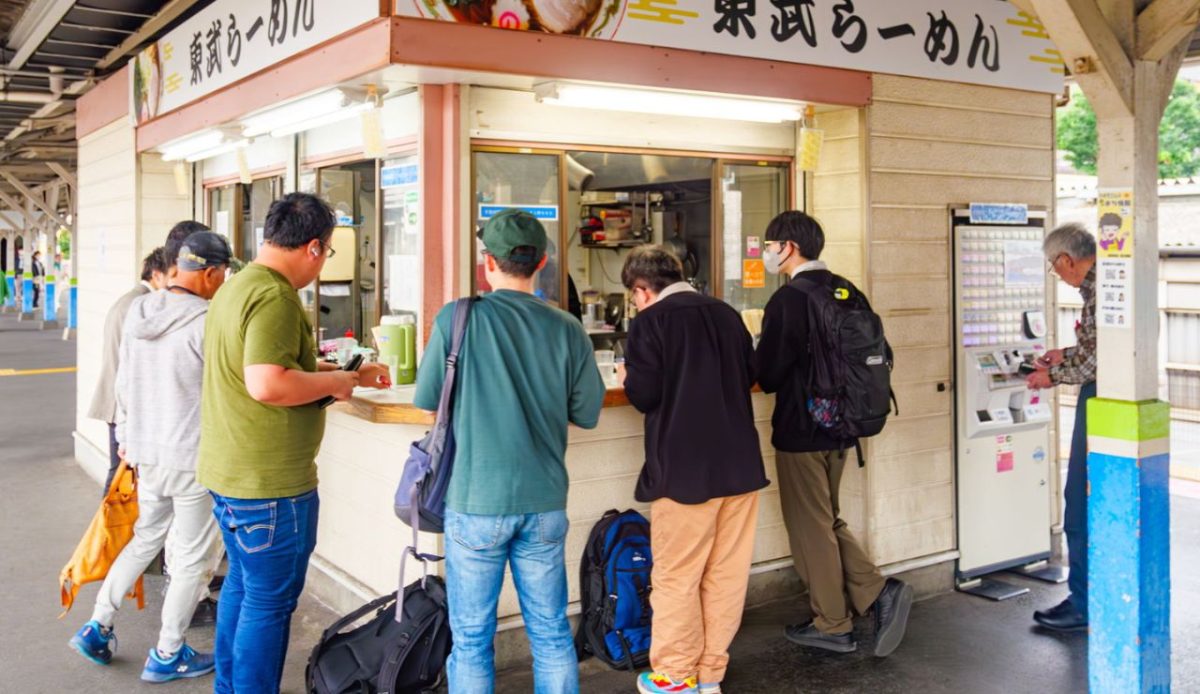
Tokyo and Osaka feature famous sushi counters, ramen shops, and seasonal events that fill quickly. Many travelers fail to book ahead, assuming walk-ins are sufficient. During weekends or holidays, missing reservations leads to long waits or disappointment. Even seasonal events like cherry blossoms or winter illuminations require planning. Researching online, booking in advance, or having alternative options ensures access. Early planning transforms potential frustration into memorable experiences. Avoiding this mistake lets travelers enjoy culinary and cultural highlights without wasting time or missing must-see destinations.
8. Underestimating Distances Between Neighborhoods
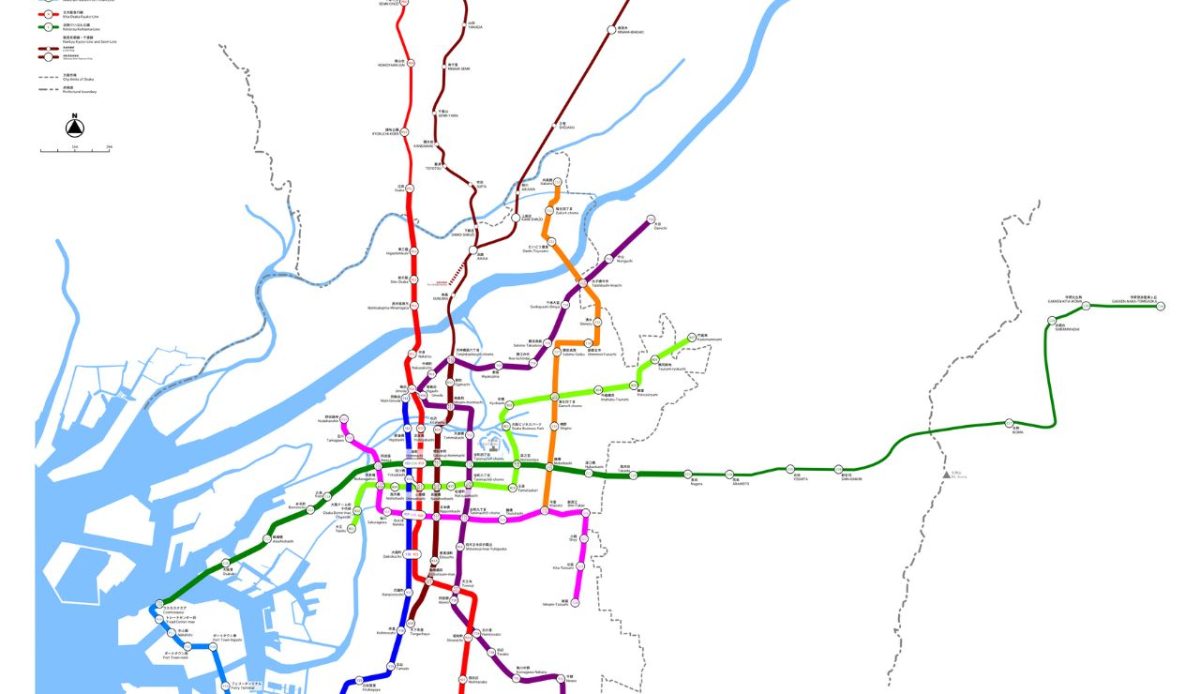
Tokyo and Osaka are vast, and walking or commuting between attractions can take longer than expected. Many tourists overestimate proximity, packing too many destinations into one day. Fatigue and missed reservations are common consequences. Planning by area, allowing buffer time, and pacing activities ensures a manageable itinerary. Understanding real travel times helps avoid rushed visits, improves energy management, and creates opportunities for spontaneous exploration. By factoring in transit and walking time, visitors enjoy a realistic schedule while maximizing sightseeing, dining, and cultural experiences without feeling overwhelmed.
9. Forgetting to Check Business Hours & Holiday Schedules
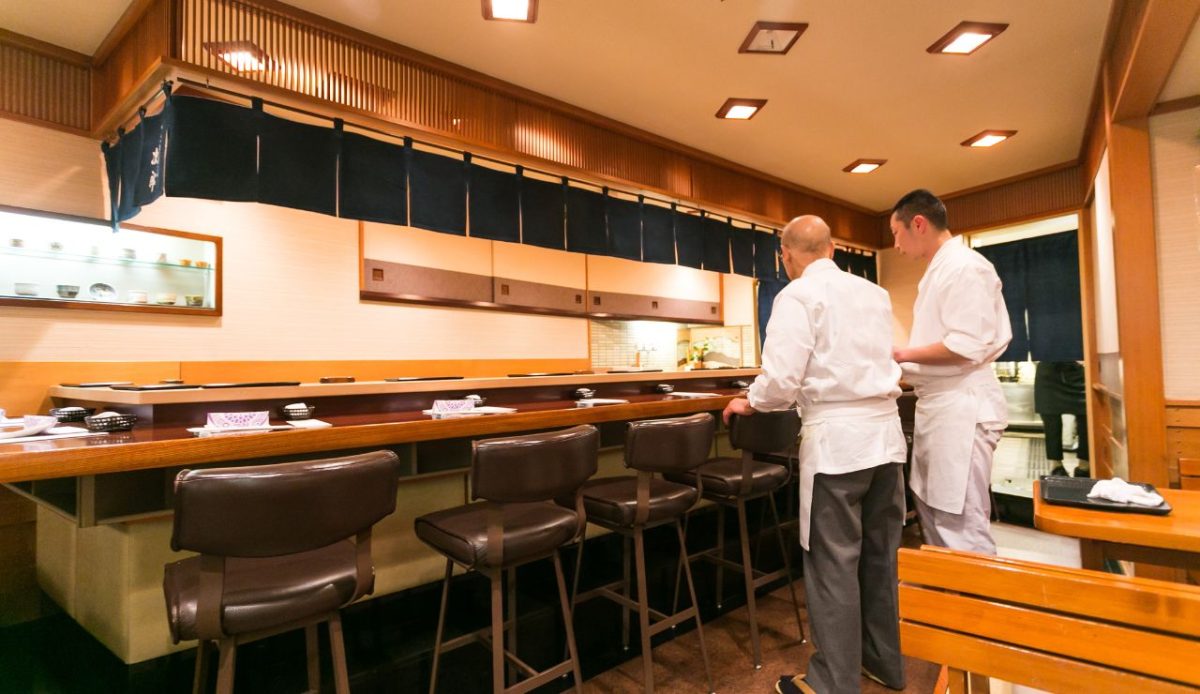
Many restaurants, stores, and attractions close early or on certain days, often Mondays or seasonal holidays. Assuming 24/7 availability leads to wasted trips and frustration. Even shrines and museums have specific hours. Checking online, using Google Maps, or confirming with hotels prevents inconvenience. Planning ahead ensures visits coincide with operating hours, avoiding disappointment. Understanding Japanese business schedules enhances your trip efficiency, allowing you to make the most of each day. Awareness of opening hours guarantees smoother exploration and prevents unnecessary detours.
10. Ignoring Recycling & Trash Rules
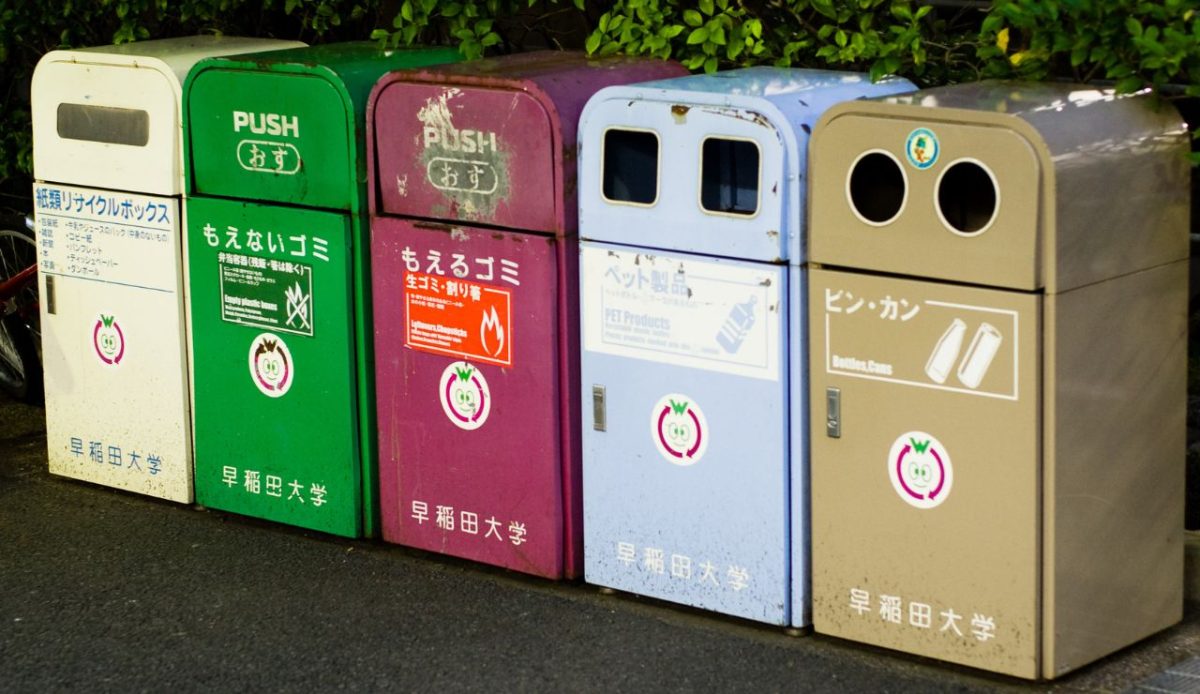
Japan has strict recycling and waste separation laws. Streets often lack public bins, requiring travelers to carry trash until disposal. Ignoring these rules, placing items in wrong bins or littering, is disrespectful. Following local recycling and garbage protocols preserves cleanliness and respects communities. Carrying a small trash bag, sorting properly, and disposing responsibly shows cultural awareness. Complying with these practices prevents fines and ensures a responsible travel experience. Respecting these norms keeps urban spaces clean and allows visitors to enjoy Tokyo and Osaka without creating environmental or social issues.
11. Overlooking Local Experiences
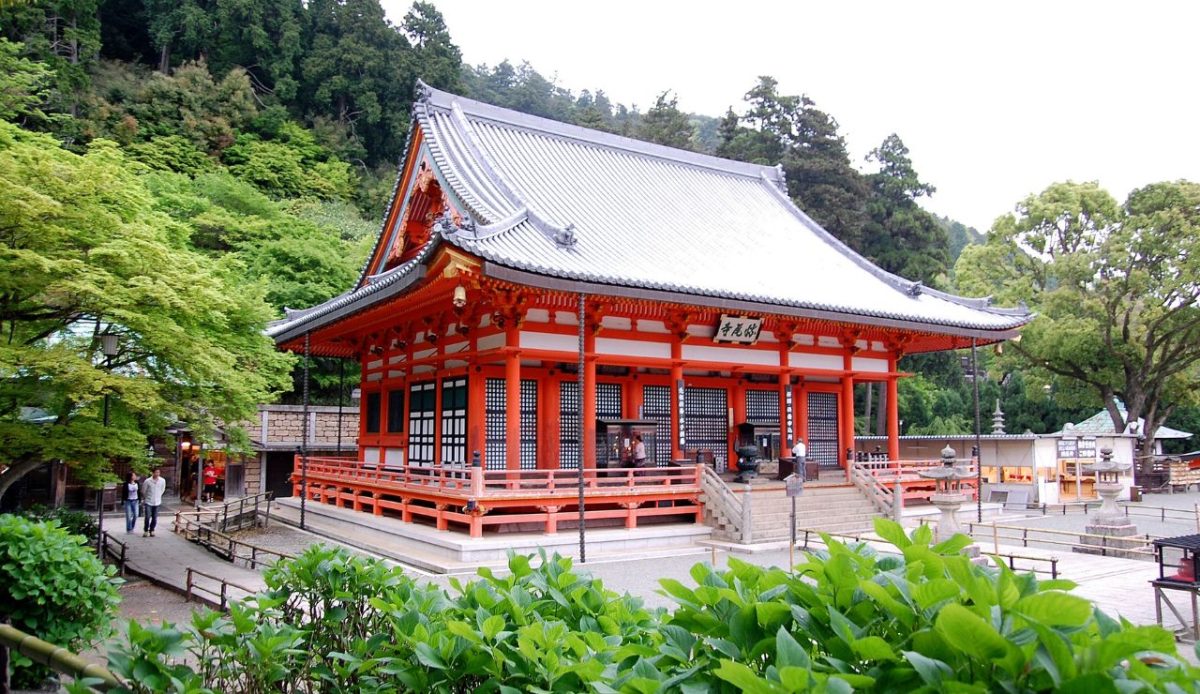
Tourists often focus only on major landmarks, skipping neighborhoods, small temples, or hidden cafés. Ignoring these gems limits authentic engagement with Japanese culture. Exploring side streets, chatting with shopkeepers, and visiting less-famous attractions provide memorable experiences and insights into daily life. These quieter locations often offer unique cuisine, arts, or markets. By slowing down and exploring beyond iconic sights, travelers experience a richer, more meaningful trip. Overlooking local experiences risks missing the charm and vibrancy that give Tokyo and Osaka their cultural depth and unique character.
12. Visiting During Crowded Festivals Without Planning
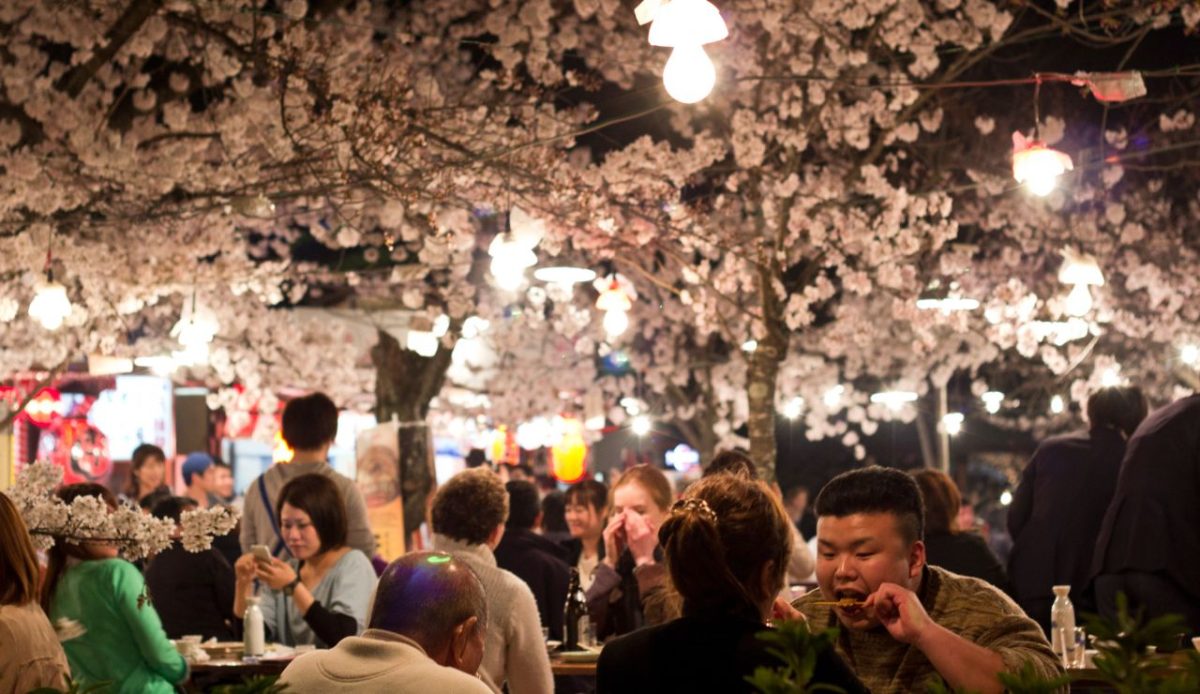
Golden Week, cherry blossom season, and local festivals attract massive crowds. Traveling during these periods without reservations or flexibility leads to congestion, high prices, and stress. Expect packed trains, booked hotels, and long lines. Planning ahead, booking accommodations early, and preparing for crowds minimizes issues. Alternatively, traveling during shoulder seasons provides better accessibility and comfort. Understanding festival timing helps travelers enjoy cultural events without frustration. Proper planning ensures that festival visits are enjoyable and not overwhelming, turning busy periods into enriching experiences.
13. Not Learning Basic Japanese Phrases & Customs
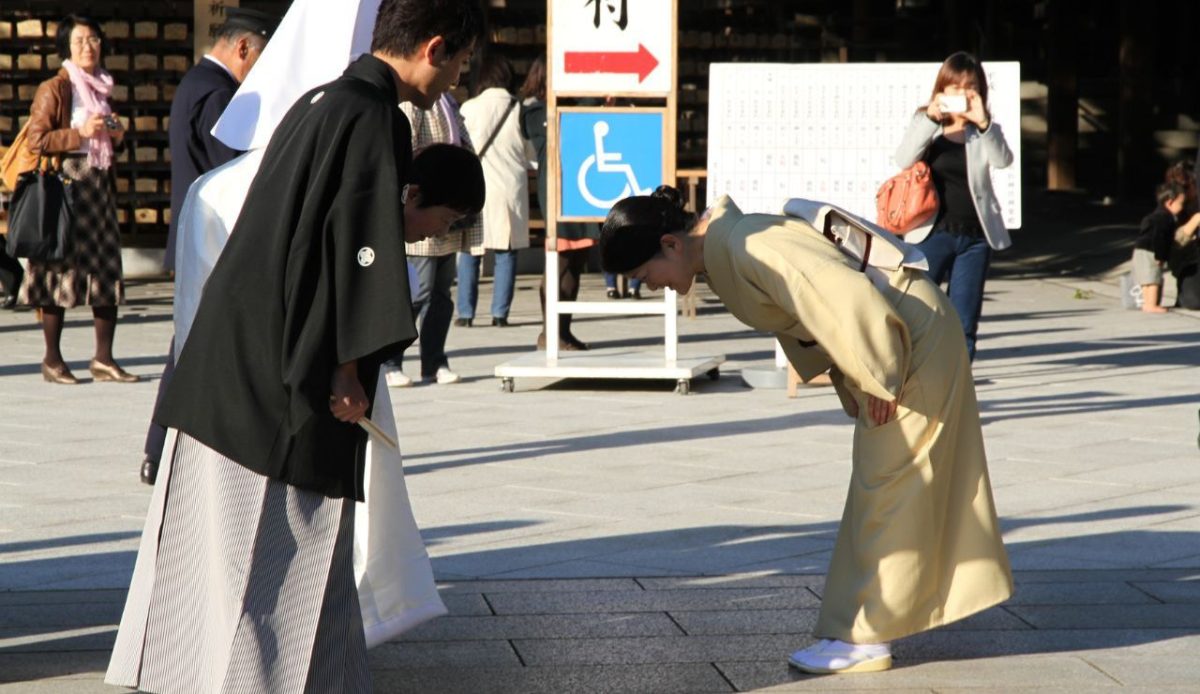
Many travelers assume English suffices, but lacking simple Japanese phrases can create misunderstandings. Basic greetings like “hello,” “thank you,” and “excuse me,” combined with gestures like bowing and removing shoes indoors, show respect. Awareness of etiquette enhances interactions in restaurants, trains, and markets. Small efforts demonstrate cultural understanding, improve communication, and often lead to friendlier treatment. Ignoring these customs may leave travelers feeling disconnected or cause inadvertent offense. Learning basic language and manners refines the overall experience and opens doors to authentic engagement with locals.
