
Many retirees picture quiet days near the water, but daily life in a coastal town often shifts once the move becomes permanent. Higher living expenses, crowded tourist seasons, and inconsistent services can make routines more complicated than expected. Storm preparation becomes a constant task, while long drives for errands or medical appointments add strain. Family visits happen less often due to travel costs, creating stretches of isolation. Retirees soon realize coastal living requires steady planning rather than simple enjoyment of beach views. These realities highlight how complex the transition becomes for those expecting an easy lifestyle change.
1. High Everyday Living Costs

Coastal towns often bring higher grocery prices, increased utility fees, and service costs that stay elevated due to constant demand. Retirees on fixed incomes feel pressure when expenses rise faster than anticipated, forcing them to adjust budgets and limit outings. Routine maintenance also grows more expensive as humidity and salt air require frequent repairs to roofs, windows, and outdoor areas. Many postpone upgrades or reduce activities to manage finances. These ongoing increases make daily life harder to balance, turning what felt manageable on vacation into a long-term challenge.
2. Expensive Home Insurance

Insurance for coastal homes often requires multiple policies for wind, flood, and general coverage, pushing yearly premiums far higher than retirees expect. Regional storms raise prices even when local damage is minimal, creating financial uncertainty at renewal time. Deductibles can rise quickly, making it difficult to predict yearly budgets. Retirees often feel anxious reviewing policy changes because protecting a coastal home rarely stays stable in price. Over time, these costs become a significant strain, reducing the financial security many hoped to maintain after leaving full-time work.
3. Stressful Storm Seasons
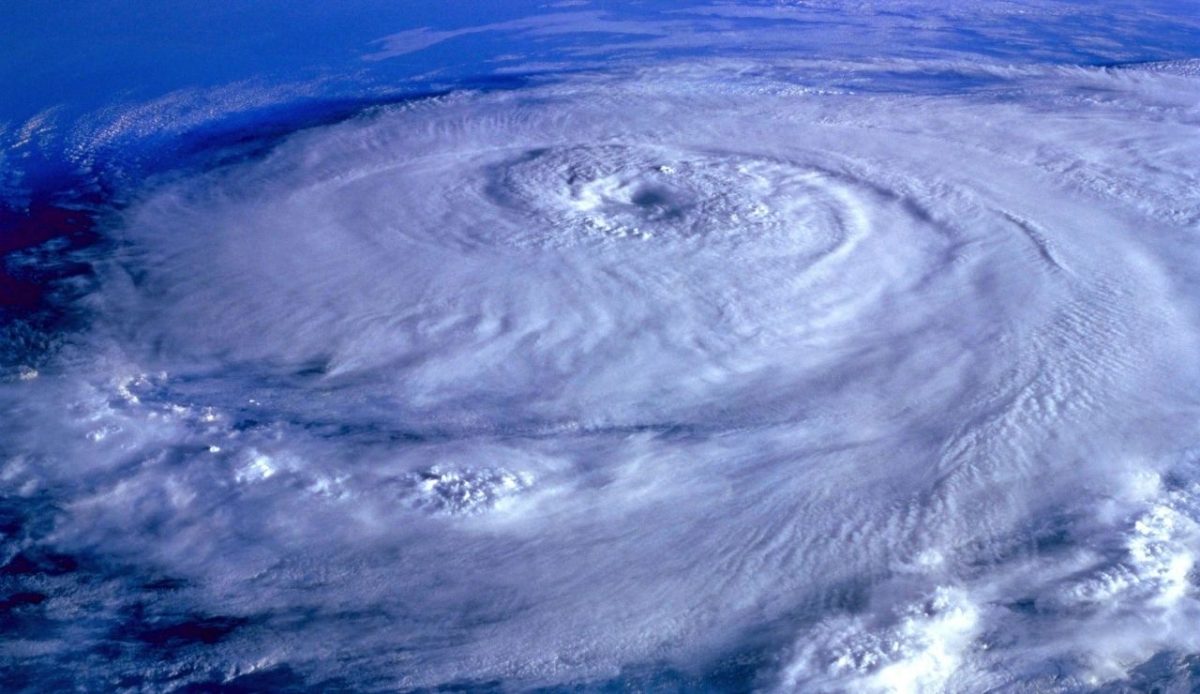
Storm preparation becomes a routine part of coastal living as retirees track forecasts, secure outdoor items, and gather supplies several times a year. Even smaller storms bring concerns about power loss, blocked roads, and rising water in low-lying areas. Evacuation decisions require quick judgment, especially for older adults who prefer predictable routines. Cleanup afterward adds another layer of stress, often involving debris removal or minor home repairs. Over time, the constant readiness creates emotional fatigue, shifting the desired calm of beach living into a cycle of preparation and recovery.
4. Heavy Tourist Crowds

Tourist seasons transform calm neighborhoods into crowded areas where errands, dining, and parking become more difficult. Retirees who planned for slow mornings often face long lines or busy walkways that interrupt routines. Local businesses focus on visitors during peak months, limiting seating or adjusting hours in ways that reduce convenience for residents. Noise increases as restaurants and rentals fill, making quiet afternoons harder to find. Over time, the seasonal shift affects how retirees use their town, turning daily tasks into challenges they did not expect before moving.
5. Quiet Winters Feel Too Empty
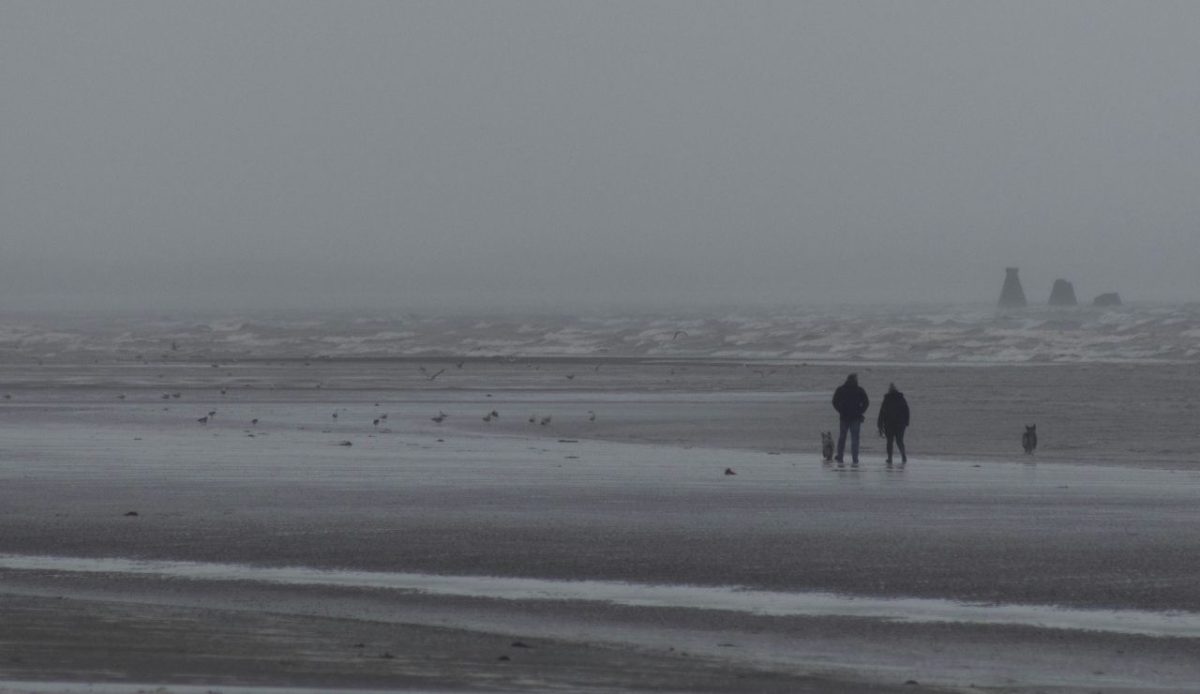
Once tourist season ends, many beach towns grow noticeably quieter, leaving retirees with fewer activities and reduced social interaction. Shops shorten hours, community events pause, and familiar spots lose their usual crowds. For retirees far from family, the long winter months can feel isolating, especially when weather limits outdoor time. Without steady engagement, days feel slower and less structured. Many retirees realize they only experienced the area during its lively summer season and were unprepared for how empty the winter months become.
6. Limited Access to Health Care

Smaller coastal towns often lack specialized medical services, requiring retirees to travel long distances for routine care or important appointments. Early morning visits become stressful due to extended drive times and limited public transit options. Emergency rooms fill quickly during visitor periods, causing longer waits and reduced access to urgent care. Storms can shut down major roads, delaying medical attention when it’s needed most. Retirees who rely on regular treatment soon feel the impact, realizing their expectations for convenient health care do not match their new reality.
7. Fewer Family Visits

Travel to coastal towns often costs more because flights connect through smaller airports and long drives discourage frequent trips. Retirees hoping for regular visits from children and grandchildren find that school, work, and expenses limit how often family can come. Phone calls and video chats help maintain connection, but they cannot replace shared time during holidays or important events. Over time, retirees feel the emotional distance more strongly, especially when they miss occasions they once attended easily. Many eventually adjust their own travel schedules to see family more often, which adds new expenses they did not expect when relocating.
8. Difficult Heat and Humidity

Warm coastal weather seems appealing at first, yet long stretches of humid air can make outdoor plans uncomfortable or even difficult for retirees. Some experience breathing issues or joint discomfort when the heat intensifies, forcing them to adjust routines around cooler parts of the day. Reliance on air conditioning increases as afternoons become harder to tolerate, raising utility costs and reducing time spent near the shoreline. What once felt relaxing shifts into a schedule managed by temperature and humidity levels. Over time, retirees notice how often they stay indoors, realizing the climate limits their activities more than they expected before moving.
9. Unpredictable Noise Levels

Noise in beach towns rises and falls with the seasons, creating inconsistent surroundings for retirees looking for peaceful routines. Vacation rentals fill with late-night gatherings during peak months, while waterfront businesses add music and foot traffic throughout the day. Winter brings its own disruption as construction crews repair properties during the slower season. These shifting patterns interrupt sleep and make quiet mornings harder to maintain. Over time, the inconsistency becomes frustrating for retirees who hoped for steady calm, especially when unexpected noise affects rest or daily focus.
10. Harder to Build Long-Term Friendships

Because many residents in beach towns stay only part of the year, retirees find it difficult to form strong, lasting friendships with neighbors who leave when the season ends. Year-round residents may already have established circles that newcomers struggle to enter, and social clubs often reduce activity during the off-season. Retirees who moved alone feel this challenge most as casual conversations rarely develop into deeper relationships. With fewer consistent social outlets, building a reliable support network becomes harder. Over time, the lack of a steady connection can make the town feel less welcoming than retirees had hoped.
11. Few Transportation Options

Driving remains the main way to get around in many coastal towns, leaving retirees with limited alternatives when they want to reduce time behind the wheel. Bus routes may operate infrequently, and rideshare services often have long wait times during slower months. Those with health issues face added strain when reaching medical appointments or grocery stores becomes dependent on their ability to drive. Storms, congestion, and seasonal road closures complicate travel even further. Over time, the limited mobility options reduce independence and make daily planning more stressful.
