
Infrastructure trouble affects families, commuters, and businesses in ways that build stress over time. When roads crack, pipes burst, or transit slows without warning, daily routines shift quickly. People in these cities say they often plan meals, school travel, and work around possible outages or detours. Aging parts and long repair timelines raise concern across neighborhoods, especially during storms that add pressure to already strained systems. Many households feel that dependable service now depends on networks that struggle to meet current demand, turning basic tasks into a challenge.
1. Jackson, Mississippi
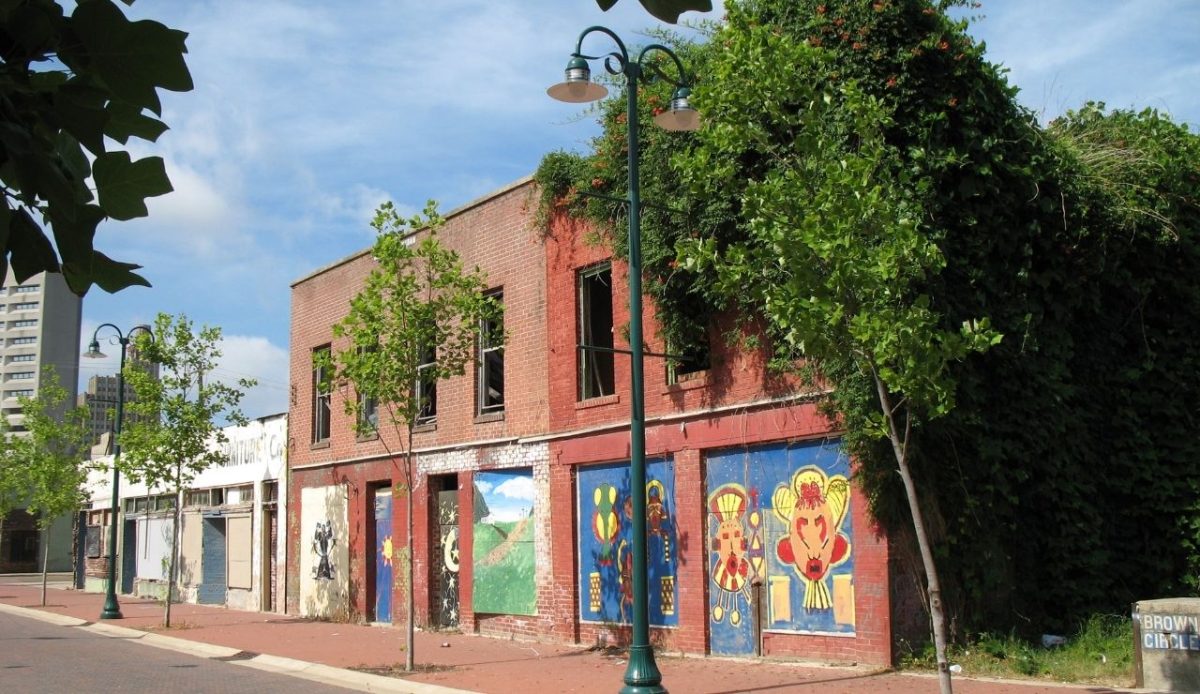
Residents in Jackson deal with water trouble that disrupts meals, school mornings, and cleaning tasks across many homes. Taps lose pressure or release cloudy flow without notice, so families store extra supplies to manage sudden outages. Boil alerts force changes in cooking and washing with little time to prepare, while storms add more strain on older parts that often fail again. Slow repairs and unclear updates increase worry as people wait for stable service. Many say the system brings stress into daily plans because problems return quickly, leaving households unsure how to plan simple routines across busy days.
2. New Orleans, Louisiana
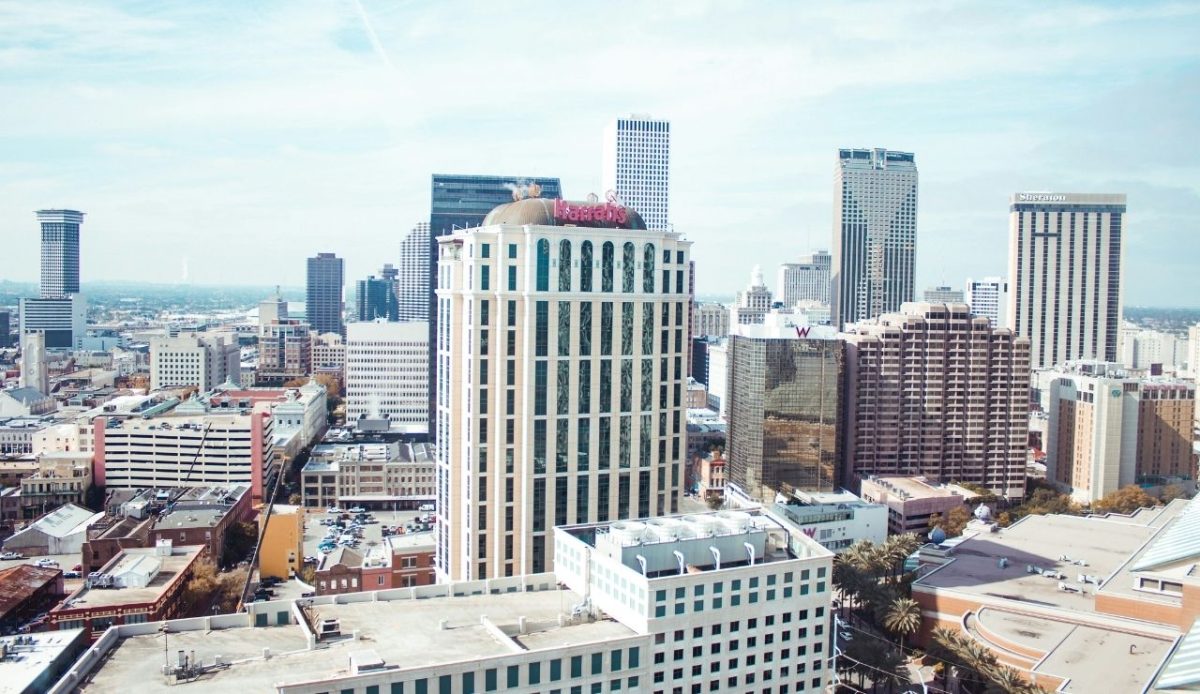
People in New Orleans watch rain forecasts and pump alerts because heavy storms overwhelm drainage lines and block important routes across the city. Even a single pump issue slows traffic for miles and pushes water into low areas where cars stall. Residents shift errands to avoid repeated flooding spots and keep sandbags nearby during peak seasons. Business owners face damage to floors, goods, and parking areas when water lingers long after rain ends. Families plan backup school paths and share alerts online. Many feel the system no longer supports today’s rainfall, leaving whole neighborhoods uncertain during each storm.
3. Detroit, Michigan
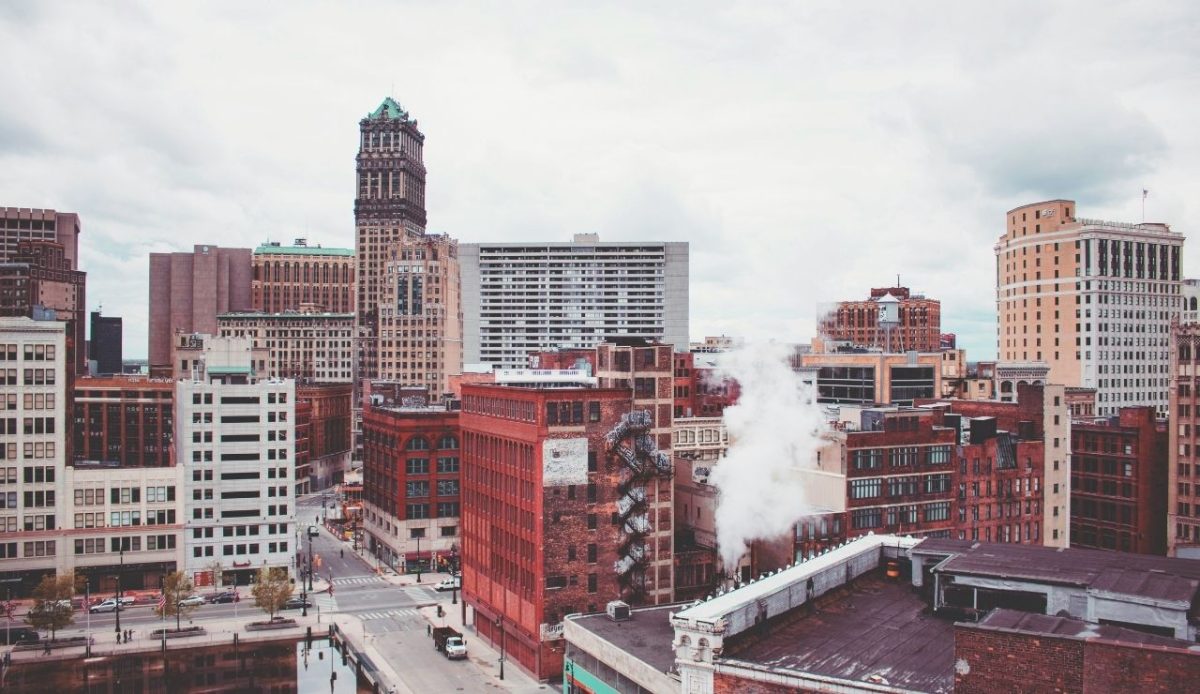
Detroit drivers move across cracked pavement and growing potholes that spread quickly after winter freeze cycles end, forcing many to budget for wheel repairs. Transit reach stays limited, so people depend on cars even when roads become rough and slow. Older layouts push traffic into narrow paths during work zones, creating long backups that extend into nearby blocks. Delivery vans, buses, and emergency teams also lose time on worn surfaces, adding stress to routine schedules. Residents describe a repeating pattern of patching, delays, and detours that rarely leads to lasting improvement or smoother daily travel anywhere in the city.
4. Philadelphia, Pennsylvania
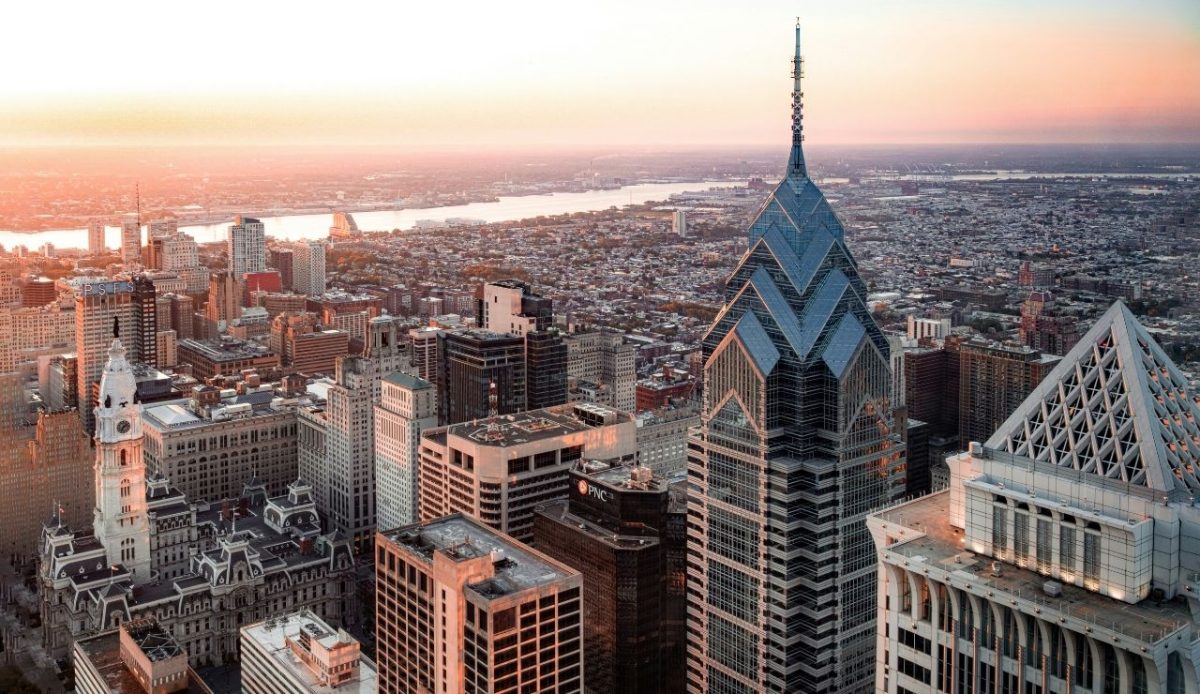
Philadelphia residents often face sudden water line breaks that flood blocks, damage basements, and slow buses near repair pits. Many neighborhoods see the same streets reopened several times as older pipes fail in sequence. Winter conditions deepen cracks and create more shutdowns across busy routes. Buses weave around pooled water and stalled cars, adding minutes to every trip. People plan errands with extra time because delays happen often and without warning. Homeowners guard doors with barriers to avoid damage, while many feel repairs rarely keep pace with new issues as temperatures shift throughout different seasons.
5. Honolulu, Hawaii
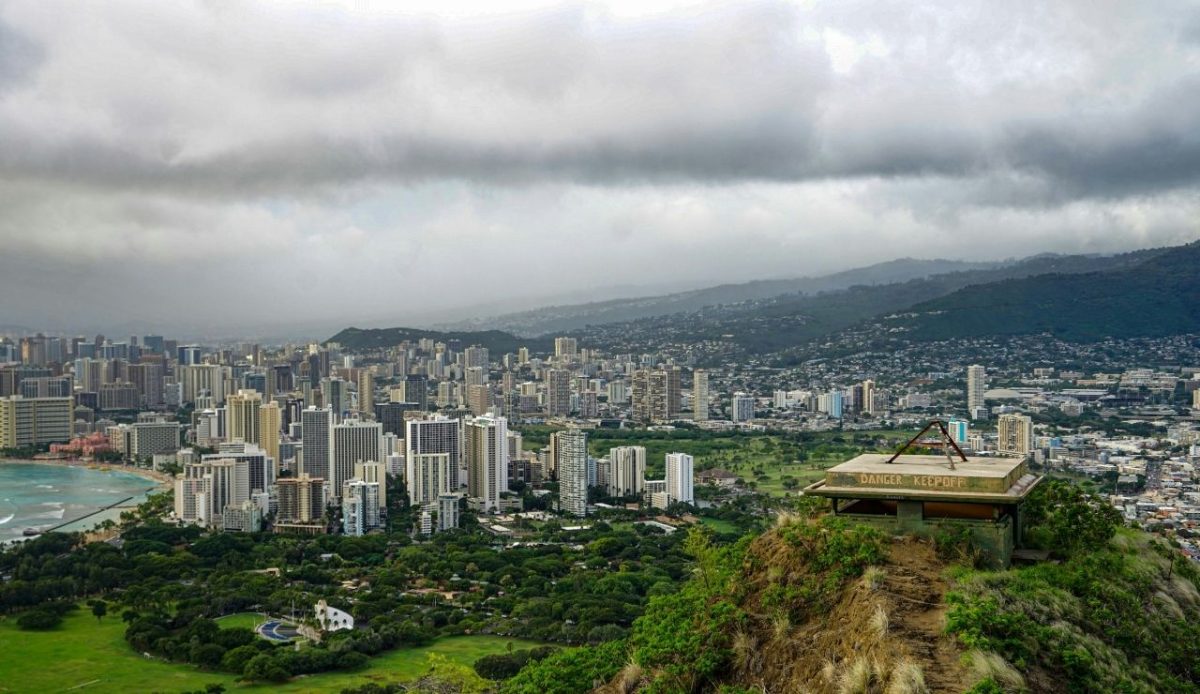
Honolulu handles frequent lane closures as crews respond to leaks, weakened parts, and storm damage across busy corridors on the island. Salt in the air wears metal quickly, while tourism adds pressure to systems originally built for smaller populations. Water breaks can close crucial routes for long periods, slowing deliveries and daily travel for homes, hotels, and stores. Replacement parts sometimes take longer to reach the islands, extending repair times further. Residents say each season uncovers new trouble spots that delay movement. Workers across ports, schools, and hospitals experience heavy disruptions when the network struggles to keep up.
6. Boston, Massachusetts
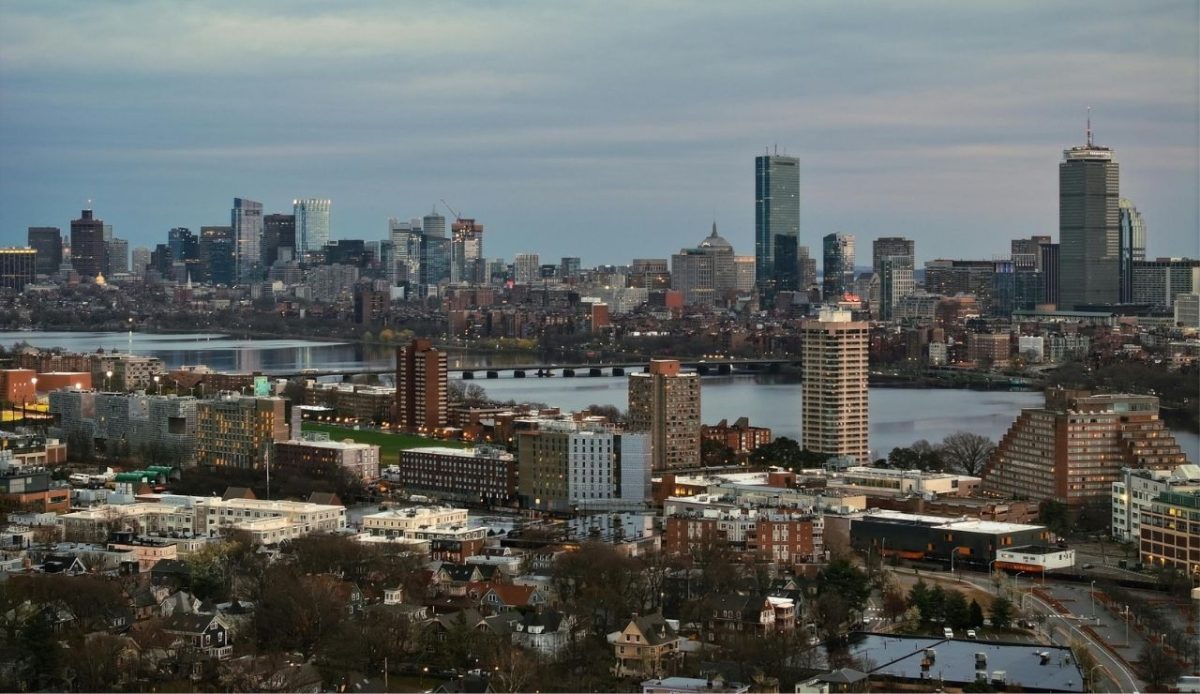
Boston commuters deal with slow trains, crowded platforms, and sudden schedule changes across older lines that need constant checks. Water pipes under many roads date back more than a century, so breaks occur without warning and force long lane closures. Winter cold widens cracks in pavement and rails, creating added delays during peak travel hours. Construction projects overlap in tight areas, leaving drivers with limited room to move. Families review alerts before leaving home and carry backup plans for work and school. Many feel daily routines depend on whether the network can hold steady that day.
7. Cleveland, Ohio
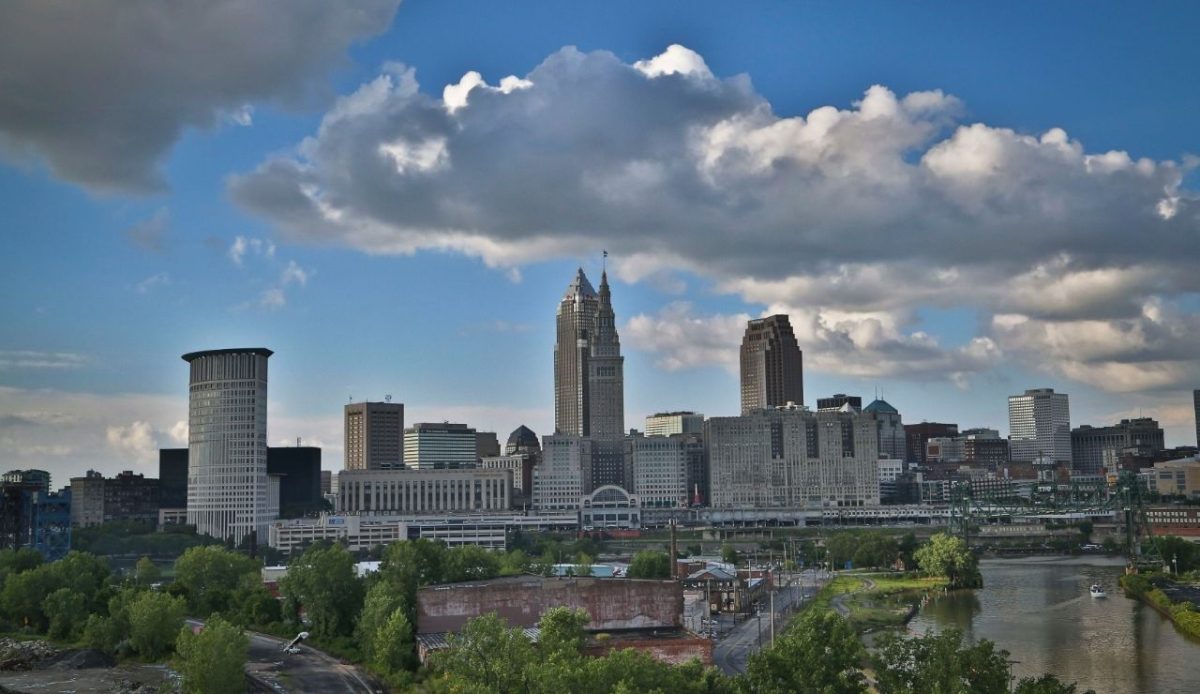
Cleveland’s drainage and sewer network often struggles during strong rain, sending unsafe runoff toward rivers and creating warnings that limit outdoor plans. Streets in older districts hold standing water because drains clog or back up as storms intensify. Residents monitor radar closely, knowing even moderate rain can slow traffic along major routes. City projects aim to store more runoff and reduce overflow events, but timelines stretch across years. Families keep pumps ready and protect belongings in low spots. Many say the system responds slowly to rapid weather shifts that now affect daily life more often.
8. Pittsburgh, Pennsylvania
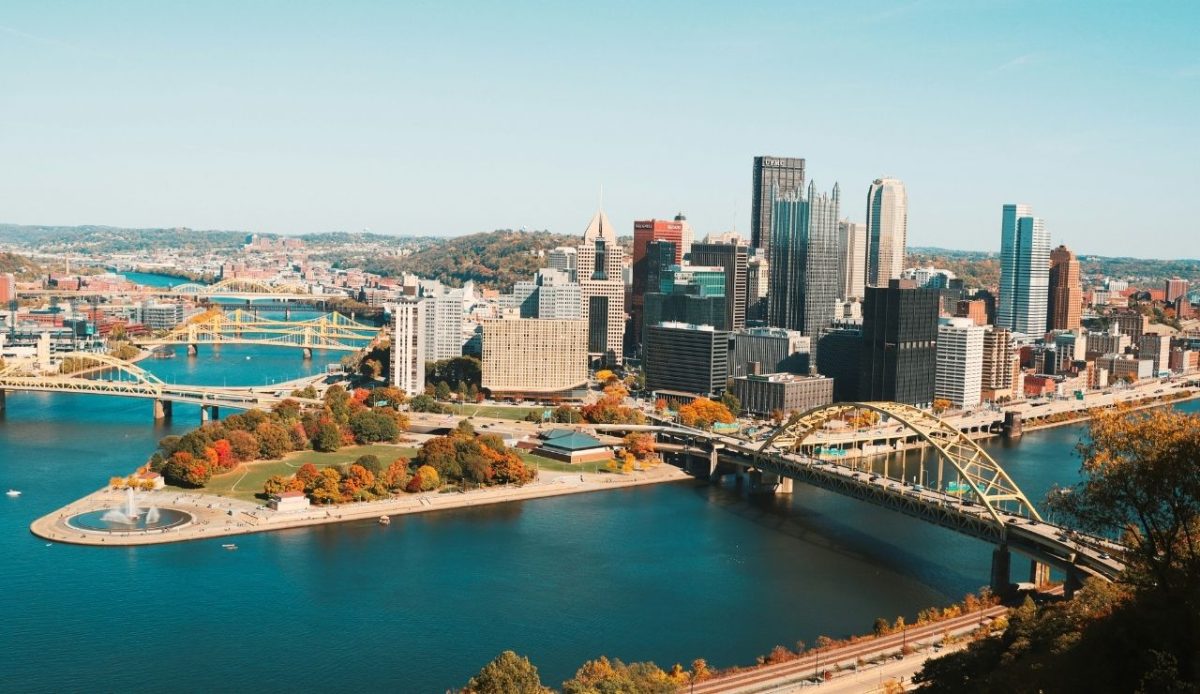
Pittsburgh residents remain concerned about the strength of bridges and hillside roads after a major collapse raised safety questions across the region. Drivers face long detours while crews inspect crossings over valleys and rivers, slowing travel during busy hours. Freeze cycles weaken pavement on steep streets, and water lines beneath them crack under shifting pressure. Equipment shortages extend repair schedules, delaying both planned and emergency work. Many people adjust commutes to avoid certain spans entirely and say new trouble appears faster than fixes. These issues leave households unsure which routes will stay open from one week to the next.
9. Baltimore, Maryland
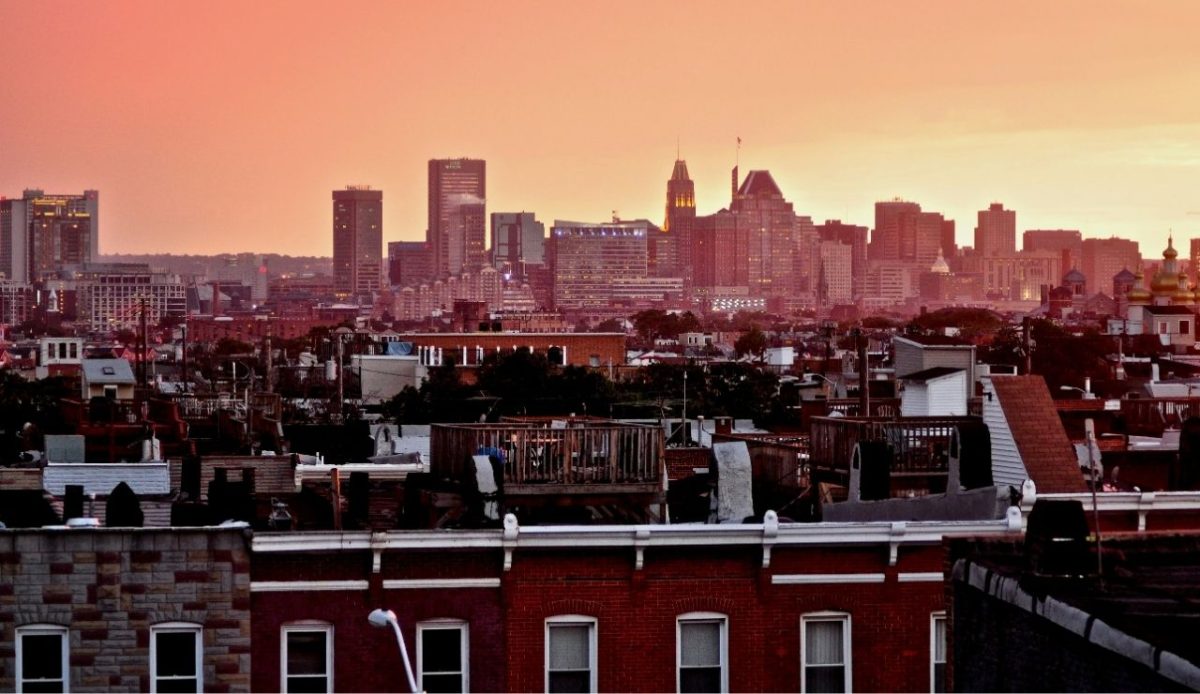
Baltimore neighborhoods often deal with lengthy repair zones where crews reach worn water or sewer lines that break without warning. Soil loss around damaged pipes increases sinkhole risk, adding concern for homeowners and shop owners. Heavy storms push sewage into basements in certain areas, forcing costly cleanup. Residents follow crew activity closely because issues can return quickly after repairs finish. Many feel maintenance does not stay ahead of fresh failures. Renters and small businesses face higher expenses and limited access when long projects block sidewalks and parking areas throughout busy commercial and residential blocks.
10. San Francisco, California
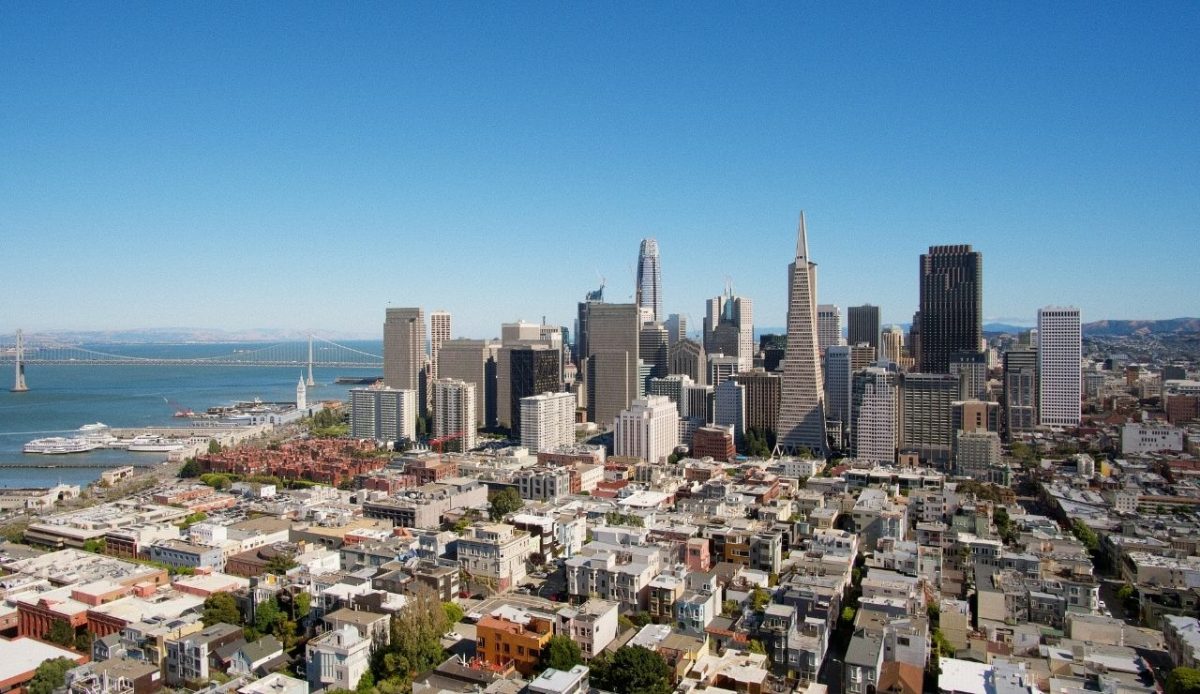
San Francisco manages bursts in older pipes that flood steep streets and create fast-moving hazards for drivers and pedestrians. Hills add pressure on utility lines, and ongoing seismic upgrades demand long schedules and major funding. Road crews shift cones often, guiding cars into narrow routes that change from week to week. Transit riders lose time when buses divert around repair zones, stretching simple trips. Residents treat sudden outages as routine and adjust work, school, and medical plans accordingly. Shop owners note reduced foot traffic and delays in shipments whenever these disruptions spread across dense districts.
11. Memphis, Tennessee
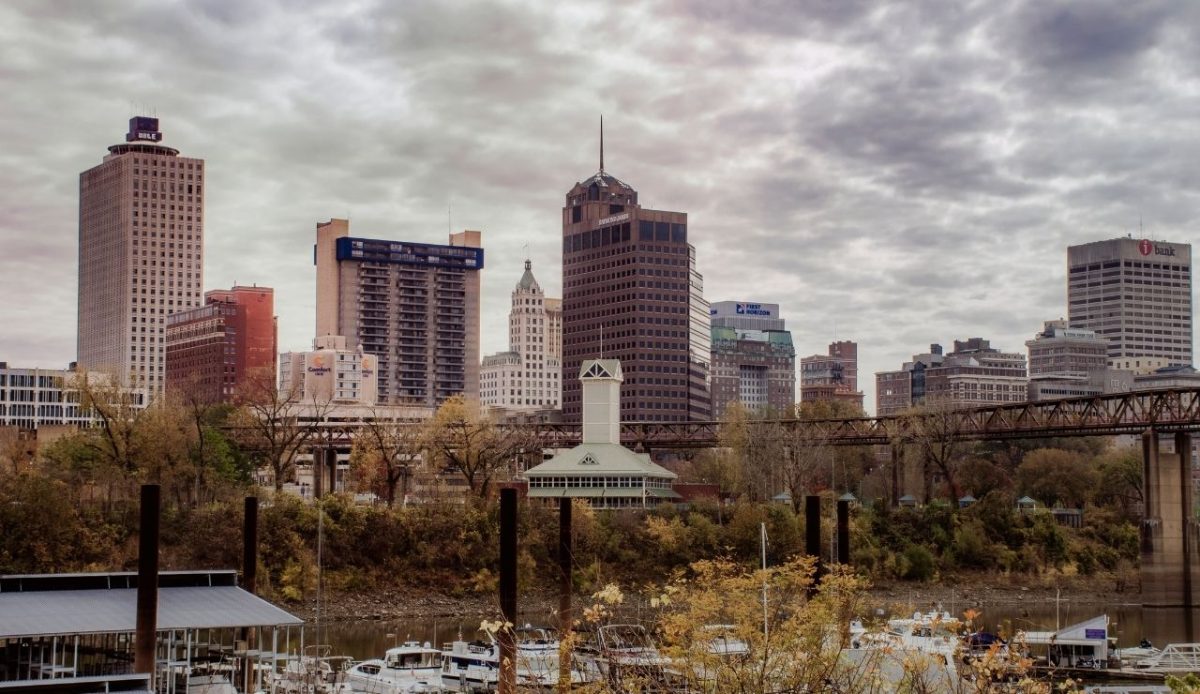
Memphis faces serious service trouble when winter storms arrive, breaking exposed pipes and knocking down power lines across entire neighborhoods. Families lose stored food and heating when outages last longer than expected, and some must stay with relatives until crews finish repairs. Ice and fallen branches add hazards that slow response teams already dealing with crowded schedules. Water flow also becomes inconsistent as pressure drops through older parts of the network. Residents prepare for long waits each season and call for stronger upgrades. Many feel each cold spell exposes weaknesses that return year after year.
12. Anchorage, Alaska
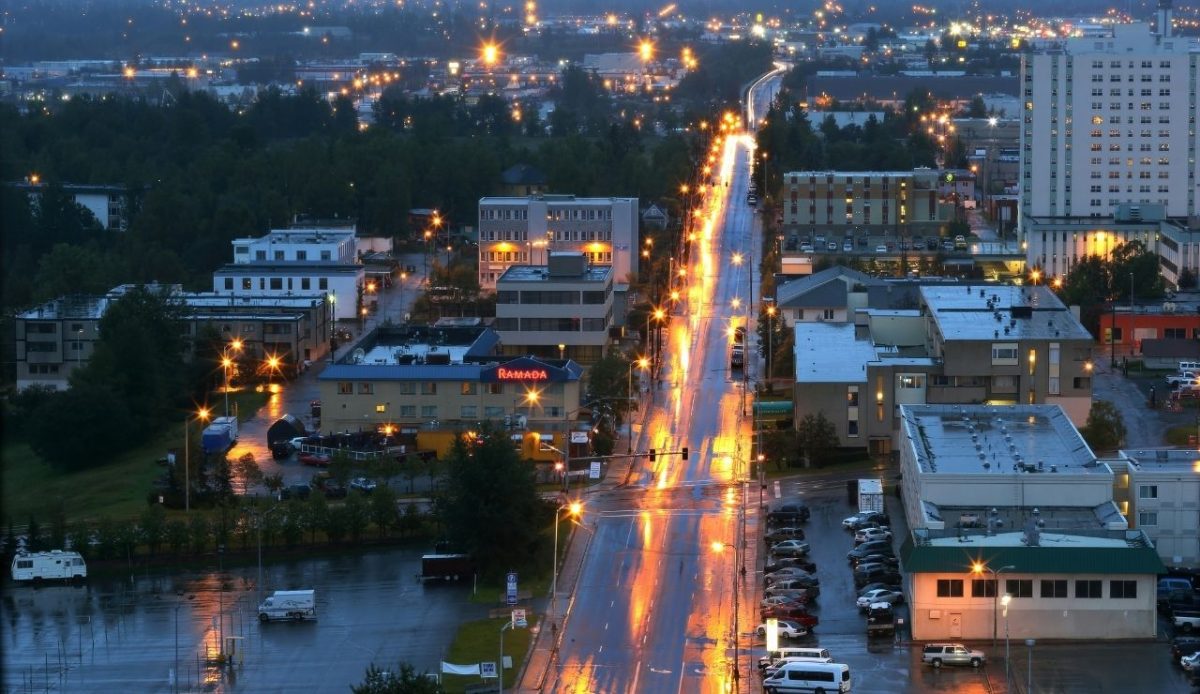
Anchorage streets develop sharp cracks and deep potholes as freeze–thaw cycles repeat throughout long winters, making travel unpredictable for many drivers. Short warm periods limit how much resurfacing crews can complete before snow returns, and storms slow the delivery of needed supplies. Outlying communities still have limited water and sewer access, showing uneven support across the area. Residents say winter damage often clears away progress made in summer, keeping travel tense. Many carry emergency gear because sudden failures on busy or remote routes can leave them waiting. These ongoing issues shape routines from fall through early spring.
13. St. Louis, Missouri
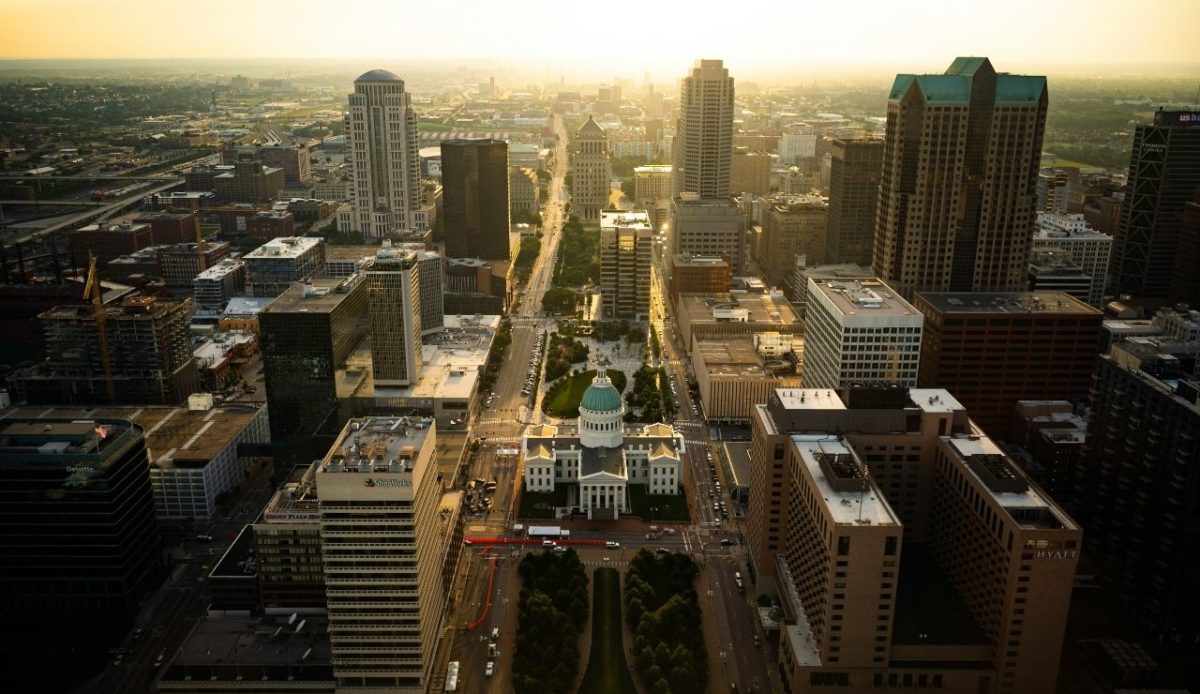
St. Louis deals with sewer overflows during strong storms, pushing unsafe water into alleys, yards, and basements and raising cleanup costs across affected homes. Heavy rain stresses older lines, and families watch forecasts closely when storms approach. Major upgrade projects aim to expand tunnels and modernize treatment sites, but long build times keep roads narrowed for extended periods. Residents describe a repeating cycle where one repair ends and another begins nearby. People in low areas raise belongings and prepare backup pumps. Many say seasonal surges now shape decisions about errands, work plans, and overall household safety.
