
Turkey offers a wide range of locations that help visitors understand how different cultures influenced the region. Many travelers map routes that link historic districts, coastlines, and archaeological zones because transportation networks make movement between cities simple. Guided tours are helpful for visitors who want clear explanations, while independent travelers often rely on posted panels at each site. The mix of ancient structures, religious landmarks, and outdoor scenery gives travelers enough variety to build short or long trips without difficulty.
1. Hagia Sophia, Istanbul
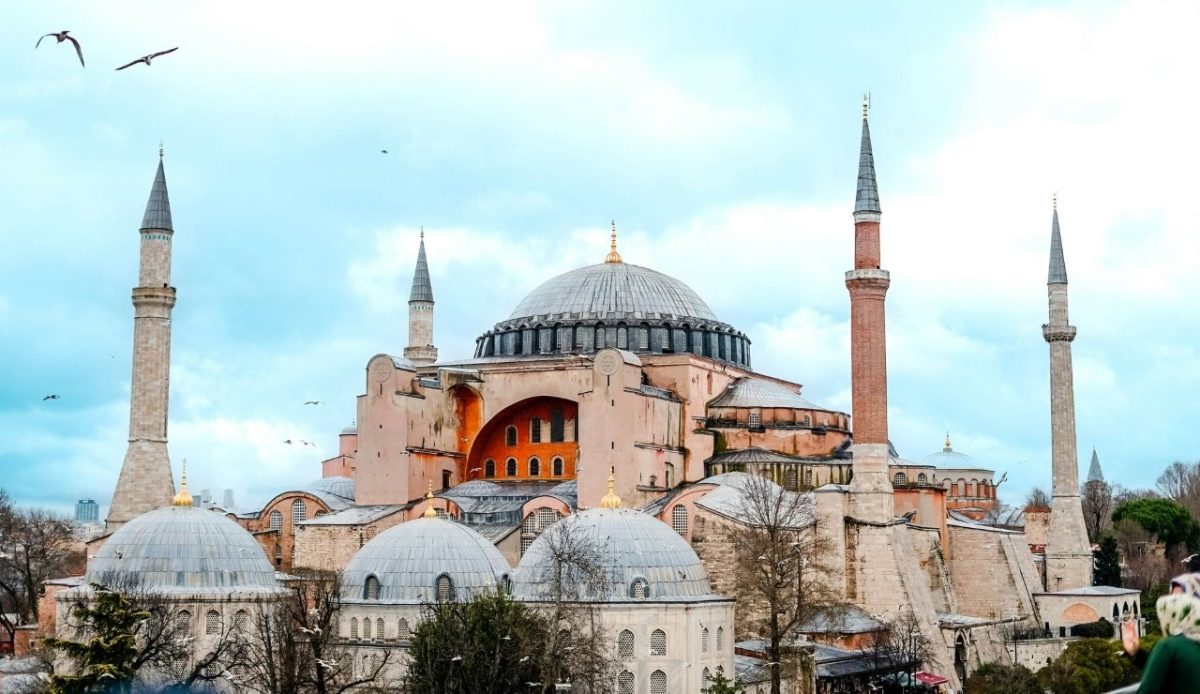
Inside Hagia Sophia, visitors see architectural changes that reflect different eras of control. The main hall draws attention with its large dome, while upper galleries display mosaics and marble patterns that visitors study closely. Pathways support heavy traffic and maintain steady movement throughout the day. Audio guides cover construction stages and note sections that many travelers overlook. The site connects easily with nearby attractions, allowing visitors to add Hagia Sophia to a planned route without adjusting their schedule. Its location helps keep daily visits consistent across all seasons.
2. Cappadocia Hot Air Balloon Valley, Nevşehir
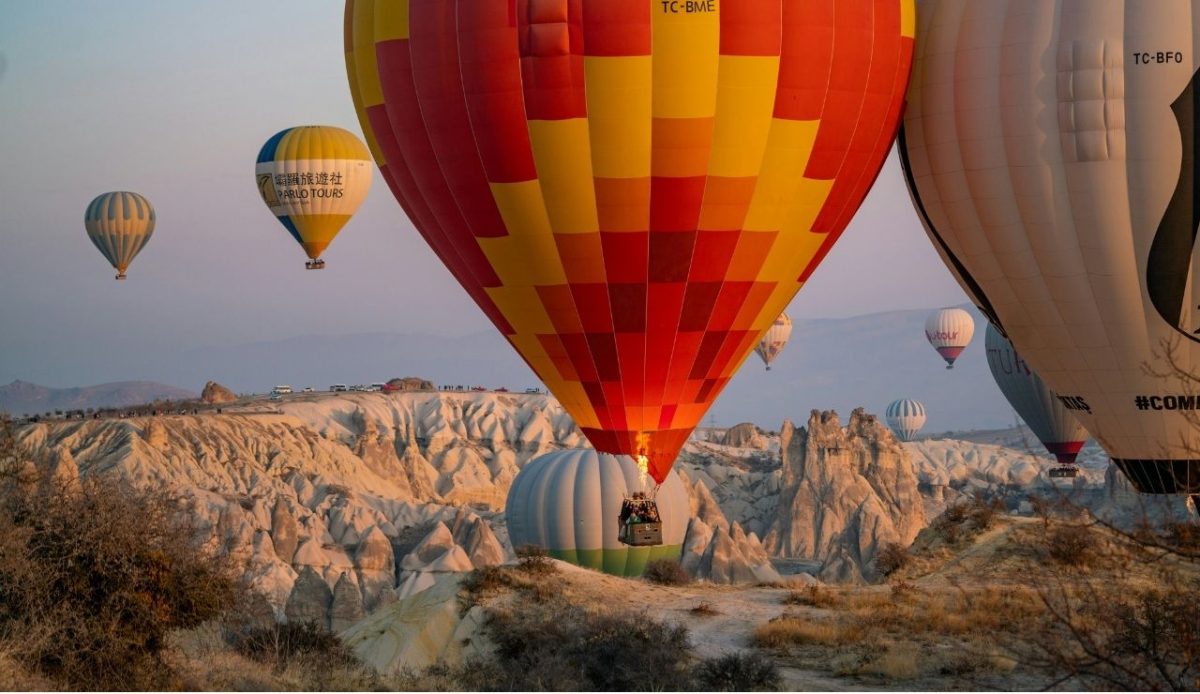
Balloon flights over Cappadocia give travelers a wide view of the rock towers and valleys shaped by natural forces. Launch teams prepare equipment before sunrise and review wind patterns to confirm flight safety. Visitors receive short instructions on balance and landing positions. During flight, pilots follow routes that avoid rugged zones while giving passengers open views across the region. On landing, the staff guide the basket to a safe position and answer questions about the terrain. Tour operators often share basic geological information that helps travelers understand how the formations developed.
3. Pamukkale Travertine Terraces, Denizli
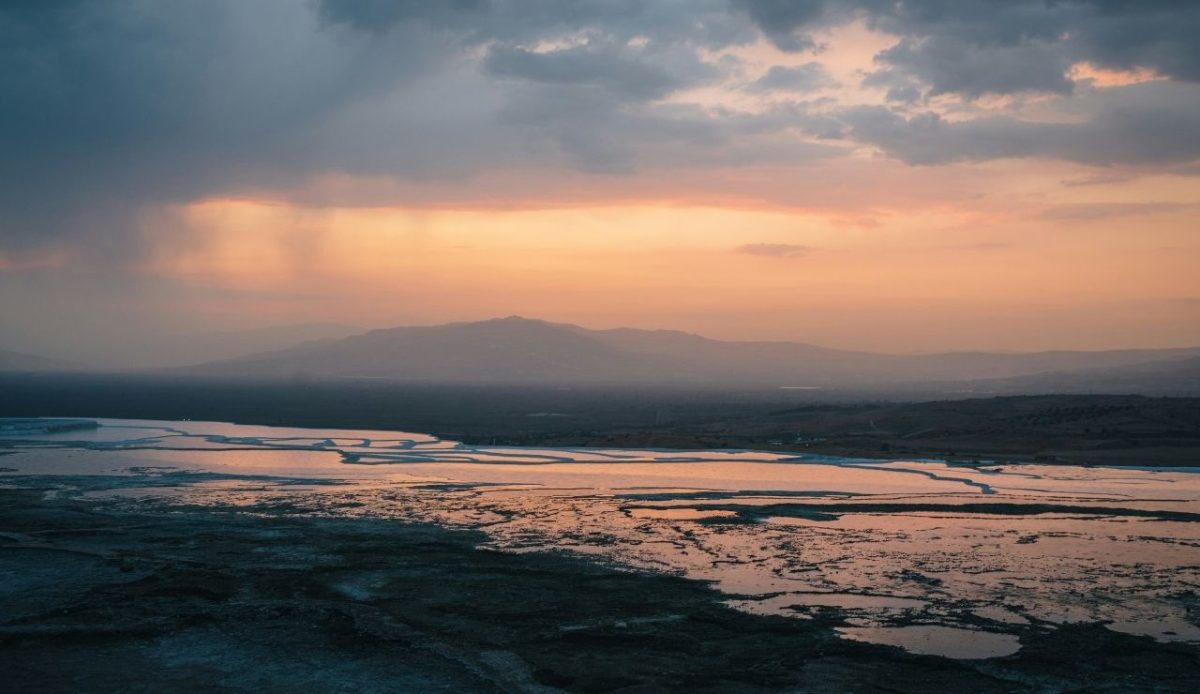
Pamukkale’s terraces take shape from mineral deposits carried by flowing hot water. Visitors follow marked routes that protect the formation from pressure and prevent surface damage. Warm pools allow travelers to stand in shallow sections, though deeper areas remain off-limits to preserve the site. Many visitors pair the terraces with a walk through Hierapolis, where an old theater and bath complex show how the area supported its former residents. The terraces shift in appearance as light changes during the day, which encourages travelers to stay longer for varied photo angles.
4. Blue Mosque, Istanbul
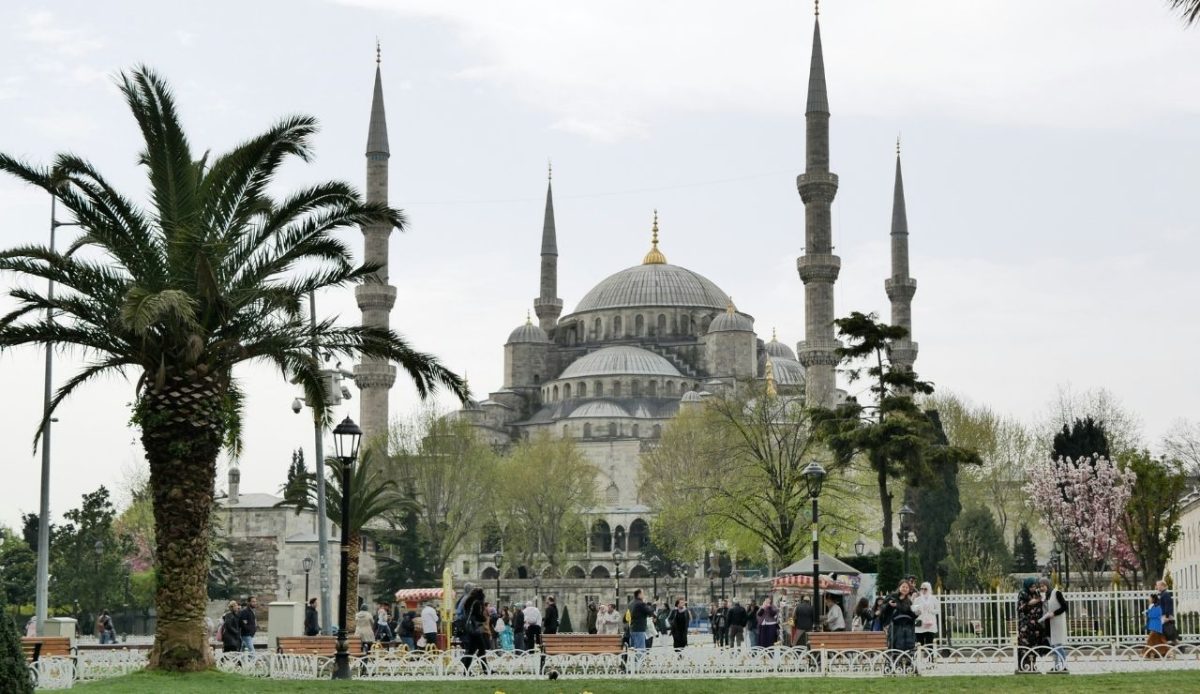
Entry points at the Blue Mosque guide visitors through the courtyard and into the main hall without disrupting prayer schedules. Patterned tiles cover much of the interior, and teams work year-round to protect their condition. Visitors often pause in the courtyard to observe the structure’s scale before entering. Guides explain construction phases and highlight architectural choices that influenced nearby districts. Clothing rules and posted instructions help maintain respectful movement. The mosque’s central position allows travelers to reach several major landmarks on foot without planning complex routes.
5. Ephesus Ancient City, İzmir
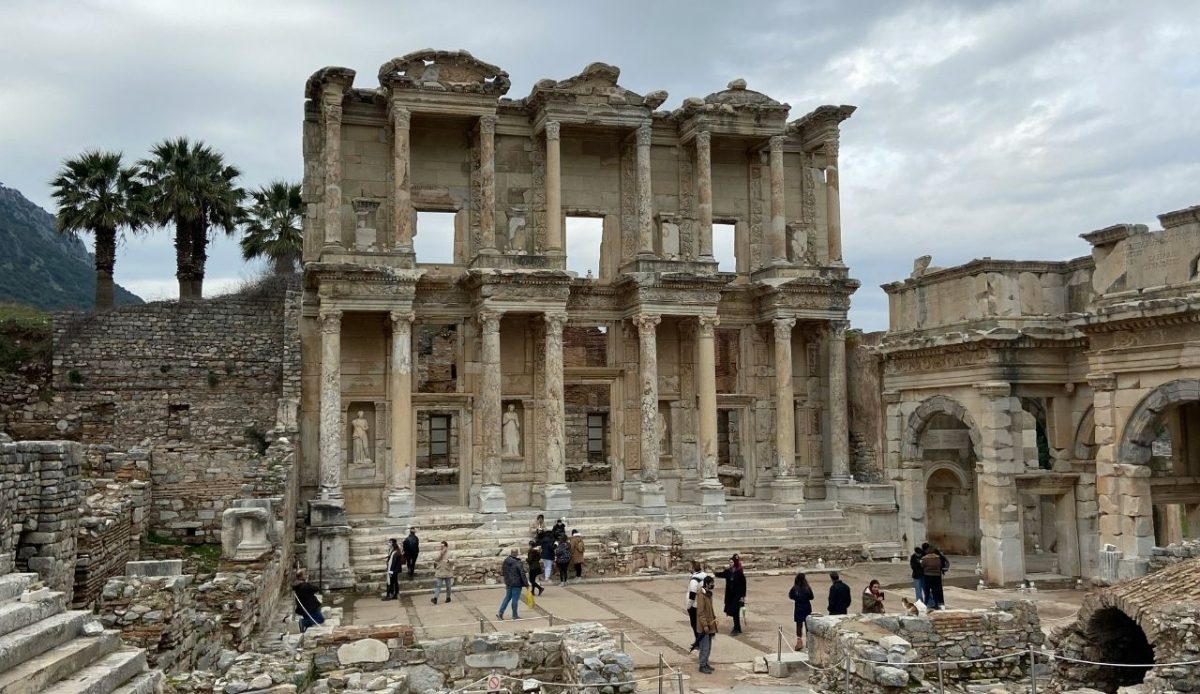
Ephesus presents a long stone path that leads past the Library of Celsus, the theater, and several smaller structures. Each stop reveals how the ancient city managed trade, public gatherings, and daily activity. Guides show excavation zones and explain how teams uncover new sections over time. Higher temperatures during peak season encourage early visits, and many travelers bring water as they move through the open layout. Clear signs make navigation simple without group assistance. The size and condition of the ruins encourage longer visits for travelers interested in Roman-era planning.
6. Topkapi Palace, Istanbul
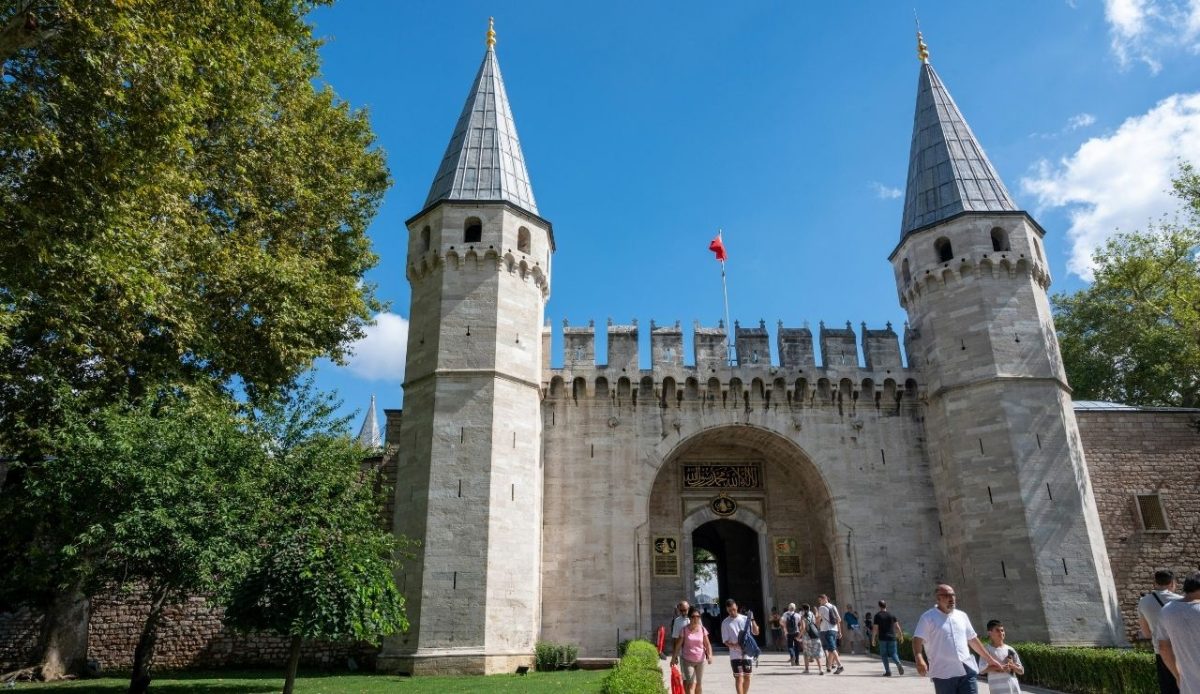
Several courtyards at Topkapi Palace lead visitors through kitchens, audience rooms, and living spaces that once supported Ottoman rulers. Display cases hold items related to ceremony, governance, and military activity. The museum route moves in a single direction, which limits congestion during busy hours. Travelers use audio guides to understand how each section functions without waiting for a group tour. The palace’s proximity to tram lines and ferry docks helps visitors reach the site easily. Many travelers spend several hours exploring because the complex covers a large area.
7. Mount Nemrut, Adıyaman
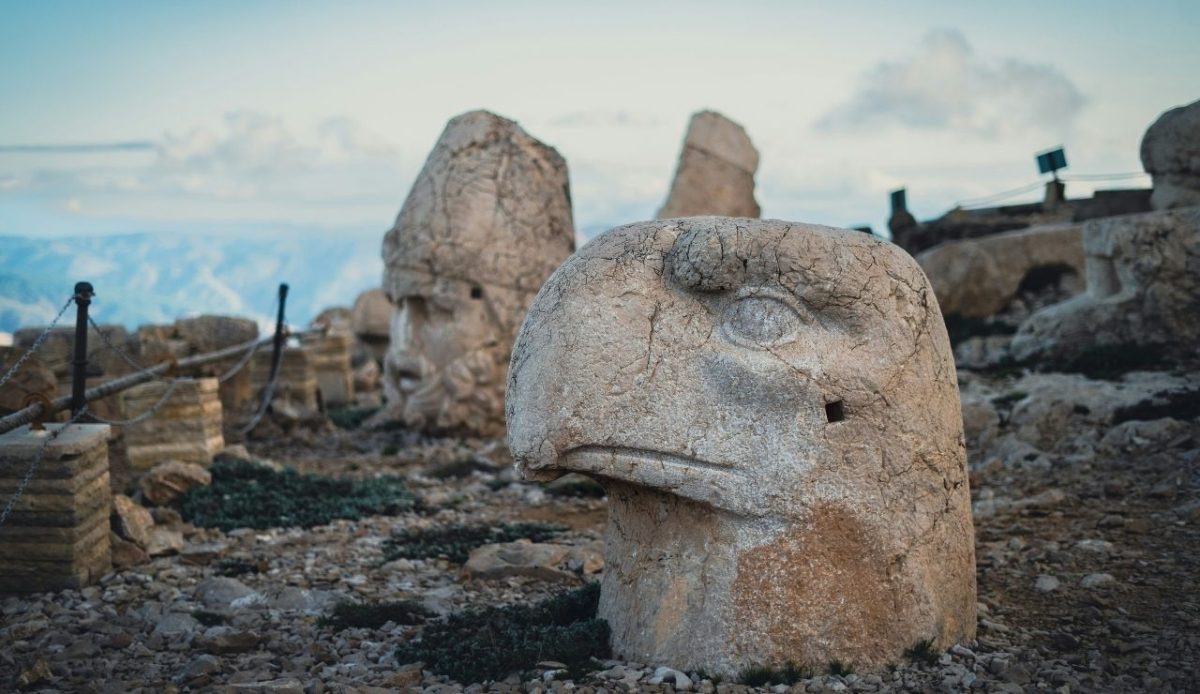
Reaching Mount Nemrut involves a drive through mountain roads followed by a walk to the summit, where stone figures stand across a wide platform. Barriers protect the sculptures while still allowing clear views from multiple angles. Travelers often plan visits around sunrise or sunset because lighting reveals the details of the carved heads. Weather conditions at higher elevations change quickly, so visitors should prepare with layers and sturdy shoes. The remote location adds a distinct atmosphere that differs from city-based historical sites. Staff provide brief guidance to help visitors stay on marked paths.
8. Antalya Old Town (Kaleiçi), Antalya
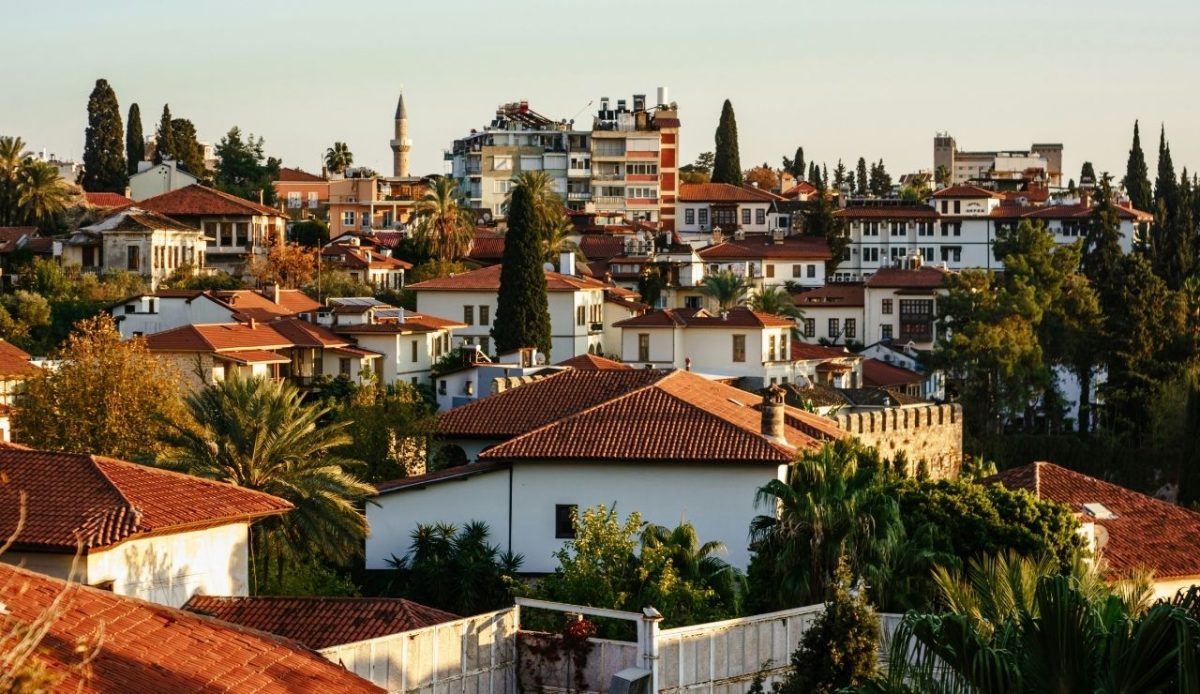
Kaleiçi features narrow streets lined with restored homes that now operate as shops, guesthouses, and small restaurants. Visitors move through the district without strict direction because most routes circle back toward the main gate or harbor. The stone gate acts as a reliable reference point for tours. Local guides show building details linked to earlier periods and help travelers notice features hidden in small alleyways. The harbor walkway offers a wide view of the coastline and serves as a break point for visitors exploring on foot.
9. Göbekli Tepe, Şanlıurfa
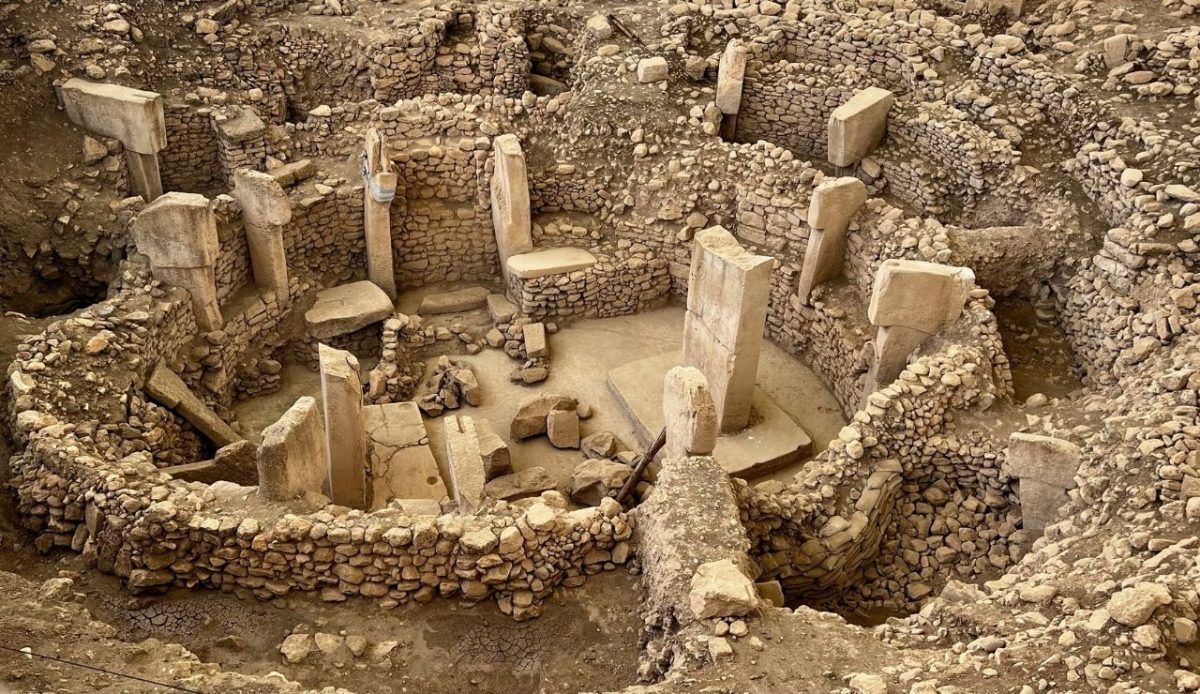
Walkways at Göbekli Tepe let visitors circle the excavation pits while keeping pressure off the fragile ground. Large coverings shield carved pillars from sunlight and rain to maintain their condition. Guides explain excavation history, pillar arrangement, and how researchers continue to study the site. Panels provide clear summaries for visitors who prefer self-guided movement. The short drive from Şanlıurfa follows a straightforward route marked with signs pointing directly to the entrance. Many travelers spend extended time reading details because the site’s age draws consistent attention.
10. Sumela Monastery, Trabzon
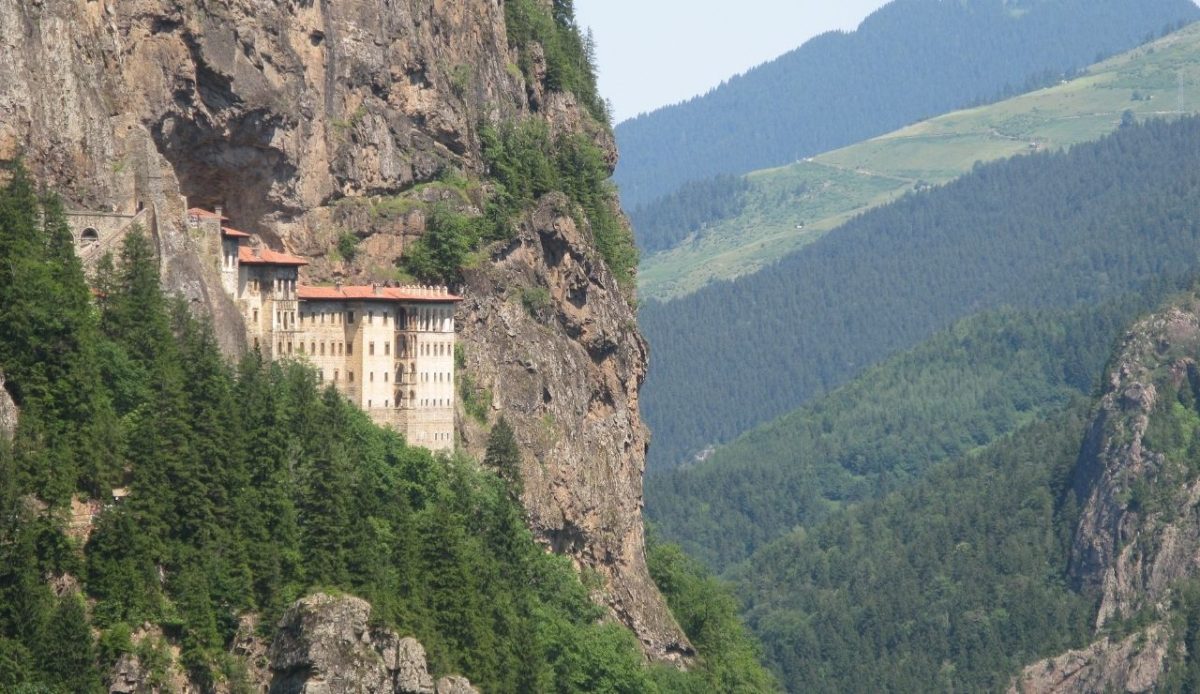
Visitors reach Sumela Monastery through a shuttle system or by walking a marked trail that climbs through forested terrain. The first viewpoint shows the monastery against a cliff, giving travelers a strong sense of its original isolation. Inside, painted walls remain under active restoration, and staff regulate access to protect sensitive areas. Outdoor terraces show the depth of the valley and attract travelers who want wide views. Cooler air at the site is common even in warmer months, so visitors come prepared. The setting and preserved sections keep the monastery included in most regional travel routes.
