
Travelers often assume points always bring the lowest cost, yet airline pricing changes throughout the year and can shift the real value of your balance. Cash fares drop when airlines adjust seats to fill aircraft, and these reductions often surprise travelers who rely on rewards alone. Understanding when a paid ticket makes more sense helps you protect your points, avoid weak redemptions, and keep your balance ready for routes where savings are greater. This approach supports better long-term planning and improves the value you get from each trip.
1. When Cash Fares Are Cheaper Than Your Points Value
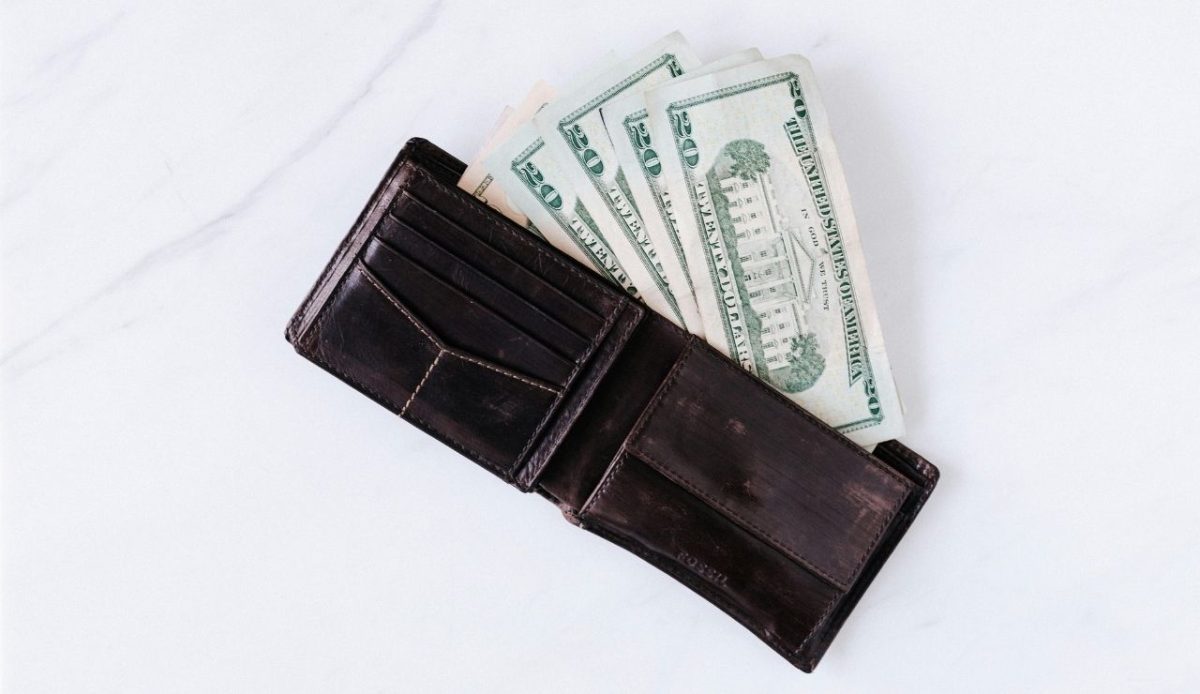
Airline pricing changes throughout the week as carriers update routes, match competition, and shift inventory. These adjustments can lower a cash fare far below the value of the points you would spend. Buying the ticket during these drops protects your points for higher-priced routes that need more flexibility or have limited award space. Many travelers use fare alerts to notice sudden reductions that make a cash purchase the better choice. When the numbers clearly show a stronger value from paying, the cash fare helps your balance last longer and supports future high-value trips.
2. When You Need Miles or Segments to Keep Elite Status
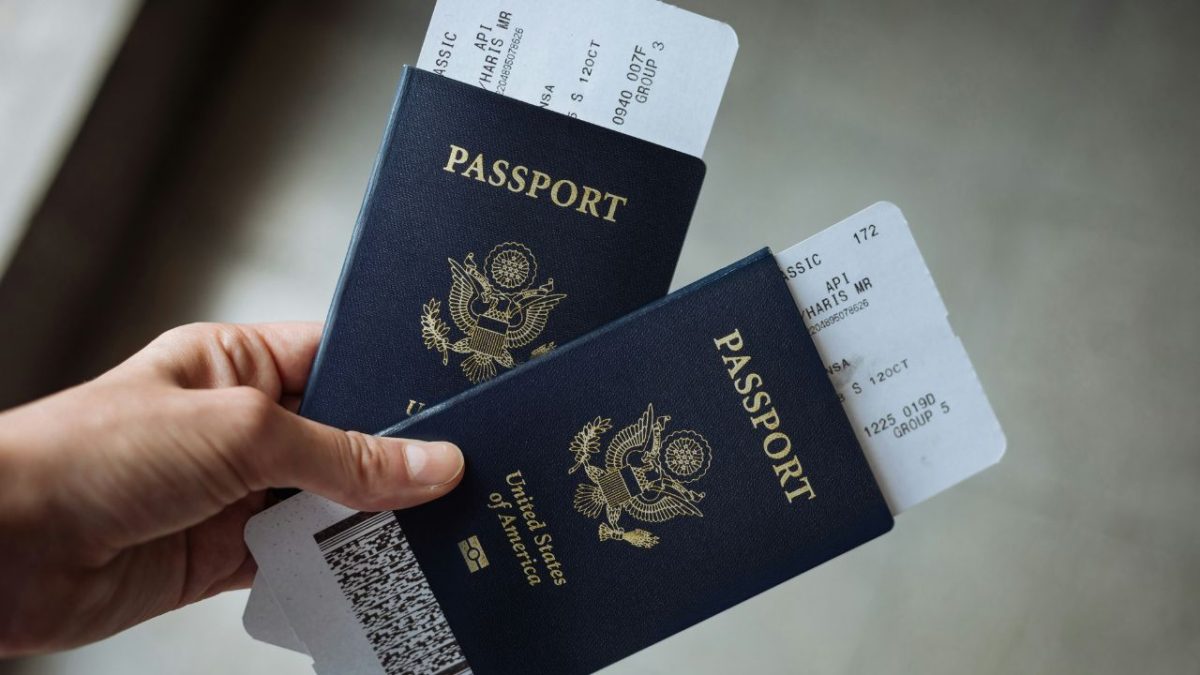
Award tickets rarely count toward elite status, which makes paid fares important when you are close to renewing your annual level. Travelers often reach the end of the year only a few miles short, and using points at this stage stops progress immediately. Buying a ticket keeps your account moving toward the next tier and helps you retain useful benefits that improve future flights. Early boarding, preferred seating, and airport services can reduce stress on busy travel days. A single paid fare can protect your status for the entire next year.
3. When Award Tickets Add High Taxes and Extra Fees
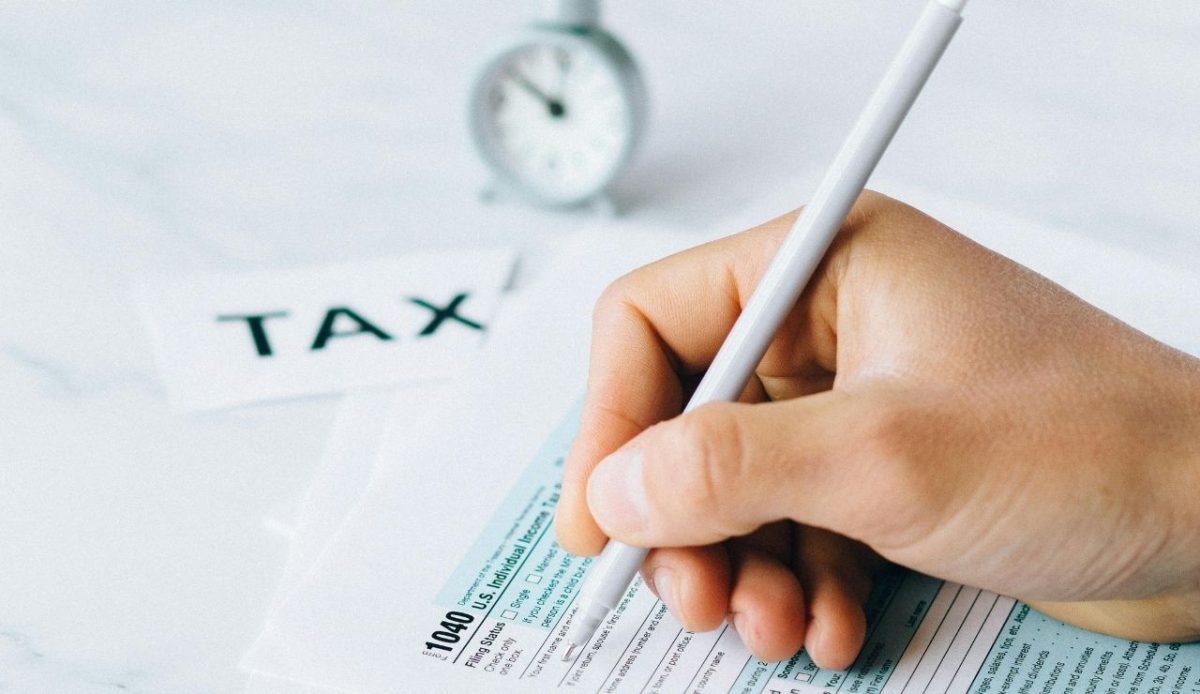
Some international airports and partner carriers attach heavy charges to award bookings. These added costs reduce the value you expect when using points and can bring the total close to the price of a discounted cash fare. Fuel charges, airport fees, and other mandatory costs vary by route, so travelers often review totals carefully before confirming a redemption. When these extra expenses undermine the savings you hoped for, paying cash becomes the practical option. This avoids spending both points and money on a ticket that does not offer strong financial value.
4. When Discounted or Basic Economy Fares Are Very Low

Airlines often run short-term reductions on domestic and regional flights, especially during slow periods. These deals sometimes drop far below what you would reasonably redeem in points. Basic economy fares may limit seat selection or allow fewer changes, yet the low price frequently outweighs those restrictions when the trip is short. Using points on a cheap route drains your balance without delivering real savings. Buying the ticket instead preserves your points for longer flights or busy seasons where cash prices remain high and redemption value grows.
5. When Flexible or Refundable Paid Fares Matter More
Award seats often carry strict rules for cancellations and changes, and many programs charge fees to return points when plans shift. Paid fares offer flexible or refundable options that help you adjust without penalties. When you expect uncertainty in your schedule, a flexible cash ticket protects you from extra charges and avoids tying up points while you finalize details. Travelers who manage work trips, family needs, or changing timelines often choose paid fares because they provide more control and fewer restrictions when plans change unexpectedly.
6. When Award Space Forces Bad Connections or Long Layovers

Award availability can be limited, leading to options that include long layovers or multiple stops that add unwanted time to your trip. When a cash fare offers a nonstop flight or a schedule that fits your plans better, paying for the ticket avoids unnecessary airport delays. Many travelers value convenience over small point savings, especially when the destination time is limited. Buying the ticket often reduces travel fatigue, lowers the chance of missed connections, and improves timing for hotel check-in or planned activities at your arrival city.
7. When Dynamic Pricing Makes the Award Cost Too High
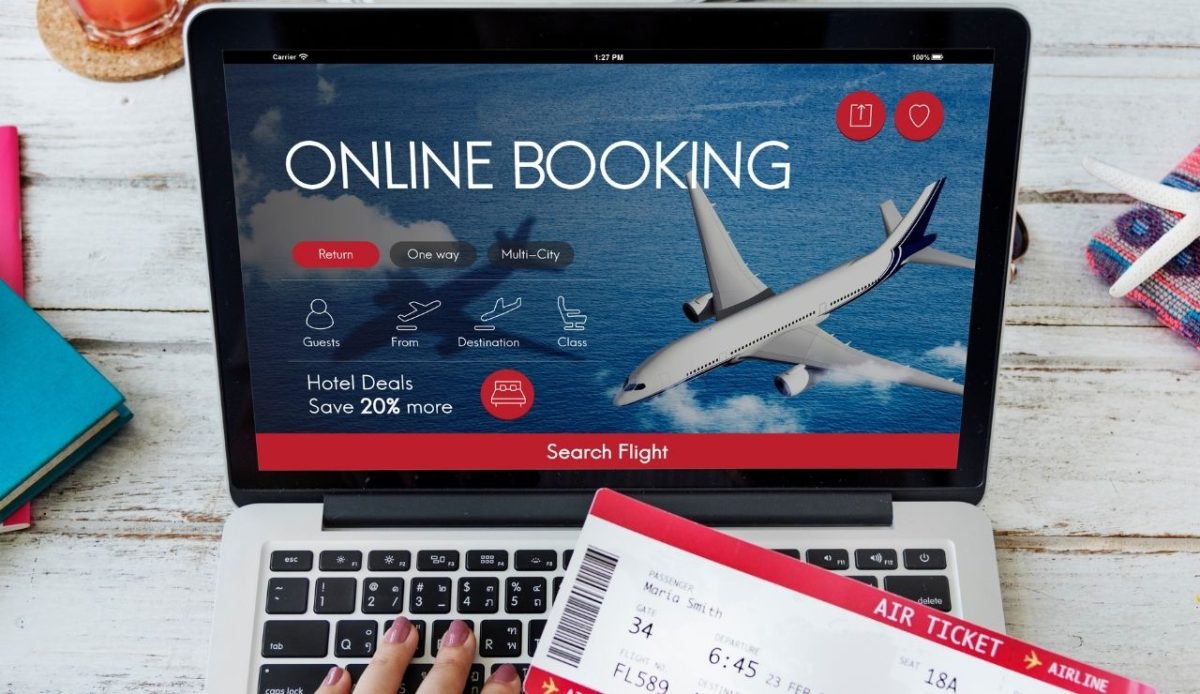
Airlines now use dynamic pricing, meaning award rates rise when demand increases. A short route can suddenly require a large number of points during peak seasons. When this happens, the redemption loses value, and buying a cash fare keeps you from spending more points than necessary. Travelers often wait for off-peak dates or alternative routes before using rewards. Paying cash on inflated days protects your balance and helps you save points for times when redemption rates return to a fair level and deliver stronger overall value.
