
Commercial jet production helps show which manufacturers shaped the global airline industry. Some companies have built aircraft for many decades, while others joined later and are still growing their output. Production totals reflect how airlines choose aircraft for different routes, how makers respond to demand, and how each company supports its fleet through parts and training. Larger manufacturers rely on wide supplier networks, while newer firms work toward stable long-term programs. Ranking these makers by total aircraft built gives a clear look at how the modern jet fleet formed and which companies airlines depend on around the world.
1. Boeing
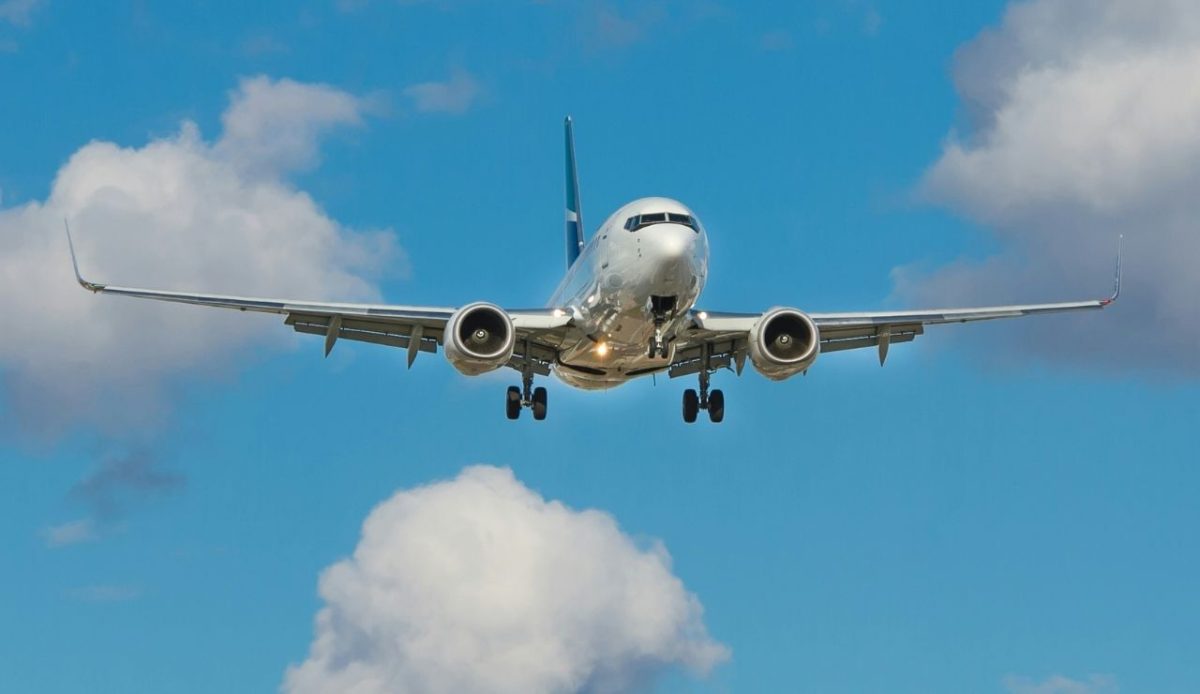
Boeing built more commercial jets than any other company, with more than twenty thousand aircraft delivered across several major families. The 737 series alone accounts for a large share of that total and remains one of the most common aircraft types in global service. Longer-range models like the 747, 767, 777, and 787 helped Boeing stay active in both passenger and cargo markets. These aircraft supported airlines during major shifts in travel demand and continue to operate across many countries. Boeing’s long experience and strong global support network keep it at the top of commercial jet production.
2. Airbus
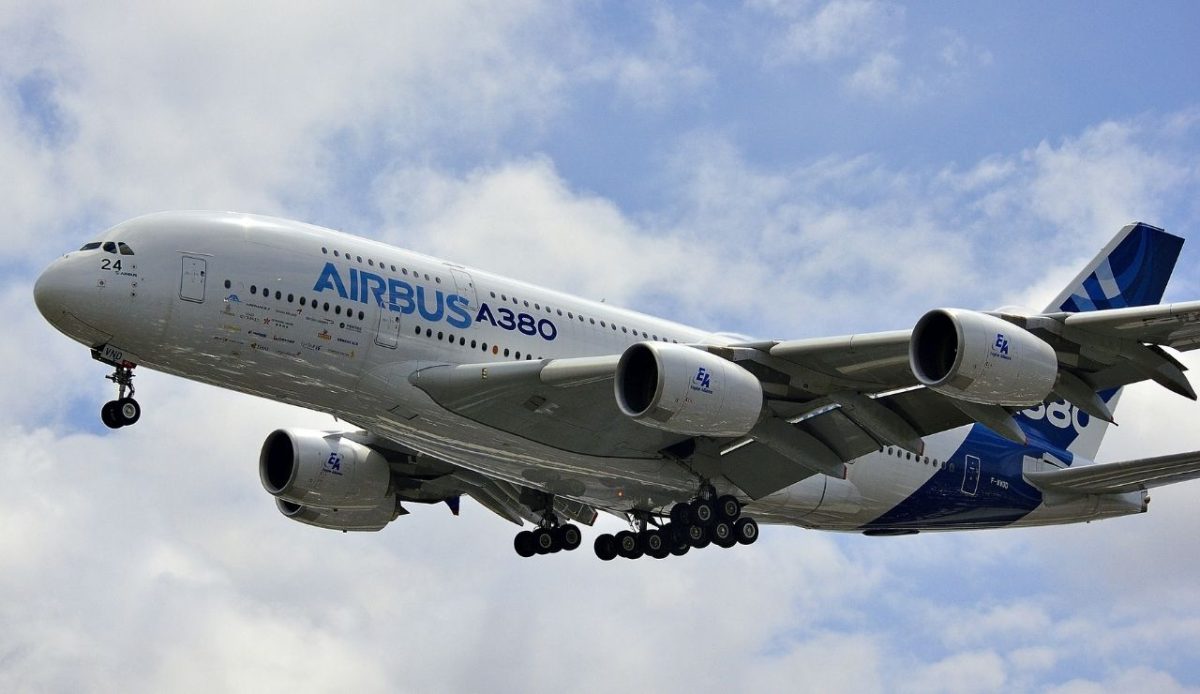
Airbus holds second place with more than fifteen thousand commercial jets delivered since it entered the market in the 1970s. The A320 family became its most successful program, serving airlines that need efficient aircraft for short- and medium-range flights. Airbus expanded into long-haul operations with the A330 and A350, allowing carriers to update their wide-body fleets with newer technology. Although the A380 ended production, it demonstrated Airbus’s ability to handle large and complex projects. Steady growth, frequent deliveries, and a broad product range helped Airbus compete closely with Boeing in many international markets.
3. Embraer
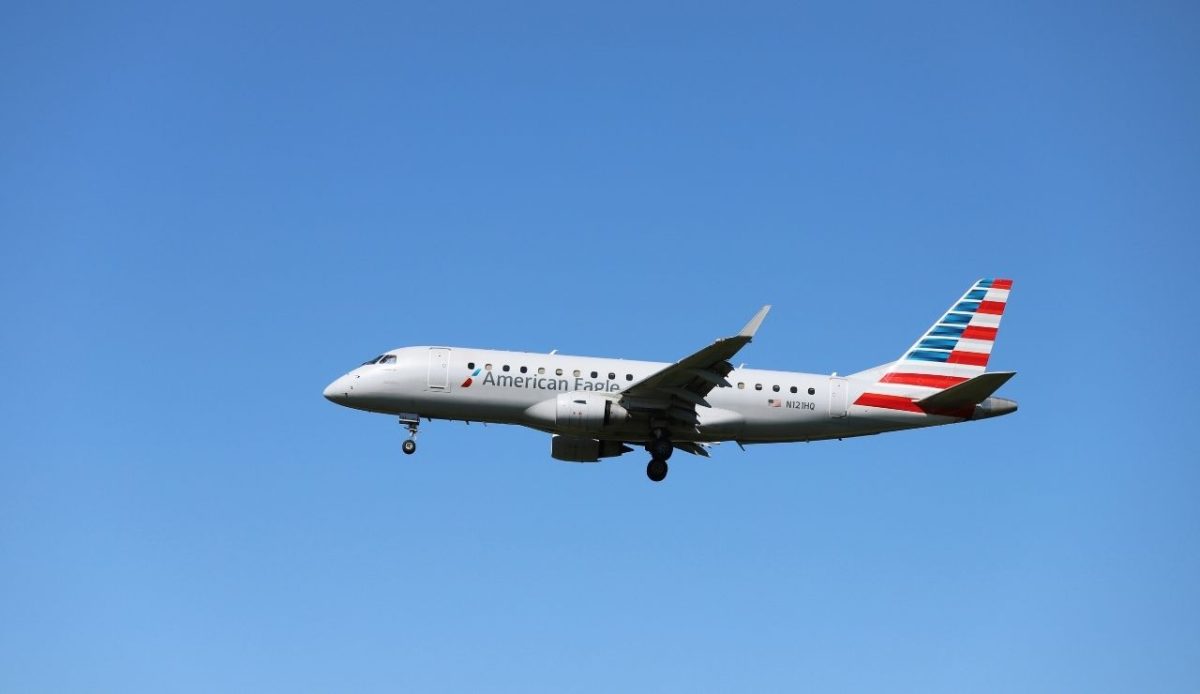
Embraer leads the regional jet market with more than three thousand aircraft delivered worldwide. The ERJ 135 and 145 families supported early growth by giving airlines small jets suited for local and mid-sized markets. The later E-Jet series expanded Embraer’s reach by offering better performance and modern cabins. The updated E2 models continued that progress, attracting airlines looking for fuel savings and flexible seating. Embraer jets serve many airports that cannot support larger aircraft, making them important for regional networks. This consistent output places Embraer firmly in third place among global commercial jet producers.
4. Tupolev
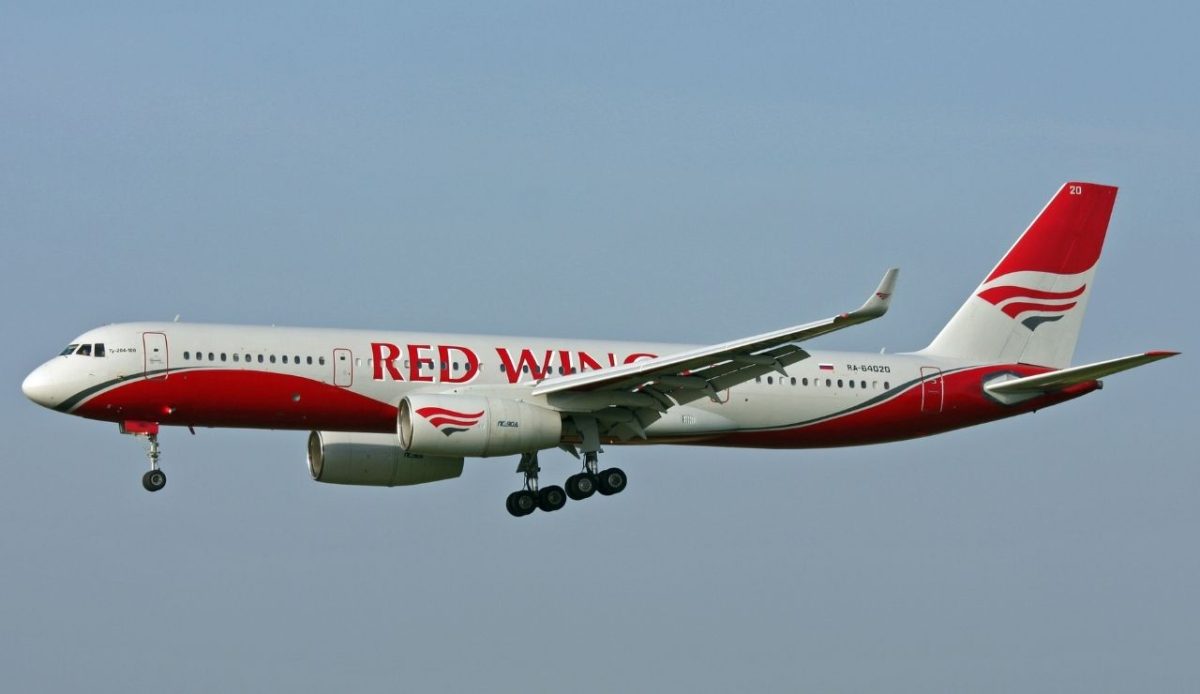
Tupolev built more than two thousand three hundred commercial jets during the Soviet era, playing a major role in regional and long-distance travel across Eastern Europe and Central Asia. The Tu-134 and Tu-154 families were among its most successful models and operated for decades on busy domestic routes. These jets handled varied weather and airport conditions, helping airlines reach remote areas that needed dependable service. Although many Tupolev aircraft have since retired, their production numbers remain significant. Tupolev’s output reflects a long period when national carriers relied mostly on domestically produced aircraft.
5. Yakovlev

Yakovlev delivered about twelve hundred commercial jets, mainly through the Yak-40 and Yak-42 programs. The Yak-40 became popular as a small jet capable of operating from short and less-developed runways, helping airlines serve towns with limited airport facilities. The Yak-42 offered more seats and supported regional travel across the former Soviet Union and nearby countries. These jets filled an important role during a time when many areas depended on smaller aircraft to maintain reliable air service. While Yakovlev no longer builds commercial jets a large scale, its earlier output keeps it among the most productive historic manufacturers.
6. Ilyushin
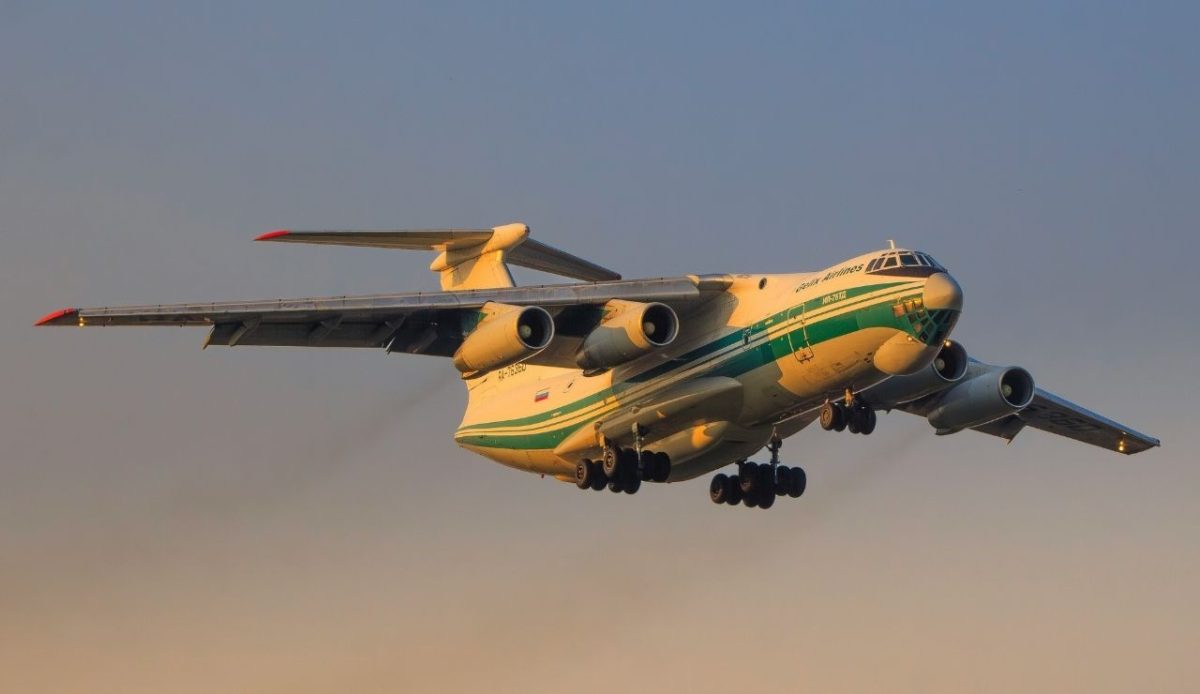
Ilyushin produced more than four hundred commercial jets, focusing on long-range and wide-body designs suited for major carriers in the former Soviet Union. The Il-62 served as a key long-haul aircraft for many years, while the Il-86 and Il-96 provided larger cabins and improved performance on international routes. These models never reached the production levels of Boeing or Airbus, but they supported airlines that needed dependable aircraft for distant and challenging flights. Ilyushin’s production totals reflect its long-term role in meeting travel needs across large regions with limited infrastructure.
7. Sukhoi
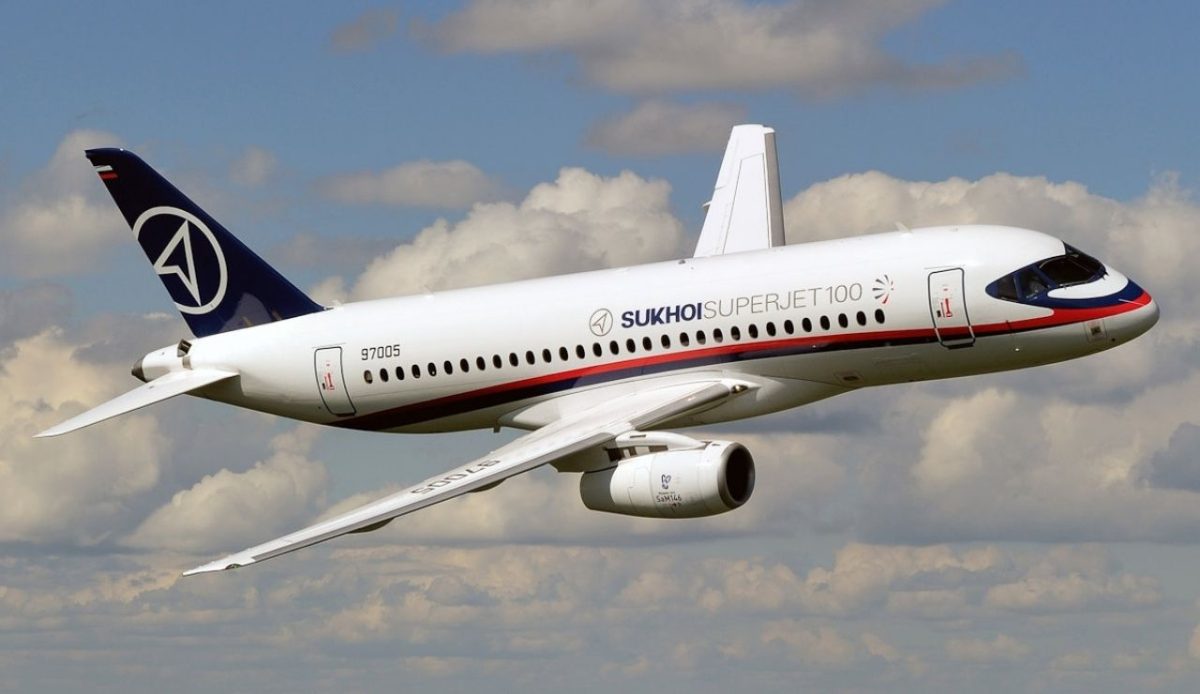
Sukhoi entered the commercial market later than most other manufacturers, delivering more than two hundred Superjet 100 aircraft. The Superjet offered airlines a modern regional jet with updated systems and comfortable interiors. Production slowed at times due to restrictions on imported parts and other supply challenges, but the aircraft remains active with several carriers. Sukhoi continues to refine the design by increasing the use of locally sourced components, aiming to stabilize output. While its total production is smaller than older makers, Sukhoi still holds a measurable place in the regional jet market.
8. COMAC
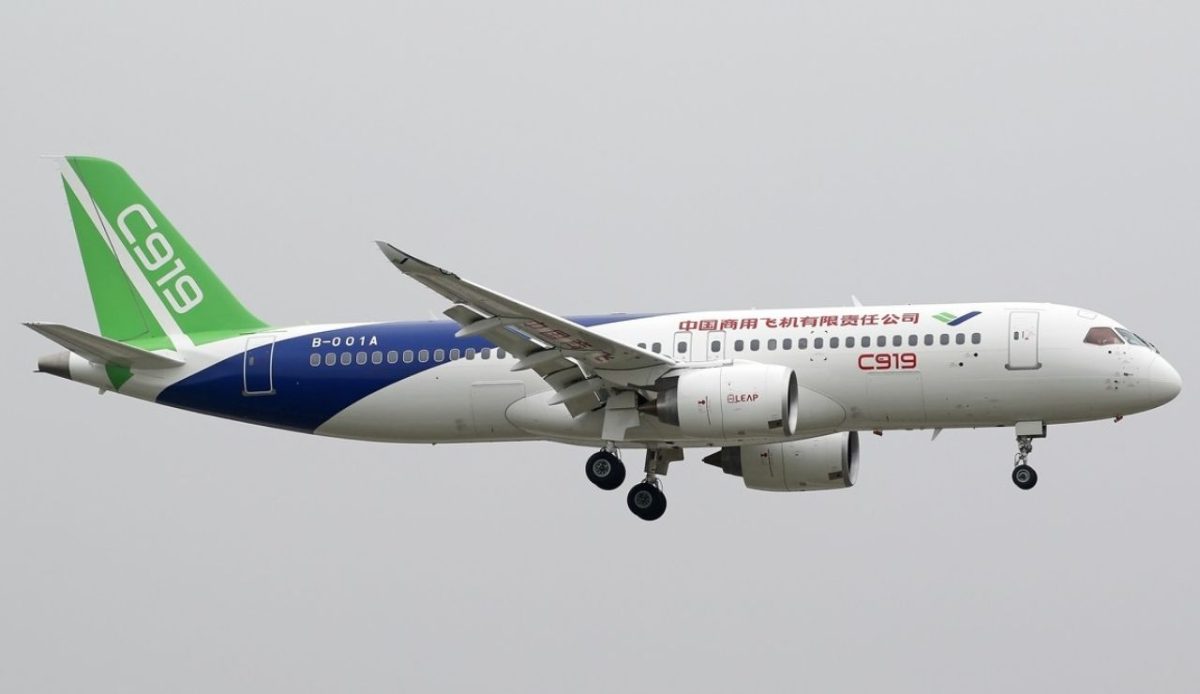
COMAC is the youngest jet maker on this list, but it has already delivered close to two hundred aircraft across its ARJ21 and C919 programs. The ARJ21 serves busy short-haul routes within China and helped the company build experience in mass production. The C919 entered commercial service more recently and continues to receive new orders from Chinese airlines looking for domestic alternatives to larger manufacturers. Production remains slower than established companies, yet COMAC increases output each year as supply chains improve. Its growing presence signals China’s broader effort to expand its role in the global aviation industry.
