
Travel patterns shift as cities update systems, expand transport, and improve day-to-day safety. Many places that once made travelers nervous now offer well-organized services, steady foot traffic, and clear routes that support confident movement. Better lighting, active patrols, and modern transit networks help visitors plan without confusion. Local guides, small businesses, and cultural centers also play a strong role by presenting history and neighborhood details in a direct, practical way. These cities show how long-term planning and steady improvements can change visitor expectations.
1. Medellín, Colombia
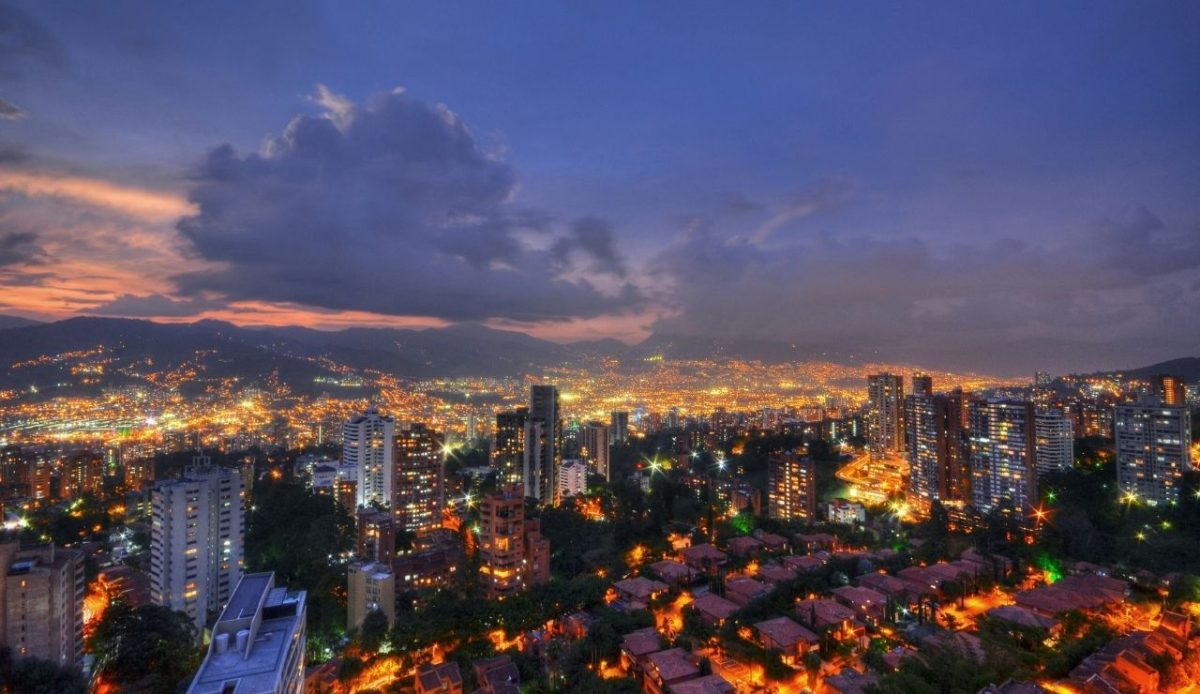
Medellín changed its image through steady investment in transport, public areas, and community programs. Visitors find organized districts, cable cars that link hills to the center, and police presence that helps maintain order in busy zones. The metro system runs on a clear schedule, making movement simple for new arrivals. Local guides and tour companies explain neighborhoods practically, helping travelers decide where to spend their time. Street art routes, museums, and parks now attract steady visitor traffic, and many travelers mention that they move around without confusion when using official transport or registered taxis.
2. Sarajevo, Bosnia and Herzegovina
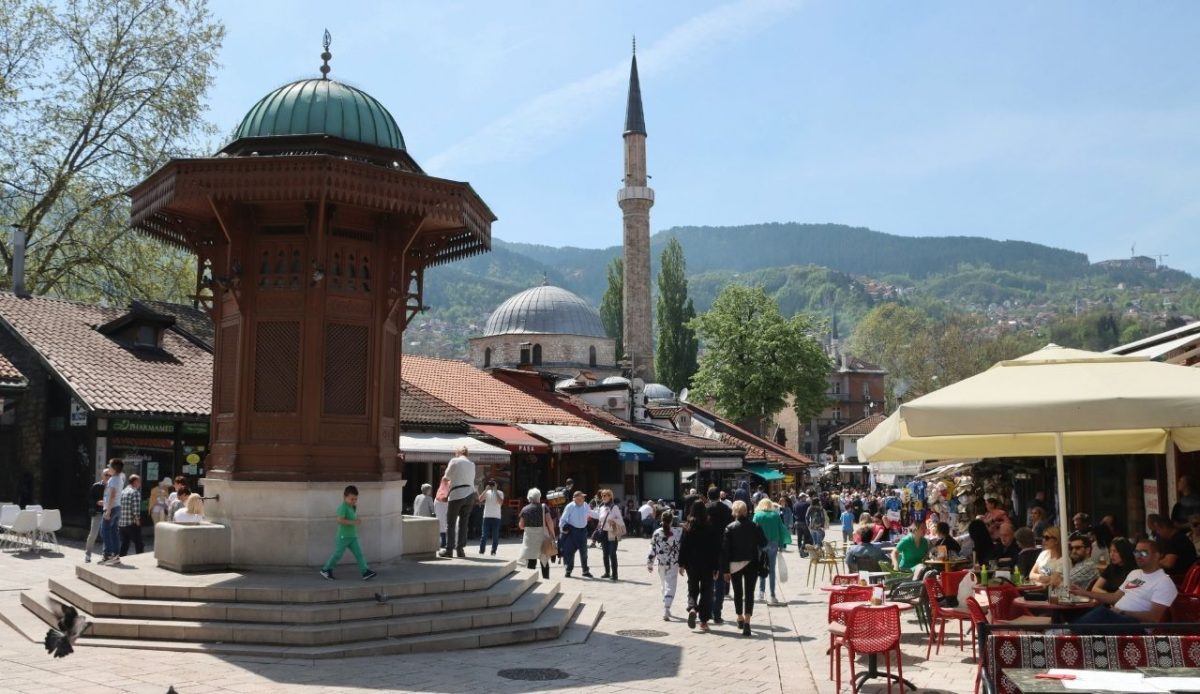
Sarajevo recovered from years of conflict through careful reconstruction and planning that support modern tourism. Visitors walk through markets, museums, and narrow streets that reflect many eras of the city’s past. Streetcars and pedestrian areas help travelers move through central districts without difficulty. Local guides explain historic sites in a direct, easy manner, allowing travelers to understand the city without complicated details. Cafés and family businesses operate at a steady pace, giving the center a calm and welcoming feel during most hours of the day. Travelers often report that services run predictably and that directions are easy to follow.
3. Hanoi, Vietnam
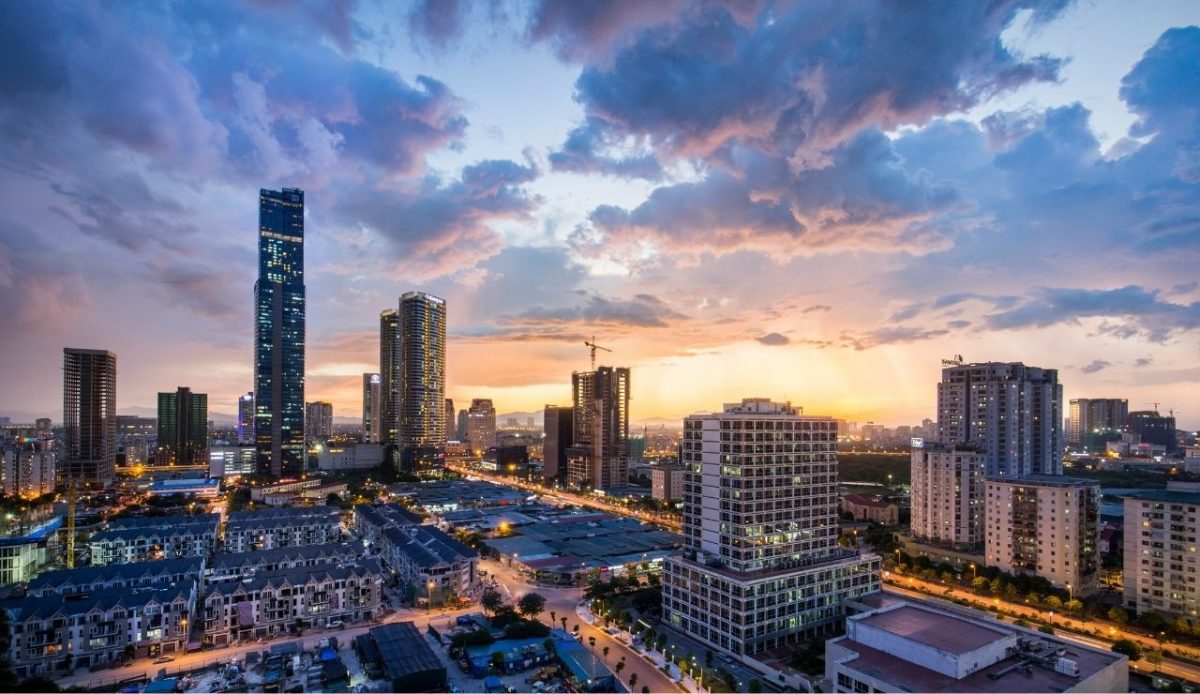
Hanoi functions as a structured, active capital where visitors can plan their days without confusion. The Old Quarter uses a grid of narrow lanes that guide travelers toward key markets, cafés, and craft shops. Hoan Kiem Lake provides a central point where many tourists begin their walks. Food vendors and coffee shops operate through long hours, which helps maintain steady street activity. Ride-hailing services and taxis make movement simple when distances feel longer. Museums and cultural centers present information in clear formats, helping visitors understand local traditions.
4. Belgrade, Serbia
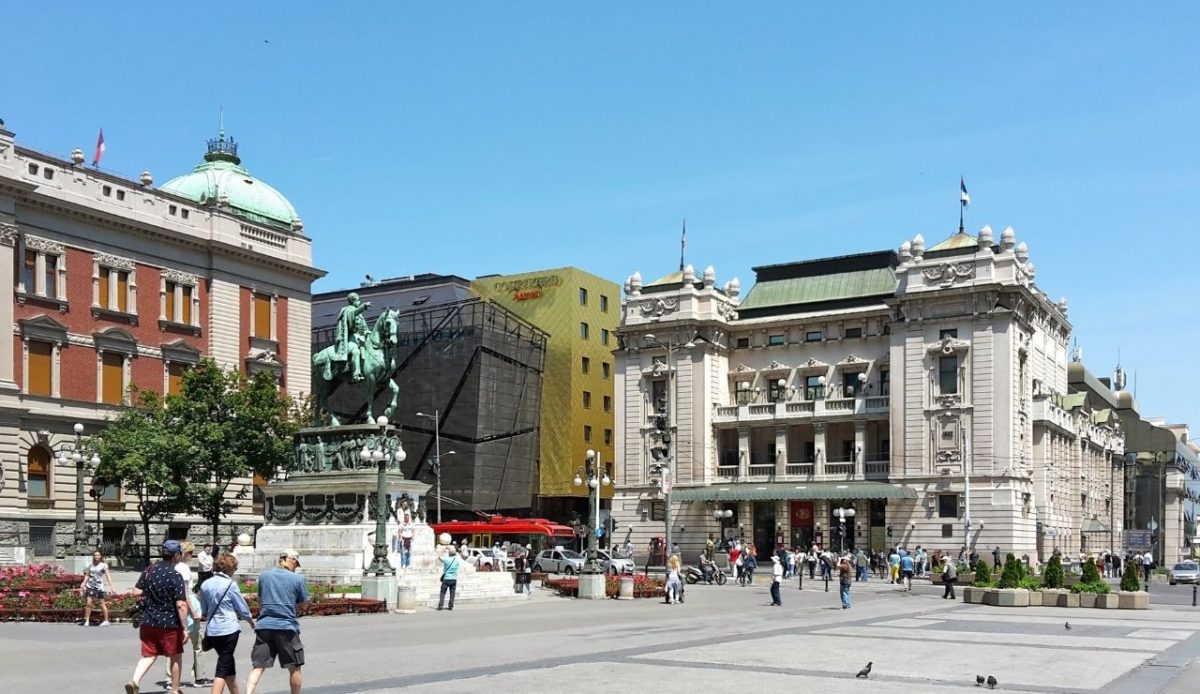
Belgrade attracts travelers who want easy access to history, riverfront paths, and dependable city services. The center features wide streets, active squares, and long pedestrian areas that help visitors move safely between major sights. Public buses and rideshare options connect neighborhoods beyond the center, giving travelers simple ways to reach museums, fort viewpoints, and markets. Restaurants and cafés keep steady hours, allowing visitors to plan meals without uncertainty. Cultural centers highlight local traditions, while renovated buildings around the riverfront offer clear walking paths.
5. Kigali, Rwanda
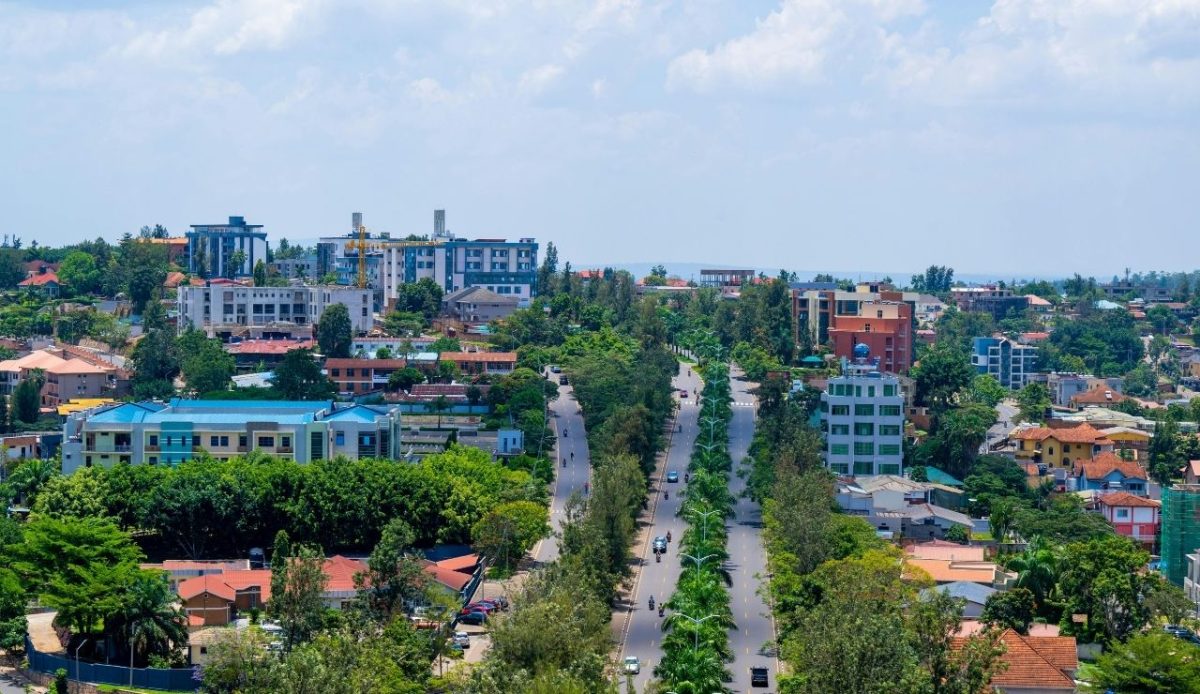
Kigali presents an organized capital marked by clean streets, steady security presence, and efficient transport systems. Visitors move easily between museums, memorial sites, and markets that follow clear operating rules. The city maintains well-monitored taxi services and bus routes, giving travelers simple ways to cover longer distances. Public gardens, art studios, and cafés offer calm places to spend time during the day. Kigali places strong emphasis on cleanliness, which supports a pleasant atmosphere across central districts. Travelers often mention helpful communication from residents and straightforward directions when navigating to hotels, dining areas, and shopping zones.
6. Dubrovnik, Croatia
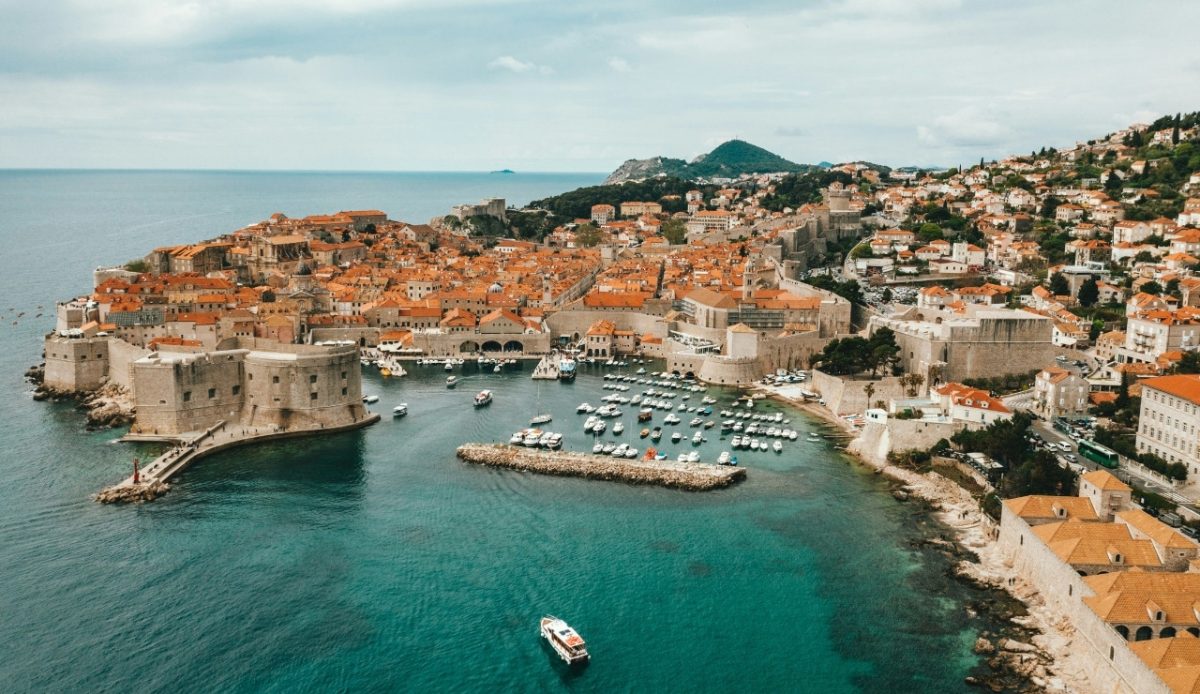
Dubrovnik moved past its difficult period in the early 1990s and now welcomes large numbers of visitors each year. The city relies on a clear tourism structure with well-marked routes, local guides, and organized entry points to the old walls. Cruise arrivals follow monitored schedules that help manage foot traffic, especially during peak months. Public buses run on predictable routes, allowing travelers to reach nearby beaches and viewpoints without confusion. The old town provides strong lighting, frequent patrols, and steady business activity that keep major areas active from morning through late evening.
7. Vilnius, Lithuania
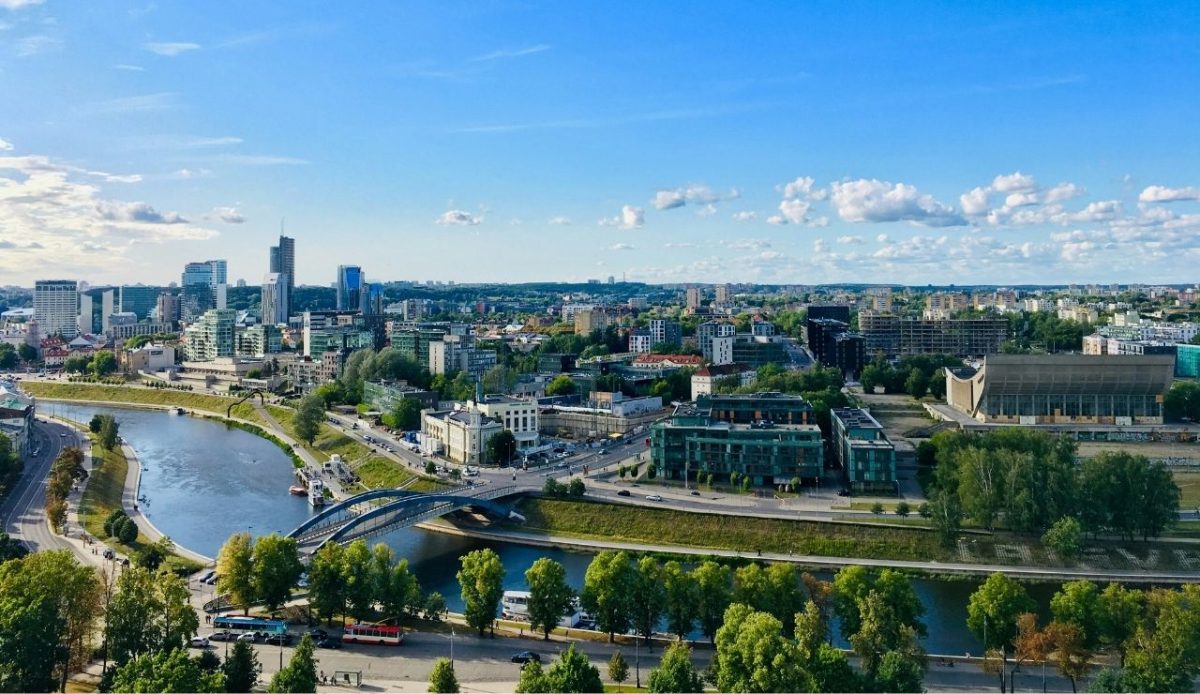
Vilnius adjusted its urban services over the past two decades, creating a calm and organized capital where visitors can move confidently. The old town uses broad streets, clear signage, and dedicated walking paths that support long days of exploration. Public buses and modern rideshare options make it simple to reach districts outside the center, including university areas, markets, and art zones. Museums and cultural centers present information in an easy format, helping travelers understand local traditions and the city’s past. Cafés, bookstores, and small shops operate with consistent hours, giving visitors dependable places to rest or plan the next part of their day.
8. Bogotá, Colombia
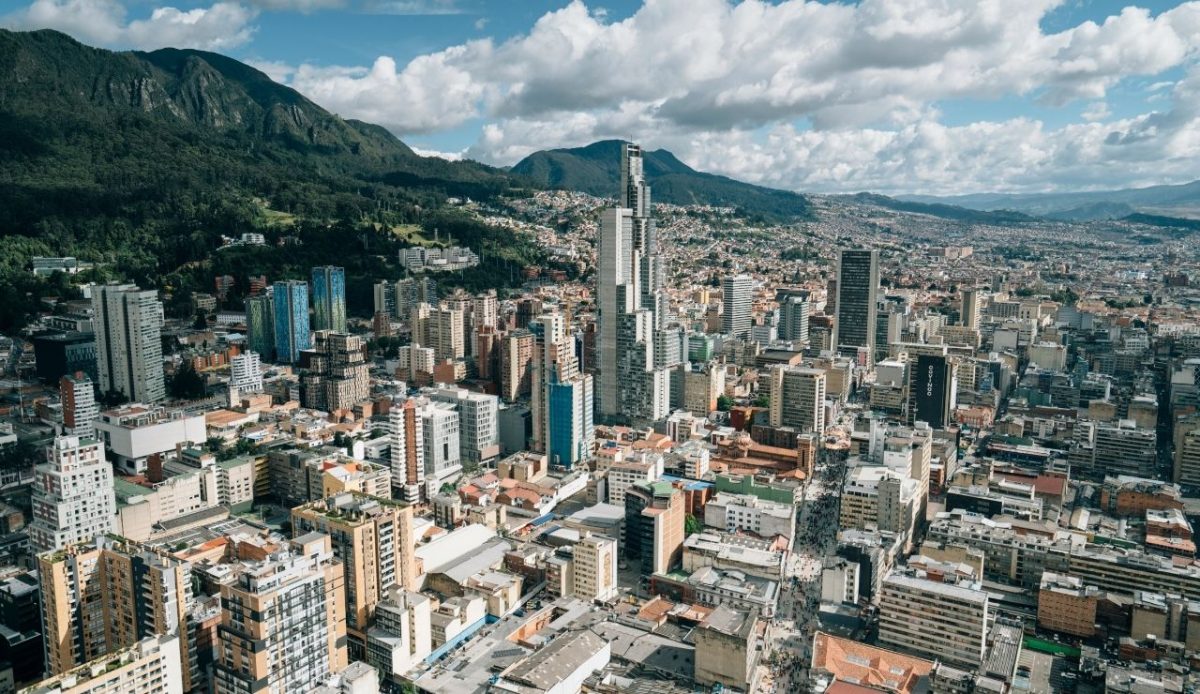
Bogotá faced years of instability, yet the city strengthened public safety measures and expanded organized transit to support tourism. Visitors rely on monitored zones such as La Candelaria, where museums, cafés, and historic sites remain within a compact area. Guided tours focus on street art, markets, and cultural history, offering visitors well-planned routes that keep movement simple. The city expanded cyclist paths and police presence in high-traffic locations, which helps maintain order during busy hours. Ride-hailing services operate widely, giving travelers predictable pricing and safer travel options at night.
9. Warsaw, Poland
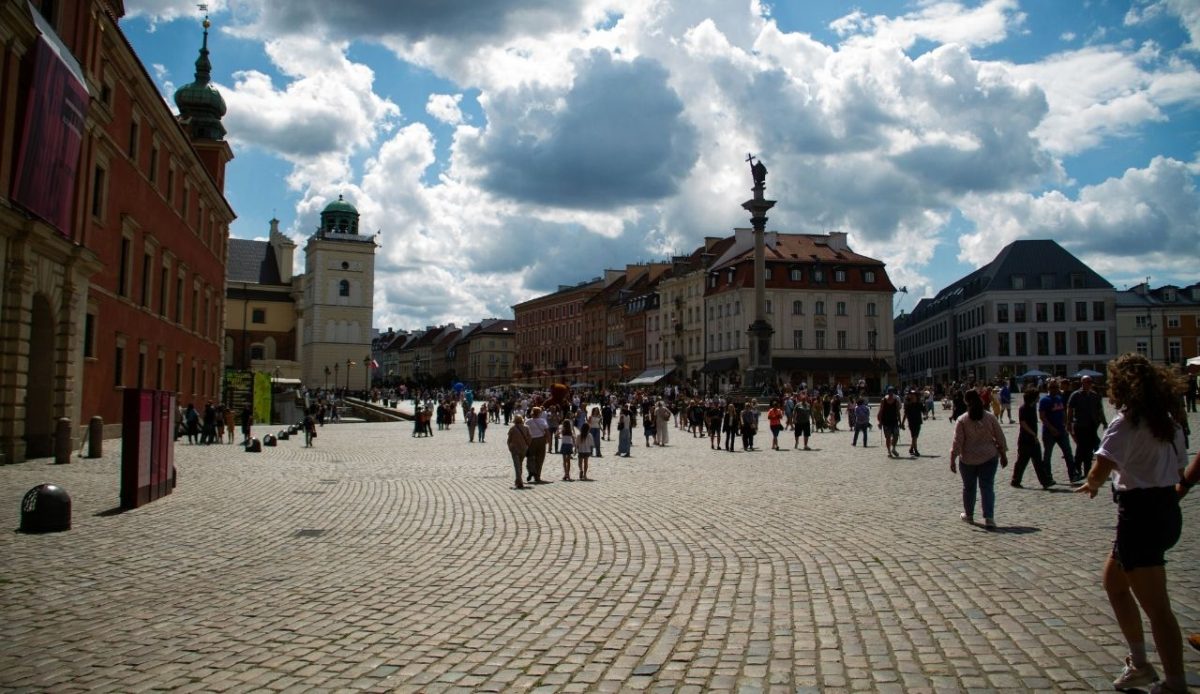
Warsaw rebuilt itself after major conflict and now presents a modern capital with well-organized services and clearly marked districts. Visitors use a network of trams, buses, and metro lines that connect the old town, business district, and riverfront. Museums explain the city’s past through structured exhibits that help travelers understand historic events without overwhelming detail. Parks and open spaces create comfortable walking areas supported by clear maps and multilingual information boards. Restaurants, bakeries, and shops open early and close late, which helps visitors plan meals and errands with little guesswork.
10. Belfast, Northern Ireland
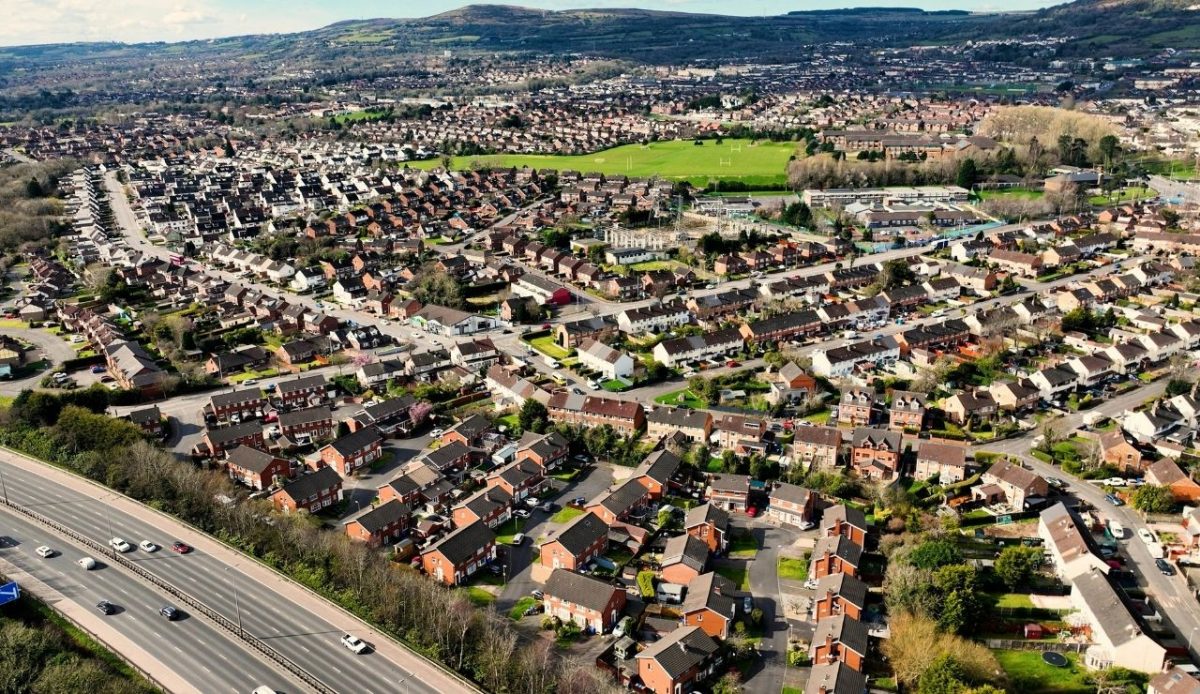
Belfast worked for decades to improve infrastructure, public safety, and community services after a long period of tension. The city center offers well-lit streets, steady foot traffic, and a range of museums that present local history in a structured and approachable manner. Guided tours of murals and political sites help visitors understand past events while remaining within monitored areas. Public buses and rail services run frequently, connecting central districts with waterfront paths and cultural venues. Restaurants, pubs, and shopping areas operate on regular schedules, allowing travelers to plan evenings without concern.
11. Phnom Penh, Cambodia
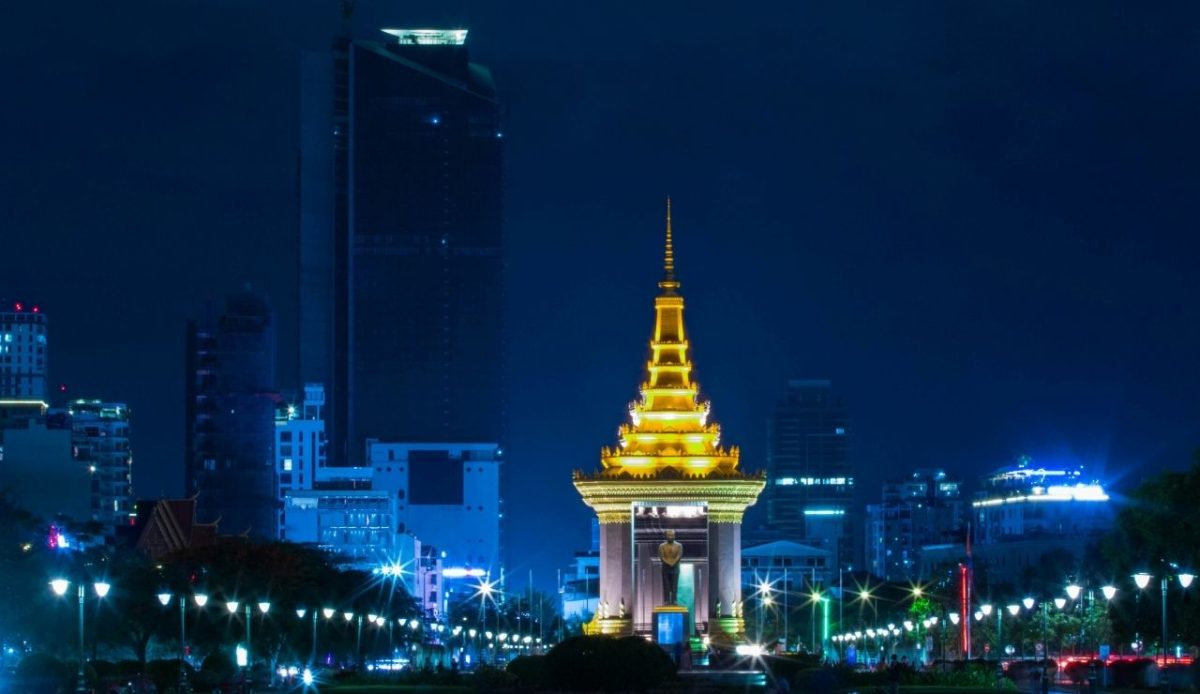
Phnom Penh changed its travel environment through new transport links, updated visitor areas, and improved access to key landmarks. Travelers move easily between the riverfront, central markets, and major museums by using tuk-tuks, taxis, and ride-hailing apps that follow predictable pricing. The city center stays active during most hours, supported by restaurants, cafés, and small shops that keep steady business flow. Guided visits to the Royal Palace and memorial sites help travelers understand local history clearly and respectfully. The river walkway provides a straightforward route for evening walks, with lighting and regular patrols that add a sense of order.
12. Seoul, South Korea
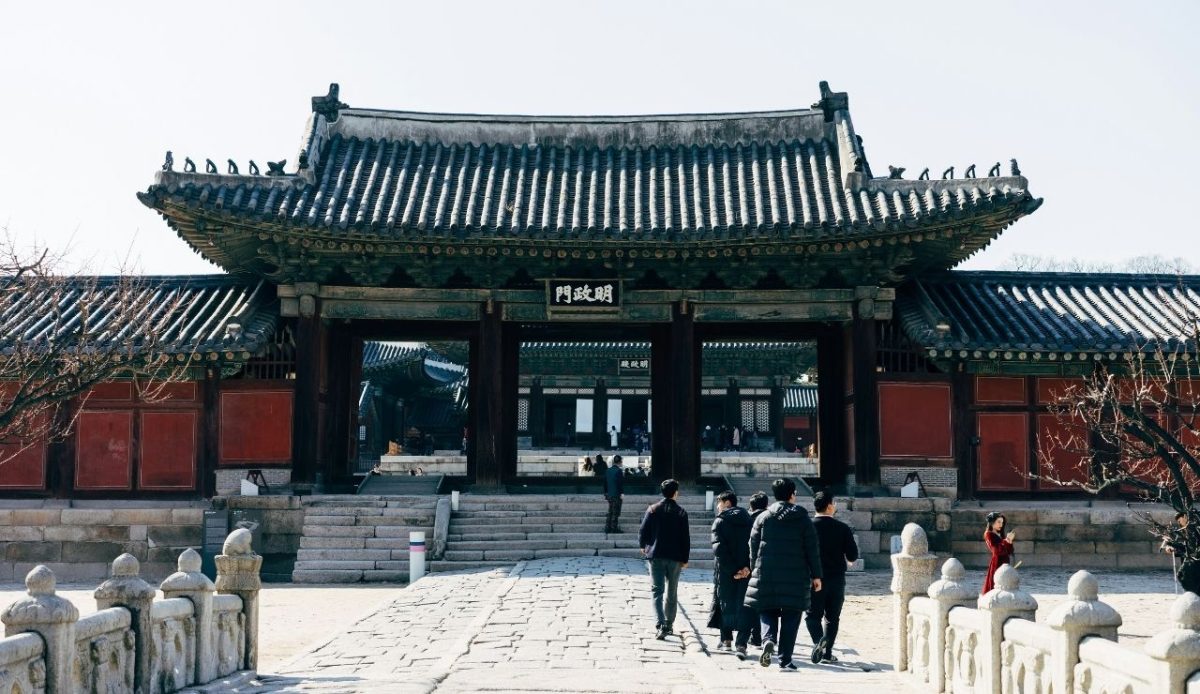
Seoul expanded rapidly over the past few decades, creating a transport network that helps travelers move across the city with confidence. The subway system operates on clear schedules, offers English signage, and connects districts that include markets, shopping streets, cultural sites, and river parks. Travelers often rely on stored-value cards that make boarding quick and predictable. Museums, palaces, and cultural centers present information in a direct format that suits first-time visitors. Street food zones, cafés, and convenience stores open early and close late, ensuring dependable access to meals and supplies.
13. Mostar, Bosnia and Herzegovina
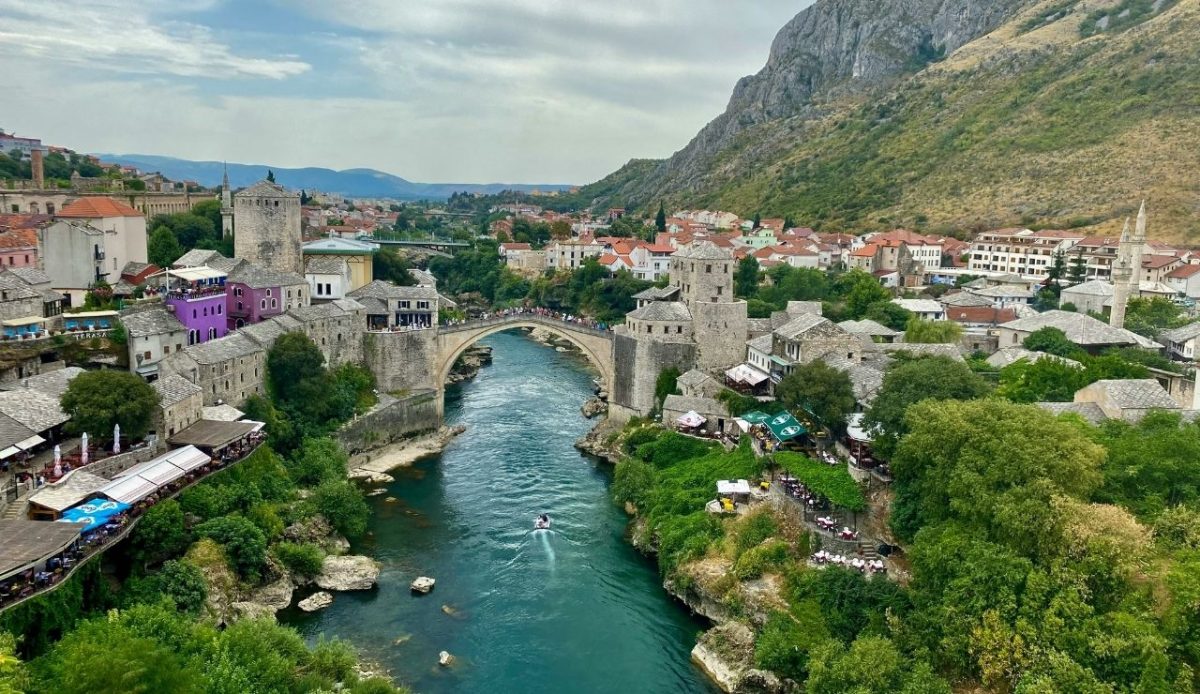
Mostar recovered steadily from past conflict and now supports increasing numbers of travelers who come to see the restored bridge, old market, and river viewpoints. The town center remains compact, allowing visitors to walk between shops, cafés, and historic sites without difficulty. Local guides explain the region’s past in clear terms, helping travelers understand important events that shaped the area. Buses connect Mostar with Sarajevo and nearby towns on regular schedules, offering simple planning for day trips. The old town uses strong lighting and predictable business hours, which helps visitors feel comfortable, especially in the evening.
14. Ho Chi Minh City (Saigon), Vietnam
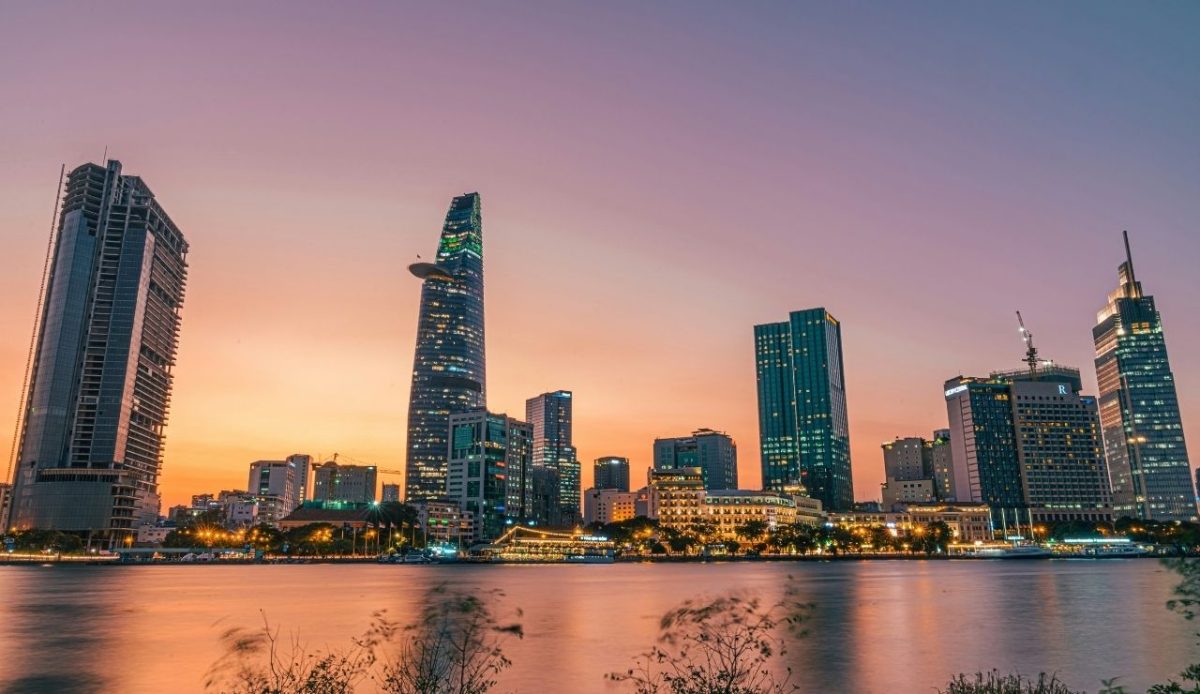
Ho Chi Minh City continues to expand its transport options, skyline, and visitor services. Major districts use wide roads, active sidewalks, and clear signage that help travelers find markets, museums, and dining areas without confusion. The city’s food stalls and cafés run long hours, which supports steady movement throughout the day. Ride-hailing apps and registered taxis offer predictable fares and reduce uncertainty for new arrivals. Museums present the city’s recent past through organized exhibits, allowing visitors to learn straightforwardly. Travelers often mention that central districts feel busy yet manageable once they understand common traffic patterns.
15. Johannesburg, South Africa
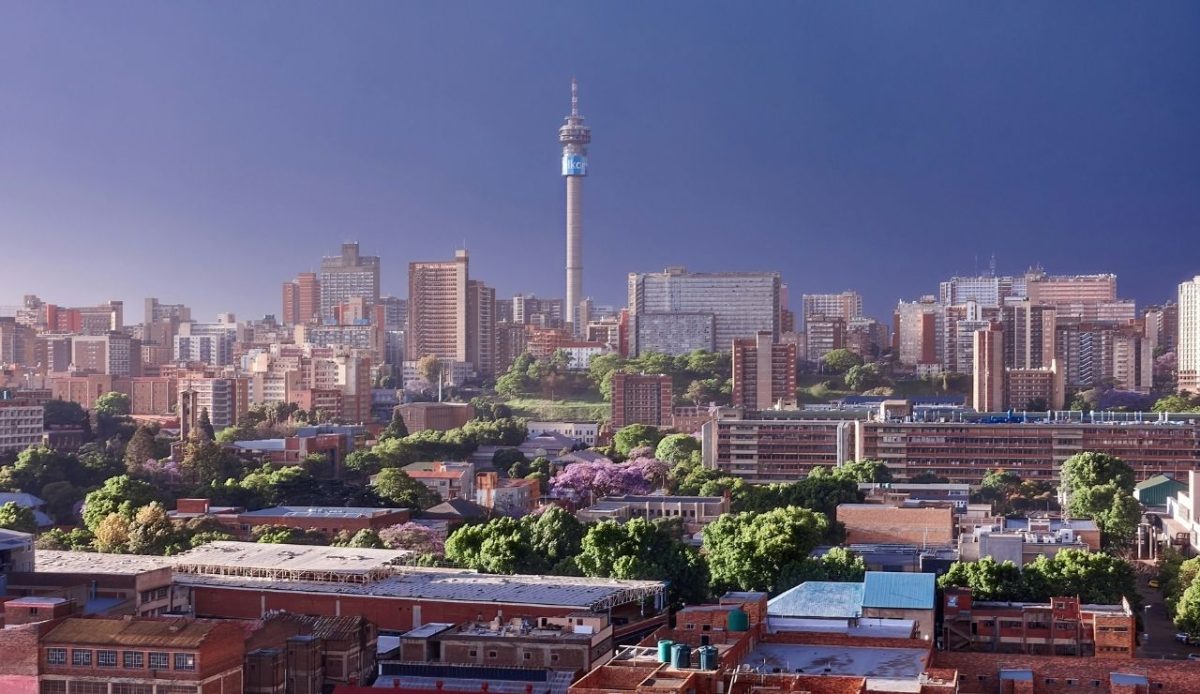
Johannesburg improved public spaces, road networks, and monitoring in high-traffic zones to support safer travel experiences. Visitors primarily focus on areas such as Maboneng, Sandton, and Rosebank, where restaurants, cafés, and museums operate with steady schedules and regular patrols. Guided tours help travelers understand local culture through structured visits to art studios, markets, and historic sites. Ride-hailing services provide predictable transportation, especially for longer distances between districts. Many hotels offer shuttle options to simplify movement. Travelers often report that staying within known areas and following common-sense planning leads to smooth experiences.
