
Extra hotel charges have become a routine part of booking, and many travelers still underestimate the impact they have on the final price. These add-ons remain hidden within the rate details and often appear only when guests reach the payment screen. Properties in major cities, beach areas, and business districts all use different fee structures, and some charges appear even when travelers do not use the related services. Knowing which fees show up most often helps guests compare hotels more accurately, avoid surprises at checkout, and choose stays that match both comfort and budget goals.
1. Resort Fees

Many hotels apply resort fees even when they do not operate like traditional resorts. These charges appear at checkout and often cover generic features such as fitness rooms, local calls, or access to shared areas. Guests usually cannot remove these fees, even if they do not use the listed services. The best way to avoid this cost is to check whether the property lists it separately on the booking page. Comparing the base rate and the full price together helps travelers see whether the fee makes the stay reasonable or if another hotel offers a more transparent total.
2. Parking Fees
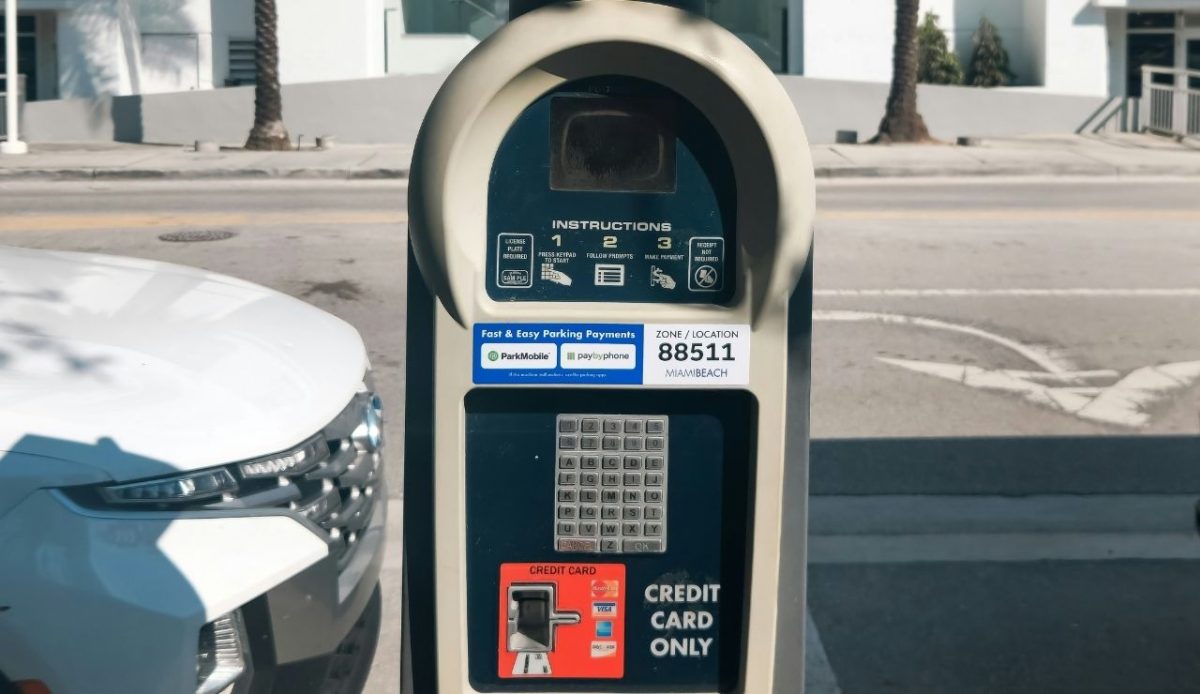
Parking can raise the cost of a stay, especially in major cities where space is limited. Some hotels charge for both self-parking and valet service, and the amounts vary widely depending on location. Travelers sometimes assume parking comes standard with a booking, only to learn the fee appears on the invoice at departure. Reading the fine print before selecting a room helps avoid surprises, especially for road trips where parking is necessary every night. Considering nearby public garages or street parking can reduce overall expenses when hotel rates seem high.
3. Wi-Fi Charges

Wi-Fi may seem standard, but some hotels still charge for basic access or faster speeds. Properties often promote “free Wi-Fi,” yet limit it to lobby areas or slow connections that do not support streaming or work needs. Upgrading to a higher tier adds daily charges that quietly increase the total cost. Checking reviews helps reveal how reliable the signal is throughout the building. Travelers who plan to work or use multiple devices should confirm the details before finalizing a reservation. Loyalty programs sometimes waive Wi-Fi fees, though benefits vary by brand and membership level.
4. Early Check-In Fees

Arriving ahead of the official check-in time can result in an added charge, especially during busy seasons when rooms turn over quickly. Hotels use early check-in fees to manage scheduling and housekeeping needs. Some guests assume arriving a few hours early is acceptable, only to learn the front desk applies a fee. Calling ahead helps determine whether the hotel can accommodate a request without cost. Other times, membership programs or same-day availability allow early access at no charge, so verifying these details can prevent unwanted additions to the bill.
5. Late Check-Out Fees

Late check-out fees apply when guests want extra time past the posted departure hour. Hotels rely on strict cleaning schedules to prepare rooms for new arrivals, so extending stays affects staff timing. Asking at the front desk the day before departure can help secure a small extension without cost, especially during slower periods. Guests should always confirm the exact time allowed to avoid accidental charges. Some brands offer late check-out as part of loyalty benefits, but availability changes depending on occupancy and staffing levels.
6. Daily Housekeeping Fees

Some hotels now charge for housekeeping that used to be standard. Guests may find daily cleaning listed as an optional paid service, with free service limited to towel drop-offs or trash collection. This change often appears at budget and mid-range properties where staffing varies. Checking the booking page helps confirm whether cleaning is included. Families or long stays may prefer regular service, while short stays might skip it to avoid charges. Asking at check-in can also clarify how often the staff enters the room and whether routine tasks carry extra costs.
7. Luggage Storage Fees

Luggage storage helps when flights or trains do not align with hotel check-in or check-out times. Some hotels charge per bag or per hour, which adds up quickly for groups. Travelers sometimes assume storage is complimentary, only to learn fees apply on arrival. Confirming costs beforehand prevents surprises and helps guests plan transportation more efficiently. Nearby transit stations or airport lockers sometimes offer cheaper storage options. Asking the front desk for a clear outline of fees ensures travelers know what they will pay before leaving items behind.
8. Pool and Gym Access Fees

Facilities such as gyms, pools, and saunas may seem like included amenities, yet many hotels charge for access. These costs often appear in properties that promote wellness features or upgraded fitness rooms. Travelers who plan to use these areas should check whether access is free or tied to a daily charge. Sometimes hotel websites list these amenities under resort fees, making them easy to miss. Reviewing the reservation summary helps determine if the fee affects the stay’s value. Guests who do not use these features may prefer hotels that keep pricing simpler.
9. In-Room Safe Fees
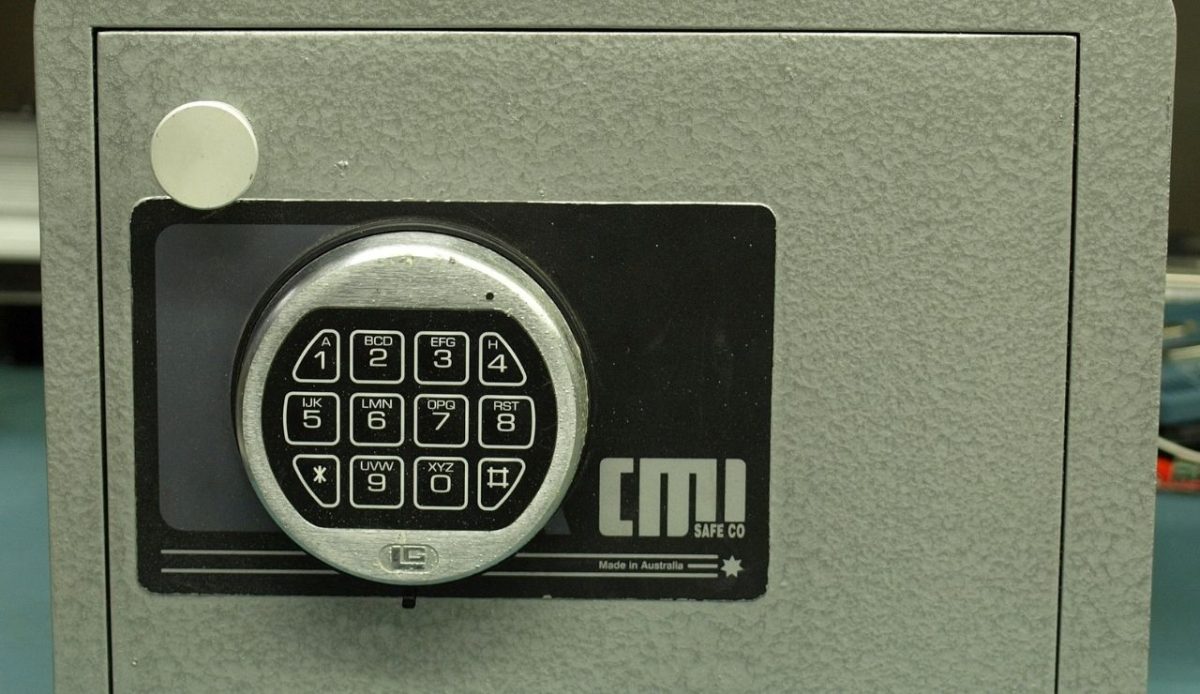
Some hotels charge for using the in-room safe, even if guests do not store valuables inside it. The fee appears as a daily charge intended to cover maintenance and security features. This cost may seem small, but it adds up over longer stays. Travelers should check whether the hotel lists it automatically or only applies it when guests request safe access. If guests see the charge on the invoice, they can ask the front desk to remove it, especially when they never used the safe. Reviewing the final bill before leaving ensures accuracy.
10. Mini-Bar Restocking Fees
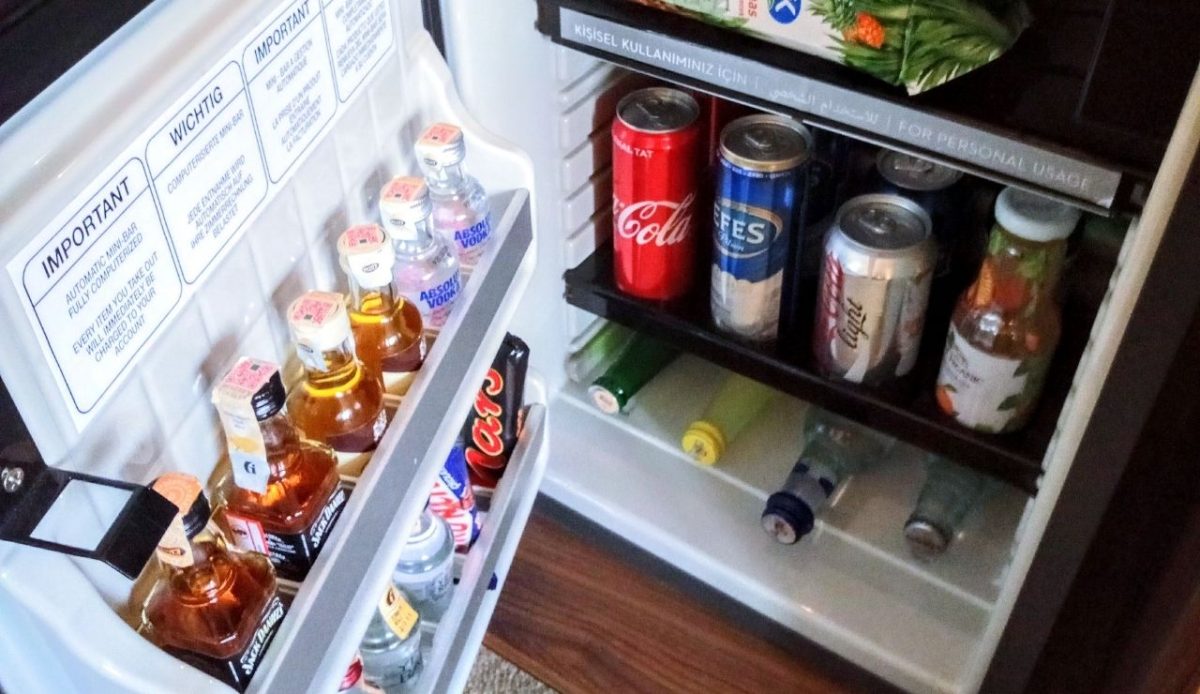
Mini-bar charges can rise fast, and some hotels add a restocking fee on top of the cost of individual items. Sensors inside certain mini-bars trigger charges when guests move items, even if they do not open or consume them. This leads to confusion at checkout when unexpected amounts appear on the bill. Calling the front desk immediately after noticing a triggered sensor helps correct mistakes before payment. Travelers who want to store their own snacks should check whether the fridge is separate or tied to the mini-bar system to prevent accidental charges.
