
Flying used to feel more relaxed and predictable. Airports moved at a slower pace, rules were lighter, and ticket prices included many comforts that now cost extra. Families walked to the gate, children visited the cockpit, and travelers carried large liquids without worrying about restrictions. Security lines moved quickly, and passengers packed their suitcases without checking the fee charts. Many routines that once defined a normal flight changed as safety rules tightened and low-cost travel reshaped airline policies. The following sections explain several practices that disappeared as the industry shifted toward stricter procedures and lower base fares.
1. Free Checked Bags on Most Tickets
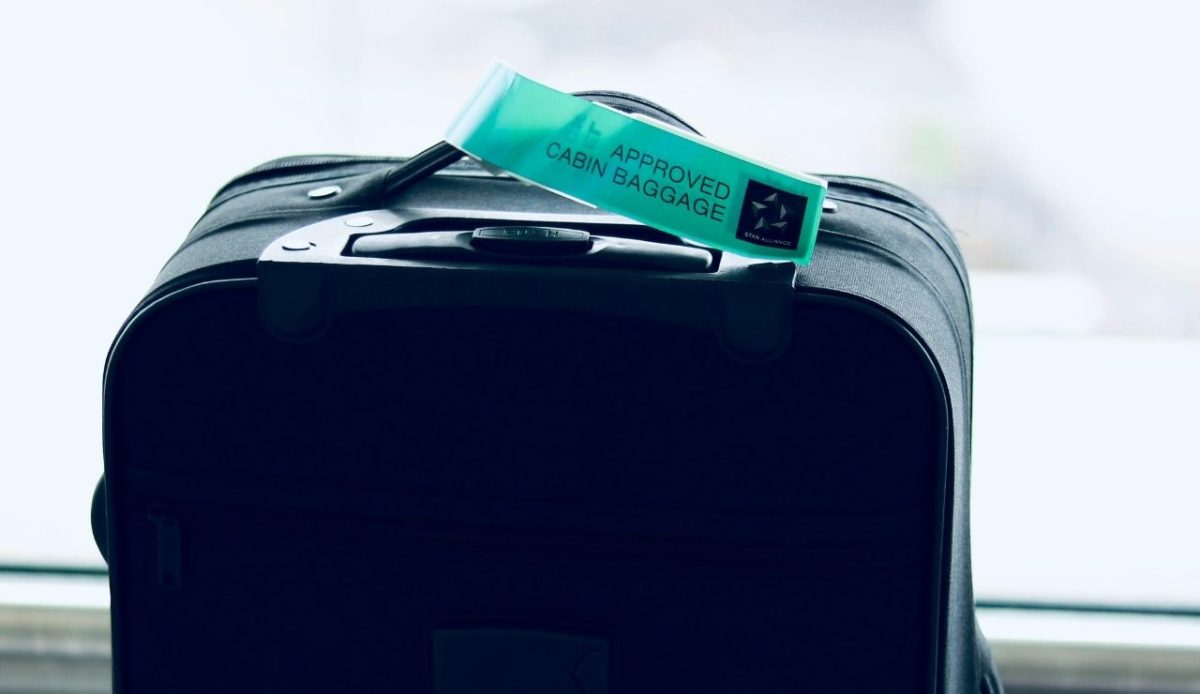
Airlines once included a checked bag in nearly every economy ticket, and passengers rarely thought about extra charges. Large suitcases rolled across counters without additional fees, and families packed freely for long trips. Competition later pushed airlines to lower base fares while shifting luggage into paid categories. Travelers now compare baggage rules across carriers and often rely on loyalty perks to avoid charges. What used to be a standard service turned into a separate decision during trip planning.
2. Free Hot Meals on Short Flights
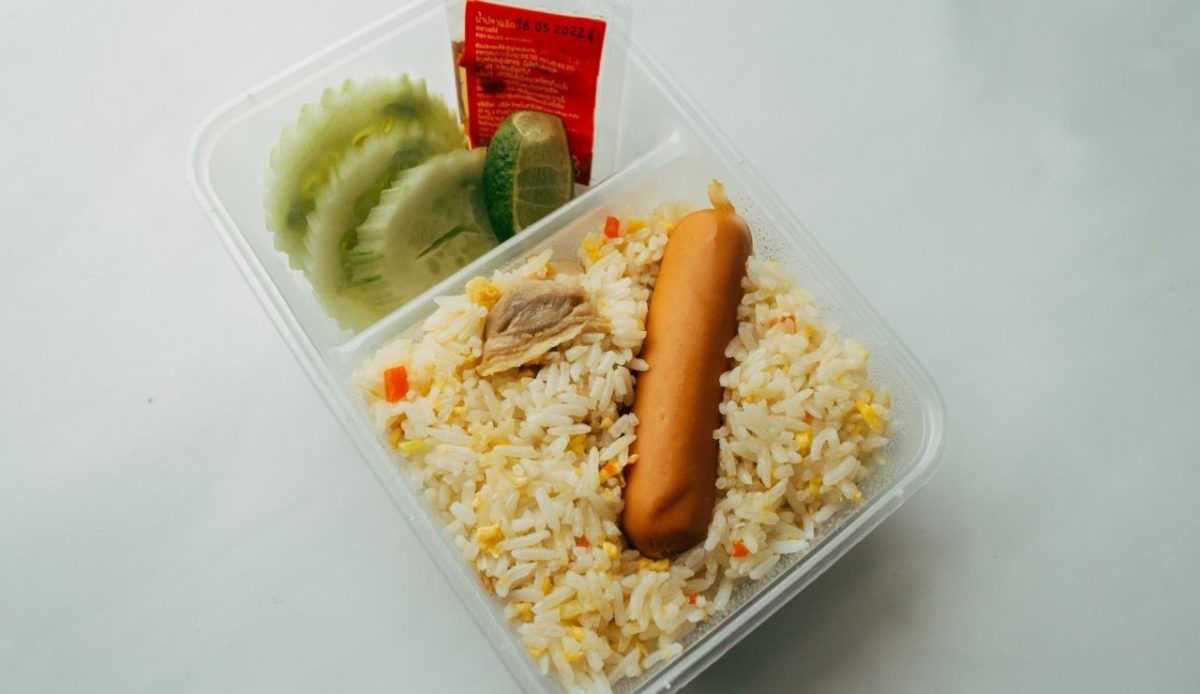
Warm meals once appeared on flights lasting barely an hour. Passengers received small entrées, rolls, and desserts as part of basic service. Rising fuel costs and new budget models reduced catering on most domestic routes. Today, many travelers bring food from home or buy items near the gate to avoid limited in-flight snacks. Hot meals still exist on long-haul flights, but short routes rarely see anything more than drinks and packaged snacks.
3. More Legroom in Economy
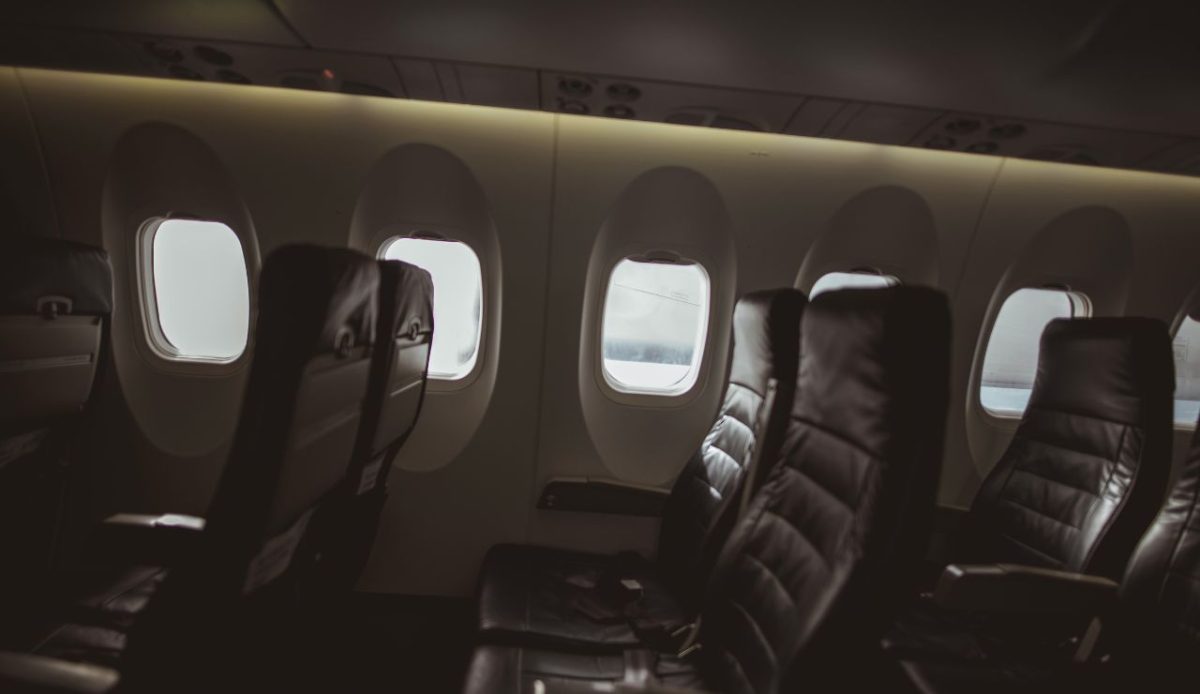
Older aircraft layouts offered wider spacing between rows, giving passengers room to stretch. Airlines later added extra seats per cabin to increase revenue, which reduced knee and shoulder space. Full flights make cabins feel even tighter, especially on long trips. Travelers now search for exit rows or premium economy to regain the comfort that once came standard. The change shows how seating adjustments reshaped the basic economy experience.
4. Free Seat Selection for Many Seats
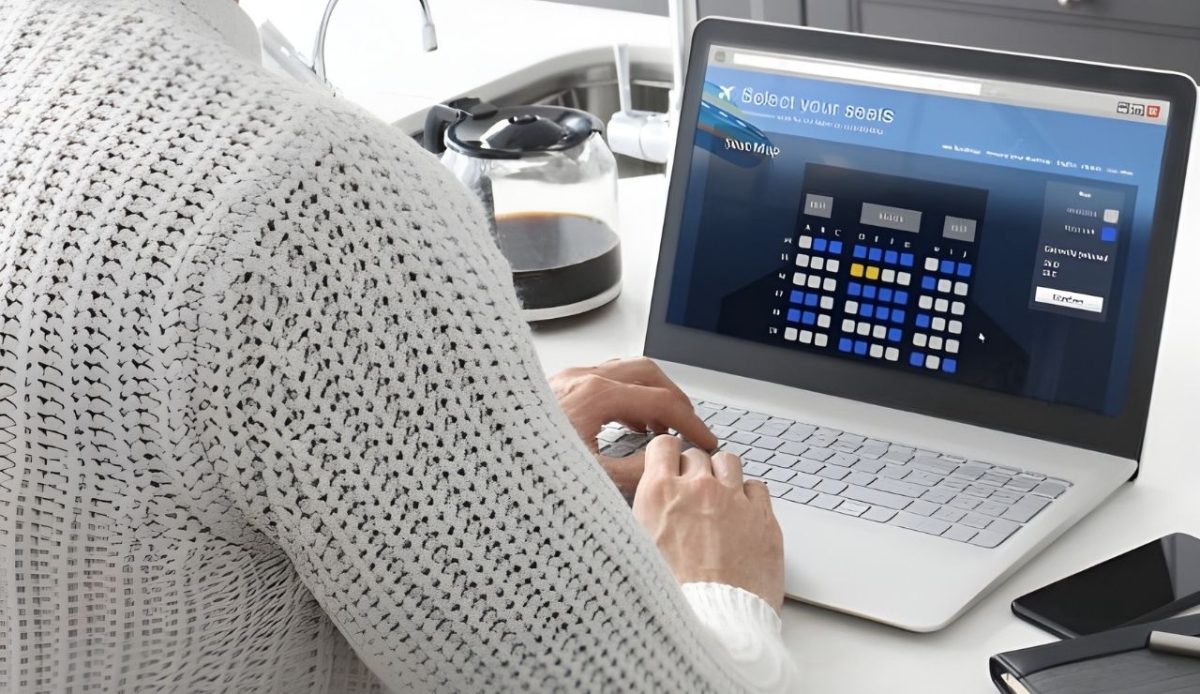
Selecting a seat at check-in used to be a simple, free step. Families sat together without added costs, and window or aisle seats carried no extra price tags. Airlines later introduced seat fees that now apply even to standard locations on many routes. Budget fares often restrict seat choice until the last stage of booking. What was once routine now feels like an optional upgrade.
5. Transferable Paper Tickets
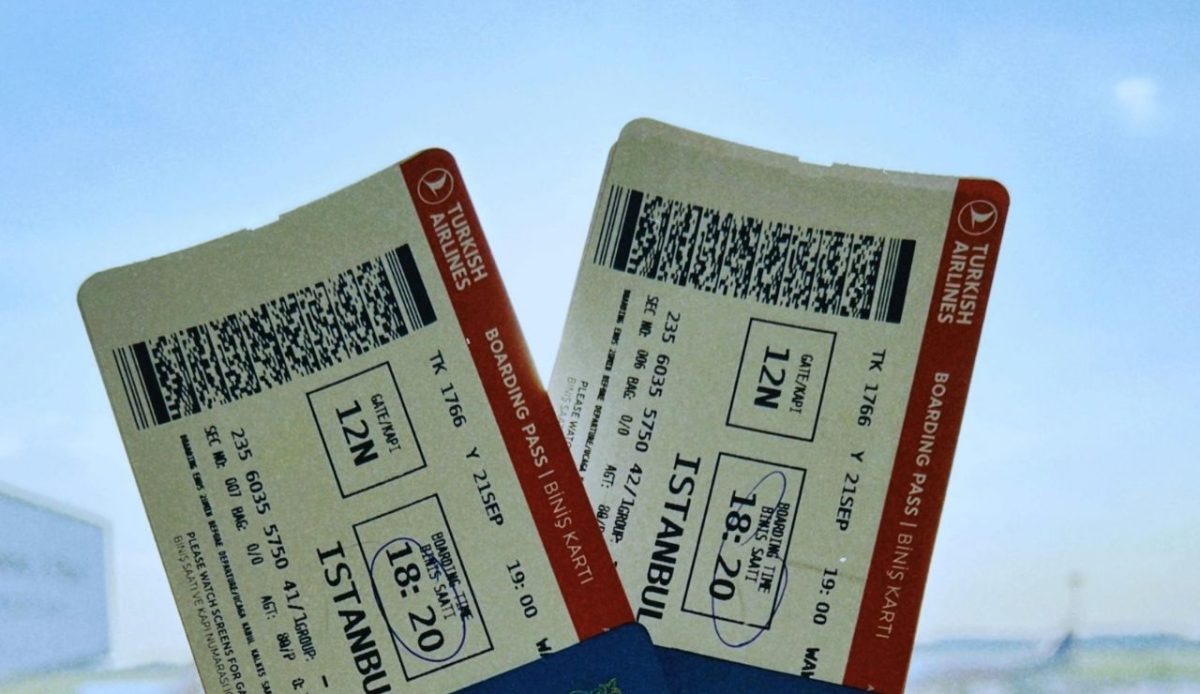
Paper ticket booklets once allowed flexible date changes and even transfers to another person on some fare types. Travelers visited city offices or airport counters to adjust travel plans with minimal fees. As digital systems expanded, airlines tightened rules to prevent misuse. Electronic tickets linked each reservation to verified identification, making transfers rare and name changes expensive. Younger travelers have never handled the ticket jackets that older passengers used on nearly every trip.
6. Walking Across the Tarmac
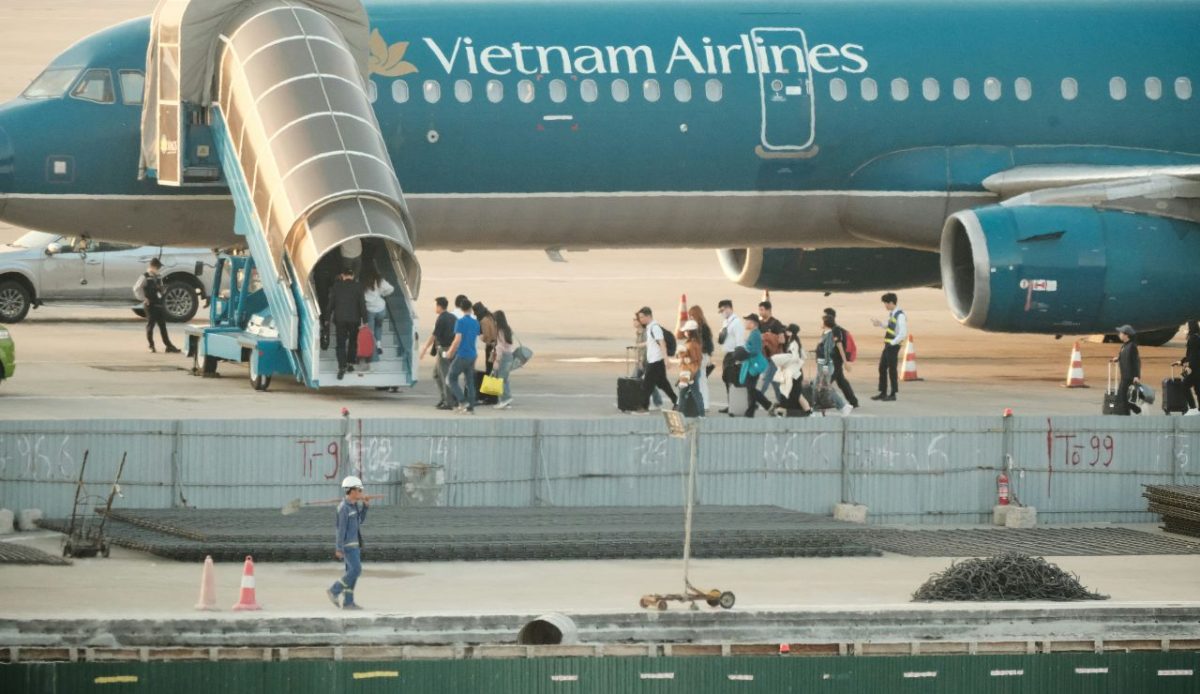
Passengers once walked across outdoor ramps to board aircraft, climbing mobile stairs while watching ground crews at work. Smaller airports relied heavily on open-air boarding, creating a more direct connection to the aircraft. Security changes pushed airports toward enclosed jet bridges and controlled bus transfers. Only a few regional airports still use open tarmac boarding under strict supervision. The once-common outdoor walk is now a rare experience.
7. Relaxed Curbside Check-In
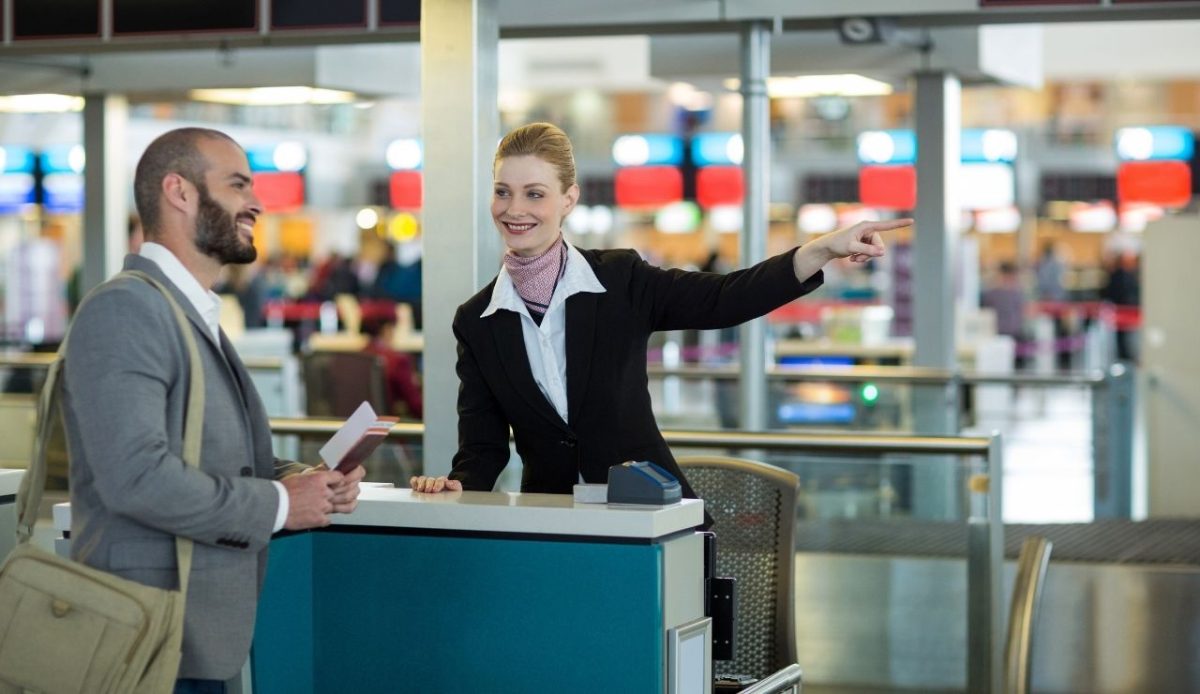
Curbside check-in allowed travelers to tag bags and receive boarding passes without entering the terminal. ID checks were minimal, and skycaps handled most tasks quickly. Updated security rules later required full verification for any checked luggage, making curbside service more formal. Some airports still offer it, but it operates under the same standards as indoor counters. The quick, informal start to a trip no longer exists in its earlier form.
8. Free Pillows, Blankets, and Headphones
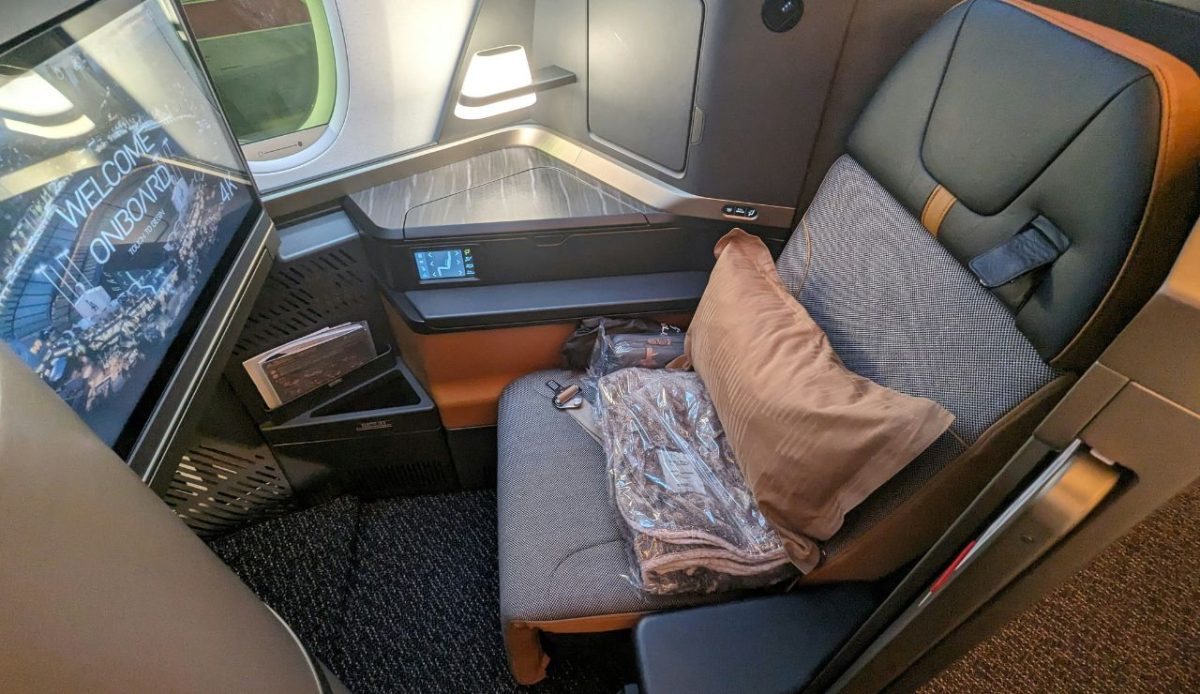
Economy cabins once stocked free pillows, blankets, and basic headphones for nearly all passengers. Crews placed these items on seats during cooler seasons or distributed them on request. Airlines later cut back to reduce costs and meet new cleaning standards. Comfort items became limited on short routes or shifted to paid options. Many travelers now bring their own gear for long flights.
9. Generous Carry-On Allowances
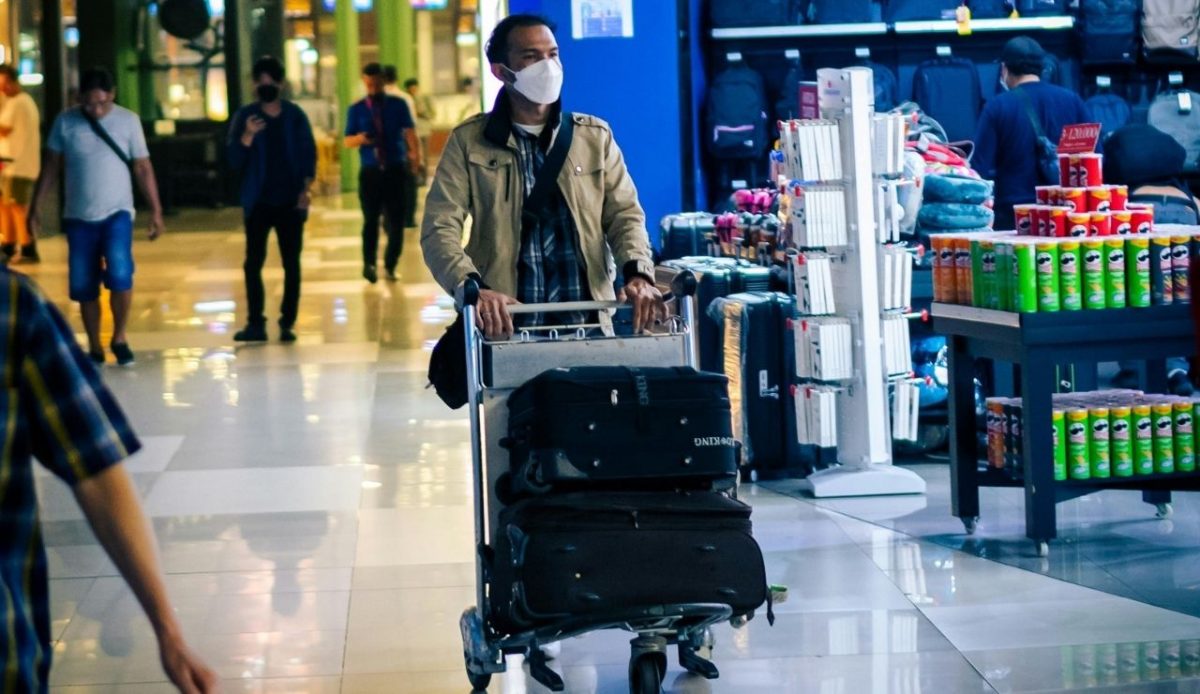
Passengers once carried multiple cabin bags without strict enforcement. Overhead bins filled slowly because flights were less crowded. As airlines added seats and cabins reached full capacity, overhead space became harder to manage. Carriers introduced precise size limits, and budget airlines added fees for larger carry-ons. Travelers now measure bags and check rules before heading to the airport.
10. Simple One-Step Security
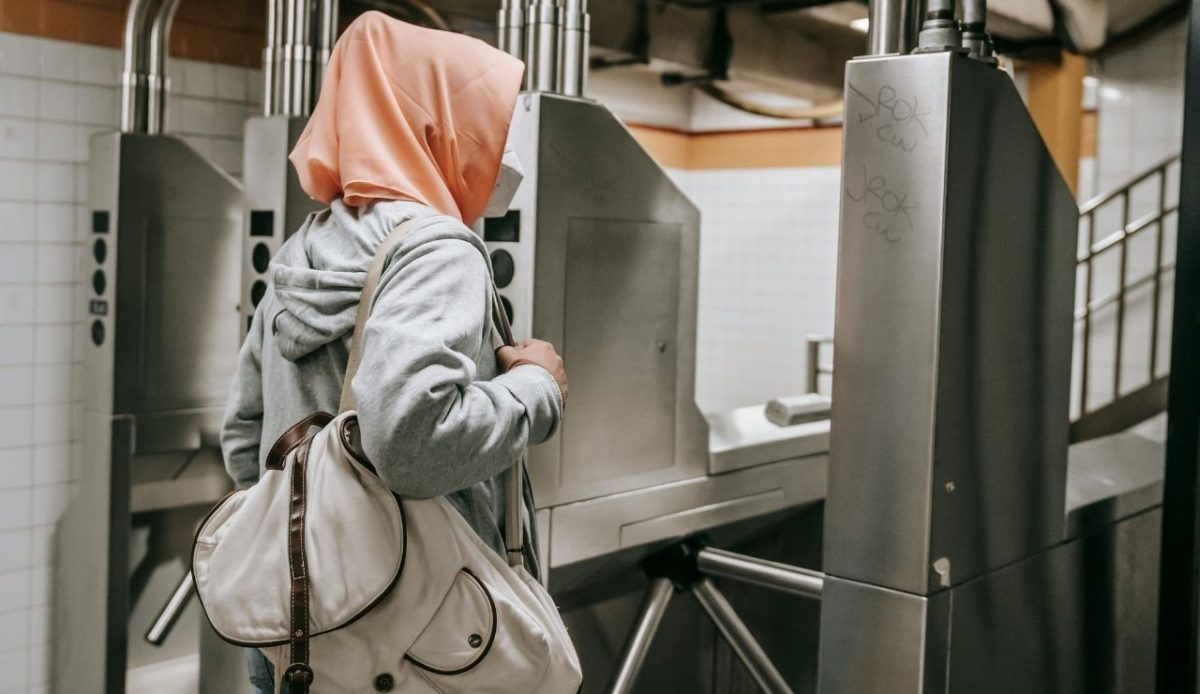
Security checkpoints used to require only a walk through one metal detector with shoes on and electronics inside bags. Lines stayed short, and instructions were minimal. After new agencies took over airport security, screenings expanded to include shoe removal, liquid checks, laptop trays, and more detailed inspections. Trusted traveler programs help some passengers, but the fast-moving process of earlier decades is gone.
11. Late Arrivals at the Airport
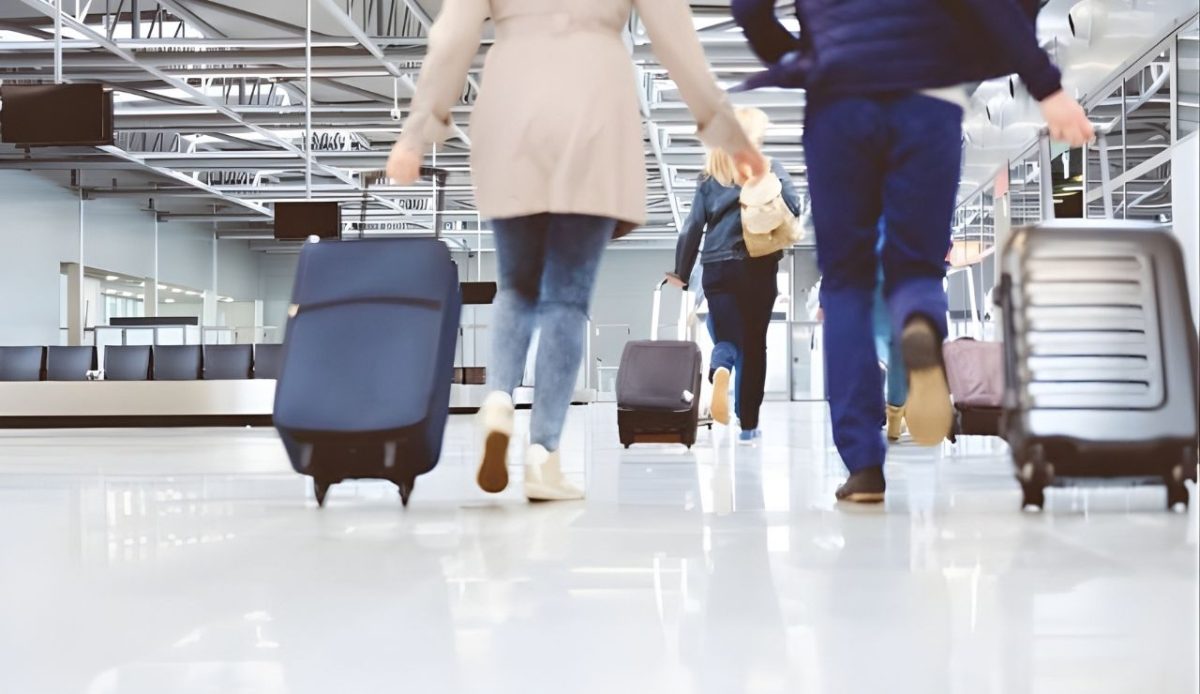
Passengers once arrived as little as 30–45 minutes before departure and still boarded comfortably. Fewer steps at check-in and shorter security lines made quick arrivals possible. After rule changes, airlines recommended earlier arrival times to avoid delays at checkpoints. Travelers now plan for two or more hours at the airport, especially during busy seasons. Missing a flight often results from slow lines rather than late arrivals.
12. Families Waiting at the Gate
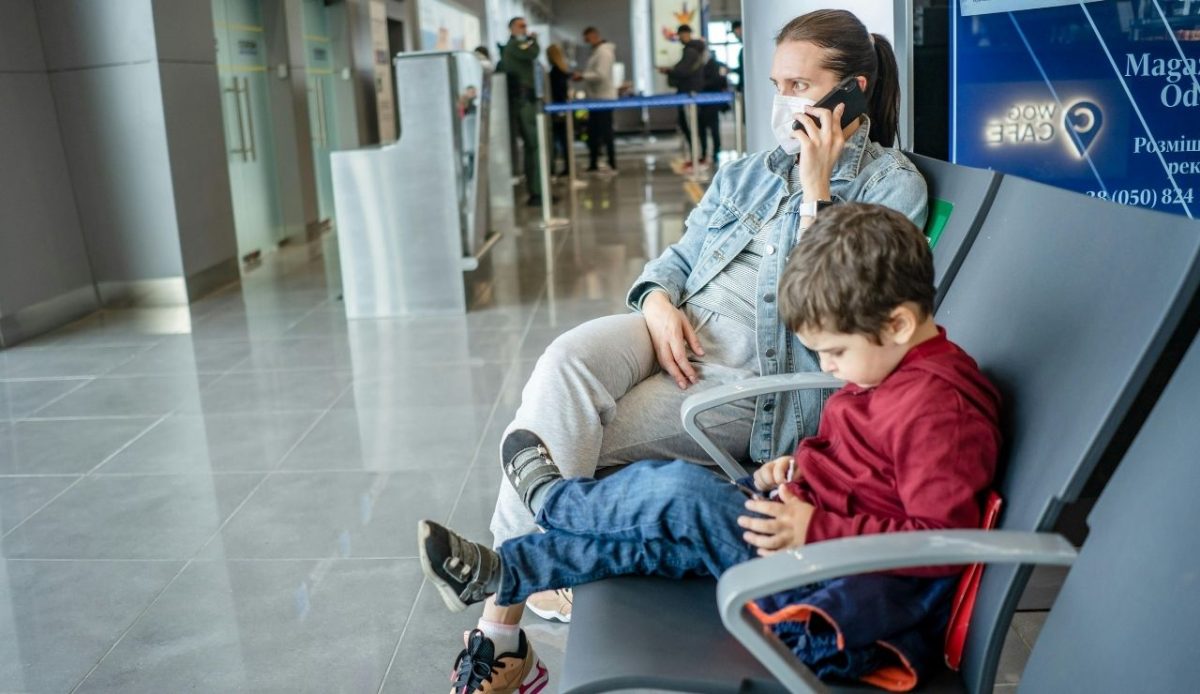
Friends and relatives once walked through a simple checkpoint to wait at the gate for arriving or departing passengers. Children watched aircraft up close, and emotional reunions happened right beside the jet bridge. When gate access became restricted to ticketed travelers, these moments moved to baggage claim or curbside areas. The secure zone around gates became controlled, reducing a long-standing tradition at airports.
13. Loose ID Checks at Boarding
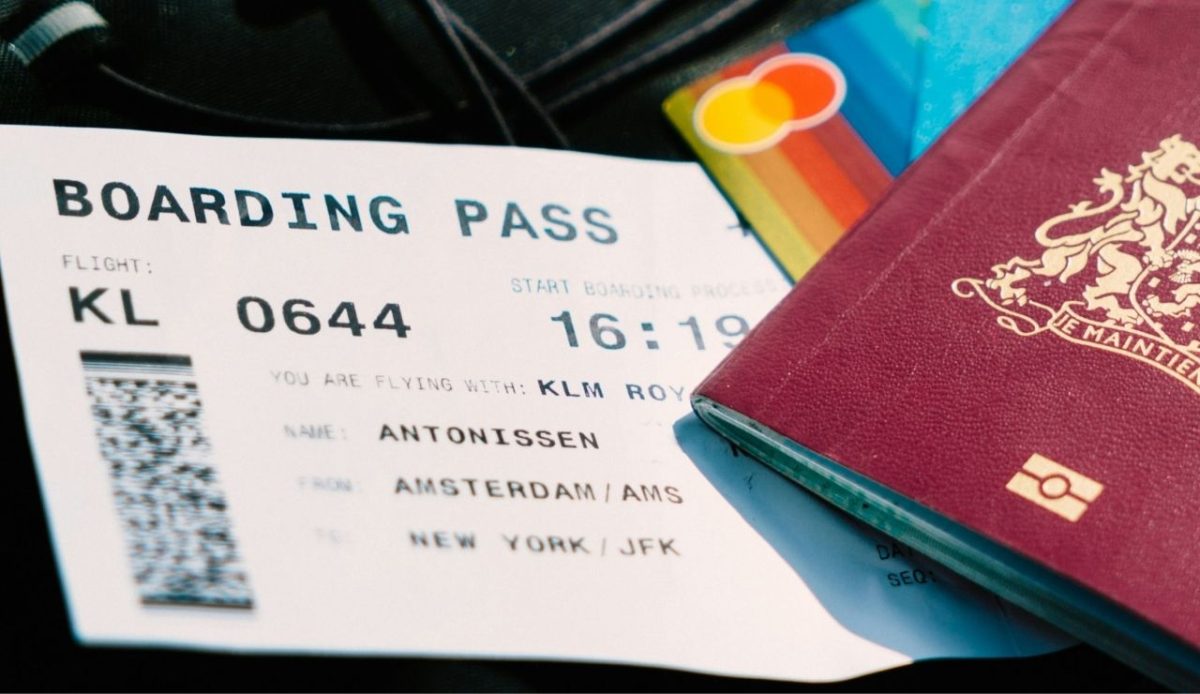
Domestic flights once allowed boarding with minimal identification, sometimes only a paper ticket. Agents accepted informal name matches and occasional spelling errors. As identity requirements increased, airlines began linking bookings tightly to government-issued documents. Passengers now show ID multiple times throughout their airport journey. The flexible approach to documentation disappeared as security standards tightened.
14. Pocket Knives and Small Tools
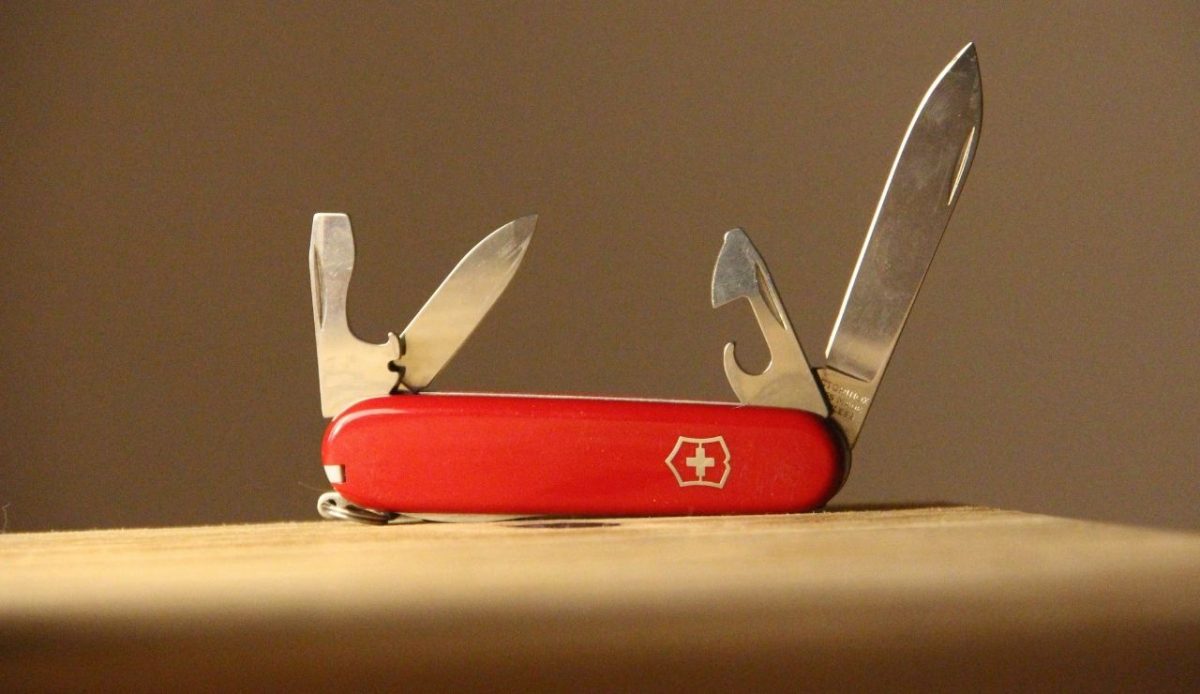
Small pocket knives, sewing kits, and basic tools passed through checkpoints with little concern. Screeners focused on larger weapons and seldom removed small blades. After rule changes, even tiny sharp objects were moved to the prohibited list. Travelers now surrender forgotten tools at checkpoints or place them in checked bags. The shift reflects how items once viewed as harmless became tightly controlled.
15. No Liquid Limitations
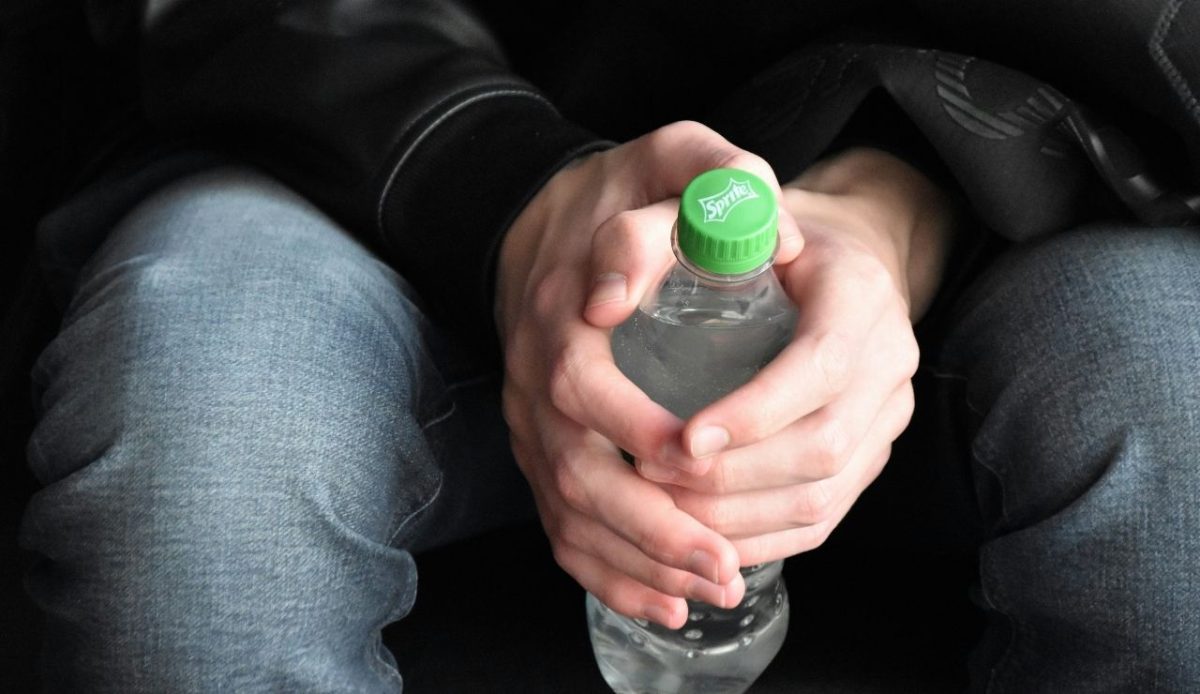
Passengers once carried large drinks, full-size toiletries, and oversized shampoo bottles through security. Airport shops also sold regular beverages that passengers brought to the gate. Liquid restrictions appeared after new threats emerged, reshaping how personal items travel in carry-on bags. Today, the small-container rule remains one of the most recognized parts of screening. The change turned an easy habit into a carefully managed process.
