
South Asia gives travelers many ways to enjoy active trips while staying close to major cities. These destinations provide access to mountains, rivers, forests, and coastlines without complicated planning. Local operators help organize guides, equipment, and transportation for safe outdoor activities. Each city supports different interests, such as trekking, rafting, climbing, or snorkeling. Because conditions shift with weather and local rules, travelers should review updates before booking routes. With the right preparation, these cities allow visitors to enjoy steady movement, open views, and outdoor challenges at a pace that fits their comfort level.
1. Kathmandu, Nepal
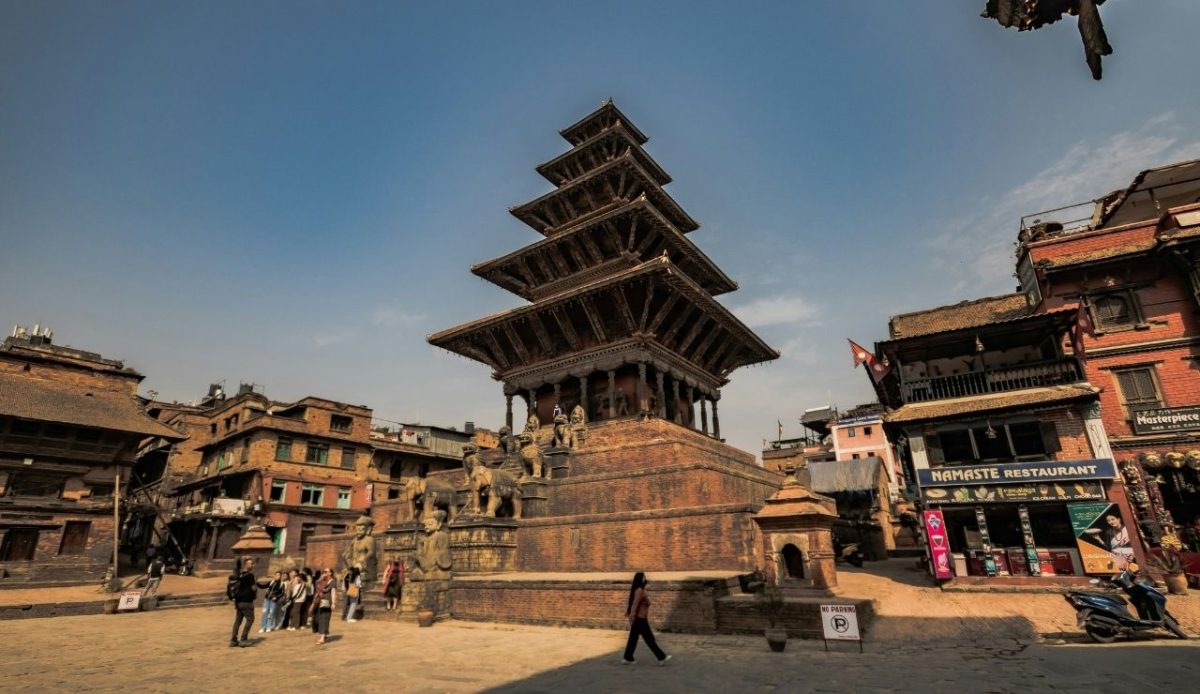
Kathmandu serves as the main starting point for travelers preparing to visit well-known Himalayan regions. Visitors use the city to hire guides, collect permits, and organize transport to trailheads. Many travelers stay several days to adjust to the elevation and review their plans with local operators. The busy neighborhoods provide easy access to gear shops, cafés, and historic sites that help fill time between preparations. Short hikes in the Kathmandu Valley give travelers a warm-up option when they want to stay active without entering long, remote routes. The city’s steady flow of trekkers keeps planning simple for first-timers.
2. Pokhara, Nepal
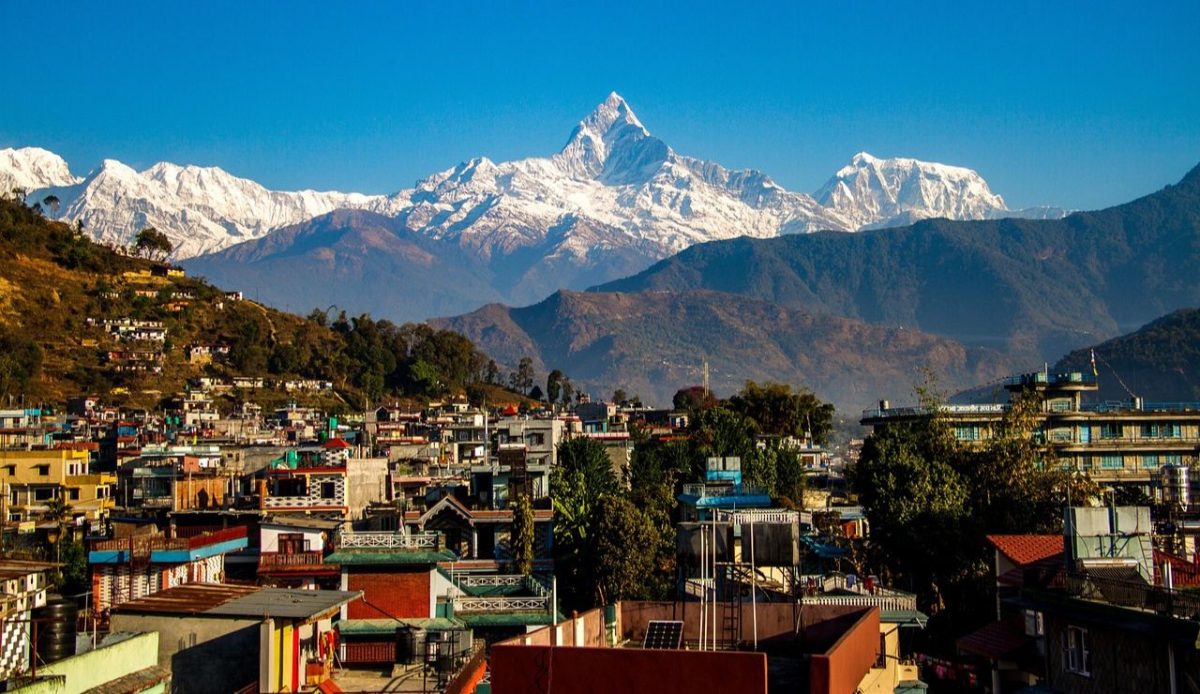
Pokhara offers a calmer setting with direct access to the Annapurna region. Travelers rely on local operators to organize guided treks, ridge walks, and lakeside outings. Paragliding companies fly from hills above the city, giving visitors a clear view of Phewa Lake. The city supports boat rentals, day hikes, and short routes that keep travelers active without long drives. Because Pokhara has many guesthouses and restaurants, visitors use it as a rest spot before or after longer treks. Its relaxed pace allows people to plan activities while still enjoying steady access to mountain scenery throughout their stay.
3. Leh, India
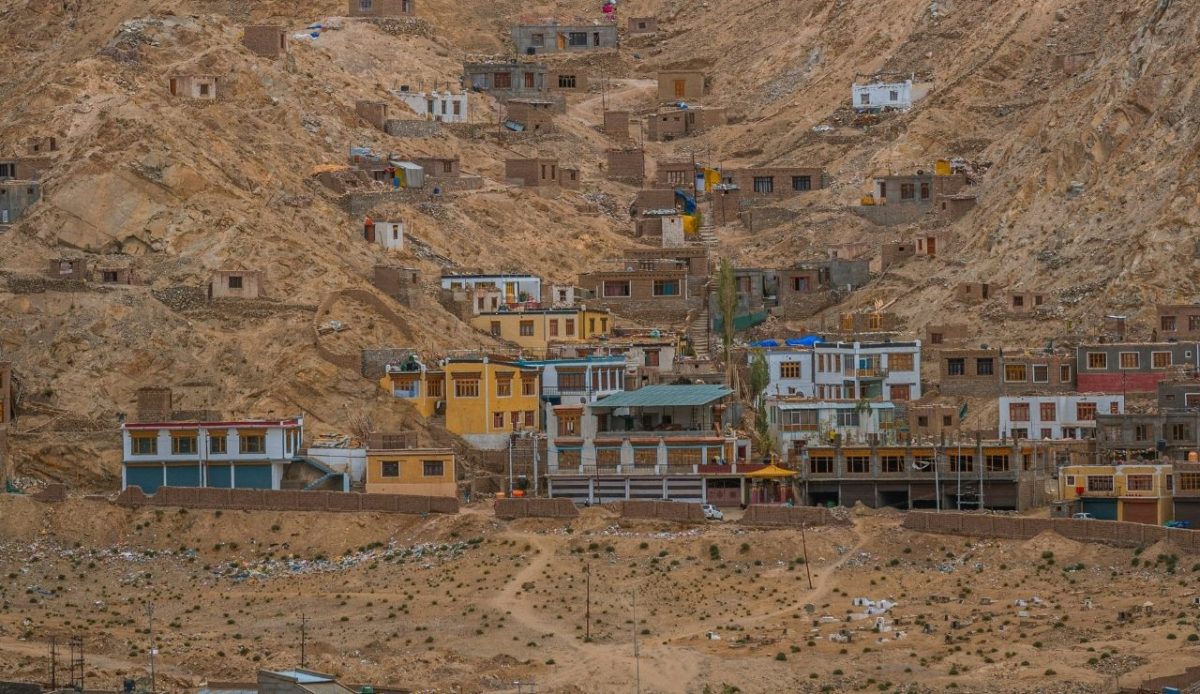
Leh lies on a high plateau and gives travelers access to remote valleys and well-known passes. Visitors arrange rafting trips, guided hikes, and long road journeys through local operators who understand the area’s conditions. The altitude requires slow adjustment, so travelers often spend their first days visiting monasteries and short trails around town. Many people join bike tours or jeep routes that reach distant viewpoints with open views of the region’s rugged terrain. Weather can shift quickly, so travelers review advisories and route updates before committing to long drives or high-elevation activities.
4. Rishikesh, India
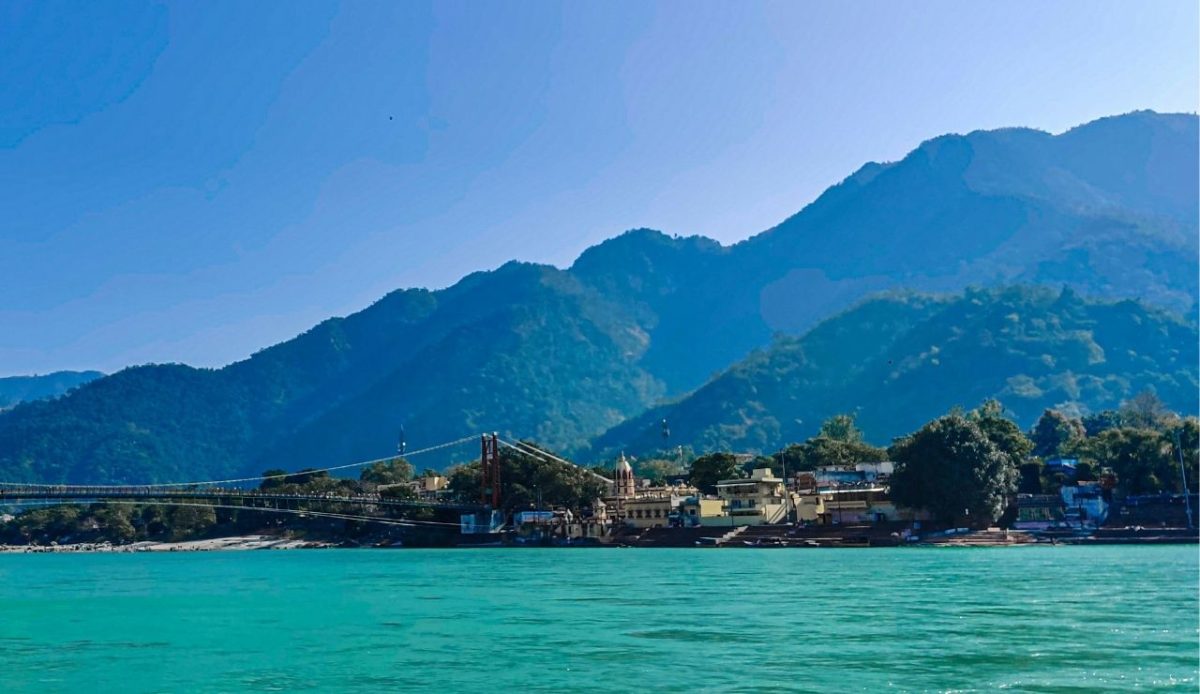
Rishikesh runs along the Ganges and supports a wide range of water and height-based activities. Rafting companies guide visitors through rapids that match different comfort levels. Nearby sites offer bungee jumps, swings, and zip lines for travelers who want quick, high-energy outings. Trained staff review safety rules, equipment checks, and weight limits before each activity. Because the city remains walkable, travelers can move between riverside areas, guesthouses, and activity centers without long commutes. Many visitors take a calm walk along the water at the end of the day to rest after time spent on the river or in the surrounding hills.
5. Islamabad, Pakistan
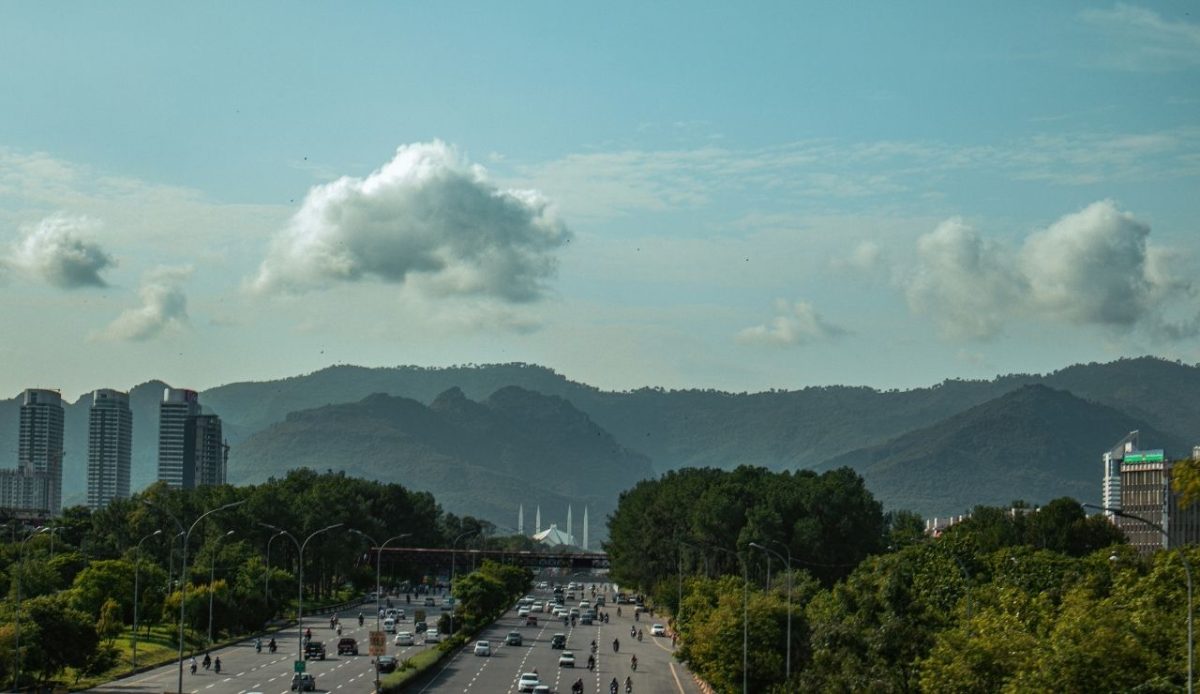
Islamabad sits at the entrance to the Margalla Hills and gives travelers fast access to marked hiking trails. Routes like Trail 3 and Trail 5 start close to residential areas, making it easy to fit a steady climb into a short visit. These trails lead to viewpoints that overlook the city and surrounding ridges. Islamabad also works as a starting point for trips toward northern regions such as Hunza and Skardu. Tour companies meet clients in the city to review gear, arrange vehicles, and confirm schedules before they head toward high-elevation routes. The city’s organized layout supports smooth movement between planning stops.
6. Skardu, Pakistan
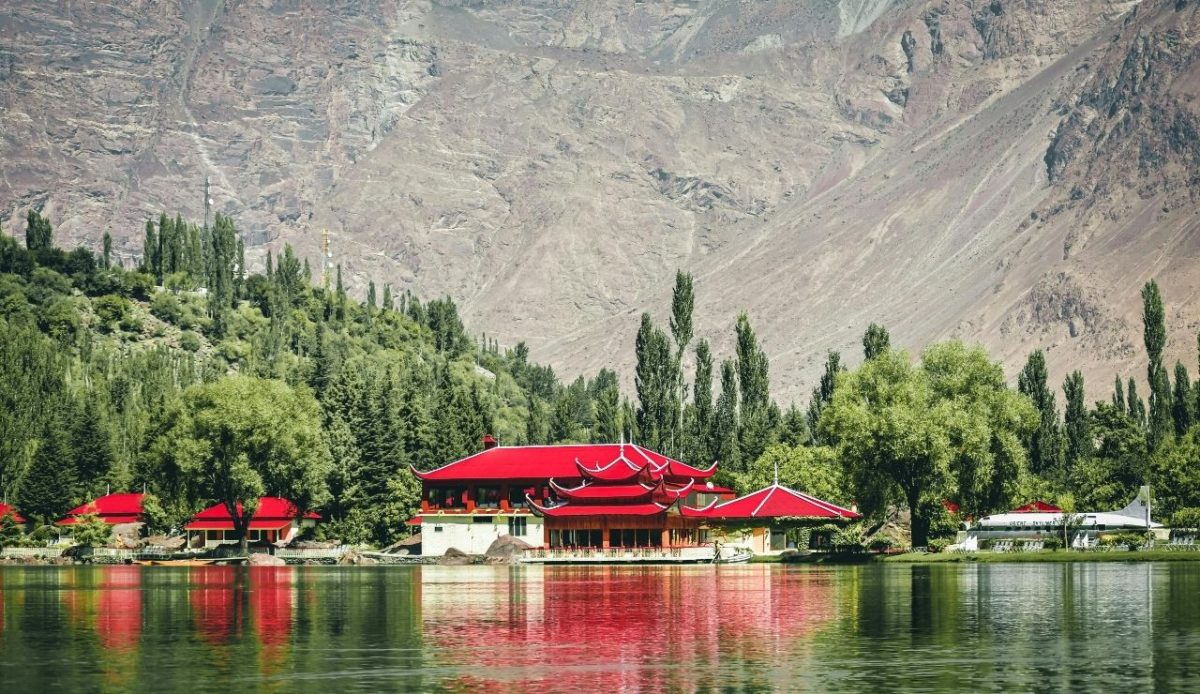
Skardu functions as the main access point for many travelers heading toward the high mountains of northern Pakistan. Visitors arrange guided trips to well-known glacier areas and long routes that require trained support teams. Local operators help travelers secure porters, camping gear, and transport to trailheads. The city also provides easier outings for visitors who want shorter lake visits or local ridge walks. Because weather and road conditions can shift without warning, travelers review updates and pick route plans that match their comfort and fitness levels. Skardu’s airport and growing hotel options make it easier to manage logistics before entering remote terrain.
7. Kandy, Sri Lanka
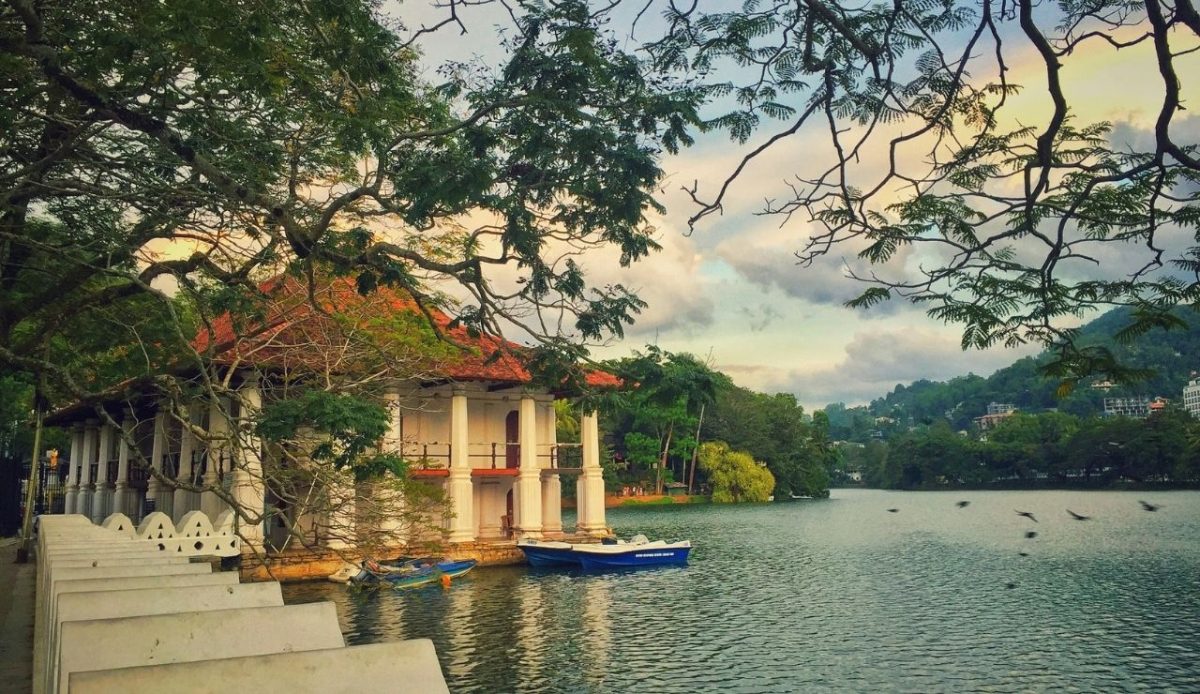
Kandy sits in Sri Lanka’s central hills and gives travelers access to forest routes, waterfalls, and ridge paths. Local guides organize day hikes and overnight outings in nearby highland zones where visitors can see open views, wildlife, and quiet valleys. Travelers often combine these outdoor plans with the city’s cultural sites, which makes it easy to balance active time with light sightseeing. The region’s weather can change quickly, so guides track rain patterns and choose routes that stay safe during wet conditions. Because the area offers many trails within short driving distance, Kandy works well for travelers who want steady movement without long road trips.
8. Male, Maldives
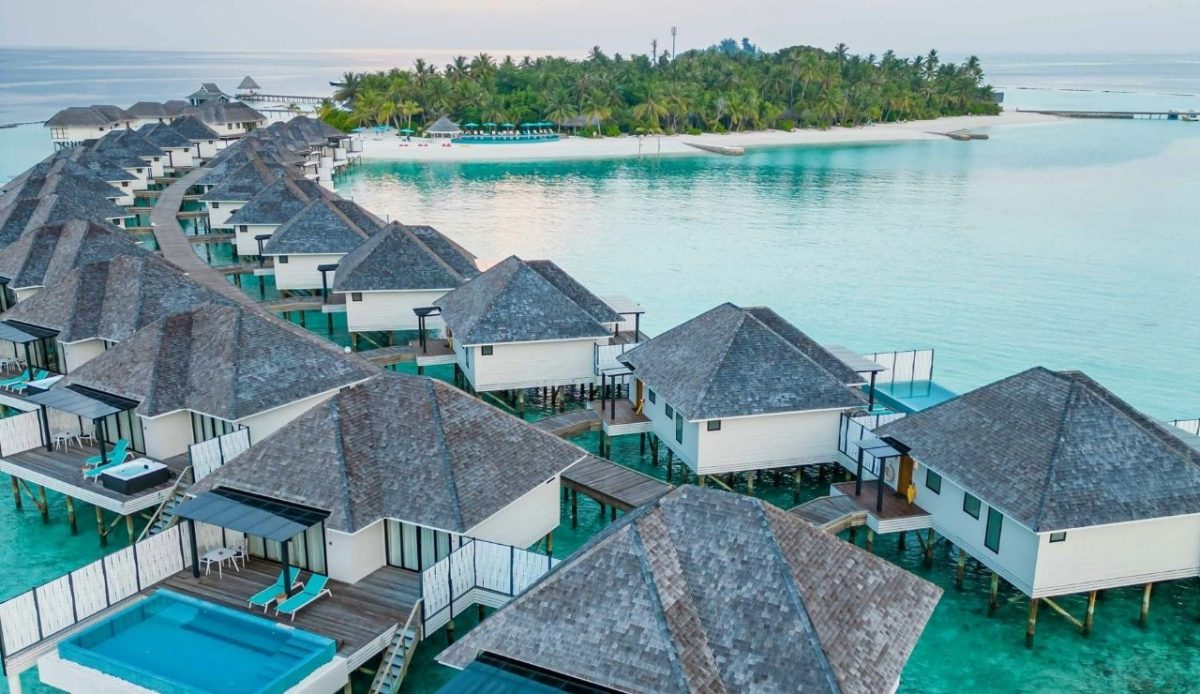
Male acts as an easy entry point for travelers who want guided water activities across nearby atolls. Diving centers and boat operators meet visitors in the city and arrange trips to channels known for strong marine life. Beginners can join short training sessions before entering shallow areas, while experienced divers choose deeper sites with clear currents. Snorkeling trips visit reefs where guides help identify common species and watch for changing conditions. Local islands close to Male offer budget stays for travelers who want quick access to daily water trips. Because tides and currents shift, operators review safety checks before each outing.
9. Thimphu, Bhutan
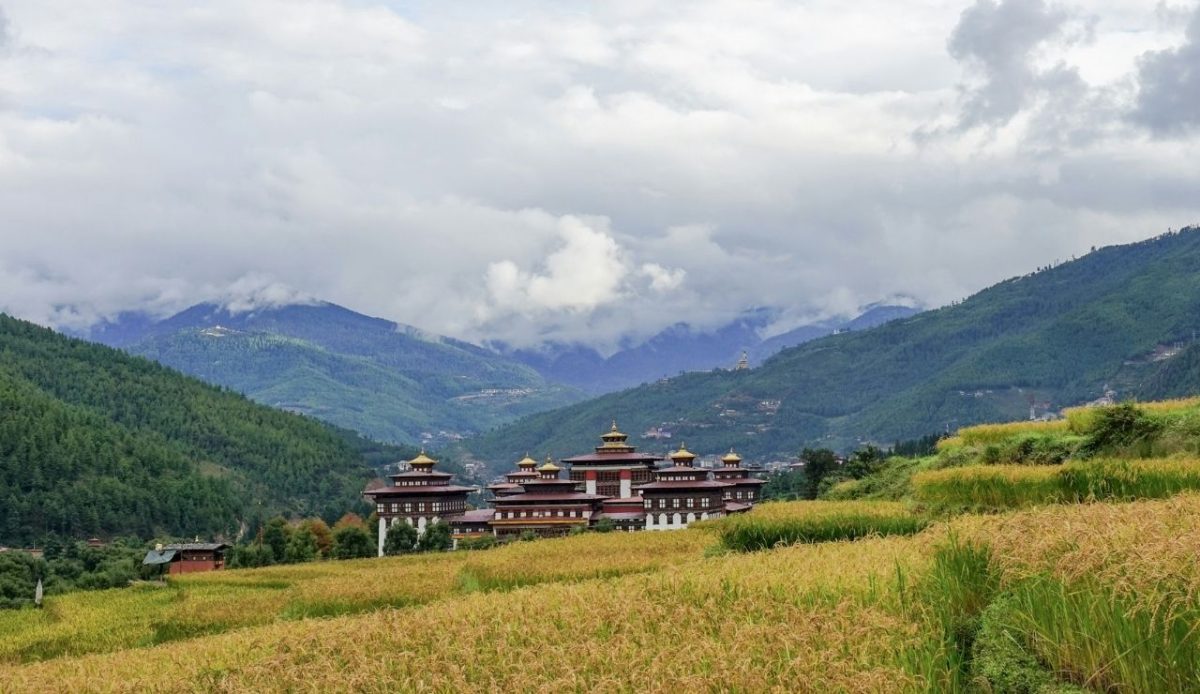
Thimphu serves as a comfortable base for travelers who plan day hikes and guided routes around Bhutan’s valleys. Visitors join local guides for walks to hilltop monasteries, forest paths, and lookout points with open views of the surrounding mountains. The city also links to longer routes that pass through villages and ridges, giving travelers steady movement while staying within a planned schedule. Bhutan follows a regulated visitor system, which helps travelers manage permits, transport, and lodging with support from licensed operators. Weather can affect high-elevation routes, so guides adjust plans to keep travelers safe during sudden changes.
10. Cox’s Bazar, Bangladesh
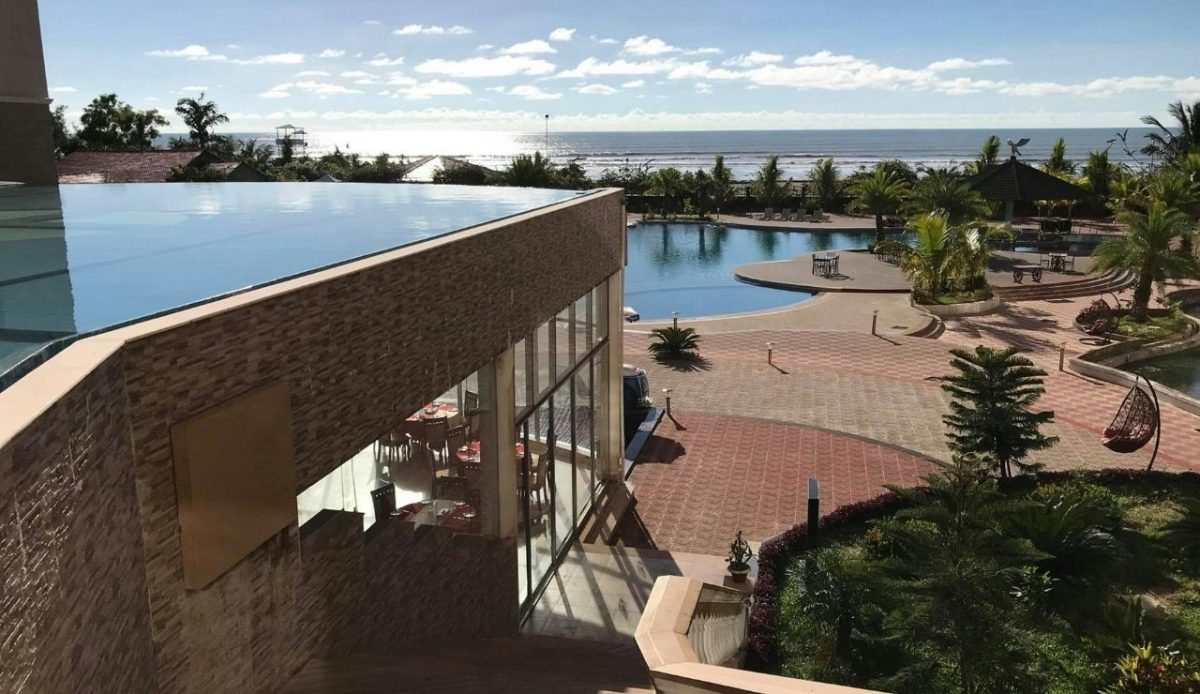
Cox’s Bazar gives travelers access to long beachfront areas and nearby sites suited for active outings. Local companies arrange surfing lessons, ATV rides, and short hikes to headlands with views of the coast. Visitors often join boat trips to nearby islands where guides lead walks, shallow-water swims, or basic snorkeling. Because the region can face strong winds or storm systems, travelers monitor forecasts and follow local safety advice for water activities. The city’s hotels and transport links make it simple to plan day trips while staying close to food, equipment rentals, and trained staff who understand the area’s conditions.
