
Airplane cabins are designed with far more detail than most travelers ever realize. Behind the seats, walls, and lighting are cleverly engineered features meant to improve safety, comfort, and efficiency during every flight. Frequent flyers tend to notice these small details because they spend so much time onboard, learning how airlines optimize space and handle emergencies. From secret handrails to hidden storage and subtle safety markers, these features quietly support smoother travel and make flying feel more intuitive once you understand their purpose.
1. The Hidden Handrails Along Overhead Bins
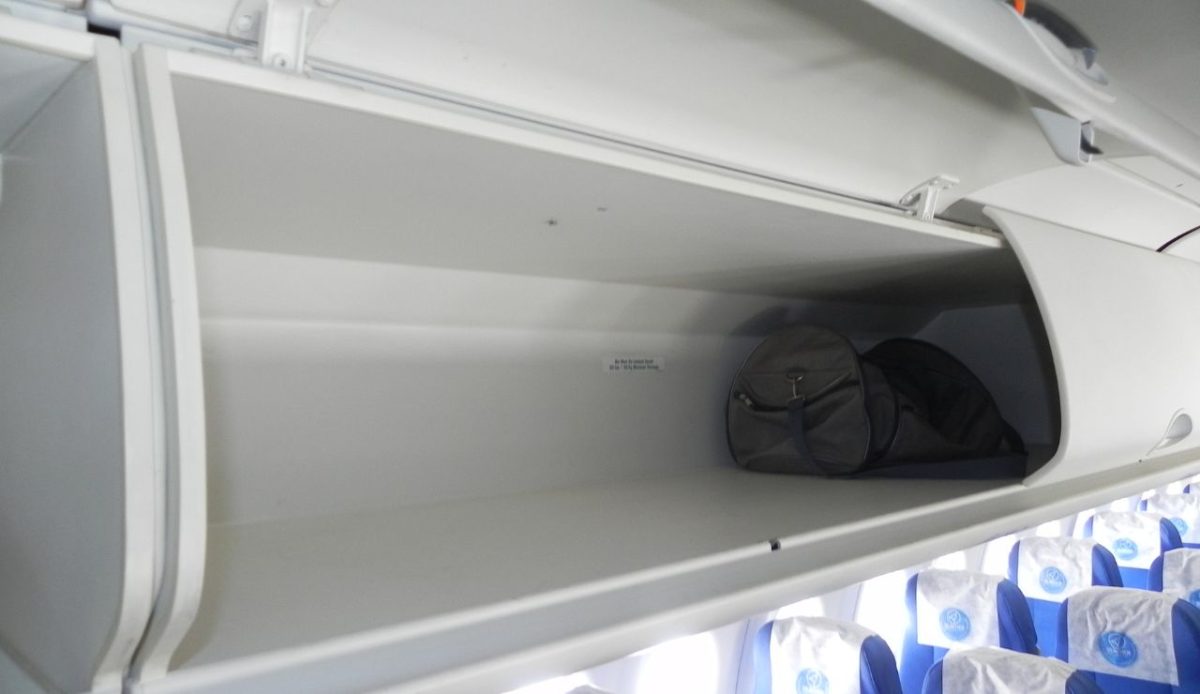
Most passengers never notice the narrow grooves underneath the overhead bins, but frequent flyers use them as handrails when moving through the aisle. These built-in grips allow flight attendants and passengers to stabilize themselves during turbulence without grabbing seatbacks. They help reduce spills, bumps, and disruptions while keeping the aisle flowing smoothly. It’s a small but thoughtful design choice that makes cabin movement safer and less intrusive for everyone onboard.
2. The Secret “Crew Rest” Compartments
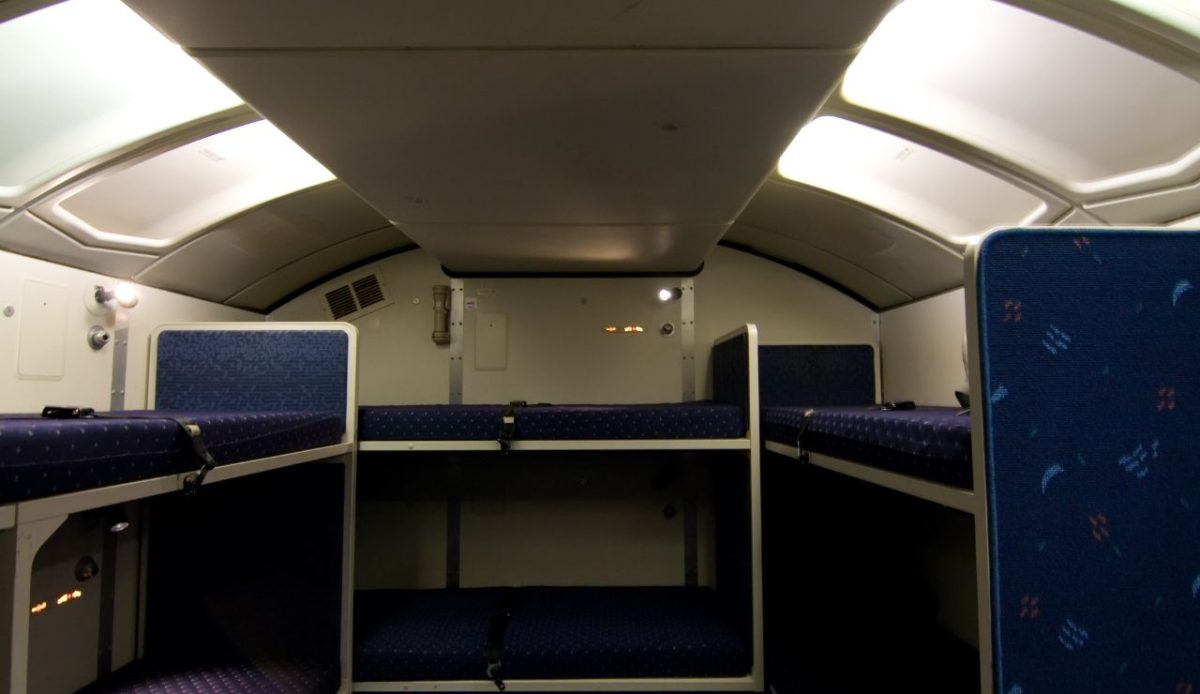
Long-haul aircraft often contain hidden crew rest areas built into the ceiling or behind disguised doors. Frequent flyers on international routes sometimes spot the access points, which blend seamlessly into the cabin walls. These compartments house bunks where pilots and flight attendants can sleep during long flights. While off-limits to passengers, they play a crucial role in keeping the crew rested and alert. Their clever integration showcases how airlines maximize space and safety on long journeys.
3. The Yellow Hooks on the Wings
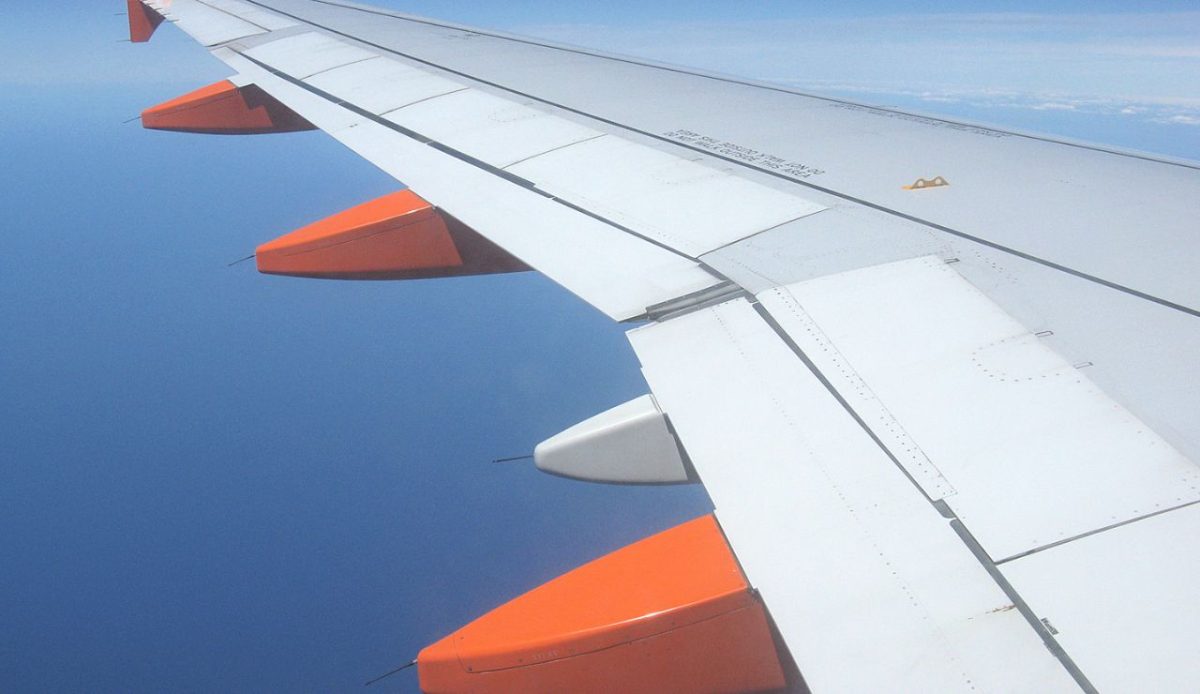
Look closely during boarding, and you may spot small yellow semi-circular markings on the wings. Frequent flyers know these are “escape line” attachment points used during water landings. They help guide passengers onto the wing safely when the surface is slippery or unstable. While rarely used, their presence highlights how much hidden safety engineering goes into every aircraft. These subtle details remind seasoned travelers of the complex systems supporting emergency procedures.
4. The Hidden Button on Armrests
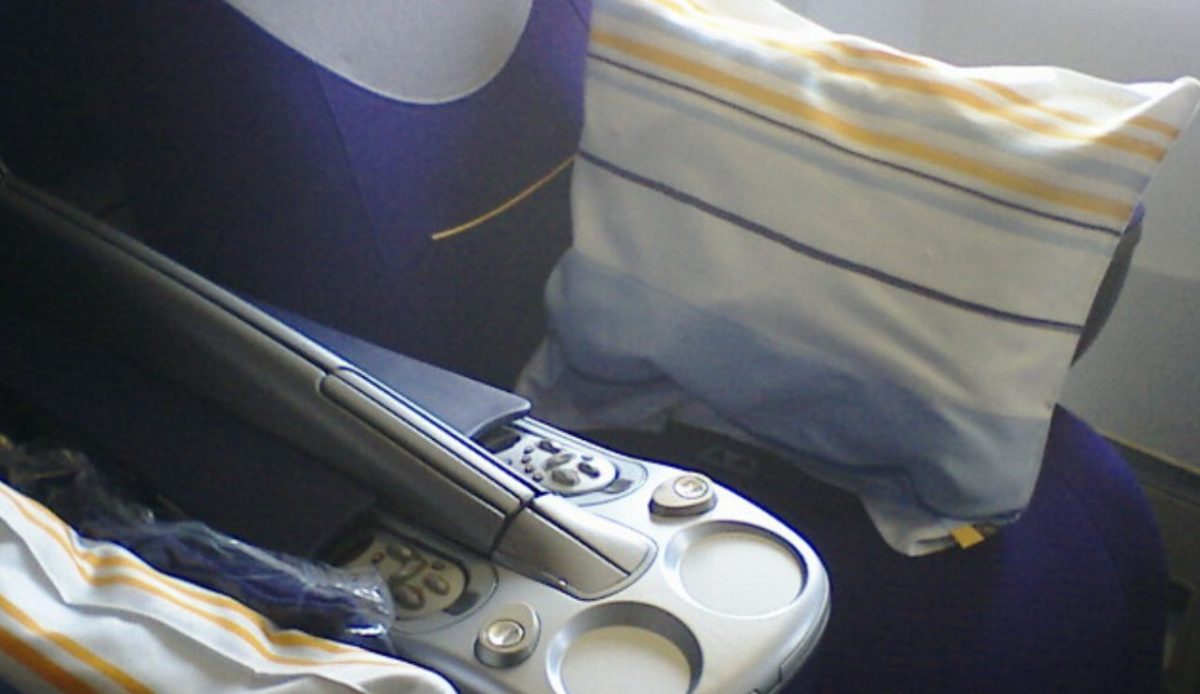
Frequent flyers often know exactly where to find the tiny release button underneath some aisle armrests. Pressing it allows the armrest to lift completely, creating extra space for easier boarding, additional leg movement, or a comfortable exit to the aisle. Flight attendants use it to assist passengers with mobility needs, but savvy travelers use it for added comfort on long flights. It’s a simple feature that makes a surprisingly big difference.
5. The Darker Carpet Near Doors and Galleys
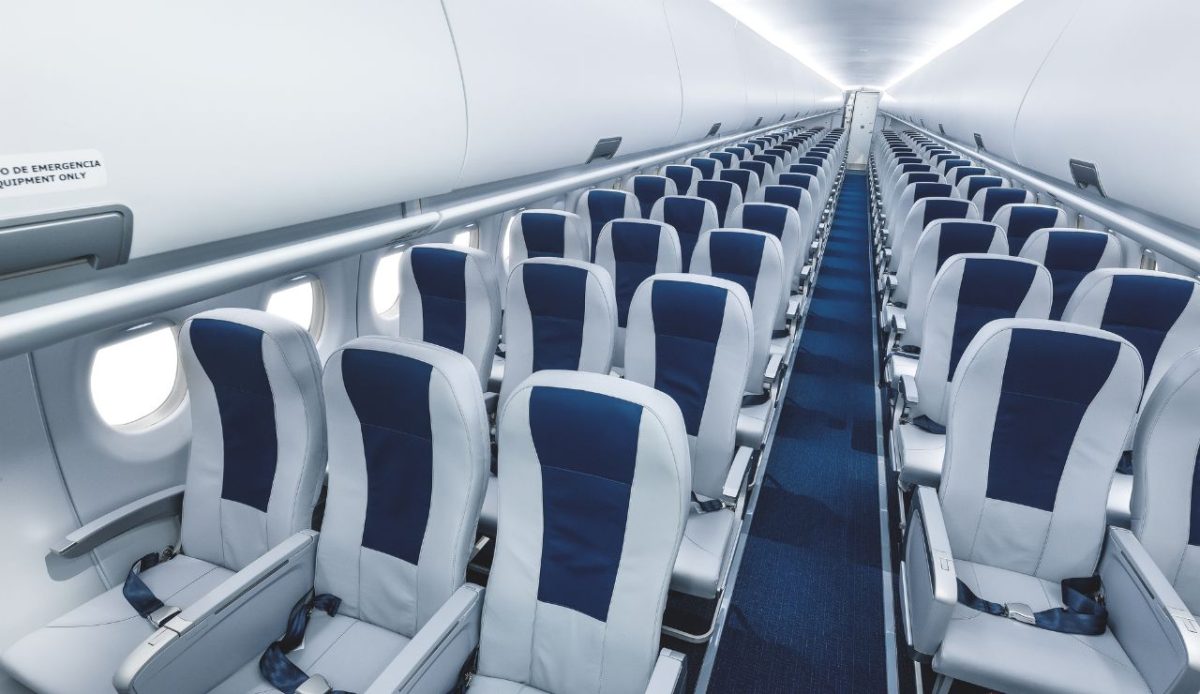
The flooring near aircraft exits and galleys is often darker, more textured, or subtly patterned, a detail frequent flyers quickly notice. This material is intentionally more durable and designed to handle heavy foot traffic, spills, and equipment movement. It also helps crew members identify key areas in low light. While passengers rarely pay attention, this small design choice keeps the cabin cleaner, safer, and easier to maintain on every flight.
6. The “Ashtrays” Still Found in Lavatory Doors
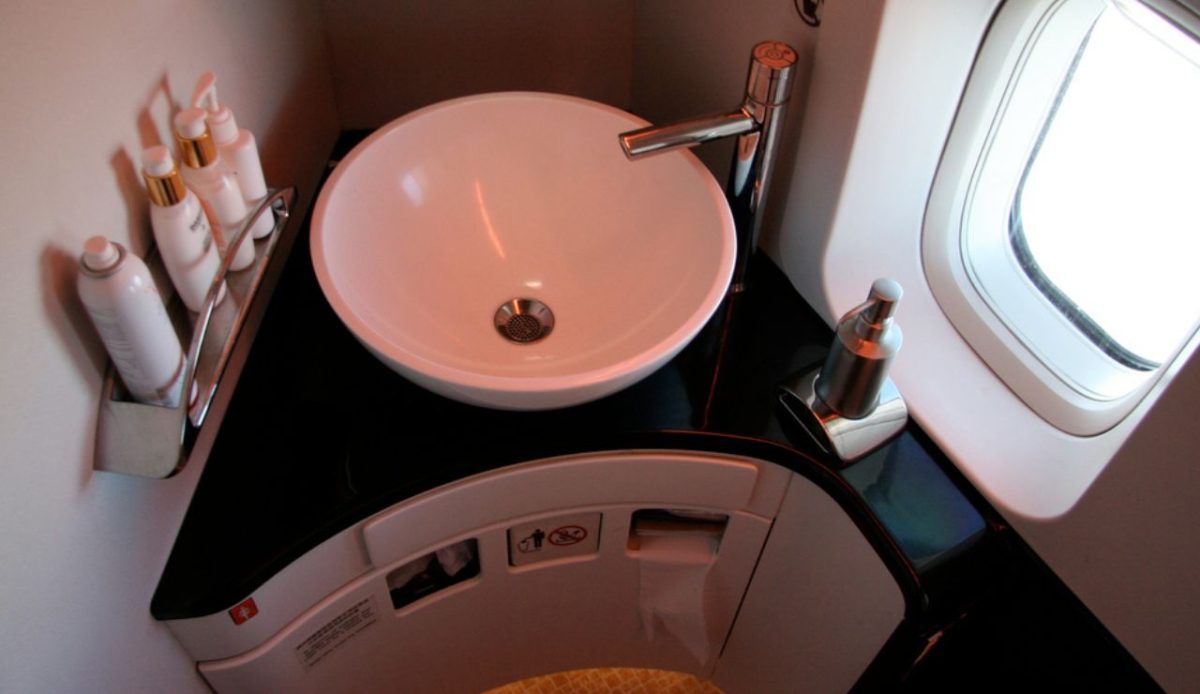
Although smoking has been banned on commercial flights for decades, many airplanes still feature small ashtrays built directly into lavatory doors. Frequent flyers know this isn’t a leftover design flaw; aviation safety rules actually require it. If a passenger illegally lights a cigarette, crews need a fireproof place to dispose of it safely. The feature helps prevent smoldering or hidden embers, ensuring quick action in a risky situation. It’s a subtle reminder of aviation’s safety-first mindset and the unexpected ways regulations shape cabin design.
7. The Subtle Ventilation Gaps Behind Panels
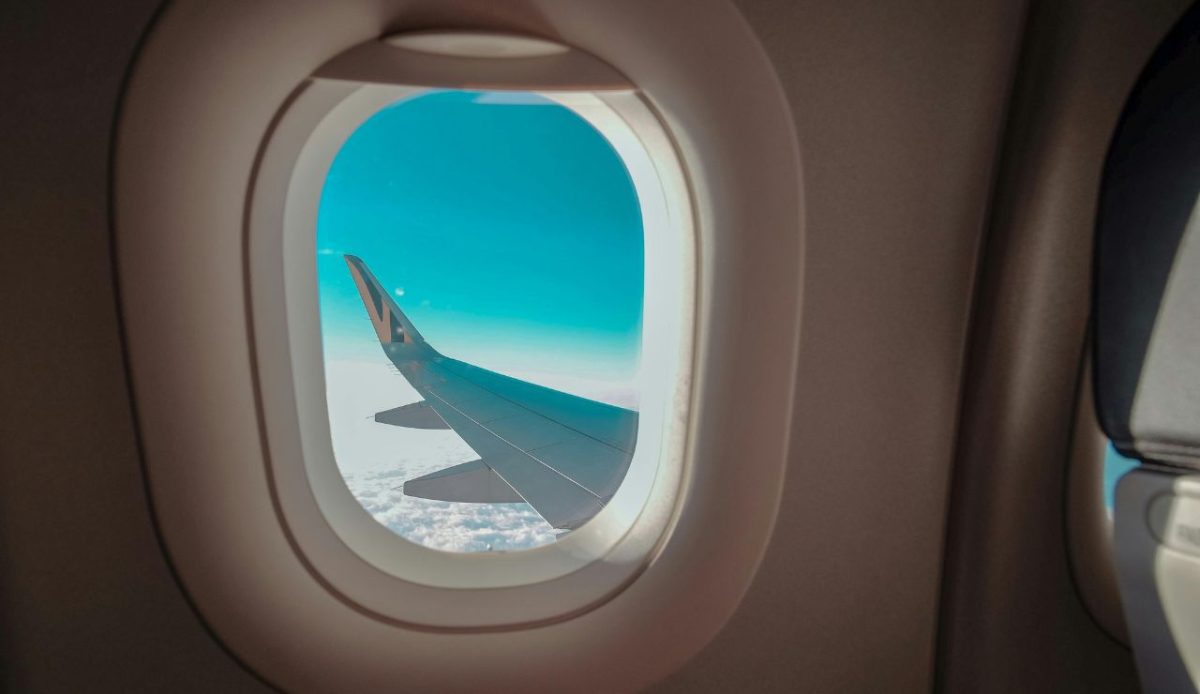
Frequent flyers sometimes spot narrow vents and panel gaps around the cabin, especially near windows and storage areas. These aren’t defects; they’re part of the aircraft’s pressure and airflow system, designed to prevent condensation and maintain cabin stability. The gaps help regulate temperature, reduce noise, and protect sensitive electronics. While nearly invisible to casual travelers, these engineered details significantly contribute to a smoother and more comfortable flight experience.
