
Airport security often decides whether a trip starts smoothly or feels stressful before travelers even reach the gate. Some airports handle this part of the journey more effectively than others by keeping lines organized, utilizing updated scanners, and providing passengers with clear steps to follow. These airports usually staff their checkpoints well, adjust lanes when crowds grow, and avoid long pauses that slow movement. Travelers notice the difference because the process feels steady and predictable instead of rushed or confusing. Based on global rankings, real-time wait data, and passenger reviews, the following are airports where security tends to run more smoothly and consistently than in most major hubs.
1. Copenhagen Airport (CPH), Denmark
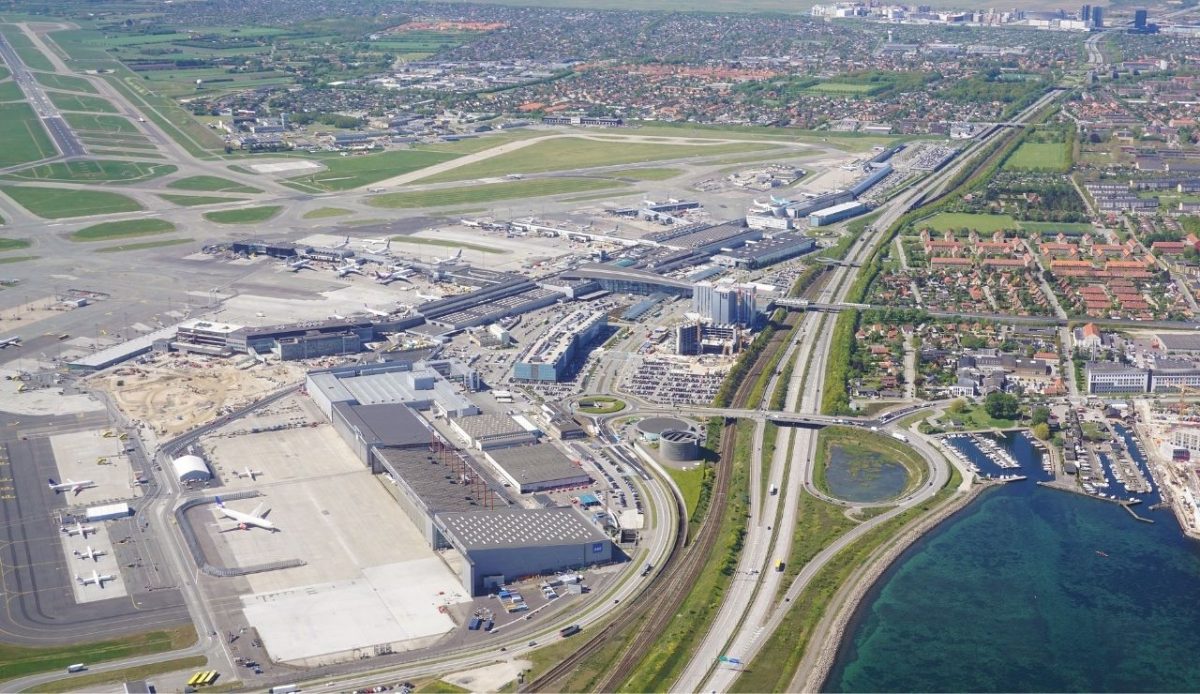
Copenhagen Airport maintains a strong record for quick security lines because it uses streamlined lanes, clear signage, and modern scanners that reduce the number of items travelers must remove. Staff monitor traffic patterns throughout the day and adjust lane openings whenever passenger flow increases. This flexible system prevents long backups and keeps queues organized even during peak holiday travel. Passengers often mention that staff give direct guidance when needed, which limits hesitation at the conveyor belts. The airport continues to update its equipment to keep the process efficient. These measures make security at CPH feel predictable and manageable for most travelers.
2. Rome Fiumicino Airport (FCO), Italy
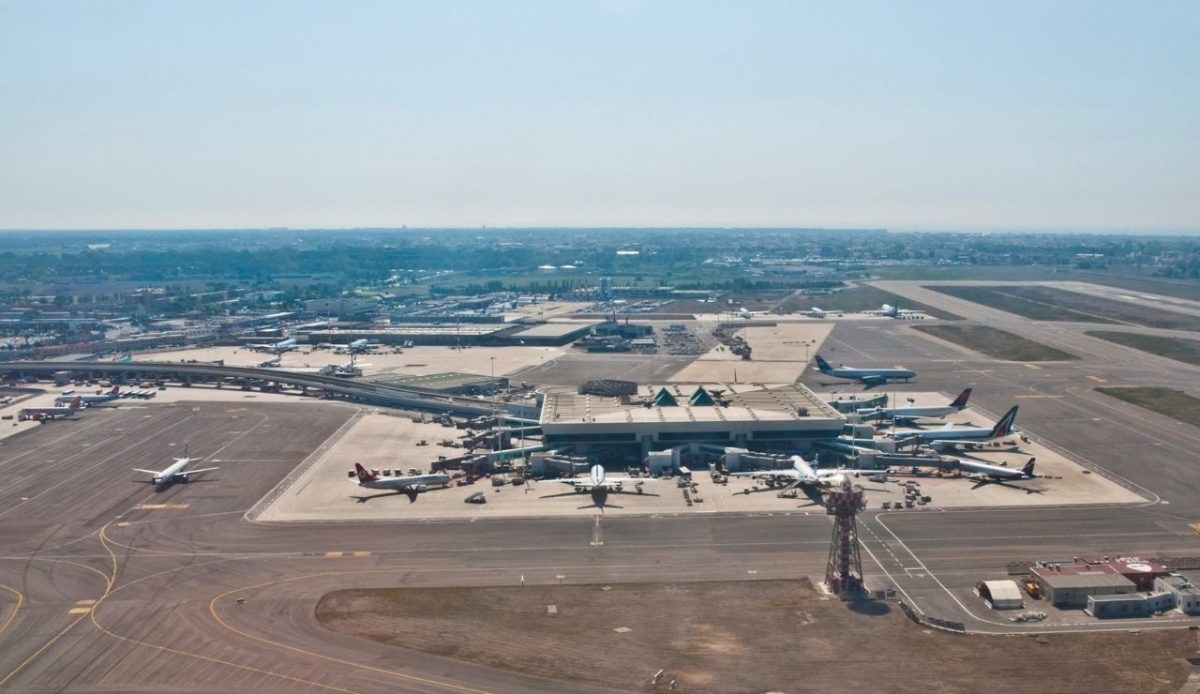
Rome Fiumicino improved its security layout over the past few years, and travelers now experience a more structured flow through checkpoints. Security teams open additional lanes quickly when the terminal becomes busy, allowing crowds to move without getting stuck in narrow areas. The airport uses automated trays and convenient belt setups that help passengers load items faster and continue through screening without delays. Staff communicate instructions clearly and maintain a steady pace even when large tour groups arrive. Recent upgrades also seem to reduce the number of secondary checks, which shortens the overall wait. These efforts help travelers pass through security with fewer delays and less uncertainty.
3. Chubu Centrair International Airport (NGO), Japan
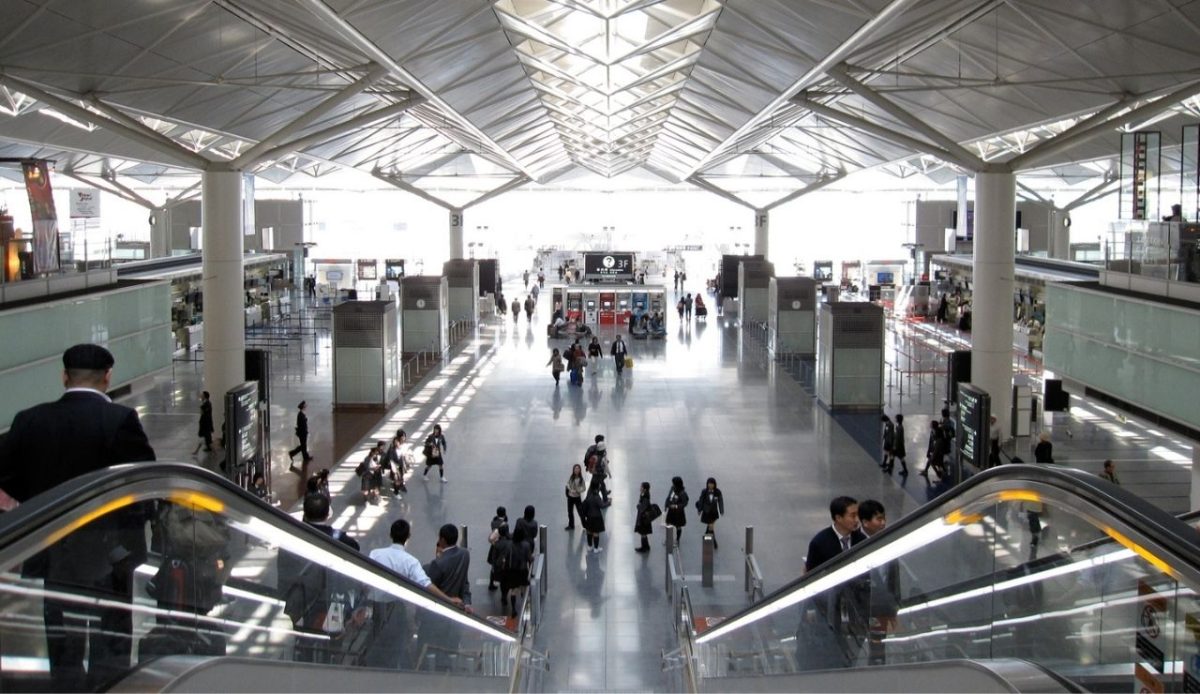
Chubu Centrair in Nagoya has a reputation for orderly security procedures supported by well-planned layouts and consistent staffing. Lines move steadily because the airport uses equipment that speeds up the screening of electronics and personal items. Staff guide travelers before they enter the checkpoint, which reduces confusion about rules and prevents last-minute repacking. The design of the area keeps movement clear, and crowding rarely forms because the flow continues at a controlled pace. Travelers also report that staff remain attentive during busy hours, helping to maintain accuracy without slowing the process. These details allow the airport to deliver a predictable screening experience.
4. Tokyo Haneda Airport (HND), Japan
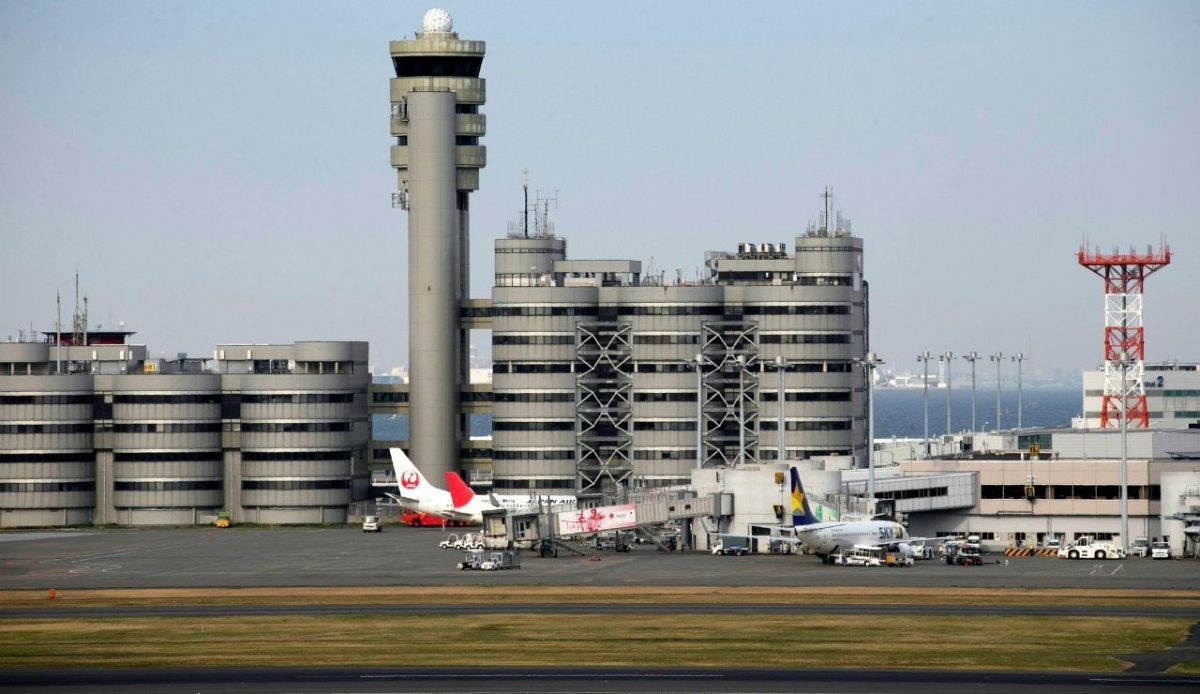
Security at Haneda Airport operates with a strong focus on organization and passenger direction. Staff communicate expectations clearly, which helps travelers reach the conveyor belts prepared and ready to move. The airport uses efficient technology that reduces the need for repeated checks of laptops or liquids, saving time during rush periods. Because Haneda handles a large number of domestic and international flights, it monitors traffic closely and keeps additional lanes ready to open when volume rises. Travelers benefit from this proactive management, as lines remain shorter than expected for an airport of its size. These factors allow Haneda to maintain a reliable and calm security process.
5. Hamad International Airport (DOH), Qatar
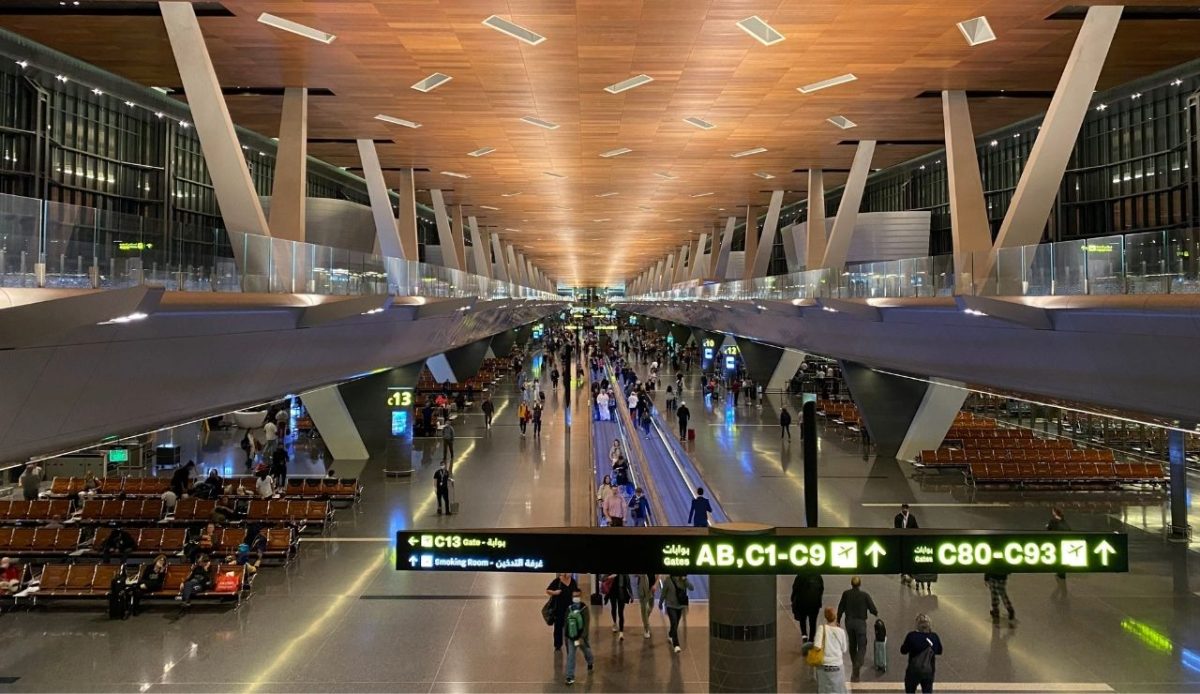
Hamad International structures its security process around modern equipment and organized checkpoints designed to limit congestion. The airport uses scanners capable of handling higher passenger volumes, and staff members rotate frequently to keep the flow moving. Travelers often reach the front of the line quickly because the layout spreads crowds across multiple screening zones instead of funneling them into a single point. Staff assist passengers who need help preparing items, which prevents slowdowns at the trays. Clear visual guidance also helps travelers understand where to stand and how to proceed through each step. These practices allow security at DOH to feel efficient even during peak international travel hours.
6. Bahrain International Airport (BAH), Bahrain
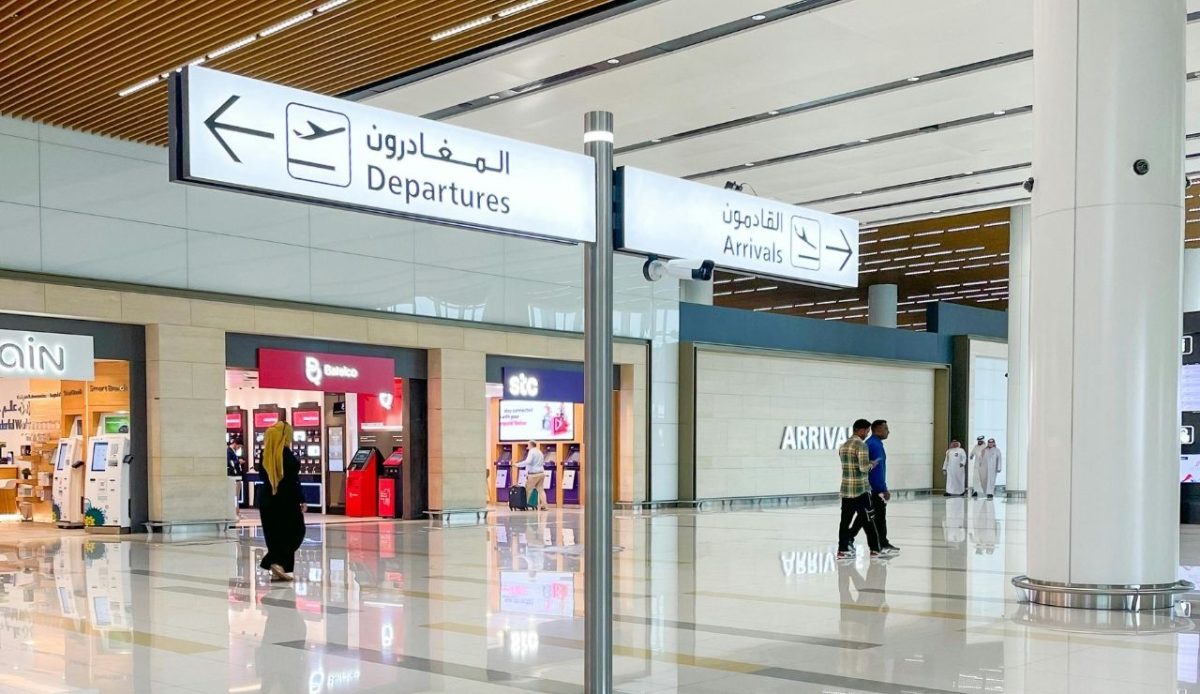
Bahrain International Airport maintains smooth security operations by keeping its checkpoints organized and supported by trained staff who manage crowd flow throughout the day. The airport uses modern scanners that reduce the need for passengers to remove many items, which shortens the preparation time at the trays. Staff monitor line lengths closely and redirect travelers when needed to prevent bottlenecks from forming. The layout also helps because the queuing areas give enough space for passengers to stay ready without blocking movement. Travelers often find that instructions are clear and easy to follow, which limits hesitation at the machines.
7. Singapore Changi Airport (SIN), Singapore
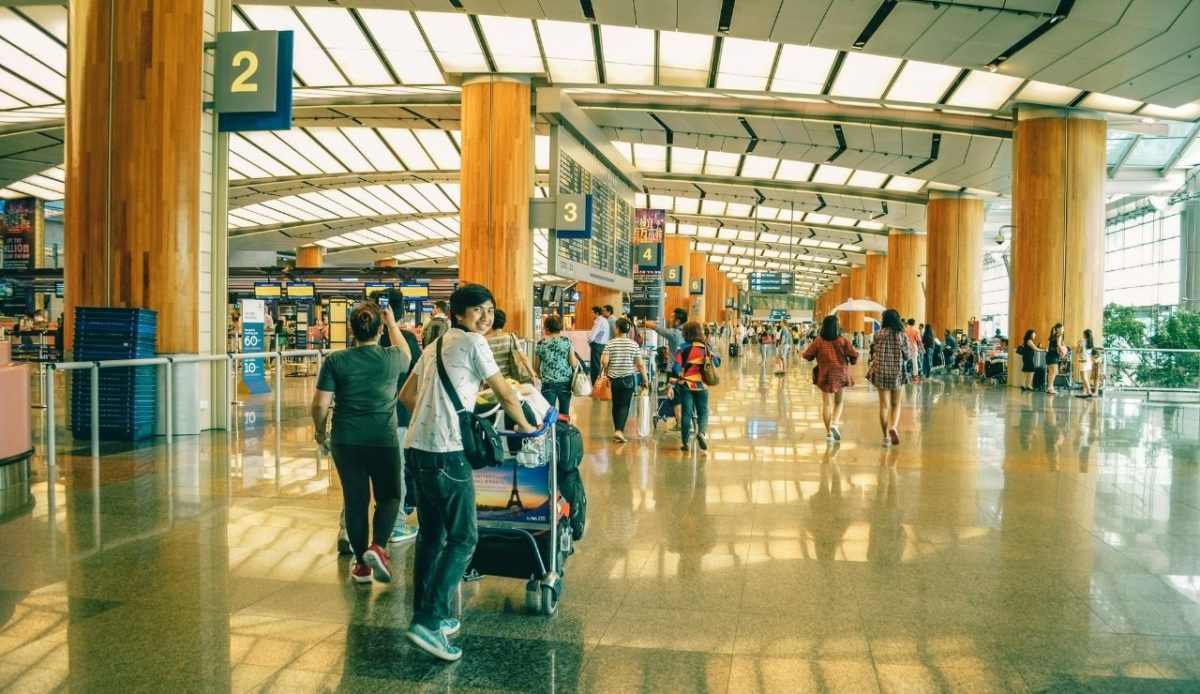
Changi Airport’s security process feels smooth because the airport organizes checkpoints strategically across terminals, minimizing crowd buildup in any one area. Many screening lanes use equipment that allows faster scanning of carry-on items, which keeps the line advancing even during busy travel periods. Staff guide travelers before they reach the conveyor belts, helping them prepare their belongings in advance. This preparation reduces delays that usually occur when passengers are unsure about what to remove. The airport also maintains strong staffing levels, allowing it to open extra lanes quickly when traffic rises. These decisions support efficient movement and maintain high satisfaction among travelers.
8. Zurich Airport (ZRH), Switzerland
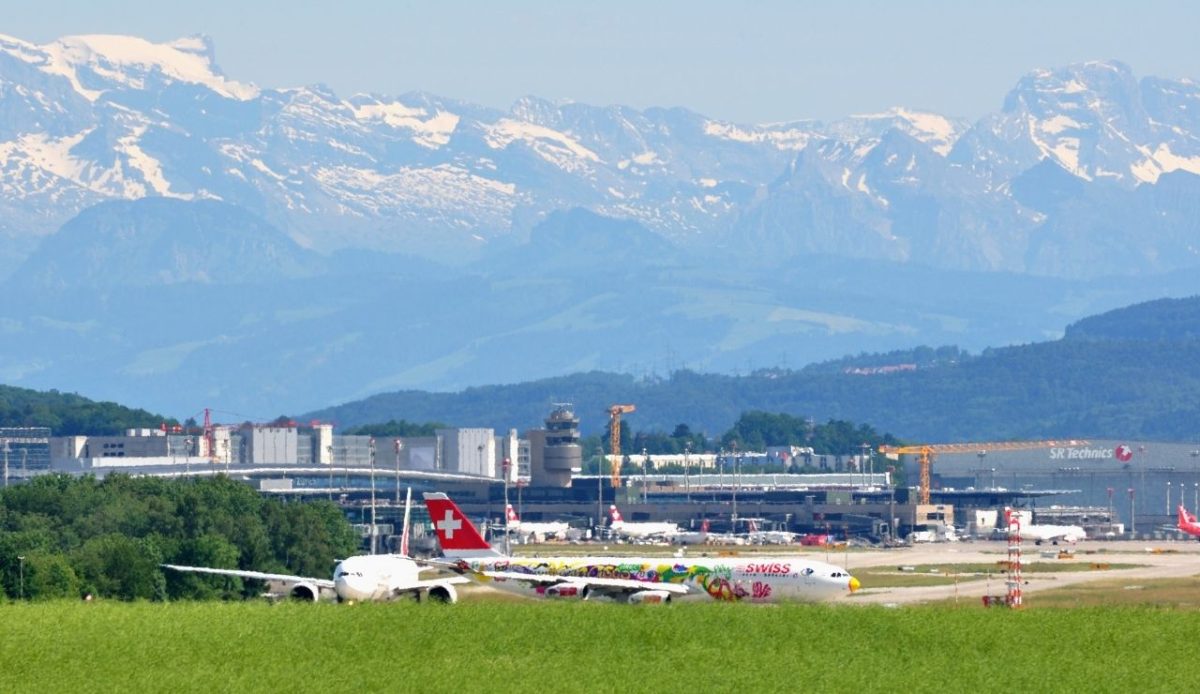
Zurich Airport structures its security process around efficiency and consistent passenger guidance. The airport uses updated scanning machines that help reduce manual inspections, lowering the number of secondary checks that can slow movement. Staff remain present at key points to provide clear instructions, which helps travelers get ready before arriving at the trays. The design separates arriving crowds from the actual screening area, preventing sudden surges that confuse. When the airport gets busy, additional staff assist with directing passengers through open lanes, keeping lines steady instead of allowing them to bunch up. These measures help ZRH maintain a reliable and organized screening experience.
9. Tokyo Narita Airport (NRT), Japan
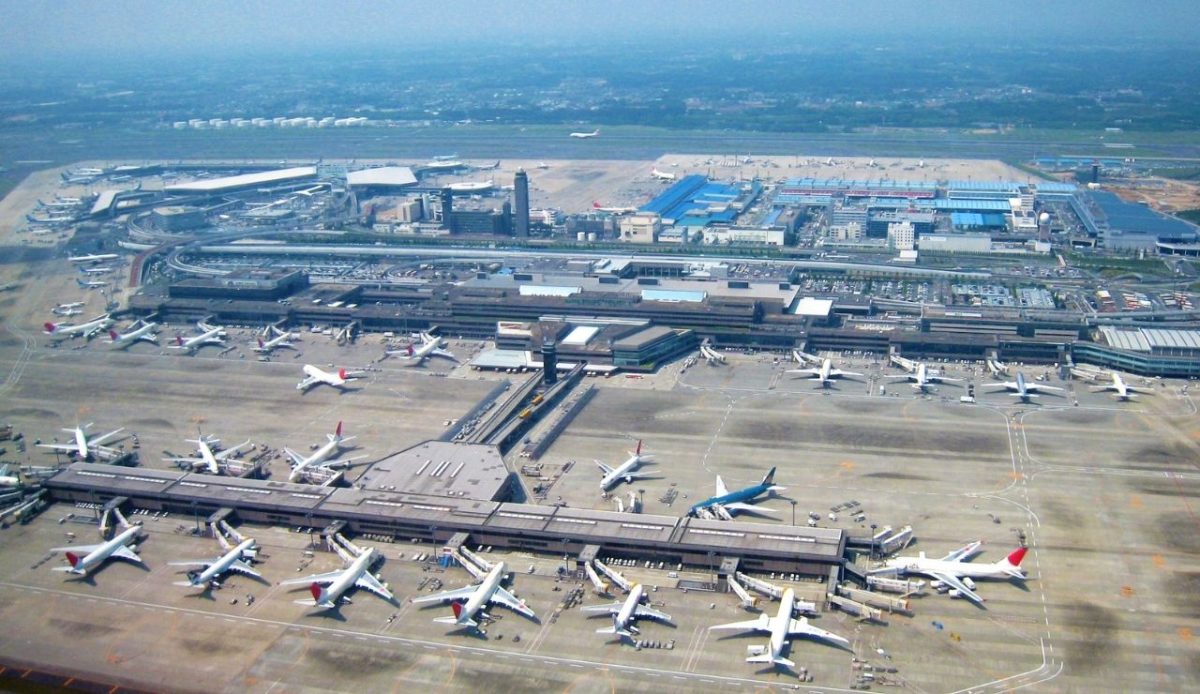
Tokyo Narita manages security procedures with a focus on steady flow and well-planned lane distribution. Each checkpoint uses equipment that supports faster screening of electronics and liquids, which helps reduce wait times during peak travel hours. Staff members communicate instructions clearly, ensuring passengers do not hesitate when placing items on the conveyor belts. The airport’s layout also supports smooth movement by providing wide areas for queuing and preparation. Travelers often note that staff respond quickly when lines begin to grow, opening more lanes to keep operations balanced. These details contribute to a security process that feels consistent and efficient.
10. New York LaGuardia Airport (LGA), USA
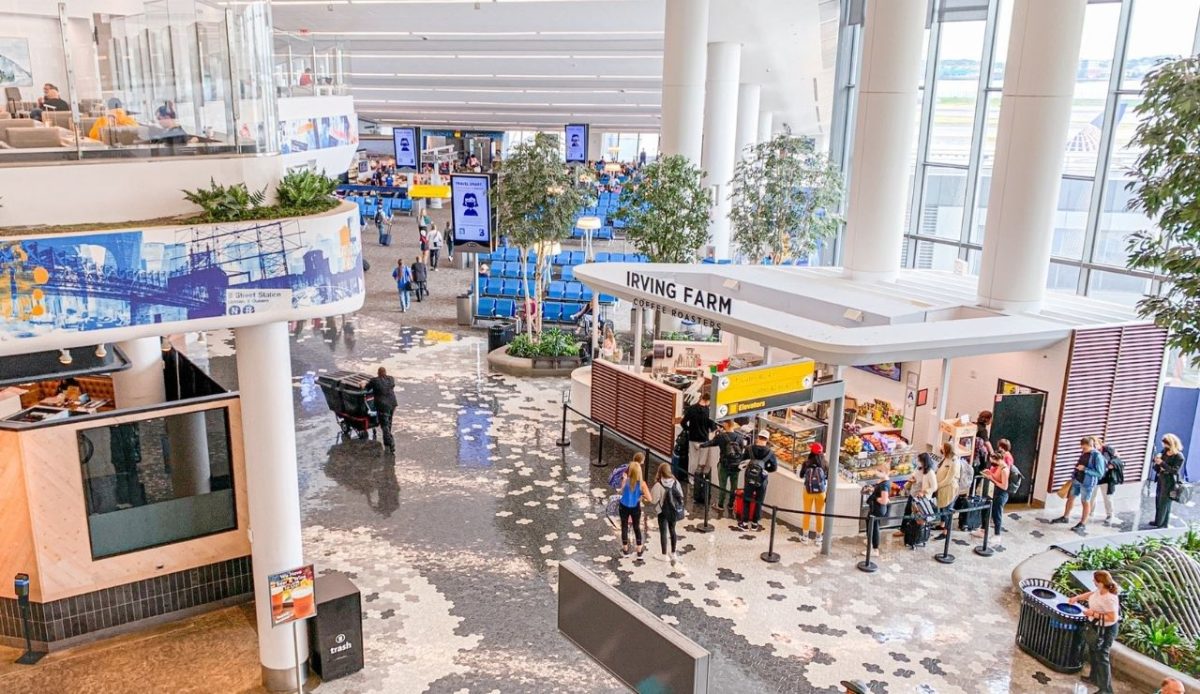
LaGuardia Airport improved its security experience significantly after recent terminal redevelopment. The new layout gives more space for lines, preparation areas, and scanning machines, allowing the checkpoints to handle larger crowds without slowing. TSA officers guide passengers clearly, helping reduce confusion about screening rules. Automated conveyor belts and modern scanners support faster movement of trays, which lowers the chance of pileups during busy hours. The airport also monitors traffic in real time, enabling quick adjustments to staff distribution across lanes. These upgrades allow travelers to move through security faster than expected for a major urban airport.
11. Salt Lake City International Airport (SLC), USA
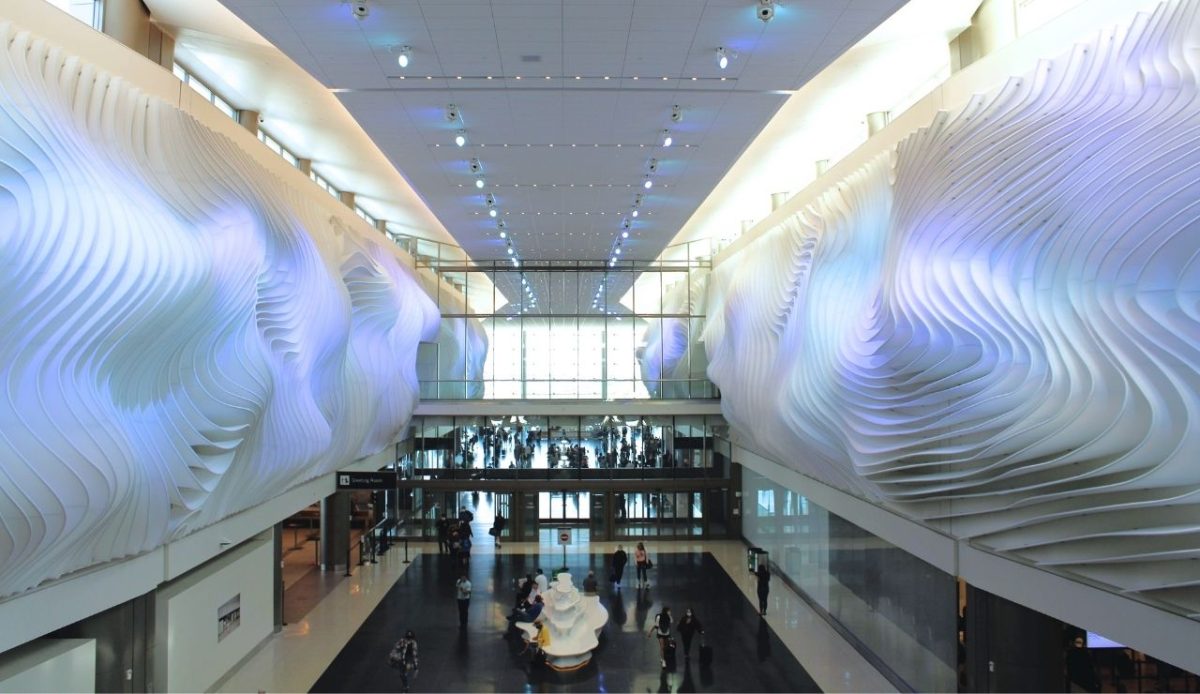
Salt Lake City International maintains one of the most reliable screening setups in the United States by keeping checkpoint flow steady throughout the day. The airport uses a layout that spreads passengers across several screening points, reducing the chance of long backups during peak periods. Staff guide travelers early in the line so they understand what to place in trays, which prevents hesitation once they reach the scanners. The equipment processes carry-on items quickly, letting the line advance without frequent interruptions. When crowds increase, supervisors open more lanes to avoid slow movement.
12. Palm Beach International Airport (PBI), USA
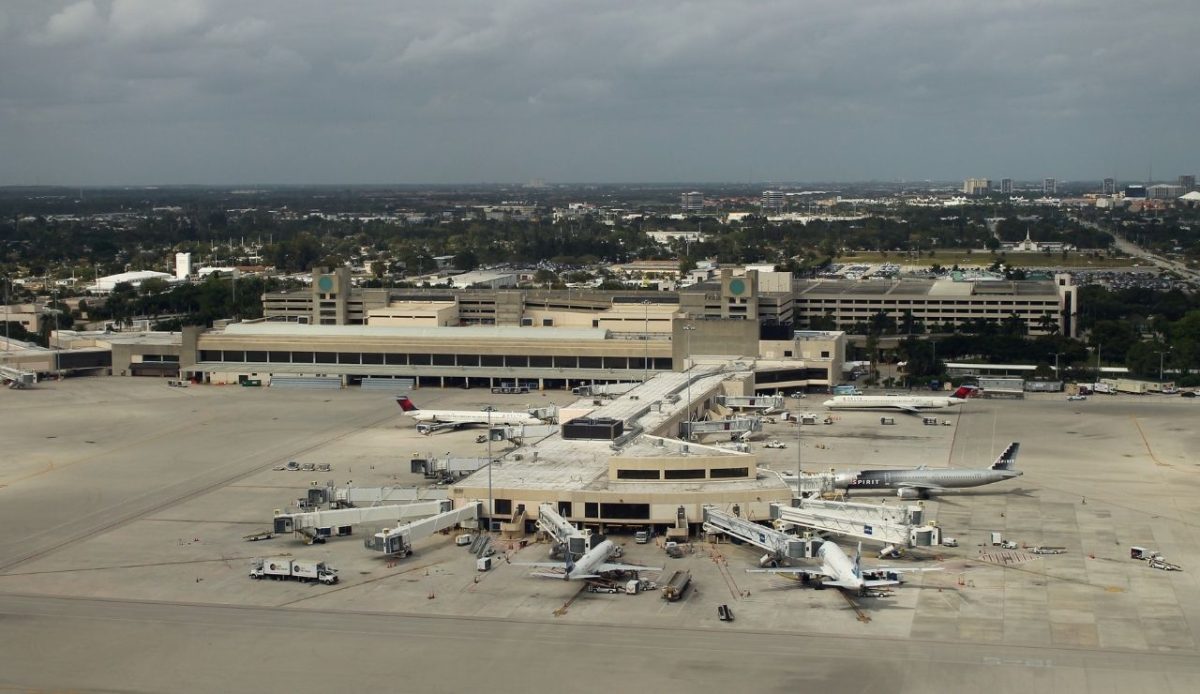
Palm Beach International earns strong feedback for its quick security process, largely because the airport handles traffic with an organized system that limits congestion. The checkpoint area provides enough room for passengers to prepare bags before reaching the x-ray machines, which keeps movement steady even when flights depart in clusters. Staff communicate instructions clearly, reducing confusion about personal items and electronics. Travelers usually progress through the line faster than expected for a regional airport, partly due to consistent staffing and efficient scanning tools. The airport also monitors wait times and shifts personnel as needed to prevent stalls.
