
Bavaria offers some of the most recognized Christmas markets in Europe, and each one reflects its own regional traditions, foods, and seasonal habits. Town squares, historic buildings, and old streets become active meeting points where visitors can buy crafts, warm drinks, and practical winter items. These markets attract both locals and travelers who want dependable holiday routines rather than staged entertainment. Bavaria’s long winter season creates reliable conditions for evening visits, when lights, music, and foot traffic give the areas steady energy. With many towns located close together, travelers can easily plan routes that include several markets during one trip, making the region suitable for short or extended stays.
1. Nuremberg Christkindlesmarkt
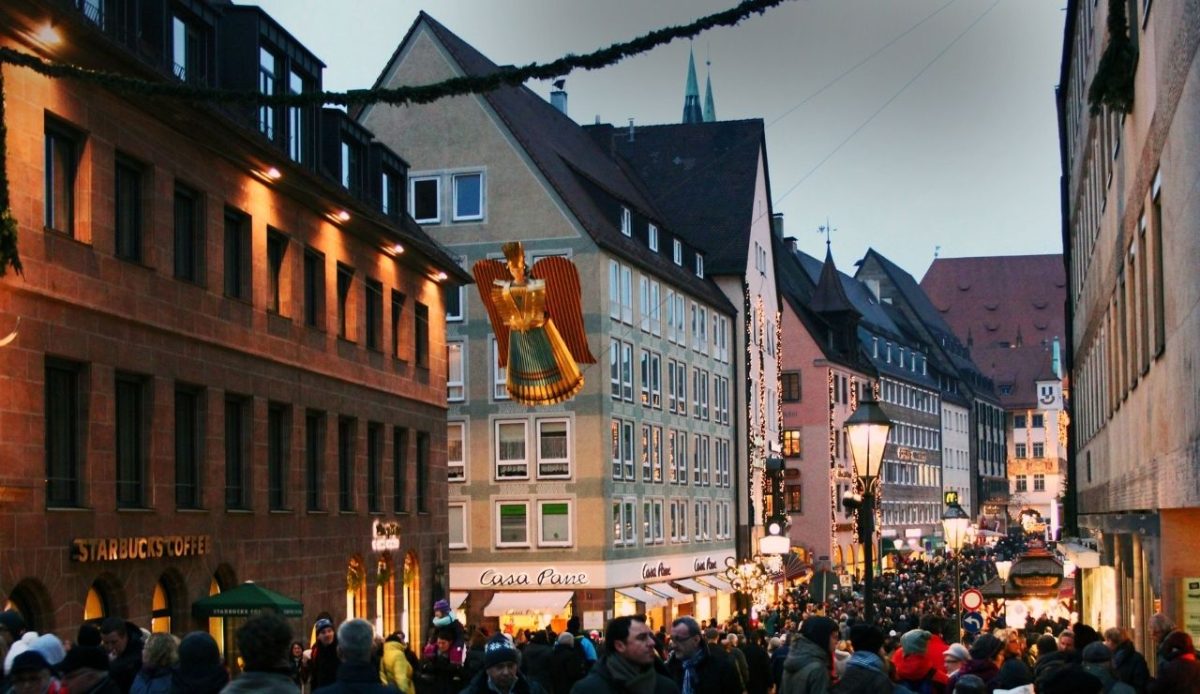
Nuremberg’s market has a long record of steady activity, built around its Christkind tradition and wooden stalls set across the main square. Vendors focus on familiar items such as gingerbread, sausages, small toys, and crafted ornaments. The central area stays busy throughout the day, though evenings bring a noticeable rise in foot traffic as families, residents, and tour groups move through the narrow paths. Nearby streets include a children’s zone with small rides, which makes the market suitable for different age groups. Despite high attendance, the layout allows people to move at a manageable pace. The market reflects a long history of local involvement, which supports dependable quality each season.
2. Munich Christkindlmarkt at Marienplatz
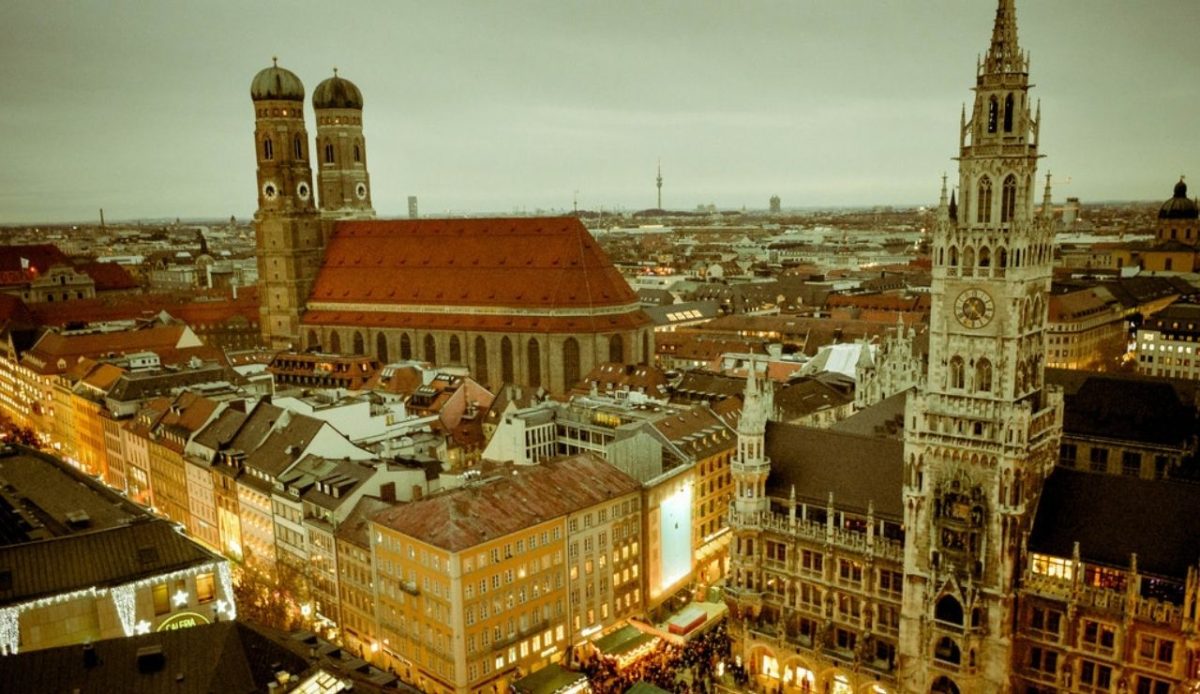
Munich’s main market operates in the center of the city, with stalls placed around Marienplatz and the surrounding lanes. The town hall acts as a visual anchor and helps visitors orient themselves while walking through the area. Vendors offer items tied to regional traditions, including carved figures, candles, and baked goods. Crowds increase after work hours when office employees join tourists, but the wide square allows steady movement even during busy evenings. Live music from the town hall balcony provides a recognizable feature without overwhelming the space. The market benefits from strong public transport access, which encourages repeat visits and supports reliable attendance throughout the season.
3. Rothenburg ob der Tauber Reiterlesmarkt
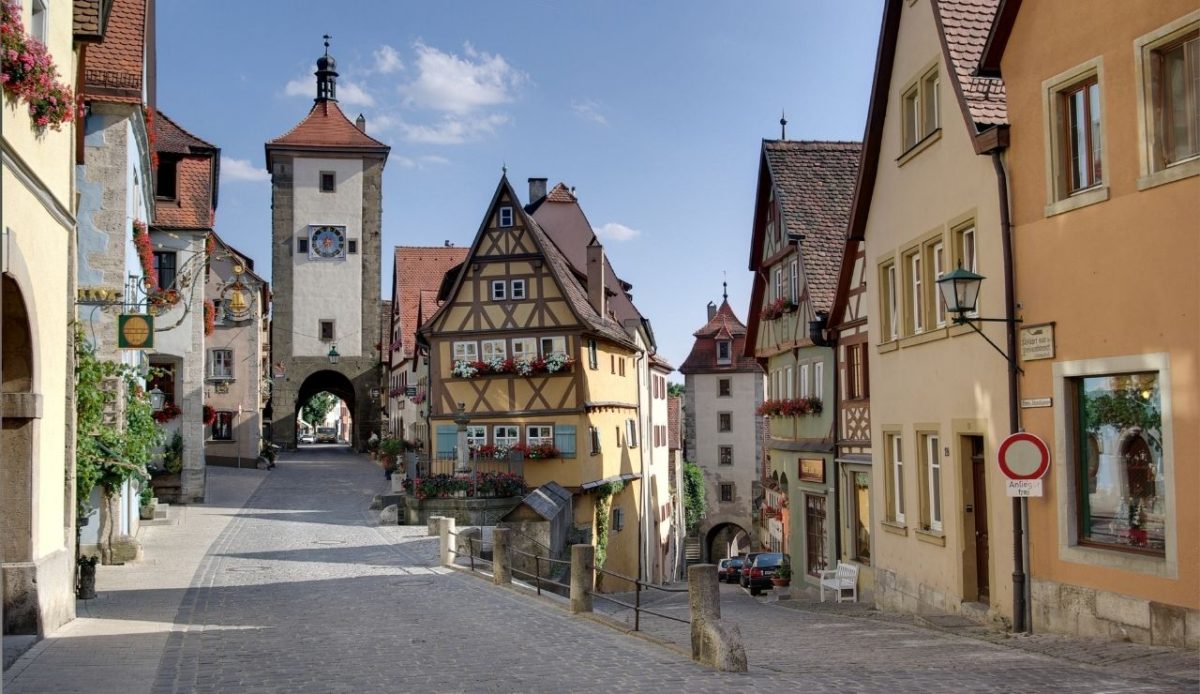
Rothenburg’s market benefits from its preserved medieval streets and consistent architectural style, which provide a stable setting for seasonal events. The Reiterlesmarkt spreads through several connected squares, forming a walkable loop instead of a single congested area. Stalls highlight local crafts such as woodcarving, pottery, and baked specialties associated with Franconia. The nearby Christmas Museum and specialty stores draw steady interest, which boosts foot traffic through the surrounding streets. Evening visits feel lively but manageable, as most groups move slowly through the narrow paths. The market’s schedule aligns with the town’s established visitor patterns, making it a dependable stop on many holiday itineraries.
4. Bamberg Christmas Market
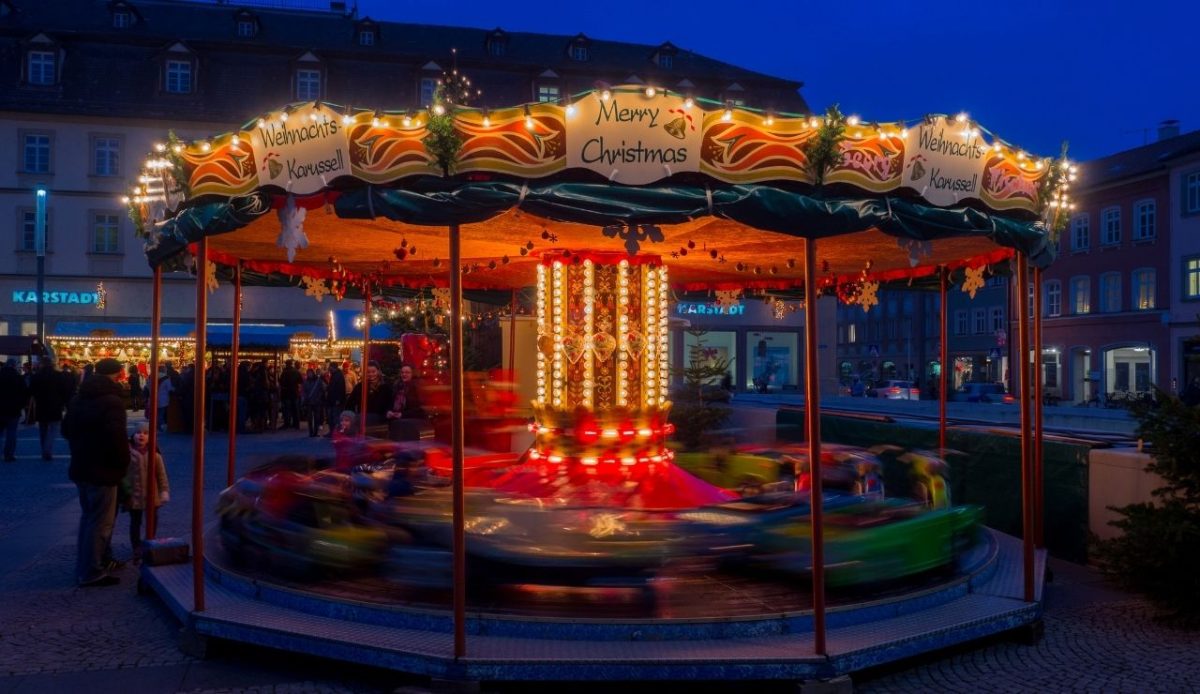
Bamberg’s market spreads across the old town, using its pedestrian zones as natural gathering areas. The main section near Grüner Markt includes food stalls, small gift booths, and local specialties. Additional craft areas near nearby churches create more space for visitors, reducing pressure on the central zone. The city’s UNESCO-listed layout supports regular foot traffic from tourists and residents. Vendors emphasize practical items such as candles, wooden toys, and everyday seasonal goods. Even on crowded weekends, the open streets help prevent severe bottlenecks. The market holds a stable role in Bamberg’s winter calendar, reinforcing its importance for local businesses and community traditions.
5. Augsburg Christkindlesmarkt
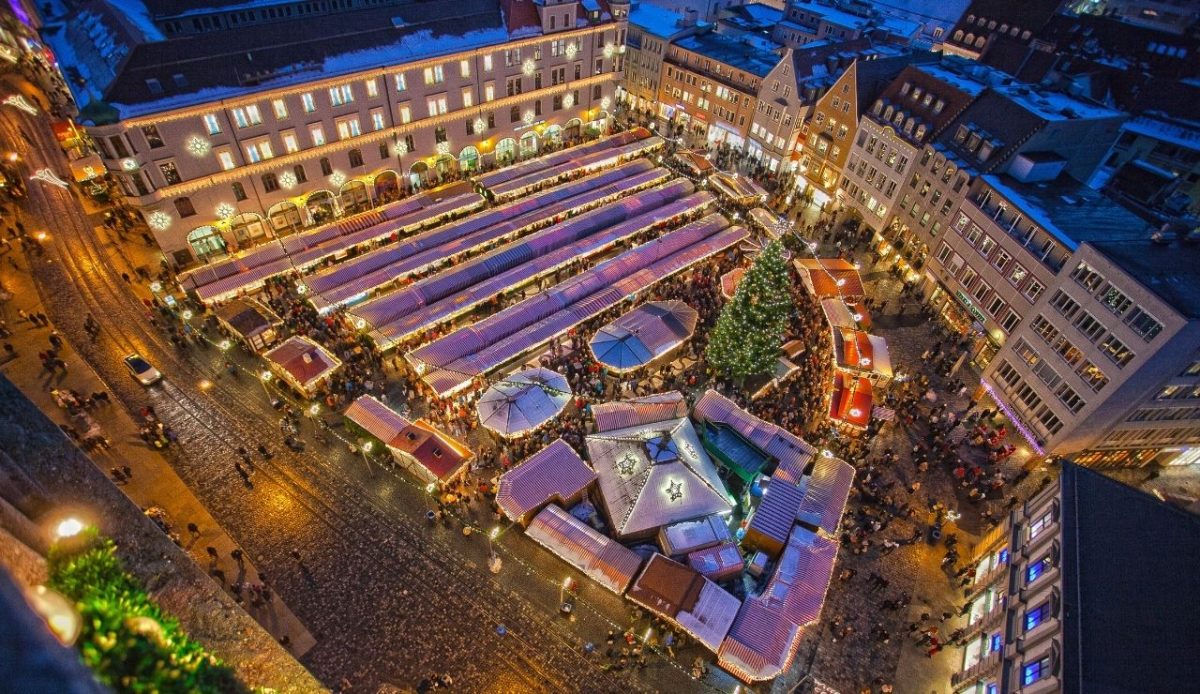
Augsburg’s market occupies the Rathausplatz, using the wide space in front of the town hall to handle heavy attendance. The scheduled “Angels Play” display attracts crowds, but people usually disperse quickly, preventing long-term congestion. Stalls offer crafts, warm drinks, and familiar holiday foods tied to regional customs. The layout ensures clear walking lines, which maintain steady movement during peak hours. Surrounding streets host additional vendors, giving visitors more options and reducing crowd buildup. The event fits well into the city’s winter schedule and draws both locals and travelers from surrounding regions, making it one of Bavaria’s more active markets.
6. Passau Christmas Market at St. Stephen’s Cathedral
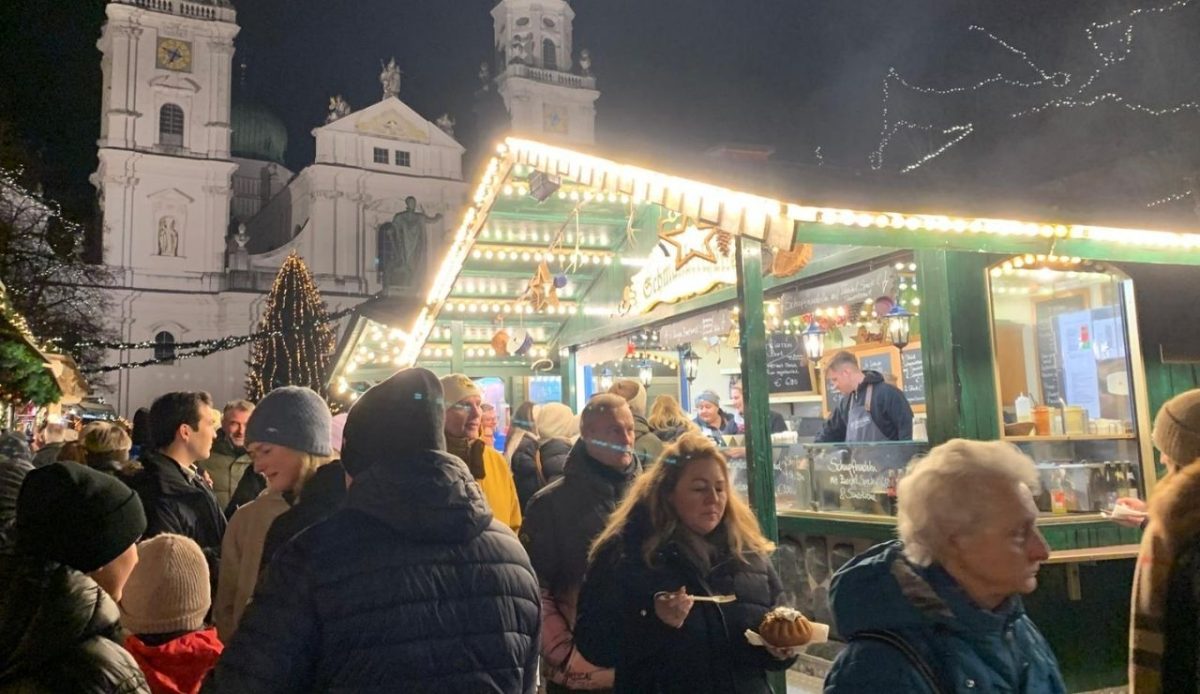
Passau places its market directly in front of the cathedral, forming a defined central point aligned with established visitor routes. Vendors sell Bavarian and Austrian goods, reflecting the city’s border location. The open square supports circular foot traffic, making it easier for groups to browse without blocking access to stalls. Cathedral concerts create an added activity that many travelers schedule along with their market visit. The area connects smoothly to nearby streets, providing room to redirect movement if the square becomes crowded. With consistent hours and a predictable layout, the market appeals to day-trippers and longer-stay visitors alike.
7. Garmisch-Partenkirchen Christmas Market
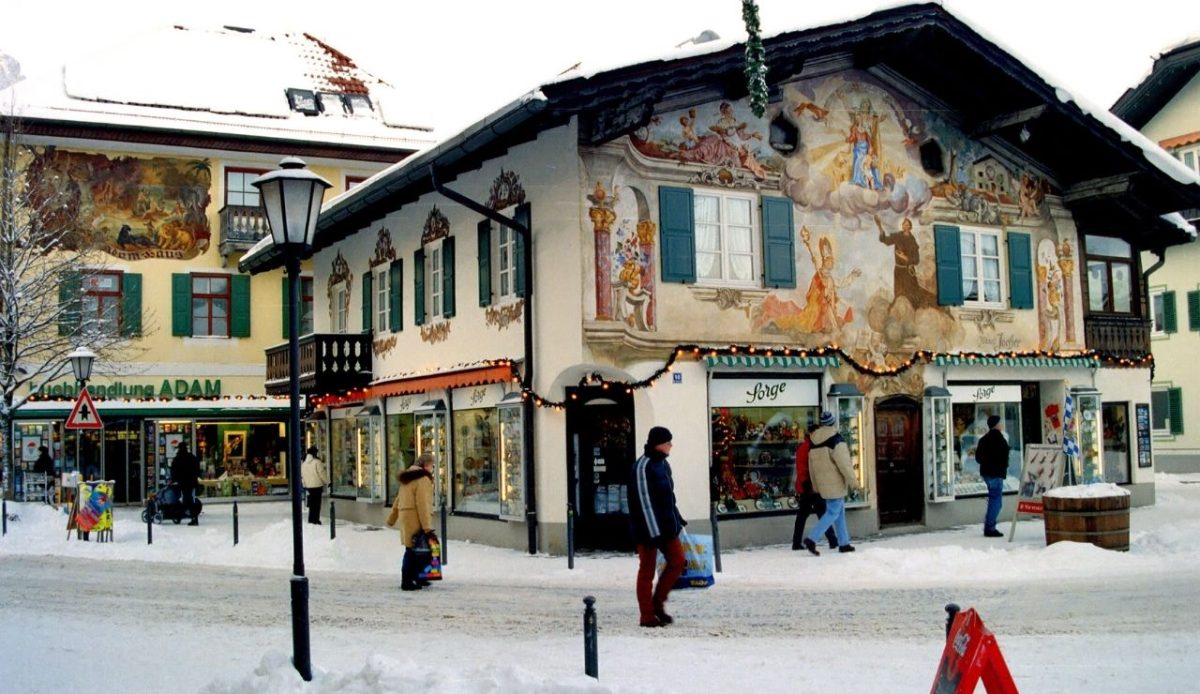
Garmisch-Partenkirchen sets its market near the main pedestrian zone, surrounded by shops and buildings that remain active year-round. Stalls offer warm drinks, snacks, and handmade goods associated with Alpine communities. Because the town attracts winter sports travelers, the market fits naturally into existing visitor routines. Walkways stay open thanks to the wide layout, allowing people to move between the market and nearby cafés without interruption. The mountain climate influences temperatures, so vendors prepare for cold nights with heat lamps and covered areas. The market continues to function even during snowy conditions, maintaining stable attendance across the season.
8. Berchtesgaden Advent Market
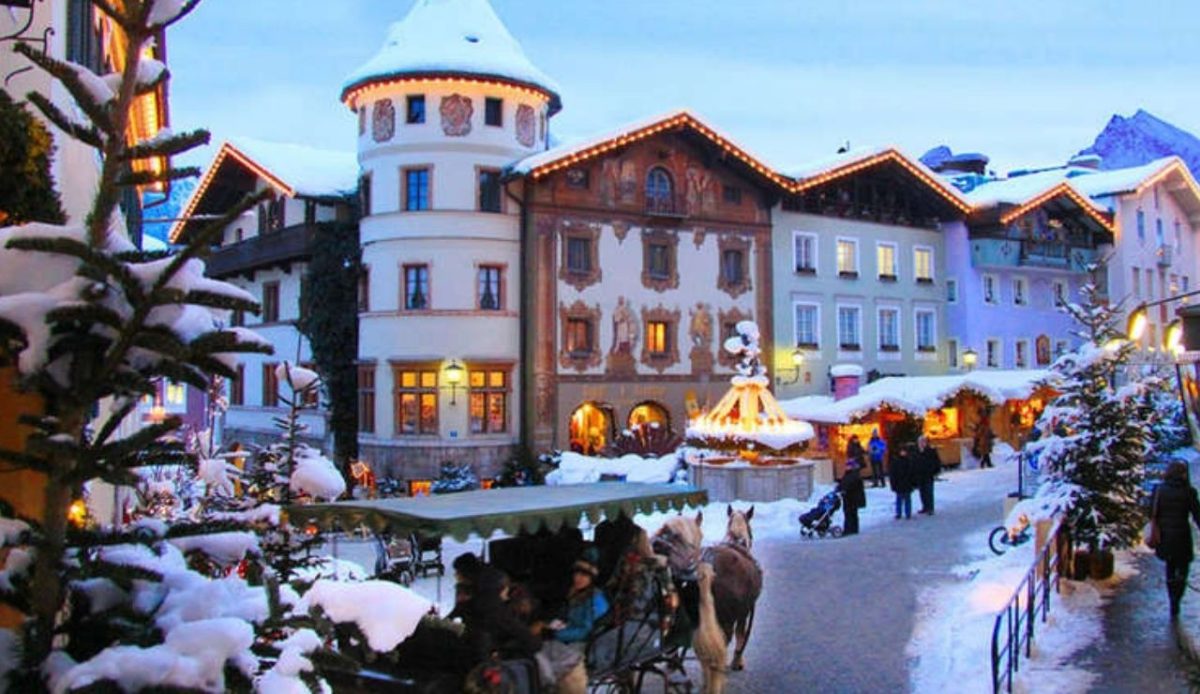
Berchtesgaden’s market operates in the historic center, where long-standing shops and traditional buildings support steady seasonal traffic. Vendors offer baked goods, candles, wood crafts, and regional snacks. Stalls line the main square as well as nearby lanes, giving visitors several routes instead of forcing them through a single corridor. Many travelers spend part of the day exploring outdoor attractions in the surrounding mountains, which distributes market attendance across different hours. Lighting and simple directional signs help guide first-time visitors. The market relies on longstanding community habits rather than theatrical displays, keeping the experience practical and predictable.
9. Bad Tölz Christmas Market
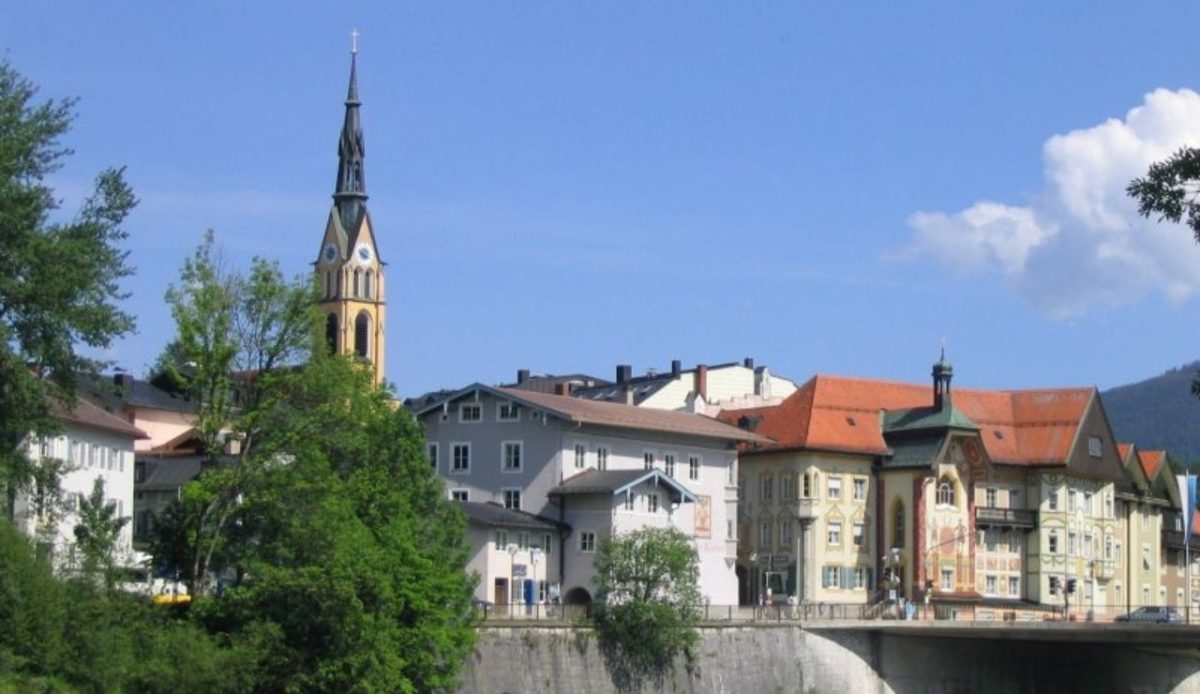
Bad Tölz organizes its market along Marktstrasse, a long pedestrian street that supports smooth movement even during high attendance. Stalls provide baked sweets, crafts, wood carvings, and regionally familiar items. The town already experiences steady weekend traffic, and the market fits naturally into this rhythm without causing serious congestion. Visitors often walk the entire length of the street before choosing where to stop, which distributes crowds along the route. Clear lighting and wide paths support comfort during cold evenings. Consistent organization and effective vendor placement contribute to a straightforward, reliable experience.
