
The United States has several airports that serve as major hubs for domestic and international travelers. These hubs manage large volumes of flights each day, maintain predictable schedules, and offer networks that help travelers reach smaller and larger cities with fewer complications. Their layouts, airline partnerships, and consistent departure windows make them practical choices for smooth multi-city travel. The airports listed below stand out for strong performance, steady routing patterns, and broad accessibility.
1. Chicago O’Hare International Airport

Chicago O’Hare functions as one of the largest connecting points in the United States because it links travelers to hundreds of routes through United’s busy network and American’s strong schedule. The airport facilitates frequent movements through multiple terminals, which handle both domestic and international flights. O’Hare uses planned arrival and departure windows that help passengers reach follow-up flights with steady timing. Many carriers operate short-haul routes at regular intervals, which lowers the chance of long waits. The airport’s central location makes it easier to transfer between the coasts and the Midwest since travel times remain balanced in most directions.
2. Atlanta Hartsfield-Jackson International Airport

Atlanta remains one of the busiest linking hubs in the nation and is supported largely by Delta’s wide route map. The airport handles traffic through a layout that uses long concourses connected by a fast underground train, which reduces transfer time between gates. Flight banks move in organized waves that help travelers catch connections with steady timing. The network covers many U.S. cities with frequent service, which makes it easier to adjust plans when weather or delays occur. Atlanta’s location in the Southeast also supports strong links to the Midwest, Northeast, and West Coast.
3. Dallas Fort Worth International Airport

Dallas-Fort Worth serves as a central link for travelers using American Airlines’ large network. Passengers move through five terminals with a skylink train that covers the airfield quickly and makes transfers more predictable during busy hours. The airport offers consistent service to many U.S. regions, including the South, Midwest, Mountain West, and both coasts. Wide runway spacing helps maintain steady movement during periods of high demand. Travelers benefit from frequent short-haul flights that reduce long gaps between departure windows.
4. Denver International Airport

Denver operates as a major connecting point for United, Frontier, and Southwest. Its central position in the Mountain West allows smooth routing between eastern and western cities. The airport manages a large schedule of domestic flights that depart at regular intervals, which helps passengers reach secondary cities with fewer delays. Denver’s wide runway system supports steady operations during busy periods and gives travelers more confidence in making tight connections. The terminal layout provides clear movement between gates, and carriers often schedule flights in predictable waves.
5. Charlotte Douglas International Airport
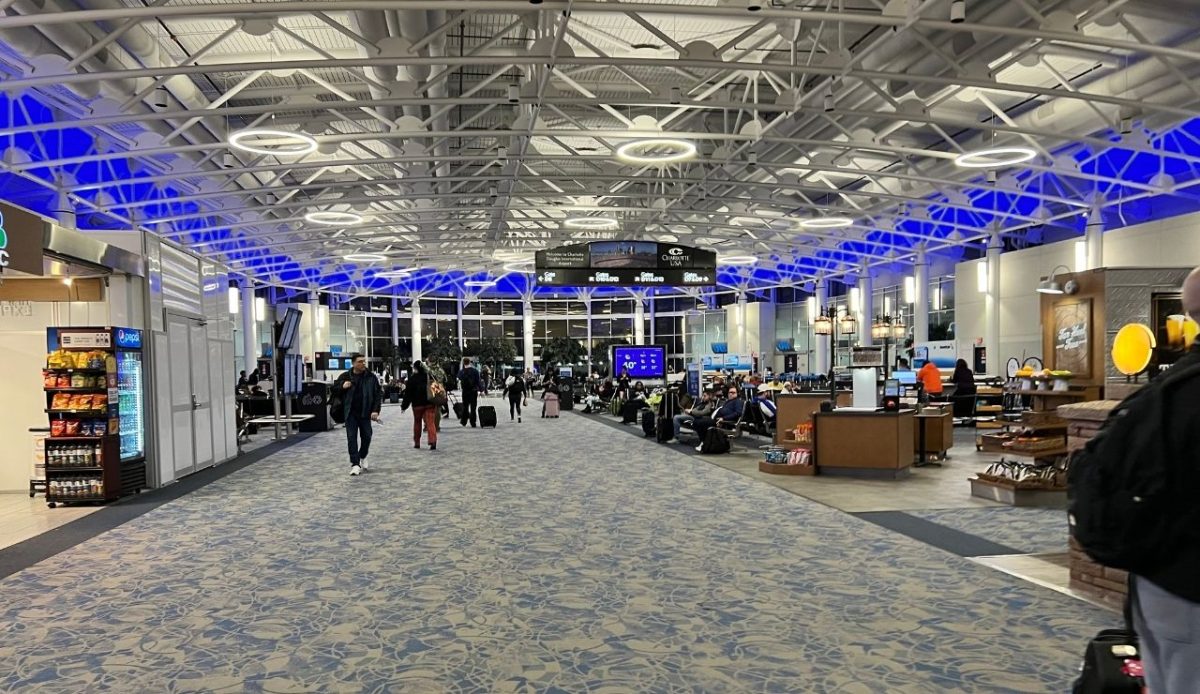
Charlotte Douglas functions as an important connecting center for American Airlines and serves many medium and small-sized U.S. cities with steady daily flights. Its layout encourages direct movement between concourses, which helps travelers maintain smooth transfers during high-traffic times. The airport manages organized flight waves that create predictable patterns for passengers planning onward travel. Many domestic routes operate several times per day and lowering the chance of extended waits.
6. Seattle Tacoma International Airport

Seattle Tacoma supports strong domestic links through Alaska Airlines and Delta, both of which maintain wide networks across the West Coast, Alaska, Hawaii, and several inland regions. The airport manages frequent short-haul flights that keep connection times practical even during high-traffic periods. Passengers can move between concourses through clear routes that reduce confusion during tight transfers. Seattle’s schedule includes steady morning and evening waves, allowing travelers to choose connections that match long-haul arrivals. Carriers often coordinate departures to maintain predictable windows for follow-up flights and help travelers plan multi-city trips with fewer timing concerns.
7. Boston Logan International Airport

Boston Logan provides reliable domestic links due to its strong networks with Delta and JetBlue. It operates many daily flights to major East Coast cities and gives travelers regular opportunities to adjust plans when delays occur. The airport’s compact layout reduces transfer distances and makes it easier for passengers to reach gates during short connection windows. Boston also supports a rising number of international routes, which increases pairing options for travelers moving between the U.S. and Europe. Logan’s steady schedule throughout the day ensures that most travelers can find practical connecting flights without long waits.
8. Detroit Metropolitan Airport

Detroit Metropolitan functions as a key Delta hub with a broad mix of domestic routes. Its terminal layout supports clear and direct movement between gates, which helps travelers manage short transfers with more confidence. Delta schedules frequent flights to many U.S. cities and offers consistent daily service that reduces gaps between departure times. Detroit’s strong record in on-time departures increases reliability for travelers who need to reach follow-up flights without complications. The airport’s role as a link between Midwest cities and both coasts strengthens its usefulness for multi-city itineraries. These operational features make Detroit a dependable transfer point for business and leisure travelers.
