
Eating at a cruise buffet sounds simple, but many travelers overlook the small details that affect safety and comfort. Buffets operate under heavy pressure, serving thousands of people in a short window, which makes it difficult to keep every tray, utensil, and counter perfectly managed. While the food can be convenient, there are several behind-the-scenes factors that may lead guests to choose other dining areas onboard. Understanding these points helps passengers make better choices about when and how they eat during the trip.
1. Food Left Out Too Long
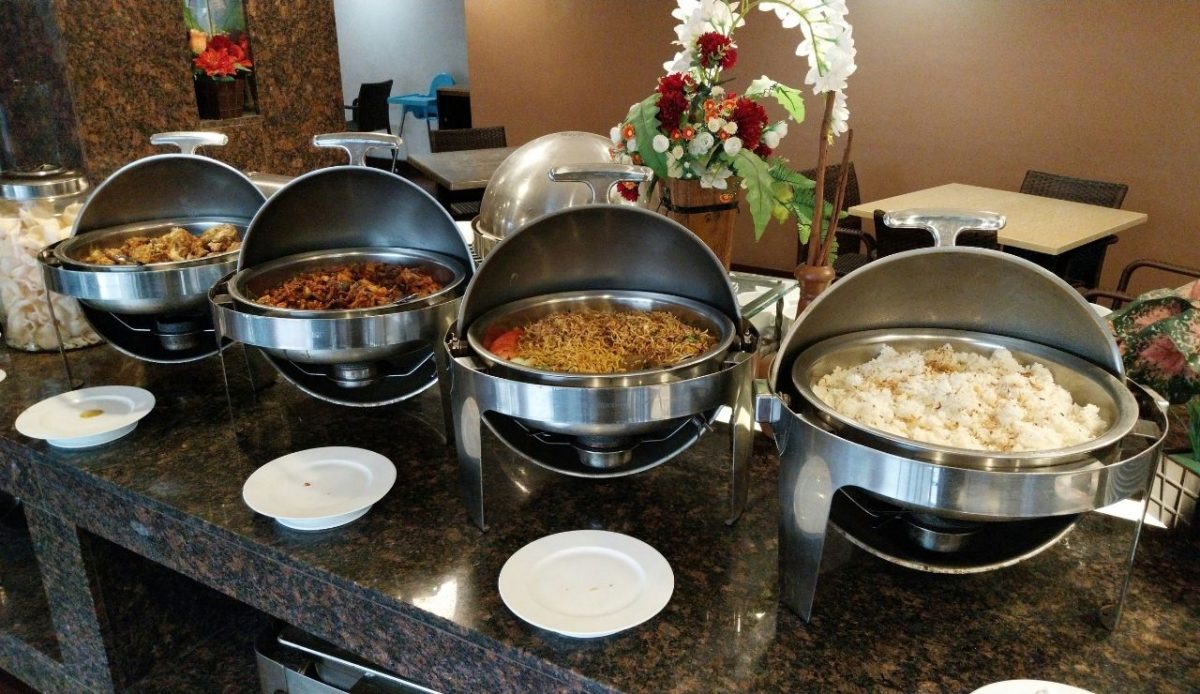
Buffets keep trays on the line for extended periods, especially when passenger traffic rises and falls without warning. Even with heat lamps, the food cools unevenly as guests open lids or move pans around. Some dishes sit longer than planned when the staff rotates more slowly than the crowd size. This uneven timing can leave certain items drier or older than expected. When traffic slows, trays stay out longer because fewer guests clear them quickly. People with sensitive digestion often feel the impact later. The mix of long service hours and unpredictable crowds makes timing difficult.
2. Cross-Contamination Risks
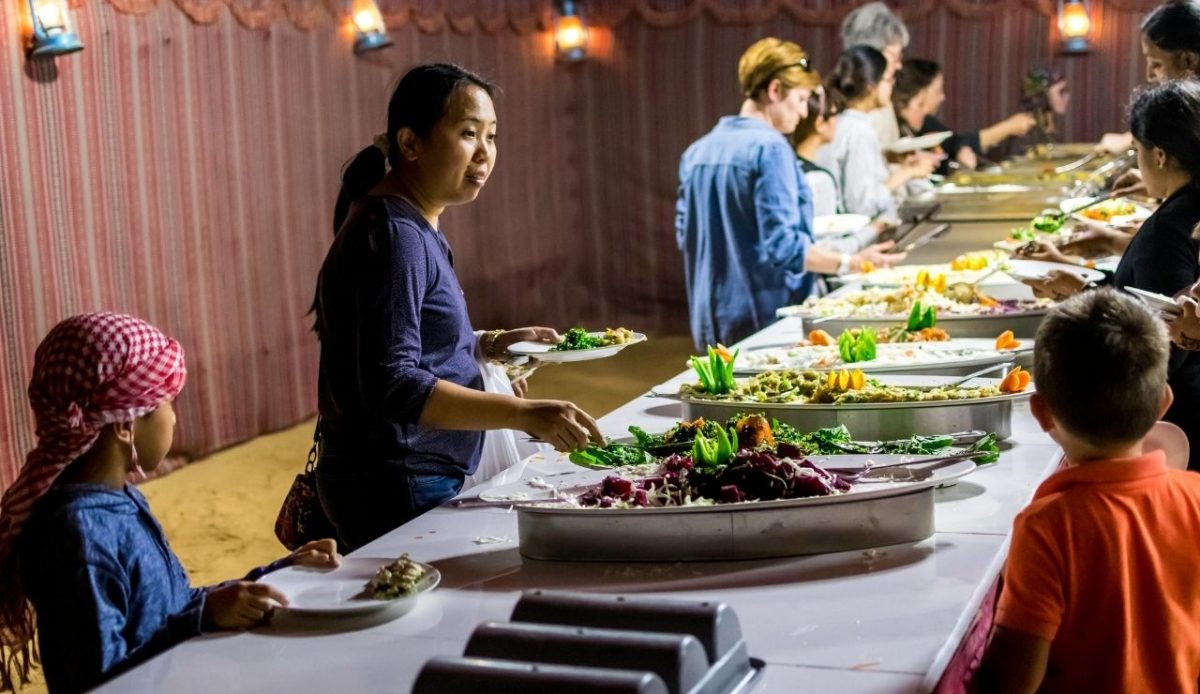
Shared trays allow crumbs, sauces, and small spills to move from one dish to another when guests serve themselves. Even a quick scoop can send small bits into a nearby pan. Many travelers use utensils after touching their plate or handling other surfaces, which transfers residue to handles. During busy hours, people rush and make more mistakes. Staff wipe counters, but they cannot stop unexpected spills instantly. Those who avoid certain foods can feel unsure when trays sit close together. The open setup makes it easy for ingredients to contact items that should remain separate.
3. Lukewarm Temperature Issues
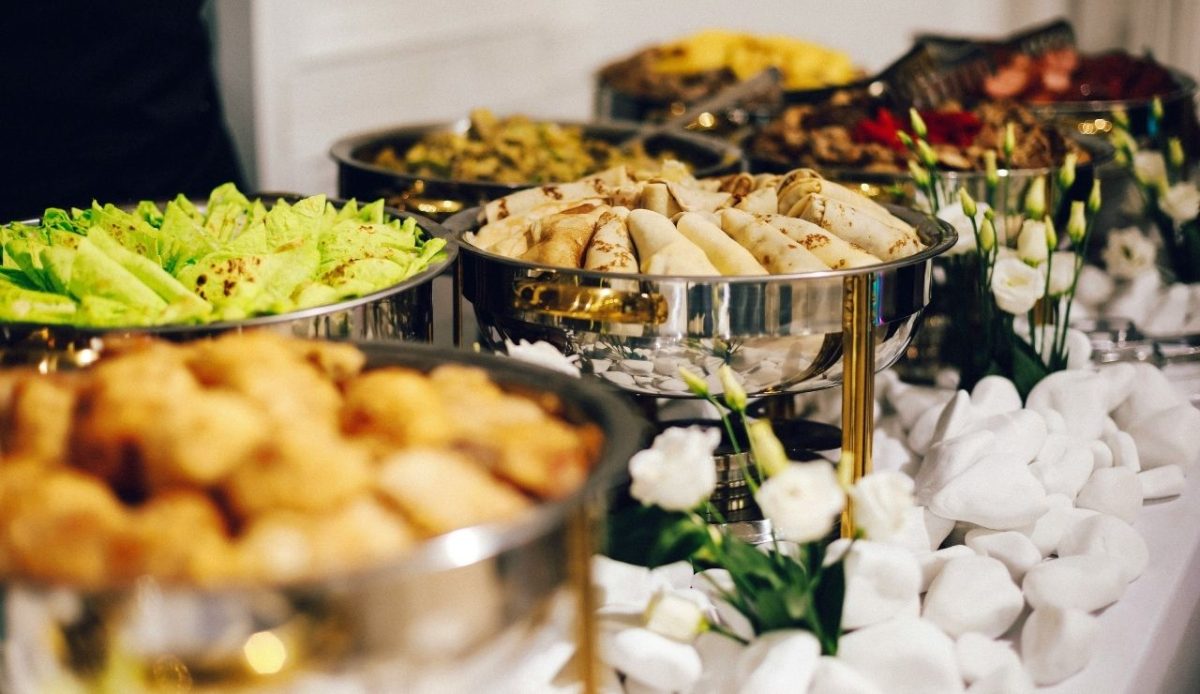
Buffet warmers keep food at a general range, but real temperatures shift as lids open repeatedly. Even a small misalignment prevents heat from spreading evenly. Some dishes cool faster than others after many people scoop from one side. Staff replace trays as needed, but the timing does not always match crowd speed. When the line becomes busy, warmers lose heat faster than expected. Lukewarm food may not seem serious, but it can cause mild stomach problems later. Cruise kitchens work hard, yet constant guest activity makes temperature control challenging.
4. Reused Serving Utensils
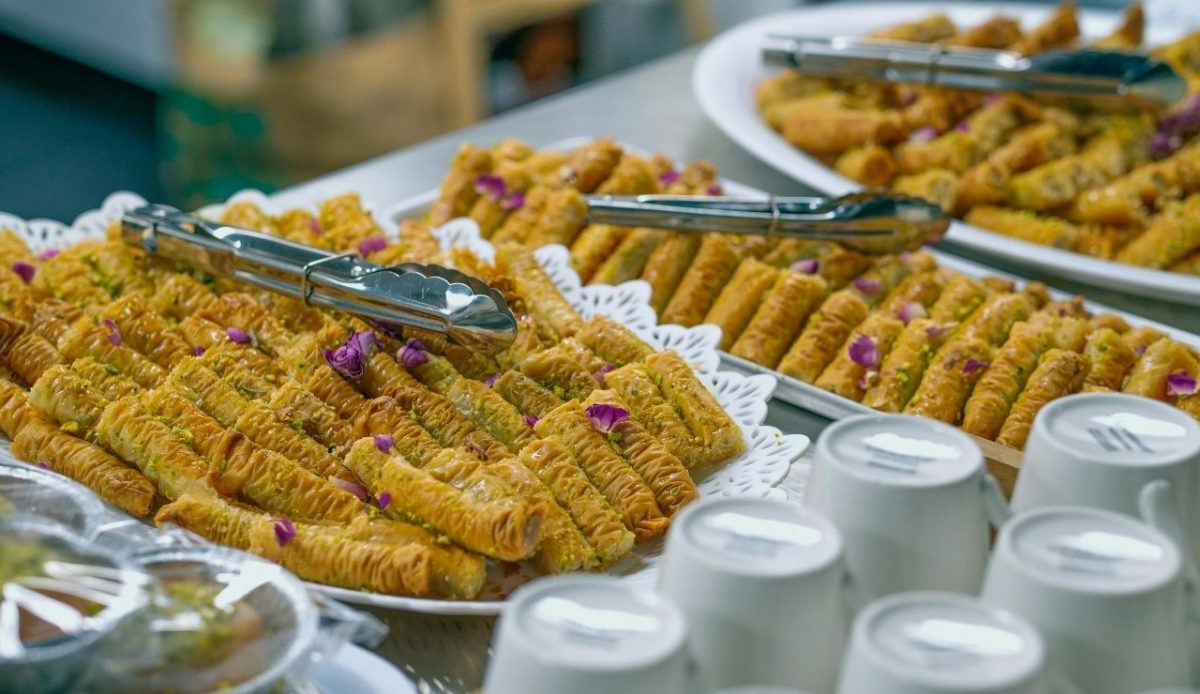
Serving utensils rotate between trays but are not washed after every use. When staff refill pans, utensils sometimes carry small bits from the previous dish. Handles also collect residue from many guests within minutes. During heavy crowds, utensil replacement slows because staff must focus on refills. When utensils rest on tray edges, sauces and crumbs cling to them. All of this creates more contact than travelers realize. Those who prefer cleaner setups may prefer dining rooms where staff portion food instead of shared tools.
5. Norovirus and Flu Exposure
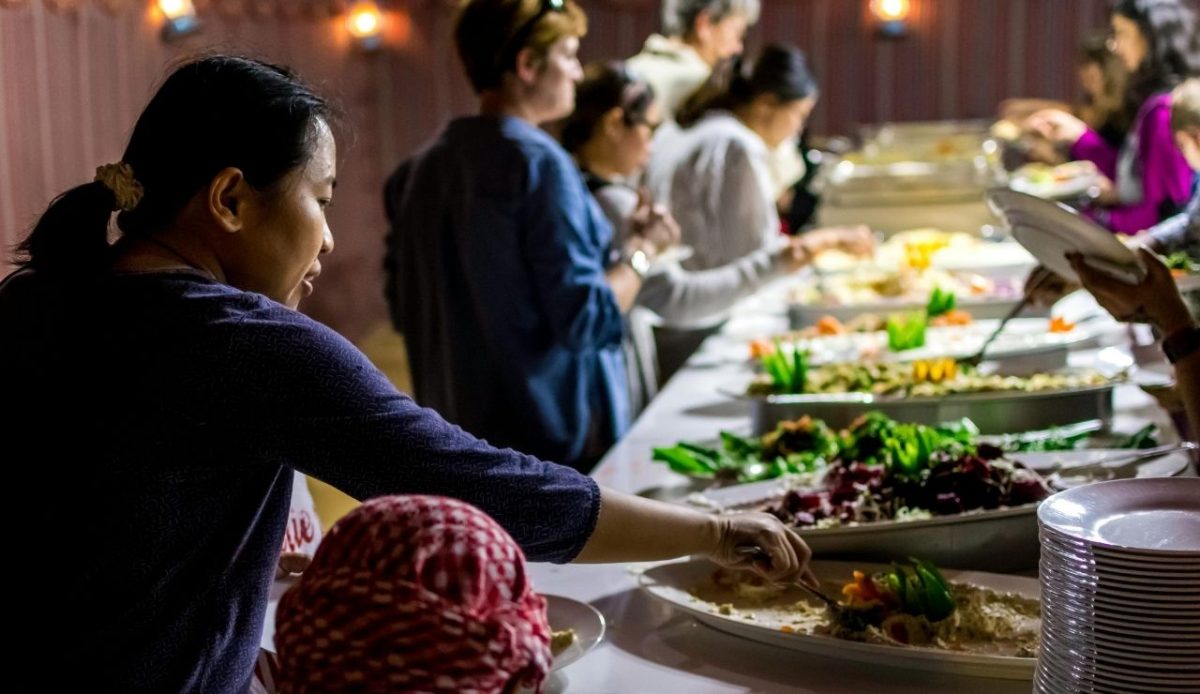
Buffets gather large groups, making it easy for viruses to spread through shared surfaces. Norovirus spreads quickly when people touch the same utensils or lean over food. One sick passenger can pass germs to handles, sneeze guards, or counters without knowing. Staff sanitize often, yet they cannot clean after each person. Some droplets settle near open dishes when crowds push forward. Even mild flu strains can impact a trip, and dense buffet lines make it easier for germs to travel. The constant flow of people increases the risk.
6. Overeating That Causes Discomfort
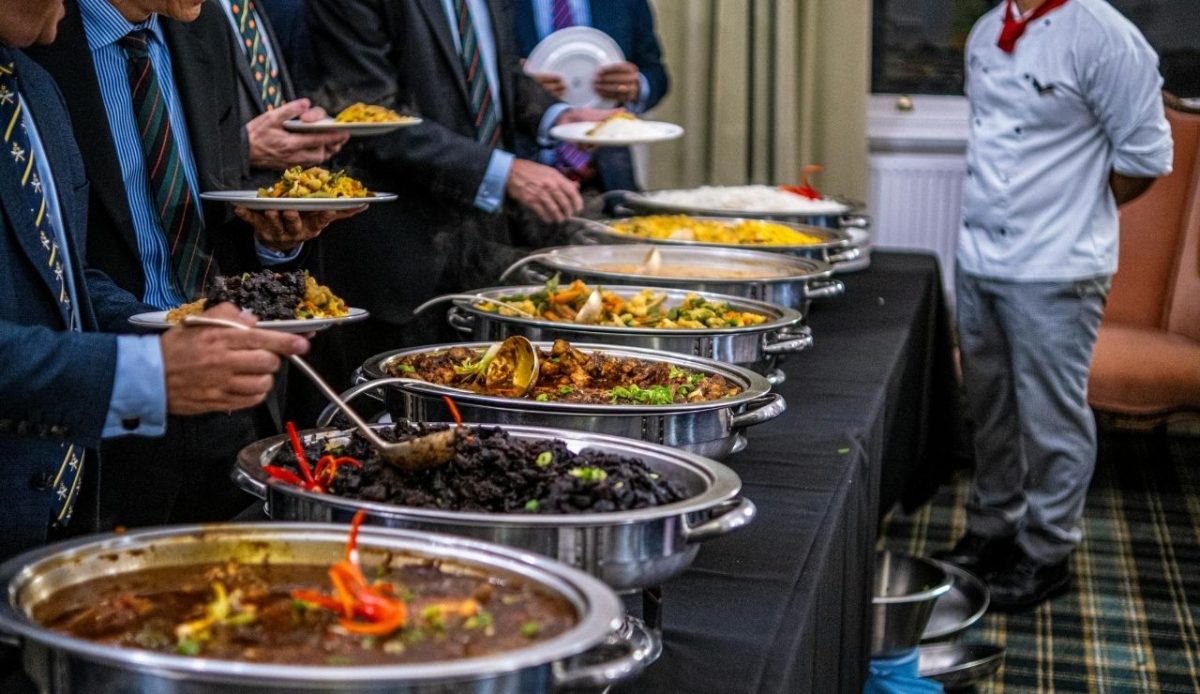
The variety at a buffet encourages guests to load their plates beyond their usual portions. People want to sample many options because new items appear often. Rich sauces, fried foods, and pastries can feel heavier than expected when combined. Conversation and distractions make portion control harder. After large meals, travelers may feel tired or bloated, which affects the rest of the day. Repeating this pattern for several days can make guests feel sluggish. The layout makes it tempting to keep adding items without noticing.
7. Misleading Fresh Labels
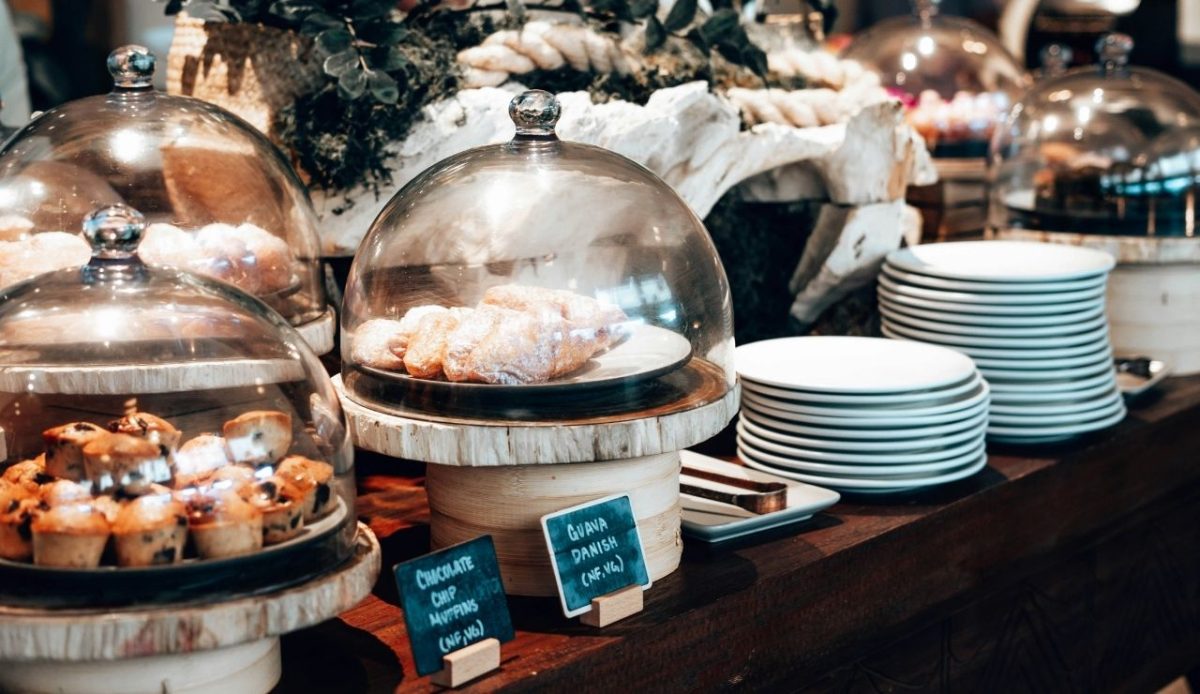
Many buffets use signs that suggest dishes were prepared recently, but these labels often mean the food is simply within safe limits. Some items are made in bulk earlier, then placed on the line later. Pre-cut fruit or proteins may sit refrigerated before they appear in the tray. Staff swap pans without explaining how long each batch has been ready. Guests assume “fresh” means cooked moments ago, but the term is broad. In slower hours, items may wait longer in the back before reaching the counter. This creates a gap between expectation and reality.
8. High Salt and Sugar in Dishes
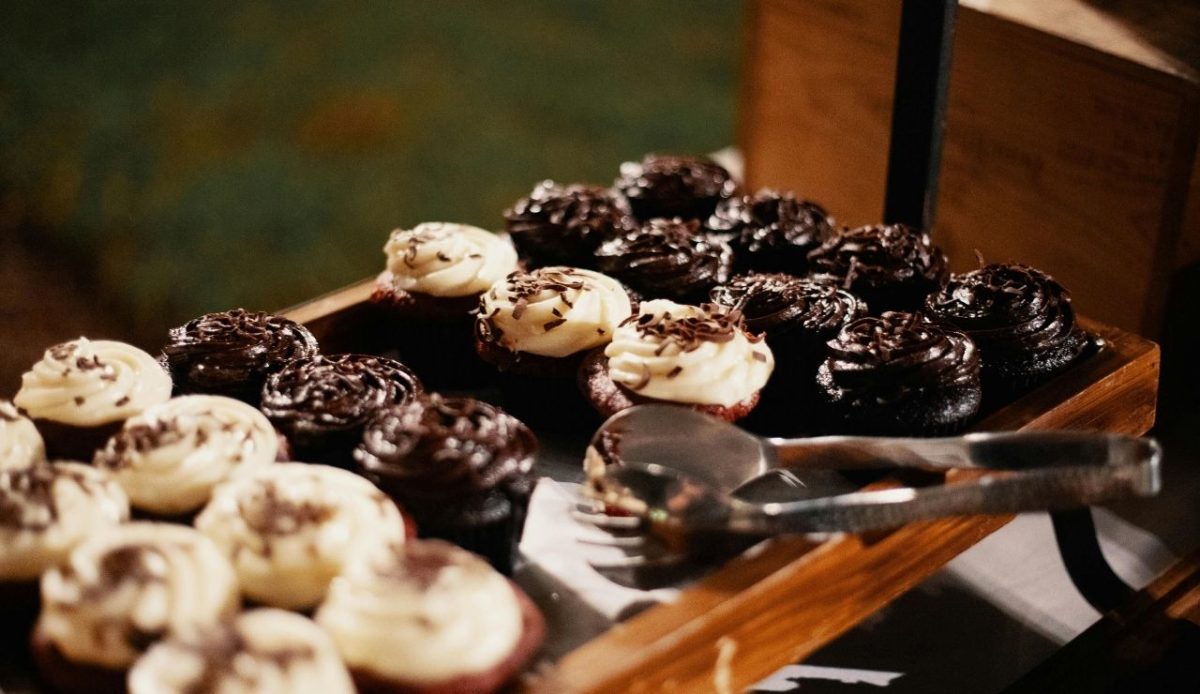
Cruise buffets serve food that must remain appealing for long periods, so kitchens often use heavier seasoning. Sauces, dressings, and glazes add more sodium and sweetness than people realize. When guests combine several items, levels rise quickly. Desserts and sugary drinks add even more. Eating this way for several days can cause thirst, bloating, or fatigue. People who try to balance their intake may struggle because flavors vary by tray. Even simple dishes often contain seasoning designed for a stronger taste.
9. Unknown Ingredient Sources
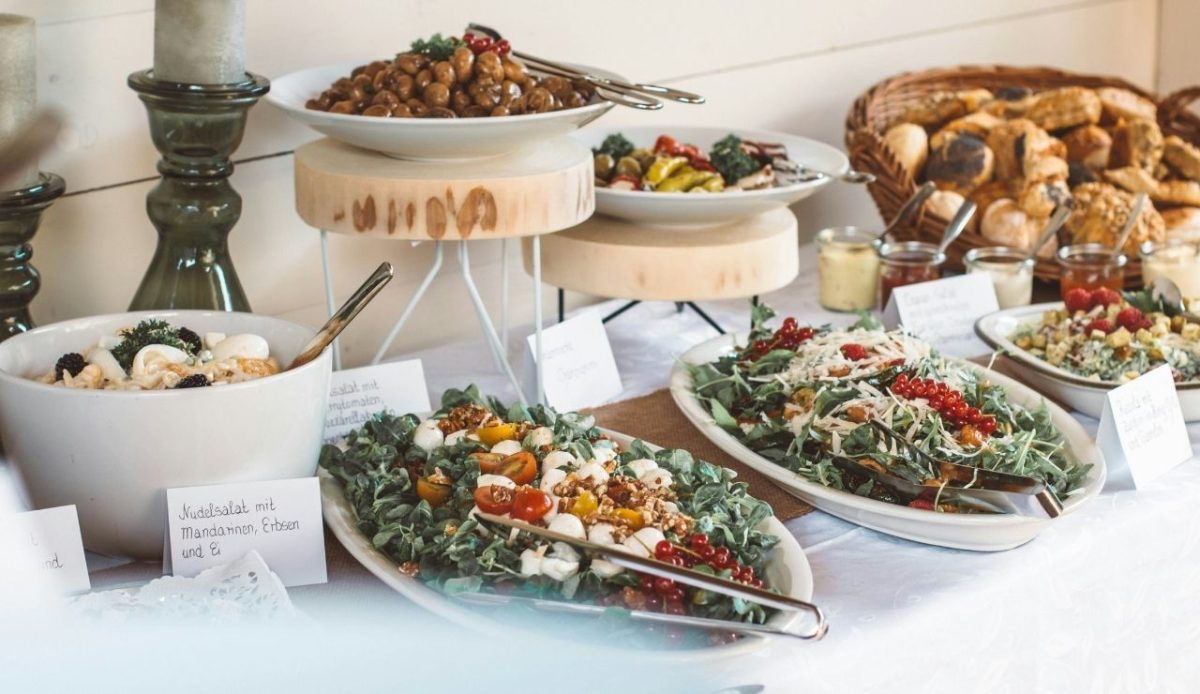
Cruise lines buy from many suppliers across different ports, and labels do not always show where items came from. Some products arrive frozen or in bulk containers, and others change based on availability. Guests rarely know whether vegetables are local or imported. Buffets combine these ingredients into large dishes where it is hard to tell what came from where. Even though everything meets safety rules, unclear sourcing makes some travelers uneasy. The supply chain behind cruise dining is complex, and the buffet provides little detail.
10. Better Dining Choices Onboard
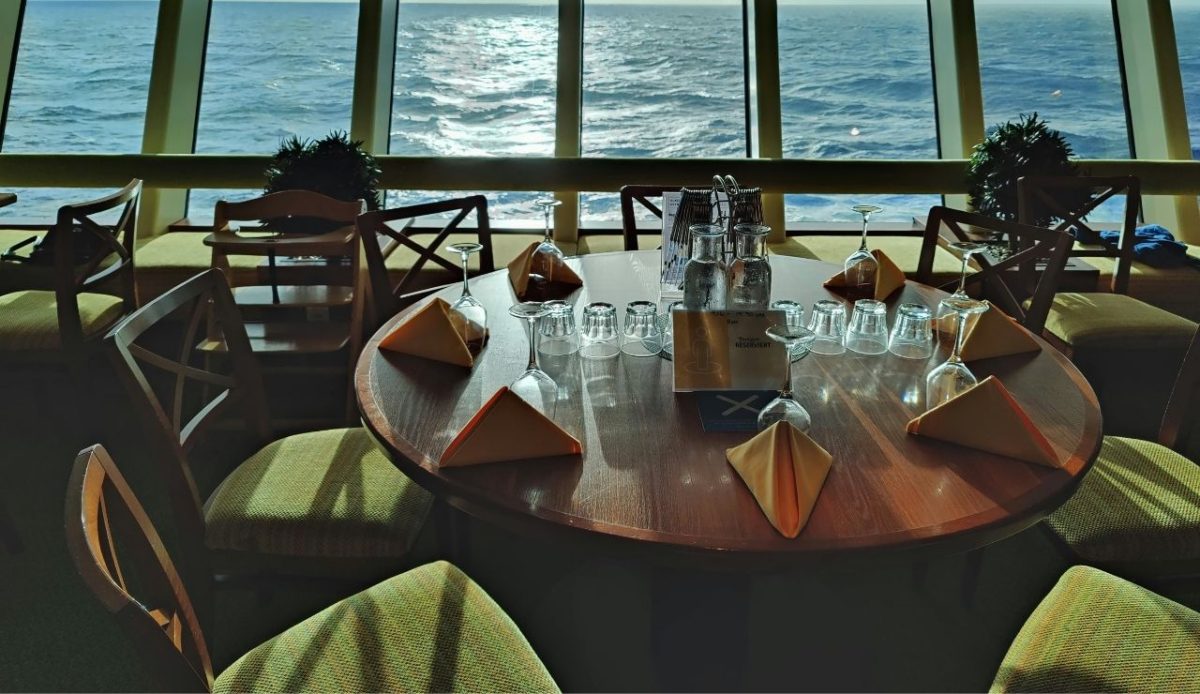
Cruise ships offer several safer options for those who prefer more controlled meals. Main dining rooms use plated service, which limits handling and keeps portions cleaner. Specialty restaurants prepare dishes closer to order and provide more accurate ingredient details. Small cafes and quick-service counters keep food behind protective barriers and limit guest contact. These venues help travelers avoid issues found in buffets while still enjoying variety. Choosing these alternatives gives guests more control and a more comfortable dining experience.
