
Travel interest for 2026 is shifting toward quieter regions that offer cultural depth, unique scenery, and calmer experiences away from heavy crowds. Many travelers want places where local life still guides the rhythm of each day, and these emerging detour destinations match that demand. Improvements in transport, visitor facilities, and small-scale accommodations are helping travelers explore these areas with confidence. As interest grows in slower travel built around nature, food, and daily life, these destinations stand out as smart alternatives to the classic hotspots.
1. Puglia, Italy
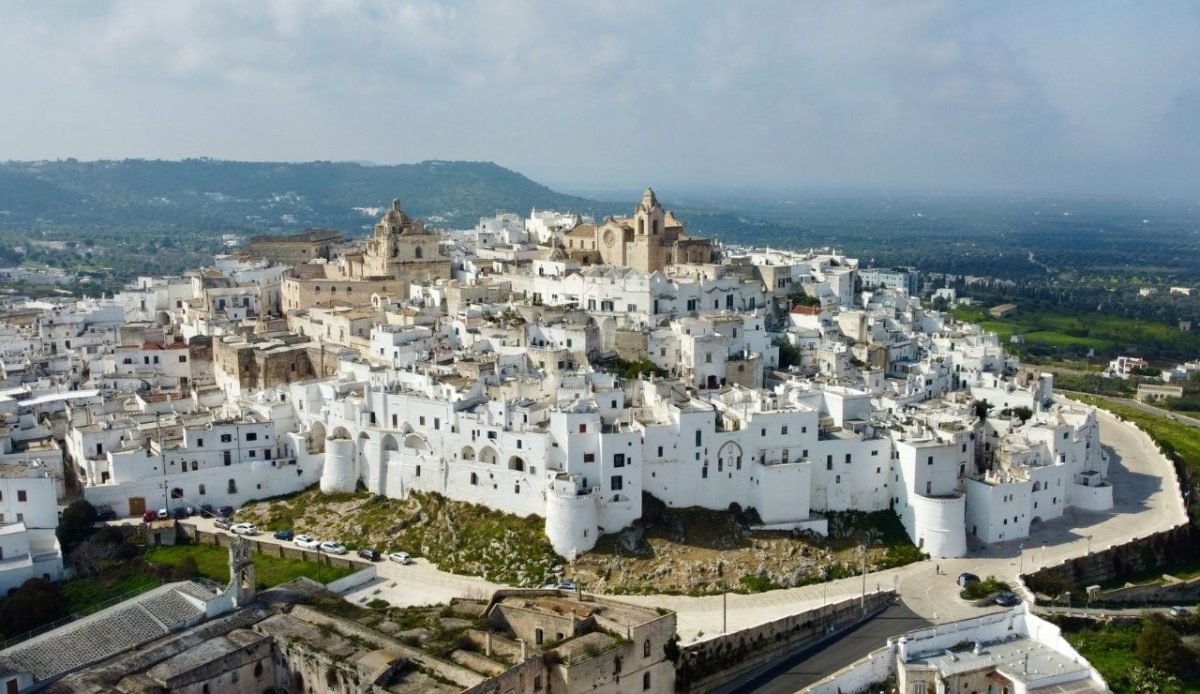
Puglia is rising in popularity with travelers who want calm beaches, whitewashed towns, and local meals rooted in nearby farms and fishing villages. Visitors spread across towns like Lecce, Ostuni, and Alberobello, which reduces crowding and gives each day a different backdrop. Updated train routes and restored accommodations help travelers plan with ease. The region’s relaxed rhythm appeals to people tired of the pressure found in Italy’s busiest spots. With steady tourism growth, Puglia is set to become a major detour pick for 2026.
2. Azores, Portugal
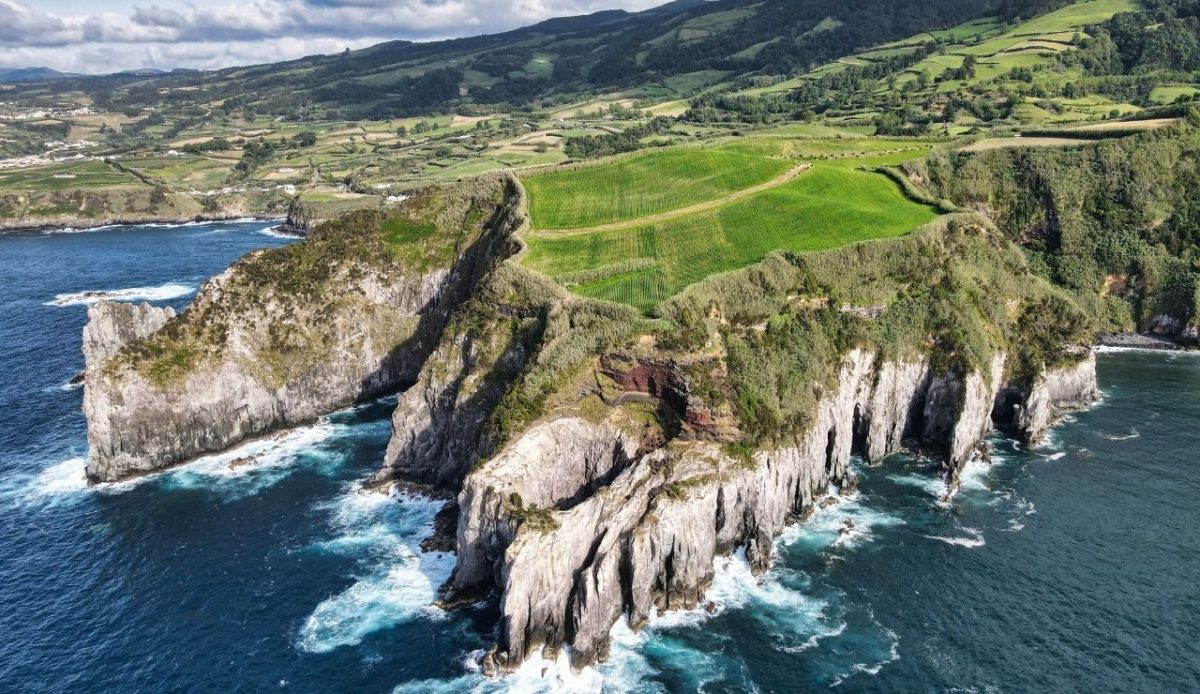
The Azores draw travelers who want a peaceful nature-based trip surrounded by crater lakes, volcanic peaks, and green hills shaped by the Atlantic climate. Direct flights from Europe and North America are expanding, making the islands more accessible without overwhelming them. Visitors enjoy whale-watching, warm springs, and coastal walking paths that maintain a slow pace. Local communities support small-scale tourism that keeps the islands grounded. This mix of scenery and quiet days continues to push the Azores higher on traveler wishlists for 2026.
3. Lake Bohinj, Slovenia
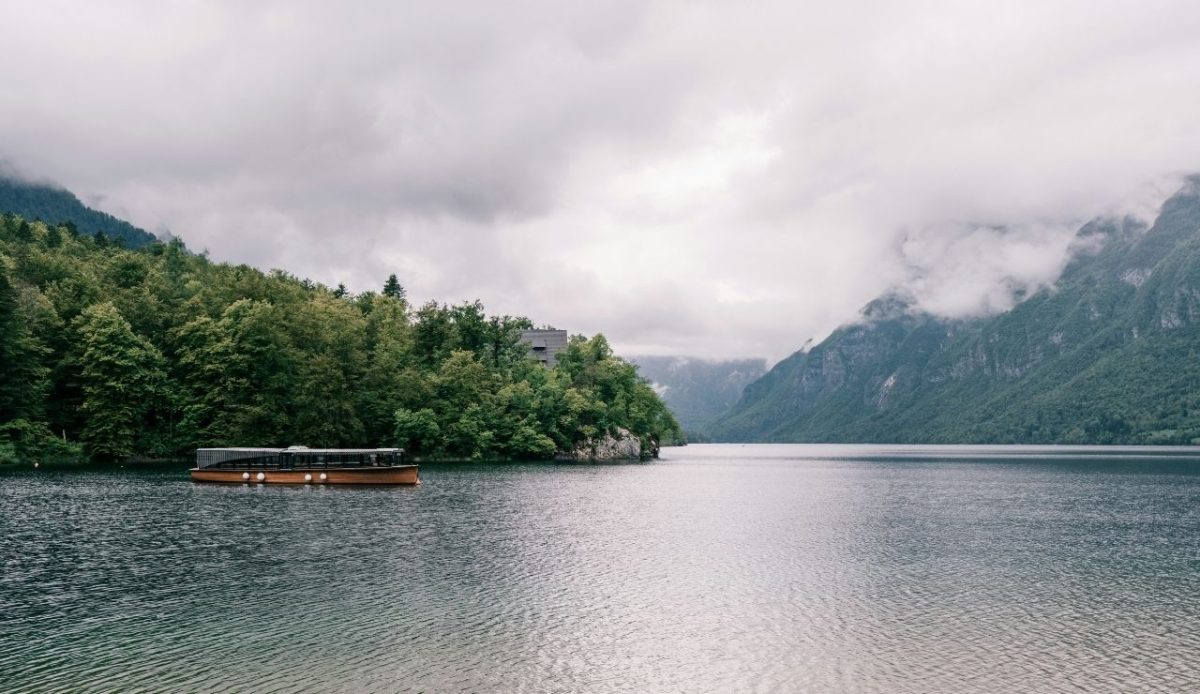
Lake Bohinj is becoming a top choice for travelers seeking a calm break inside Triglav National Park, far from the busy scenes at nearby Lake Bled. Clear water, forest trails, and mountain views shape the experience for visitors who prefer slow days outdoors. The small lakeside village keeps the area relaxed and easy to navigate. New bus routes and visitor facilities improve access while maintaining the quiet setting. Bohinj’s simple charm and strong outdoor appeal make it a standout detour destination for 2026.
4. Hokkaido, Japan
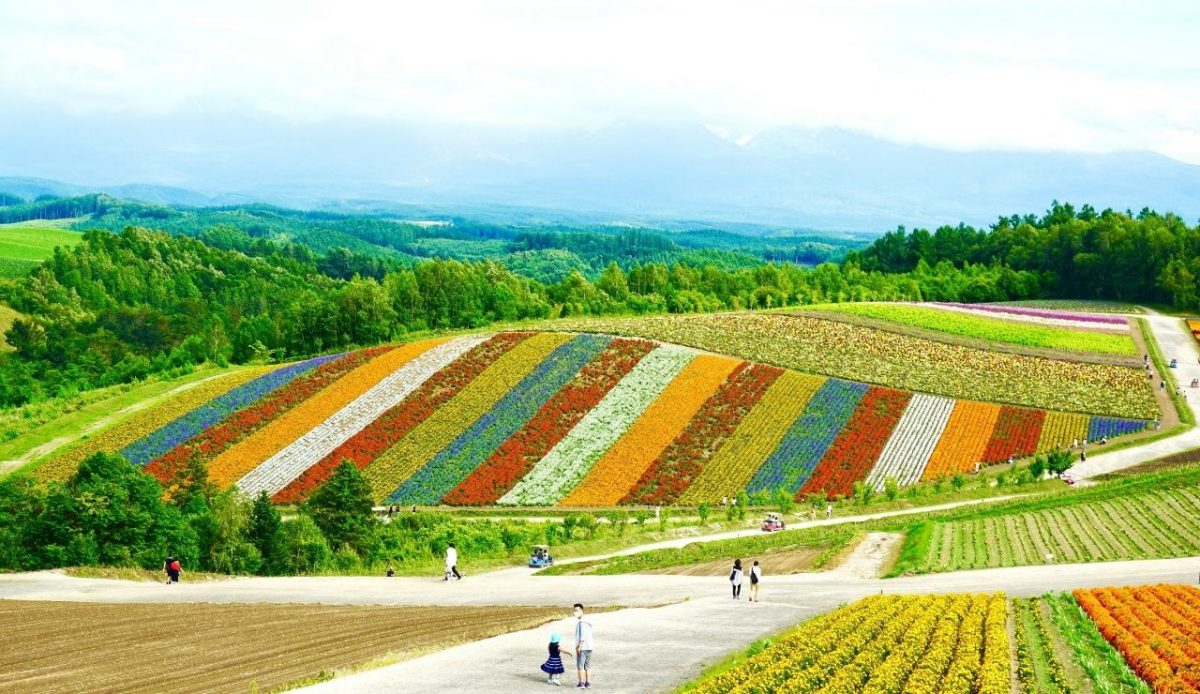
Hokkaido attracts travelers who appreciate open landscapes, cooler weather, and seasonal foods tied to local fishing and farming traditions. National parks, hot spring towns, and long coastlines provide space to enjoy extended outdoor days. The Shinkansen extension and wider flight network have made traveling to the island smoother. Sapporo serves as a comfortable entry point before travelers explore smaller towns. Hokkaido’s calm pace and varied scenery provide a refreshing alternative to Japan’s most crowded urban areas.
5. Tasmania, Australia
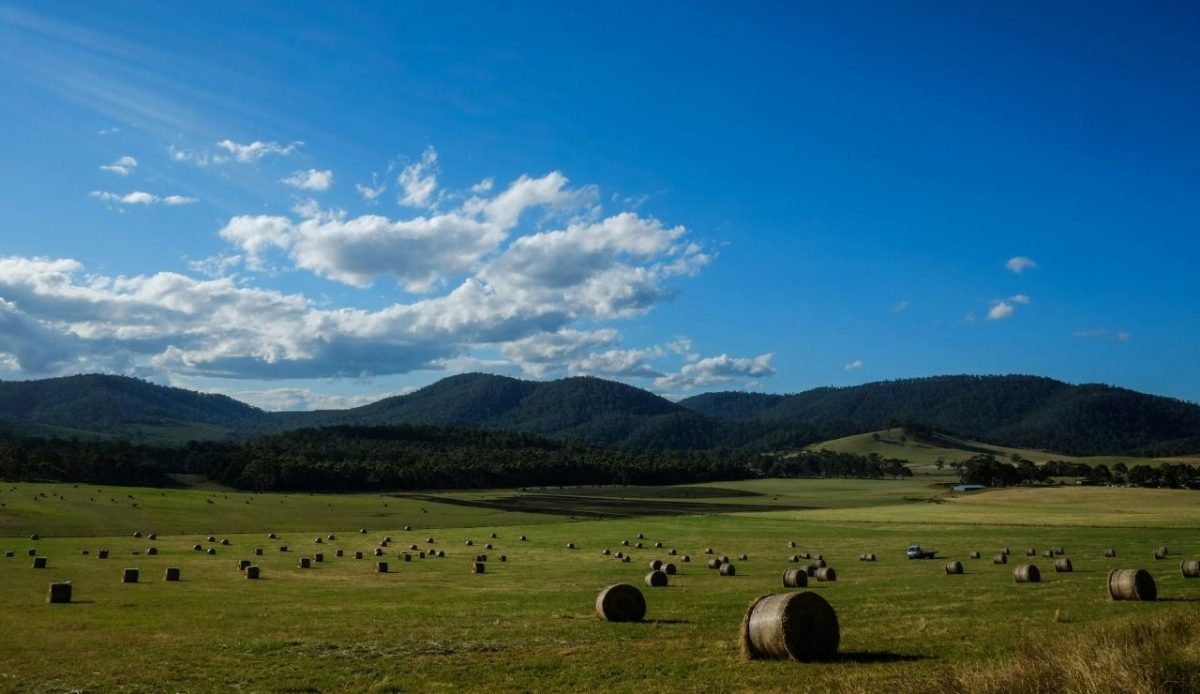
Tasmania continues to rise thanks to its clean air, rugged shores, and wildlife-rich parks that feel different from mainland Australia’s tourist-heavy spots. Hobart offers markets, art spaces, and waterfront views that work well for day trips into wider regions. Many travelers rent cars to explore small towns, rolling farmland, and scenic coastal drives. The lighter tourism footprint gives visitors room to enjoy beaches and forests without stress. Better flight options are helping Tasmania grow as a leading detour destination for 2026.
6. Svaneti, Georgia
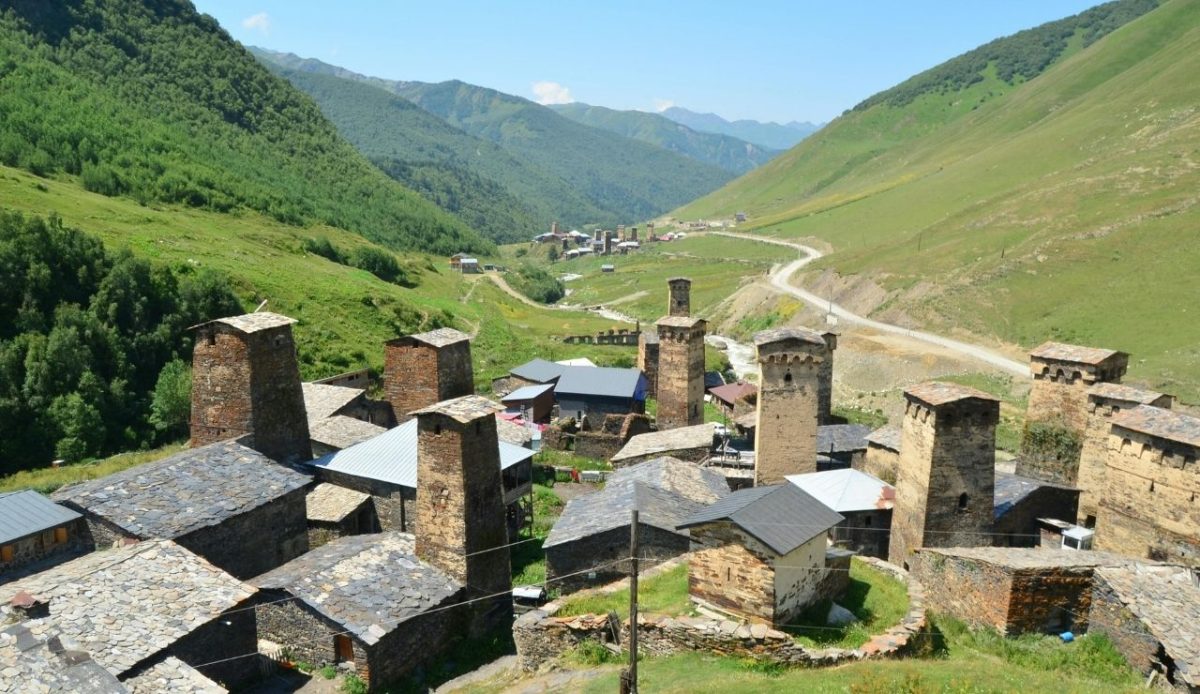
Svaneti is gaining attention for its dramatic mountain scenery, old stone towers, and remote trails that appeal to travelers looking for quiet outdoor experiences. The region’s small communities maintain strong traditions that give each visit a grounded feel. Road improvements and new guesthouses have made the area easier for newcomers. Wide valleys and high peaks create memorable viewpoints without heavy crowding. Svaneti’s calm atmosphere and strong cultural identity are pushing it into the spotlight for 2026.
7. Lofoten Islands, Norway

The Lofoten Islands attract travelers searching for steep peaks, bright fishing villages, and beaches with clear northern light. Visitors enjoy boat tours, coastal walks, and long summer days that highlight the islands’ rugged character. Improved transport links offer smoother access from major Norwegian cities. Many travelers choose restored fishing huts for stays close to the water. With careful visitor management and protected landscapes, Lofoten is shaping up as a key northern detour for 2026.
8. Šibenik, Croatia
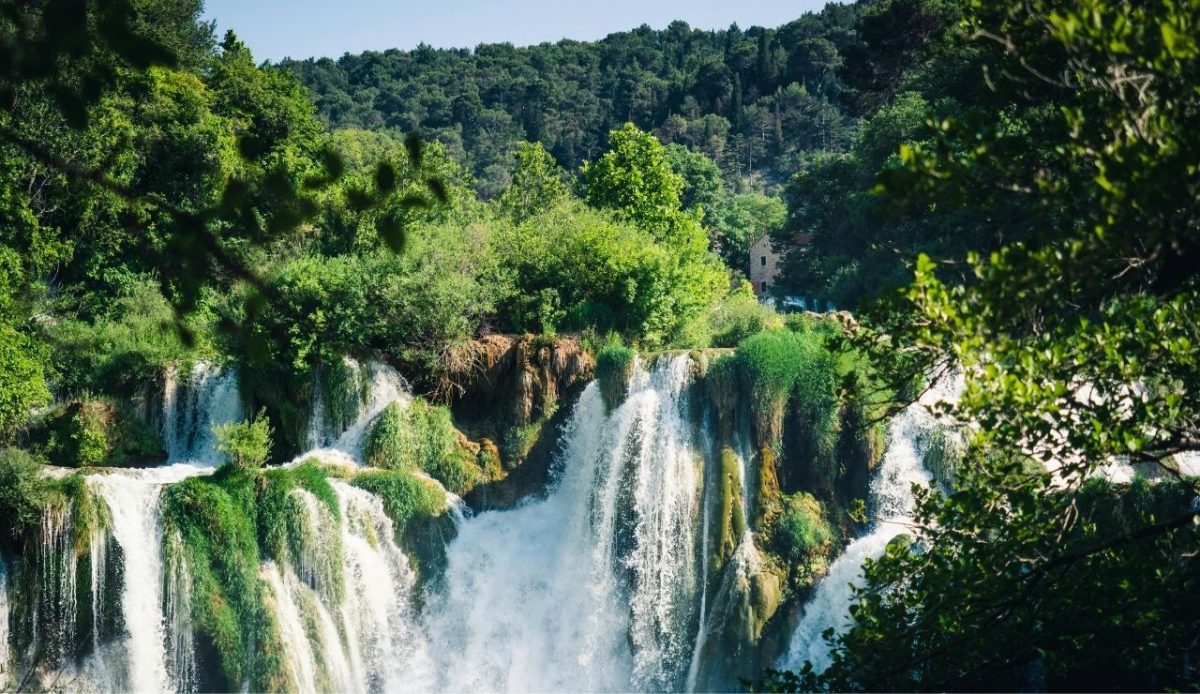
Šibenik is becoming a preferred choice for travelers who want Croatia’s coastline without the pressure found in busier cities. Its medieval streets, calm waterfront, and nearby national parks give visitors a balanced experience. The town’s restored fortresses offer wide views and easy exploration. Marina upgrades and improved pedestrian areas help travelers move comfortably. As more people search for quieter Adriatic towns, Šibenik is expected to draw rising attention in 2026.
9. Gozo, Malta
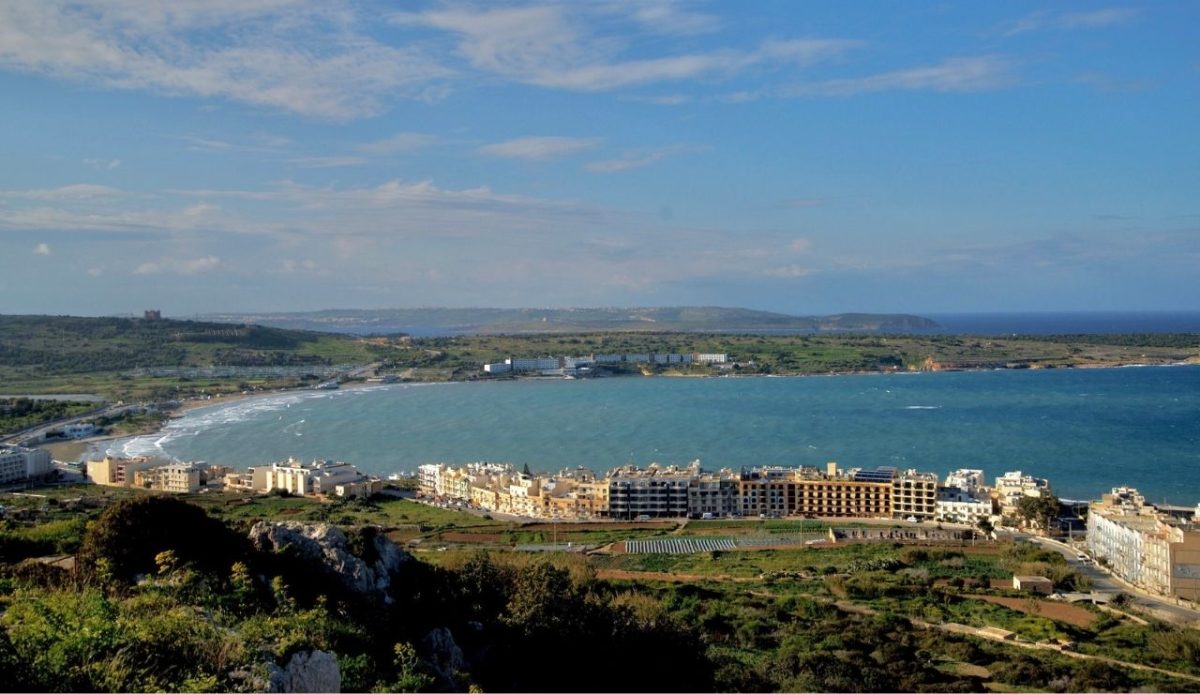
Gozo appeals to travelers who prefer a quiet Mediterranean island with rural scenery, cliffside paths, and small towns shaped by local markets and old stone buildings. Visitors enjoy snorkeling spots, bays with clear water, and peaceful walking routes. Ferry upgrades make the island easier to reach for short or extended stays. The lighter pace allows travelers to explore without feeling rushed. As interest grows in calm island trips, Gozo is set to gain more visitors in 2026.
10. Eastern Valleys, Bhutan
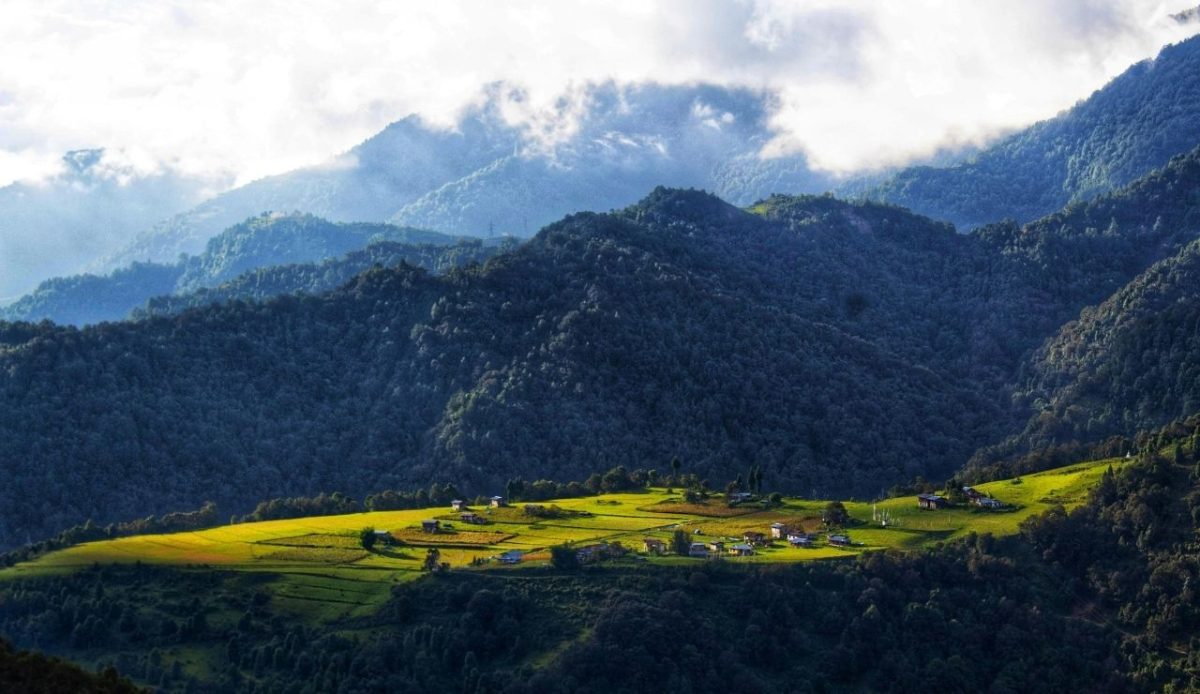
Bhutan’s Eastern Valleys are opening gradually to travelers seeking culture-focused experiences that go beyond the country’s well-known western highlights. These valleys feature terraced fields, quiet monasteries, and traditional villages that reflect daily life in the region. Road improvements and small visitor centers help newcomers navigate the area. Travelers appreciate the slow rhythm that contrasts with busy tourism zones elsewhere. The Eastern Valleys are expected to draw growing attention as Bhutan expands access with care.
