
Many people move to Spain for its warm climate, relaxed pace, and reliable public services, but the transition can feel harder than expected when small details are overlooked. The country operates on routines and systems that differ from what many newcomers are used to, especially when it comes to paperwork, housing, and day-to-day communication. Understanding these differences helps avoid stress during the settling period and gives newcomers a smoother start. Planning with clear expectations allows people to enjoy their new surroundings while adjusting at a comfortable pace.
1. Cost of Living Misjudgments

New arrivals often expect Spain to be inexpensive, but the difference between regions can be surprising. Cities like Madrid, Barcelona, and San Sebastián have higher rents and daily expenses than many newcomers plan for, while smaller towns may offer better value. Grocery prices, transportation costs, and utility bills vary widely, which makes budgeting important before committing to a long-term home. Moving without a realistic plan leads to financial strain, especially for retirees and remote workers who rely on fixed incomes or set salaries.
2. Skipping Basic Language Learning
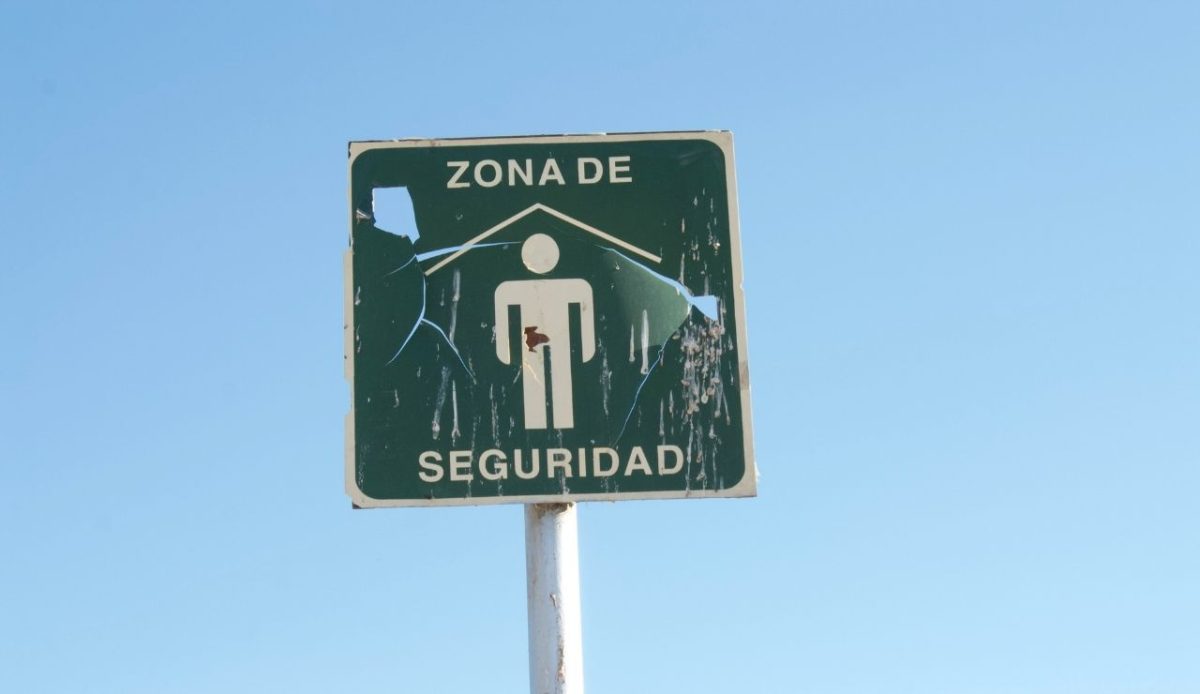
Spain has many English speakers in tourist zones, but daily life often requires basic Spanish, especially when visiting health centers, post offices, or local shops. People who rely only on English struggle with essential tasks like registering at the town hall or arranging services at home. Learning common phrases helps build trust with neighbors and allows newcomers to understand official instructions clearly. Even a modest vocabulary creates smoother interactions and reduces misunderstandings during the first months.
3. Expecting Widespread English Use
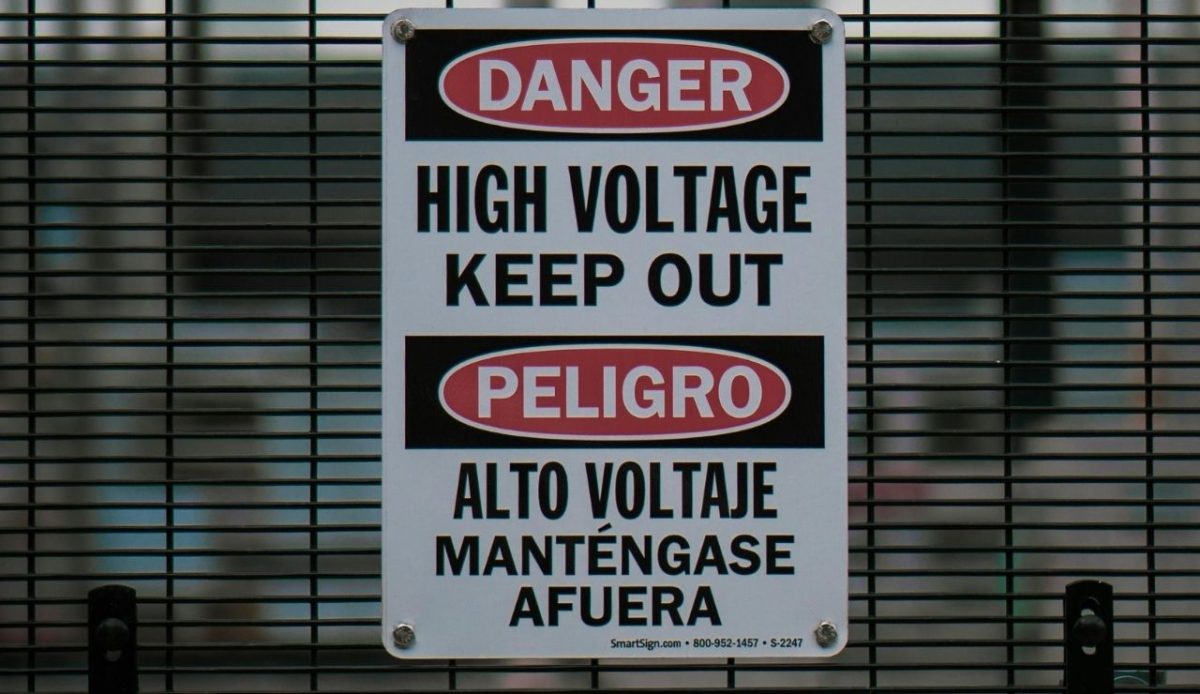
Some newcomers assume English works everywhere in Spain, but that expectation quickly creates hurdles. Outside major cities, many professionals prefer Spanish for formal procedures, and service offices often operate only in the local language. Schools, clinics, and local authorities may not provide translation assistance, which slows down paperwork and routine appointments. Preparing for Spanish-based communication avoids delays and helps newcomers integrate with local communities in a steady and confident way.
4. Skipping Healthcare Registration

Spain offers strong public healthcare, but access requires careful registration at the local health center. Some newcomers assume their travel insurance is enough, but long-term residents need the proper regional health card. The registration process often includes proof of residency, municipal registration, and updated identification. Missing any requirement slows down access to appointments or prescriptions. Completing healthcare steps early ensures people can visit doctors easily and reduces worry during the first months.
5. Renting Without Knowing Tenant Rules

Housing in Spain follows regulations that may differ from what newcomers expect, especially regarding deposits, contract terms, and annual rent updates. Some tenants sign agreements without checking whether the property is legally registered or without reviewing contract details in clear language. This leads to confusion later when renewing a lease or requesting repairs. Understanding tenant protections and reviewing each clause helps avoid disputes and gives newcomers confidence when choosing a place to live.
6. Importing a Car Without Checking Rules

Bringing a car to Spain seems simple, but the country has strict import and registration requirements. Cars from outside the European Union may need inspections, additional taxes, or technical adjustments before they can be driven legally. Missing any requirement becomes costly once the vehicle arrives. People who research these rules in advance understand whether importing or buying locally is the better choice. Planning correctly saves time and prevents expensive surprises.
7. Forgetting to Plan Tax Obligations

Moving to Spain changes how personal income is taxed, especially for remote workers, retirees, and anyone earning money abroad. People who do not review tax agreements between Spain and their home country risk unexpected obligations later in the year. Filing requirements vary by region and income type, and deadlines can differ from what newcomers are used to. Planning early with accurate information helps avoid penalties and keeps financial matters organized throughout the year.
