
Homelessness in the United States has reached a critical point, with record numbers of people struggling to find safe, stable housing. Rising rents, limited shelters, and mental health challenges have created visible crises in cities once known for opportunity. From coastal hubs to inland metros, the issue now shapes everyday life, affecting businesses, public safety, and community well-being. These eight cities illustrate how complex and widespread America’s housing emergency has become.
1. Los Angeles, California
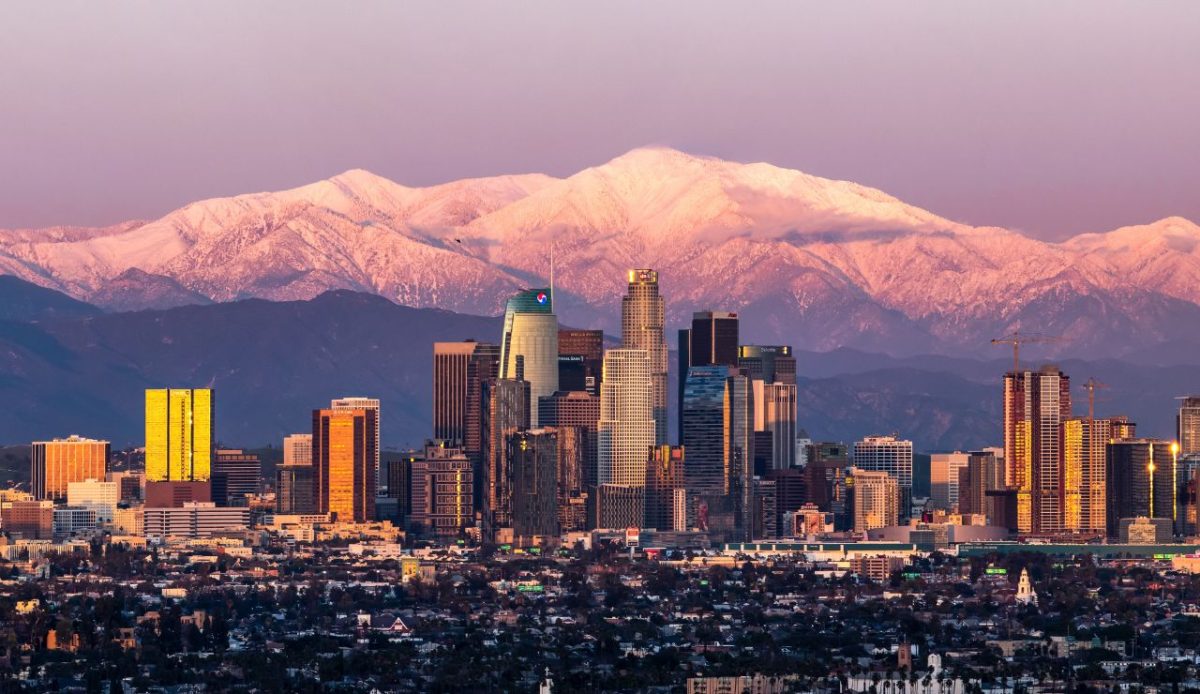
Los Angeles faces one of the nation’s largest homelessness crises, with tens of thousands living in encampments from Skid Row to Venice Beach. Skyrocketing housing prices, mental health shortages, and limited affordable units drive the problem deeper each year. Tents line sidewalks beneath luxury apartments, symbolizing the city’s painful divide. Despite billions spent on housing initiatives, progress remains slow, leaving many residents trapped between hope and an unforgiving cost of living.
2. San Francisco, California
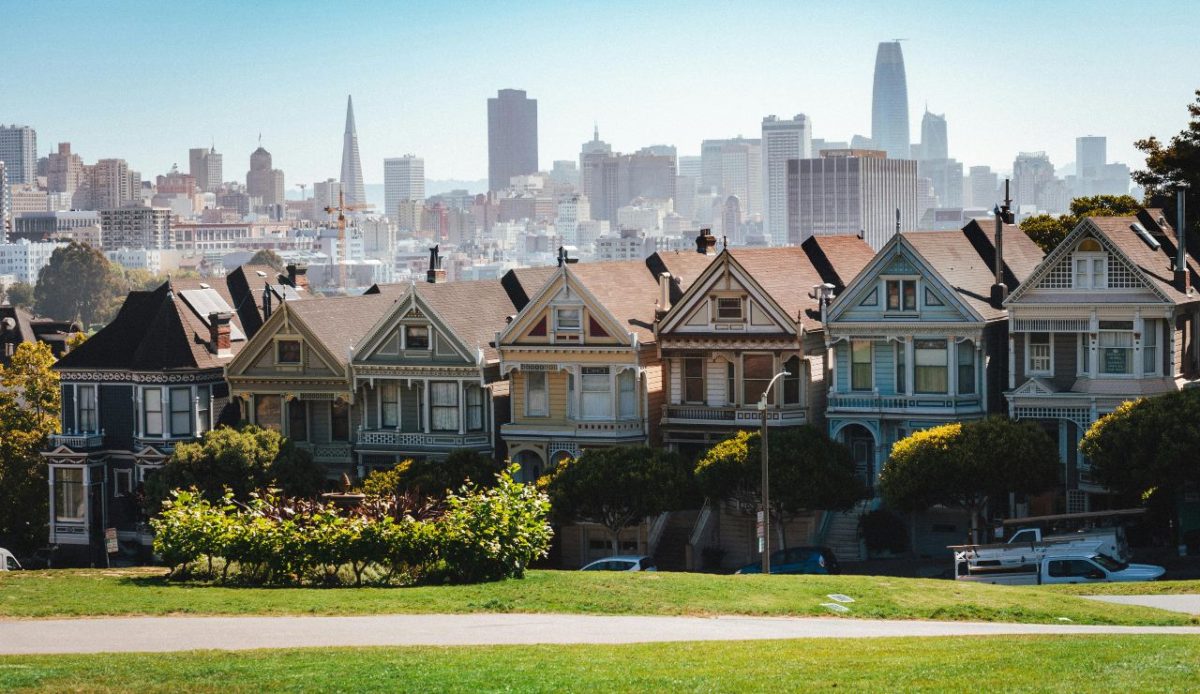
San Francisco’s homelessness crisis has reshaped its urban landscape. Once famed for innovation and beauty, the city now grapples with visible encampments and a growing population of unsheltered residents. Housing costs have soared beyond reach for many, while shelters and treatment programs struggle to keep pace. Residents and officials debate solutions as compassion clashes with frustration. Amid Silicon Valley wealth, the city’s inequality stands as one of America’s starkest contradictions.
3. Seattle, Washington
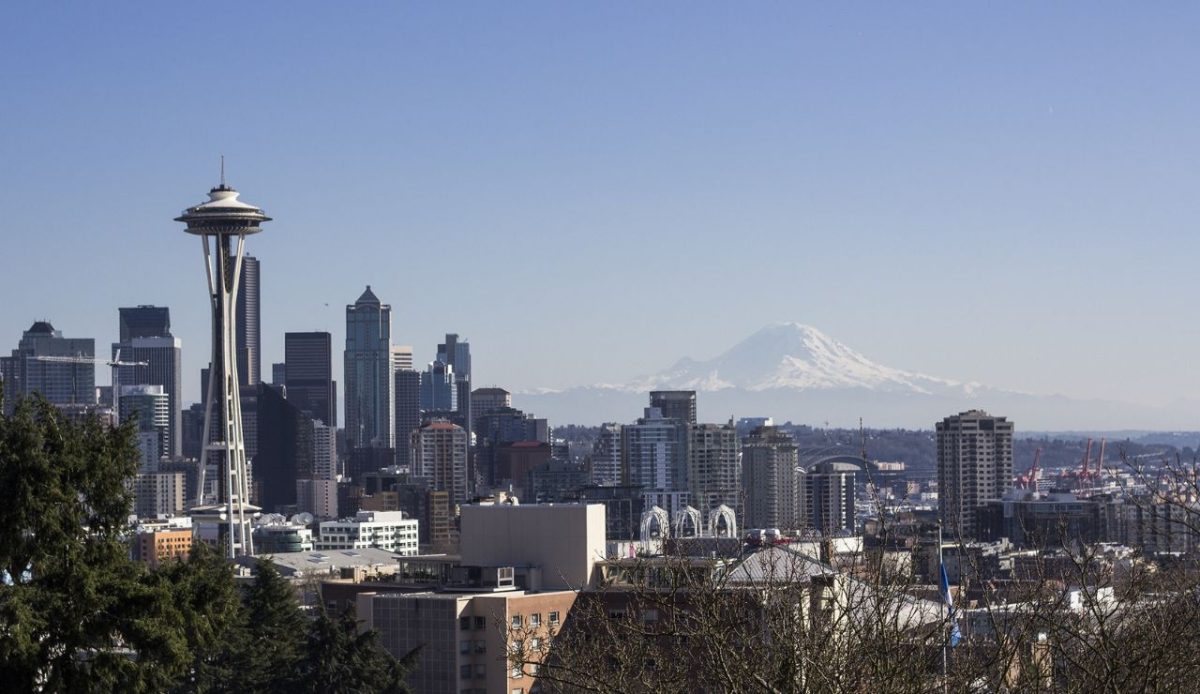
Seattle’s homelessness challenge continues to intensify, fueled by rising housing costs and a shortage of supportive services. Encampments appear under highways, in parks, and even near schools, reflecting how deep the crisis runs. Despite large investments in affordable housing, addiction and mental health issues complicate progress. Residents are divided; some demand stricter enforcement, while others call for empathy-driven reform. Seattle’s identity as a progressive, prosperous city faces its toughest test yet.
4. New York City, New York
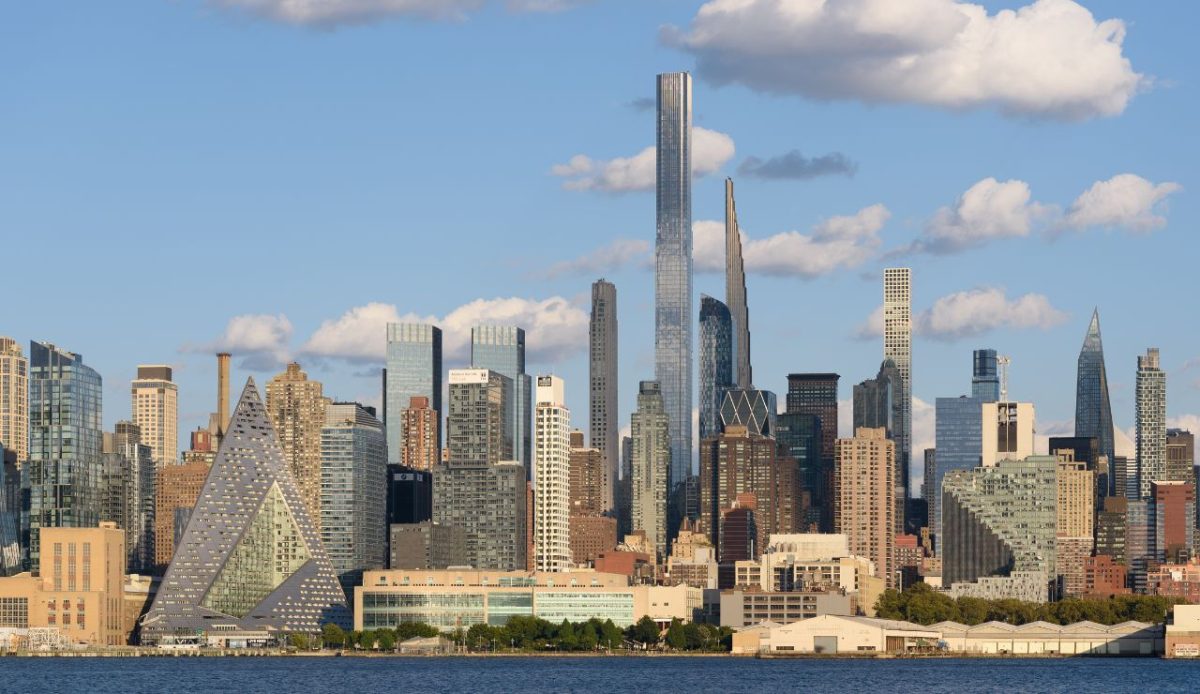
New York City, long a symbol of ambition, now faces a homelessness emergency that touches every borough. Shelters overflow nightly, and subway stations often serve as a refuge from the cold. The influx of migrants has strained resources even further. Though city officials continue expanding shelter capacity and rent programs, the affordable housing shortage persists. For many New Yorkers, the crisis has become a visible and heartbreaking part of daily urban life.
5. Phoenix, Arizona
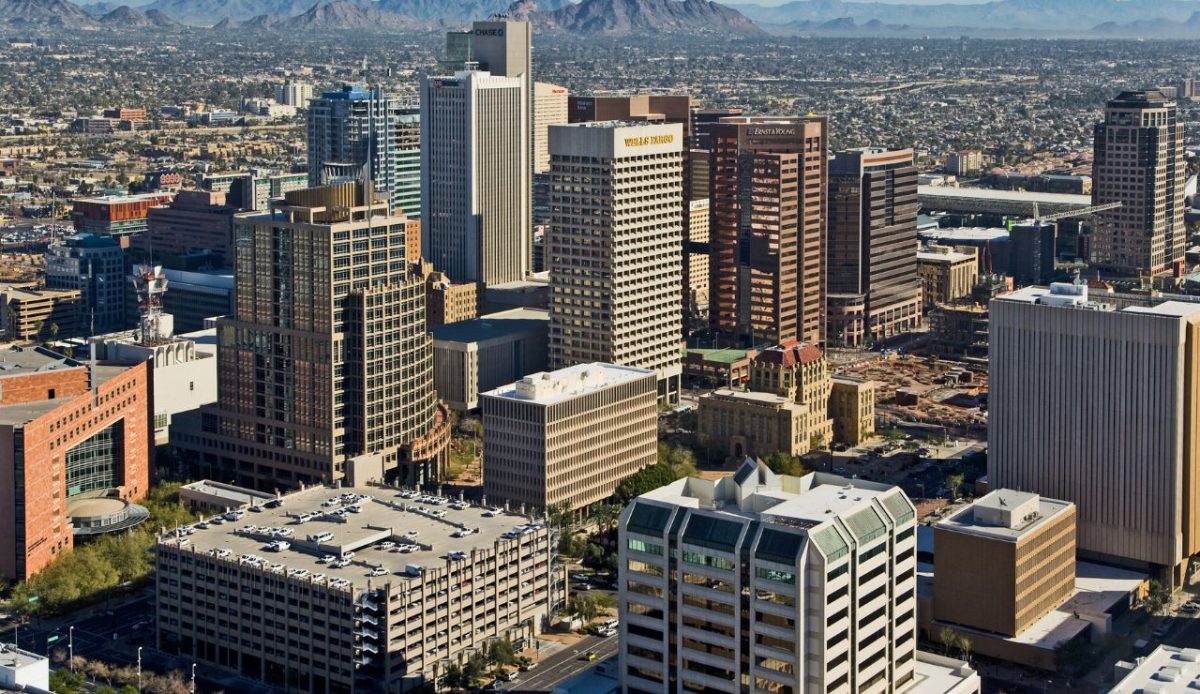
Phoenix’s rapid population growth and rising housing costs have fueled one of the nation’s fastest-growing homelessness crises. Downtown streets and heat-ravaged camps reveal the human toll of economic disparity in the desert. With triple-digit temperatures, living outdoors can be deadly. Efforts to create cooling centers and affordable housing continue, but resources fall short of demand. The city’s expansion has outpaced its safety net, leaving thousands struggling for shelter and dignity.
6. Portland, Oregon
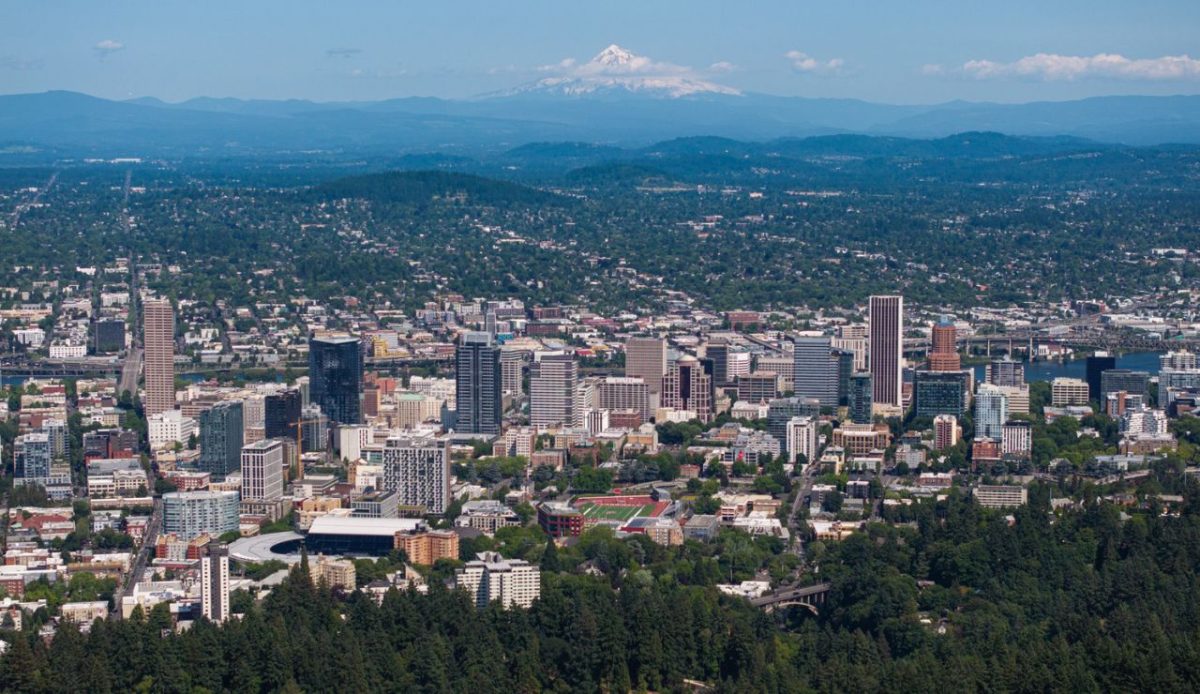
Portland’s homelessness crisis has transformed neighborhoods once known for their creative, laid-back spirit. Encampments now line major roads and riverbanks, while addiction and mental health struggles worsen the challenge. Efforts to establish sanctioned camping areas and housing projects face community resistance. Locals are torn between compassion and exhaustion, watching their city’s progressive ideals collide with harsh realities. Portland’s struggle mirrors a broader national problem: the gap between empathy and effective action.
7. San Diego, California
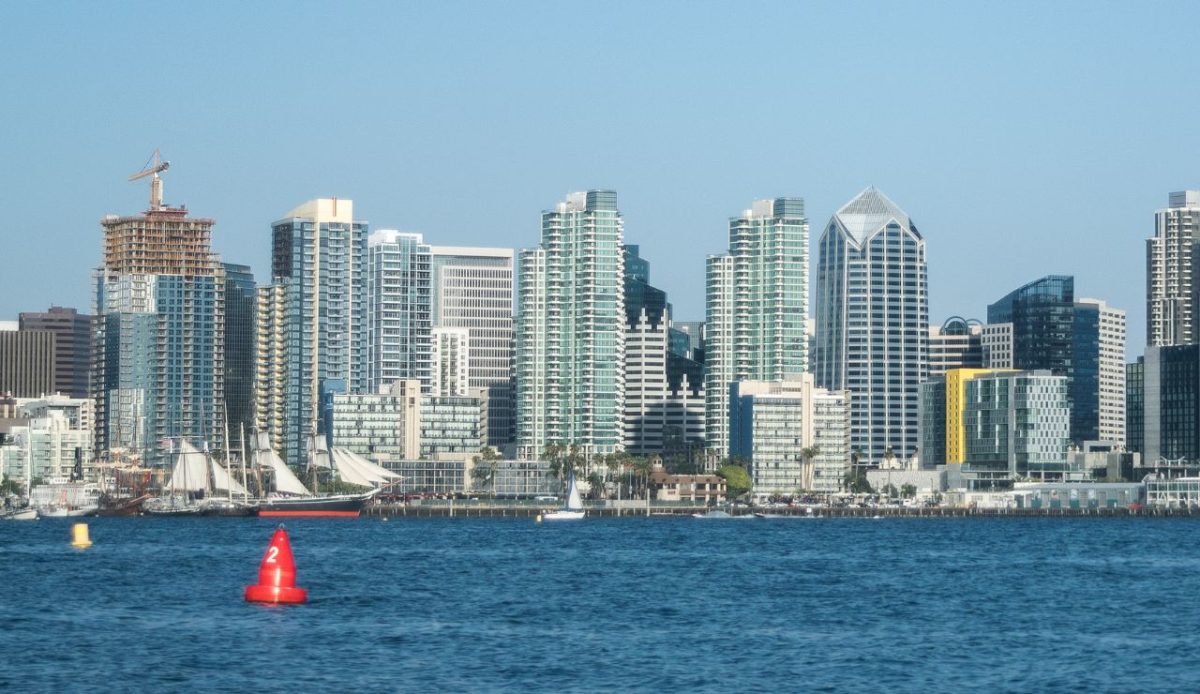
Despite its postcard-perfect weather, San Diego faces one of California’s most severe homelessness surges. Rising rents and limited shelter space have forced thousands onto sidewalks and riverbeds. The city has increased outreach and added safe camping zones, yet demand keeps growing. The contrast between beachfront wealth and street-level hardship is striking. San Diego’s humanitarian crisis highlights how even paradise-like cities aren’t immune to America’s deep housing instability.
8. Denver, Colorado
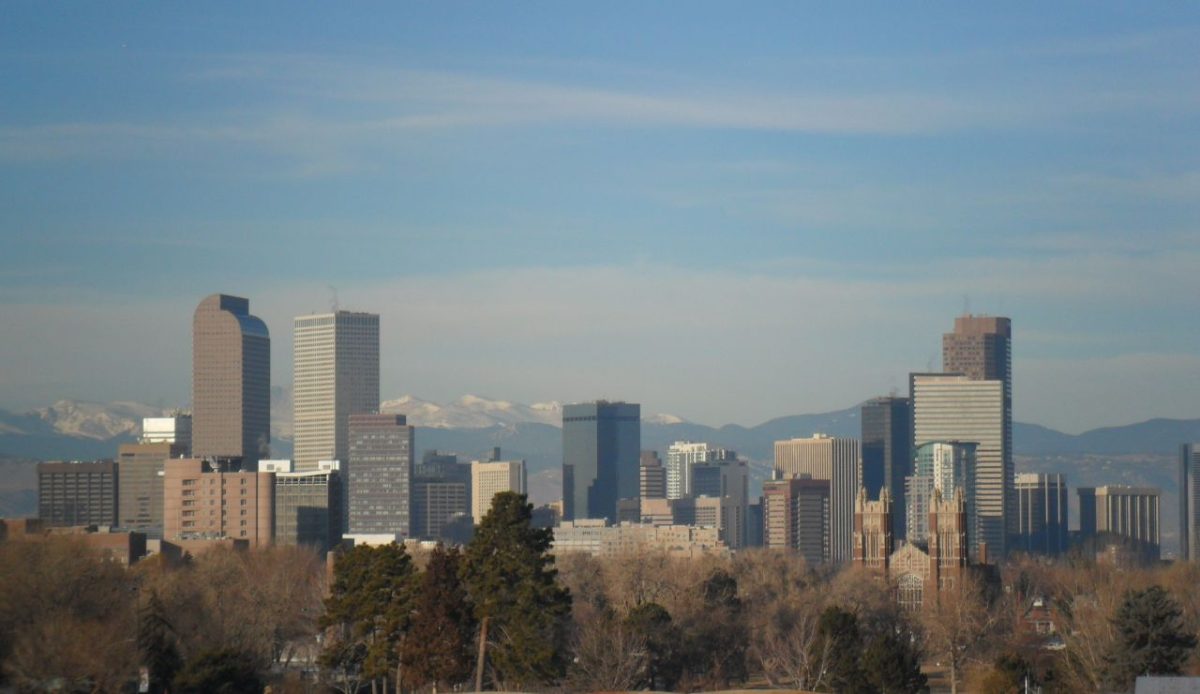
Denver’s homelessness crisis has accelerated alongside its economic boom. Once seen as an affordable city, it now battles soaring rents and a shortage of transitional housing. Tents line downtown blocks and public parks, sparking debate over enforcement and compassion. City leaders have expanded funding for outreach, yet the problem grows as migration and cost-of-living pressures rise. Denver’s story reflects a painful truth: prosperity often leaves too many people behind.
