
Air travel continues to grow, and so do the airports that support it. Some of the world’s largest terminals now cover areas so vast that travelers may walk a mile or more before reaching their gate. These airports are designed for efficiency and expansion, yet their scale often surprises passengers. Long corridors, multiple security zones, and distant concourses make timing and navigation critical. Whether you’re connecting internationally or boarding a domestic flight, these airports require good planning, extra time, and comfortable shoes.
1. Dallas/Fort Worth International Airport, USA
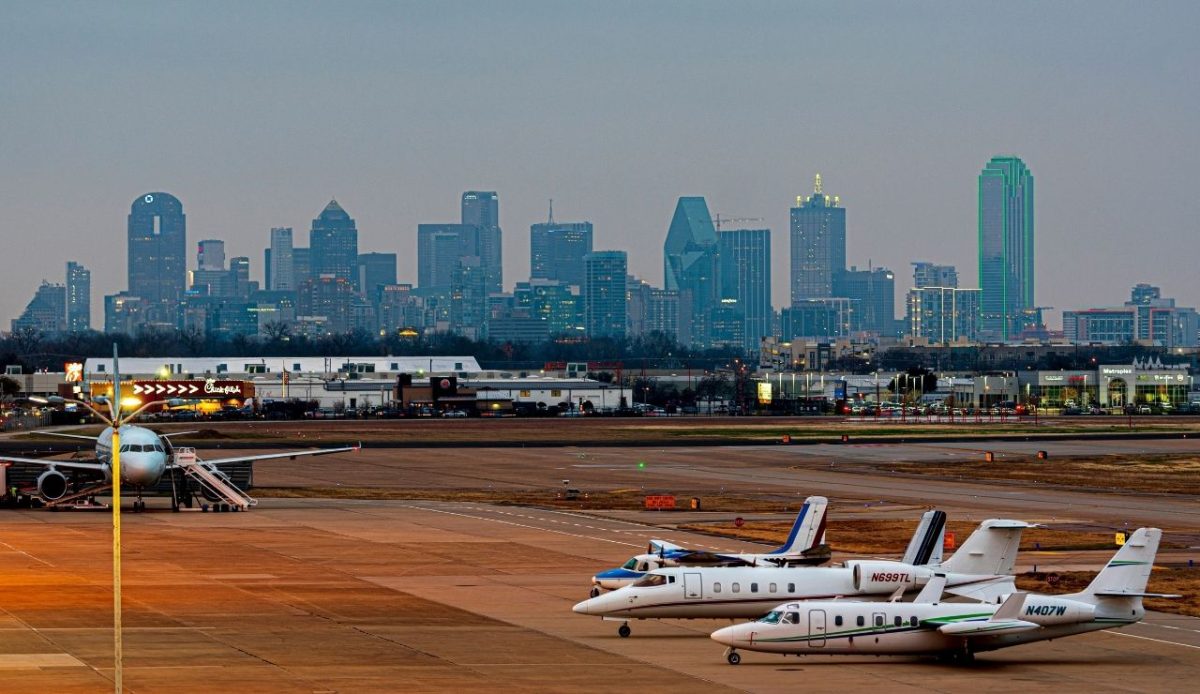
Dallas/Fort Worth International covers more than 27 square miles, making it one of the largest airports in the world. The terminals are spread far apart, and even though the Skylink train connects them, some routes can still exceed two miles on foot. The airport’s design favors wide walkways and multiple gate clusters, which increases walking distance between flights. Passengers connecting through Terminals A and E often report the longest treks. Those with short layovers or heavy luggage should plan ahead or use the train system to save time and energy.
2. Washington Dulles International Airport, USA
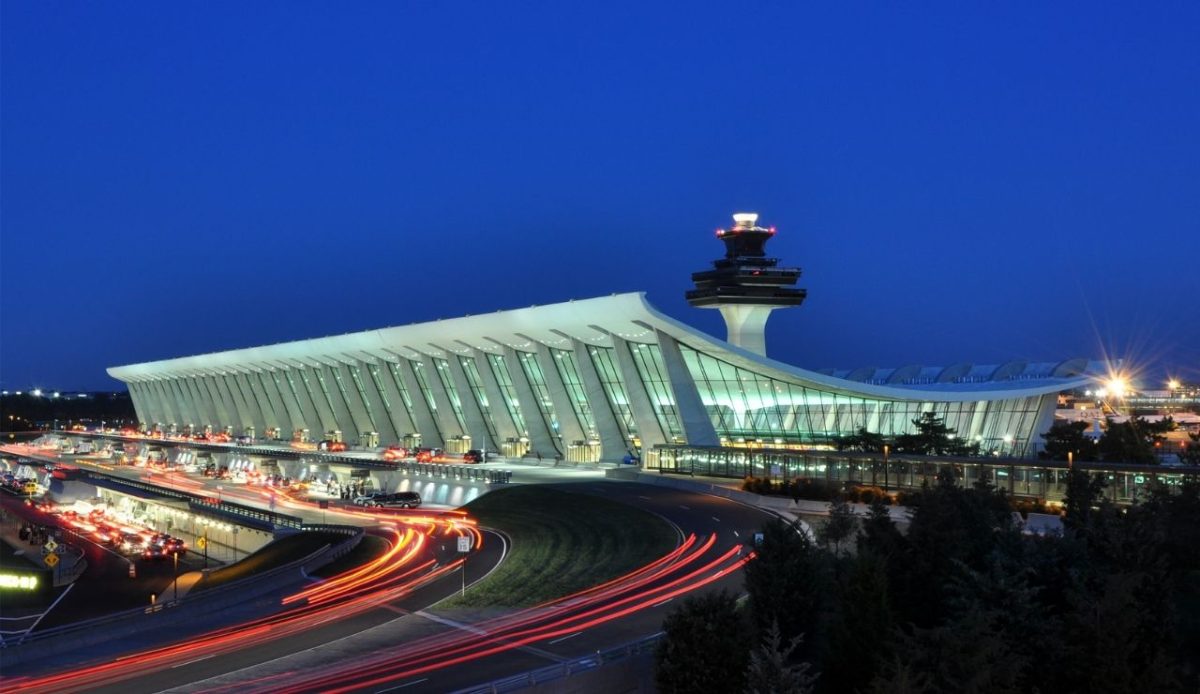
Washington Dulles International is known for its large main terminal and remote concourses. Despite the AeroTrain system, passengers still face long walks, especially to gates in concourses C and D. The airport covers about 12,000 acres, and parts of its design date back to the 1960s when aircraft needed more spacing. Because of this, the terminals are set far apart, and some passengers can walk over a mile from check-in to boarding. Signs and walkways are clear, but moving between certain concourses requires patience and comfortable shoes.
3. George Bush Intercontinental Airport, Houston, USA
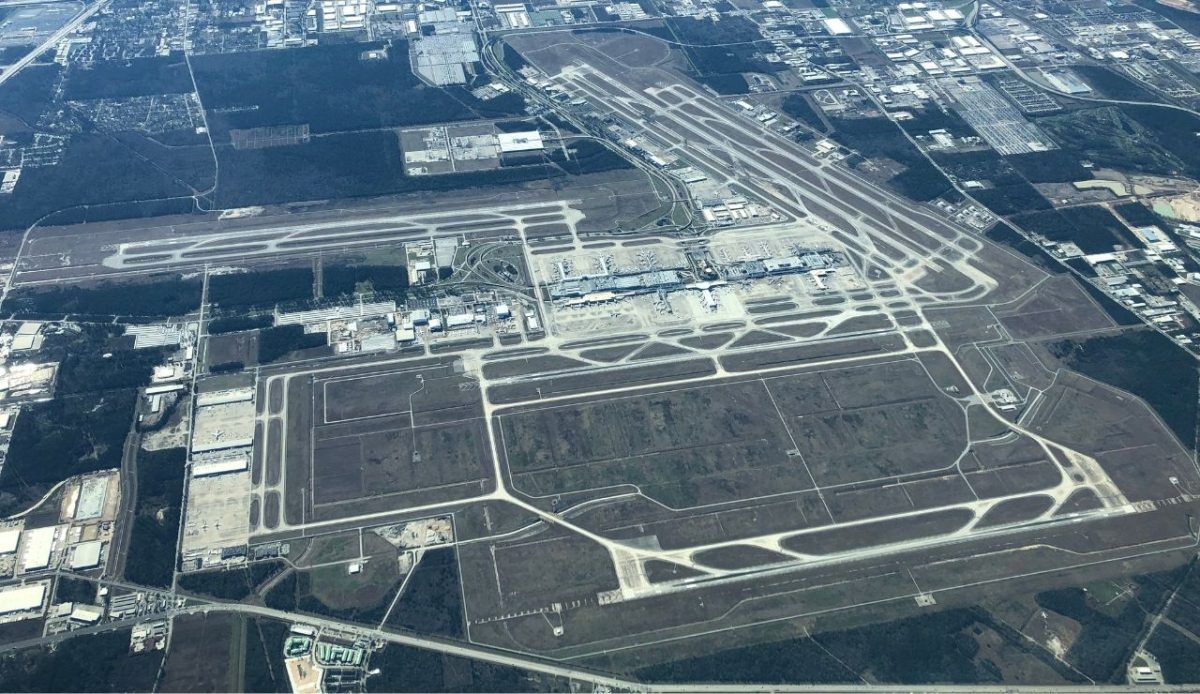
George Bush Intercontinental Airport in Houston handles more than 40 million passengers a year across five terminals. Each terminal serves specific airlines and flight types, which means travelers often need to cover long distances during connections. Walking from Terminal A to Terminal E can take over 20 minutes without using the underground train. The layout was designed to handle large aircraft and high passenger volume, but it leaves little room for shortcuts. Travelers should budget extra time, particularly during peak hours when hallways become crowded.
4. Denver International Airport, USA
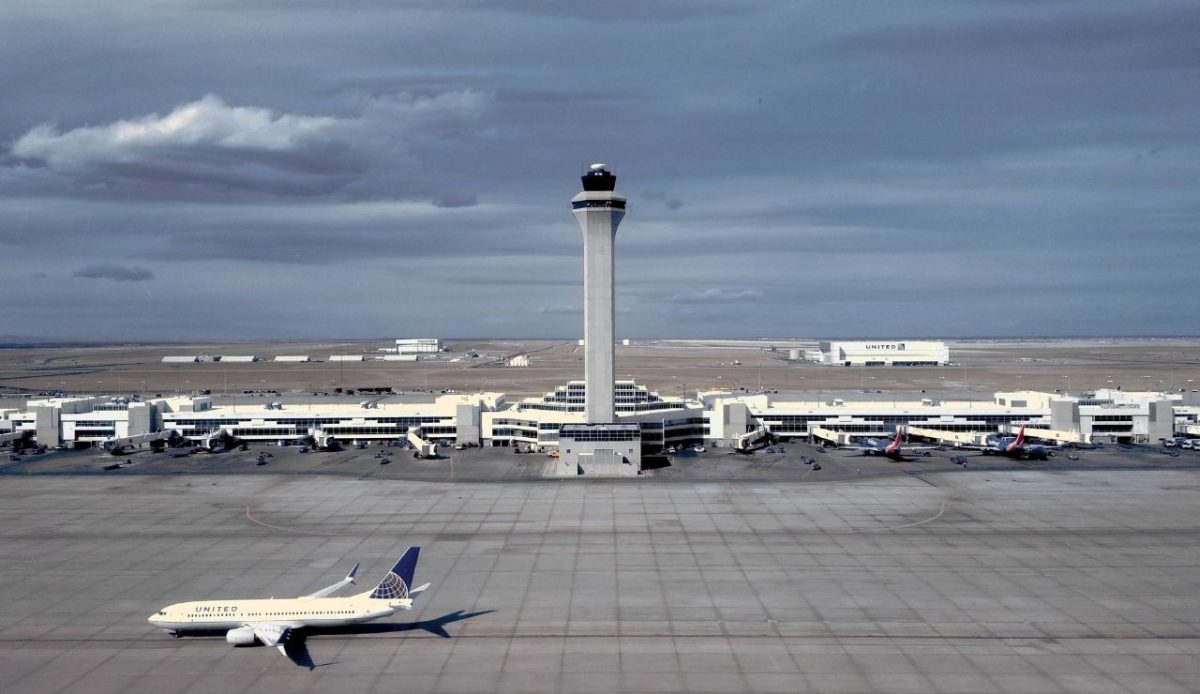
Denver International Airport is one of the largest in the United States by land area and ranks among the longest for passenger walking distances. Its three main concourses, A, B, and C, are connected by a train, yet the walking routes inside each concourse remain extensive. Concourse B is the most demanding, with gates stretching more than a mile from end to end. The airport’s design allows for future expansion, but that layout results in longer travel times between security and boarding areas. It’s recommended to plan for at least 15 extra minutes of walking time.
5. John F. Kennedy International Airport, New York, USA
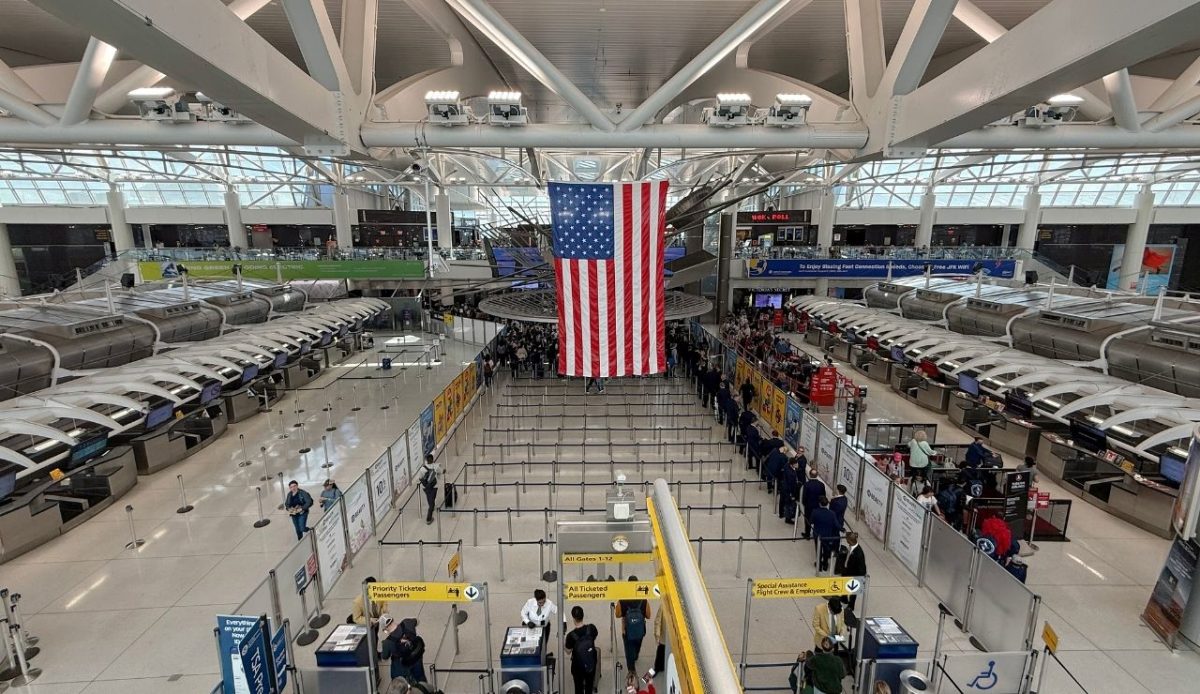
John F. Kennedy International operates as a network of separate terminals rather than a single complex, which makes navigation lengthy for many travelers. Each terminal has its own security and check-in system, and walking distances vary widely depending on the gate. The longest walks occur in Terminals 4 and 8, where international flights are concentrated. Even within one terminal, passengers can expect a 15- to 20-minute walk from security to the farthest gates. The airport’s ongoing renovation projects also cause frequent layout changes, so travelers should check gate information before arriving.
6. Philadelphia International Airport, USA
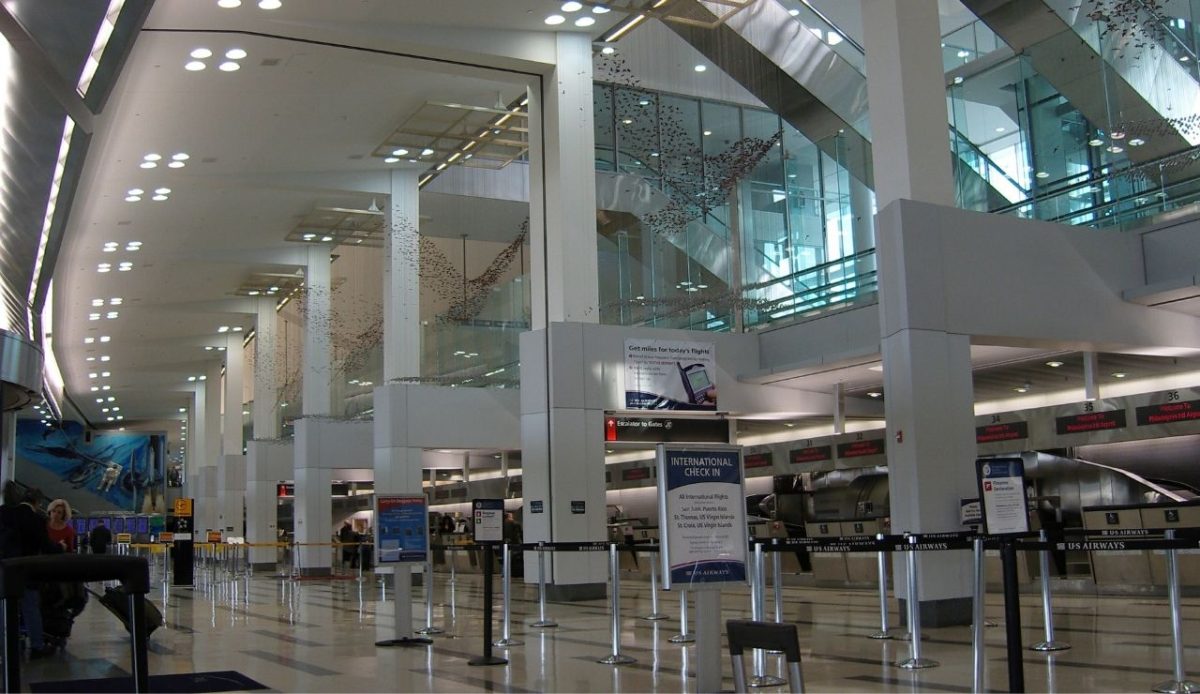
Philadelphia International connects seven terminals under one continuous roof, which sounds convenient but creates one of the longest internal walking routes in the country. A full walk from Gate A26 to Gate F39 measures roughly one and a half miles. Moving walkways help, but not every section has them. For travelers with connecting flights across the airport, the walk can take more than 25 minutes. The design works well for airlines managing multiple hubs but leaves passengers covering large distances on foot. The airport advises checking connection times carefully to avoid missed flights.
7. Hartsfield – Jackson Atlanta International Airport, USA
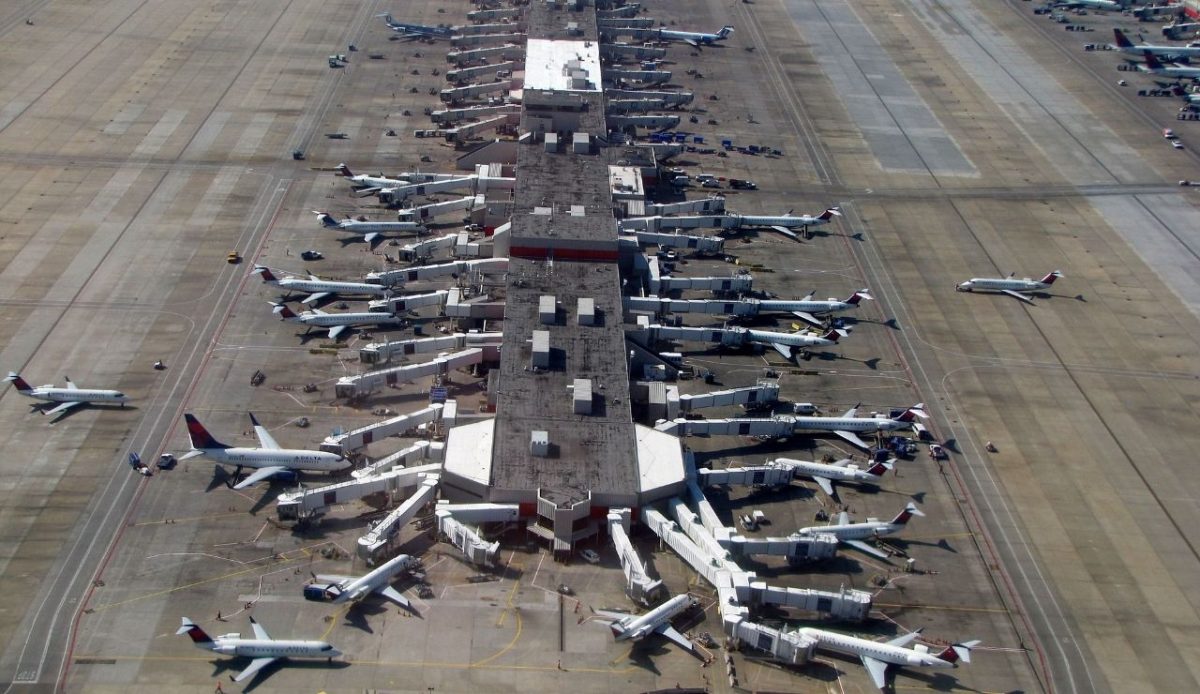
Hartsfield–Jackson Atlanta International is the world’s busiest airport by passenger traffic, and its underground concourse system stretches across a large area. Passengers who choose to walk instead of taking the Plane Train can cover well over a mile moving between Concourses A and F. The airport’s scale is designed for efficiency, but even short transfers involve extensive walking. Clear signage and long corridors make navigation simple, yet the sheer number of travelers means progress can be slow. Comfortable shoes and extra time are strongly recommended for anyone connecting through Atlanta.
8. Adolfo Suárez Madrid – Barajas Airport, Spain
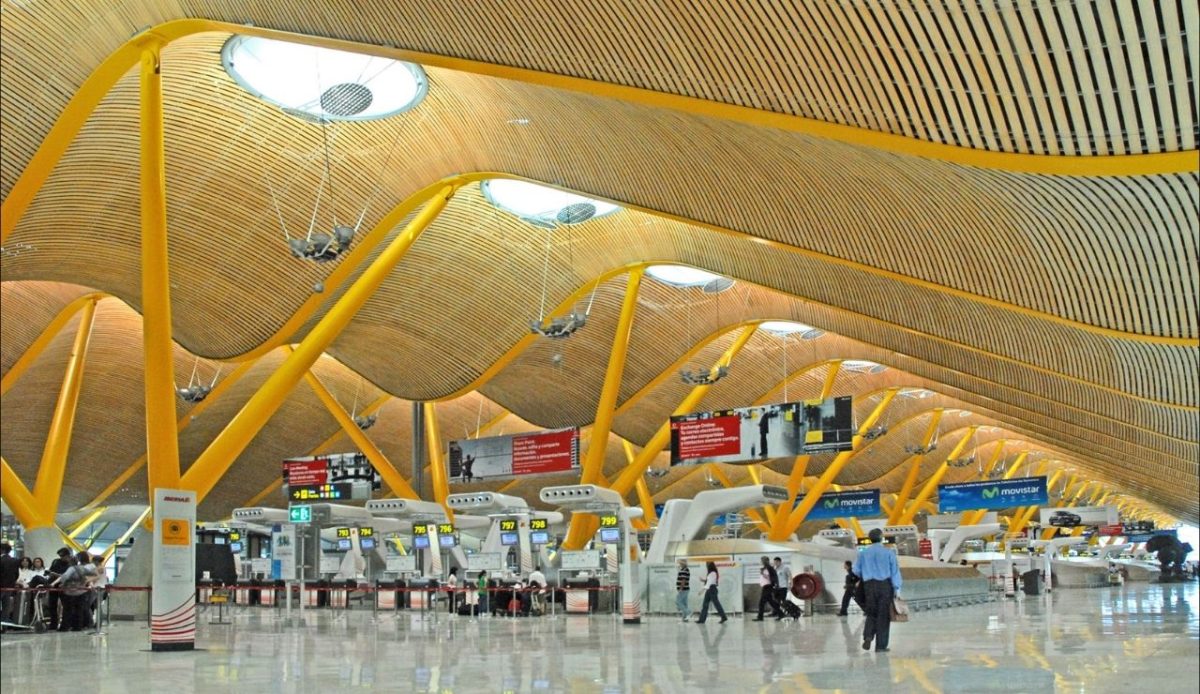
Madrid–Barajas is the largest airport in Spain and one of the most spacious in Europe. Terminal 4 alone extends more than 1.6 miles from the departure hall to the farthest gate. Although the airport operates automated trains between terminals, many long-haul passengers still walk significant distances inside T4. Its size allows the airport to handle high passenger volumes efficiently, but travelers unfamiliar with the layout often underestimate walking times. Arriving early is advisable, as moving between security, passport control, and boarding areas can take well over 20 minutes.
9. Athens International Airport, Greece
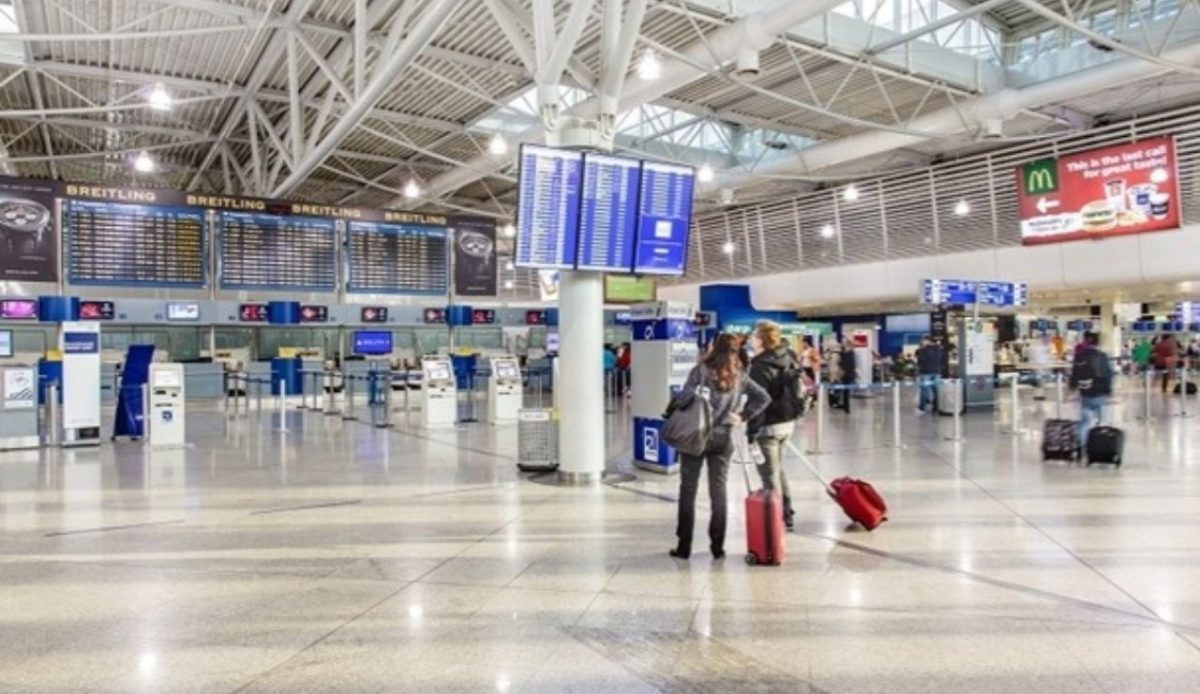
Athens International Airport serves as Greece’s main gateway and is known for its wide design rather than compact structure. The single main terminal covers a long horizontal space, with remote gates extending almost a mile from the central security area. Walkways and escalators are available, but some sections require continuous walking. The terminal was built to handle high passenger numbers during the busy summer season, which adds to its size. While well-organized, travelers connecting to regional flights should still expect a long walk between passport control and boarding gates.
10. Paris Charles de Gaulle Airport, France
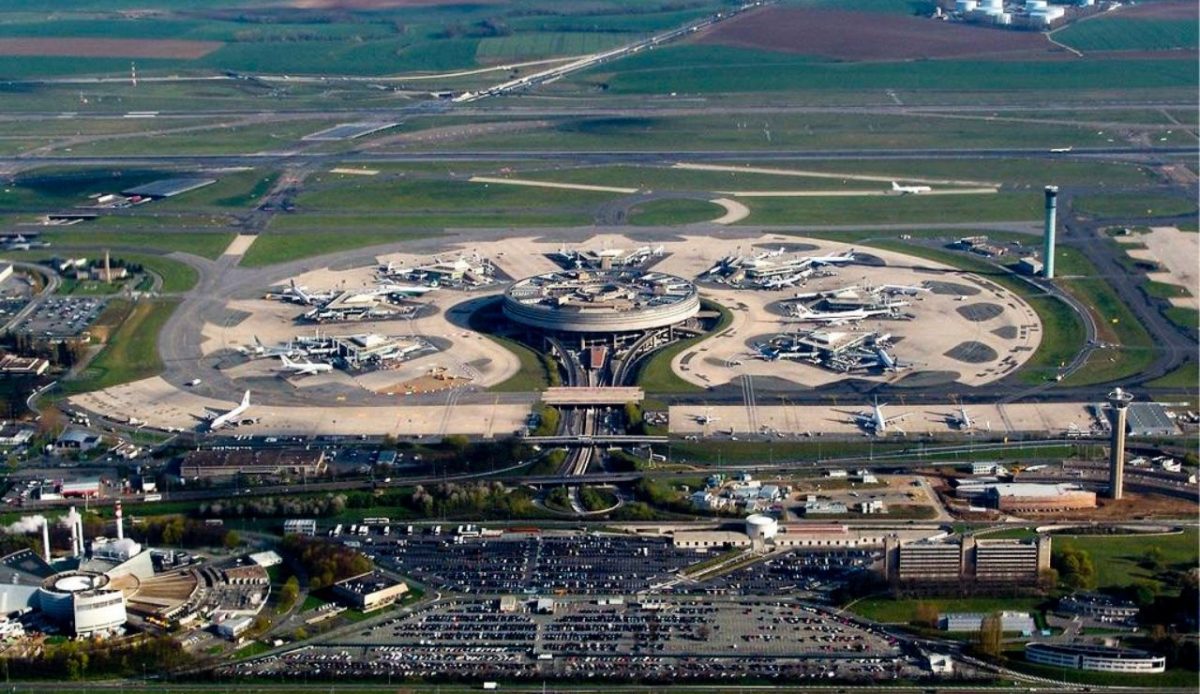
Charles de Gaulle Airport in Paris covers a vast area north of the city and is divided into multiple terminals and satellite buildings. Terminal 2, used by Air France and its partners, contains some of the longest internal walking routes in Europe—reaching up to 1.4 miles in certain sections. Although shuttle buses and trains connect terminals, passengers often walk long distances inside the same building. The layout supports high passenger flow but can be confusing because of split levels and checkpoints. It’s best to allow extra time for walking and orientation.
11. Frankfurt Airport, Germany

Frankfurt Airport is one of Europe’s busiest air hubs, with two main terminals spread across a wide area. The longest walk from check-in to a gate can exceed a mile, especially within Terminal 1. The concourses are divided into Schengen and non-Schengen zones, which adds time when transferring between flights. Moving walkways cover much of the distance but do not shorten the overall route. Signs are efficient, yet travelers connecting between distant gates often plan at least 25 minutes to get across the terminal without rushing.
12. London Heathrow Airport, United Kingdom
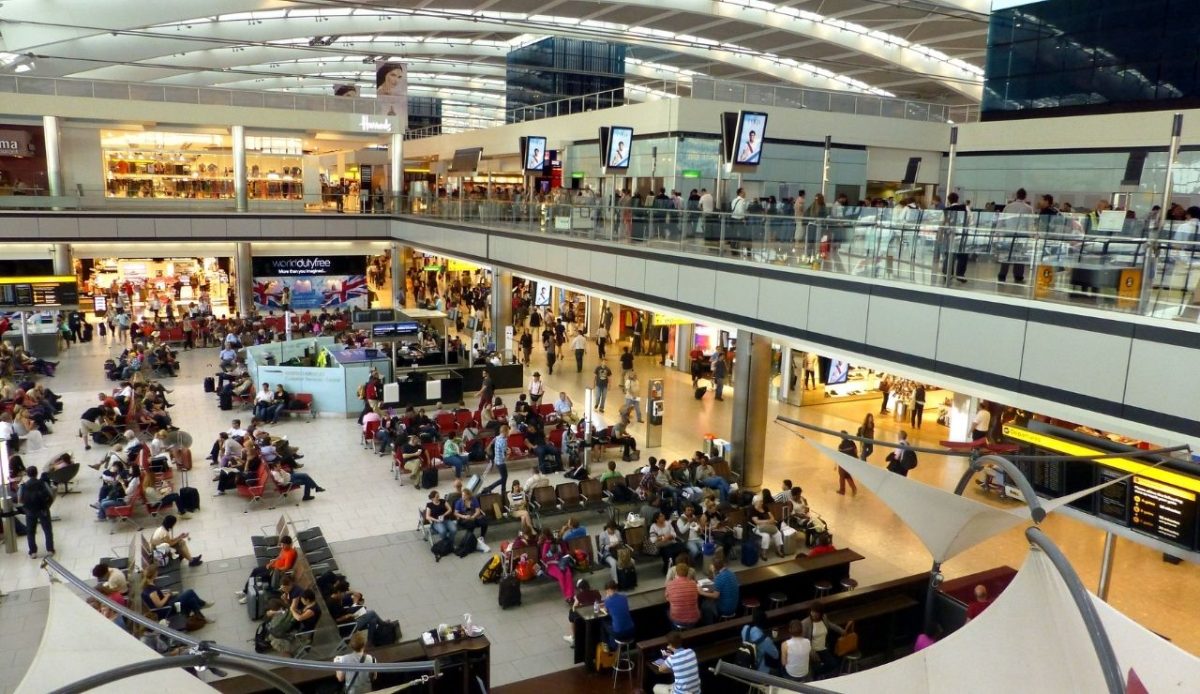
London Heathrow operates multiple terminals, each functioning as a separate airport complex. Terminal 5, the largest, is known for walking routes that can take up to 20 minutes between security and distant gates. Even though there are shuttle trains, most gates are reached only by walking through long corridors. The airport’s layout focuses on handling large passenger volumes efficiently, which explains the extensive floor space. Because of ongoing expansion and renovation, gate assignments may often shift, so checking flight details in advance is recommended.
13. Manchester Airport, United Kingdom
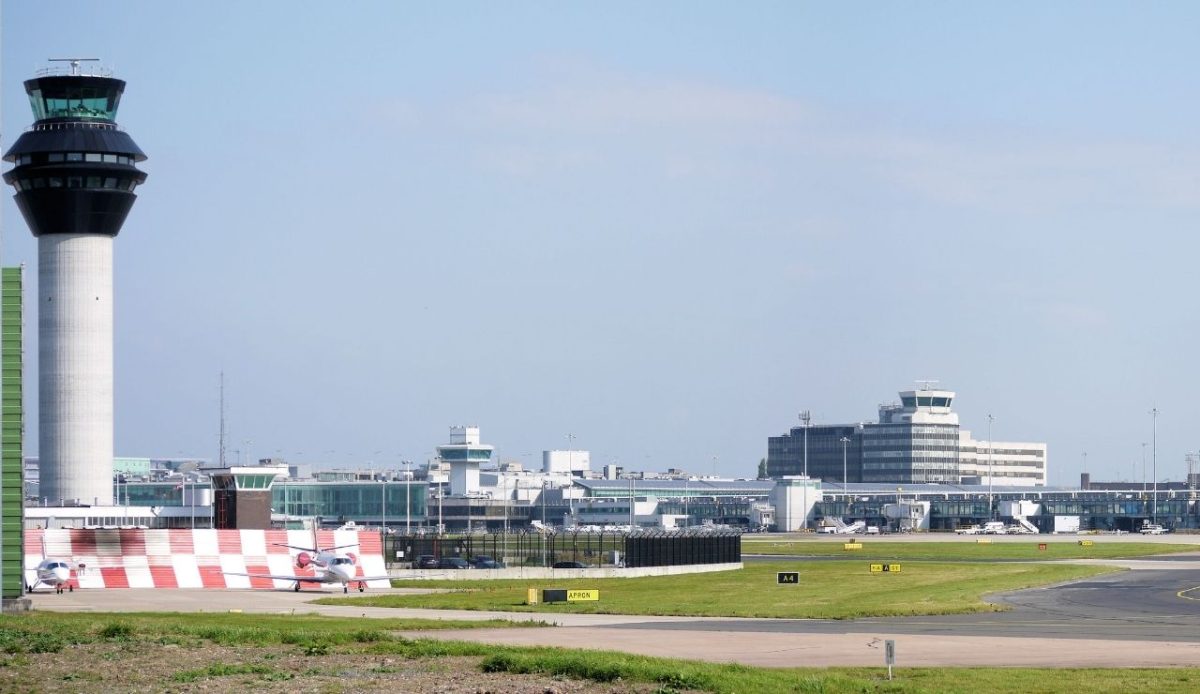
Manchester Airport has expanded steadily, and its three terminals now cover a broad area on the southern side of the city. Long walks are common between Terminals 1 and 2, especially during construction or high-traffic hours. Inside Terminal 2, the farthest gates can take 15 to 20 minutes to reach from security. Moving walkways are installed, but don’t cover all routes. The terminal layout was designed for capacity rather than compactness, which means passengers should prepare for long walks even when traveling within the same terminal.
14. Lisbon Portela Airport, Portugal
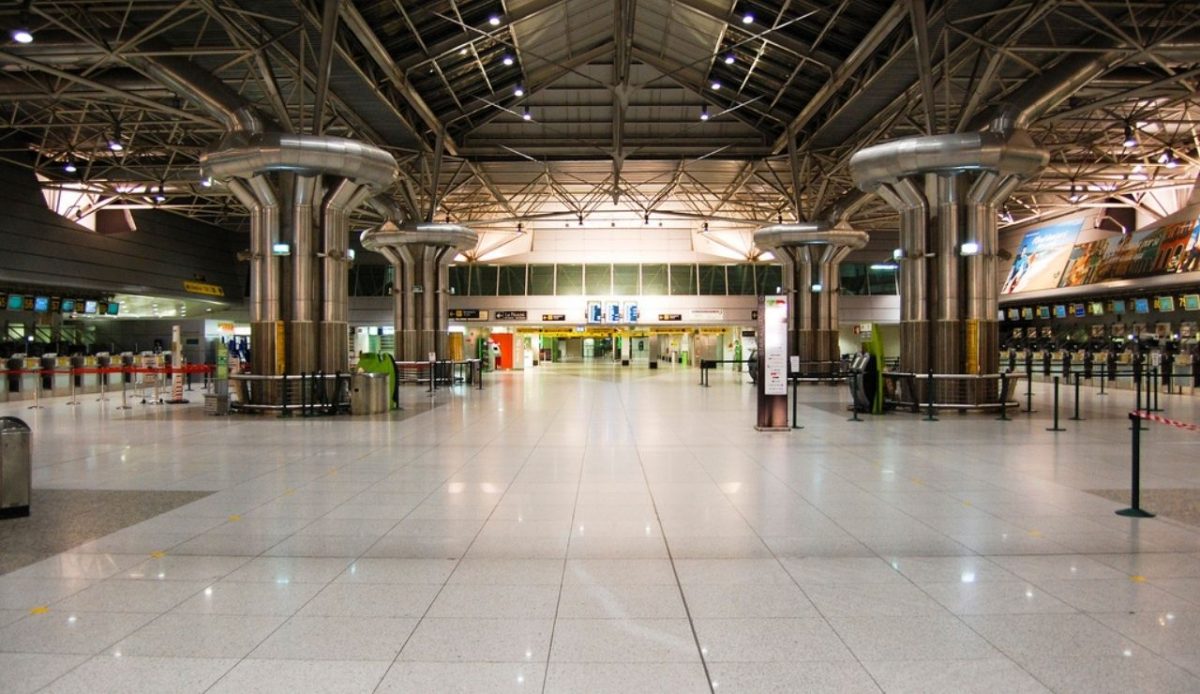
Lisbon Portela Airport may appear compact, but internal walking routes can be lengthy. The distance from security to the farthest gate is close to a mile. The terminal connects both Schengen and non-Schengen areas, which adds checkpoints and detours. During busy hours, walking between passport control and boarding areas can take 20 minutes or more. Despite being Portugal’s main hub, the airport lacks large-scale transport systems inside the terminal. Passengers should allow additional time for walking, especially when departing from international or low-cost carrier gates.
15. Istanbul Airport, Türkiye
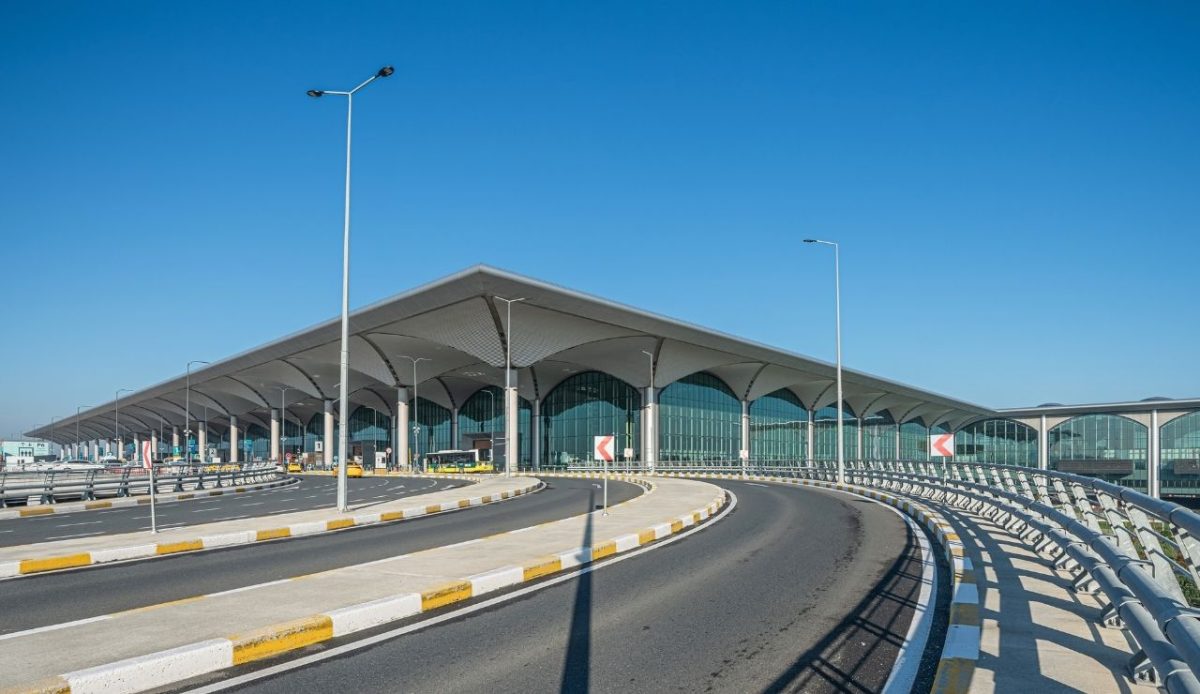
Istanbul Airport opened in 2018 and was built to handle more than 90 million passengers each year. The terminal complex covers nearly 15 million square feet, and walking from one end to another can take up to 30 minutes. There are moving walkways throughout the concourses, but passengers still report long walks to distant gates. The airport’s layout is efficient for heavy traffic and future growth, yet its vast size means travelers must plan for extra time when navigating between check-in, passport control, and departure areas.
