
The United States experiences several full moons throughout the year, and the most recent one occurred on November 5, 2025. It was the year’s closest and brightest supermoon, reaching its peak at 8:19 a.m. ET when the moon was about 221,800 miles from Earth. During that time, it appeared roughly 14 percent larger and 30 percent brighter than normal. Although the main event has passed, the moon continues to glow brightly in the days that follow, allowing people to admire its beauty a little longer. The following are the states that experienced the most breathtaking views of this lunar event.
1. Texas
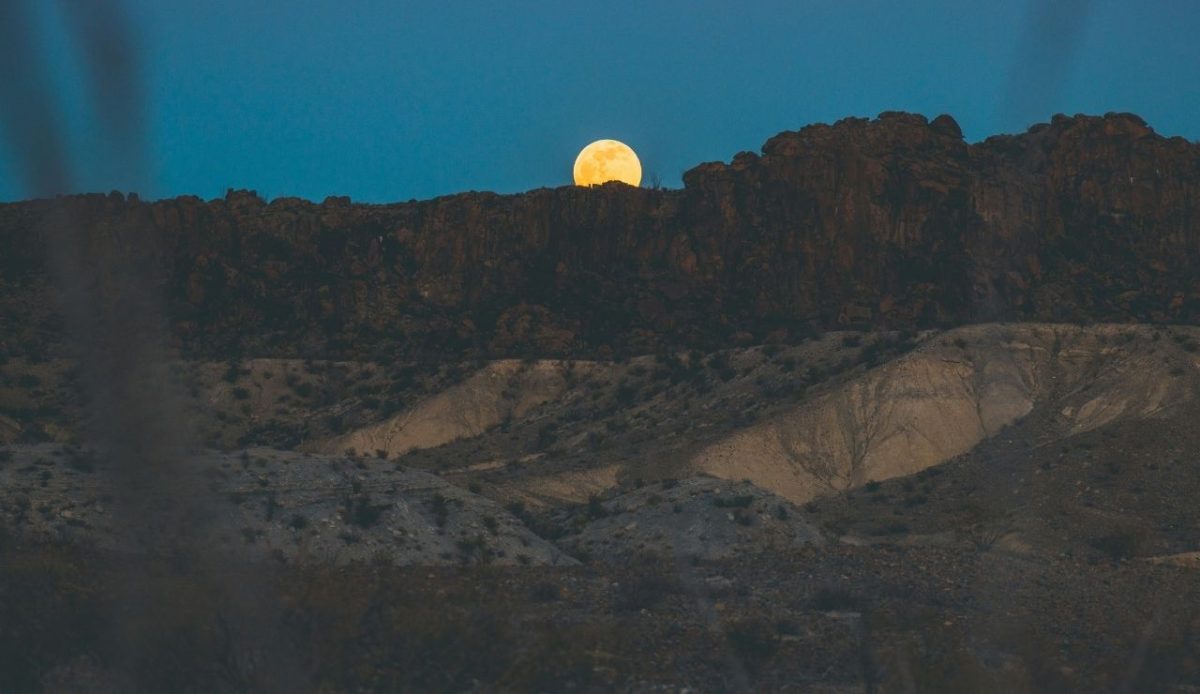
Texas provides some of the most sweeping moonrise views in the country. Big Bend National Park and the Greater Big Bend International Dark Sky Reserve are prized for their vast horizons and crystal-clear air. Out west, the open desert amplifies the moon’s glow as it climbs above canyons and ridges. Local astronomers recommend setting up near the Rio Grande overlook, where reflection on the river enhances the scene. November weather in the region is usually dry, offering long periods of steady visibility throughout the evening.
2. Arizona and Utah
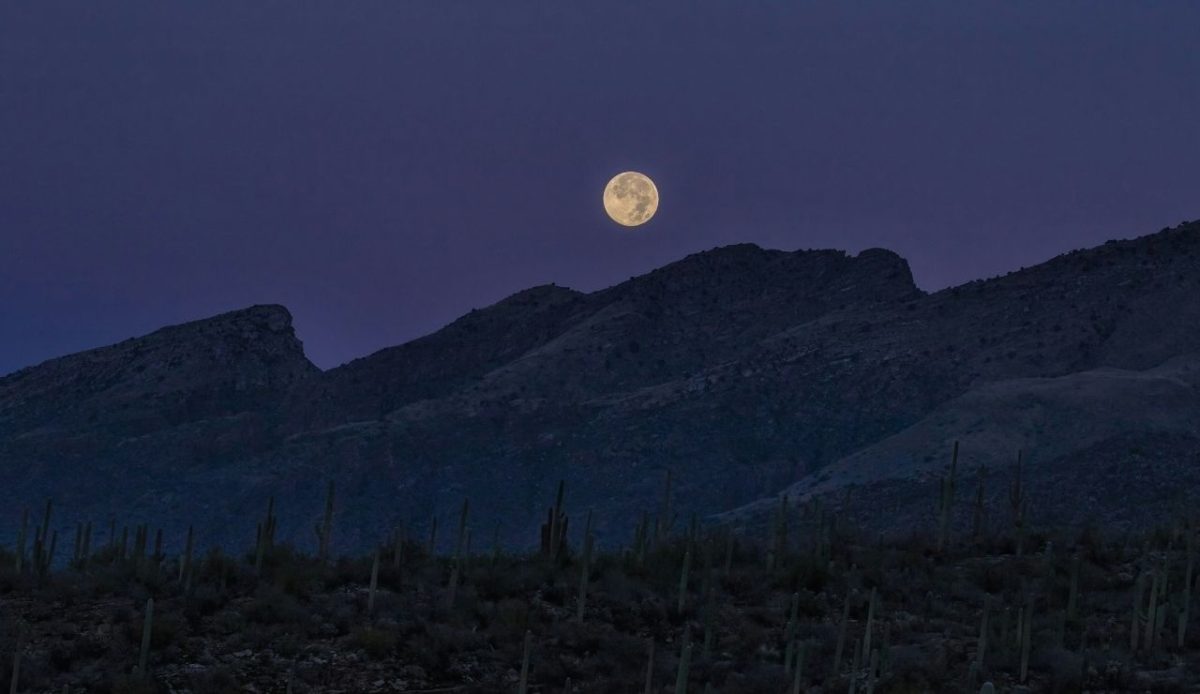
High elevation and dry climates make Arizona and Utah perfect for witnessing the moon’s brightest phase. At Grand Canyon National Park, viewers can watch the supermoon rise beyond layered cliffs and cast light across deep rock shadows. In Utah, Arches and Bryce Canyon frame the rising moon through natural stone arches and hoodoo formations. Both states maintain official dark-sky protections, ensuring the view remains undisturbed by artificial light. Clear air and cooler nights sharpen every detail, creating near-perfect viewing and photo conditions.
3. Florida and the Southeast
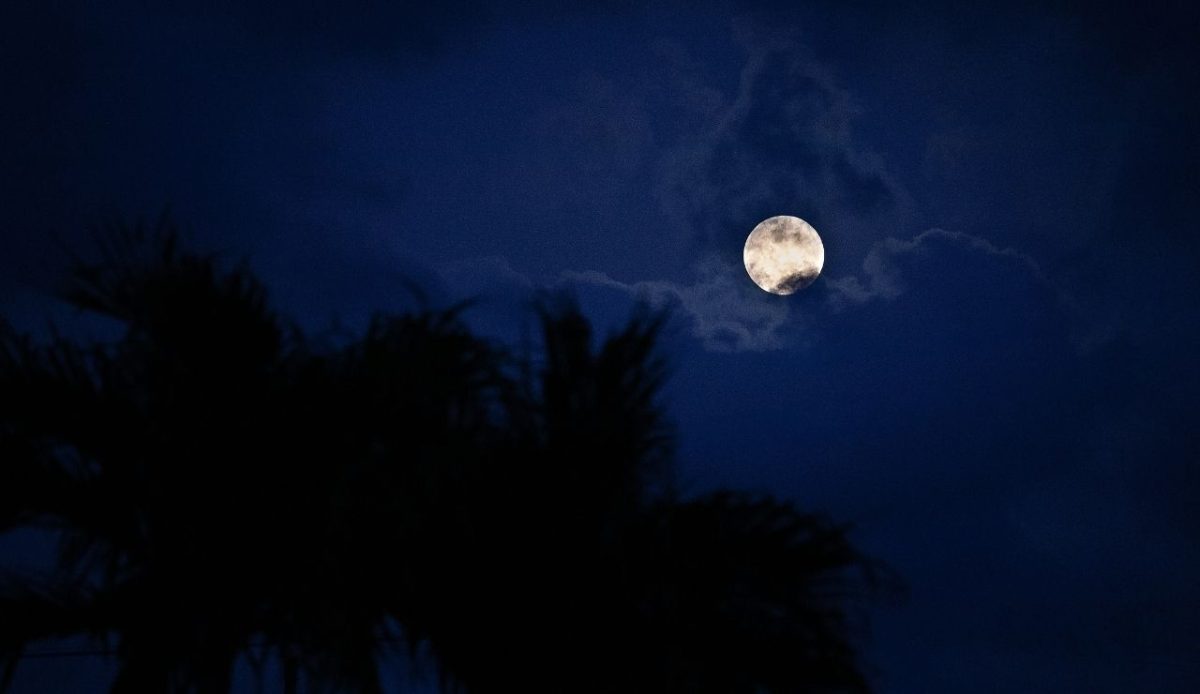
In Florida and neighboring states, coastal and inland preserves offer excellent visibility with minimal light interference. Kissimmee Prairie Preserve State Park remains one of the best southern locations for open-sky viewing. Along the Atlantic coast, areas near Cape Canaveral or Amelia Island provide glowing reflections of the moon on calm ocean water. The warm, breezy nights of early November make outdoor viewing comfortable, while low humidity improves contrast and brightness. Locals often gather in open fields or on beaches to watch the giant moon rise over the sea.
4. The Midwest
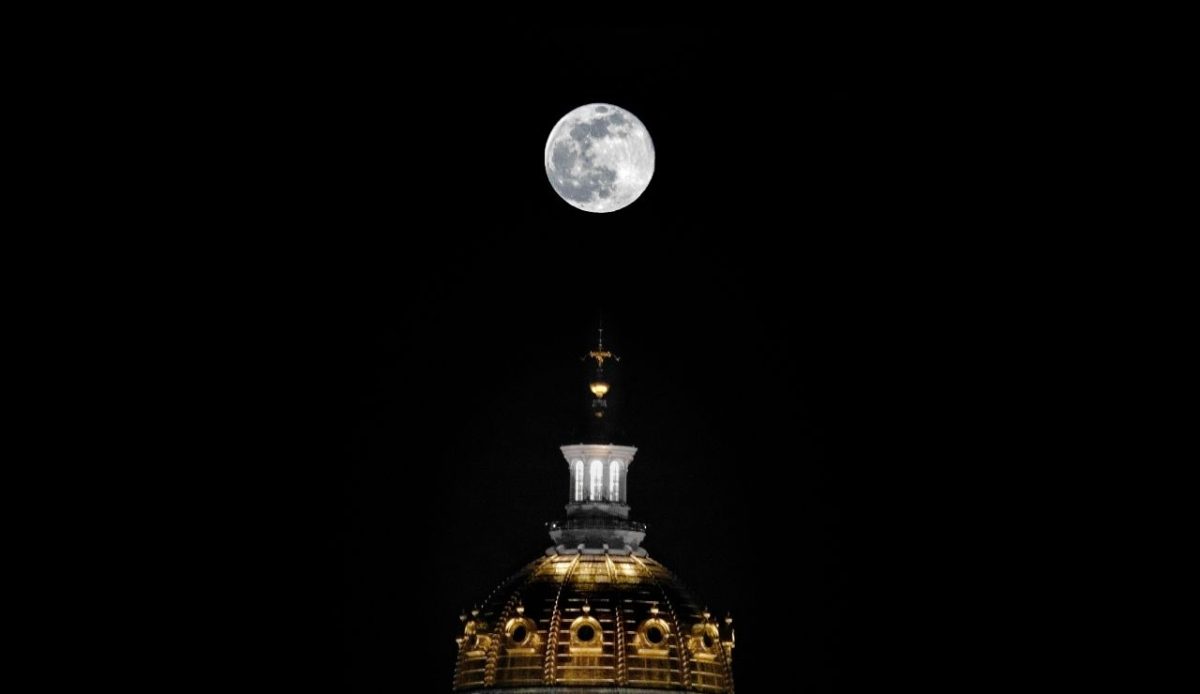
The wide prairie land of the Midwest ensures uninterrupted views from horizon to horizon. Open areas in Kansas, Iowa, and Oklahoma let the moon appear unusually large as it clears the landscape. The cool, dry air of November helps reduce atmospheric distortion, making the moon’s surface features visible even without telescopes. Many communities host stargazing events or photography meetups during major lunar events. With its flat geography and limited light interference, the Midwest remains one of the most dependable regions for skywatchers.
5. Colorado
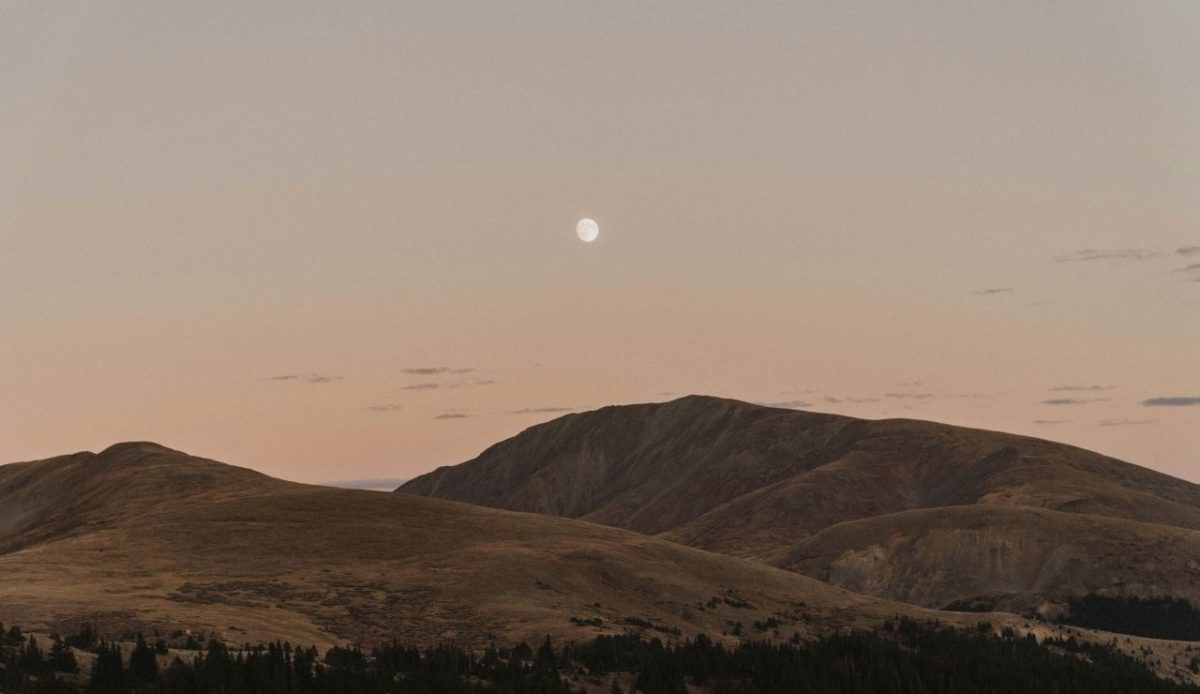
Colorado combines altitude, open skies, and crisp air for an extraordinary supermoon view. At Great Sand Dunes National Park, soft dunes shimmer in silver light as the moon ascends above distant peaks. The San Luis Valley, surrounded by mountains, offers equally open horizons that stay clear well into the night. The thin air at higher elevations enhances brightness and detail, making the moon’s craters visible to the naked eye. Campers often prefer this region because of its stable weather and wide scenic foregrounds for photography.
6. California
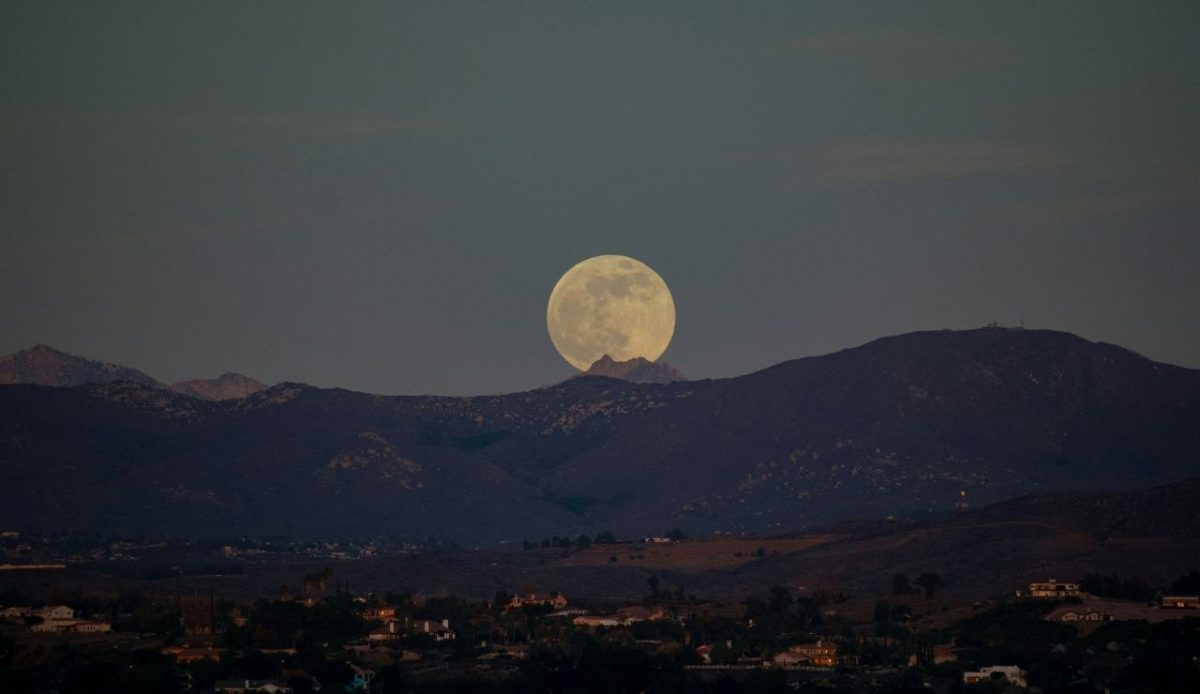
California’s geography offers a variety of perspectives, from the silent deserts of Death Valley to coastal cliffs in Big Sur and Point Reyes. Inland parks like Joshua Tree provide excellent conditions with dry air and low humidity. Along the Pacific, the moon’s reflection over the ocean enhances its brilliance, especially around Monterey Bay. Mild evening temperatures invite visitors to stay outdoors for hours, capturing the glowing orb as it moves higher across the horizon. The contrast between land and sea creates one of the most cinematic moon views in America.
7. Oregon
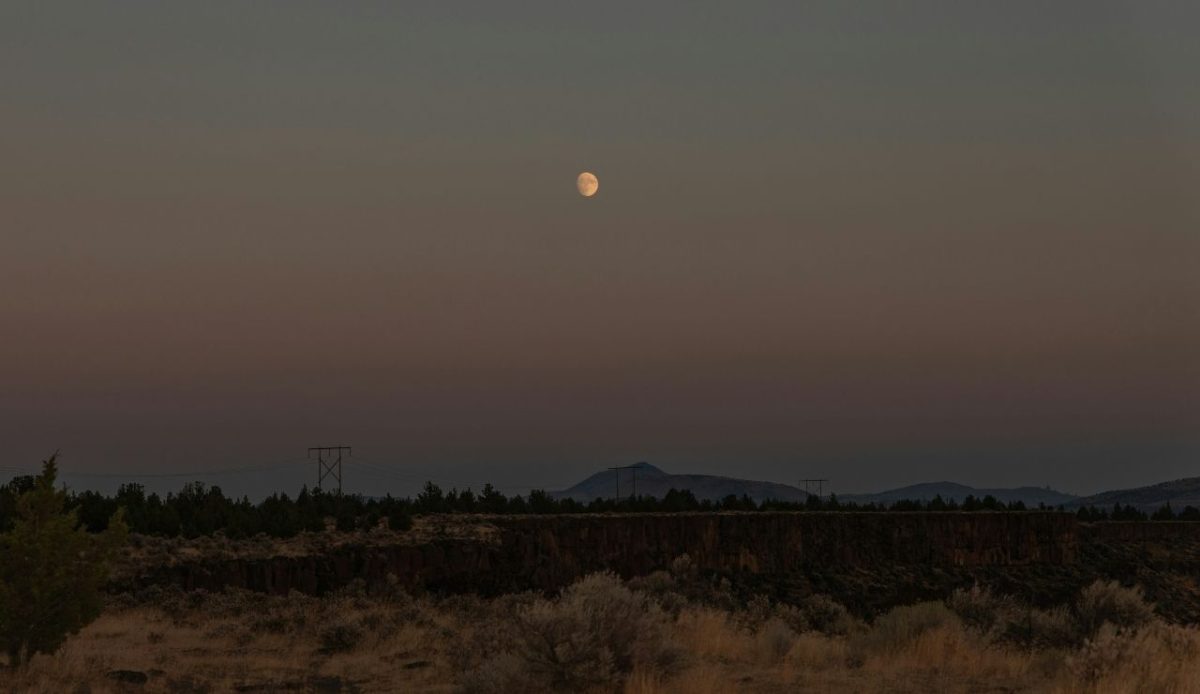
Oregon’s Outback Dark Sky Sanctuary spans over two million acres in Lake County, offering exceptional 360-degree visibility. The high desert’s lack of moisture and artificial lighting allows the moon to dominate the night sky. Rural roads and flat plateaus near Summer Lake make for easy access points with wide open views. Local astronomy groups often gather here to document lunar events, drawn by the consistently clear atmosphere. When the supermoon rises, it casts long silver shadows across the rugged volcanic plains.
8. Pennsylvania
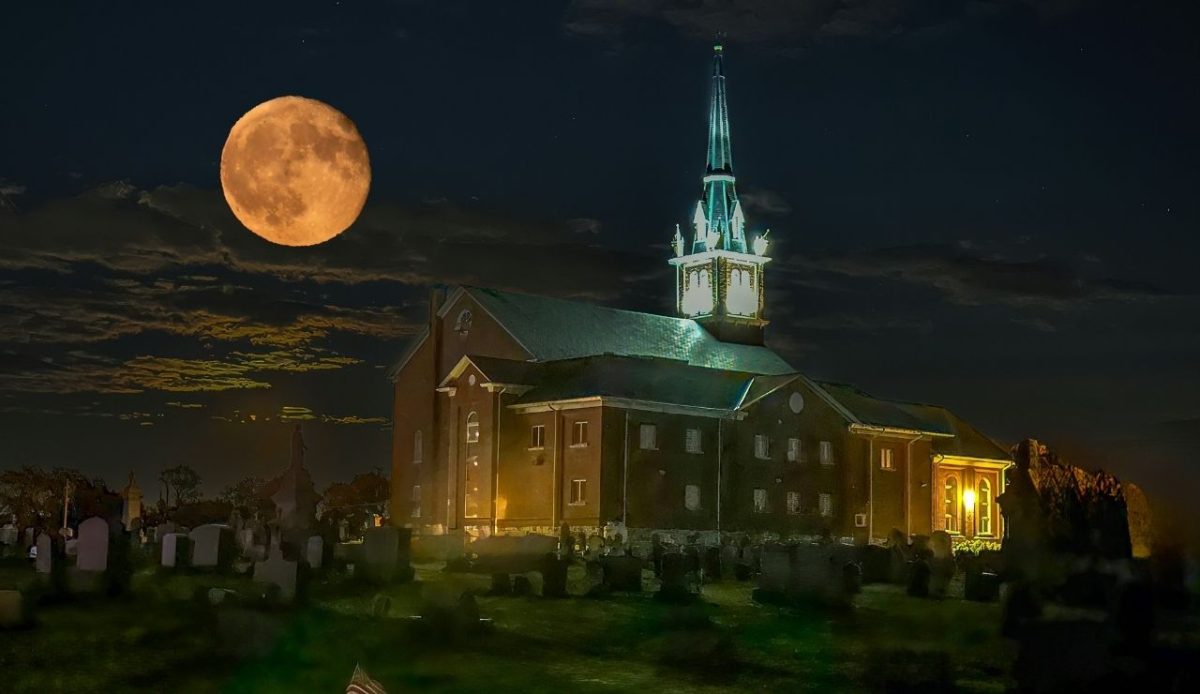
Cherry Springs State Park in north-central Pennsylvania is one of the darkest viewing sites east of the Mississippi. Strict light restrictions and its elevated setting help protect night visibility. During the supermoon, east-facing clearings provide a perfect window as the moon rises above the trees. Onlookers often note how the moonlight spreads across the forest canopy, creating an almost daylight glow. The park’s educational programs on astronomy make this an engaging destination for both families and experienced sky enthusiasts.
9. Hawaii
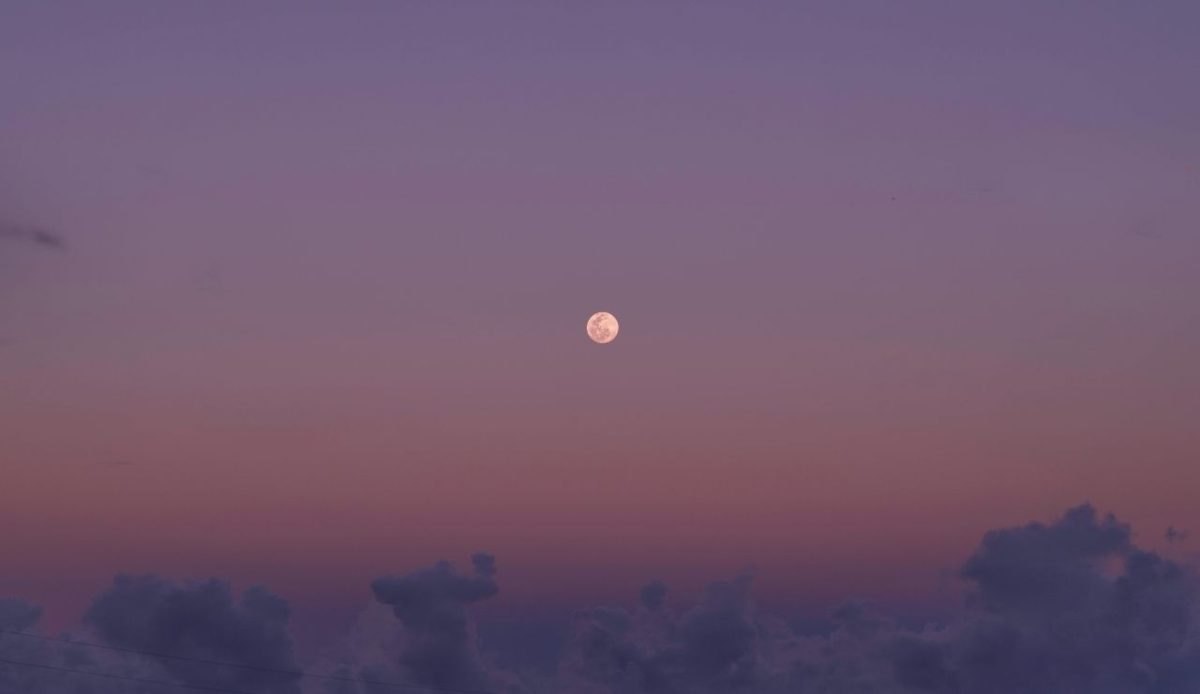
On the Big Island, Maunakea’s slopes offer a perspective that few places can match. The thin air above the clouds produces a remarkably steady view of the moon’s edge and color. From visitor-approved lookouts, travelers can watch the supermoon rise over the Pacific with unmatched clarity. Even lower elevations like Waimea and Kona offer clear skies and minimal glare. November evenings often bring light winds and comfortable temperatures, making Hawaii an exceptional vantage point for both science and scenic beauty.
10. Alaska
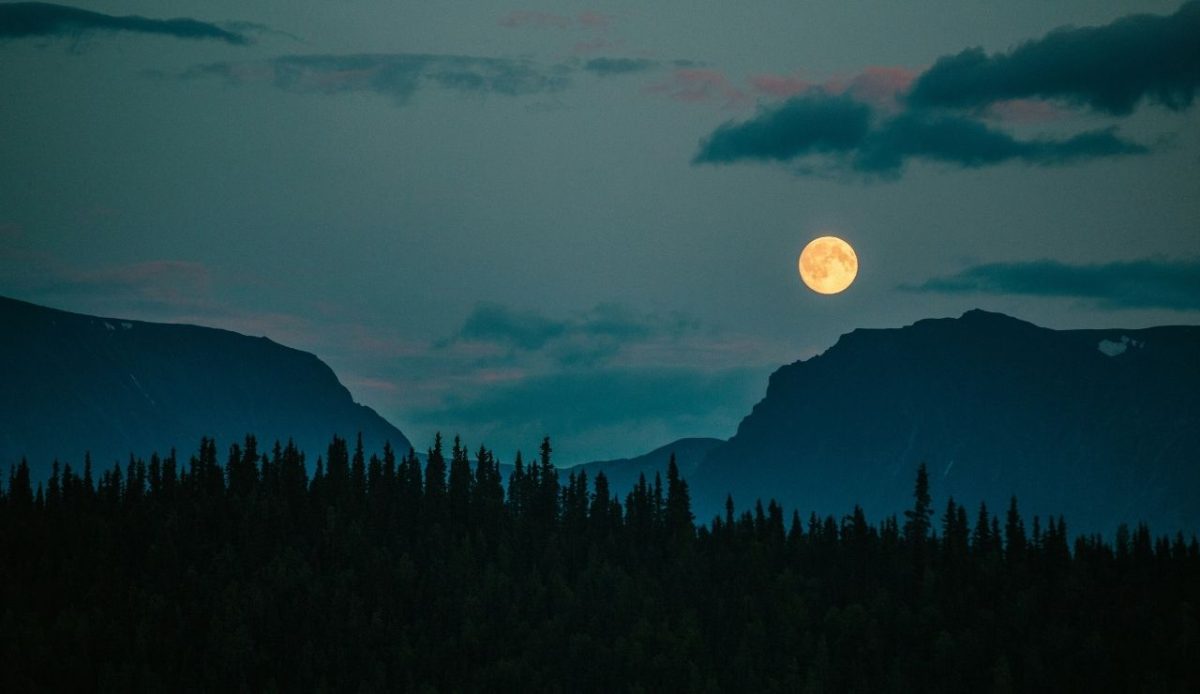
Alaska delivers one of the most dramatic backdrops for the 2025 supermoon. Around Anchorage and the Kenai Peninsula, snow-capped mountains reflect light across fjords and frozen lakes. The early sunset allows viewers to see the entire lunar climb against a dark blue twilight. The crisp, cold air sharpens contrast and minimizes shimmer, turning the moon into a clear, radiant disc. While temperatures can be low, the reward is a luminous, still landscape that captures the event’s full grandeur.
