
Cold seasons in some nations stay far beyond the usual three-month pattern. In these regions, snow can coat towns for half the year, daylight hours shrink, and temperatures drop so low that metal can freeze instantly outdoors. Harsh storms and icy terrain influence daily routines, travel, food storage, and even school schedules. People in these places often gain strong winter skills, from dressing in insulated layers to managing vehicles in deep snow. The following countries are known for extended winters based on climate reports, long stretches of sub-zero days, and persistent snow across large parts of their territory.
1. Russia
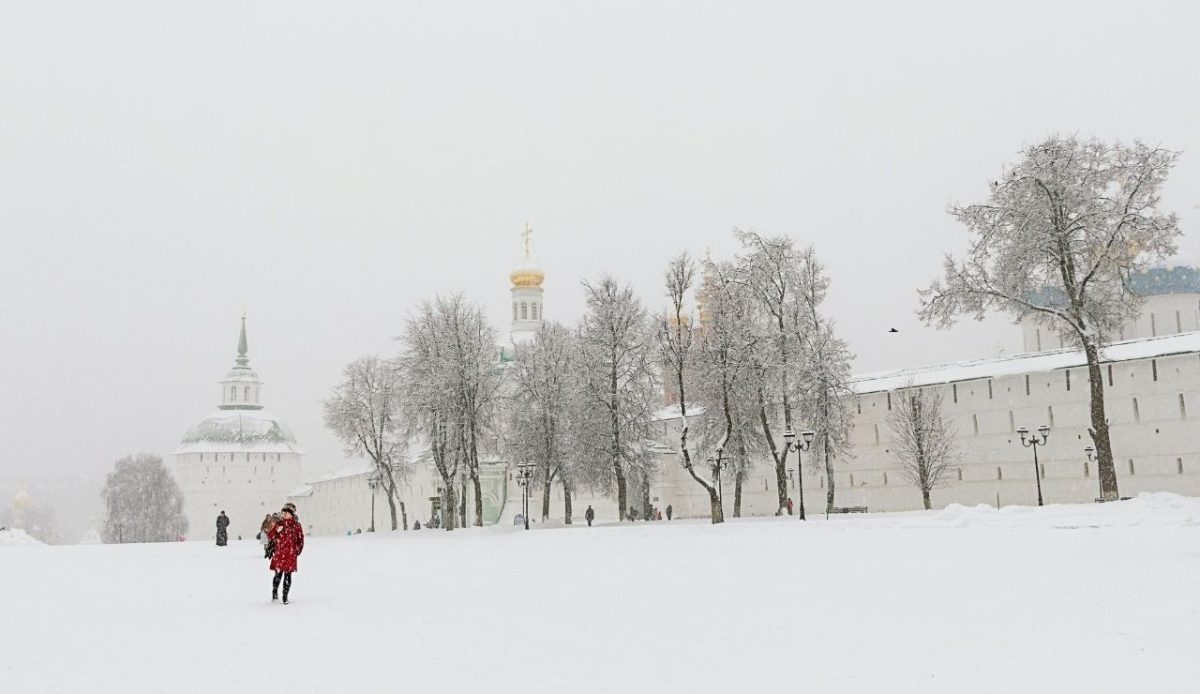
Russia sees extremely long winters, especially across Siberia and the Far East. Towns in Yakutia regularly record temperatures far below zero from late autumn to early spring. Many rural homes rely on thick walls, heavy heating systems, and snow tractors for routine errands. Roads may ice over for months, and rivers freeze so hard that seasonal ice routes are used for transport. The cold can last so long that local construction relies on special methods to protect foundations from frozen ground. Polar nights near the Arctic coast mean weeks without sunlight, making bright lamps and vitamin D part of everyday planning.
2. Canada
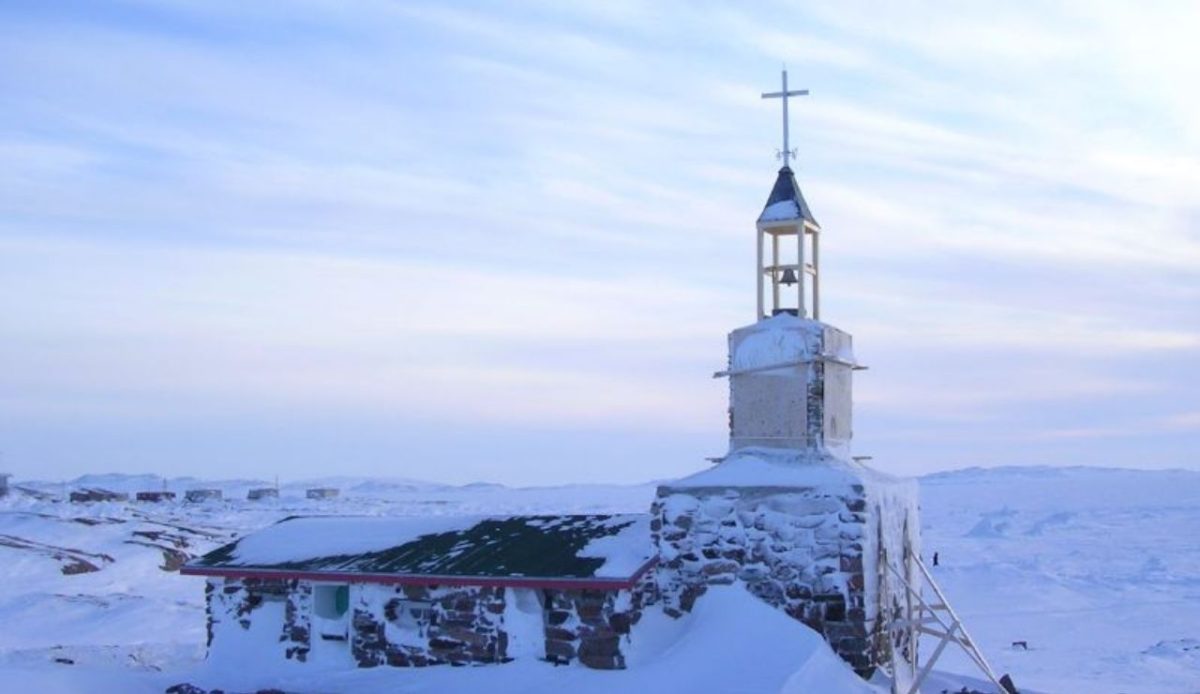
Canada experiences a wide stretch of winter months across its northern provinces and territories. In places like Nunavut and Yukon, ice and snow can stay from October into late April, while central regions see long cold spells that affect daily commutes and school routines. Heating systems run constantly, and public services prepare for icy roads and blizzards. Locals use snow tires, engine block heaters, and winter clothing designed for intense wind chill. Outdoor culture remains active, with ice skating, snowshoeing, and hockey rinks becoming community hubs. Tourists arrive for frozen lakes, winter festivals, and northern lights experiences, especially in northern towns and national parks.
3. Greenland (Denmark)
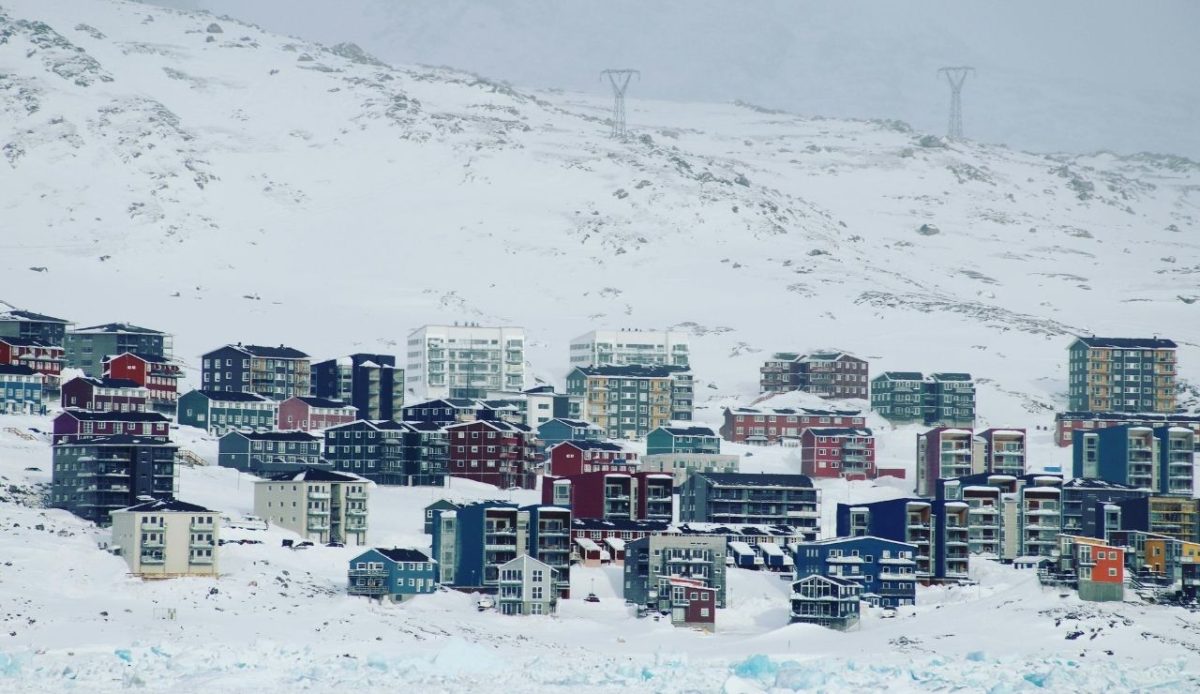
Greenland endures extended winters that bring polar night to its northern settlements. Many communities see months of frozen sea ice, which supports traditional hunting travel by sled and snowmobile. Temperatures stay well below freezing much of the year, and homes are built for strong insulation against Arctic winds. Supplies often arrive by ship only in short summer windows, so planning and storage matter through the cold season. Residents rely on thermal layers, heated boots, and sturdy outerwear. Visitors come for iceberg views, aurora displays, and remote nature, often joining guided tours due to the harsh terrain and safety needs in icy conditions.
4. Finland
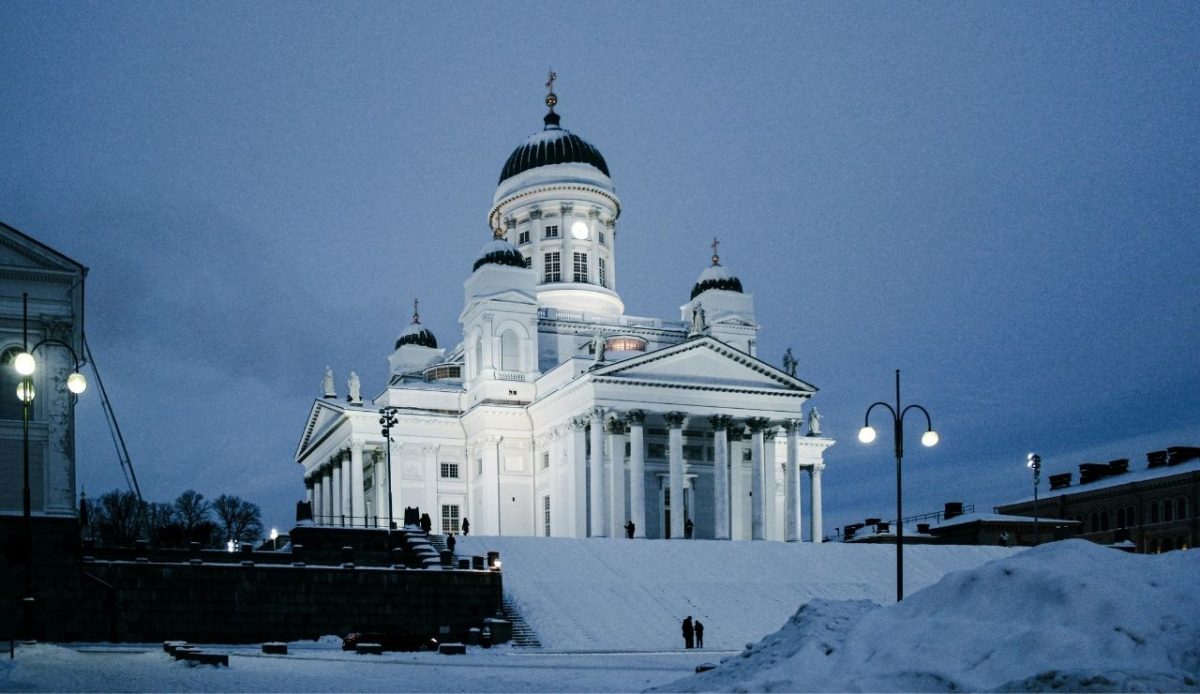
Finland’s winter lasts longest in Lapland, where snow can lie on the ground for more than half the year. Sub-zero nights stretch through early spring, and daylight dwindles in midwinter, especially near the Arctic Circle. Saunas are used not just for comfort but also for traditional wellness routines after freezing outdoor air. Towns maintain heated sidewalks in some areas and rely on snow plows that run almost daily during peak season. Reindeer herding continues in deep snow, assisted by snowmobiles. Travelers visit to see the aurora, stay in ice hotels, and enjoy ski parks that remain open longer than in most countries.
5. Sweden
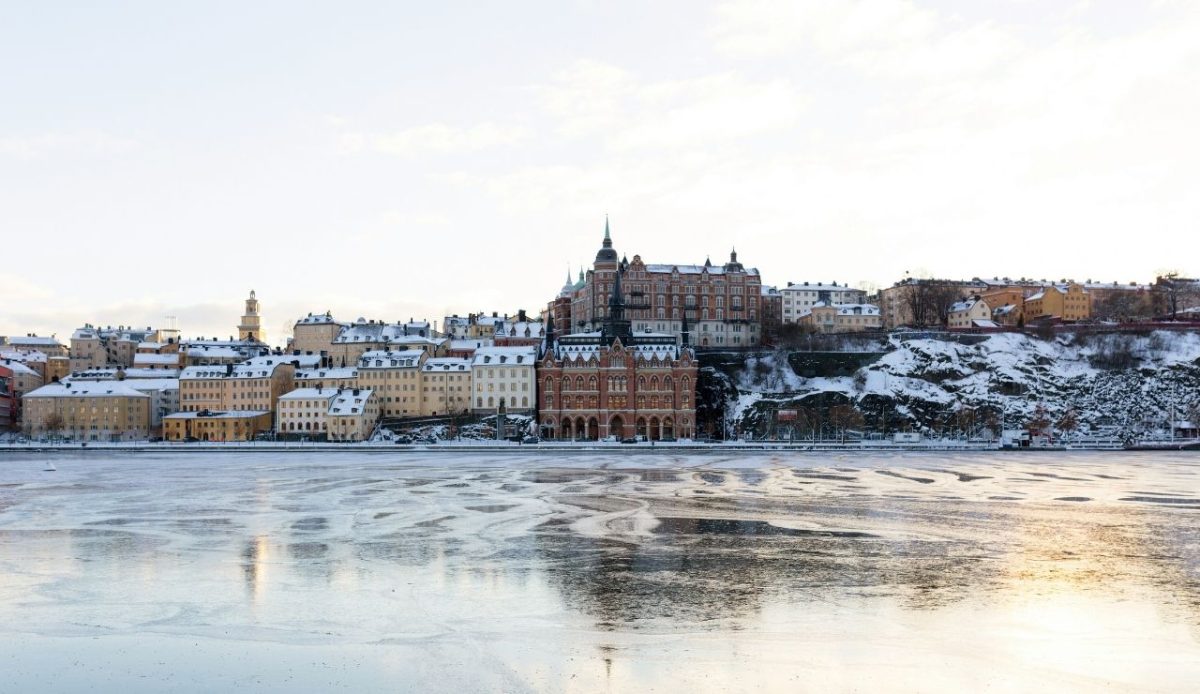
Northern Sweden sees some of Europe’s longest winters, with snow cover lasting into late April. Inland regions can record extended cold that pushes residents to use heavy insulation, triple-glazed windows, and efficient heating. Winter tires are required for safety during icy months, and long nights encourage cozy home culture and strong indoor lighting. Many communities enjoy skiing, snowmobiling, and frozen lake fishing even in severe cold. Trains and buses operate through storms thanks to strong winter engineering standards. Tourists explore Lapland to meet Sami communities, ride dog sleds, and view the aurora during long polar nights.
6. Norway
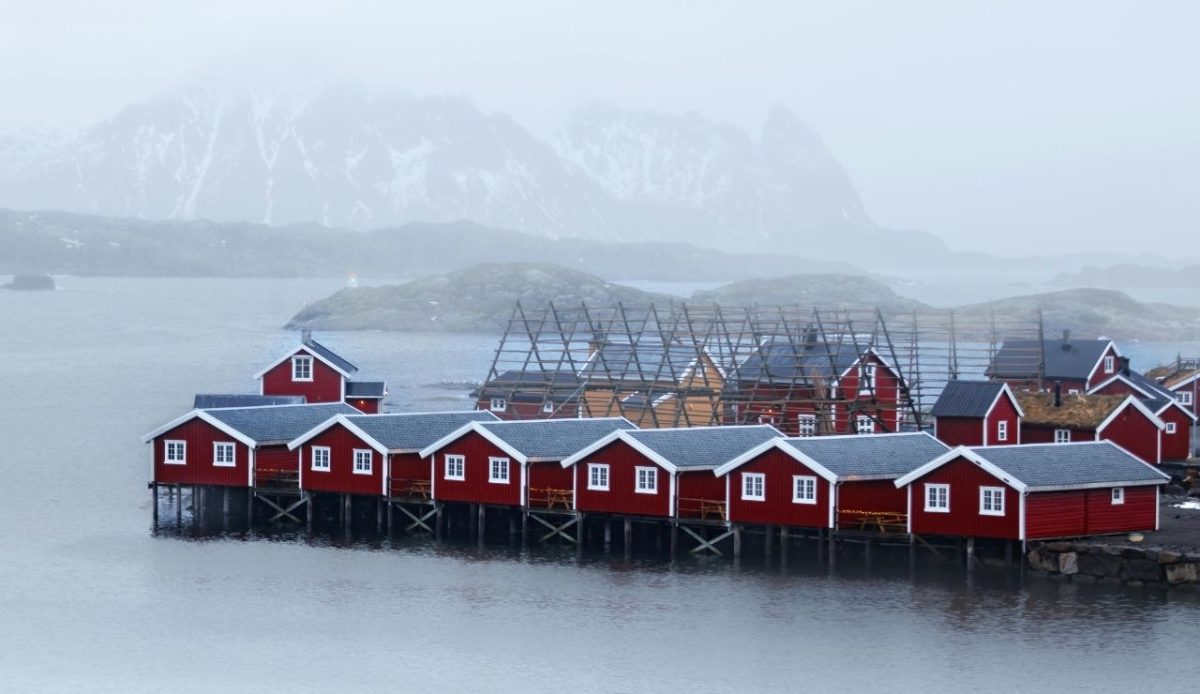
Norway’s winter stretches long in the north, where towns near the Arctic Circle experience weeks without sunrise and deep cold through late spring. Snow blankets mountain passes, and remote fjord communities may rely on ferries and plowed tunnels to stay connected. Locals use layered wool clothing, insulated boots, and studded tires to handle icy roads and slippery sidewalks. Northern settlements prepare in advance by stocking supplies, maintaining strong heating systems, and organizing daylight lamps to balance limited sunlight. Winter culture remains active with skiing, cross-country trails, and coastal fishing adapted to frozen conditions.
7. Mongolia
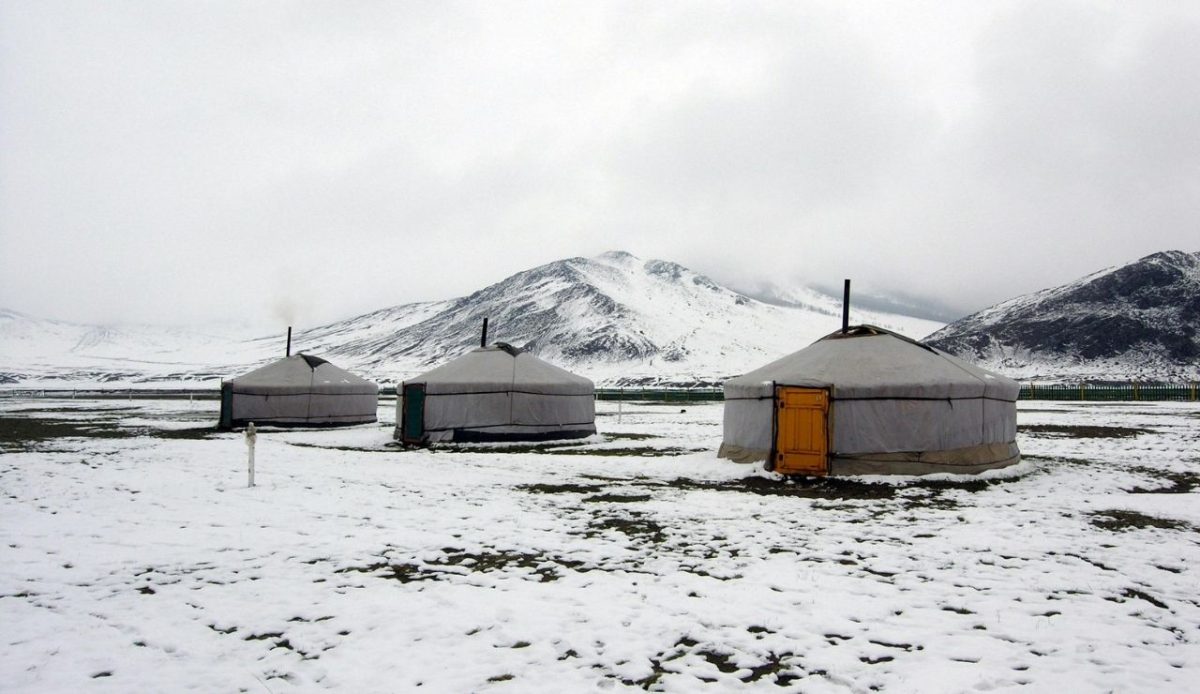
Mongolia faces a long, harsh cold season driven by dry continental air and high-elevation plains. Winter often runs from November into April, with biting wind and heavy frost across wide grasslands. Villagers in rural areas keep livestock in warm shelters and store hay early to prevent losses during severe cold events. Yurts, known for felt insulation, help families stay warm in remote regions where temperatures can fall sharply overnight. Urban residents use heavy jackets and strong heating sources to handle frigid streets and icy sidewalks. Horse herders ride across frozen steppes, and festivals like the winter games bring archery, horse events, and traditional sports. Tourists visit for snowy desert scenery, nomadic culture, and clear starry skies untouched by city lights.
8. Kazakhstan
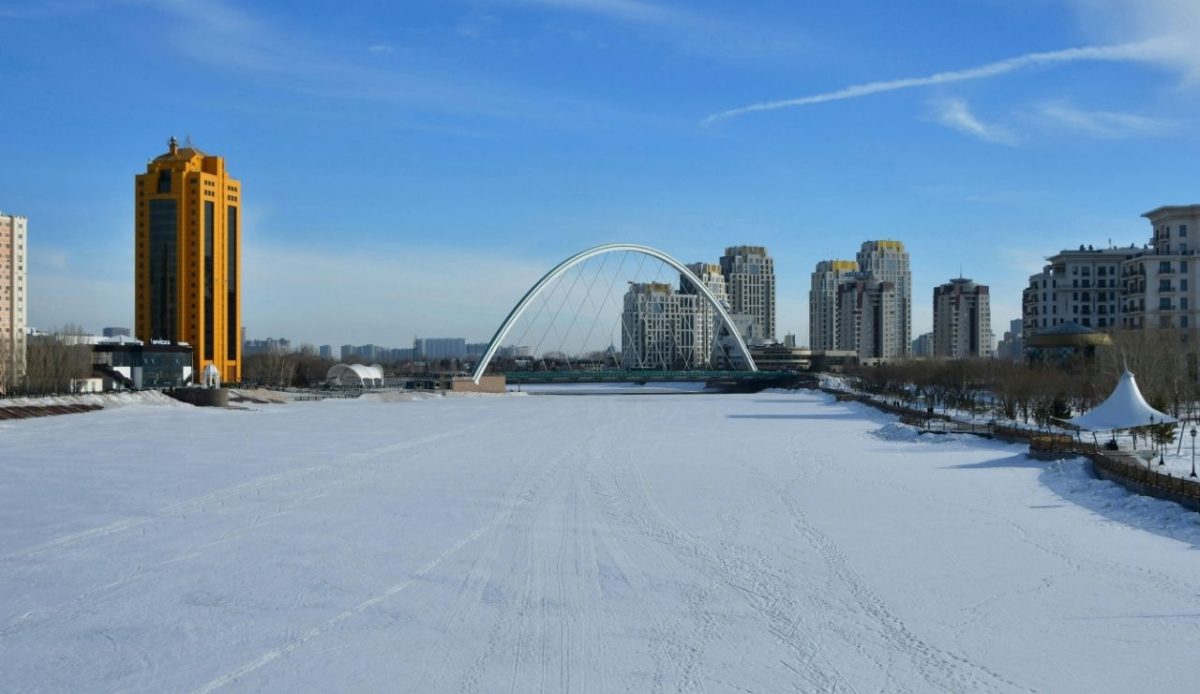
Kazakhstan’s winters linger across its steppe and northern cities, often holding deep frost from late autumn into early spring. Apartment buildings and homes rely on centralized heating networks to stay comfortable during long stretches of sub-zero days. Roads freeze early, and snow maintenance teams work regularly to keep highways open for freight and daily travel. Rural families prepare winter fuel, stock food, and care for livestock through severe cold. Cities like Astana brace for sharp winds that lower temperatures further, making insulated clothing and sturdy footwear common daily gear. Winter traditions feature hearty meals, indoor gatherings, and celebrations that brighten darker months. Visitors arrive for frozen lake scenery, sledding hills, and cultural museums paired with snowy city views.
