
Rick Steves has spent decades helping people travel in smart and meaningful ways. His advice focuses on preparation, balance, and respect for local life. As 2026 brings new travel tools and tighter budgets, his approach remains as useful as ever. These practical tips will help you plan better, save money, and enjoy your trip with fewer worries and more authentic moments that stay with you long after you return home.
1. Pack Light And Keep It Simple
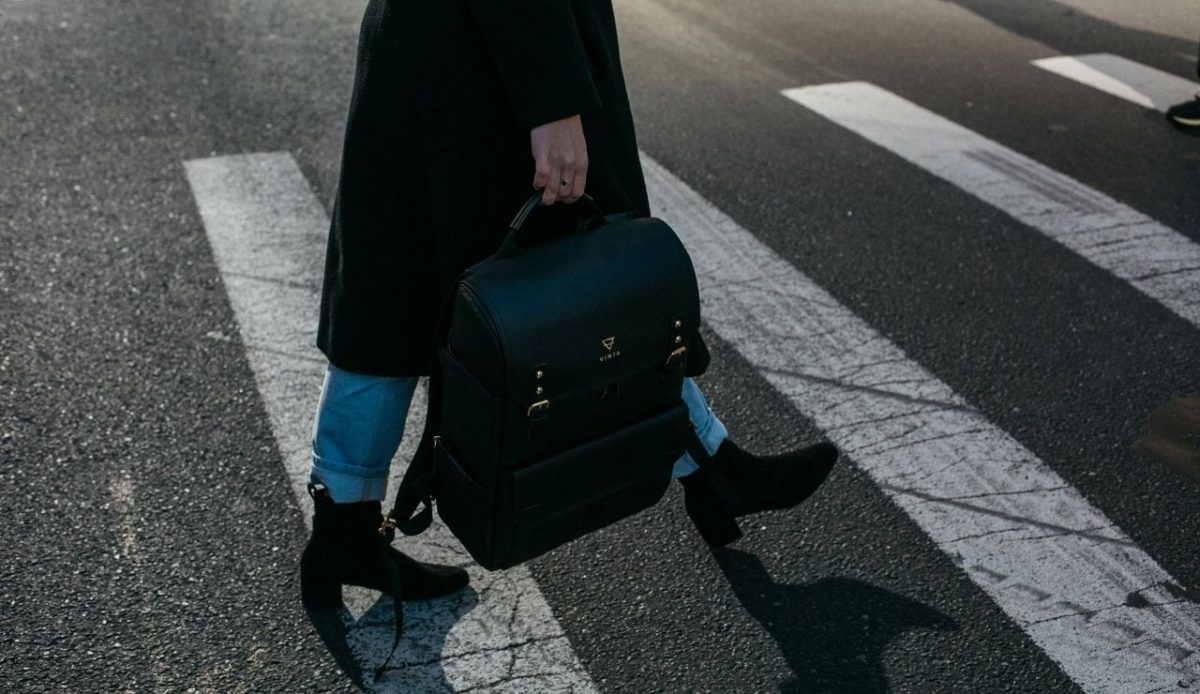
Packing light makes traveling easier and faster. A carry-on bag saves you from baggage fees and long waits. Choose clothes that mix well, dry quickly, and can be layered for comfort. Roll your clothes instead of folding them to save space. Bring one pair of good walking shoes and another pair for casual wear. If you forget something, buy it on the road. Traveling with less gives you freedom to move easily through airports, buses, and narrow streets without extra weight.
2. Stay Near The Center

Choosing a hotel or guesthouse in the center of town can make a big difference. You can walk to markets, museums, and restaurants without needing taxis or trains. Rick Steves recommends staying in one place for at least two nights to relax and feel settled. Changing hotels every day wastes time and energy. Staying longer helps you see the city’s rhythm and meet locals more naturally. For long trips between cities, a night train can save both travel time and hotel costs.
3. Spend Money Where It Matters
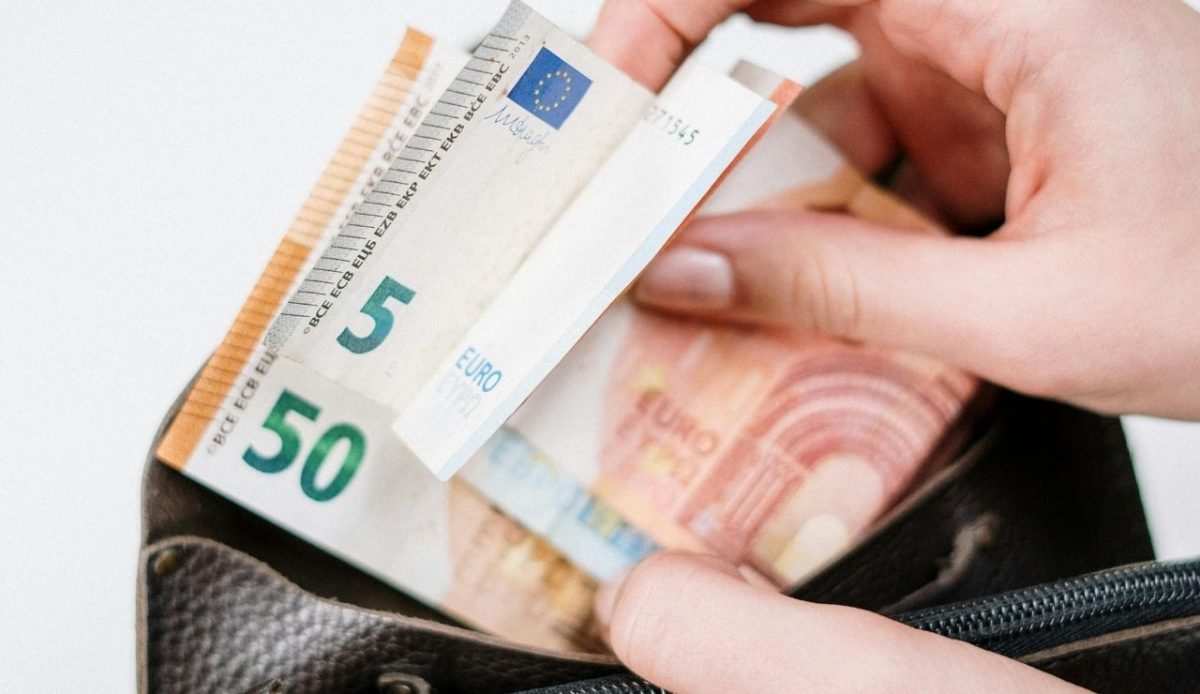
Rick Steves reminds travelers to spend wisely instead of cheaply. Choose value over luxury. Pay more for experiences that bring joy and comfort, such as a guided walk or a good meal made with local ingredients. Save money on hotel extras or expensive breakfasts. A simple, clean room in a central area can be better than a fancy hotel far away. Good planning helps you stay within budget without giving up comfort. Smart spending means enjoying more while wasting less.
4. Plan For Time And Money
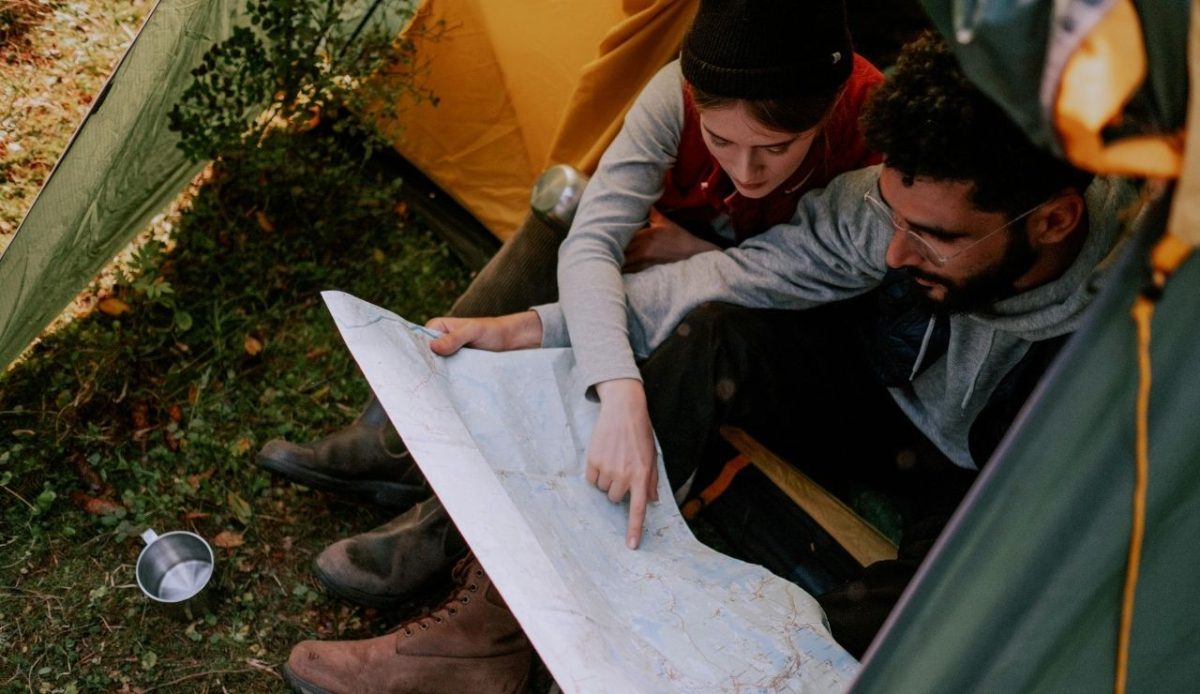
Planning your schedule before traveling saves time and reduces stress. Buy entry tickets online for popular attractions to avoid waiting in long lines. Visit during quiet months to find lower prices and smaller crowds. Check weather conditions and public holidays to avoid surprises. Sometimes paying a bit more for a quick ride after a long flight is worth it for comfort. With digital passes now common, it is easy to organize your travel days and make the most of your time.
5. Keep Your Belongings Safe
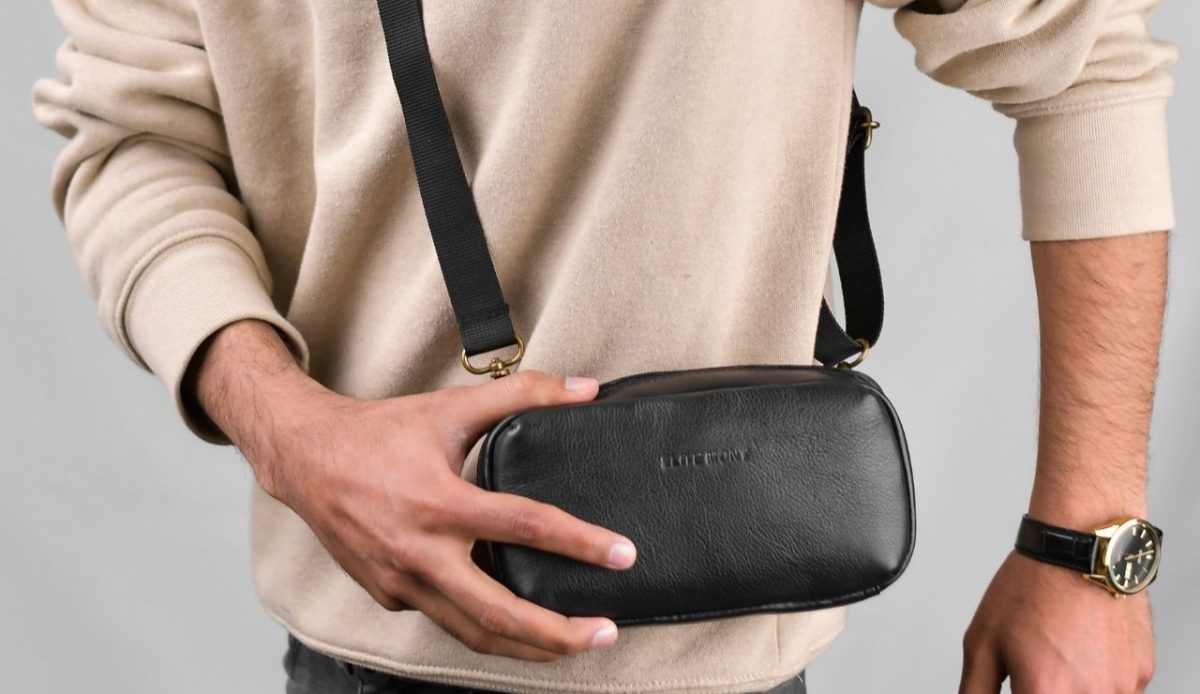
Even the safest cities have pickpockets, so be careful. Use a small crossbody bag that zips closed and keep it in front of you in crowds. Carry only what you need for the day. Leave valuables locked at your hotel. Make digital copies of your travel papers and keep them stored online. Stay alert in busy areas such as bus stops and train stations. Small habits like zipping your bag and keeping your phone close can protect you from theft and make your trip smoother.
6. Write About Your Trip

Writing helps you remember details that photos cannot capture. Take a few minutes each night to write about what you saw, who you met, or how you felt. Small notes help bring back moments that would otherwise fade. Journaling can also calm your mind after long days of sightseeing. You can use paper or a phone app to record ideas and feelings. When you read them later, these words will take you right back to the places and memories that made the trip special.
7. Stay Calm When Plans Change
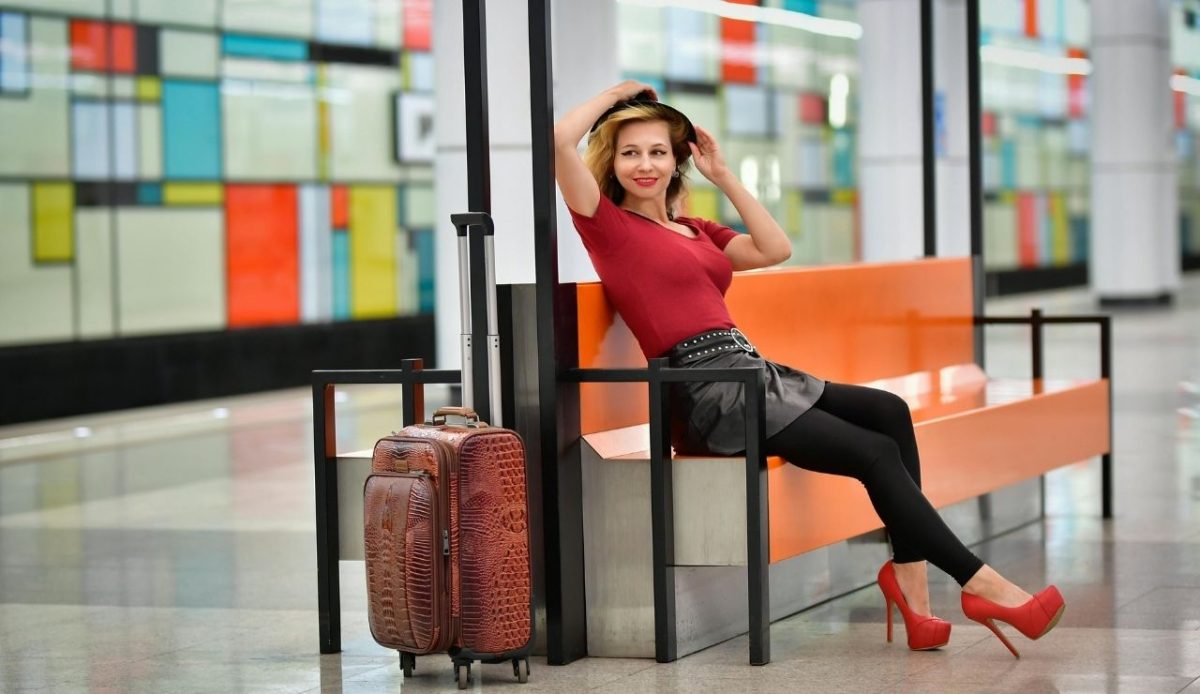
Travel plans often change without warning. Rick Steves believes that flexibility is part of good travel. Flights can be delayed and weather can shift, but staying calm helps you adapt faster. Some of the best memories come from surprises that were never planned. When something goes wrong, take a deep breath and look for a new plan instead of feeling upset. By keeping a positive attitude, you turn challenges into stories worth remembering for years.
8. Support Local People
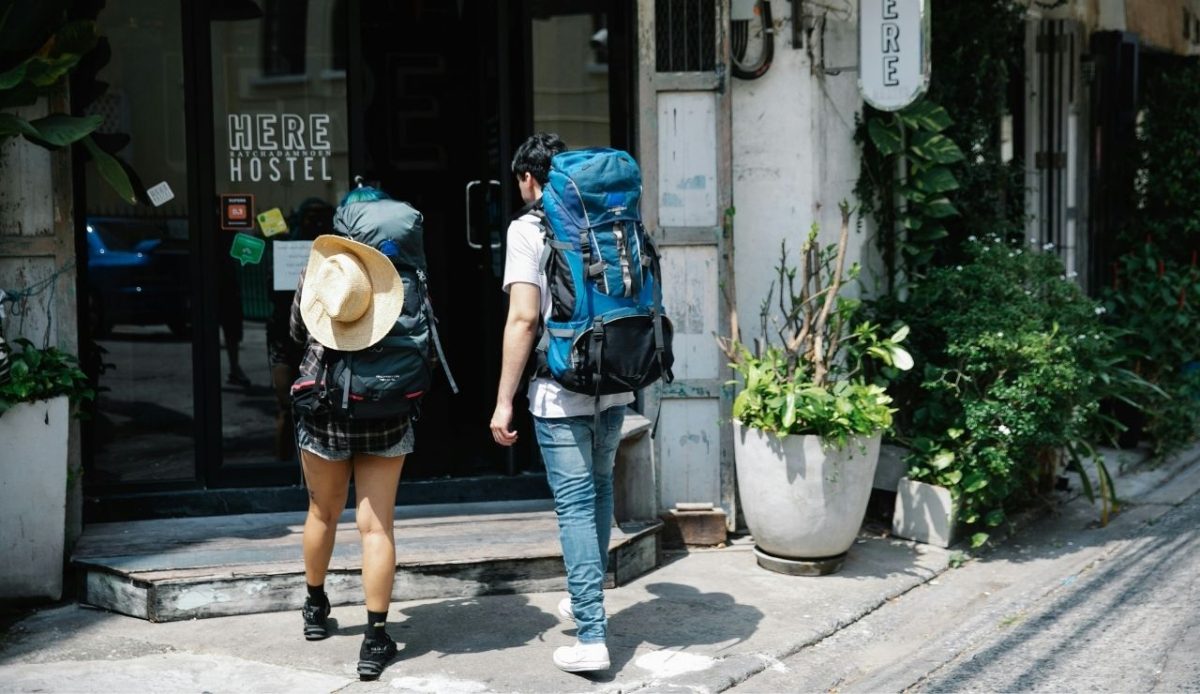
One of the best ways to travel kindly is to support local businesses. Stay at small inns instead of hotel chains. Eat at family-owned cafés or street markets. Shop at local stores instead of global brands. You will spend less money and enjoy a more authentic experience. Supporting local people helps the community grow and keeps traditions alive. These connections give your trip meaning and remind you that travel is about people as much as places.
9. Visit Smaller Towns Too
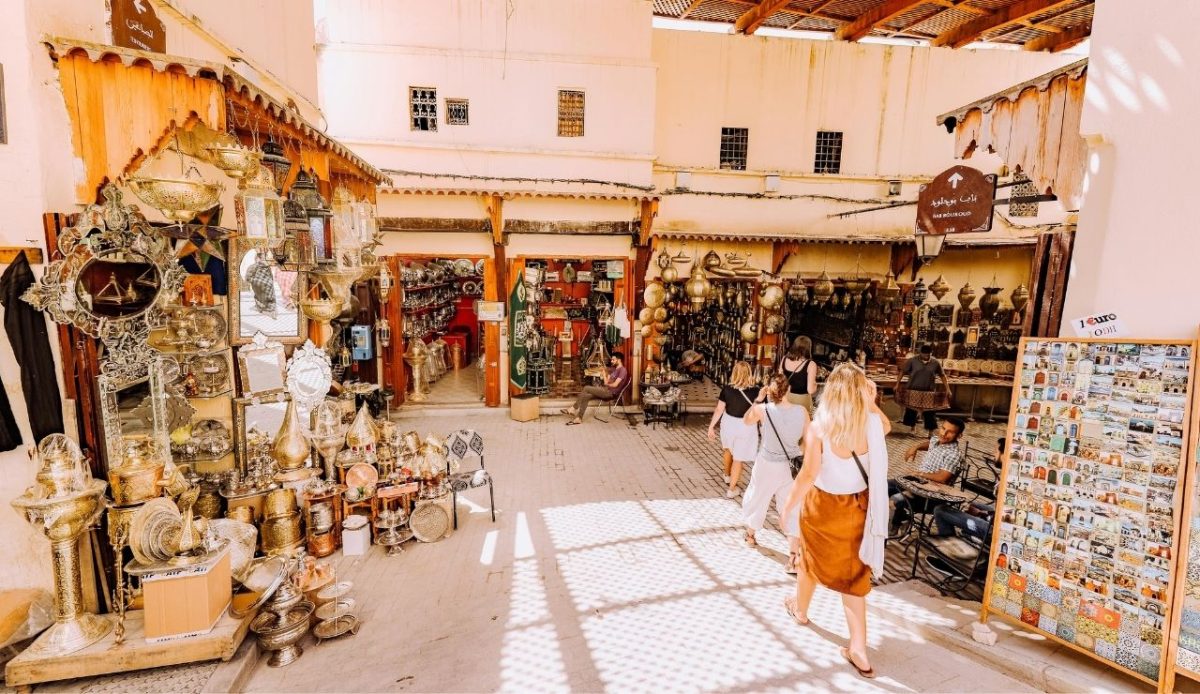
Big cities are exciting, but smaller towns show the true heart of a country. Rick Steves suggests visiting these places to see how locals live. They are usually quieter, cheaper, and more personal. Walking through small markets or talking to residents often feels warmer than sightseeing in large crowds. Visiting smaller towns also helps balance your trip between busy days and peaceful ones. You will come home with stories that most tourists never experience.
10. Make A List But Take Your Time
A plan keeps your trip organized, but rushing can ruin the fun. Rick Steves says to list your top sights, then leave room for slow mornings or unexpected finds. Tell yourself you can always return someday. This idea removes pressure and lets you enjoy what is in front of you. Some of the best memories happen when you wander without a plan. Taking your time helps you see more deeply and appreciate the details that fast travel misses.
