
Planning and booking a trip today is different from a few decades ago. Instead of relying only on guidebooks and paper maps, travelers now turn to apps that save time and reduce stress. These tools help with booking flights, finding a hotel, translating signs, or even sharing expenses with friends. For teens planning their first independent trip and adults remembering their early journeys, travel apps remove uncertainty and make adventures smoother. Each app listed here has become popular because it solves a specific need on the road. Learning how to use them before leaving home helps travelers stay organized, confident, and ready for unexpected changes.
1. Google Maps
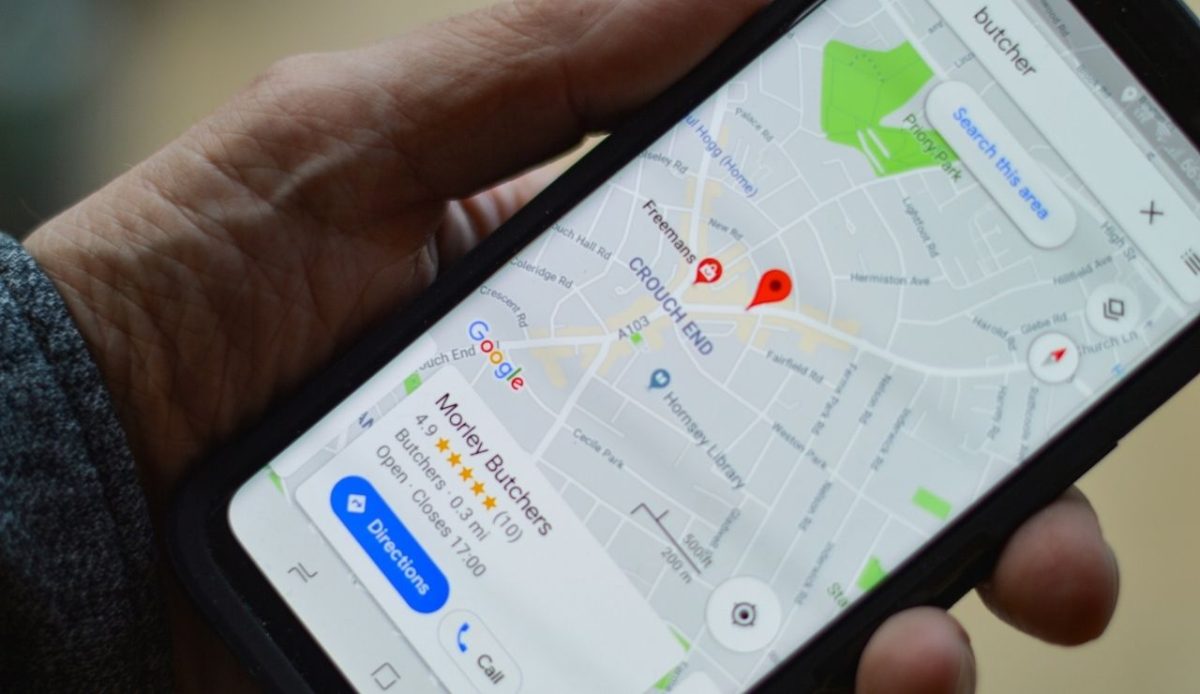
Google Maps remains one of the most trusted tools for navigation around the world. Travelers use it to find walking routes through city streets, driving directions in rural areas, or public transit schedules in major cities. The ability to download offline maps is especially helpful when mobile data is limited. Features like real-time traffic updates, restaurant reviews, and street view images allow visitors to plan with confidence. Teens traveling alone can benefit from location sharing, which lets friends or family track movements for safety. Google Maps combines accuracy with convenience, making it an essential app for nearly every trip.
2. Airbnb
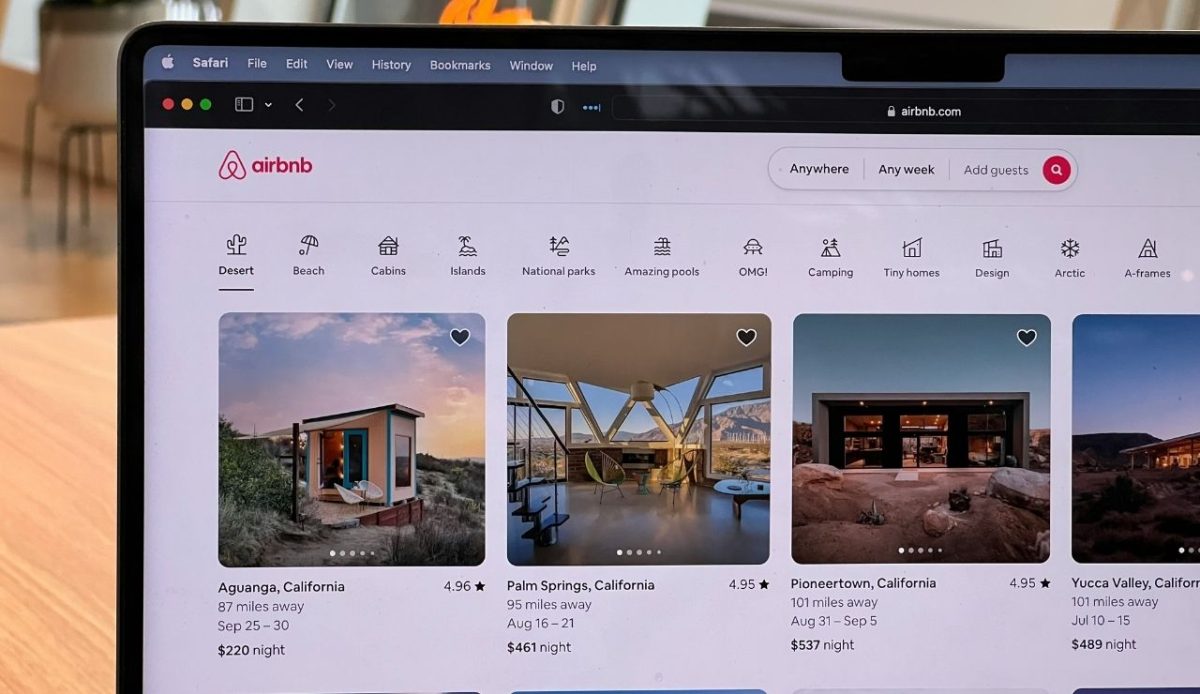
Airbnb gives travelers the chance to stay in more than just hotels. The app connects users with hosts offering apartments, spare rooms, or unique spaces like cabins and boats. Many travelers prefer this option because it feels more personal than standard lodging. The platform includes verified reviews, messaging tools, and clear cancellation policies, which help guests feel secure. Travelers can also book guided experiences run by locals, ranging from cooking lessons to walking tours. Families and groups of friends value the option to rent entire homes, which provides space and flexibility. Airbnb has changed the way many people approach accommodations by making a wide variety of stays available.
3. Skyscanner

Skyscanner is a favorite for finding affordable flights without spending hours searching across websites. The app scans airlines and travel agencies to highlight the lowest fares. Flexible date options let users view prices across an entire month, which is useful for students or families planning within a budget. Skyscanner also includes hotel and car rental searches, giving travelers a complete booking tool. Alerts notify users when ticket prices drop, making it easier to grab deals. Teens on school breaks and adults arranging vacations both find value in the clear comparisons. Flight planning becomes less stressful when reliable information is gathered in one place.
4. Roadtrippers

For those who love traveling by car, Roadtrippers is a valuable tool. It helps plan driving routes while highlighting interesting stops along the way, from scenic parks to quirky roadside attractions. Travelers can build custom maps that include gas stations, hotels, and restaurants. The app also shows estimated fuel costs, which helps with budgeting. Teens exploring with friends and families, heading out for summer vacations find the planning tools especially useful. Roadtrippers adds excitement to long drives by turning them into opportunities for discovery. The app encourages travelers to enjoy the entire journey, not just the final destination.
5. Google Translate

Language barriers often create stress for travelers, but Google Translate helps bridge the gap. The app supports dozens of languages and offers instant text translation by typing or speaking. Its camera feature scans menus, street signs, or instructions and translates them immediately. Offline language packs are available for places with limited internet access. While translations are not always perfect, they provide enough clarity to order food, ask for help, or read directions. Using this tool also shows locals that visitors are making an effort to communicate. Google Translate gives travelers confidence to interact more openly in new settings.
6. XE Currency

Managing money across borders can be stressful when exchange rates are unclear. XE Currency provides live updates and lets travelers quickly convert between dozens of currencies. The app works offline after downloading the latest data, which is useful when Wi-Fi is not available. It also tracks trends over time, helping visitors decide the best moment to exchange cash. Teens studying abroad and families budgeting during long trips can rely on it to keep expenses transparent. Travelers no longer have to guess or risk overpaying because the app shows exact spending in real time. XE Currency removes uncertainty and makes handling money abroad much simpler.
7. Rome2Rio

Rome2Rio is a powerful tool for planning how to get from one city to another. Travelers enter two locations, and the app displays every option—buses, trains, ferries, flights, and rideshares. It also provides estimated prices and travel times, which help in comparing routes. This is especially useful in regions where schedules are difficult to find or websites are written in unfamiliar languages. Rome2Rio shows how local and long-distance transportation systems connect, saving hours of research. Students backpacking across Europe and families exploring Asia can both benefit from its guidance. Clear directions and realistic times move to destinations simply.
