
Uganda’s entry rules and security protections can turn ordinary tourist behavior into a criminal matter. Detention usually begins with a roadside stop or guard challenge, then a phone check, interview, and paperwork for court.
High-risk zones are not only conflict areas. They include airports, dams, government blocks, wildlife boundaries, and border posts where restricted photography, permit violations, or document gaps are treated as offenses.
This shortlist names five Uganda locations where enforcement is predictable. Each note explains the legal trigger, why travelers get caught, and the common escalation path from warning to arrest to remand while a charge is processed.
1. Entebbe International Airport Perimeter
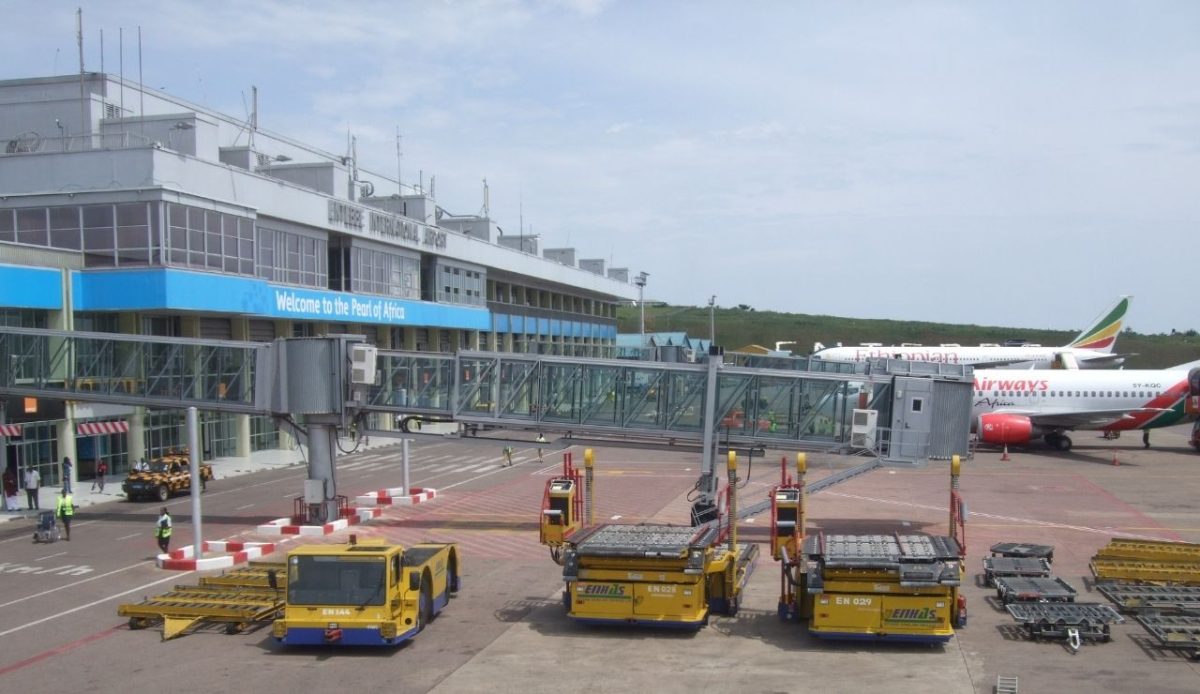
Entebbe International Airport has controlled approach roads, perimeter fencing, and military or aviation police posts. Filming gates, patrols, or airside operations is treated as recording protected infrastructure under national security rules.
Foreign advisories warn against photographing airports, security forces, and other sensitive facilities. A plane clip at drop off or a selfie that captures a checkpoint can trigger an immediate stop.
The usual sequence is seizure of the phone for review, questioning about itinerary and contacts, passport details logged, and holding in an office while supervisors decide on deletion, confiscation, or a case file for court.
2. Owen Falls Dam In Jinja
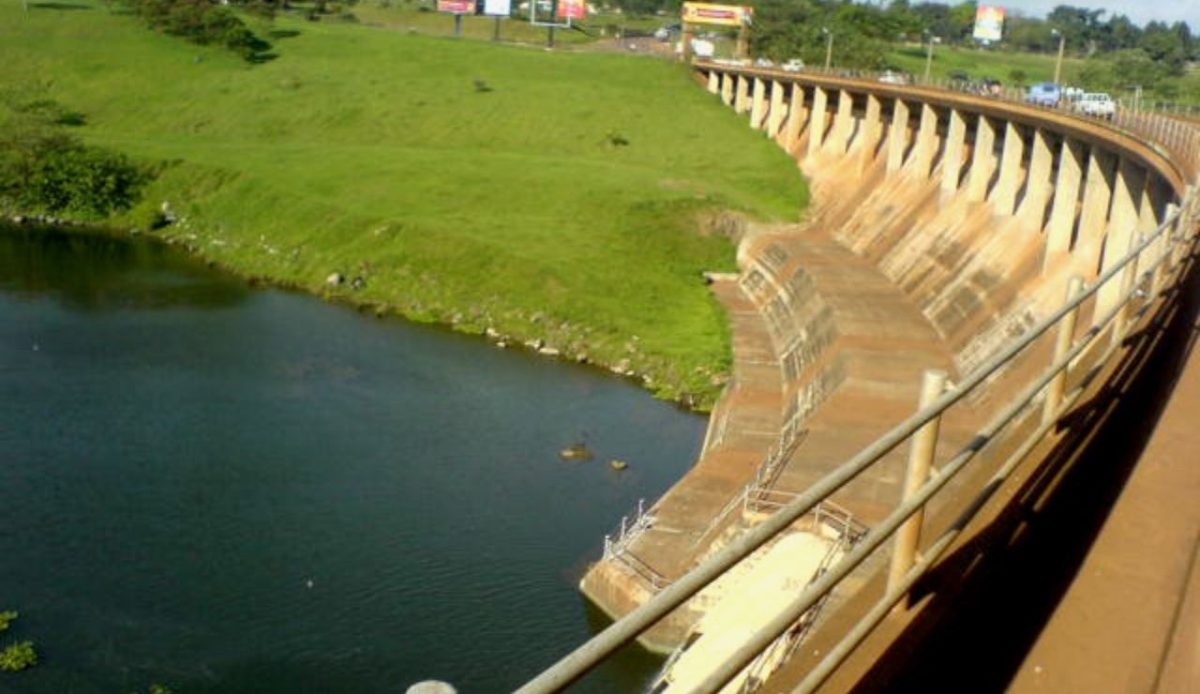
Owen Falls Dam in Jinja, also called Nalubaale Power Station, controls Nile hydropower and grid stability. Security treats the dam, control rooms, and nearby barriers as restricted infrastructure because disruption would affect the national supply.
UK and Canada guidance flag the dam as a no-photography site. Visitors who shoot river panoramas, boat clips, or drone footage can unintentionally include intake structures, guard towers, or access gates.
Enforcement often starts with an order to stop and delete images, then device inspection and identity checks. If filming is repeated, a drone is flown, or refusal occurs, detention can follow while officers document the incident for court.
3. Central Kampala Government Quarter
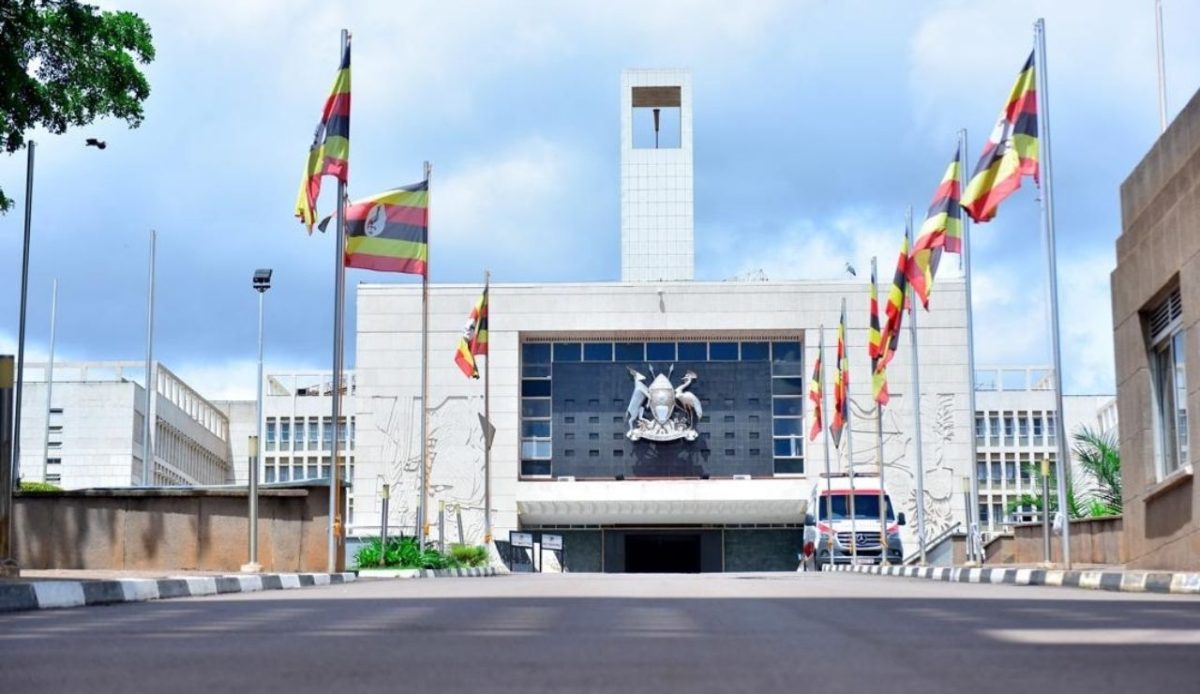
Central Kampala contains Parliament and ministry corridors with embassies and guarded compounds close by. Photography of official or diplomatic sites, and of soldiers or police on duty, is treated as a security offense.
Tourists often aim at architecture, traffic scenes, or street vendors and miss warning signs or plainclothes escorts. A camera pointed toward a gate, convoy, or rooftop post can pose a rapid challenge.
Stops commonly involve moving the person to a station, reviewing images, and taking a written statement. Detention can extend if officers believe the recording was deliberate or if deleted files must be recovered for evidence.
4. Bwindi Impenetrable National Park Entry Zones
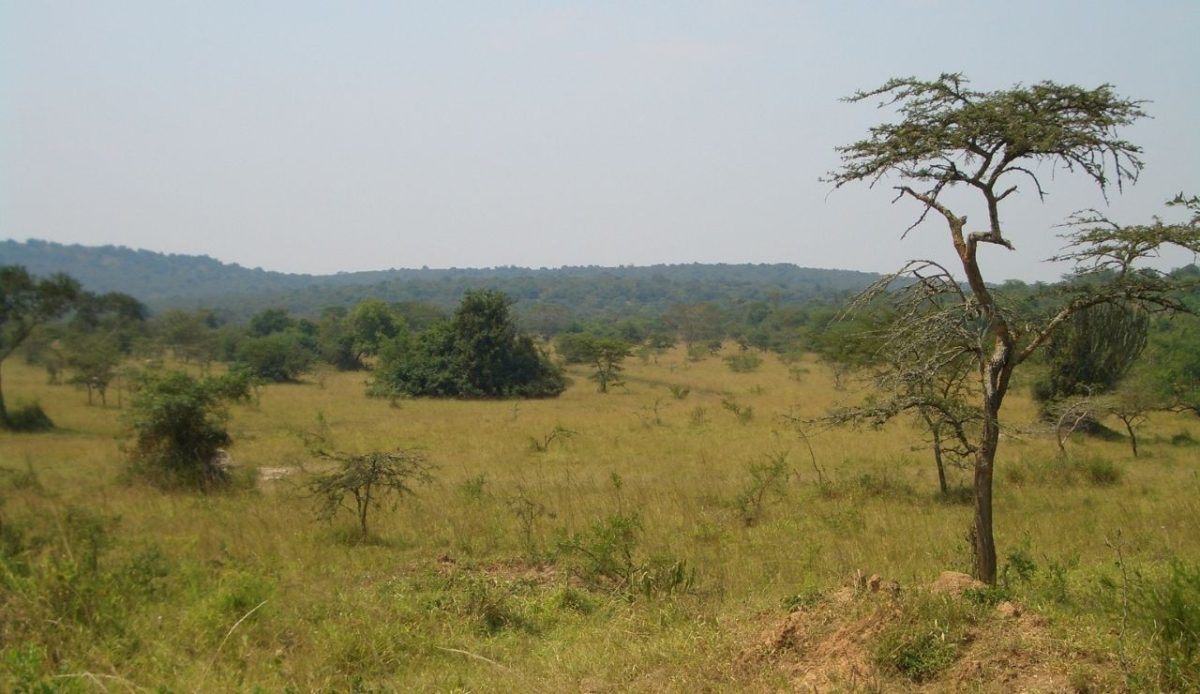
Bwindi Impenetrable National Park is permit-controlled because gorilla groups are managed for disease prevention and habitat protection. Entry without a valid UWA permit or with a forged voucher can be treated as unlawful access.
Risk concentrates at trailheads around Buhoma, Rushaga, and Nkuringo, where informal offers circulate. Some visitors accept cheaper guiding, hike in from villages, or wander past boundary markers to chase a photo.
Rangers can detain visitors while permits, receipts, and guide assignments are verified. If documents do not match the booking system, the case may be referred to the police and court, with possible remand during processing.
5. Bunagana Border Zone In Kisoro District
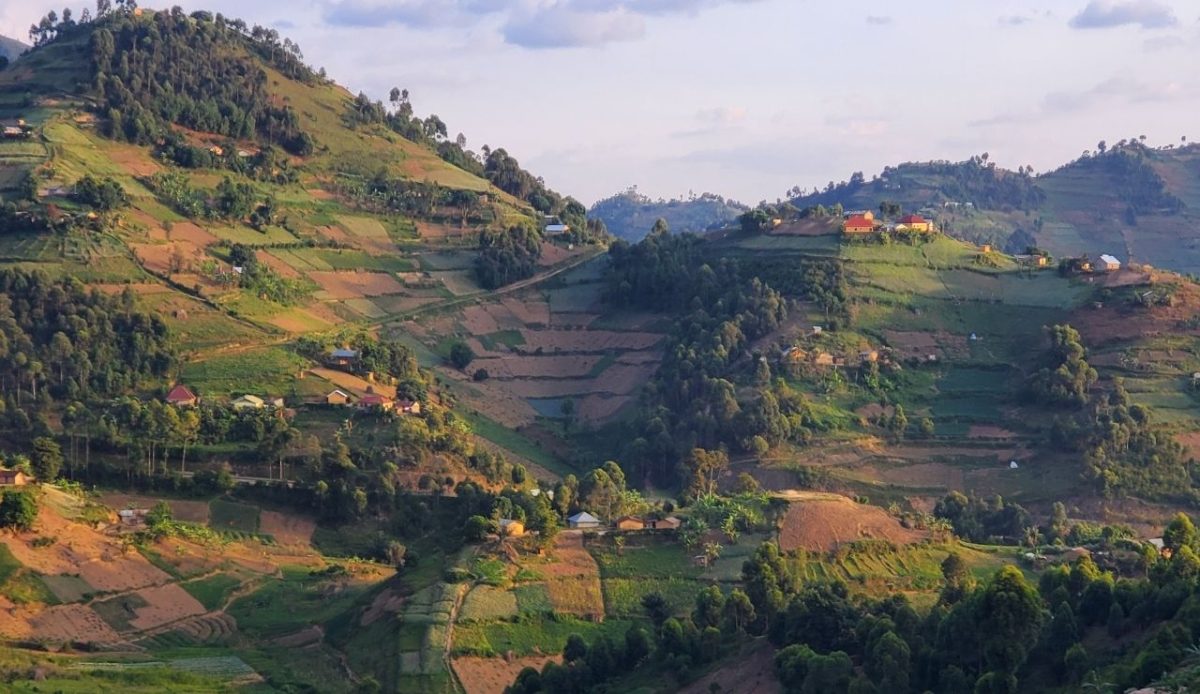
Bunagana in Kisoro District is a high-control border zone because the eastern DRC conflict can disrupt crossings with little notice. Movement, lodging, and filming near immigration lines may be treated as security sensitive.
Travel guidance notes that the DRC side has been controlled by armed groups, and closures have followed clashes. That context increases scrutiny of passports, visas, stamps, and any unexplained route changes.
Detention risk rises when paperwork is incomplete, goods are undeclared, or photos capture officers and facilities. Screening can include baggage search, phone review, and holding until background checks clear and a supervisor authorizes release.
6. Karuma Bridge And Nile Crossing
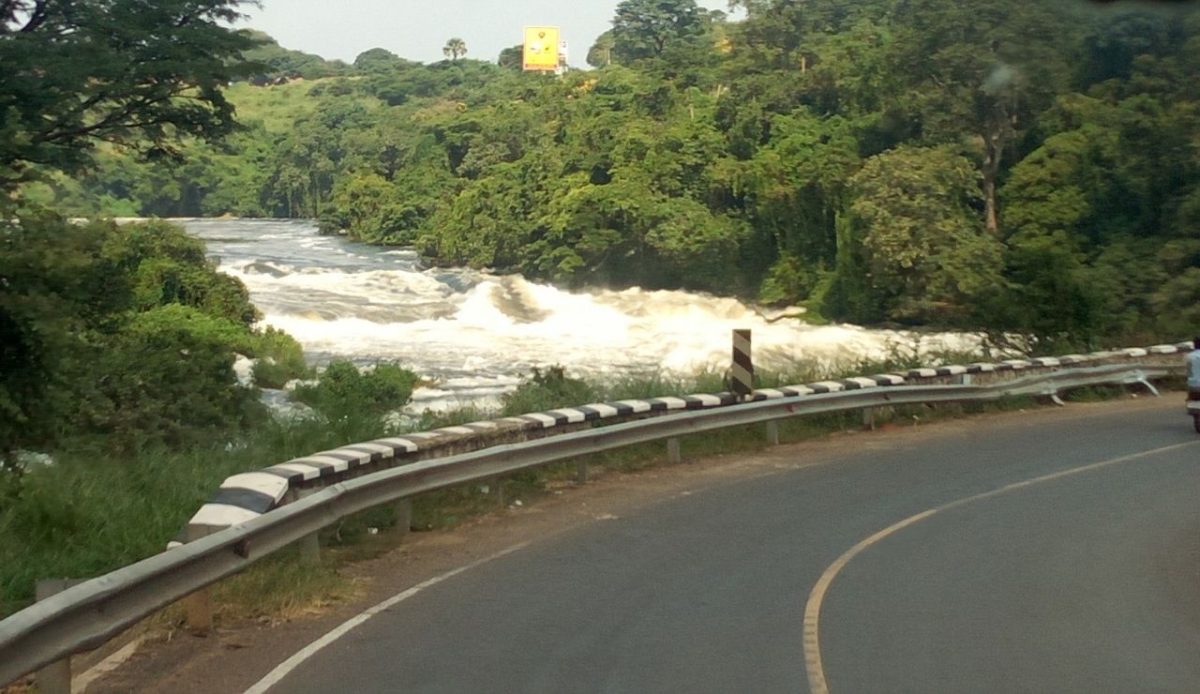
Karuma Bridge sits on the main northbound highway and is treated as a strategic Nile crossing. Stopping on the span, parking on shoulders, or filming guard posts can be read as attention to protected infrastructure.
Drivers often slow for Karuma Falls views, yet restrictions can apply to bridges, checkpoints, and security staff. A phone aimed at the structure or patrol positions may prompt an immediate stop and orders to hand over the device.
Officers may review images, record passport data, and question the route’s purpose. If filming is judged intentional or instructions are ignored, arrest can follow, and release may wait for a supervisor’s decision.
7. Mpondwe Border Post In Kasese District
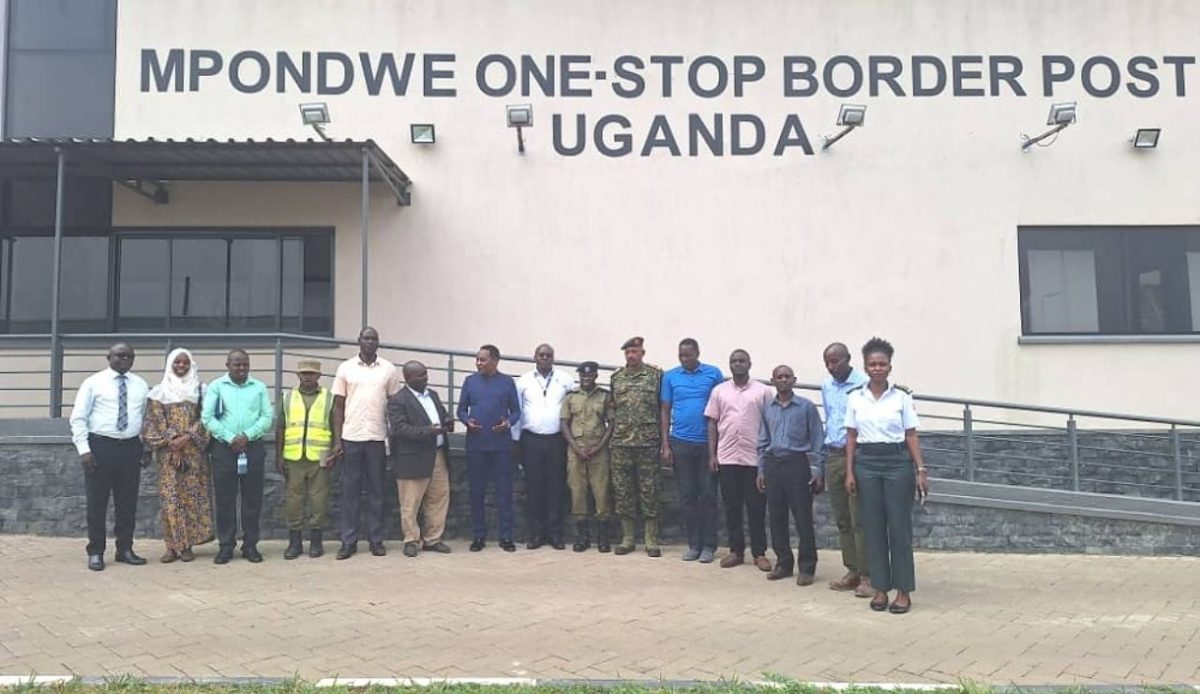
Mpondwe is a formal Uganda DRC crossing in Kasese District, with immigration, customs, and police concentrated in a tight roadside zone. Small documentation errors can become criminal when officers suspect irregular entry or undeclared goods.
Common traps include missing exit stamps, using the wrong visa category for work like filming for pay, or carrying drones without clearance. Photos of officers, booths, or queues can also trigger detention because border facilities are treated as sensitive.
Screening may involve baggage search, phone review, and written statements. Travelers can be held until records are checked across databases, and cases may be referred to court if fraud or smuggling is alleged.
8. Queen Elizabeth National Park And Ishasha Sector
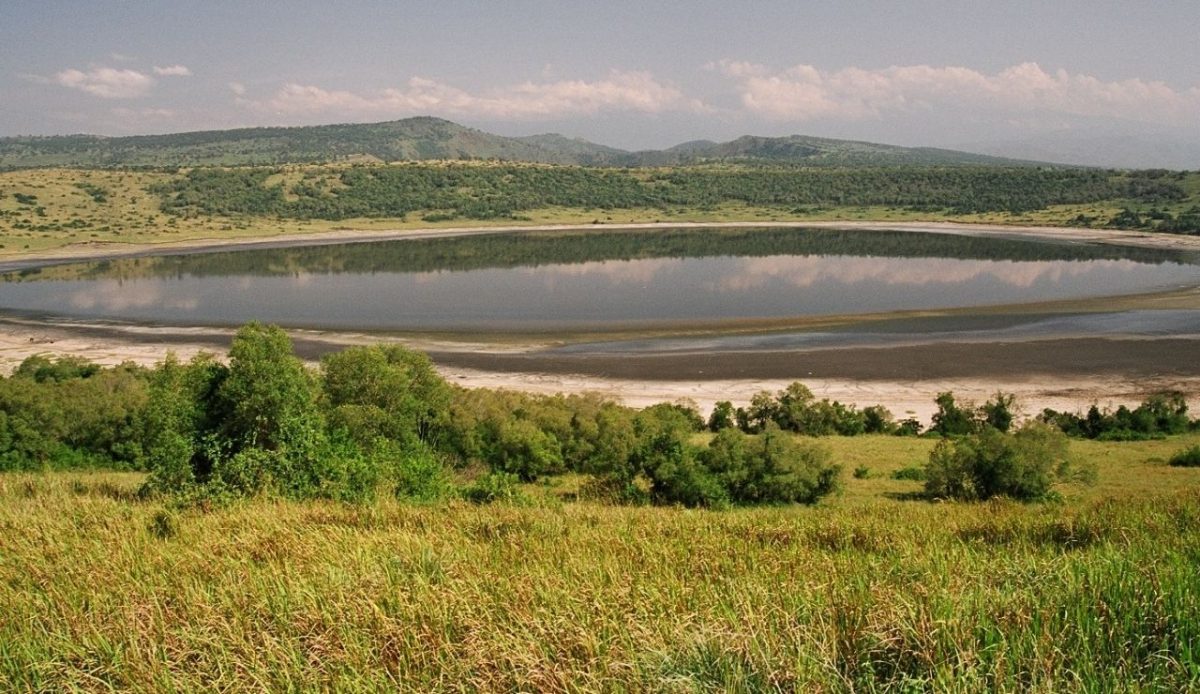
Queen Elizabeth National Park enforces vehicle movement rules because wildlife corridors and research zones are protected. Driving off marked tracks, leaving the vehicle, or entering closed areas can be treated as offenses, not just ranger warnings.
The Ishasha sector adds risk because visitors search for tree-climbing lions near river edges and may stray onto soft ground or private land. Payment receipts and permit details are checked at gates, and informal entry from lodge roads can trigger enforcement.
Rangers may detain occupants while permits are verified and route logs are reviewed. Serious breaches, including night driving or suspected poaching support, can be handed to police, leading to a court appearance and possible custody.
9. Murchison Falls National Park Roads And Ferries
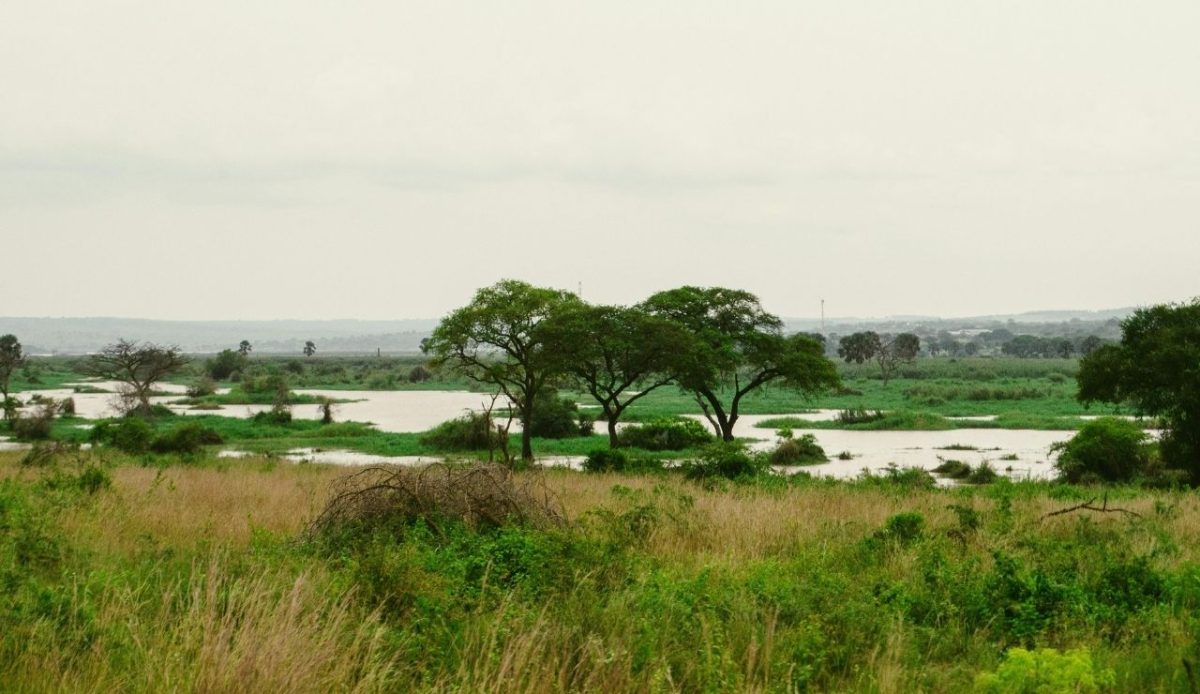
Murchison Falls National Park relies on a road and ferry network, so entry points and crossing times are controlled. Visitors who bypass gates, miss closing hours, or attempt river access without authorization can face arrest for unlawful entry.
Risk is higher around Paraa ferry landings and riverbank viewpoints where cameras, drones, and boat operators gather. Unregistered drone flights and filming of security staff near launch areas have been treated as violations in protected zones.
Enforcement may include vehicle impound, device inspection, and detention while fees and permits are checked. If officers suspect fee evasion or prohibited equipment, the case can be referred for prosecution, with a hold possible until a hearing date.
