
Insurance isn’t just a homeowner problem anymore; it’s quietly reshaping travel, too. When property insurance jumps, hotels, short-term rentals, attractions, and local taxes often follow, because higher operating costs don’t stay in the back office. In 2026, several U.S. destinations are feeling that squeeze.
This list highlights places where climate-driven risks, hurricanes, floods, and wildfires are colliding with tighter insurer capacity and rising premiums. Travelers may notice higher nightly rates, stricter cancellation terms, or fewer rental listings.
It’s a heads-up, not a “don’t go.” Book early, read the fine print, and consider shoulder season to keep the trip fun and the budget intact.
1. Maui, Hawaii
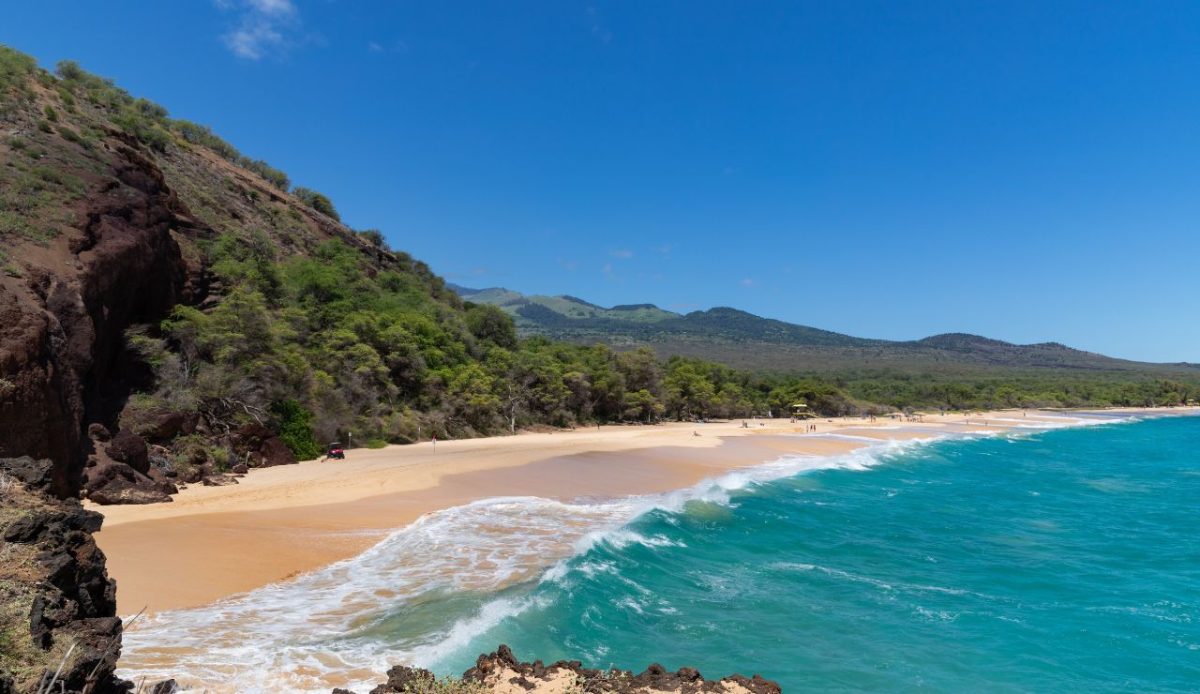
Maui’s recovery and rebuild costs after the 2023 wildfires have flowed straight into the insurance market. Recent reporting on state data shows large year-over-year premium jumps across Hawaii, and condo properties can see even steeper swings, which is important in a destination packed with resort condominiums.
For travelers, higher insurance often shows up indirectly: higher HOA dues, bigger operating budgets for short-term rentals, and pricier coverage for tour operators. Some hosts may add new damage deposits, raise cleaning fees, or tighten refund rules.
If Maui is on your 2026 list, compare the full “out-the-door” cost, lock in flexible dates, and read the fine print on storm and fire disruption policies.
2. Lake Tahoe, California–Nevada
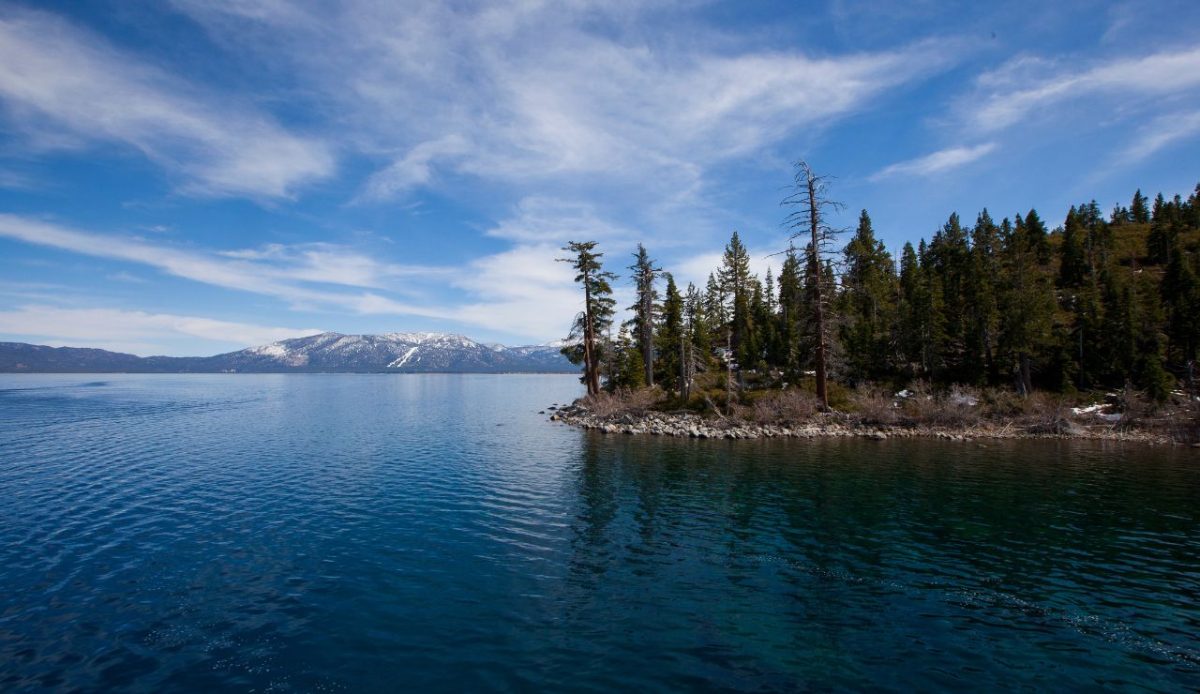
Lake Tahoe sits in a high wildfire-risk zone, and insurance is getting complicated on both sides of the state line. California’s insurer of last resort has been expanding and considering major rate moves, while Nevada has moved to let standard policies exclude wildfire coverage to contain premiums.
That uncertainty can ripple into the visitor economy. Owners of cabins and ski-season rentals may face higher premiums, higher deductibles, or patchwork coverage, and those costs can translate into higher nightly rates during peak winter and summer.
If you’re booking Tahoe, ask what fees are included, watch for large deposits, and consider staying in denser town cores where multi-unit properties sometimes spread risk more efficiently.
3. Napa & Sonoma Wine Country, California
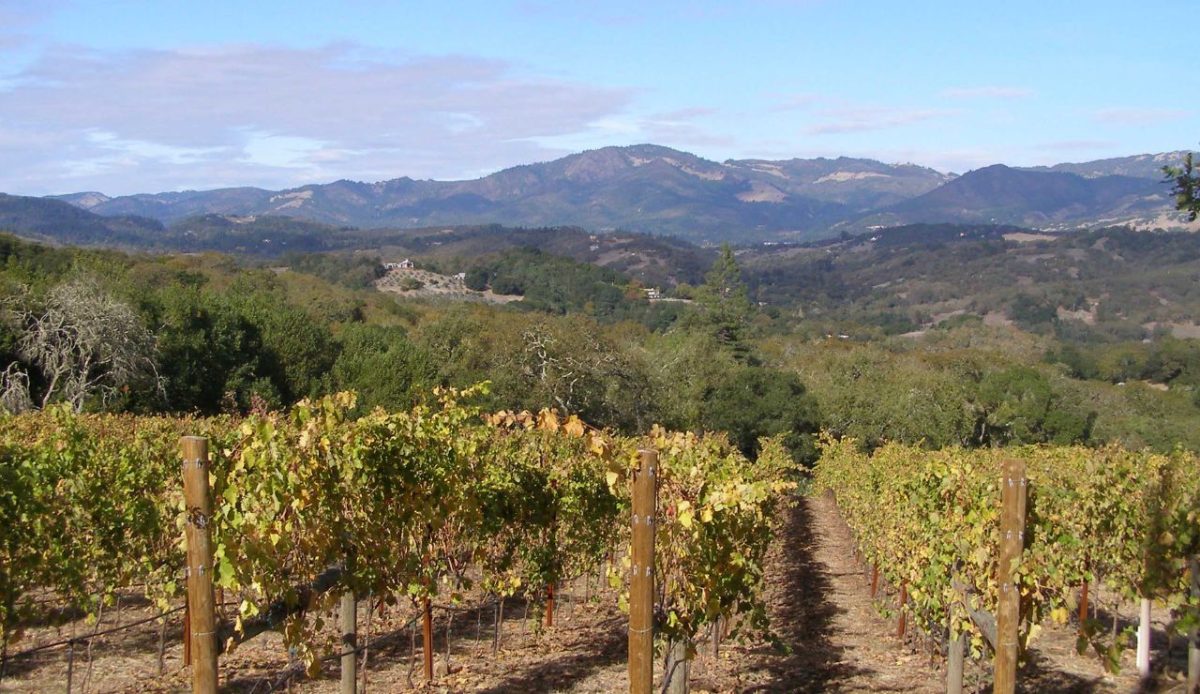
Wine Country is postcard-pretty, but insurers price it like a place that can burn. In parts of Northern California, high-risk ZIP codes have seen very high premiums through the FAIR Plan, and proposed rate changes could push costs higher for properties near wildland edges.
For travelers, that can show up as higher boutique-hotel rates, higher event venue fees, and fewer affordable short-term rentals, especially in smaller towns where one wildfire season can reshape underwriting appetites overnight.
To keep a 2026 trip manageable, book earlier than usual for harvest season, check what “resort” and “service” fees cover, and consider midweek stays when pricing pressure is lighter.
4. Greater Los Angeles Foothills, California
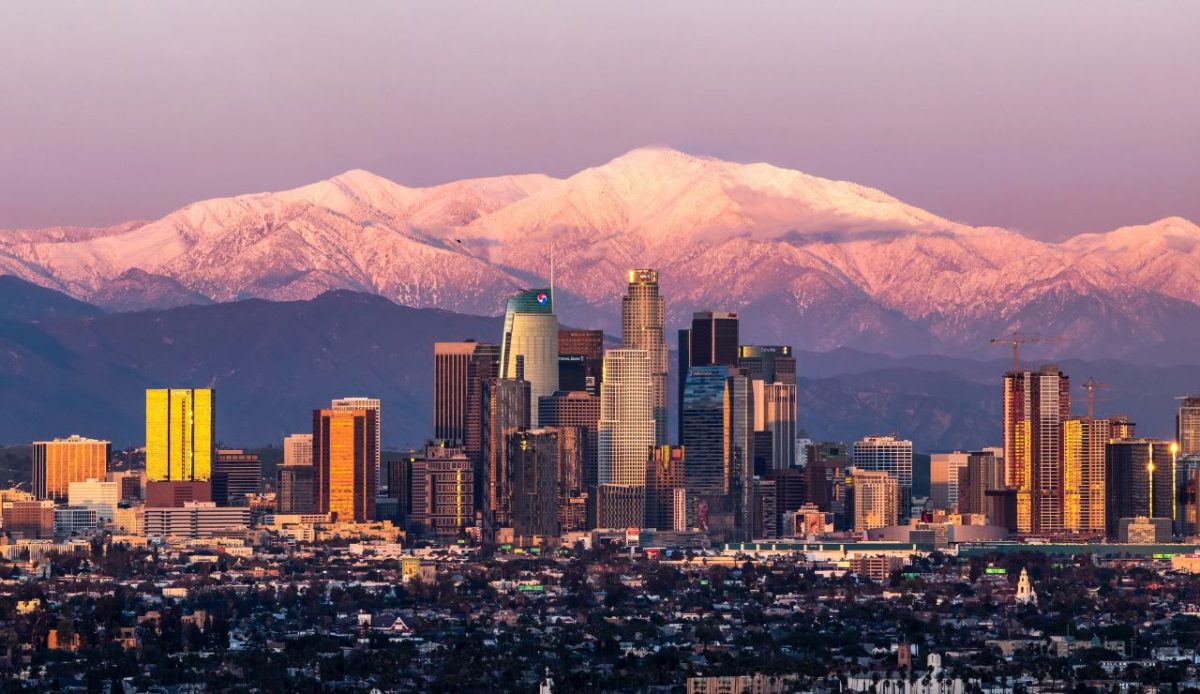
The Los Angeles region draws visitors for beaches and culture, but insurance pressure is most intense near foothills and canyon corridors where wildfire risk is higher. California filings show 2026 rate increases that can vary widely by location, with some customers seeing dramatic jumps.
That matters for travelers who rely on short-term rentals in hillside neighborhoods near trailheads, scenic drives, or studio areas. Higher premiums and mitigation costs can raise nightly pricing, increase minimum stays, or reduce inventory when owners decide renting isn’t worth it.
If you want LA without the volatility, look at central neighborhoods and transit-friendly areas, and treat trip protection as a real line item, not an afterthought.
5. New Orleans, Louisiana

New Orleans is a year-round favorite, but Louisiana’s property insurance market has been under sustained strain after repeated hurricane seasons and insurer failures. Local reporting shows the crisis has eased in pockets, yet many residents still face very high premiums, and that cost pressure doesn’t stop at the door.
Hotels, restaurants, music venues, and tour operators all insure buildings, equipment, and liability. When those bills rise, prices can creep up through higher room rates, higher event fees, and more “insurance recovery” costs baked into contracts.
For 2026 trips, compare neighborhoods, book early for festival weeks, and read cancellation terms carefully; storm disruptions can make last-minute changes expensive.
6. Galveston, Texas

On the Texas Gulf Coast, insurers have been repricing risk after hurricanes, flooding, and severe storms. Texas premiums have risen sharply in recent years, and coastal markets like Galveston tend to sit at the pricey end because wind and surge losses can be huge.
For travelers, that can translate into higher beach-rental rates, larger refundable deposits, and stricter rules around last-minute cancellations when storm forecasts appear. Some operators also raise fees to cover higher property and commercial insurance bills.
If you’re planning a trip to Galveston in 2026, watch the calendar for shoulder-season deals, consider a hotel with flexible rebooking, and budget for add-ons like parking and resort fees that may be used to offset rising costs.
7. Outer Banks, North Carolina
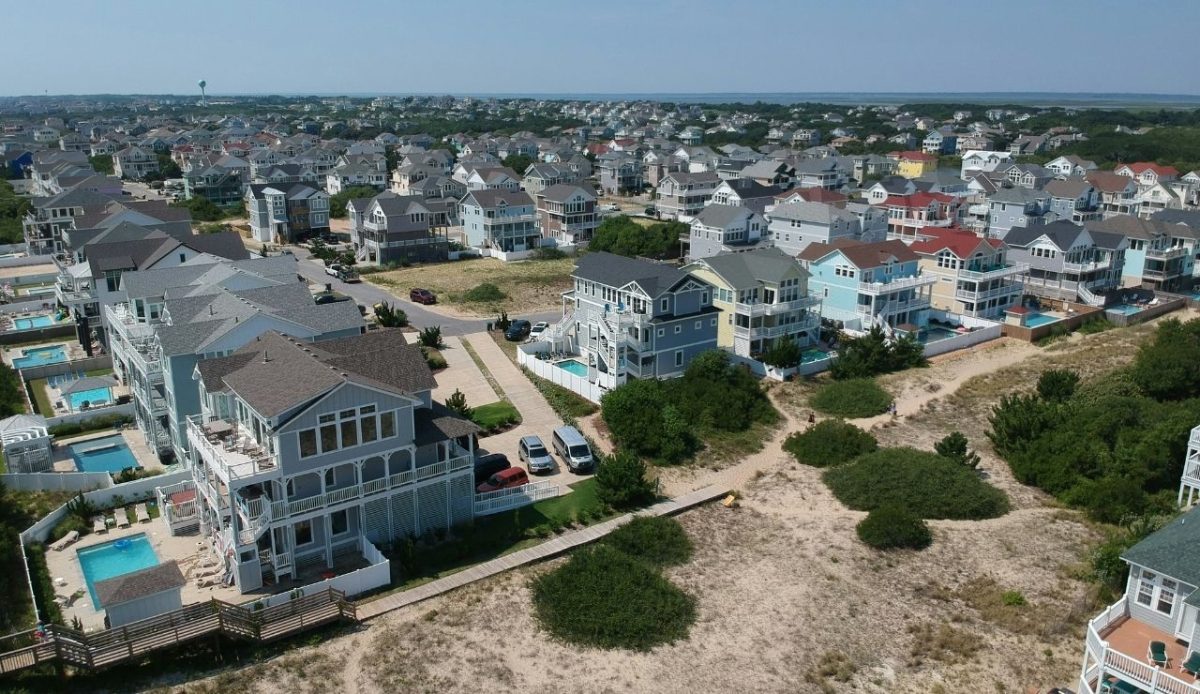
Barrier islands are magical… and expensive to insure. In North Carolina, the Rate Bureau requested large increases for dwelling policies, with higher percentages proposed for beach territories that include Outer Banks counties, and the first stage was proposed to take effect July 1, 2026.
That matters because so much of the lodging supply is rental homes. When insurance and wind-mitigation costs rise, owners may raise weekly rates, shorten discount windows, or require larger security deposits to protect thin margins.
For a 2026 Outer Banks trip, book early for peak weeks, double-check what’s included in “service” fees, and consider staying slightly inland where exposure (and pricing. can be less intense.
8. Charleston & the Lowcountry, South Carolina
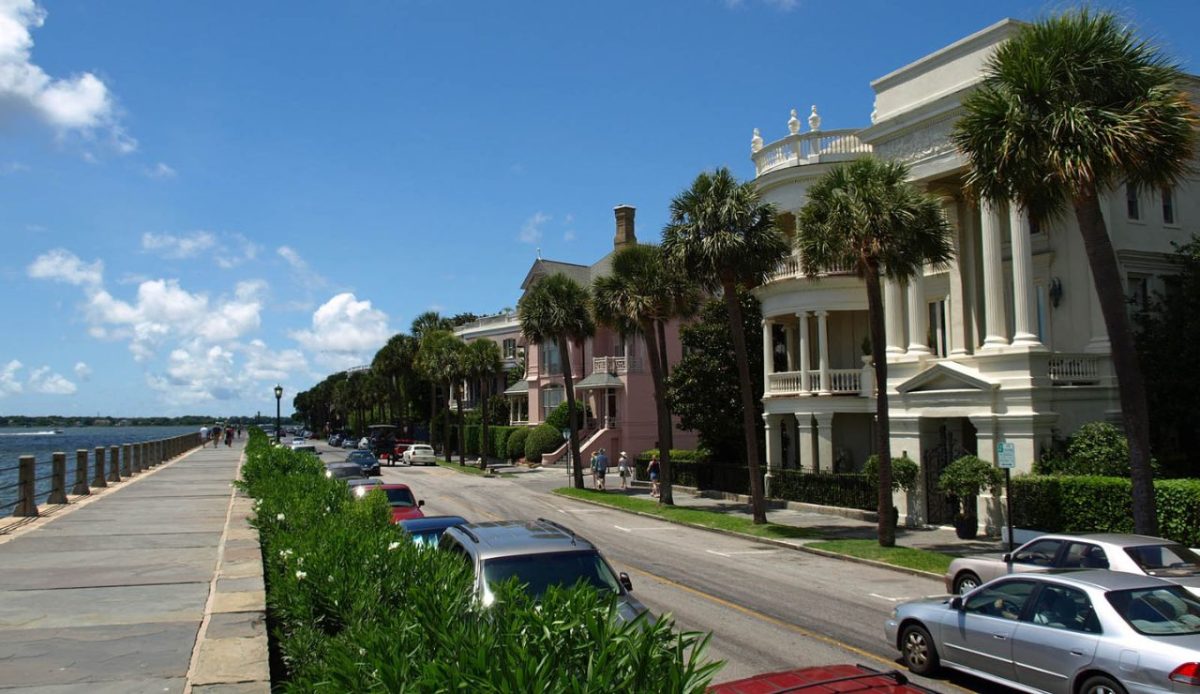
Charleston’s charm comes with coastal exposure: hurricanes, flooding, and rising replacement costs for older buildings. Recent local reporting has noted Charleston homeowners paying well above the national average for coverage, and insurers keep repricing coastal risk as storm and water losses add up.
For visitors, the knock-on effect is pricing pressure in historic districts where repairs are specialized and expensive. That can mean higher nightly rates, higher cleaning and damage fees, or fewer last-minute deals, especially for standalone homes.
To keep the trip predictable, compare hotels versus rentals, look for clear flood and storm policies, and consider late spring or early fall when demand is lower and pricing is less reactive.
9. Colorado Springs & the Front Range, Colorado
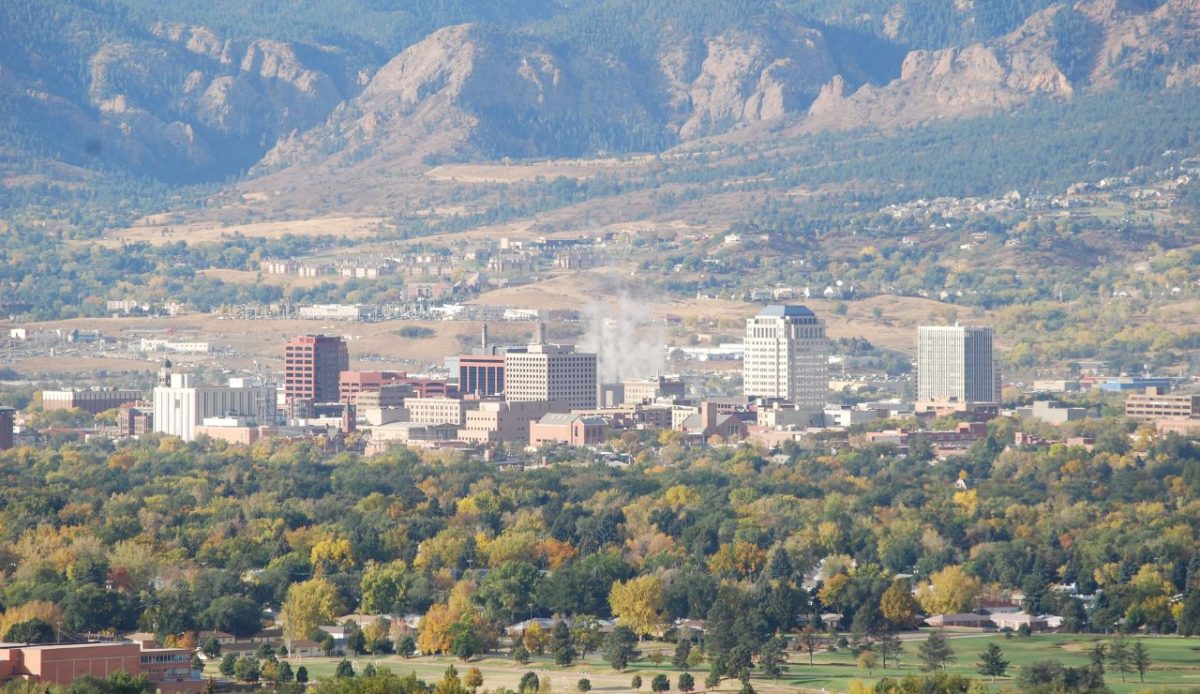
Colorado isn’t just about wildfires; hail is a major driver of insurance losses, and a new state analysis has pointed to hail as a key factor pushing homeowners’ premiums higher. Add expensive rebuild costs along the Front Range, and insurers have been tightening terms.
Travelers feel this in mountain-adjacent destinations where cabins, vacation homes, and small lodges rely on property coverage to stay operational. Higher premiums can mean higher nightly rates, bigger deductibles baked into fees, or owners pulling listings during riskier months.
For 2026 planning, consider booking refundable options during peak storm season, ask about weather contingencies, and don’t be surprised if “damage waivers” and deposits become more common.
