
While the U.S. remains one of the world’s wealthiest nations, life expectancy continues to decline in several states. Factors like poverty, poor healthcare access, obesity, and substance abuse are driving shorter lifespans, particularly in the South and Appalachia. According to CDC and U.S. Census data, these nine states consistently report the lowest average life expectancy. Their numbers tell a story not just of health, but of inequality and the challenges facing millions of Americans today.
1. Mississippi

Mississippi ranks last in the nation for life expectancy, averaging around 71.9 years. High obesity rates, heart disease, and limited access to medical care weigh heavily on residents’ health. Many rural communities face hospital closures and long drives for basic treatment. Poverty and poor nutrition compound the problem, particularly in the Delta region. Despite these struggles, Mississippi continues efforts to expand preventive care and health education across underserved areas.
2. West Virginia

In West Virginia, rugged beauty contrasts sharply with harsh health realities. The state’s average life expectancy hovers near 72 years, among the lowest in America. Economic hardship, high smoking rates, and the opioid epidemic have devastated communities. Many residents also suffer from chronic illnesses tied to coal-mining regions’ pollution. Rural isolation makes healthcare access difficult, but local programs and recovery centers are working to turn the tide slowly but steadily.
3. Alabama
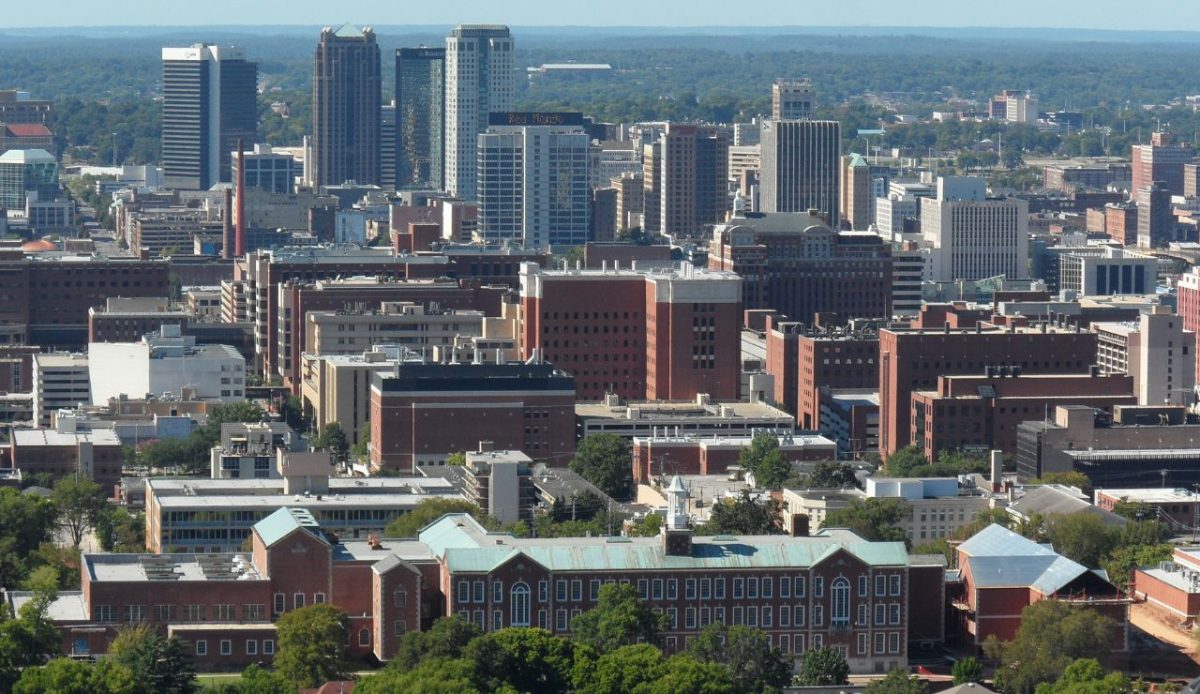
Alabama’s southern charm hides deep health challenges. With life expectancy averaging about 73 years, chronic illnesses like diabetes and cardiovascular disease remain widespread. Limited access to healthcare in rural counties and one of the nation’s lowest Medicaid participation rates worsen outcomes. Socioeconomic divides between urban and rural regions run deep. Yet, health outreach programs in Birmingham and Mobile are pushing for lifestyle changes and preventive medical screenings statewide.
4. Louisiana

Louisiana’s rich food culture and vibrant spirit can’t mask the state’s serious public health issues. Average life expectancy sits around 73.1 years. High rates of obesity, hypertension, and smoking, along with frequent natural disasters, disrupt long-term health and stability. Many low-income residents lack consistent healthcare access, particularly outside major cities. Despite strong community resilience, the struggle for healthier lives continues in both urban New Orleans and rural parishes.
5. Kentucky
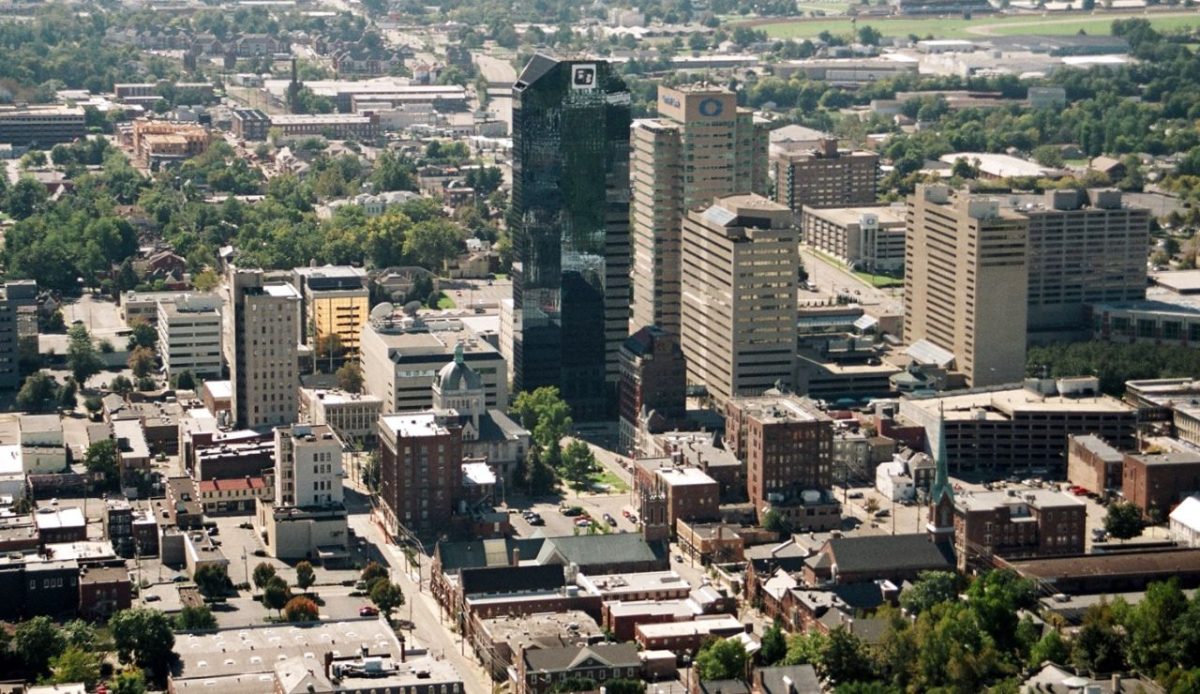
Kentucky’s average life expectancy falls just below 74 years, with heart disease and cancer among its top causes of death. Decades of tobacco use and limited preventive healthcare have taken a heavy toll. In rural Appalachia, poverty and isolation worsen health disparities. The opioid crisis hit particularly hard, shortening lives across generations. Local health coalitions and educational initiatives now focus on reversing trends through addiction recovery and nutrition outreach programs.
6. Arkansas
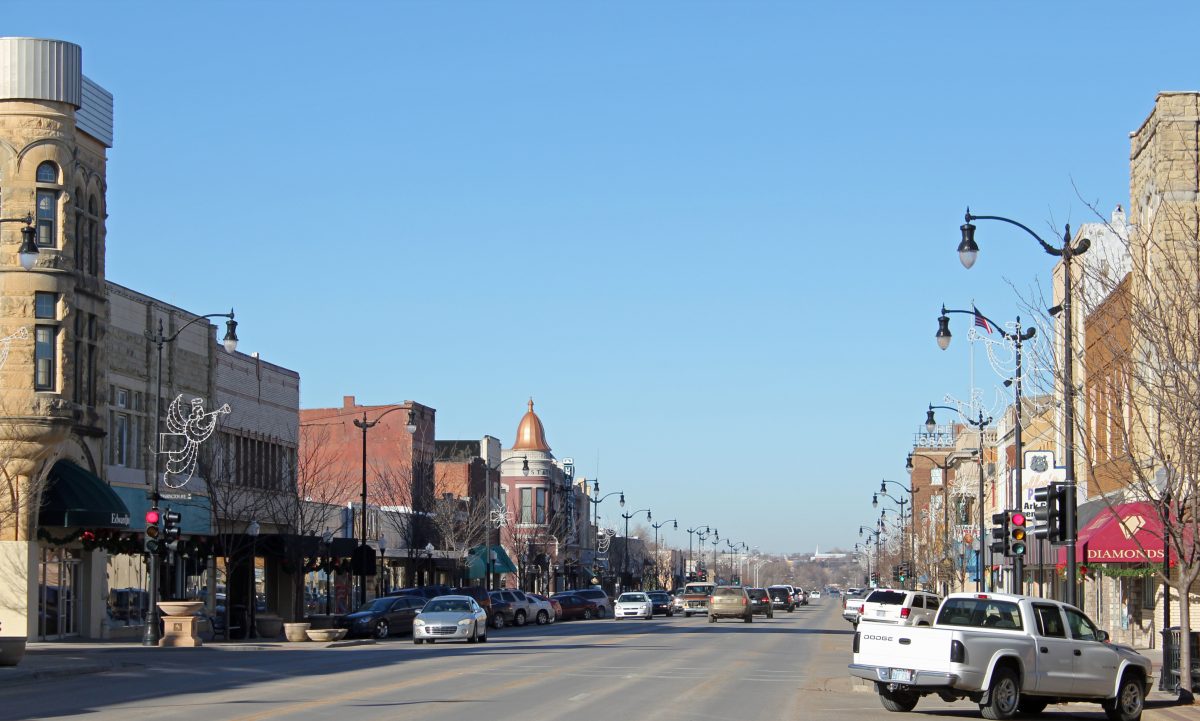
Arkansas residents live an average of about 74 years, ranking near the bottom nationally. Economic hardship, smoking, and limited access to affordable healthcare are major contributors. Many small towns rely on understaffed clinics, and obesity rates remain among the highest in the U.S. However, new telemedicine networks and mobile clinics are helping bridge rural healthcare gaps, offering hope for improved outcomes in future generations across the Natural State.
7. Oklahoma

Oklahoma struggles with overlapping health and lifestyle challenges. Life expectancy averages around 74 years, driven down by high rates of heart disease, obesity, and substance abuse. Many rural hospitals have closed, leaving residents without critical care options. Environmental issues like poor air quality also play a role. State programs promoting smoking cessation and nutrition education are expanding, but lasting change will take sustained funding and better access for all communities.
8. Tennessee
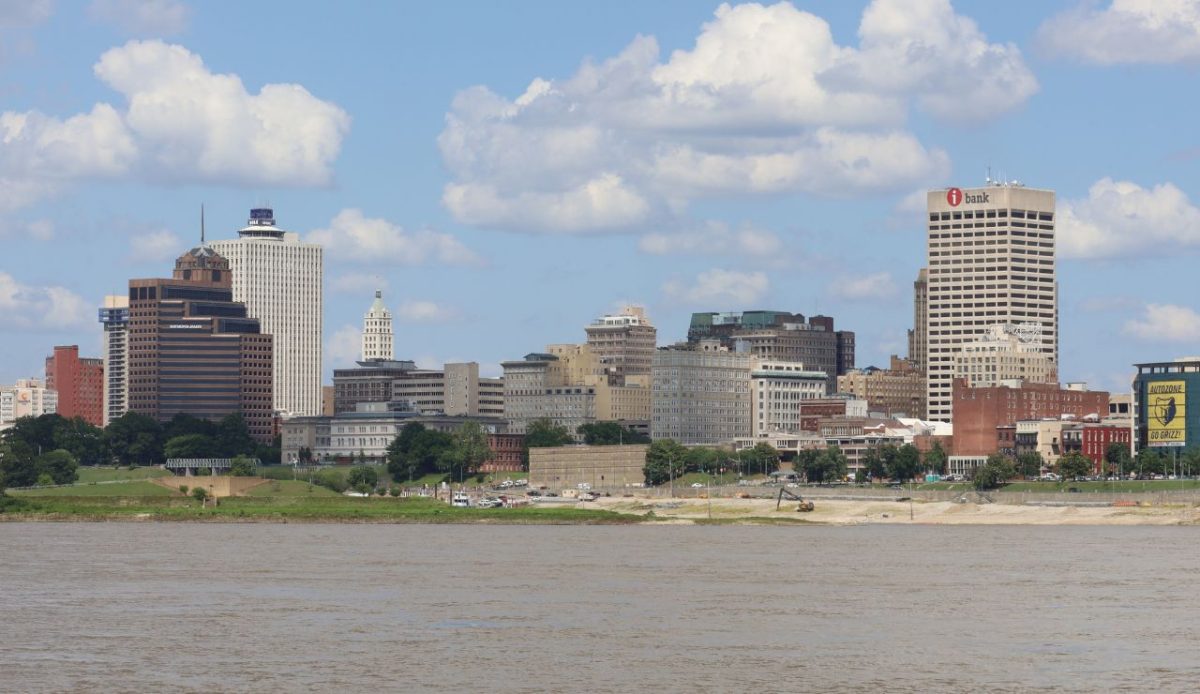
Tennessee’s musical heritage contrasts with its declining health statistics. Life expectancy stands near 74.5 years, with preventable conditions like diabetes and heart disease leading causes of early death. Rural healthcare shortages, coupled with low physical activity rates, worsen the outlook. Memphis and Nashville have introduced wellness campaigns and mobile medical units, aiming to close healthcare gaps and encourage healthier lifestyles, a crucial effort for a state rich in culture but strained by inequity.
9. New Mexico
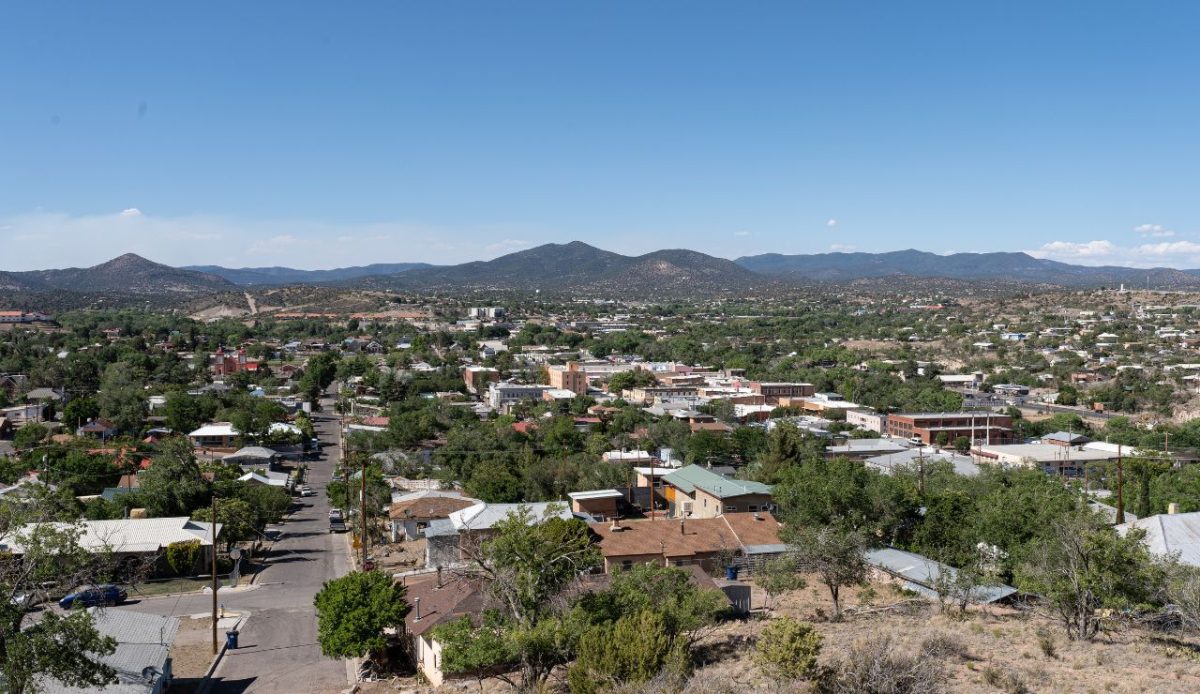
While New Mexico boasts stunning landscapes and diverse communities, it faces rising health challenges that lower its life expectancy to about 75 years. Drug overdoses, liver disease, and poverty drive mortality rates upward, especially in rural and Indigenous areas. Healthcare shortages in remote regions leave many untreated. Still, community clinics and tribal health programs are improving outreach, blending traditional healing with modern medicine to strengthen public health outcomes.
