
Visitors usually stay in a small pocket of a city where hotels, museums, and dining are concentrated. Daily life extends far beyond that bubble, shaped by rent, wages, commute time, health risks, and local services. In some places, the difference is stark, so newcomers are surprised when errands feel slower, paychecks stretch less, or basic safety planning becomes routine. Infrastructure gaps, school quality, insurance costs, and weather extremes can add stress that is not obvious on a short trip. The cities below draw steady tourism, yet ordinary residents manage tradeoffs that a weekend plan rarely shows.
1. New Orleans, Louisiana
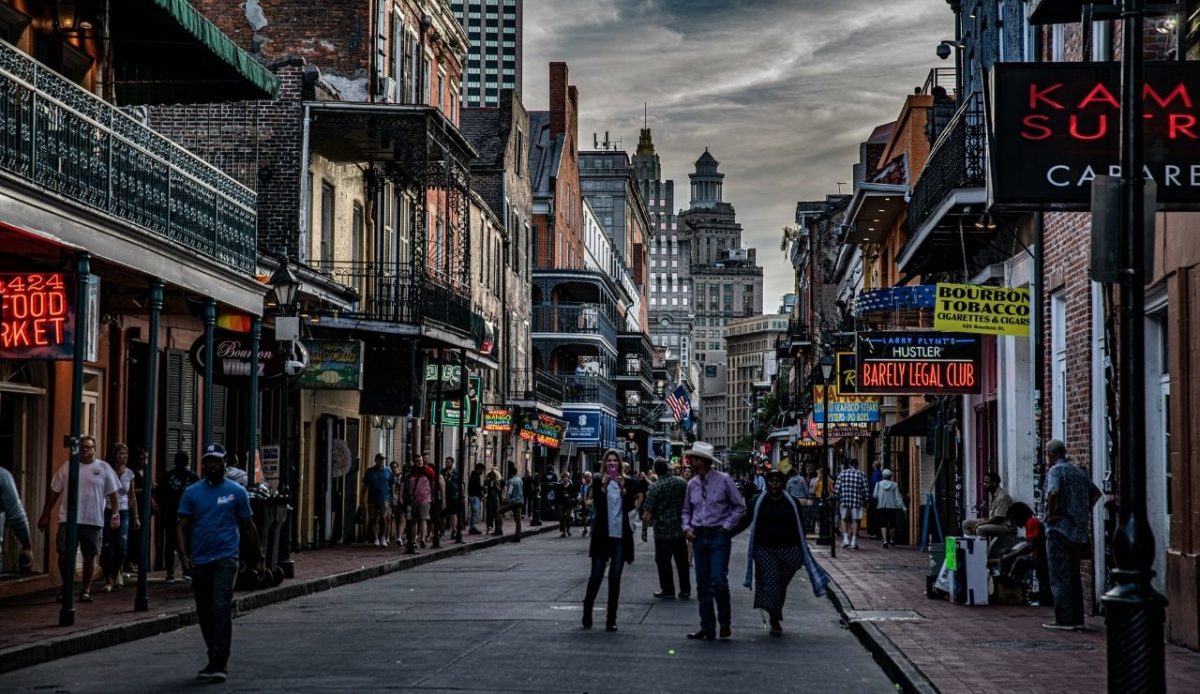
New Orleans can feel carefree in the French Quarter, but many neighborhoods face tight budgets and uneven services. A large share of households live near or below the poverty line, so unexpected bills quickly become crises. Road damage, slow repairs, and limited transit options make getting to work harder without a car. Storm exposure adds another layer through insurance, temporary evacuations, and repeated home fixes. Service jobs dominate in parts of the economy, and hours can vary week to week, which complicates childcare and medical visits. Visitors hear brass bands at night, while locals plan days around cost, safety, and reliability.
2. Memphis, Tennessee
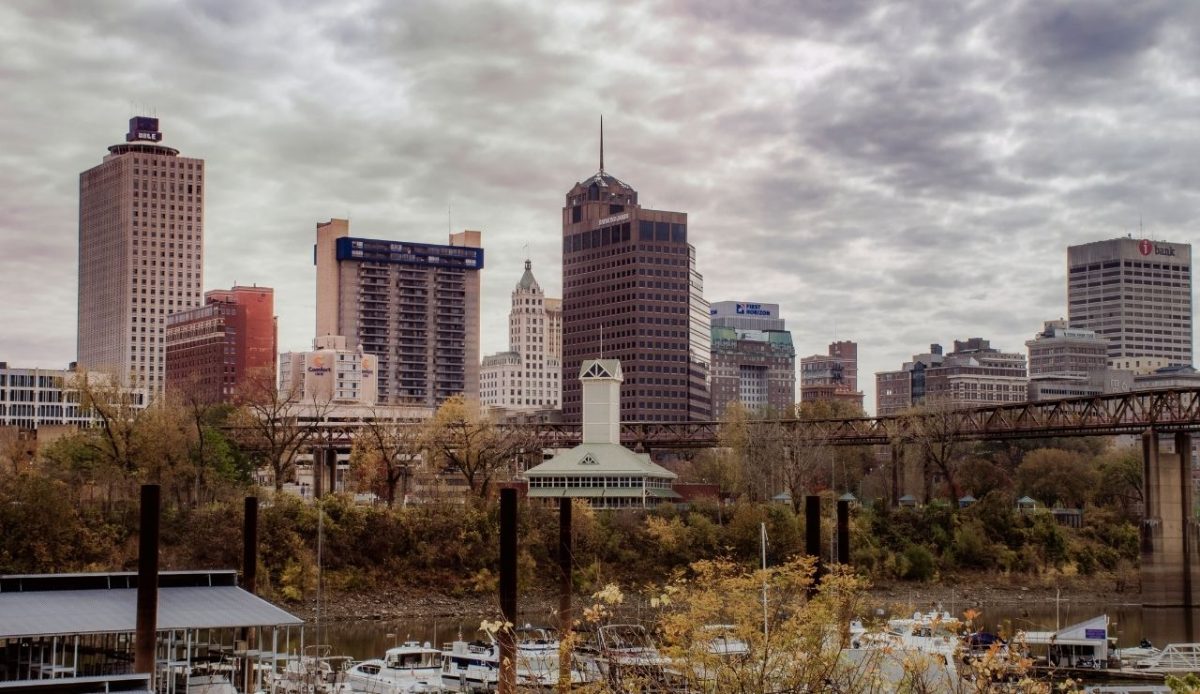
Memphis offers music history and barbecue blocks that feel friendly, yet residents often deal with daily strain. Household incomes lag many peer metros, and poverty remains high, which limits options for housing and transportation. Violence is not evenly distributed, but it shapes routines through route choices, earlier closing times, and spending on security. Public transit coverage is thin for many job centers, so missed connections can cost hours. Older rentals can bring high utility bills and repairs that are delayed, adding friction to the week. A visitor can focus on Beale Street, while locals manage the harder version of the city.
3. Baltimore, Maryland
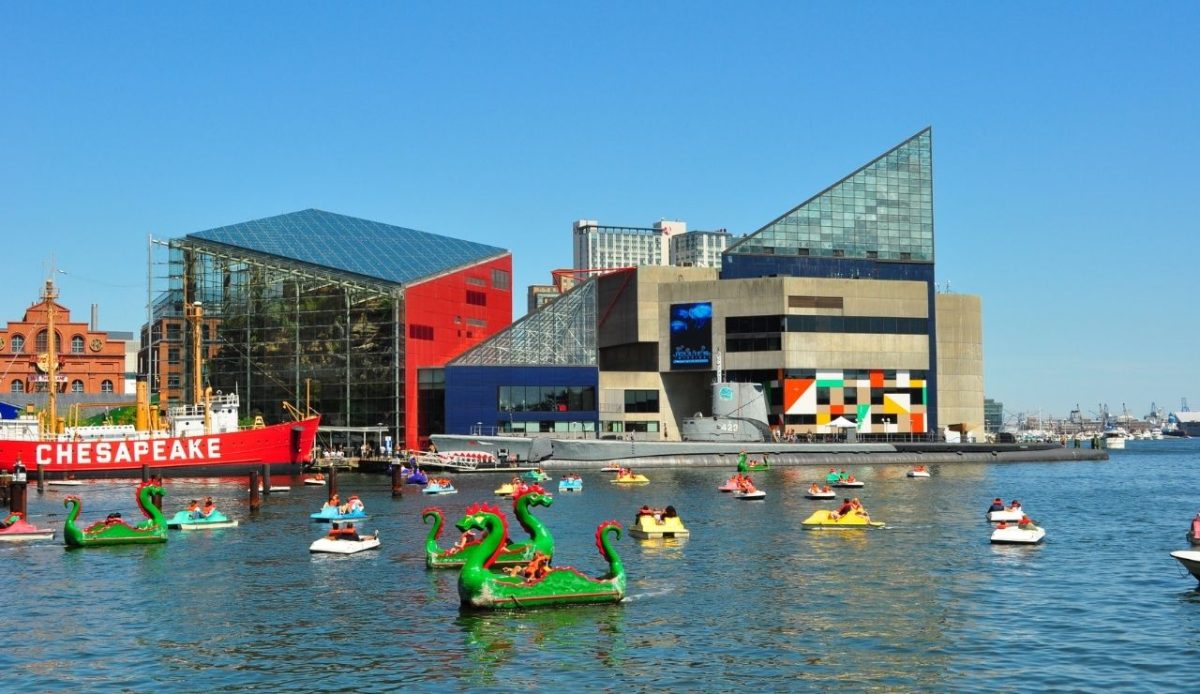
Baltimore’s harbor area can look reborn, but large parts of the city still struggle with poverty and uneven opportunity. Many residents rely on older housing stock, where lead concerns and maintenance problems add health and cost risks. Job access can depend on a car, yet parking, repairs, and insurance take a bite out of pay. Transit exists, but coverage and frequency vary by neighborhood, which makes shift work harder to manage. Crime pressure changes daily patterns, from school pickup plans to what time errands are run. A short visit stays near attractions, while locals navigate the gaps between safe, affordable, and practical choices.
4. Detroit, Michigan
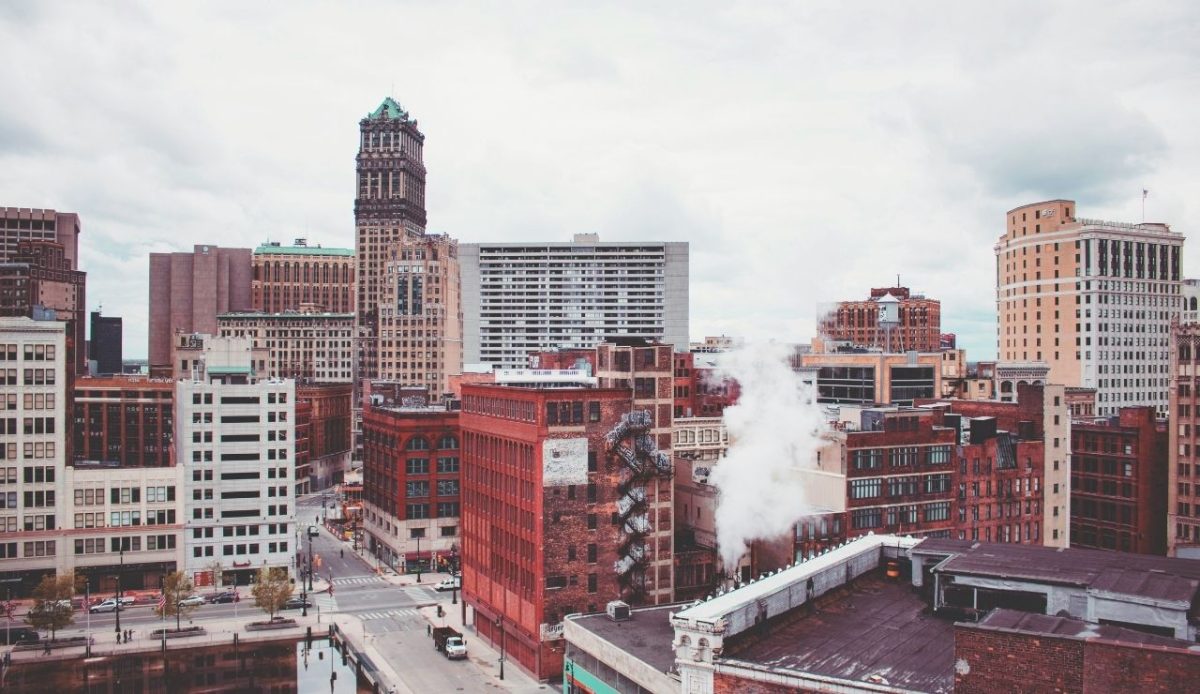
Detroit’s comeback story is easy to spot downtown, yet many residents live far from that momentum. Poverty remains high, and low incomes limit the ability to handle car repairs, medical bills, or rising rents. Because the region is spread out, a vehicle is often required for work, groceries, and appointments, which adds steady costs. Aging water lines, power outages, and deferred maintenance can disrupt routines without warning. Some blocks still carry vacancy and limited retail, so simple errands involve longer drives or bus rides. Visitors catch a game or try restaurants, while locals weigh every trip against time, money, and reliability.
5. San Francisco, California
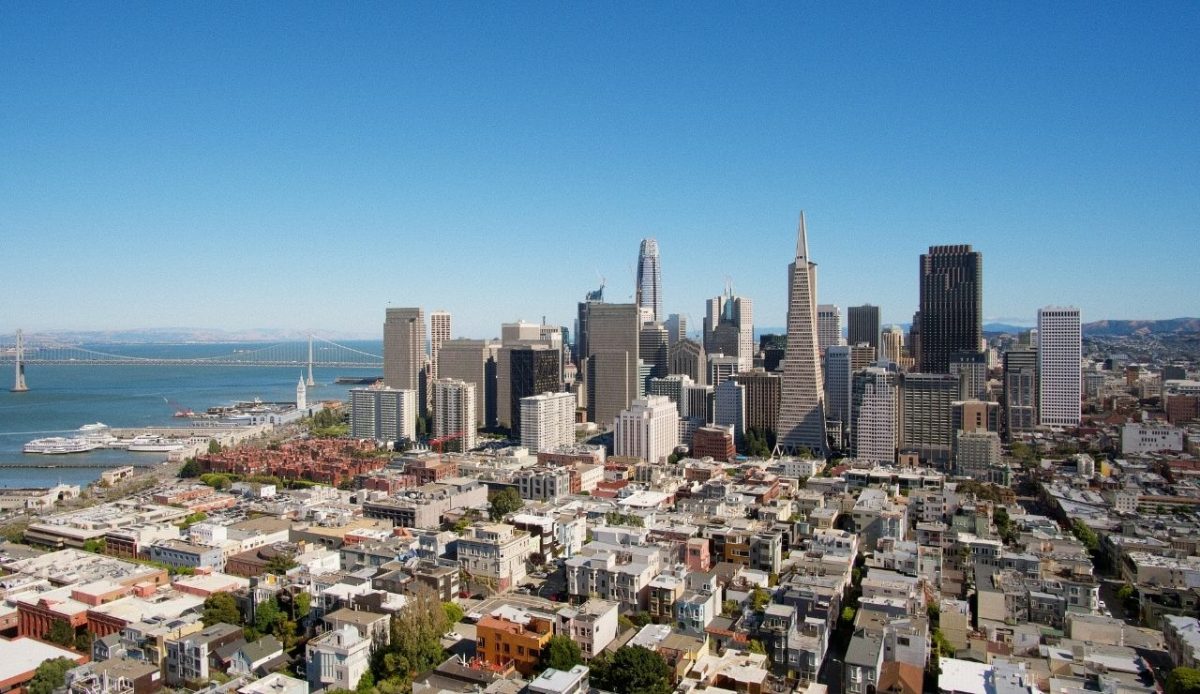
San Francisco rewards visitors with walkable sights and postcard views, but residents confront intense cost pressure. Rents and home prices remain among the highest in the nation, so even salaries can feel stretched thin. Many workers live farther out and spend long hours commuting, which drains time for family, rest, and errands. Childcare and basic services often carry premium prices, while smaller apartments mean storage and space are constant challenges. Crowded transit, property crime, and visible street disorder in some areas add daily stress. Tourists ride cable cars, while locals track budgets closely just to keep housing stable.
6. New York City, New York
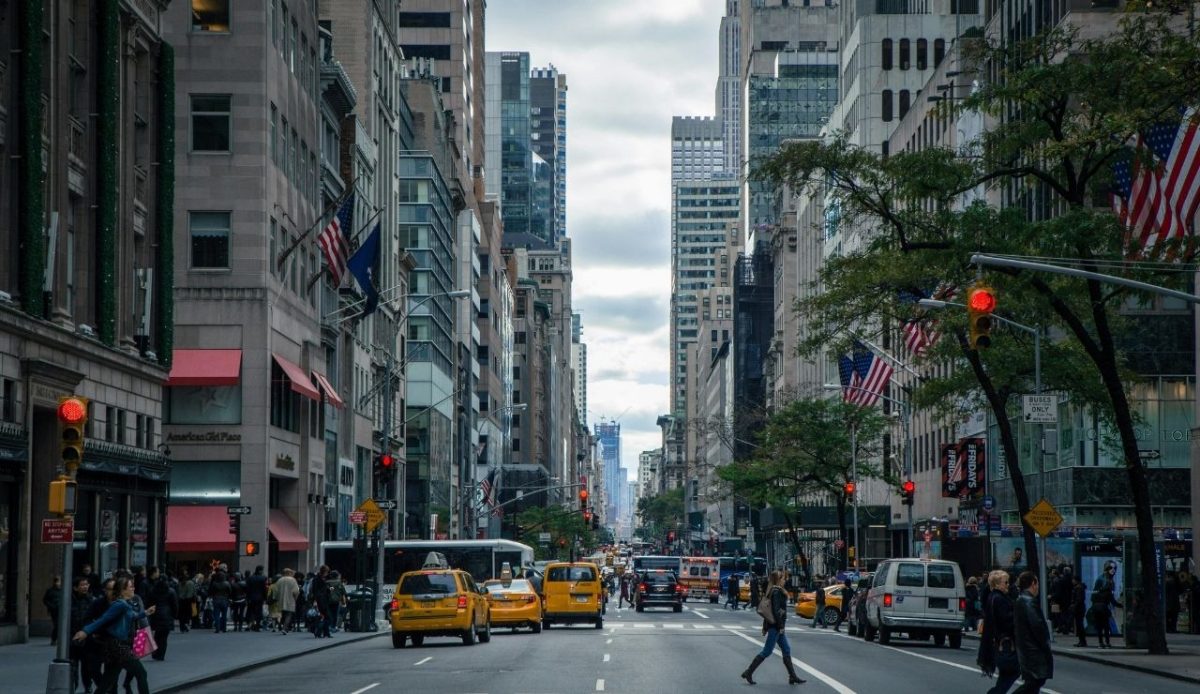
New York City can feel easy when a trip is planned around a few subway stops, but daily life is a grind for many. Housing consumes a huge share of income, and crowded living situations are common even among full-time workers. Commutes can be long, with delays that ripple into childcare pickup, second jobs, and medical appointments. Basic needs also cost more, from groceries to laundry, and small fees add up quickly. Competition for affordable apartments is intense, and noise, crowds, and limited space wear people down over time. Visitors chase landmarks, while residents measure days in transfers, rent due dates, and tight schedules.
7. Los Angeles, California
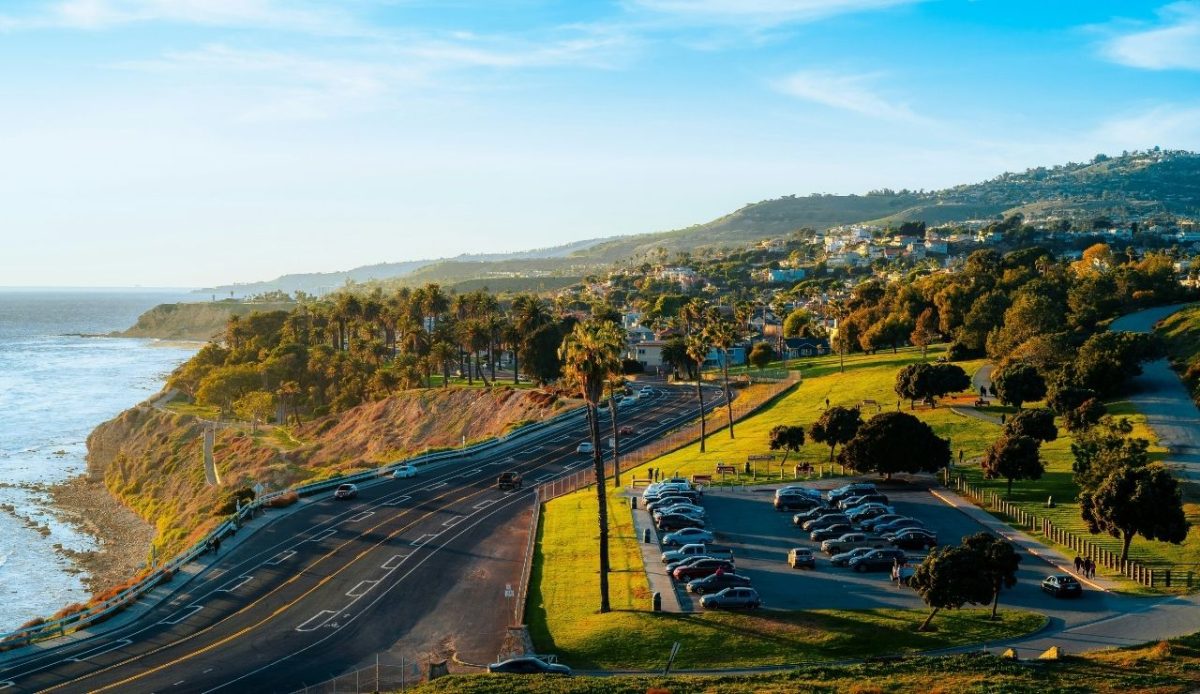
Los Angeles sells sunshine and beach culture, yet residents spend a lot of their lives inside cars. Traffic turns short distances into long trips, so workdays expand, and stress rises before the shift even starts. Many jobs are far from affordable housing, which pushes families into long commutes or overcrowded units. Fuel, parking, and vehicle repairs add steady costs, and missed traffic windows can mean lost hours. Air quality problems and wildfire smoke can limit outdoor routines, especially for kids and older adults. Tourists hop between highlights, while locals plan errands around congestion, distance, and health concerns.
8. Honolulu, Hawaii
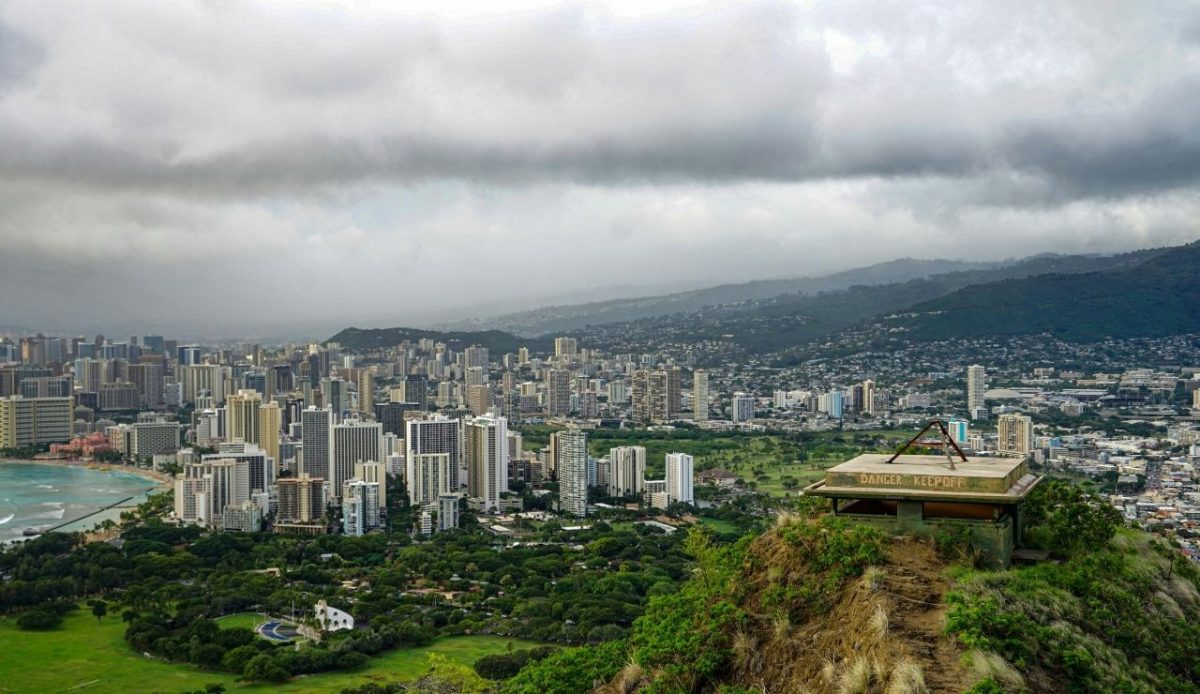
Honolulu feels like a vacation postcard near Waikiki, but residents face one of the toughest cost situations in the country. Rents are high, and many households share units or live far from job centers to keep payments manageable. Because the island relies on imported goods, everyday shopping can be expensive, from food to building supplies. Service work is common, and pay may not cover childcare, healthcare, and utilities without extra jobs. Traffic bottlenecks on limited roads add time to commutes, and wages often fail to match prices. Visitors enjoy ocean views, while locals watch budgets and housing stability closely.
9. Phoenix, Arizona
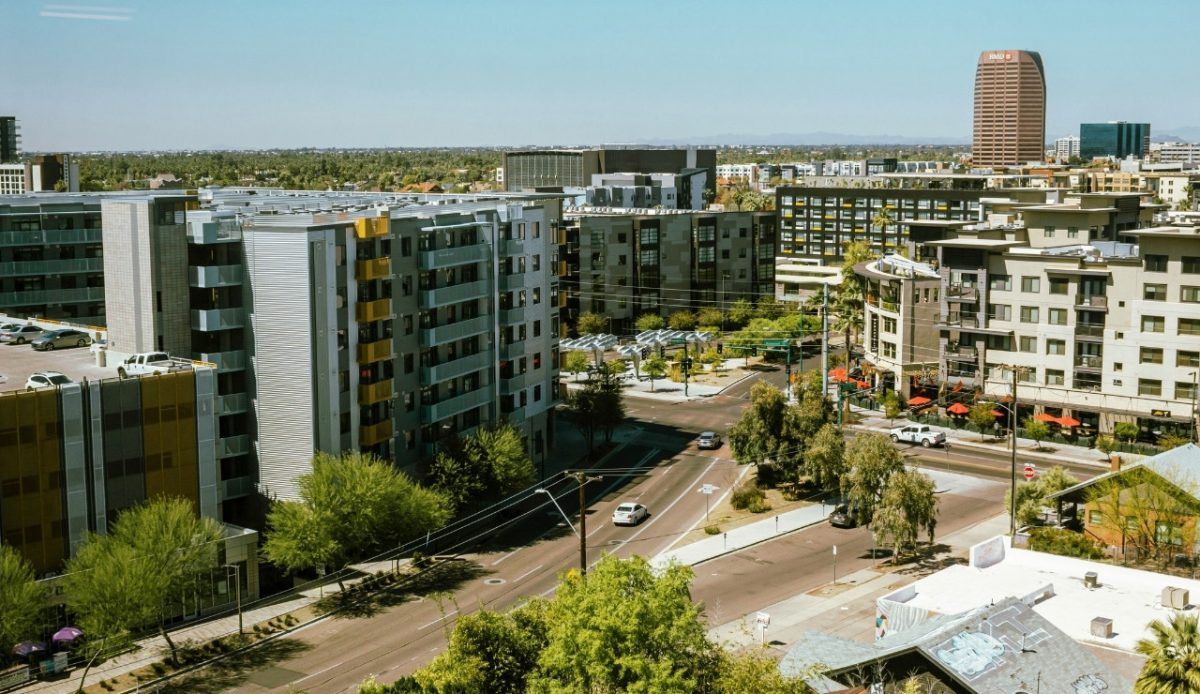
Phoenix can seem comfortable during winter trips, but residents live with dangerous heat for a large part of the year. Extreme temperatures change how people work, exercise, and commute, and outdoor time can become a health risk. Overnight lows can stay high, so bodies get less recovery, and vulnerable people face greater danger without cooling. Air conditioning is not optional, so electric bills climb, and breakdowns turn into emergencies. Sprawl means long drives for work and errands, which increases fuel costs and time spent on freeways. Visitors see blue skies, while locals manage heat safety, utility costs, and long distances each week.
