
Every few weeks, a travel tip explodes on TikTok with millions of views, thousands of comments, and plenty of skepticism. Some of those hacks are genuinely useful. Others waste your time or only work under very specific conditions.
This article covers eight viral travel hacks that hold up in real life, tested by actual travelers in 2026. The list spans flights, packing, hotels, money, and airport strategy. No filler hacks, no common knowledge dressed up as insider secrets.
Travel has changed a lot in recent years. AI-driven pricing is now standard on most booking platforms. Airports are busier. Checked baggage fees keep climbing. The hacks that cut through all of that noise are worth knowing.
1. Search Flights in Incognito Mode

Airlines and booking platforms use dynamic pricing, which means the price you see can shift based on your browsing history, cookies, and how many times you’ve looked at a particular route. In 2026, with AI-powered pricing engines running across most major booking sites, this happens faster and more aggressively than it used to.
The fix costs nothing. Open a private or incognito browser window every time you search for flights. This clears the session data that signals your interest, which keeps prices from creeping upward between searches.
For an extra layer of savings, use a VPN and set the location to the destination country. Domestic airfares in many markets are priced lower for local IP addresses than for visitors browsing from abroad. The savings won’t always be dramatic, but knocking $40 to $80 off a round trip adds up over a year of regular travel.
2. Ask the Gate Agent for an Upgrade
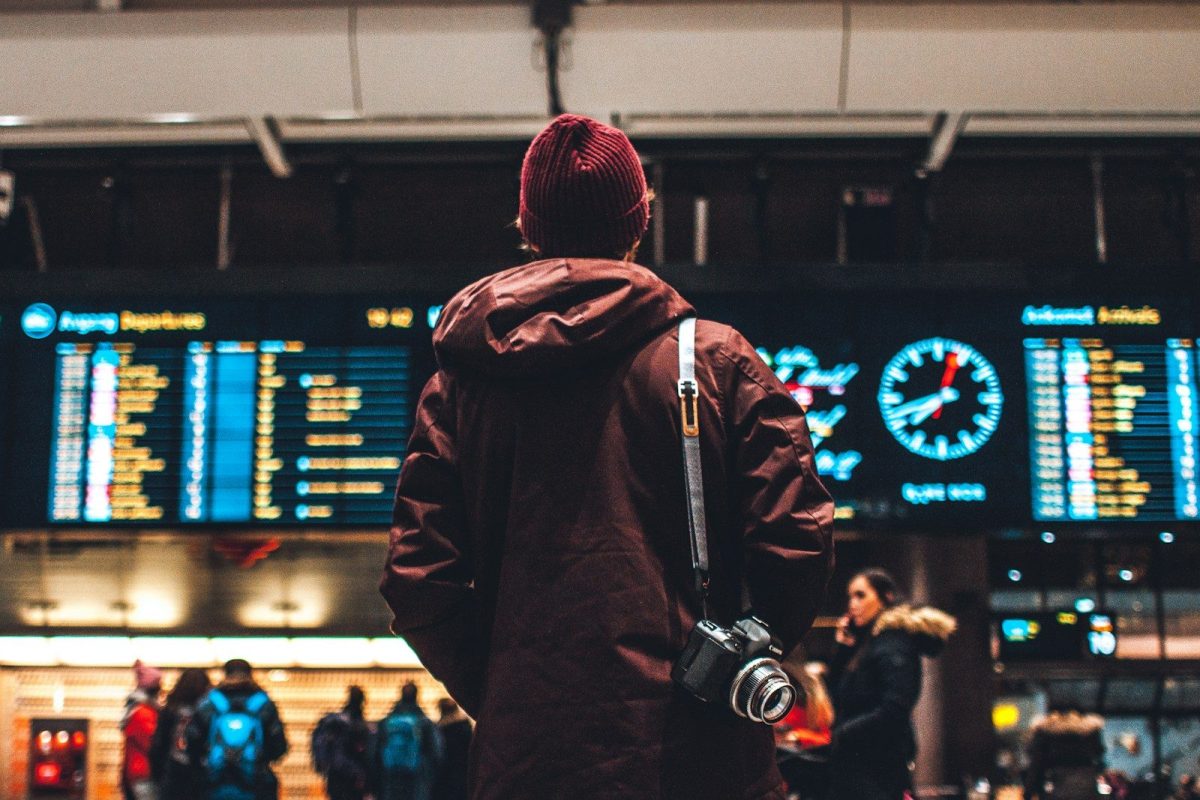
This one requires timing and a light touch. The window to ask is 30 to 45 minutes before boarding, at the gate itself, not at the check-in desk. Airlines frequently hold seats for crew standby, elite-tier passengers, and operational reasons. When those passengers don’t show, the gate agent has the authority to reassign those seats.
Travelers who have had success with this tend to keep the ask casual. Something along the lines of: “Any chance a seat with a little more legroom opened up?” That framing works better than mentioning upgrades directly or asking about pricing.
This approach works more often on longer domestic routes and wide-body aircraft where there are more premium seat categories to pull from. Success is not guaranteed on every flight, but the downside of asking politely is zero.
3. Roll Clothes Instead of Folding

The military roll has been demonstrated on TikTok countless times, and it keeps resurfacing because it genuinely works. Rolling clothes into tight cylinders rather than folding them flat compresses air pockets and uses the full vertical depth of a suitcase. Flat stacking wastes space at the edges and corners of a bag.
Most travelers who switch to rolling report fitting noticeably more clothing into the same luggage, enough to avoid checking a bag on trips that would previously have required one.
Pairing rolled clothes with packing cubes pushes the efficiency further. The cubes compress the rolled items and keep categories separated, so there’s no need to unpack everything to find one shirt. Compression packing cubes with built-in vacuum seals are widely available in 2026 and handle the job well on longer trips.
4. Call the Hotel Directly After Booking Online

Booking through a comparison site locks in the rate and confirms availability. Calling the hotel’s front desk directly after booking is where the extra value comes from.
Hotels pay third-party platforms a commission of roughly 15 to 25 percent per booking. That means a direct call from a guest is worth real money to the property. Mentioning that the booking is already confirmed and asking whether any room upgrades or additional perks are available for guests who reach out directly often leads to complimentary breakfast, early check-in, or a better room assignment.
This approach works especially well at independent and boutique hotels, though chain properties at the individual location level also have discretion over room assignments. A phone call works better than an email for this. Front desk staff respond to real conversations in a way that form submissions and online chat boxes rarely match.
5. Download Offline AI Maps Before the Flight
The hack here has two parts. The first is downloading offline maps before traveling, which most people know. The second is understanding how much more capable offline map packages have become in 2026.
Apps like Google Maps, Maps.me, and OsmAnd now offer offline layers that include public transit guides, local recommendations, and translated signage overlays, all accessible without a data connection. For international travel where roaming costs are high or SIM card setup takes time, these maps remove a lot of friction on arrival day.
The detail most people miss: download maps at home on a reliable Wi-Fi connection, not at the airport. Airport Wi-Fi is throttled, and large city map packages can run two gigabytes or more. Starting that download at the gate often means arriving without the file fully saved.
6. Always Pay in Local Currency

When a card terminal abroad asks whether to charge in the home currency or the local one, always select local. The alternative, called Dynamic Currency Conversion, uses a merchant exchange rate that typically runs 3 to 7 percent worse than the rate a bank would apply.
The prompt is often framed in a way that makes the home currency option seem convenient or safe. The bank’s rate is almost always the better deal.
The same rule applies at ATMs. If a machine offers to “lock in” a conversion rate, decline and withdraw in local currency instead. On a two-week trip with regular spending, sticking to this habit can save between $50 and $120 depending on the destination and total spend.
7. Use the Airline App for Gate Notifications
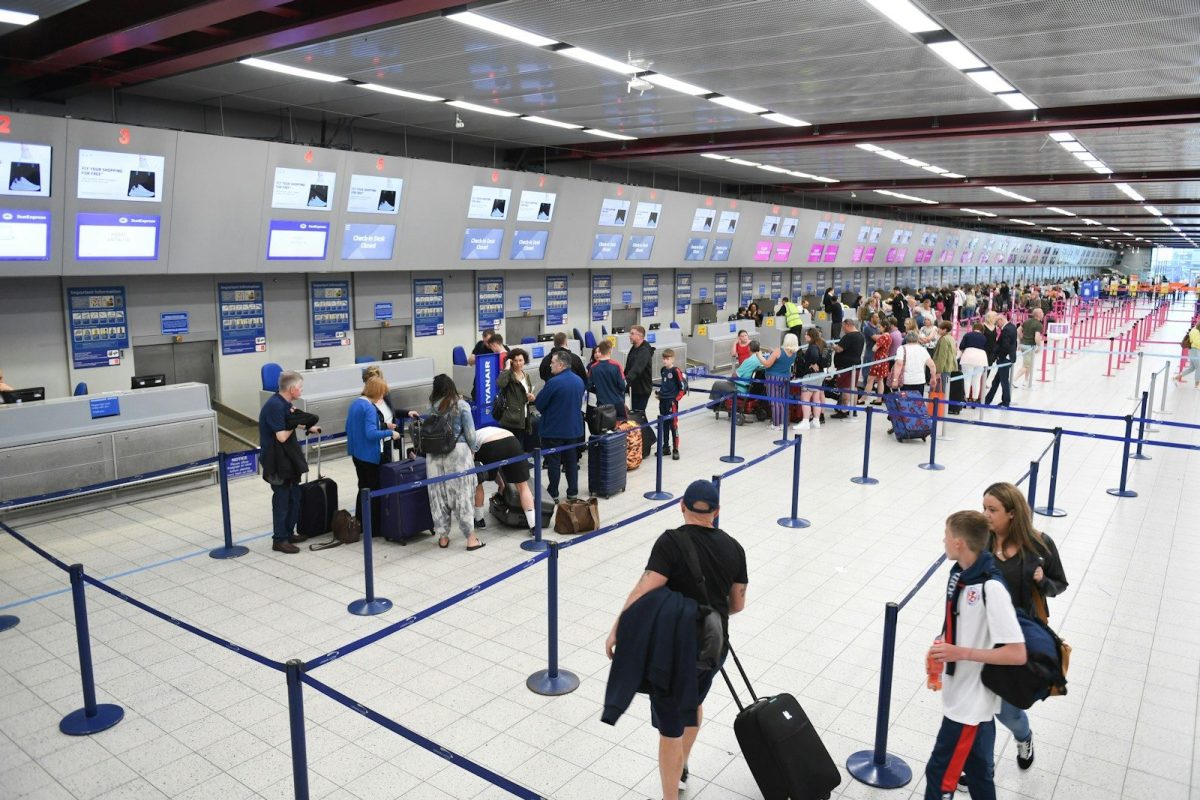
Airline apps in 2026 push gate change alerts faster than physical departure boards update, sometimes five to ten minutes faster. That margin matters in large terminals where a gate change from one concourse to another means a serious walk.
Enabling push notifications for a specific flight at check-in takes about 30 seconds and removes the need to monitor departure boards throughout a layover. Adding the boarding pass to Apple Wallet or Google Wallet provides a second notification layer: both platforms surface live flight updates directly on the lock screen.
Travelers on connecting itineraries benefit from downloading the apps for each carrier separately. Codeshare flights do not always push notifications through the booking airline’s app, so relying on one app across a multi-carrier journey creates gaps.
8. Set the Watch to Destination Time at Boarding

Jet lag has a physical component and a psychological one. Switching the watch and phone display to destination time at the moment of boarding starts the mental adjustment hours before landing.
When the phone reads 10 PM at the destination, the brain begins orienting toward sleep even if the body is still running on afternoon time. The shift happens gradually across the flight rather than as a sudden adjustment on arrival.
Pairing this habit with a few others makes it more effective: avoiding alcohol and caffeine during the flight, drinking water consistently, and seeking light exposure during what registers as morning at the destination. Together, these habits shorten recovery time meaningfully compared to doing nothing until arrival.
9. Book Flights on Tuesdays and Wednesdays
The data on midweek booking has held up across multiple years of fare analysis. Platforms including Hopper and Google Flights’ price tools consistently show midweek fares averaging 10 to 15 percent lower than weekend prices on the same routes.
The reason is straightforward: leisure travelers search and book on weekends, which signals demand and pushes fares upward. Airlines drop prices midweek to stimulate purchases during the slower search period.
Setting fare alerts on a tracking tool like Google Flights, Kayak, or Skyscanner and then checking on a Tuesday morning stacks two advantages: the alert catches price drops as they happen, and the midweek timing increases the odds of seeing the lowest available rate.
Not every route follows this pattern consistently. Major vacation corridors and high-volume domestic routes tend to show it most reliably. For those routes, making midweek searches a regular habit costs nothing and often returns real savings.
