
Rail travel can show history in motion because routes were laid to move troops, goods, and people between cities that later became cultural crossroads. Riding classic lines allows travelers to watch accents, food, and street design shift gradually, rather than in a single airport jump. Many famous trains also preserve older service patterns, station architecture, and engineering choices that shaped national growth. The nine rides below stand out because their stories are tied to real places, local traditions, and turning points that still matter today. Along the way, stops are often near museums, working markets, and memorial sites that add context.
1. Venice Simplon-Orient-Express
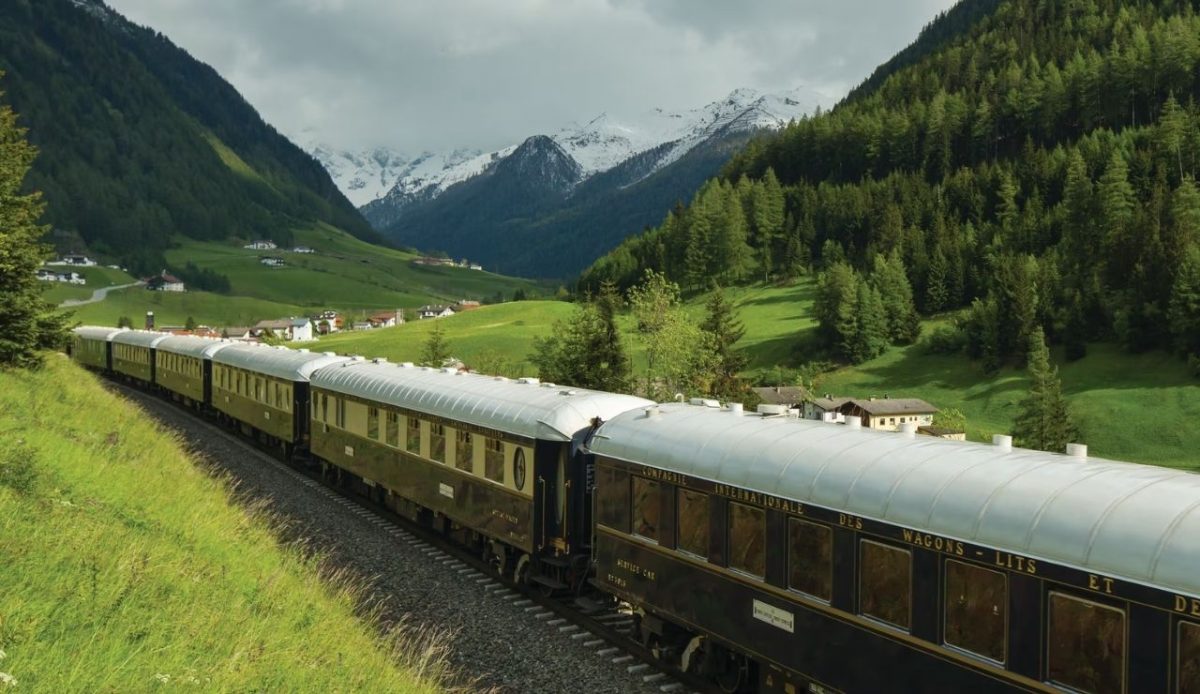
The Venice Simplon Orient Express preserves the look and etiquette of early twentieth-century European rail travel, utilizing restored carriages and formal table service that evoke a time when trains carried diplomats, writers, and royalty. Routes between Paris, Venice, and other capitals trace corridors where borders shifted, and grand stations became symbols of national pride. The ride becomes a history lesson in design, cuisine, and cross-border travel habits, not just a luxury overnight trip. Many interiors were modeled on Pullman era Art Deco work, and the brand’s legend in crime fiction keeps attention on how rail once set the pace of travel across Europe.
2. Trans-Siberian Railway
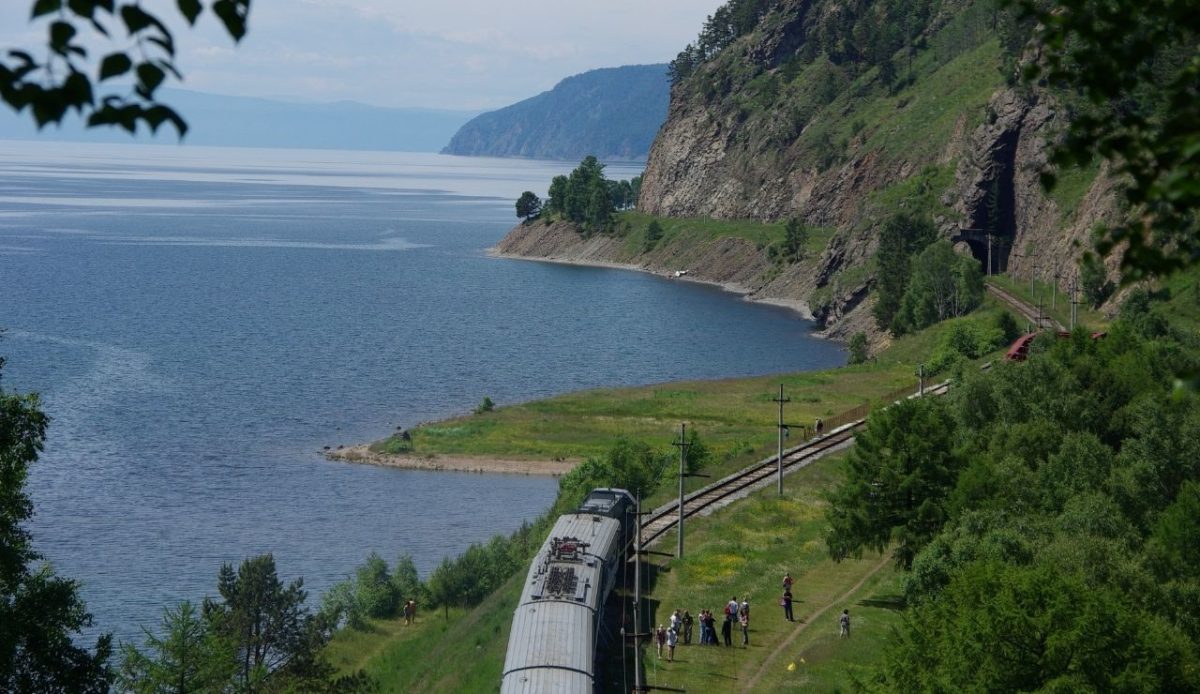
The Trans Siberian Railway was built to bind a vast empire, moving soldiers, settlers, and supplies from European Russia to the Pacific. Passing Perm, Irkutsk, and the shores of Lake Baikal, the line links regions with distinct religions, cuisines, and frontier histories. Many station towns grew around depots, workshops, and river crossings that shaped local economies. Days on board reveal how distance, climate, and policy created very different communities along one continuous track. Its story spans tsar planning, Soviet industry, and wartime logistics, still visible in rail yards and local memorials.
3. Bernina Railway
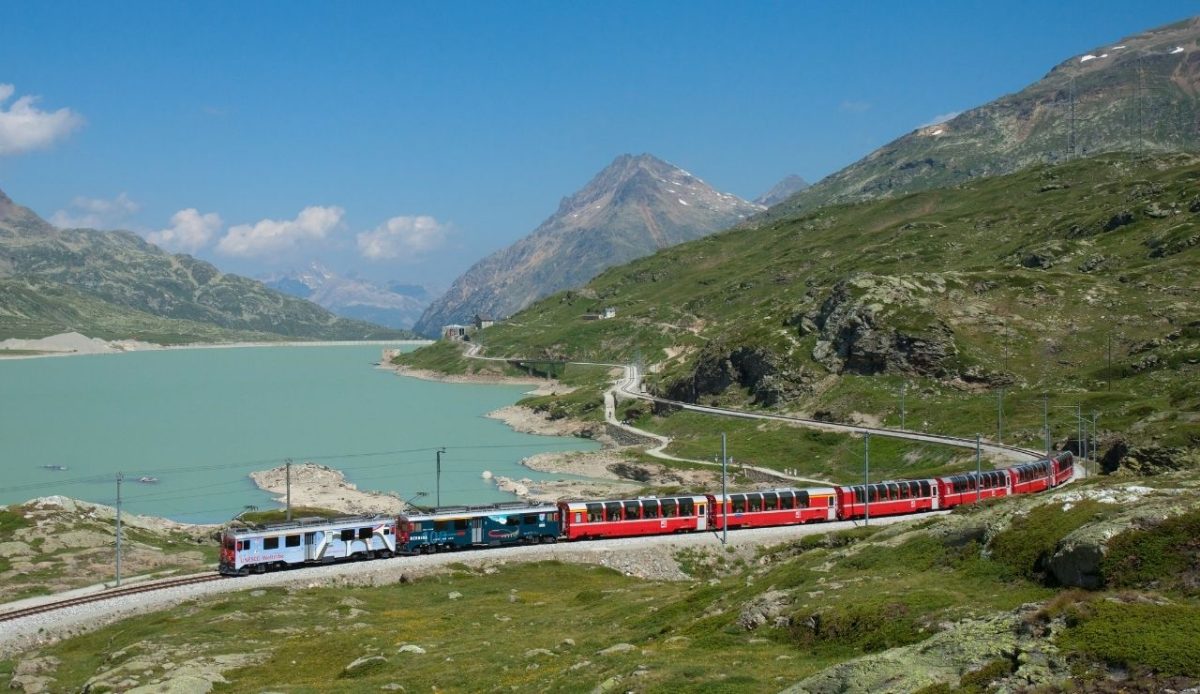
Bernina Railway links northern Switzerland with Italy’s Valtellina, climbing past glaciers, stone villages, and high passes without the long tunnels common on other Alpine lines. Built in the early 1900s, it showed how engineers used tight curves and gradients to connect isolated communities to jobs and markets. The route is part of a UNESCO-listed rail corridor, where station buildings and viaducts remain working infrastructure, not museum pieces. Riding it highlights cultural overlap, with Romansh valleys on one side and Italian towns on the other, plus food traditions that change as soon as the train drops below the snow line.
4. Reunification Express
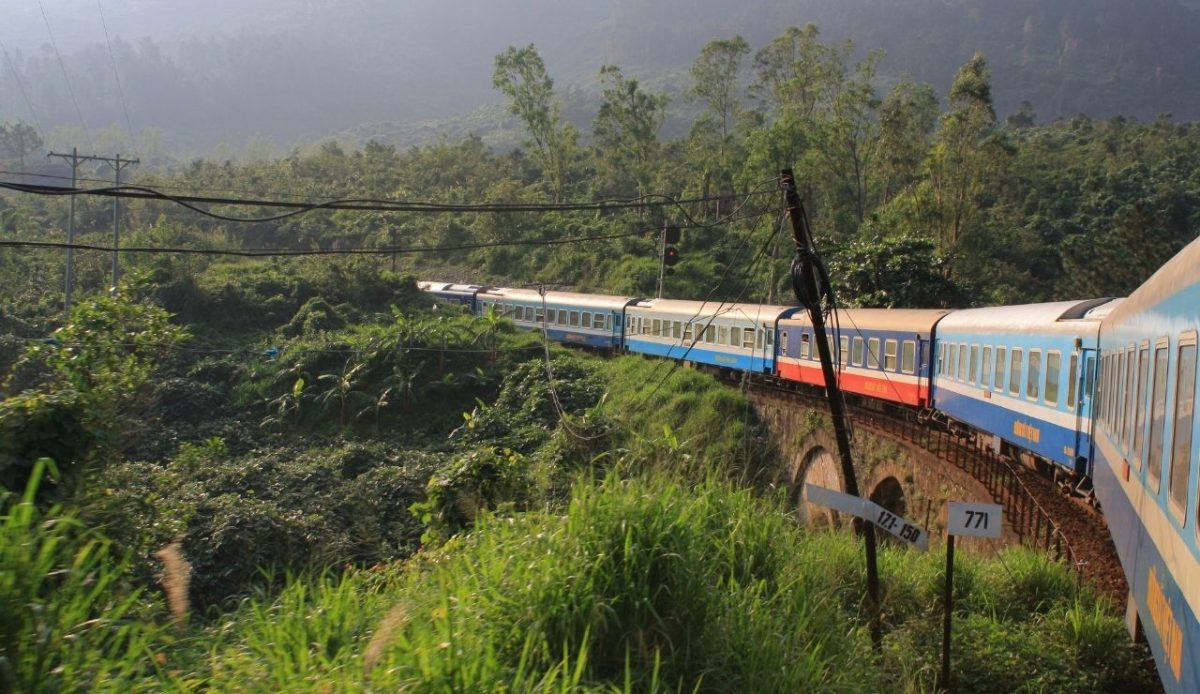
Vietnam’s Reunification Express runs the country’s north to south rail spine, first developed under French rule and later damaged during decades of conflict. The line became a symbol of national connection after 1975, linking Hanoi, Huế, Đà Nẵng, and Ho Chi Minh City through coastal plains and mountain gaps. Stations still anchor old quarters and street markets, so riders can step off into places where war history, temple life, and everyday commerce share the same blocks. Passengers notice dialect shifts and snack carts that change by region, and several stops are near museums on the railway’s role in war and recovery.
5. Darjeeling Himalayan Railway
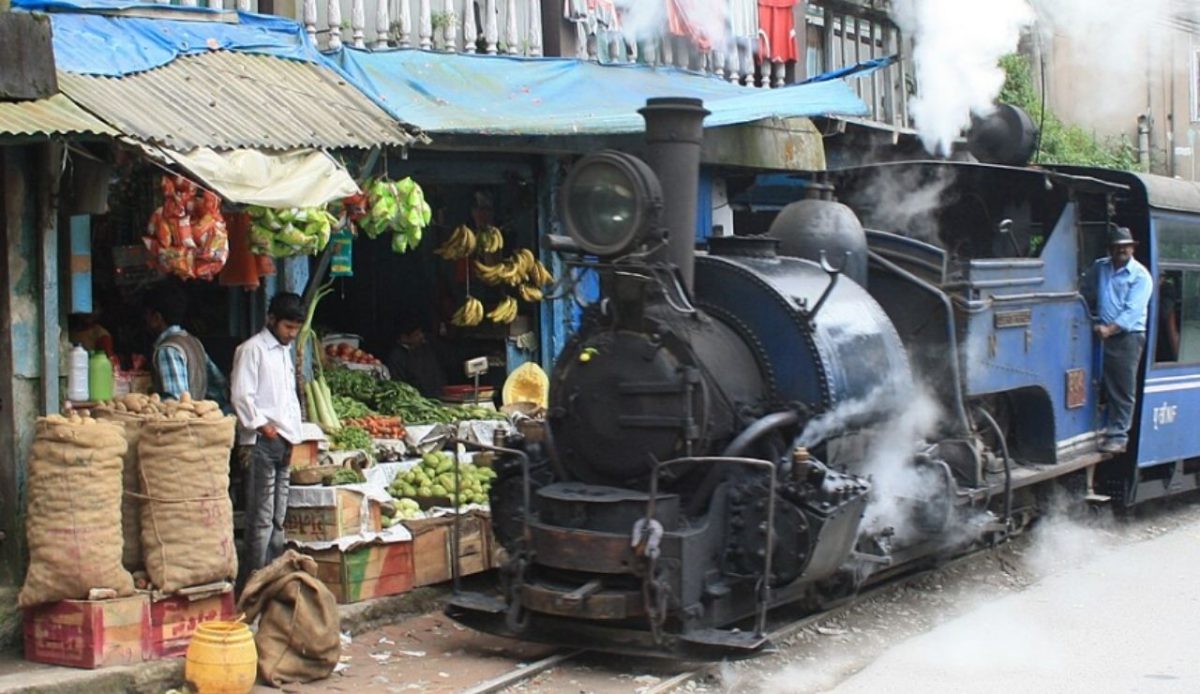
The Darjeeling Himalayan Railway, a UNESCO-listed narrow-gauge line, was opened in the 1880s to connect the plains with tea-growing hill stations. Its small steam engines climb through loops and zigzags that were designed to handle steep grades without heavy tunneling. The train passes bazaars, monasteries, and colonial-era facades, showing how rail access reshaped local labor, education, and trade. It still functions as transport for residents, not only a heritage ride for visitors. Because it runs beside streets in places, daily life continues inches from the rails, and Ghum station reflects the line’s high altitude history.
6. West Highland Line
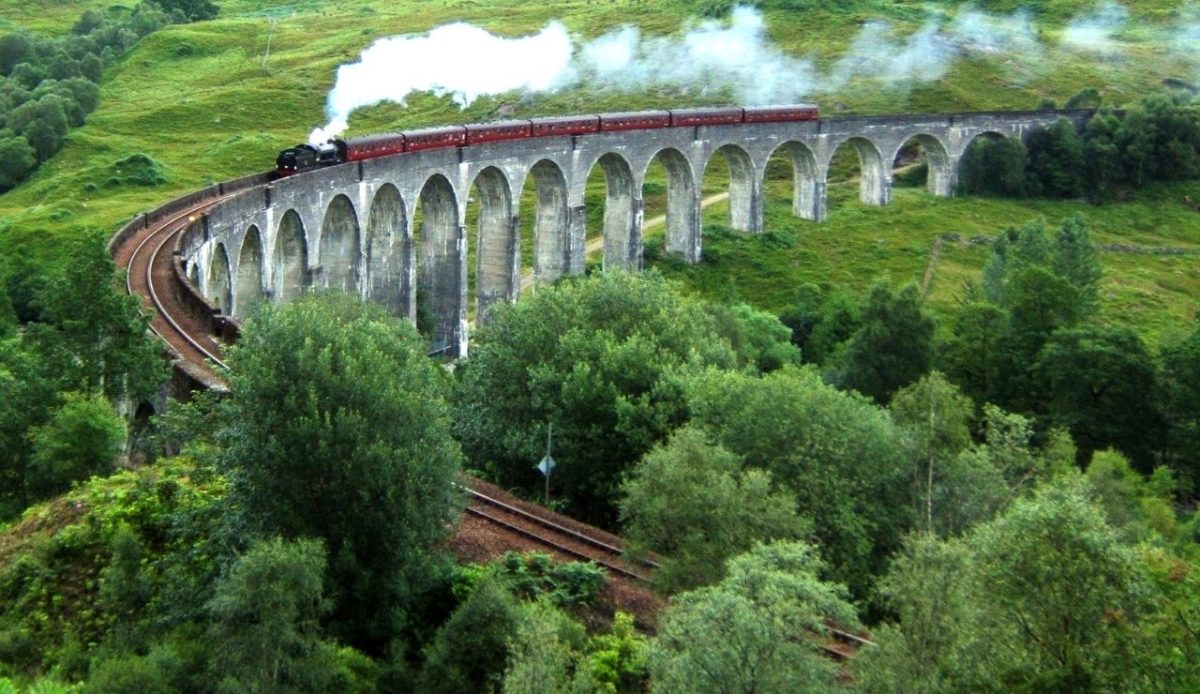
Scotland’s West Highland Line was built in the 1890s to connect remote fishing and crofting areas with Glasgow’s industrial economy. It crosses lochs and moorland where clearance-era depopulation and later wartime needs shaped settlement patterns. Stops serve small communities that depended on rail for mail, supplies, and seasonal work. The route also passes sites tied to Jacobite history and later film culture, yet its value comes from how it kept the Highlands linked to national life when roads were limited. Victorian engineering is still visible in bridges and stone stations, making the ride feel like a working heritage corridor.
7. Hejaz Railway
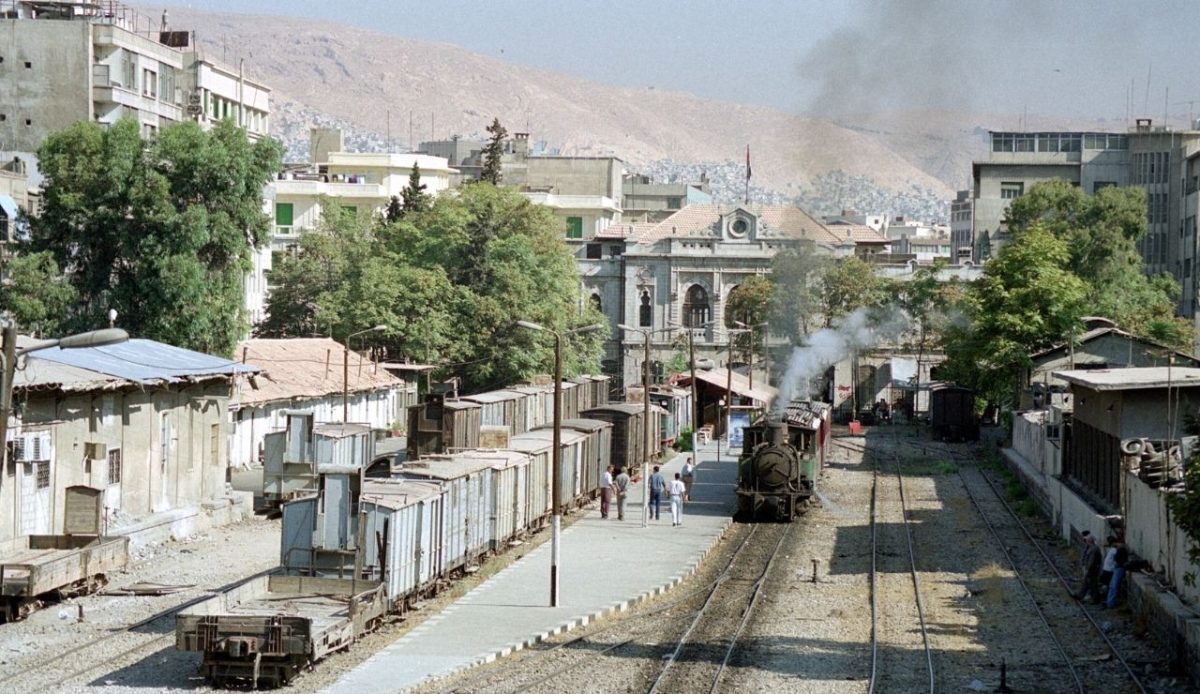
The Hejaz Railway was an Ottoman-era project begun in 1900 to support Muslim pilgrimage travel and strengthen imperial control across the Arabian region. Planned to run from Damascus to Medina, it relied on stations that also served desert settlements tied to caravan trade. Parts of the line were sabotaged during World War I, and ruins of bridges, workshops, and rolling stock remain in places such as Jordan. Following its remnants connects travelers to religious history, shifting borders, and the politics of modern nation-building. Heritage displays at restored depots explain how rail changed travel time and security along the route.
8. Ferrocarril Central Andino
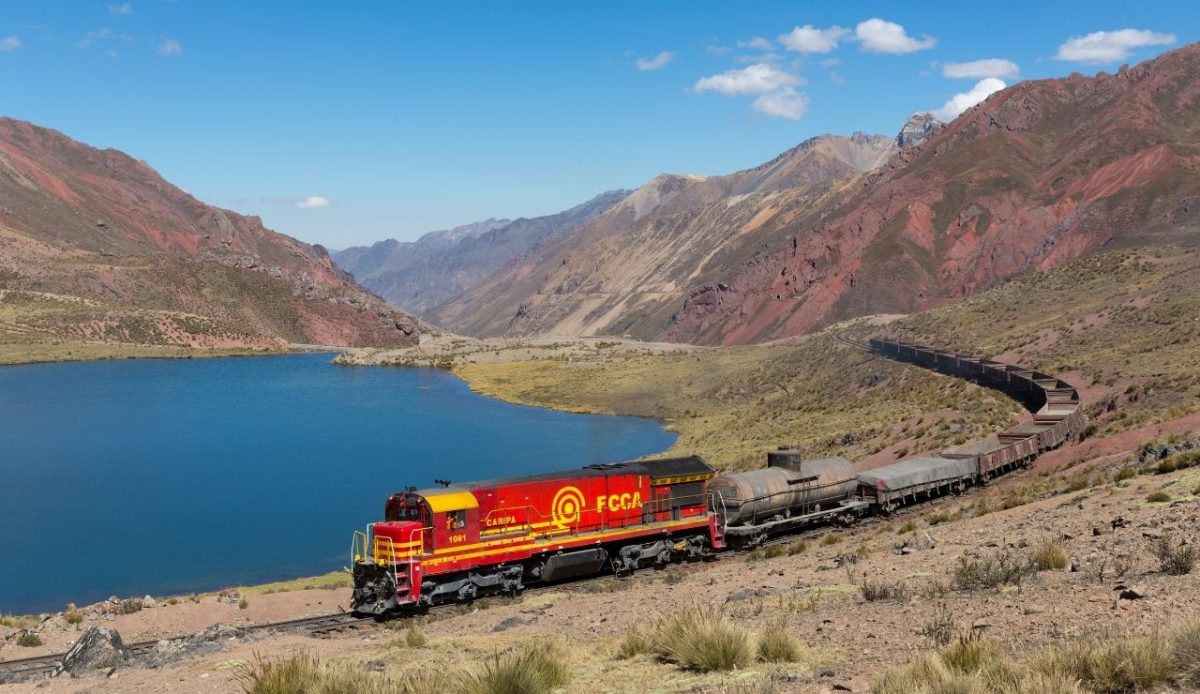
Peru’s Ferrocarril Central Andino, opened in the late 1800s, was built to move minerals from highland mines to Lima’s export routes. The line climbs through extreme terrain using switchbacks, tunnels, and bridges that reflect the engineering limits of its time. Rail access changed labor patterns, drawing workers and commerce into Andean towns while linking Indigenous communities to coastal markets on unequal terms. Riding the route shows how industry, geography, and politics intersected in Peru’s modernization story. At higher elevations, small stations mark former supply points where crews fought cold, thin air, and landslides.
9. California Zephyr
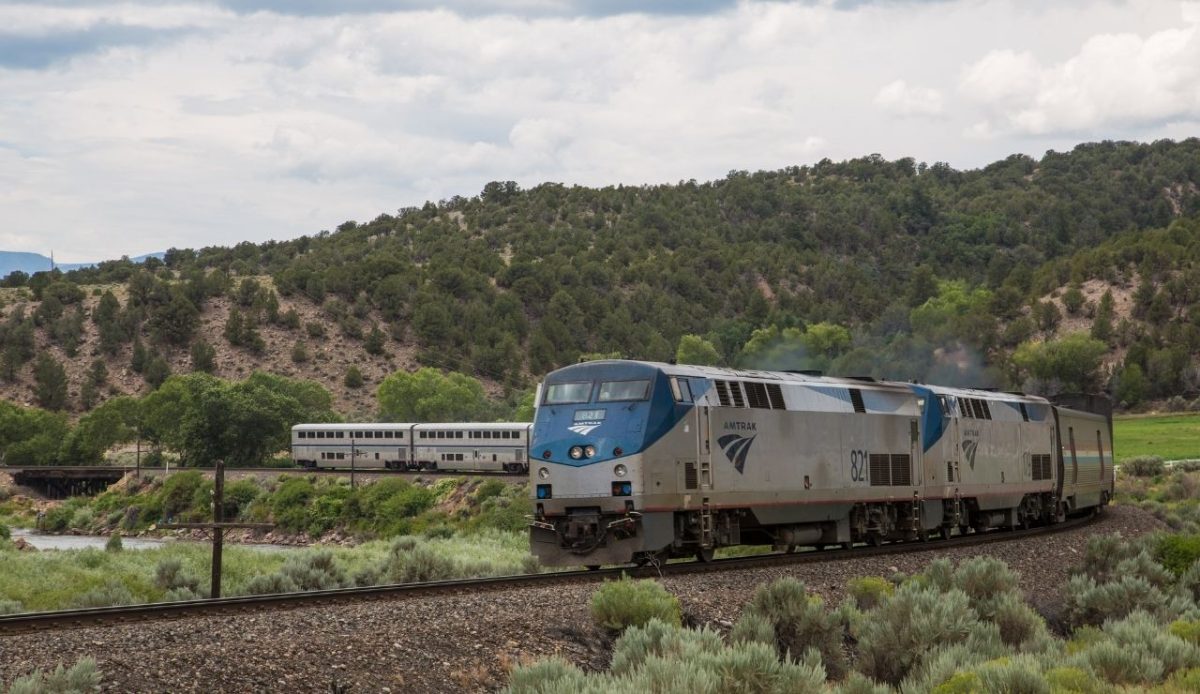
Amtrak’s California Zephyr follows corridors that helped open the American West, linking Chicago with the Bay Area through the Rockies and Sierra Nevada. The track alignment echoes earlier private railroads that carried migrants, mail, and mining equipment, shaping town growth along river valleys and mountain passes. Onboard time allows riders to read the terrain like a timeline, from prairie farming regions to frontier era rail hubs. Stops near historic districts and rail museums help connect scenery to settlement history. The ride highlights the human cost, including immigrant labor and the displacement that accompanied rail building.
