
Selfie spots don’t just get popular; they get physically managed. When a single viewpoint goes viral, crowds pile up fast, and the pressure lands on the pavement, nearby residents, site staff, and the monument itself.
These controls aren’t always “no photos allowed.” More often, they create a buffer zone, force a safer queue, or stop visitors from climbing, sitting, or stepping into traffic for a better angle that can damage stonework or cause accidents.
From Rome’s fountains to Japan’s Mount Fuji photo hotspot, barriers have become a new kind of travel signage: stand here, don’t stand there, take your shot, and let the next person through quickly.
1. Trevi Fountain, Rome
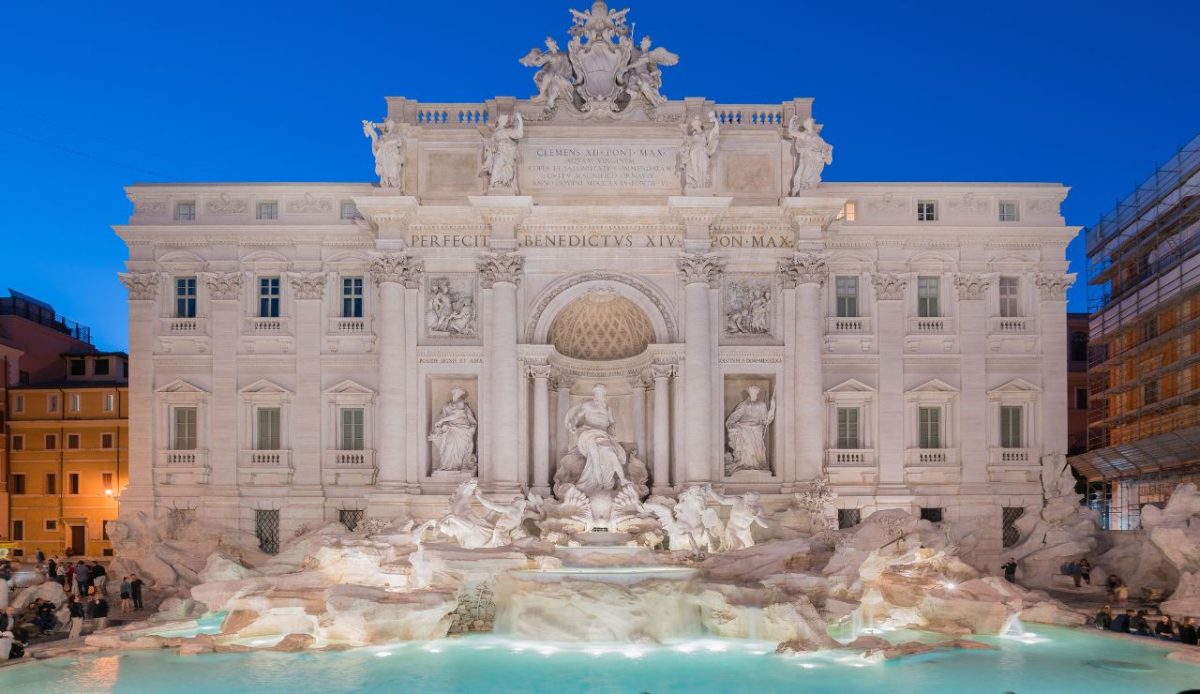
Rome’s Trevi Fountain has long been a magnet for coin-tossing and selfies, but the crush at the basin turned the narrow steps into a daily choke point.
From February 2, 2026, Rome began charging a €2 fee for visitors who want to descend the steps and get close to the fountain, while the surrounding square remains free for viewing from a distance. Access is limited to set hours, creating a controlled “close-up zone.”
It’s crowd control by design: fewer people jammed at the waterline, less climbing and sitting on the stonework, and a smoother rotation for anyone trying to grab a quick photo. The fee also helps fund upkeep amid overtourism year-round.
2. Mount Fuji, Japan
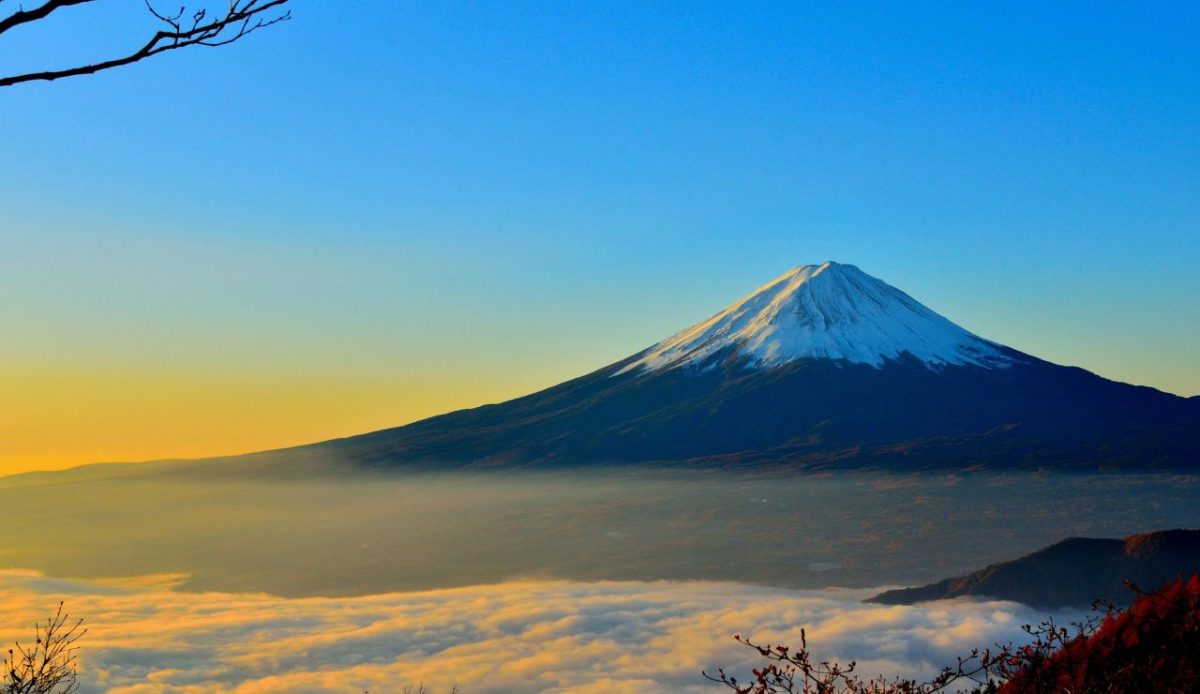
In Fujikawaguchiko, a roadside view of Mount Fuji behind a Lawson convenience store went viral, pulling crowds onto a narrow sidewalk and into the road.
Local officials erected a large black mesh screen, about 20 meters long and 2.5 meters high, to block the exact photo angle that was causing the congestion. The barrier targeted problems residents complained about, including illegal parking, littering, and people stepping into traffic.
The irony is the point: when a backdrop becomes an attraction, managing the crowd matters more than the view. Authorities later had to repair holes poked in the mesh at camera height and pointed visitors toward safer alternative photo areas.
3. Northeast view of Hallstatt, Upper Austria
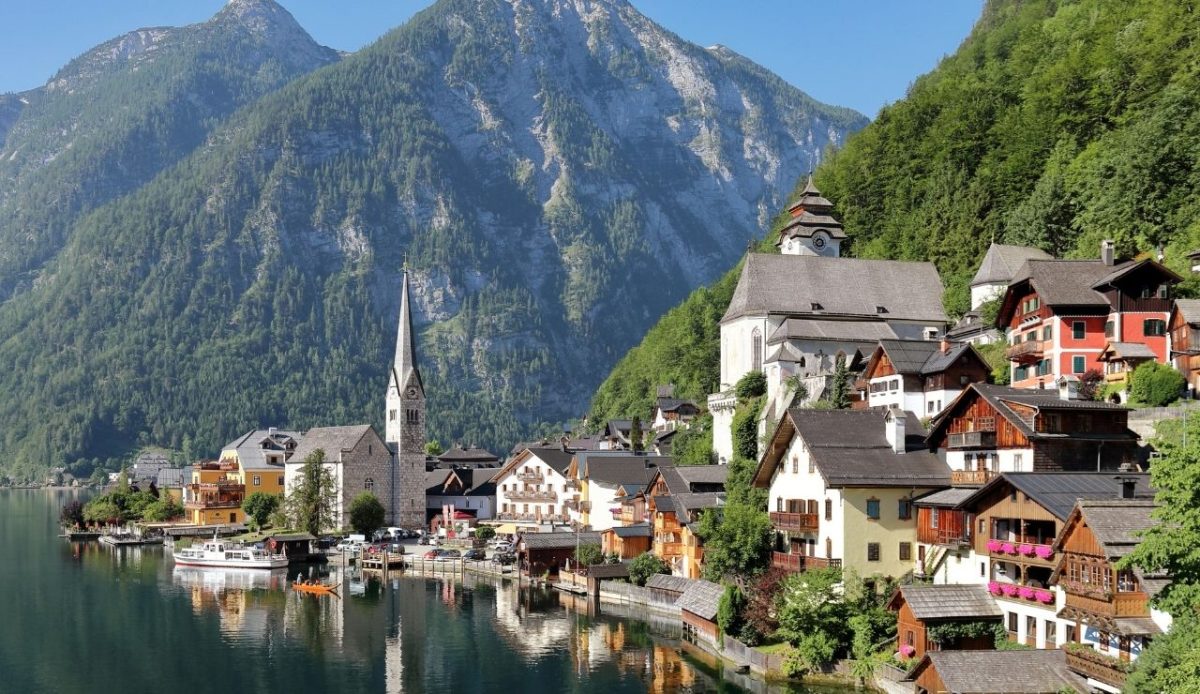
Hallstatt’s lakeside scenery is so photogenic that one specific viewpoint became a constant “selfie queue,” with noise and crowding spilling into a residential street.
With over a million visitors a year reported for the area, the town tried a direct fix in 2023: a temporary wooden fence at the popular backdrop to discourage people from clustering for photos. The barrier partially blocked the postcard angle, nudging visitors to move on.
The fence didn’t last long, backlash was loud, and it was removed, but it showed how quickly overtourism can turn a quiet corner into a set. Even a short-lived barrier signals that daily life still matters too.
4. Juliet’s Balcony, Verona
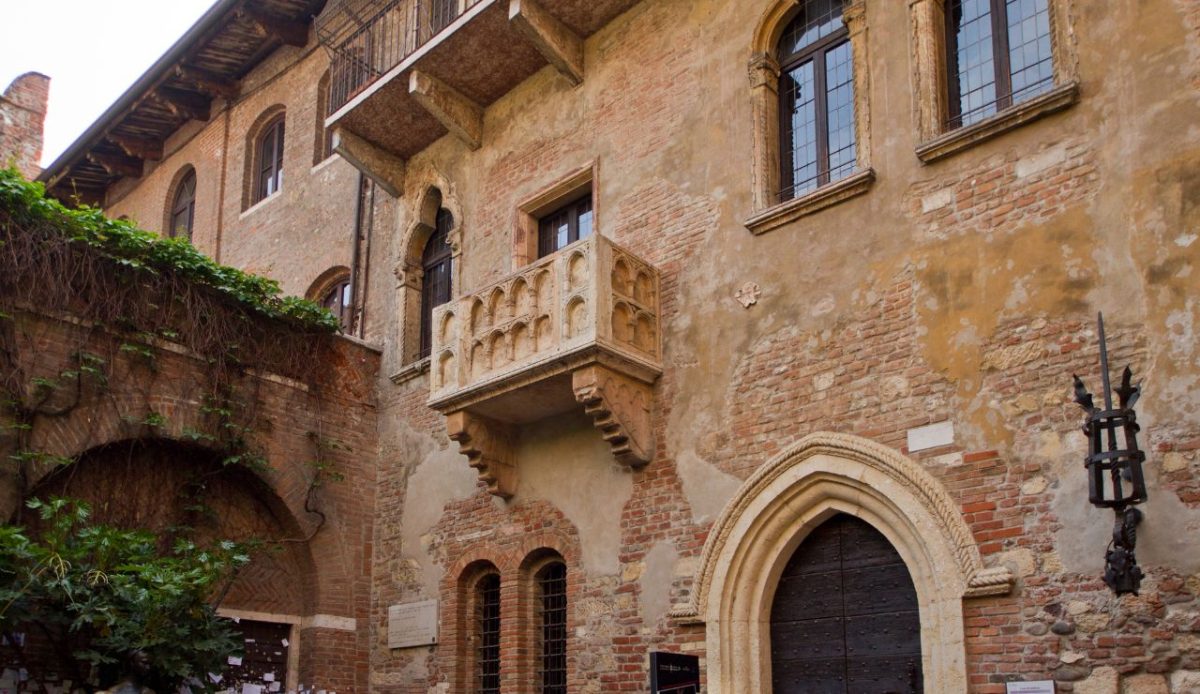
Verona’s “Juliet’s House” courtyard is tiny, but its selfie demand is massive, with visitors crowding in to photograph the balcony and the Juliet statue below.
In December 2025, new rules began requiring a paid ticket to enter the courtyard, effectively turning the entrance into a controlled gate rather than an open, free-for-all space. Reports also describe tighter time limits for balcony photos to keep the line moving.
The result is a barrier that’s partly physical and partly procedural: fewer people packed into the same square meters, less pushing for a “romantic” shot, and a clearer separation between passersby and those actually visiting the museum site.
5. The Mona Lisa, Louvre Museum, Paris
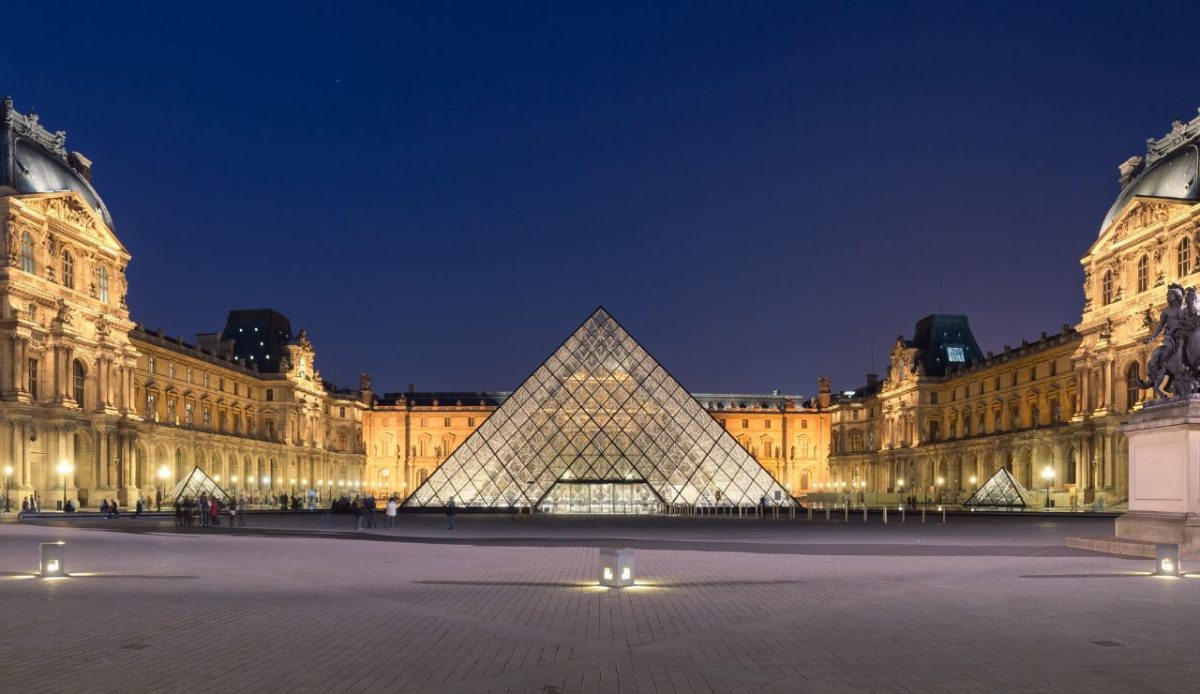
At the Louvre, the Mona Lisa isn’t just protected by fame; it’s protected by distance. The viewing area uses barriers and staff control to keep visitors back from the painting.
That separation shapes the modern ritual: people funnel toward a designated front zone, lift their phones, snap a quick selfie, and get ushered along so the next wave can step in. The barrier isn’t about stopping photos so much as preventing the crowd from collapsing onto the artwork.
It’s also a security and preservation buffer, especially after high-profile incidents involving protesters and thrown substances. In a room built for art, crowd choreography has become part of the exhibit.
6. Spanish Steps and Trinità dei Monti church, Rome, Italy
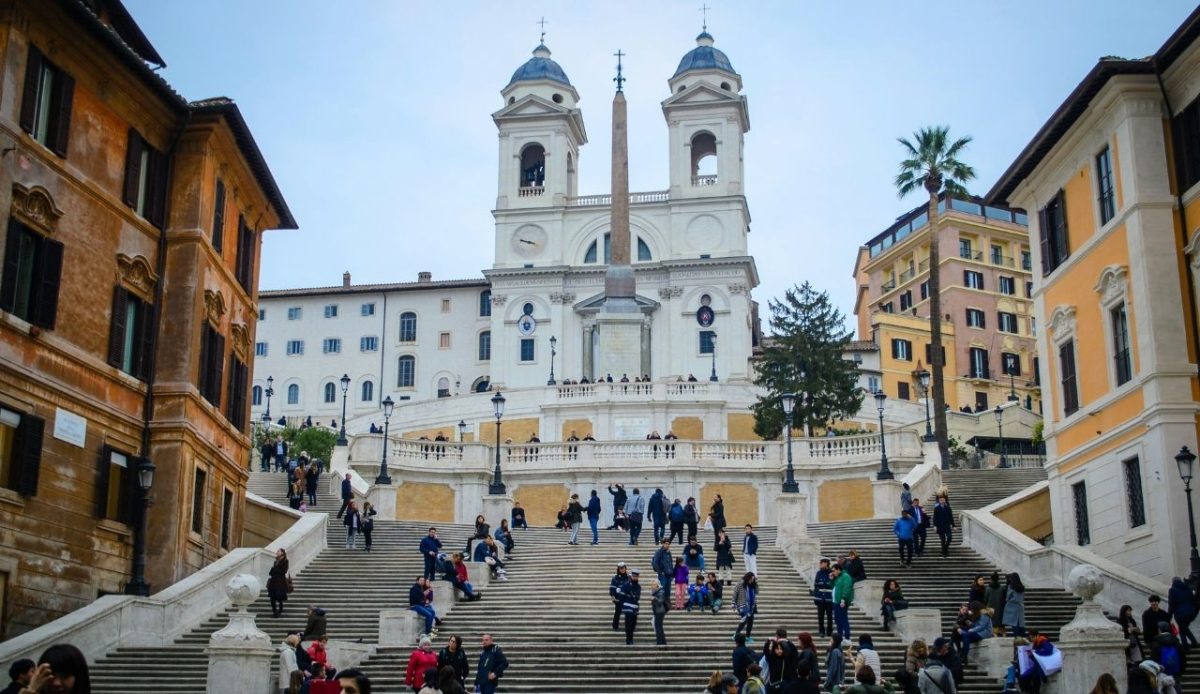
Rome’s Spanish Steps have long been a classic “sit, pose, and post” location, which is exactly why heavy foot traffic has been treated as a preservation problem for city staff.
During the major restoration in 2016, tourists were kept behind a plexiglass barrier, with many reduced to taking selfies from the edge of the protected zone. The temporary wall was a simple way to stop scuffing, littering, and wear while work was underway.
Even after the restoration, enforcement has leaned toward limiting behavior on the steps, including rules against sitting. The broader message is consistent: the steps are a monument first, and a photo set second.
7. Stonehenge, England
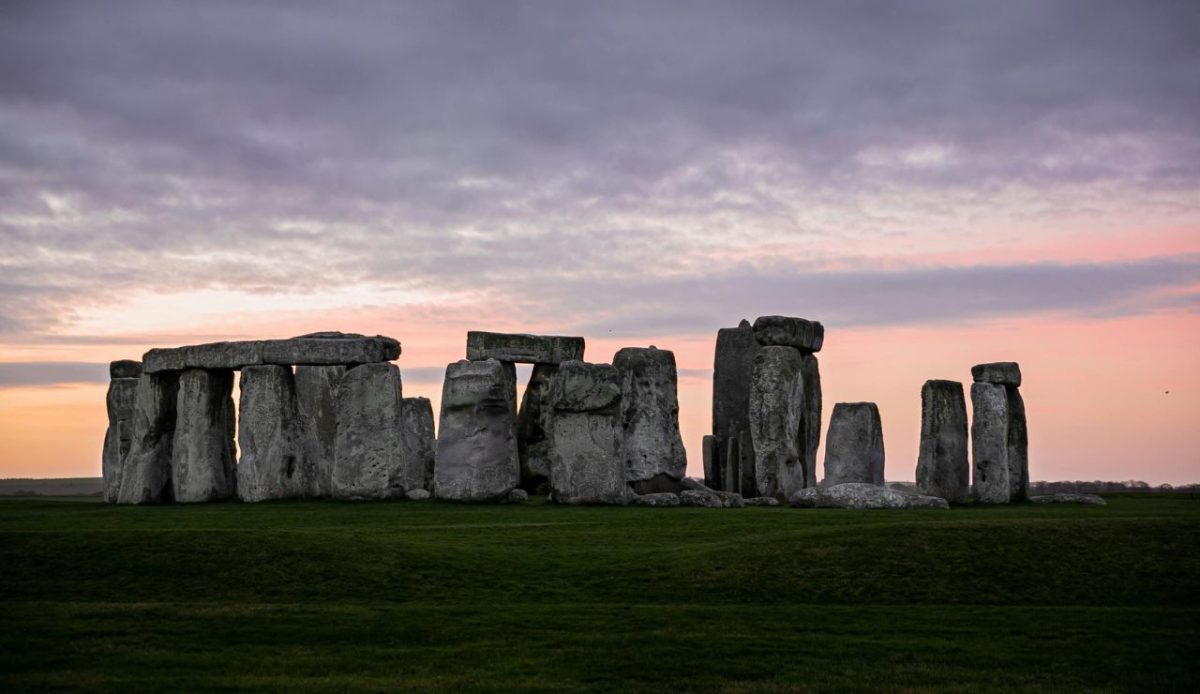
Stonehenge looks like an open field photo opportunity, but modern visitors are kept back by a low rope barrier that rings the stones during normal daytime access.
The restriction dates to the late 20th century: as visitation grew and the center ground was trampled, the site was roped off in 1977 to stop climbing and reduce damage. That barrier also prevents the “touch the stone” selfie that would quickly wear surfaces and destabilize the area.
You can still get dramatic photos, just from the managed perimeter. The barrier quietly enforces the idea that proximity isn’t the same thing as experience, especially at a fragile prehistoric site today.
8. La Sagrada Família, Barcelona
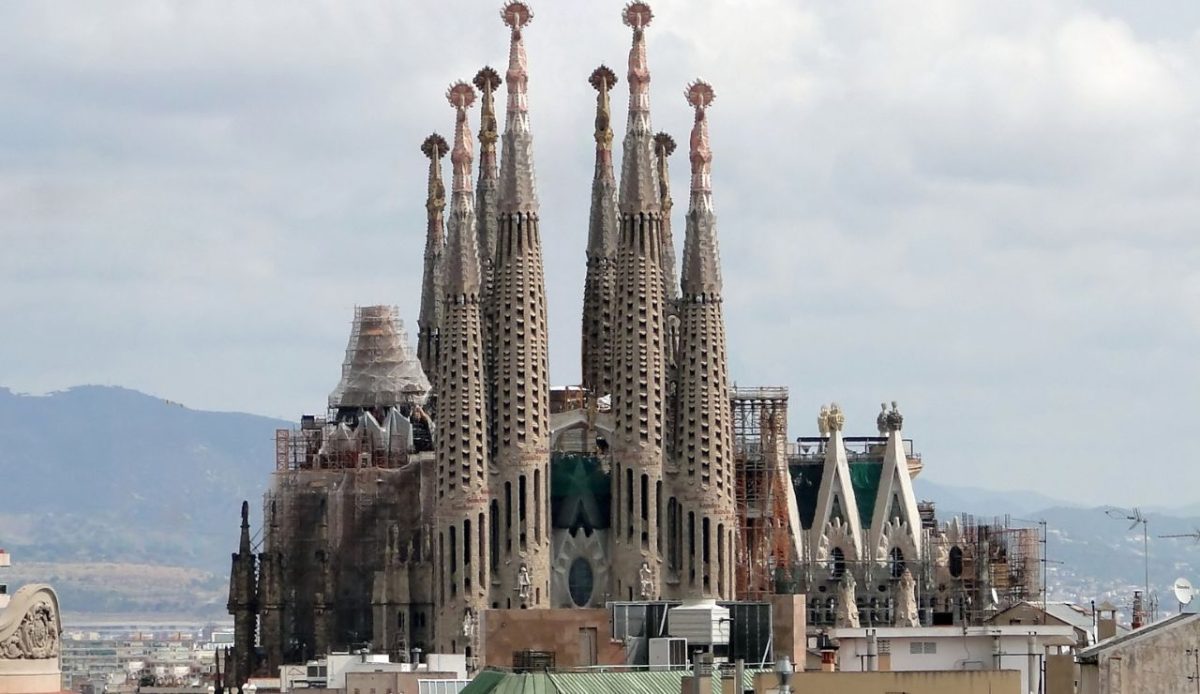
Barcelona has faced a modern problem at La Sagrada Família: thousands of visitors stop outside just to take photos, clogging sidewalks and blocking crossings near the basilica.
City plans call for building a dedicated “selfie zone” or public square beside the site, creating a defined space where people can pause, frame shots, and regroup without spilling into traffic. The idea is not to hide the landmark, but to separate pedestrian flow from photo-taking clusters.
Work is tied to a wider effort to manage tourism pressure around the church, with reports pointing to construction starting after summer 2025 and aiming for completion by April 2026. In this case, the barrier is space itself.
9. Machu Picchu, Peru
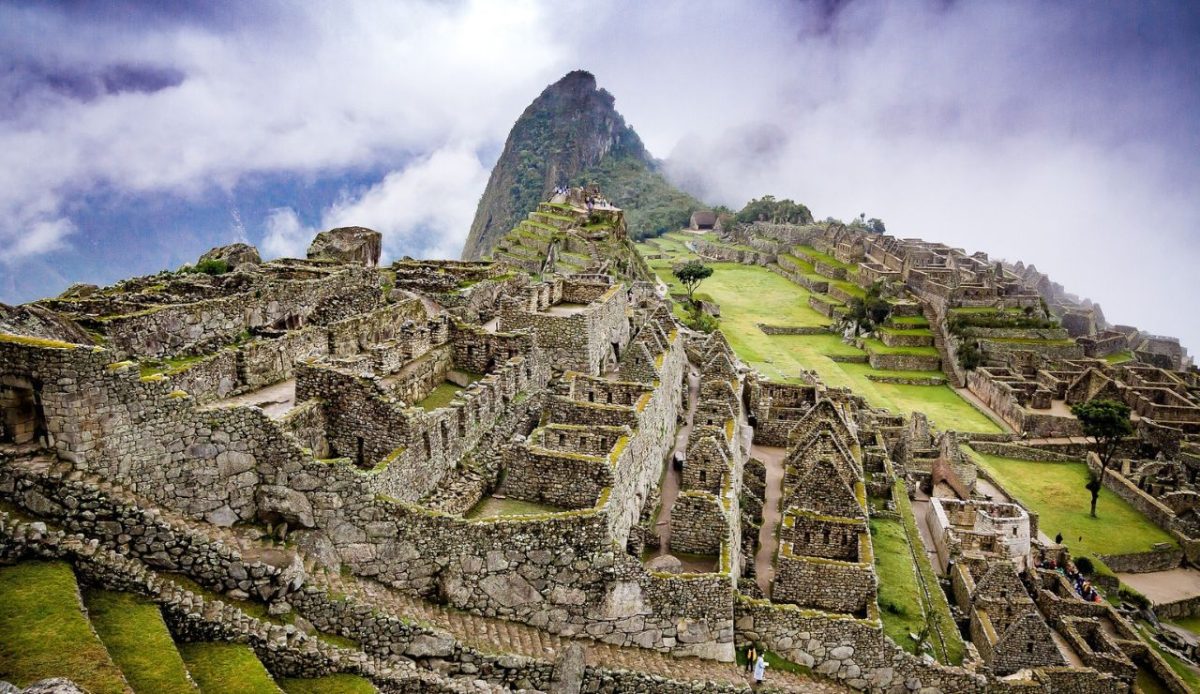
Machu Picchu’s “classic viewpoint” photos concentrate people in a few narrow terraces and stairways, which is why Peru’s site managers have leaned hard into controlled movement.
Since June 1, 2024, official visitor circuits have grouped routes into defined paths, with timed entry and one-way flow designed to spread people across the sanctuary. Ropes, railings, and staff guidance reinforce where you can stop, where you can’t linger, and how long you have at key lookouts.
For travelers, it changes the selfie dynamic: you still get the iconic frame, but you do it in a managed sequence rather than a free-roaming scrum. It’s a barrier system built into the itinerary.
