
Campground availability across the U.S. has tightened, with many travelers finding weekends and peak-season dates booked months ahead. Camping surveys show that hitting a sold-out campground while reserving is now common, and the broader “campsite crunch” has stayed near recent highs. Agencies have responded with changes meant to spread access.
This article highlights nine states where demand routinely outpaces supply, especially for waterfront and national-park-adjacent stays. In these places, prime loops can vanish quickly when reservation windows open.
Plan like it matters: know the booking window, keep dates flexible, and line up backups. Cancellations and same-day openings can turn “sold out” into a last-minute win.
1. California
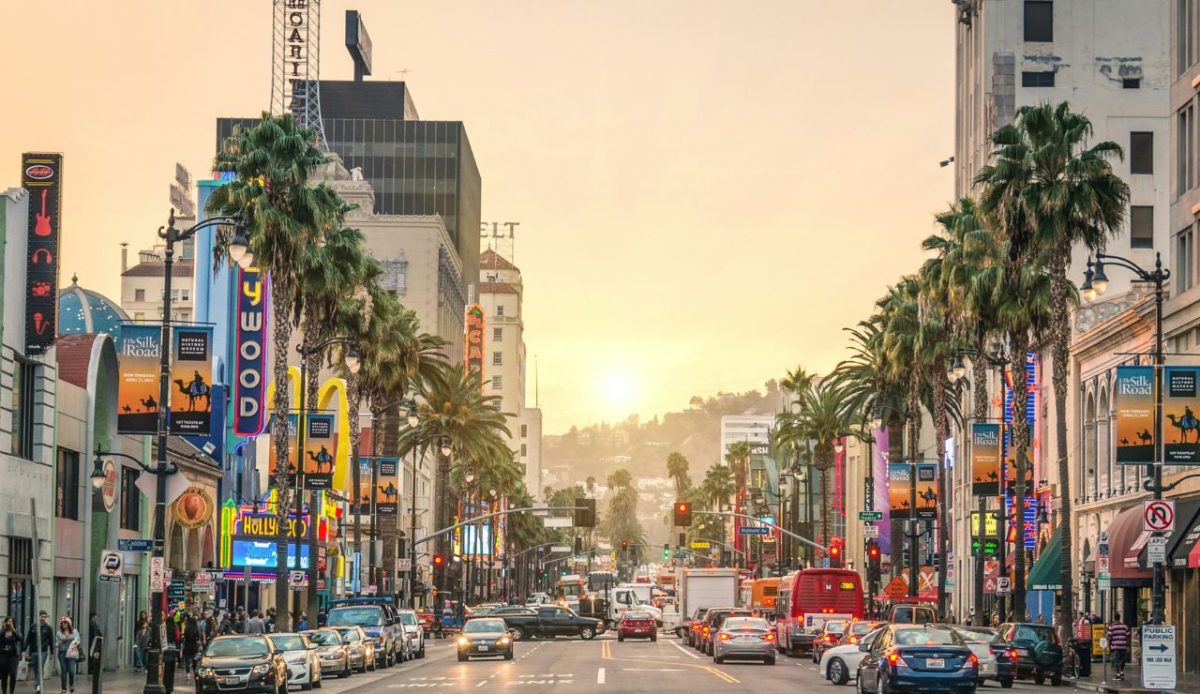
California’s marquee parks create nonstop demand, and the coast adds a supply cap: there aren’t many campground loops with ocean access. State Parks keeps tightening reservation and cancellation practices because popular destinations book fast and turnover matters.
Expect the biggest pressure around iconic areas like Big Sur, the Central Coast, and the Southern California beach parks, where summer weekends can disappear early. Even when you miss the first wave, cancellations are the realistic path back in.
Best play: target midweek arrivals, avoid holiday weeks, and check for cancelled sites released the next morning. If you can drive a little farther inland, you’ll often find more openings for the same dates.
2. Colorado
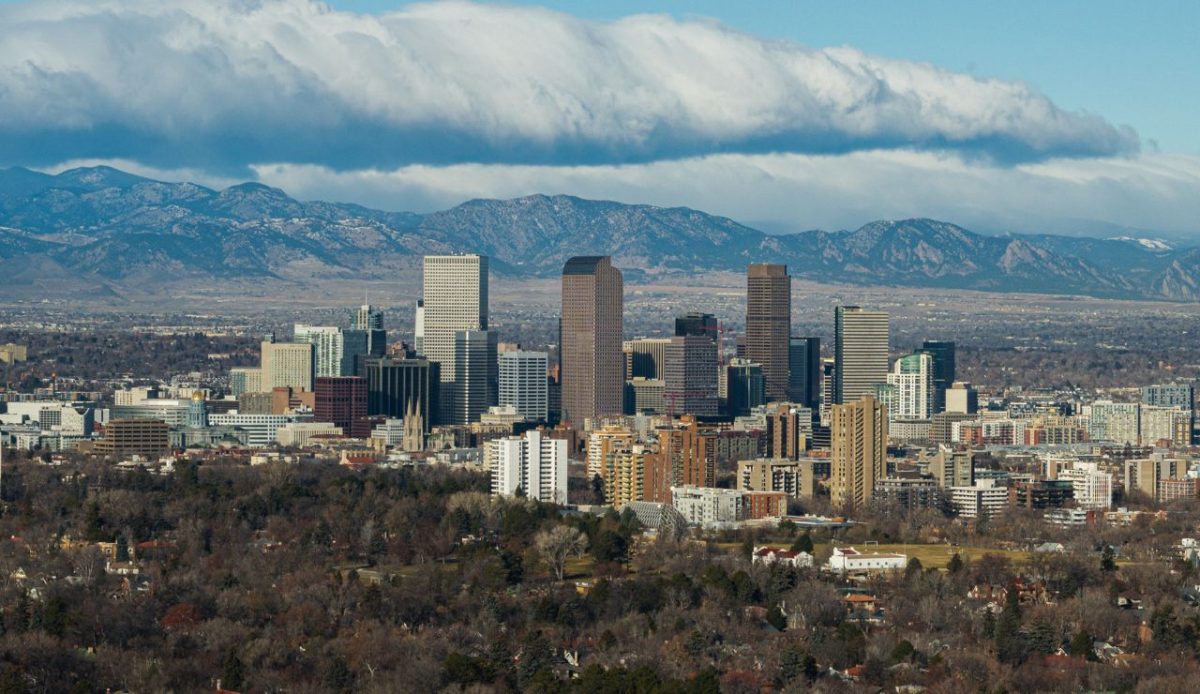
Colorado’s camping squeeze is tied to sheer volume: state parks draw massive visitation, and peak summer weekends stack local residents, road-trippers, and festival traffic. With popular reservoirs and Front Range parks, the most convenient sites become the first to sell.
Even when you have flexibility, elevation and weather compress demand into a shorter season, so June through September does the heavy lifting. News and park messaging regularly remind visitors to plan ahead for busy periods.
Best play: pick shoulder-season dates, look at less famous parks away from Denver, and avoid Friday check-ins. If you need a specific weekend, lock it early and keep a second park ready in case your first choice fills.
3. Utah
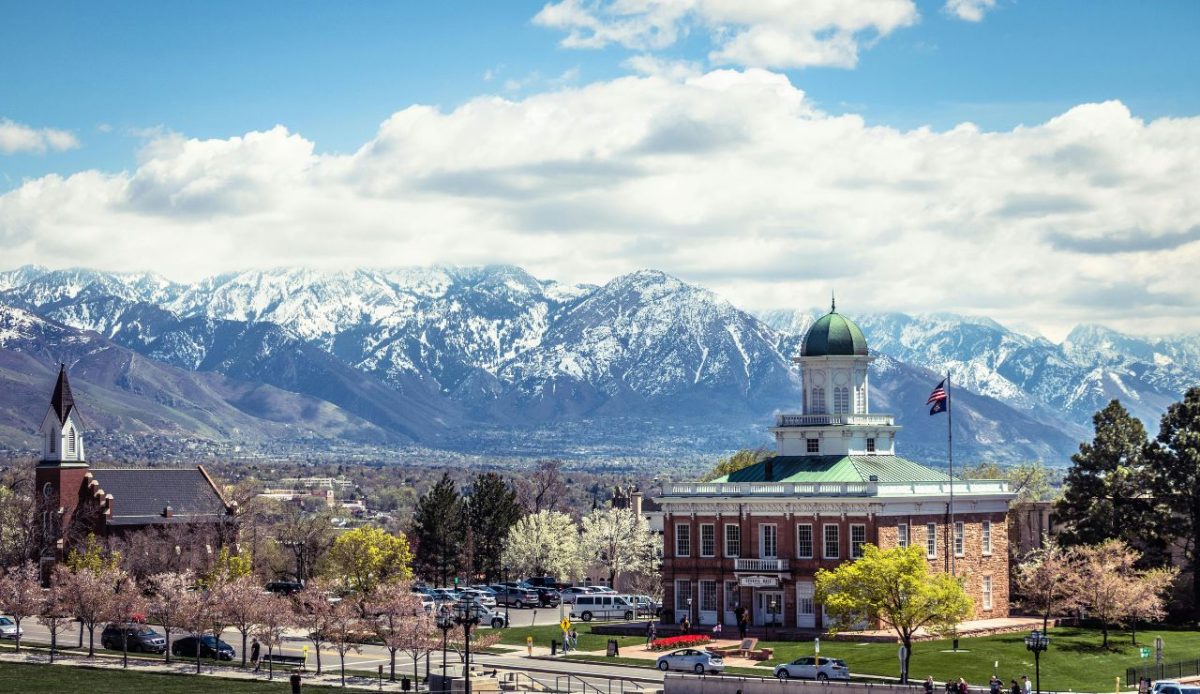
Utah combines a tight campground footprint with world-famous scenery, so demand spikes around red-rock gateways and lake parks alike. Many Utah State Parks use a centralized reservation platform, which makes it easy for travelers to compete for the same limited inventory.
The pressure is most obvious in spring and fall, when temperatures are ideal and national park corridors are busiest. That means you can see “sold out” banners even outside the traditional summer rush.
Best play: treat shoulder seasons like peak seasons, and widen your search radius to nearby state parks with similar landscapes. If you’re set on a specific park, watch for cancellations and be ready to book the moment a site reappears.
4. Montana
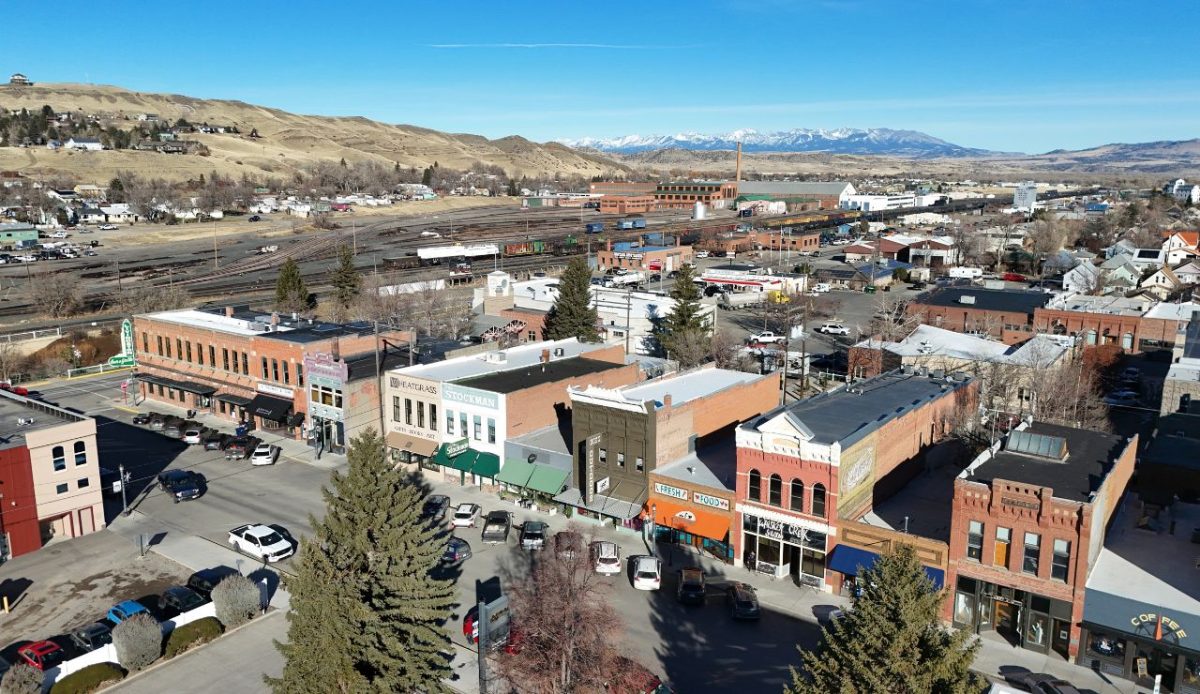
Montana’s demand problem is the classic Glacier effect: once a trip is on the calendar, travelers add camping, fishing, and lake days around it. To manage crowding, Montana has even adjusted reservation policies such as shorter booking windows and limits on how long one party can hold a site.
That helps spread access, but it also means competition concentrates into a smaller booking window, so the opening minutes matter. Summer weekends near big water or major trailheads remain the hardest to land.
Best play: build a flexible itinerary with multiple parks, and consider moving camp mid-trip to match what’s actually available. If you strike out, monitor cancellations aggressively—openings can pop up close to arrival.
5. Wyoming
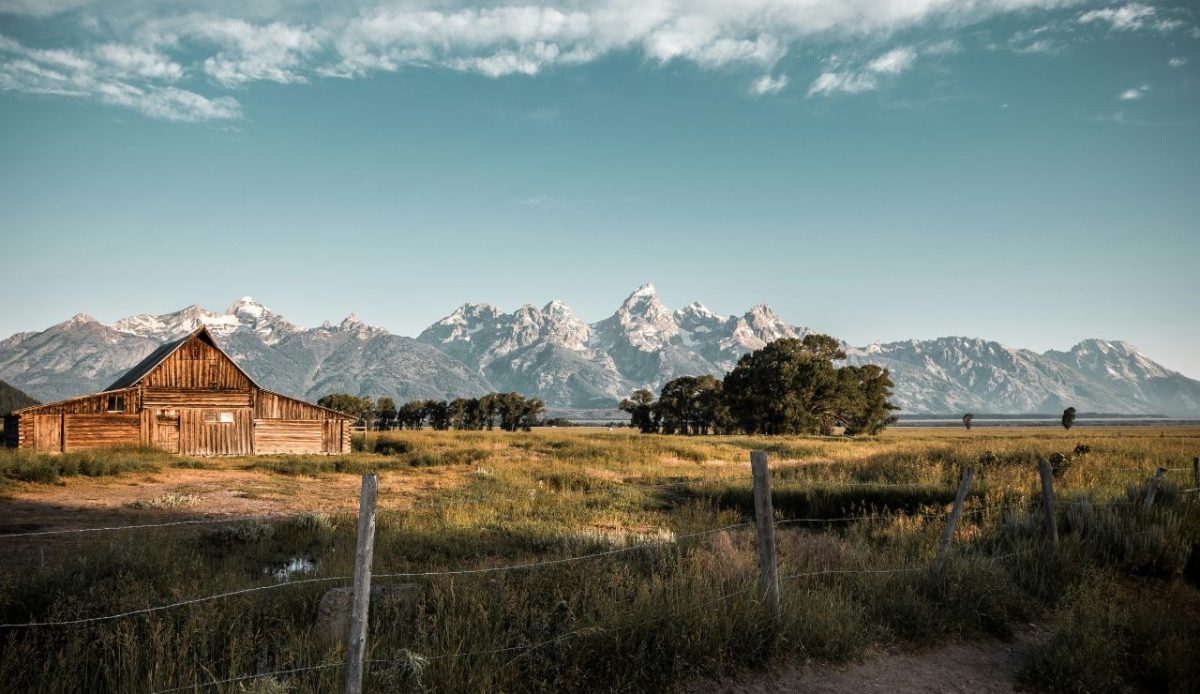
Wyoming’s public-land reputation can hide a practical reality: many state-park campgrounds are small, seasonal, and heavily demanded on holiday weekends. Past sellouts around the Fourth of July show how quickly the system can hit capacity when families target the same dates.
State Parks also runs a defined reservation season, with parts of the year shifting to first-come, first-served availability. That mix can help spontaneous travelers, but it won’t save you for the busiest summer stretches.
Best play: if you want a summer weekend, reserve early; if you can travel off-season, arrive early in the day and have backup parks in mind. Wind and weather can reshape plans fast, so flexibility pays here.
6. Washington
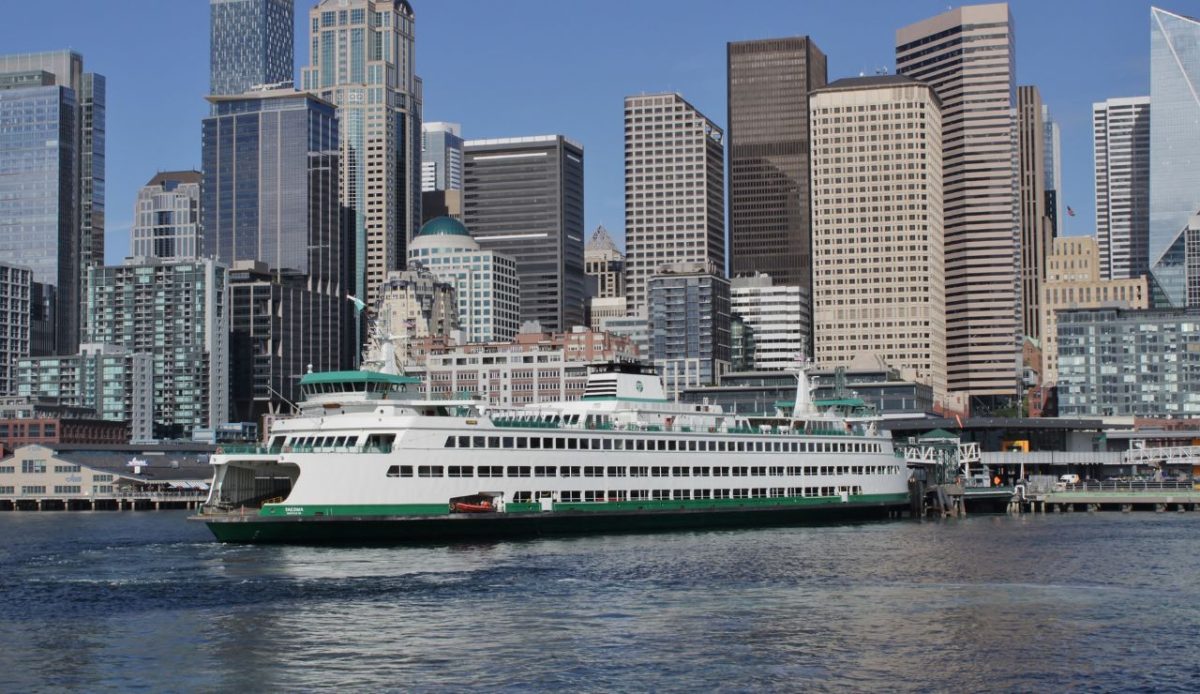
Washington’s coastal and island parks, plus easy access from Seattle, make camping demand feel like rush-hour traffic: constant and unpredictable. The state has expanded same-day reservation programs to capture cancellations and reduce empty-but-reserved sites, a sign of how tight the market has become.
For travelers, the result is a two-track system: book the classic parks months ahead, then use same-day options when the schedule is flexible. Summer weekends at signature parks are still the hardest target.
Best play: book early for Deception Pass-style destinations, but keep an eye on day-of releases until early afternoon. If your group can handle midweek, you’ll see a noticeable drop in competition.
7. Oregon
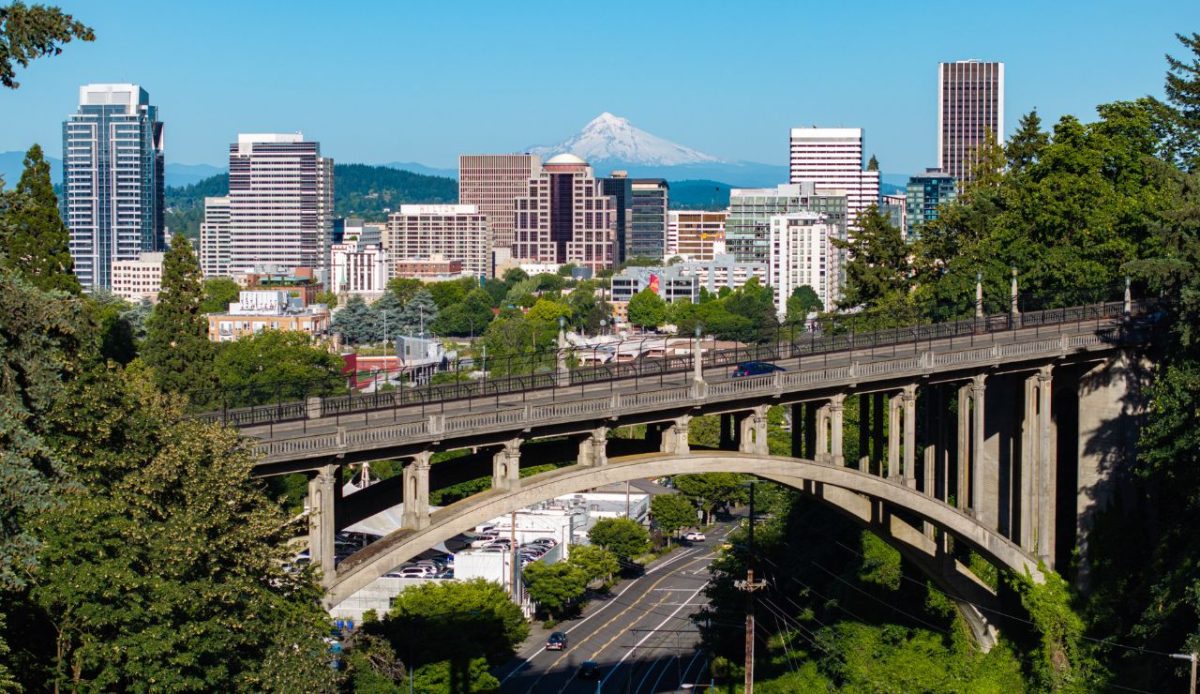
Oregon’s beach and forest campgrounds are a magnet for Portland and Seattle travelers, and the reservation window creates a predictable stampede. Local reporting notes that sought-after Oregon State Parks campsites can book out within minutes when they become available.
The biggest pinch hits the coast and the Cascades, where there’s limited space near the headline views and trailheads. Once school is out, weekends become the hardest currency to buy.
Best play: create your reservation account ahead of time, aim for Tuesday or Wednesday arrivals, and consider less famous parks along the same coastline. If you miss the drop, set a routine to check cancellations rather than refreshing nonstop.
8. Maine
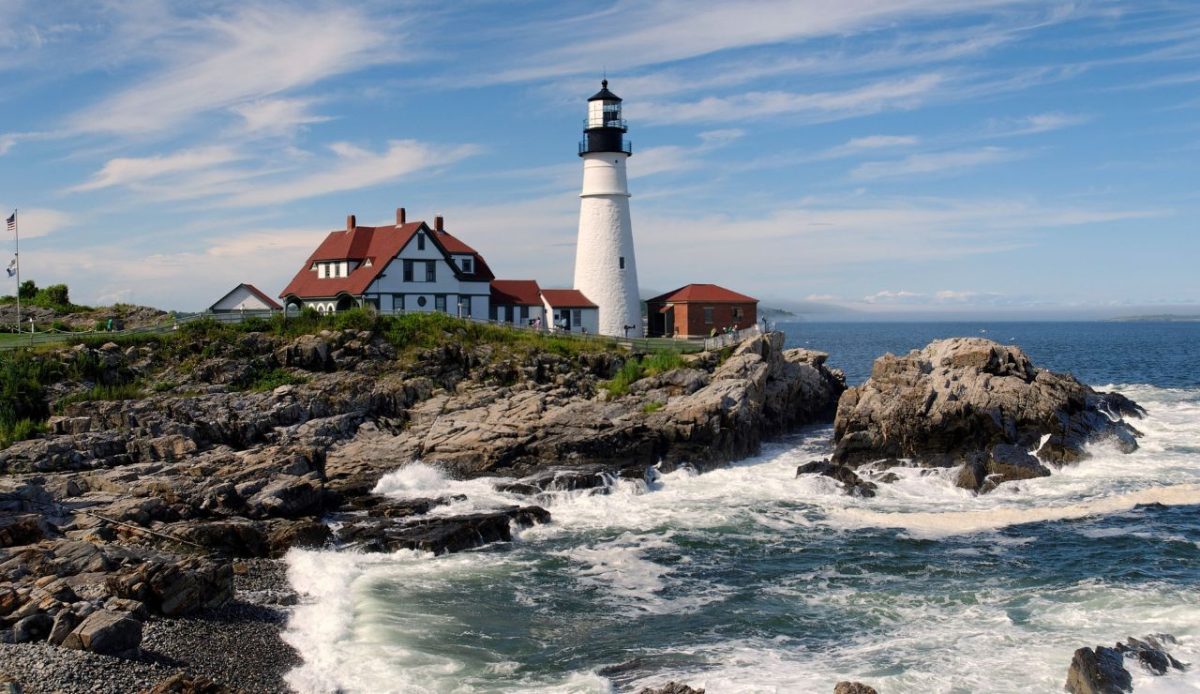
Maine’s camping crunch is driven by a short, beautiful season and a strong shift toward outdoor vacations. State reporting and agency updates have highlighted record visitation and spikes in reservation activity, including unusually high transaction volume on opening days.
That demand concentrates on coastal parks, Acadia-adjacent options, and any campground with easy water access. Once July and August calendars fill, travelers often pivot to midweek or smaller inland parks.
Best play: decide early whether you’re prioritizing the coast or flexibility. If it’s the coast, book the moment the window opens; if it’s flexibility, build a loop of inland alternatives and swap in cancellations when they appear.
9. Florida
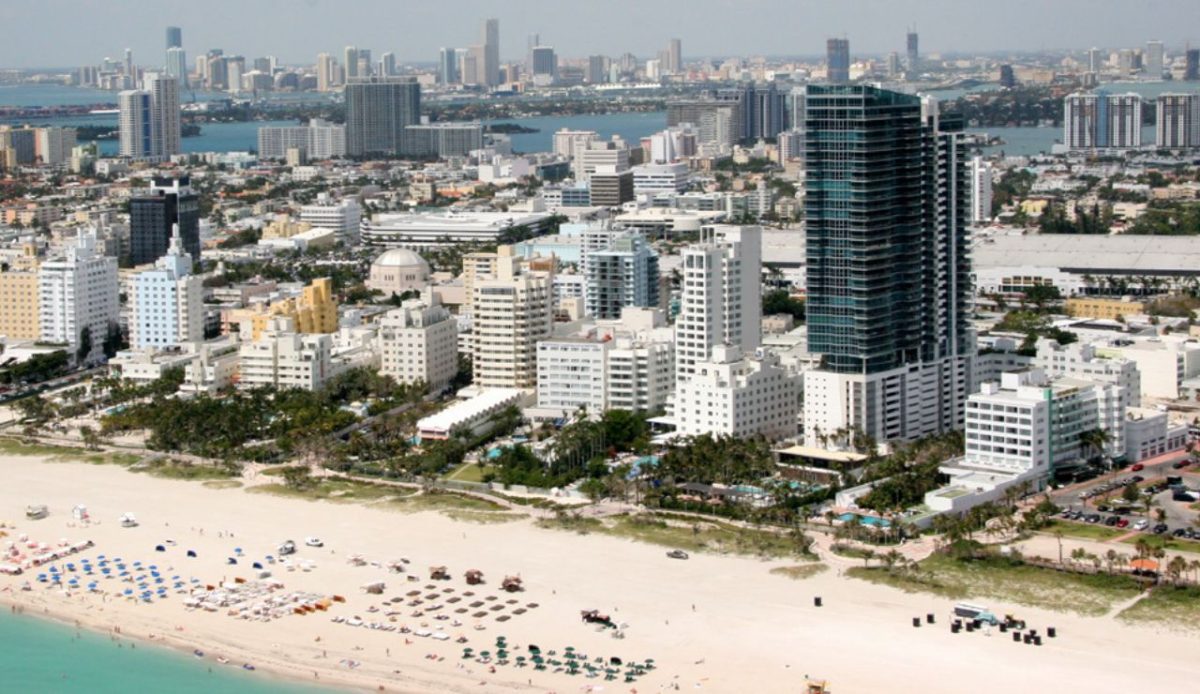
Florida flips the script: camping demand surges in winter and spring, when travelers escape cold weather and snowbirds settle in. To address residents feeling shut out, Florida implemented a resident head start for booking, which underscores how competitive prime dates can be.
Beachfront and spring-fed parks are the hardest targets, and the weather window is wide enough that “peak season” lasts for months. That means the crunch isn’t just a summer problem.
Best play: if you’re a non-resident, plan even earlier and consider inland parks with similar amenities. If your dates are fixed, look for cancellations and be open to splitting a trip across two nearby parks.
