
When an airline enters bankruptcy proceedings, flights do not always stop, but the experience for travelers often changes in subtle and confusing ways. Spirit Airlines’ bankruptcy process has raised concerns among flyers who assume tickets, benefits, and policies will remain unchanged. In reality, financial restructuring can affect customer protections in ways that are not always clearly communicated.
Many travelers misunderstand what bankruptcy means for active bookings. While planes may continue flying, refunds, credits, and services can become harder to navigate. Policies may shift quickly as the airline works to stabilize operations.
For flyers, awareness is critical. Knowing the common traps tied to airline bankruptcy helps travelers make informed decisions before booking, changing flights, or relying on airline-issued credits.
1. Uncertain Refund Timelines
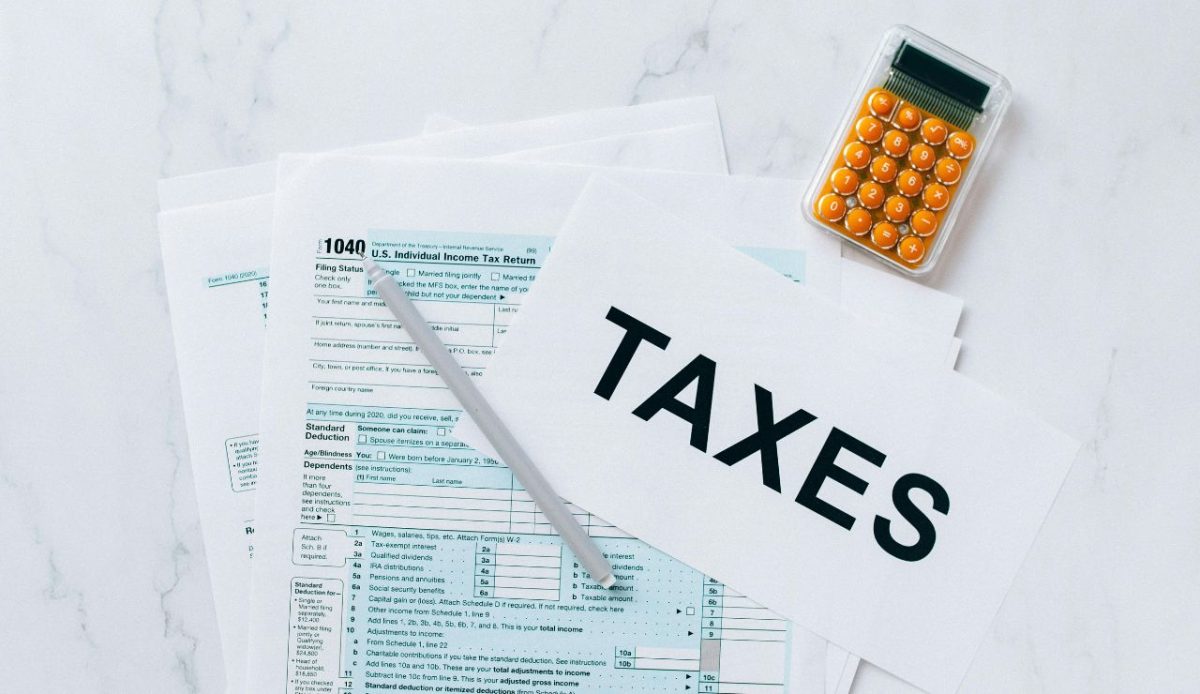
Refunds often become slower and less predictable during bankruptcy proceedings. While airlines may still process refunds, delays are common as financial systems and priorities shift internally and staff workloads increase.
Passengers requesting refunds for canceled flights or unused tickets may wait longer than expected. Communication from customer service can also become inconsistent during restructuring, adding confusion to the process.
This uncertainty can be frustrating for travelers relying on timely refunds to rebook with other airlines, manage budgets, or avoid carrying unexpected travel debt for weeks.
2. Flight Credits Losing Flexibility
Airline-issued credits may come with new restrictions during bankruptcy. Expiration dates, route limitations, or usage rules can change without prominent notice, leaving travelers unsure how or when credits can be applied.
Travelers holding credits often assume they retain original value and flexibility. In reality, credits are frequently treated as unsecured claims during financial restructuring, placing them behind other financial obligations.
This status can limit how credits are honored, especially if routes are reduced or policies tighten. As a result, credits may become harder to use, less flexible, or restricted to specific conditions.
3. Schedule Changes Becoming More Frequent
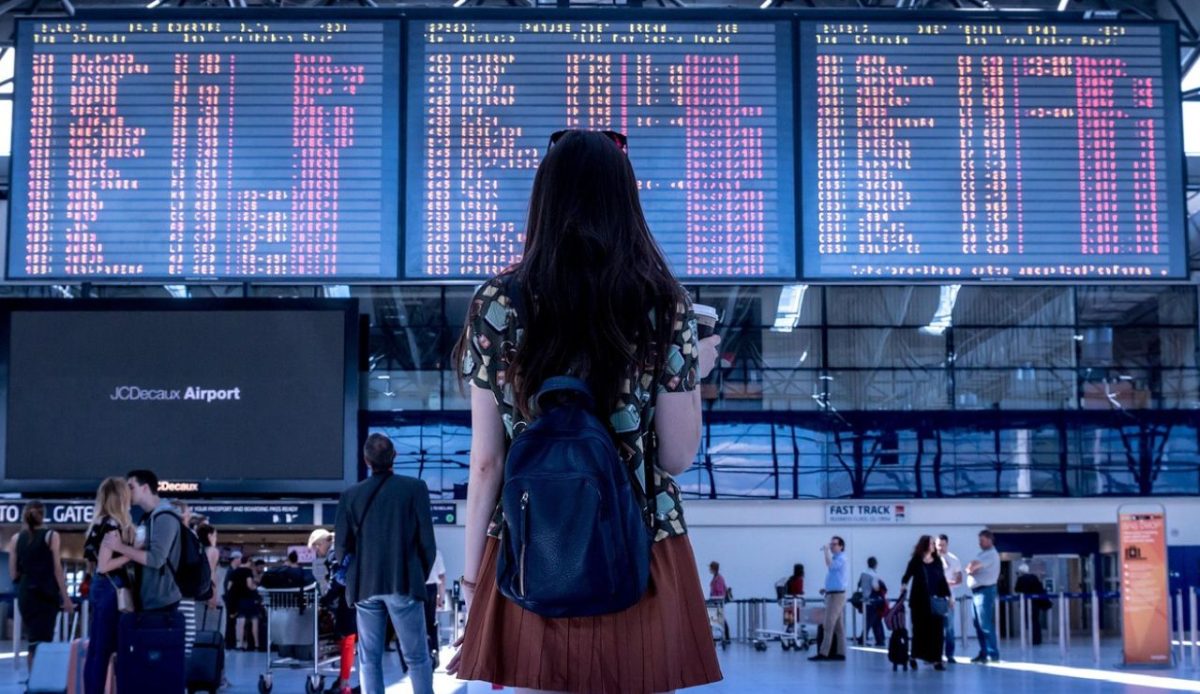
Airlines in financial distress often revise schedules to control operating costs and improve efficiency. Routes with lower demand may be reduced or eliminated, and departure times can shift with limited advance notice.
Passengers may face repeated itinerary changes that complicate hotel bookings, ground transportation, and connections. Time-sensitive trips, such as business travel or cruises, are especially vulnerable to disruption.
While schedule adjustments are common in aviation, they tend to increase during bankruptcy periods. Travelers may need to monitor bookings closely to avoid missed flights or unexpected delays.
4. Reduced Customer Service Availability
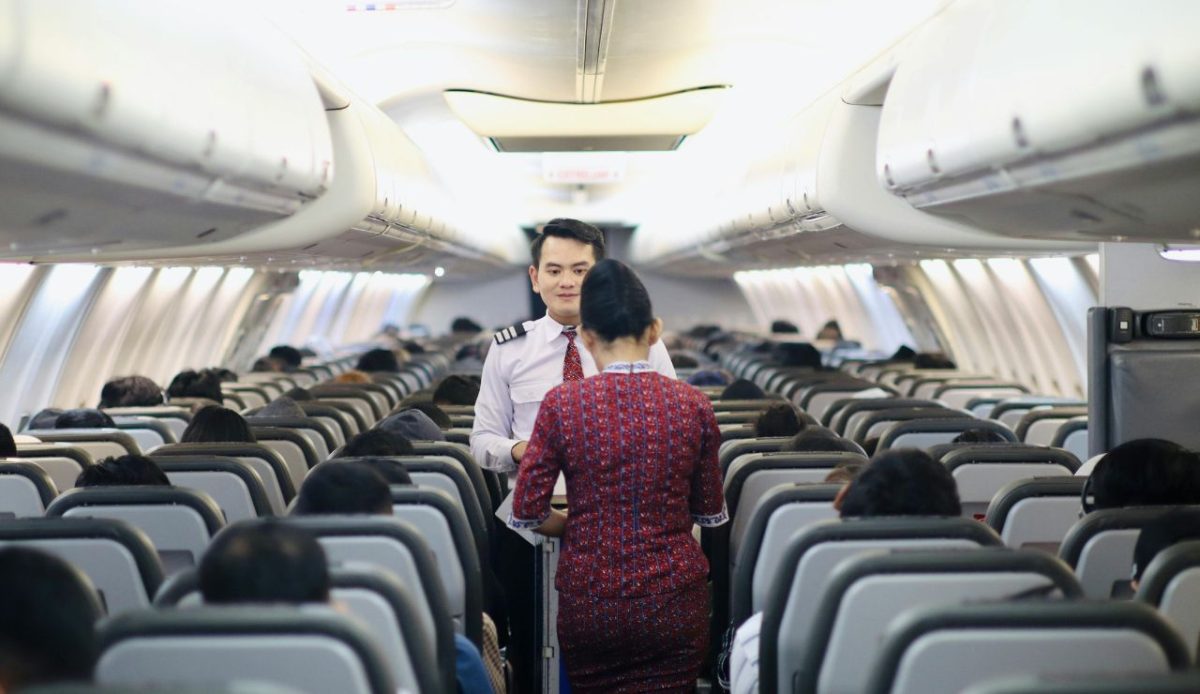
Customer service departments can face staffing reductions during restructuring, affecting both frontline agents and back-office support teams. As a result, response times may increase significantly across phone, chat, and email channels, especially during peak travel periods.
Travelers needing assistance with flight changes, refunds, or disrupted itineraries may struggle to reach a live representative. Automated systems often replace personalized support, limiting flexibility when issues fall outside standard scenarios.
This reduction can leave passengers feeling unsupported when problems arise close to departure. Time-sensitive issues may go unresolved longer than expected, increasing stress and uncertainty for travelers.
5. Ancillary Fees Becoming Non-Refundable

Low-cost airlines rely heavily on add-on fees for revenue, and during bankruptcy these fees may be enforced more strictly than before. Optional services often become a critical income stream, leaving little flexibility for customer exceptions.
Baggage fees, seat upgrades, priority boarding, and other extras are frequently non-refundable, even when flights are changed or canceled by the airline. Travelers may recover the base fare but still lose significant amounts paid for add-ons.
This can be especially frustrating for families or longer trips where extras add up quickly. Carefully reviewing fee terms becomes more important when financial pressures push airlines to protect ancillary revenue.
6. Loyalty Program Value Uncertainty

Frequent flyer points and loyalty benefits can lose value during bankruptcy as airlines reassess financial obligations tied to rewards programs. Changes may not be announced prominently, leaving travelers unaware until they attempt to redeem points.
Travelers accumulating miles may find fewer available seats, higher redemption thresholds, or new restrictions on partner airlines. Elite perks such as priority boarding, free bags, or upgrades can be scaled back temporarily or applied inconsistently.
While loyalty programs often continue after restructuring, their usefulness can decline. Flyers holding large point balances may see reduced value, making rewards less reliable during financial uncertainty.
7. Limited Protection for Future Bookings

Tickets purchased far in advance carry added risk during bankruptcy because route networks are often reevaluated. If demand drops or costs rise, airlines may discontinue routes entirely, leaving travelers with fewer options.
Passengers affected by these changes are sometimes rebooked on less convenient flights with longer layovers or different airports. In some cases, travelers are offered credits instead of refunds, limiting flexibility.
Partner airline protections may also be restricted during restructuring. Booking closer to departure reduces exposure to sudden changes that are harder to resolve during financial uncertainty.
8. Credit Card Disputes Becoming More Important

During airline bankruptcy, credit card protections become a critical safeguard for travelers facing cancellations, delays, or unprocessed refunds. Chargebacks may offer a more reliable path to recovery than waiting for airline reimbursement during restructuring.
Passengers who paid with debit cards, gift cards, or airline vouchers may have fewer protections if issues arise. Credit card networks often provide stronger consumer safeguards, but timing matters, as dispute windows are limited and strictly enforced.
Understanding card issuer rules is essential. Travelers who document issues and act quickly are better positioned to recover costs when airline processes slow or change unexpectedly.
9. Assumptions That Operations Are “Normal”
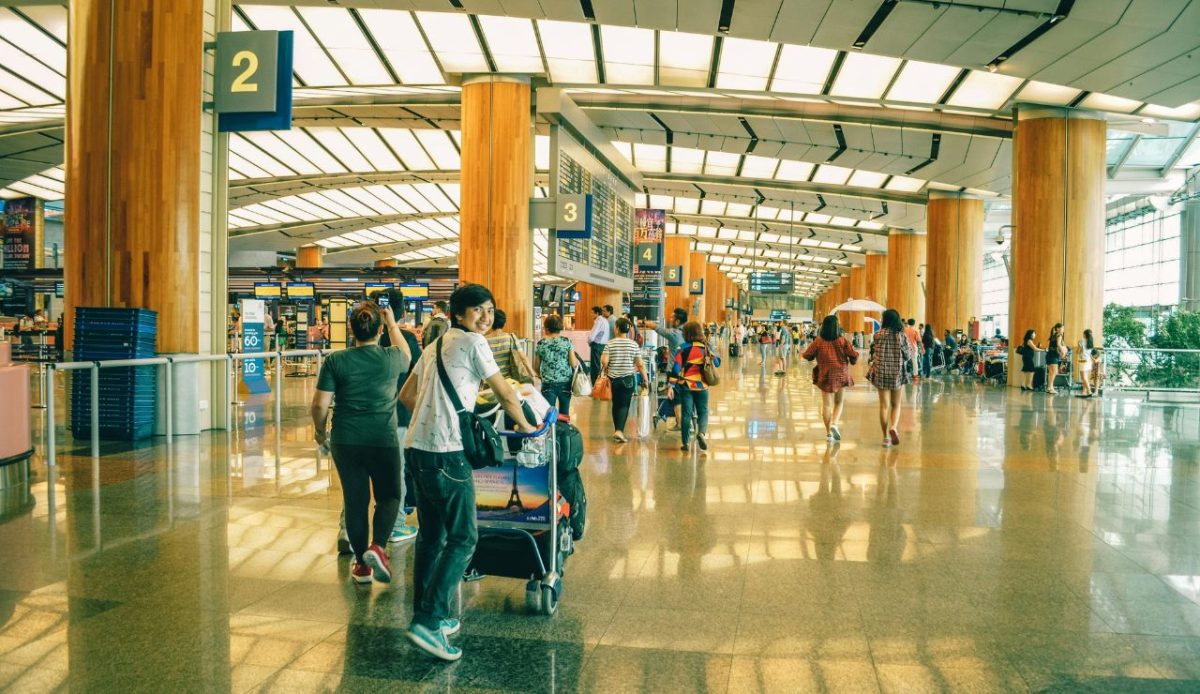
One of the most common traps is assuming bankruptcy does not affect day-to-day travel. Flights may continue operating, but internal changes can quietly affect reliability, staffing, and customer policies.
Travelers who overlook updated terms may miss important shifts in refund rules, service levels, or schedule flexibility. Airline communications during bankruptcy are often technical, brief, and easy to misinterpret.
Staying informed requires extra effort. Flyers who regularly check policy updates and booking details are better prepared to adjust plans and avoid costly surprises during uncertain periods.
