
A cruise is meant to be relaxing, but thin cabin walls and late-night partiers can quickly ruin that peace. Many travelers don’t realize how sound carries through corridors and shared balconies until it’s too late. Whether it’s thumping music, slamming doors, or chatty neighbors, noise can disrupt even the calmest vacation. Fortunately, seasoned cruisers have shared proven ways to keep the peace without confrontation. From cabin selection to onboard strategies, these tips can help you rest easy on your next voyage.
1. Choose a Cabin in a Quiet Area
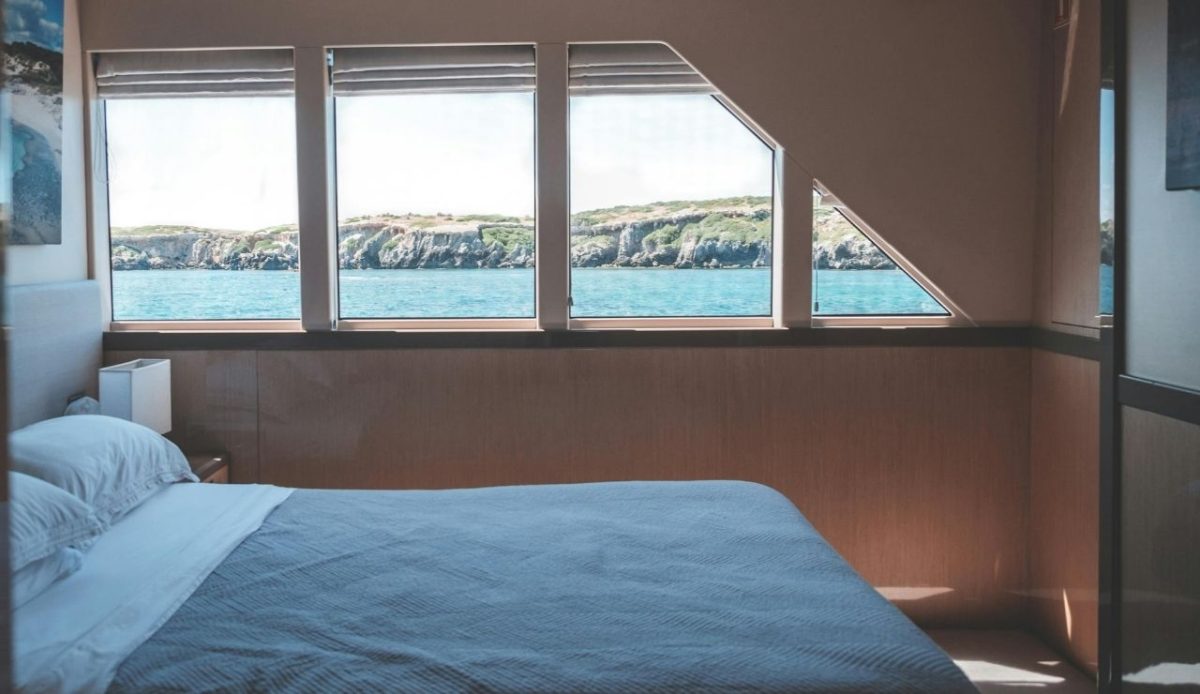
Cabin placement can make or break your cruise experience. Seasoned travelers suggest avoiding rooms near elevators, stairwells, theaters, or pool decks where sound carries easily through floors. Checking deck plans before booking helps identify cabins located under passenger decks instead of clubs or dining areas. Reddit users often mention mid-ship cabins on higher levels as the most peaceful. Choosing early in the booking process also gives you access to the quietest rooms. A few minutes of planning can ensure a restful trip from the first night.
2. Bring Earplugs or a White-Noise Device
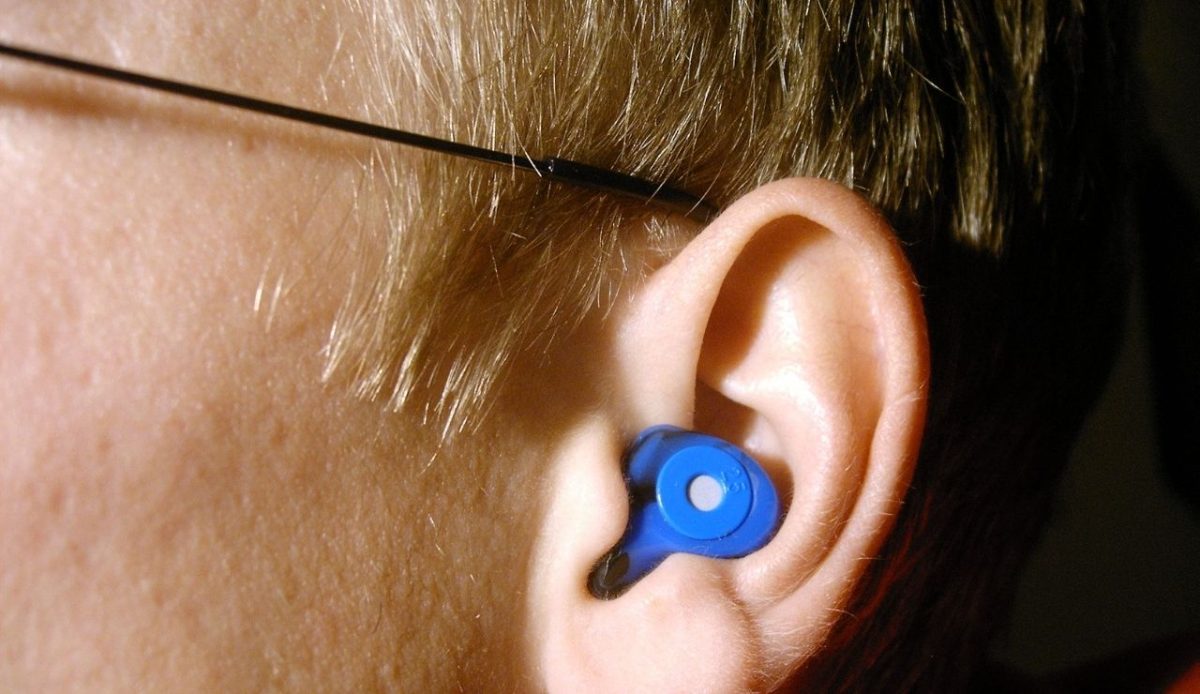
A good night’s rest often depends on small essentials. Frequent cruisers recommend high-quality earplugs to block hallway chatter and late-night footsteps. A portable white-noise machine or phone app creates a consistent background sound that masks sudden noises. Many travelers say this combination made the biggest difference during long voyages. These compact tools weigh little but deliver real comfort for light sleepers. Bringing them means you stay in control of your rest, no matter how busy your neighbors get.
3. Seal Door Gaps to Reduce Noise
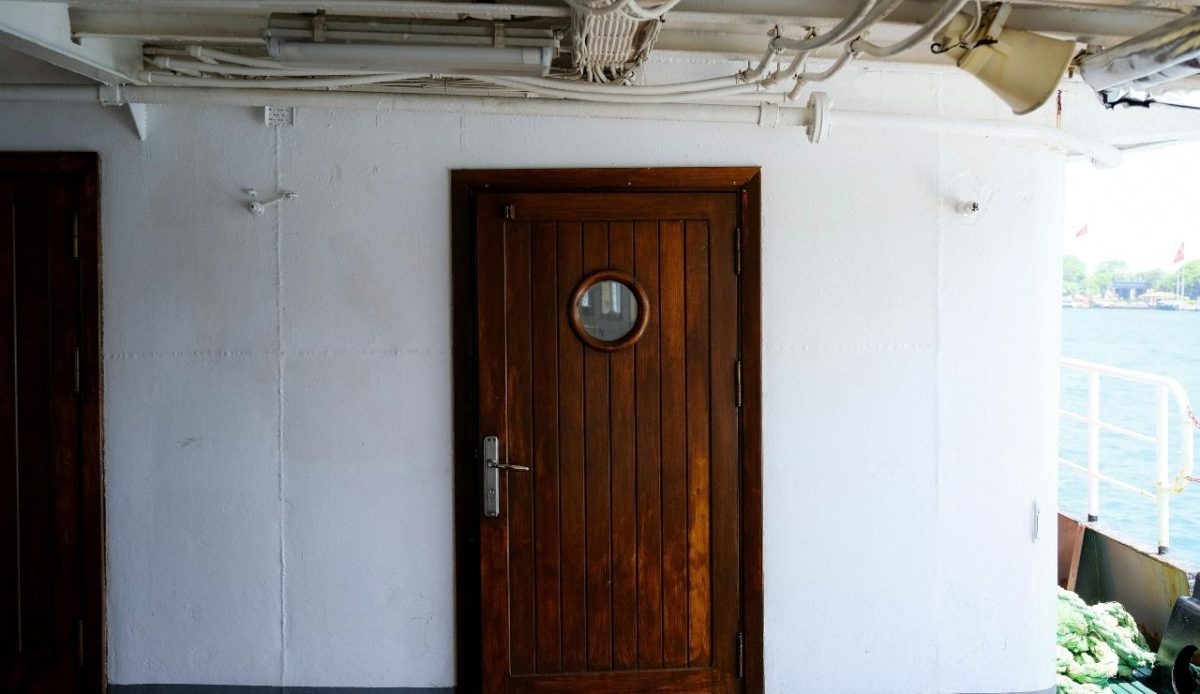
Most cabins have thin walls and connecting doors where sound leaks through. Experienced guests use rolled towels, travel pillows, or door draft stoppers to close those gaps. Some even hang lightweight blankets across the connecting door to absorb noise without leaving marks. Air vents can also carry conversations, so covering them lightly with a shirt or scarf can help soften sound. These practical tricks cost nothing and often bring noticeable quiet. A bit of creativity turns a loud cabin into a calmer space.
4. Be Quiet So Others Follow Your Example

Good manners at sea are as important as good views. Every hallway conversation or door slam echoes through narrow corridors, reaching nearby rooms. Many veteran cruisers recommend keeping TVs and music on low volume, especially at night. Parents should remind kids to talk softly when returning to the cabin after events. Respecting shared spaces builds goodwill with fellow passengers and crew. Staying calm prevents problems before they start, which helps everyone enjoy smoother nights on board.
5. Talk Politely to Your Neighbors

Sometimes the simplest fix is a friendly word. Many travelers say a short, respectful conversation with neighbors stops the problem immediately. People often have no idea their laughter or music carries through the walls. Approach them during the day, not late at night, and keep the tone relaxed. If they respond well, you’ll avoid involving staff entirely. A polite chat shows maturity and usually earns you a quieter cabin for the rest of your cruise.
6. Report It to Guest Services
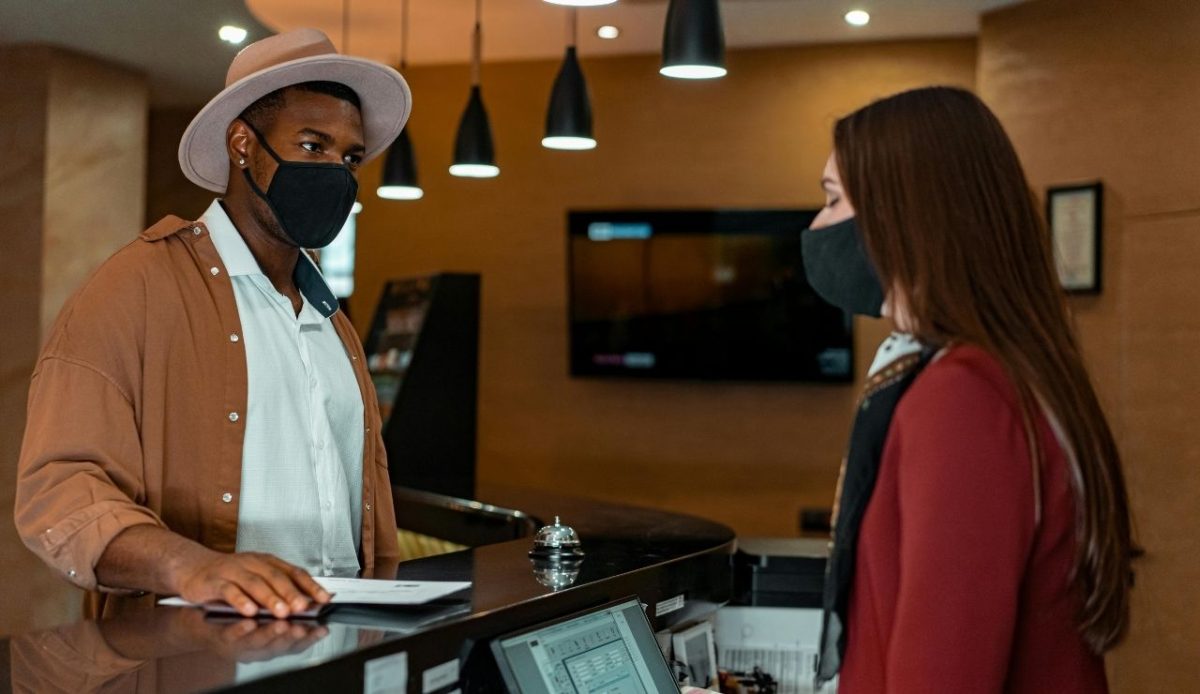
If polite requests fail, Guest Services is the next step. They have the authority to contact the noisy cabin directly or send security to investigate. Some passengers report that after a single visit, disturbances stopped for good. Security officers document noise complaints carefully, which helps if further action is needed. When you call, stay calm and explain exactly when and where the issue occurs. The staff will usually check within minutes, ensuring your experience remains peaceful.
7. Spend Time in Quieter Ship Areas

Sometimes the best fix is temporary patience. If the hallway or nearby cabin gets noisy during peak hours, take advantage of quieter ship areas like the library, spa lounge, or promenade deck. Families with young kids often mention visiting late-night cafés until things settle. A small change in timing can make the difference between frustration and relaxation. Noise tends to fade once events end or guests go to bed. Adapting calmly helps you stay rested and enjoy your cruise despite the disruption.
8. Keep Notes or Short Recordings of Noise

If noise continues night after night, keep track of it. Note the cabin number, time, and type of disturbance before reporting it again. Some travelers even record short video clips to show the pattern. This makes your report credible and helps Guest Services take faster action. Documentation also prevents misunderstanding between passengers and staff. When you provide clear details, the crew can coordinate with security or management more effectively. Organized reporting speeds up solutions and ensures your concerns are addressed seriously.
9. Read Cabin Reviews Before Booking

Preparation pays off before you even sail. Cruise veterans frequently post detailed reviews of cabins, decks, and noise levels on Reddit, Facebook, and Cruise Critic. Search your ship’s name and cabin number to see if others mention disturbances nearby. Many passengers avoid future problems by checking these discussions before booking. Travelers often share which decks stay quiet at night and which suffer from nightclub bass or heavy traffic. Learning from their experiences helps you choose wisely and cruise in peace next time.
